

Ever wonder why some people bounce out of bed at dawn while others come alive under the midnight moon? Your sleep patterns aren’t just habits – they’re deeply wired into your biological makeup through something called your chronotype. It’s like having a personal internal clock that determines when your body craves sleep and when it demands action. Think of chronotypes as nature’s way of creating a twenty-four-hour society where different people naturally take different shifts. While your friends might call you a night owl or an early bird, science has actually identified four distinct sleep personalities that go far beyond these simple labels. Understanding your chronotype isn’t just interesting trivia – it can completely transform how well you sleep, work, and live. So let’s dive into the fascinating world of sleep personalities and discover which one matches your natural rhythm.
The Bear: Society’s Natural Rhythm Keeper
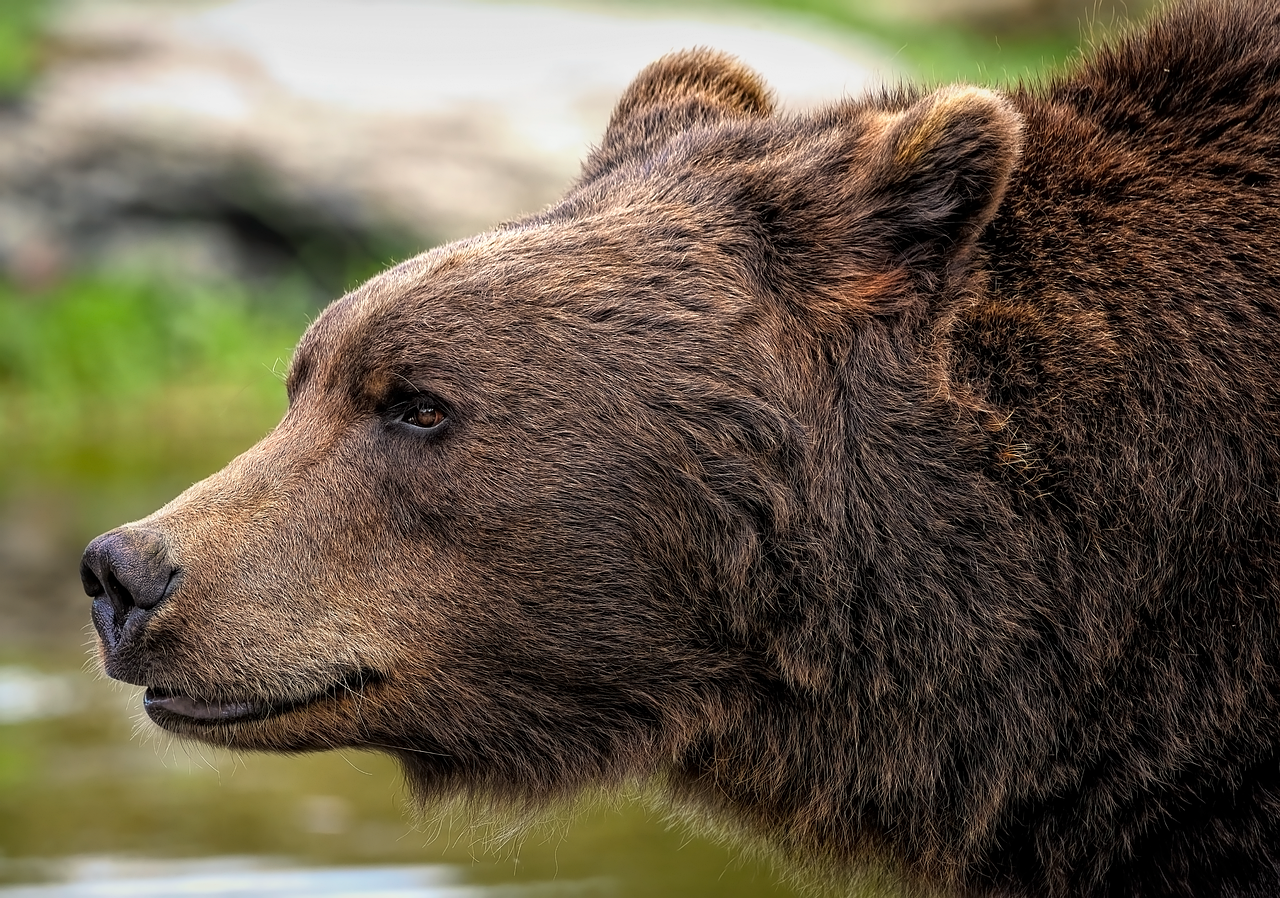
Bears represent the majority of people, making up about fifty-five percent of the population. If you’re a bear, your sleep pattern mirrors what most people consider “normal” – you naturally align with the sun’s cycle. Like their animal namesakes, bear chronotypes base their sleep patterns on sunrise and sunset, following this rhythm quite naturally.
Bears are most alert and productive during the middle of the day, from late morning through early afternoon. You probably find that morning coffee essential, not because you’re naturally a morning person, but because you need a gentle nudge to reach your peak performance hours. Many bears carry a sleep debt, often under-sleeping during the workweek and catching up on weekends.
The Lion: The Dawn Warrior
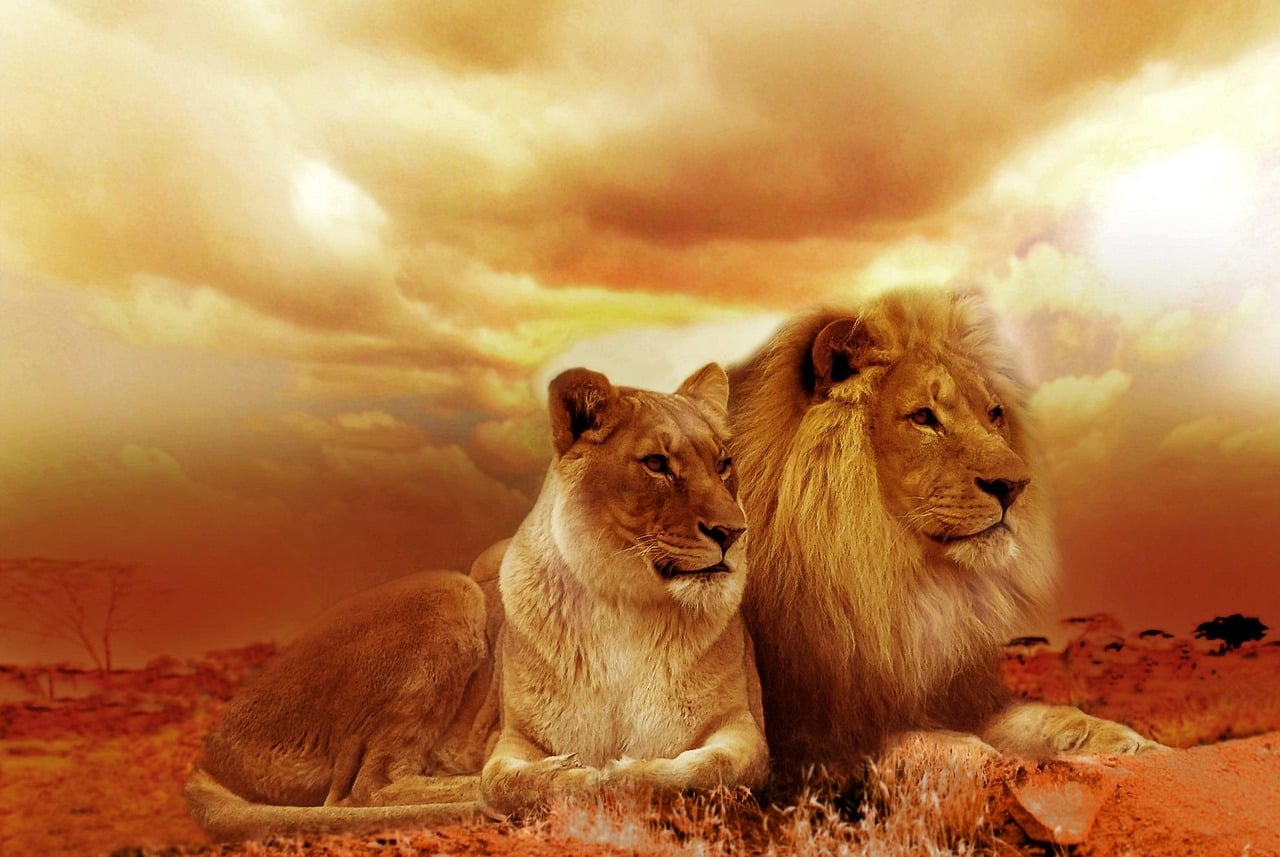
Lions are the true early birds, often waking up before sunrise around six in the morning. If you’re a lion, you probably don’t need multiple alarms – your body naturally wakes you up, ready to conquer the day. Lions leap into their days full of energy, with morning and early afternoon being their most productive times.
Lions tend to be optimistic, naturally disciplined about sleep routines, and practical goal-oriented individuals who are generally good sleepers with medium sleep drive. About fifteen to twenty percent of the general adult population are lions. The downside? Lions get tired quickly in the evening and often have to leave social events early.
The Wolf: Midnight’s Creative Soul
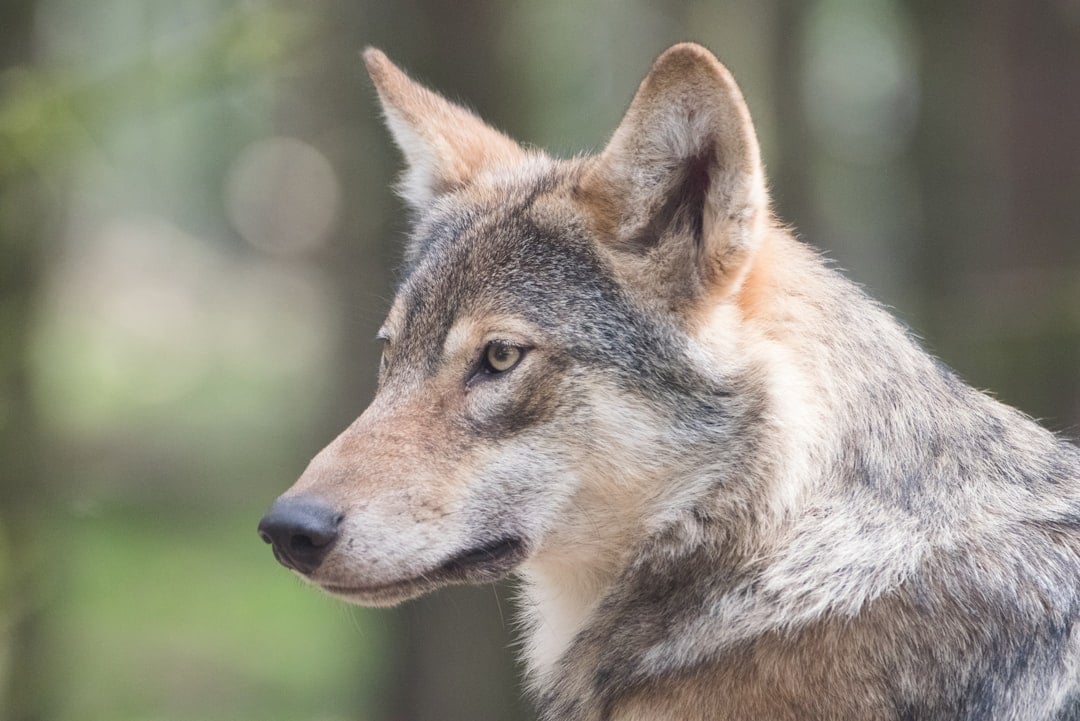
About fifteen to twenty percent of the population are wolves, the classic night owls who make up only a small portion of society. Wolves may find it challenging to wake before noon and experience their peak productivity at night. If you’re constantly hitting the snooze button and feel like a zombie until afternoon, you might be a wolf.
Wolves are highly vulnerable to chronic social jet lag and insufficient sleep because their biological rhythm is so at odds with society’s timetable for daily life. One of their most likely characteristics is creativity – with the world shut down around them, creative minds might find they work better during nighttime hours, benefiting from silence, solitude, and distraction-free thinking.
The Dolphin: The Restless Vigilant Sleeper

People with the dolphin chronotype frequently struggle with insomnia and light sleep, leaving them feeling fatigued during the day, with roughly ten percent of the population belonging to this group. Real dolphins are uni-hemispheric sleepers, meaning they sleep with one half of their brain at a time while the other half stays awake and active – a perfect analogy for this chronotype of restless, light sleepers.
Dolphins are “wired and tired” types who are chronically tired during the day and wired with restless, nervous energy at night, characterized by light and restless sleep with low sleep drive and active evening minds with racing thoughts. Despite their sleep challenges, dolphins are most productive between ten in the morning and two in the afternoon, with extremely active minds during the day.
Morning Energy Patterns and Your Chronotype

How you feel when you first wake up reveals a lot about your sleep personality. Lions are highly productive in the morning and early afternoon but find their energy levels dropping in the evening. Meanwhile, bears aren’t the most prominent morning people and might need to warm up with a caffeinated beverage or snooze a few more minutes before reaching productive mode.
Wolves struggle to wake up early and often find themselves most alert in the late afternoon or evening. For dolphins, starting the day with water and high-protein breakfast can shake off morning grogginess, though strategic caffeine consumption is particularly important given their fluctuating energy levels. Your morning routine should align with your natural awakening patterns rather than fighting against them.
Evening Productivity and Wind-Down Rituals

Your evening energy tells an equally important story about your chronotype. Lions often crave sleep by nine or ten in the evening, naturally winding down as darkness approaches. Bears are most productive during the middle of the day and naturally decrease energy as evening progresses.
Wolf chronotypes find they’re most productive during nighttime and rarely get to bed early. Dolphins may notice they suddenly hit their stride and feel refreshed in the evening, making it a great time for physical activity. Understanding your evening energy patterns helps you plan activities and bedtime routines that work with, not against, your natural rhythm.
The Science Behind Your Internal Clock
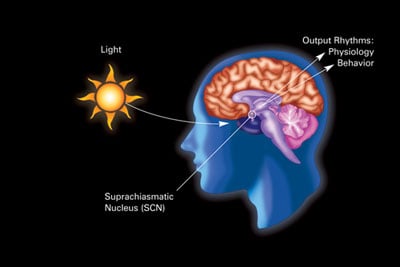
Your chronotype is closely related to circadian rhythm, which controls the day-to-day sleep-wake cycle. The PER3 circadian clock gene has been linked to early bird tendencies, while people with shorter alleles in this gene may be more prone to being night owls. Experts agree that chronotypes are genetically preconditioned, meaning that being a night owl or early riser is not only personal preference but also based on your body’s natural activity, alertness, and rest rhythms.
Although your chronotype may evolve over the course of your life, deliberately changing or retraining your chronotype is next to impossible. Across development there are changes in sleep period propensity, with pre-pubescent children preferring advanced sleep periods, adolescents preferring delayed periods, and many elderly preferring advanced periods again.
Health Implications of Fighting Your Natural Type

Compared to morning types, evening chronotypes have been associated with worse mental health, cardiovascular diseases, diabetes, eating disorders, and respiratory disorders, possibly because they’re forced to conform to wake-sleep schedules that contradict their natural rhythms. This creates a chronic misalignment between natural chronotype and externally imposed timing.
Not only is sleep quality worse for night owls forced to adapt to manufactured schedules, but eveningness is associated with greater stress response, creating a deleterious cycle between stress and sleep. Research slightly favors the sleeping pattern of early birds, which is associated with lower risk of health issues than night owl chronotypes. However, this might reflect societal bias rather than inherent health differences.
Work Schedule Optimization for Each Type

Early birds aren’t necessarily more successful, but they’re certainly better equipped to handle traditional working hours where operating well in early morning hours is an asset. Wolves may have a hard time adjusting to traditional nine-to-five work schedules and are prone to sleep deprivation if they force themselves to conform.
Why have night owls burn candles at both ends when early birds can start early and finish early, then tag those in between for regular hours, and then tag night owls for a later finish? It’s clear that typical nine-to-five doesn’t work for everyone. Employers have begun to learn to increase productivity by respecting body clocks through flexible working hours.
Conclusion: Embracing Your Natural Sleep Personality

Your chronotype isn’t a limitation – it’s a blueprint for optimizing your life. Whether you’re a steady bear, an energetic lion, a creative wolf, or a vigilant dolphin, working with your natural rhythm rather than against it can dramatically improve your sleep quality, productivity, and overall well-being. Learning to work with your chronotype can improve sleep quality, which enhances mood, productivity, and overall health.
Remember that roughly five percent of people fall between categories or exhibit mixed traits. It’s possible to have characteristics from multiple chronotypes versus fitting neatly into one. The key is identifying your dominant patterns and adjusting your schedule accordingly. What matters most isn’t which chronotype you are, but how well you honor your body’s natural preferences in a world that often demands conformity.
What do you think about your sleep personality? Does understanding your chronotype change how you’ll approach your daily routine? Tell us in the comments.
