
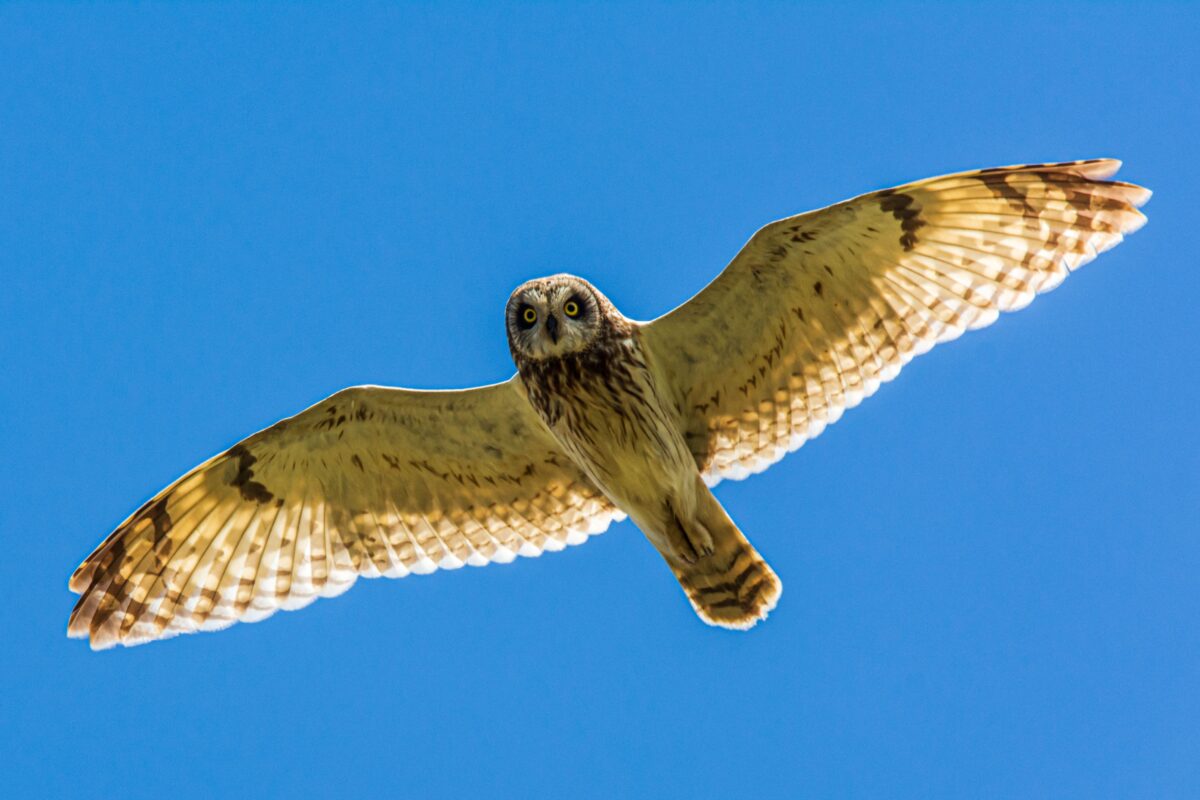
Ever wondered which night owl would be your perfect astral twin? The ancient wisdom of astrology meets the fascinating world of these nocturnal creatures in ways that might surprise you. From the fierce independence of a Great Horned Owl to the mysterious grace of a Barn Owl, each species carries distinct traits that mirror our zodiac personalities perfectly. Just like the stars above guide our paths, these silent hunters of the night embody characteristics that align remarkably with astrological signs. Whether you’re a fiery Aries charging through life or a dreamy Pisces floating through your imagination, there’s an owl species that captures your essence. Let’s dive into this captivating connection and discover which feathered philosopher matches your cosmic blueprint.
Aries: The Great Horned Owl

With its long, earlike tufts, intimidating yellow-eyed stare, and deep hooting voice, the Great Horned Owl is the quintessential owl of storybooks. This powerful predator embodies everything about the fiery ram of the zodiac. Traits: Energetic, courageous, and determined. Aries individuals are known for their leadership qualities and adventurous spirit. Great Horned Owls are fierce predators that can take large prey, including raptors such as Ospreys, Peregrine Falcons, Prairie Falcons, and other owls. They also eat much smaller items such as rodents, frogs, and scorpions. Just like Aries natives who aren’t afraid to take on challenges much bigger than themselves, these owls show the same fearless determination. This large owl is sometimes called the tiger of the air. It is an adept aerial predator with powerful talons capable of crushing the spinal column of prey larger than itself.
Taurus: The Barn Owl
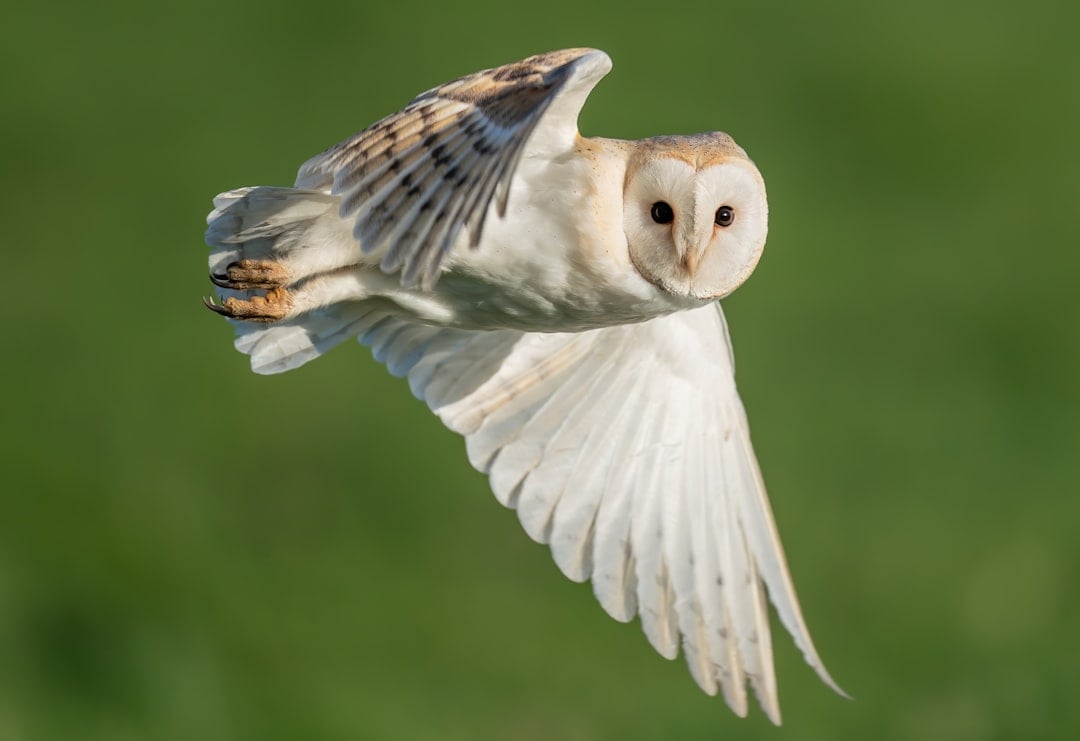
The elegant Barn Owl perfectly captures the refined yet practical nature of Taurus. Traits: Reliable, practical, patient, determined, indulgent. Personality: Known for their love of beauty and comfort, they are steadfast and loyal but can be stubborn. While some owls depend on specific conditions for survival, others, like the Barn Owl, are remarkably adaptive and are found throughout much of the world. These owls represent the Taurean love of beauty with their graceful, heart-shaped faces and pristine white plumage. American Barn Owls are much paler than Great Horned Owls with a heart-shaped face and no ear tufts. Like their zodiac counterpart, Barn Owls are incredibly reliable hunters who methodically patrol their territories night after night. Even in complete darkness, a barn owl can detect and catch prey by using its hearing alone. This mirrors the Taurus trait of being dependable and practical in their approach to life.
Gemini: The Eastern Screech Owl
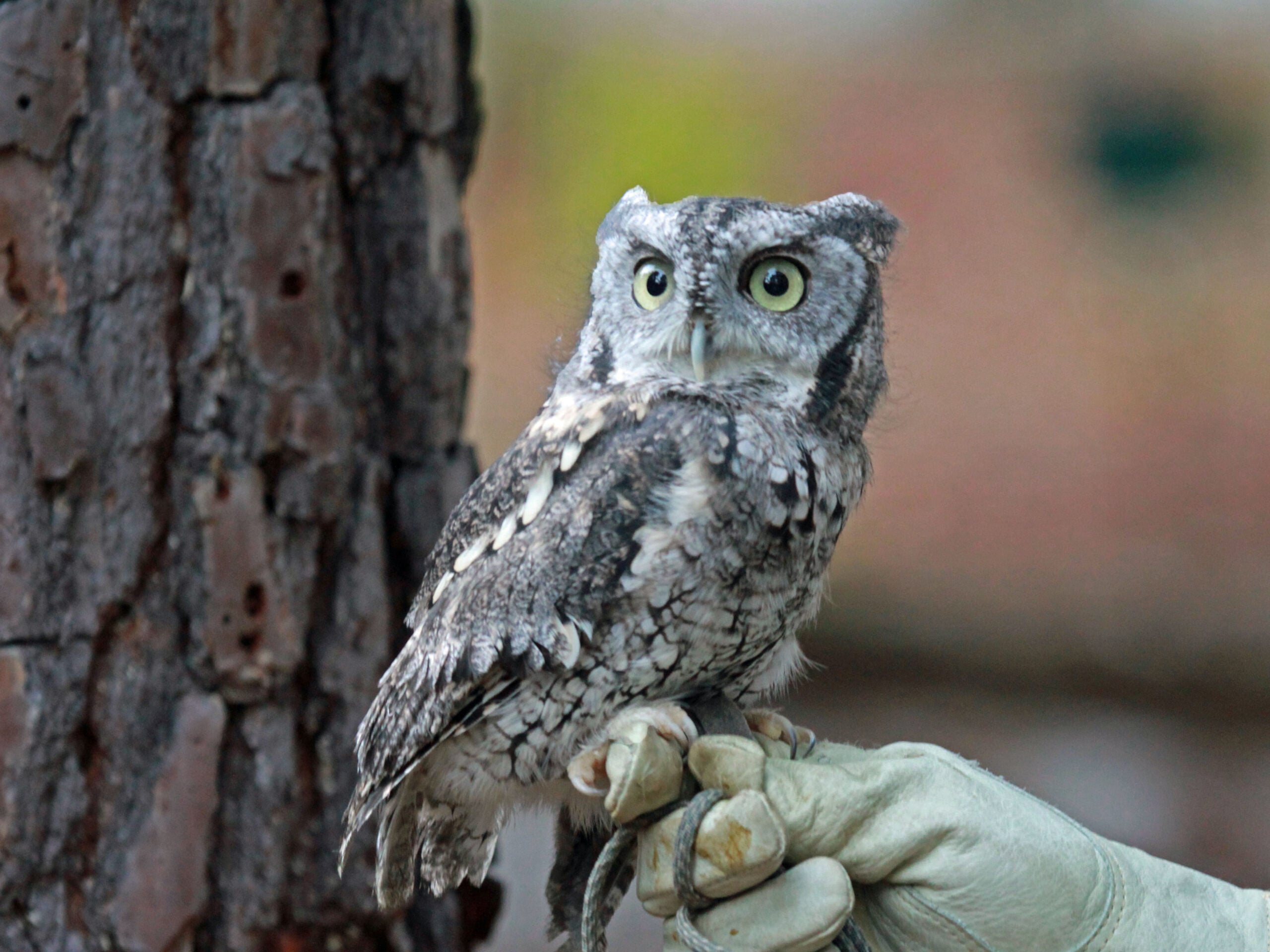
Traits: Adaptable, curious, communicative, social, witty. Personality: Quick-witted and versatile, they thrive on intellectual stimulation but can be indecisive or inconsistent. The Eastern Screech Owl embodies the dual nature of Gemini perfectly. The species is dichromatic, meaning they come in different color phases just like Geminis show different sides of their personality. It is a small owl with yellow eyes and feathered ear tufts. It exhibits geographic variation in plumage color and pattern: both gray morphs and brown morphs occur in the Pacific Northwest. This adaptability reflects Gemini’s versatile nature and ability to blend into different social situations. Although similar, the Eastern and Western Screech-Owls are different species because they have differing sounds. Eastern Screech-Owls also have darker markings on their chests and bellies than their Western counterparts. Both are well-camouflaged to blend in easily with tree trunks.
Cancer: The Northern Saw-whet Owl
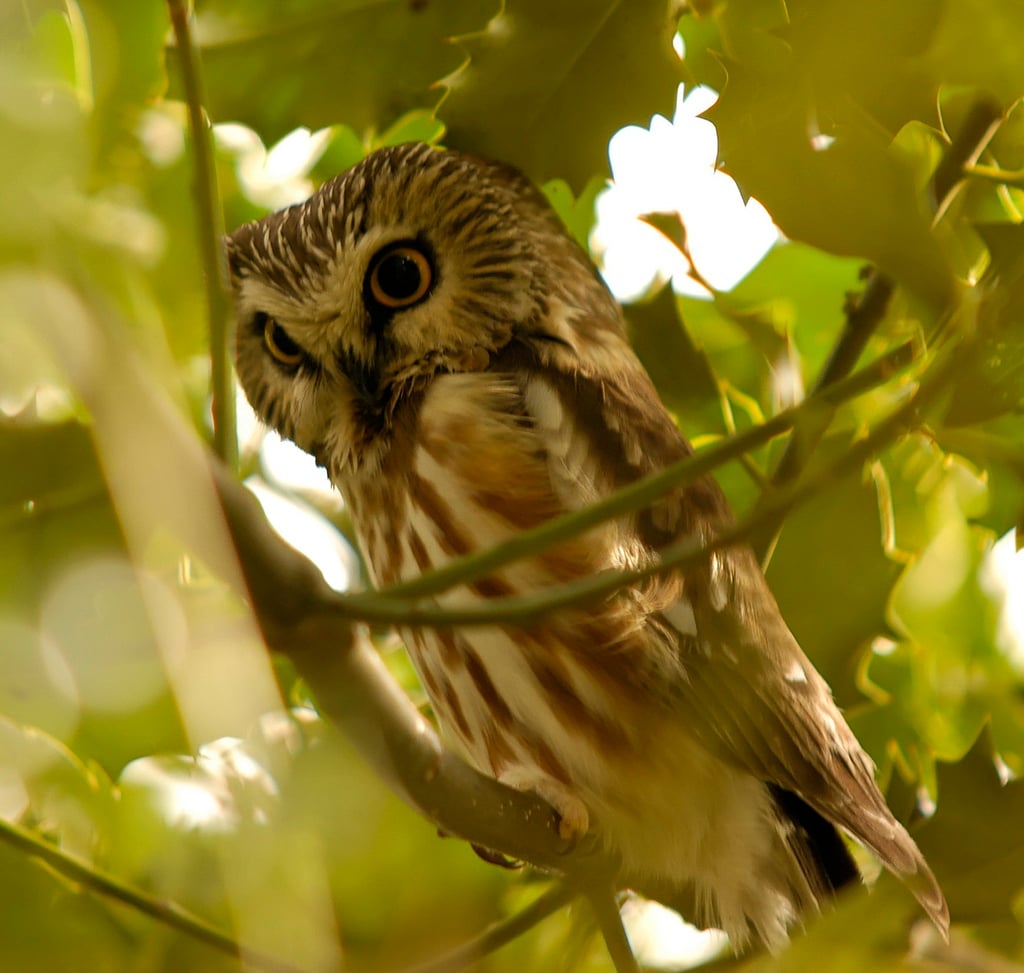
The tiny Northern Saw-whet Owl captures Cancer’s nurturing and protective spirit. Traits: Nurturing, emotional, intuitive, protective, empathetic. Personality: Family-oriented and sensitive, they value home and security but can be moody or overly protective. The smallest in the eastern US at 7-8 inches long. They’re not often seen (or heard) in the wild but there is an active population. These secretive owls prefer quiet, secluded areas much like Cancer’s need for emotional security and privacy. This seldom-seen owl prefers conifer forests and dense thickets. Few sightings have been recorded in the state in the last two decades. Just as Cancerians are deeply devoted to their homes and families, Northern Saw-whet Owls are incredibly dedicated parents who protect their nests with fierce determination. Their elusive nature mirrors Cancer’s tendency to retreat into their shell when feeling vulnerable.
Leo: The Snowy Owl
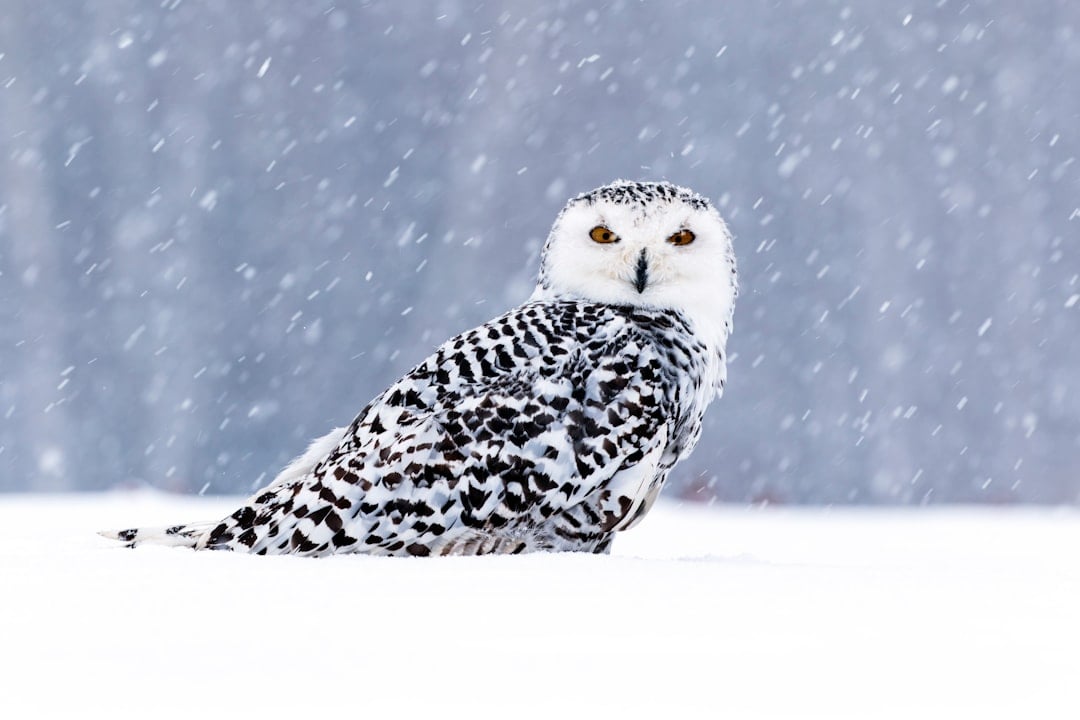
Traits: Charismatic, confident, generous, warm-hearted, dramatic. Personality: Natural performers and leaders who thrive in the spotlight but can be prideful or attention-seeking. The magnificent Snowy Owl is the ultimate Leo of the owl world. With their white plumage, Snowy Owls are among the most distinctive owls found in Colorado. The snowy owl is unmistakable and shouldn’t be confused with any other species. Adult males are very white, with few black markings. These stunning owls command attention wherever they appear, much like Leos naturally draw people toward them. Few birds generate as much excitement as these massive, Arctic-nesting owls. Some winters, only one or two are found, while peak years might bring a dozen or more reports. These enormous birds are largely diurnal and easily observed. Unlike most owls who prefer the cover of darkness, Snowy Owls hunt during the day, embracing the spotlight just like their Leo counterparts who thrive on being seen and admired.
Virgo: The Burrowing Owl
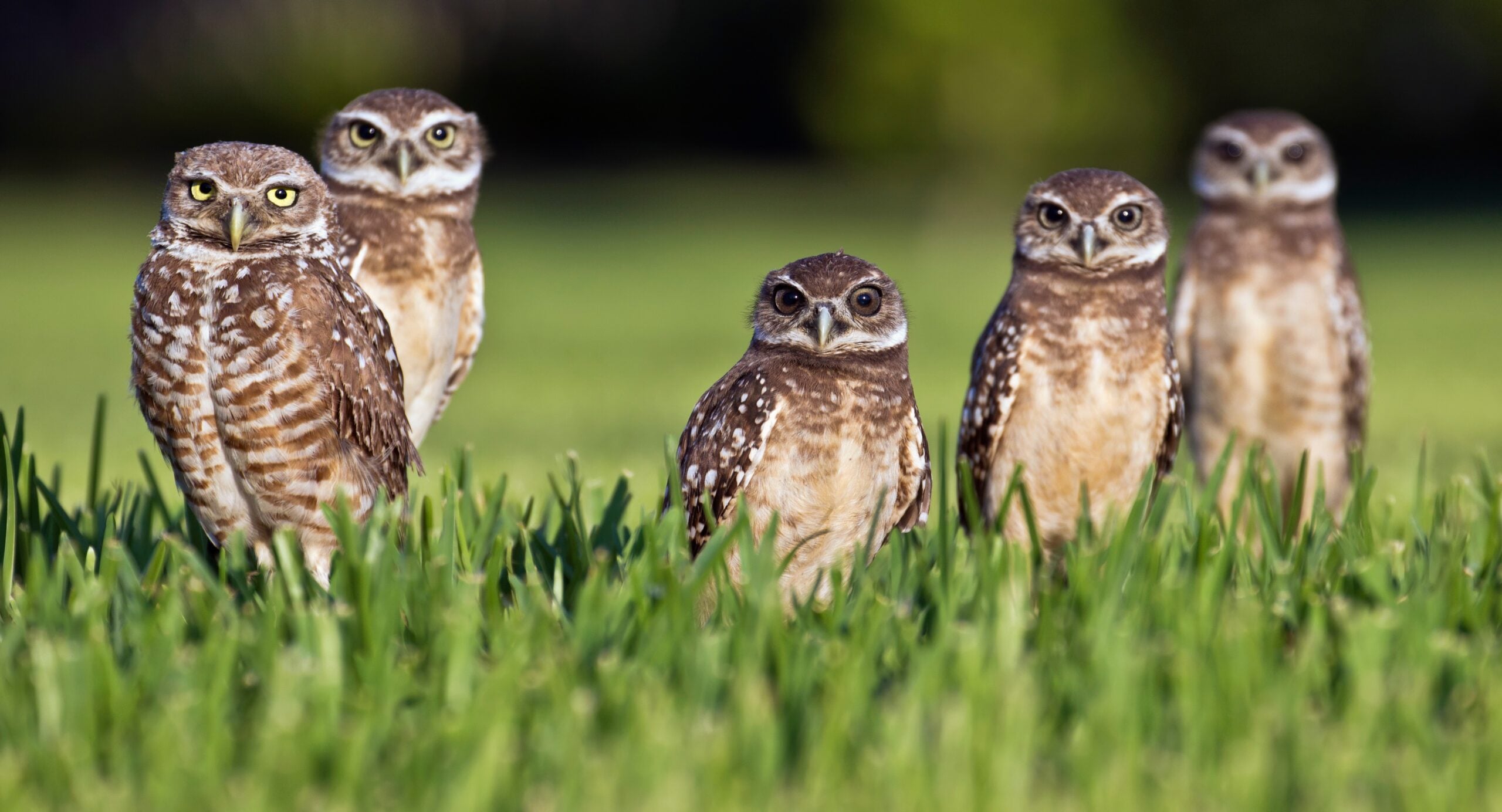
The methodical Burrowing Owl perfectly represents Virgo’s practical and detail-oriented nature. Key characteristics: Long legs, distinctive head-bobbing behavior and a preference for nesting in burrows These unique owls break the traditional owl mold by living underground and being active during daylight hours. Only active during the daytime, they typically feed on small birds and mammals. Males have a distinctive rhythmic call. Like Virgos who approach life with systematic precision, Burrowing Owls are incredibly organized in their lifestyle choices. The burrowing owl has a unique habitat, often residing in abandoned burrows of mammals. They take practical recycling to the next level by repurposing existing holes rather than creating unnecessary work. This mirrors Virgo’s efficient approach to problem-solving and their preference for practical solutions over dramatic gestures.
Libra: The Long-eared Owl
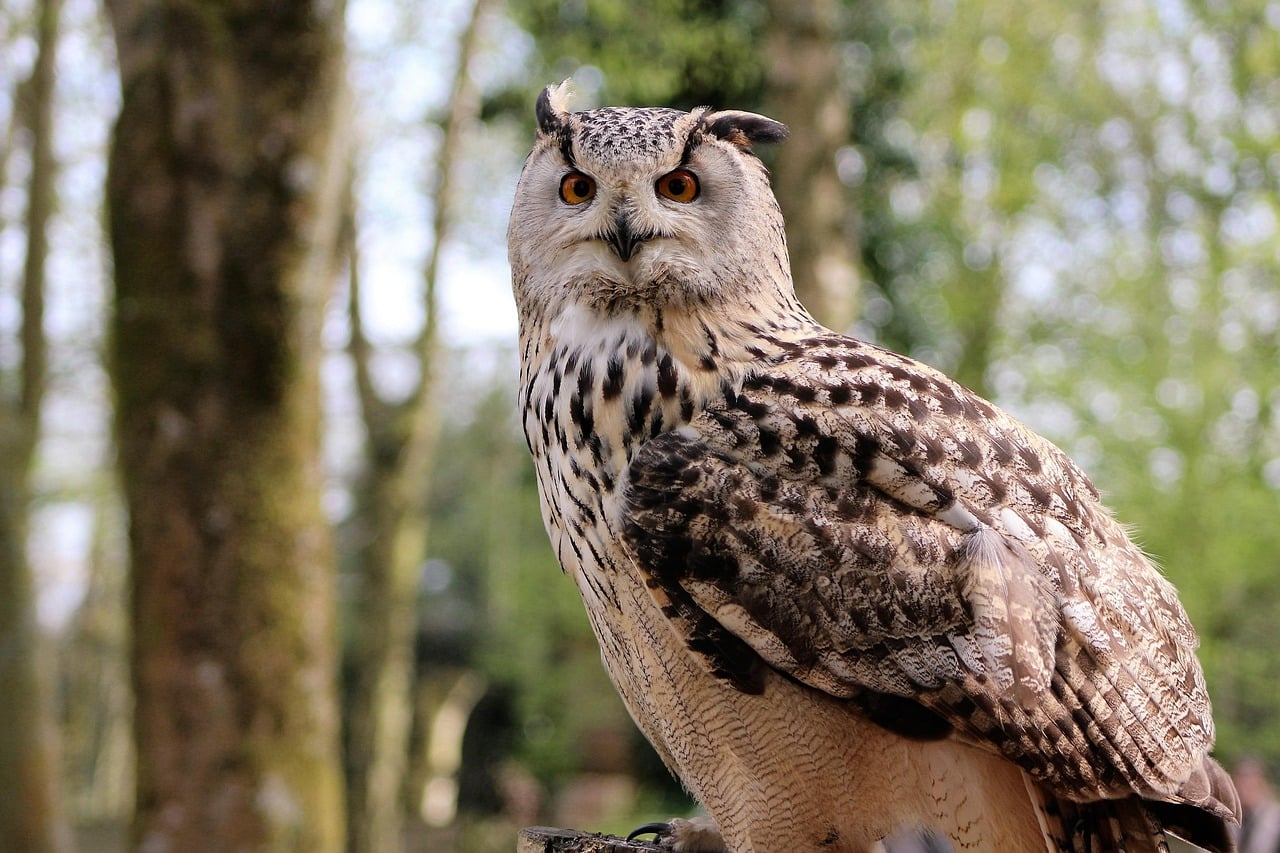
The graceful Long-eared Owl embodies Libra’s quest for balance and aesthetic beauty. Key characteristics: Long “ear” tufts, a slender appearance and a preference for roosting in dense foliage Long-eared Owls have ear tufts similar to Great Horned Owls, but their bodies are smaller. They also have round faces and large eyes, which gives them what can look like a surprised expression. These owls possess an almost ethereal beauty that captures Libra’s love of harmony and elegance. The long-eared owl has a graceful appearance and striking tufts that resemble ears. Like Librans who prefer peaceful environments and avoid confrontation, Long-eared Owls are secretive creatures who choose densely wooded areas where they can maintain tranquility. The male’s hoot can be heard for half a mile. They can be found on the Western Slope all year, and in other parts of Colorado during the winter.
Scorpio: The Northern Spotted Owl
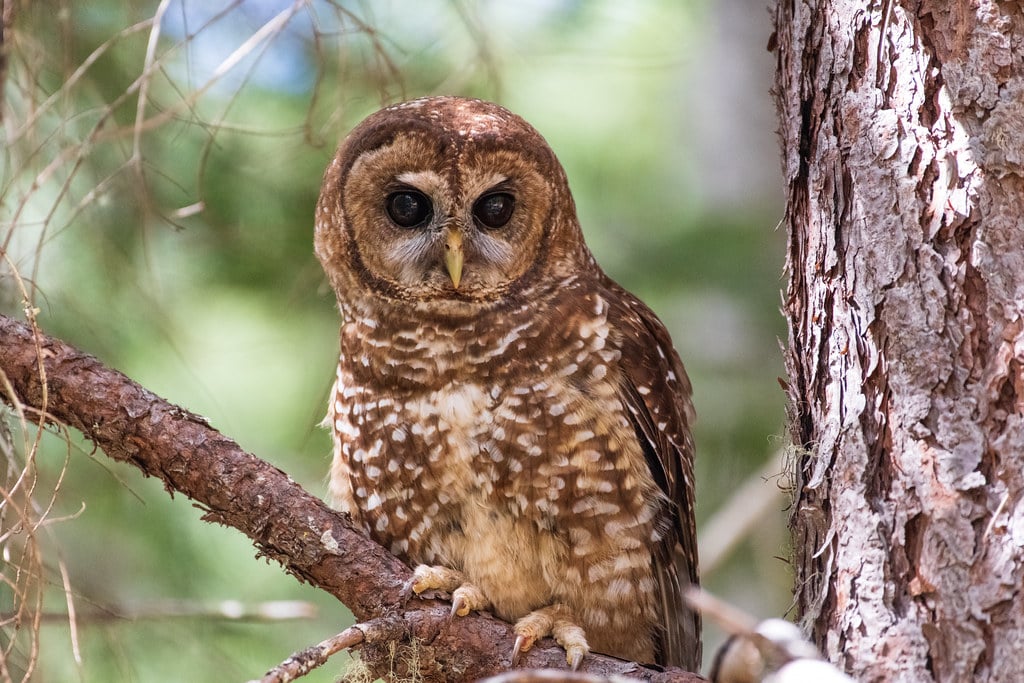
The mysterious Northern Spotted Owl perfectly captures Scorpio’s intense and enigmatic nature. Because of its association with old forests, this inconspicuous, dark brown owl has become one of the most controversial birds in the Pacific Northwest. The dark eyes and creamy white mottling on the breast and abdomen are distinctive, as is the lack of fear of humans. Both adults and young will typically allow humans to approach within a few feet, and it is not unusual for curious juveniles to follow hikers through the woods. This fearless behavior mirrors Scorpio’s intense curiosity and ability to probe deeply into situations that others might find intimidating. The Northern spotted owl is a permanent resident in forested regions of western Oregon, from the coastal mountains to the eastern foothills of the Cascade Range. It is an Oregon Conservation Strategy Species in these ecoregions: Coast Range, East Cascades, Klamath Mountains, West Cascades, and Willamette Valley. Like Scorpios who often find themselves at the center of transformative situations, these owls have become symbols of environmental change and conservation efforts.
Sagittarius: The Short-eared Owl
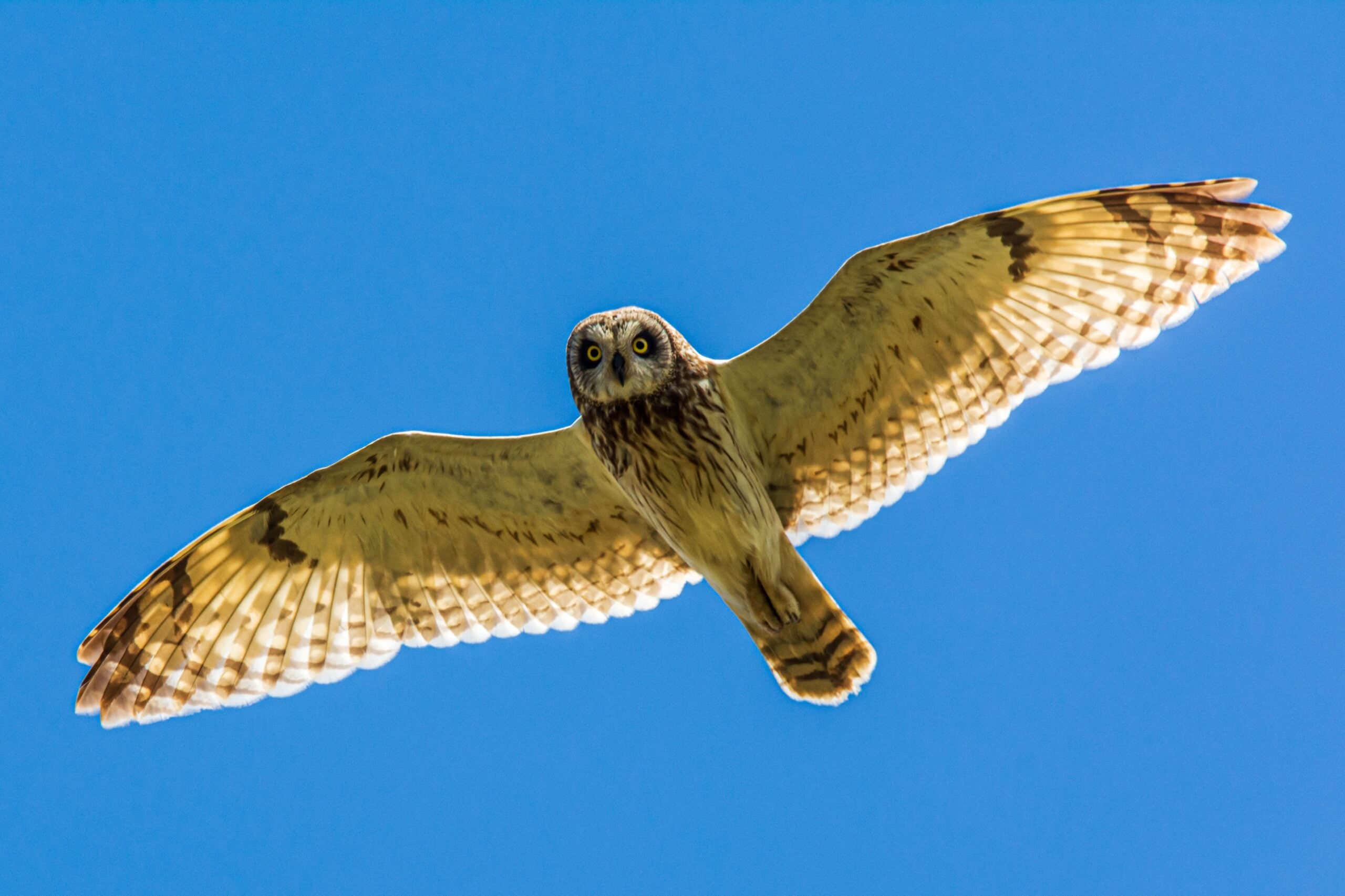
The adventurous Short-eared Owl embodies Sagittarius’s love of freedom and exploration. Short-eared Owls lack the ear tufts and can be easily distinguished by their ringed faces. Most active at dawn and dusk, they can be found throughout Colorado during the winter, but in the warmer months they move to Canada and the northern U.S. to breed. This nomadic lifestyle perfectly matches the Sagittarian need for constant movement and new experiences. Unlike other owls that prefer the security of trees, Short-eared Owls hunt over open grasslands and prairies, embracing wide-open spaces just like their zodiac counterpart craves freedom. These owls migrate vast distances, following their instincts and adapting to different environments along the way. Their wanderlust and ability to thrive in various habitats mirror Sagittarius’s philosophical nature and desire to explore different cultures and ideas throughout their lifetime.
Capricorn: The Great Gray Owl
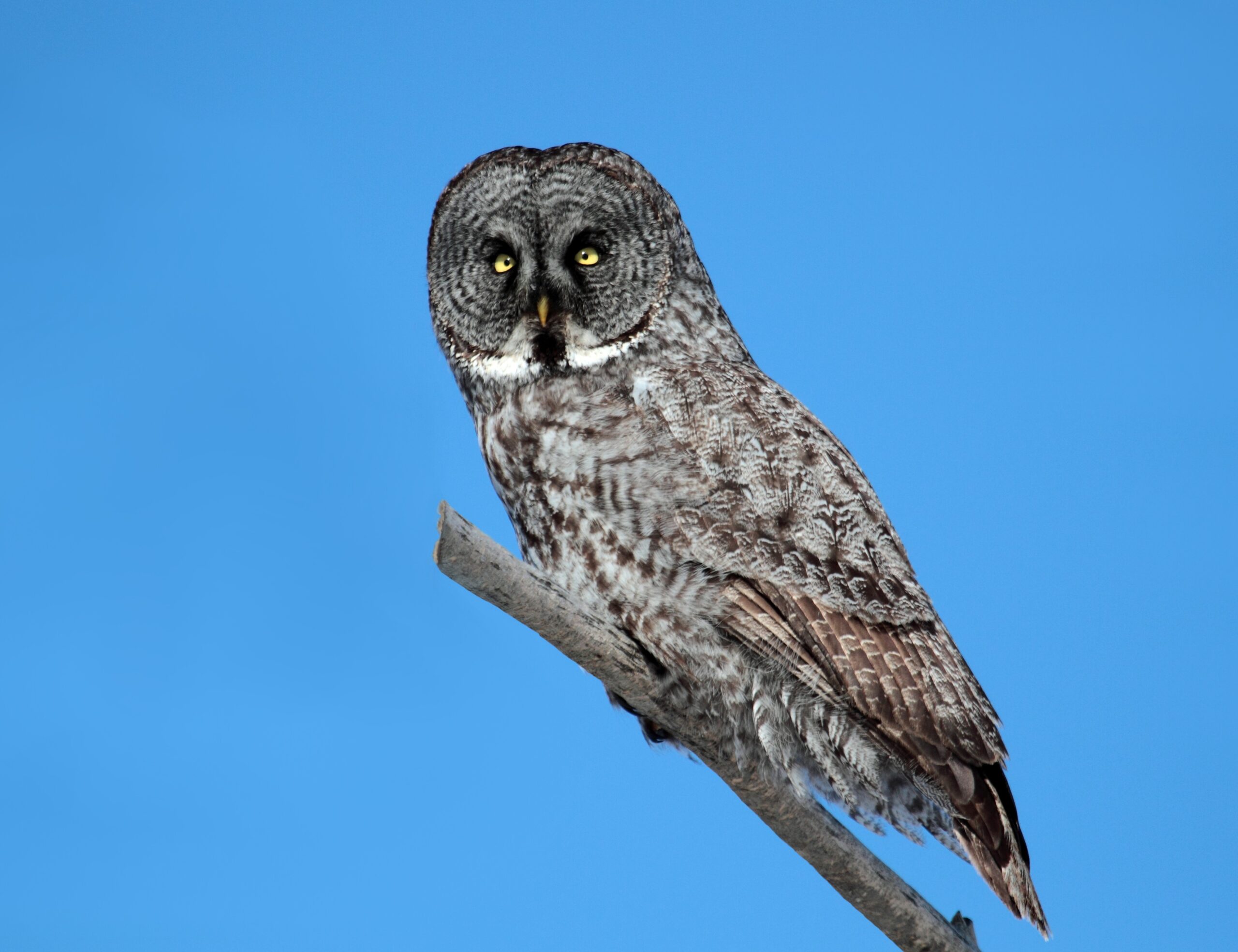
The impressive Great Gray Owl represents Capricorn’s dignified and ambitious nature. In length, the Great gray owl is Oregon’s largest owl, though it weighs less than the Great horned and Snowy owls. It is sooty gray to brownish above and lacks ear tufts. The prominent facial disc, outlined in black, contains a series of fine concentric rings that surround piercing yellow eyes. Despite its large size, both feet and bill are small. species in the world by length is the great gray owl of North America. It is nearly three feet long with a wingspan of almost 4 ½ feet, although the smaller great horned owl outweighs it by 15% on average. Like Capricorns who achieve success through persistent effort rather than flashy displays, Great Gray Owls command respect through their impressive stature and quiet dignity. It is an uncommon to rare inhabitant of forests adjacent to openings above 3,000 feet in the Cascades, Blue, and Wallowa mountains. The Great gray owl is an Oregon Conservation Strategy Species in the Blue Mountains, East Cascades, Klamath Mountains and West Cascades ecoregions.
Aquarius: The Northern Hawk Owl
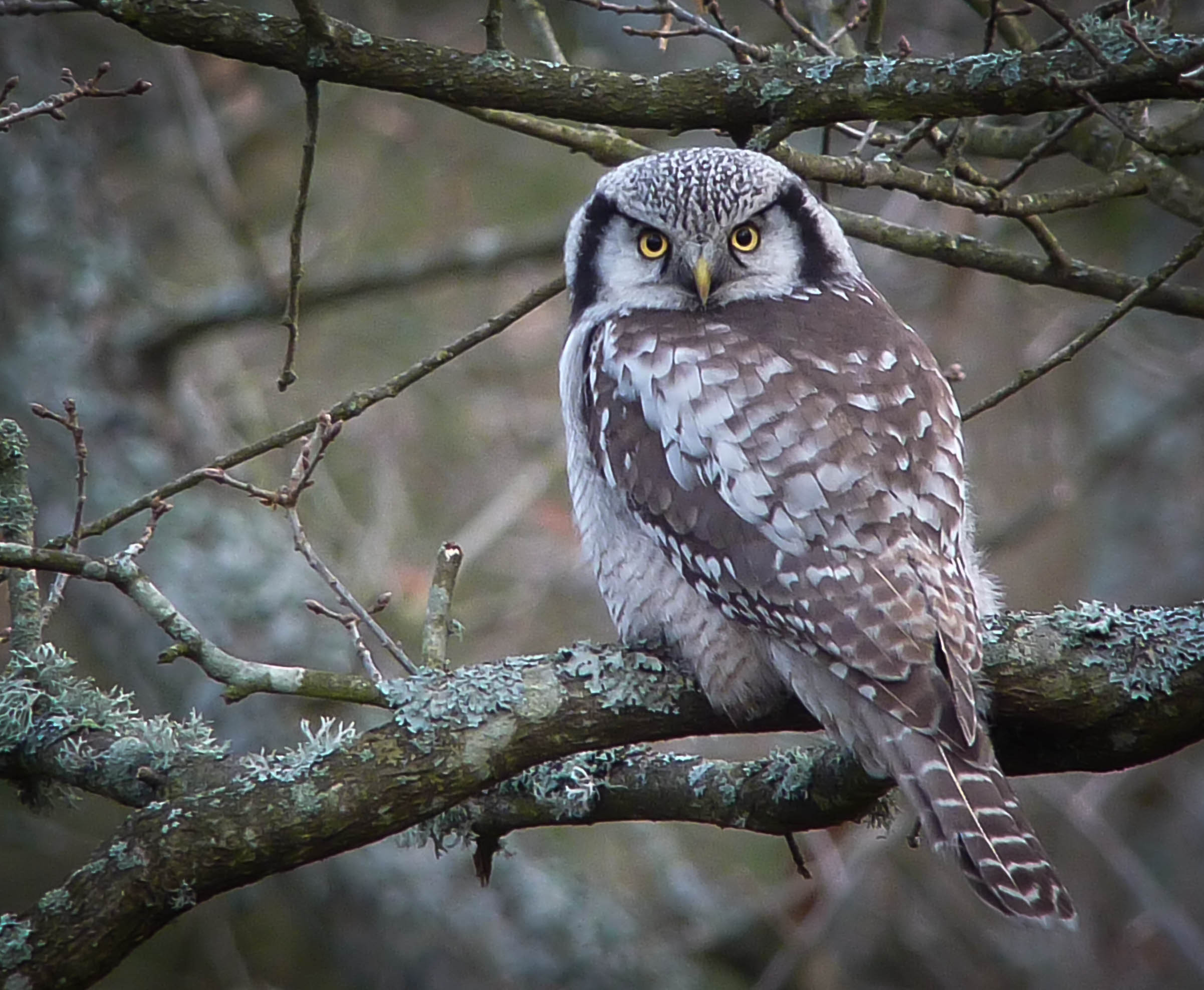
The unique Northern Hawk Owl perfectly captures Aquarius’s innovative and independent spirit. Unlike traditional owls, this species breaks conventional rules by being primarily diurnal and possessing a hawk-like appearance and hunting style. Northern Hawk Owls are medium-sized owls that break conventional owl behavior by being primarily diurnal hunters with a distinctive long tail and hawk-like appearance. This revolutionary approach to being an owl mirrors Aquarius’s tendency to challenge traditional norms and find innovative solutions. Northern Hawk Owls perch openly on treetops during daylight hours, completely abandoning the secretive nocturnal lifestyle of their cousins. Their willingness to be different and stand out from the crowd perfectly embodies the Aquarian spirit of embracing individuality and refusing to conform to societal expectations.
Pisces: The Flammulated Owl
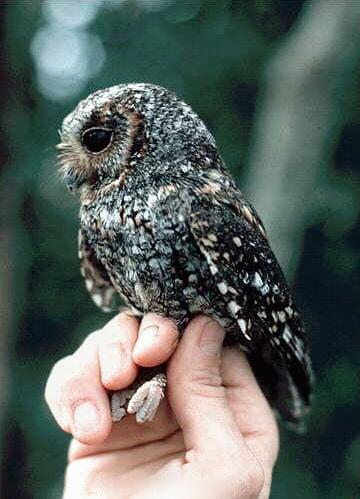
The ethereal Flammulated Owl captures Pisces’s dreamy and elusive nature perfectly. These small, mysterious owls seem to fade in and out of reality like the mutable water sign they represent. The Flammulated Owl is one of the smallest owl species. Their name comes from their flame-like markings, which seem to flicker and dance like Pisces’s ever-changing emotions and intuitive insights. Flammulated Owls are among the most secretive and least understood owl species, preferring to remain hidden in dense pine forests where they can drift through the shadows like mystical spirits. Their soft, ventriloquial calls can be heard from seemingly everywhere and nowhere at once, much like how Pisces natives often seem to exist in multiple dimensions simultaneously. These owls migrate to tropical regions during winter, following their instincts toward warmer, more nurturing environments just as Pisces seeks emotional comfort and spiritual connection. Each owl species carries within its wings and eyes the essence of astrological wisdom that has guided humanity for millennia. Whether you see yourself in the fierce determination of a Great Horned Owl or the mysterious grace of a Flammulated Owl, these nocturnal guardians remind us that our personalities are as diverse and fascinating as the night sky itself. What do you think about your owl match? Tell us in the comments which feathered friend resonated most with your cosmic nature.
