
Change terrifies most people. It disrupts our routines, challenges our comfort zones, and forces us to step into the unknown. Yet change is the very essence of life itself, the constant current that shapes who we become. Throughout history, humans have looked to the natural world for guidance in navigating these turbulent waters, and few creatures embody the wisdom of transformation quite like the owl.
These mysterious nocturnal hunters don’t just represent wisdom in abstract terms. They serve as powerful totems that mirror our deepest approaches to handling life’s inevitable shifts and transitions. Each species carries its own distinct energy and teaching about change, offering us profound insights into our personal growth patterns. So let’s dive into the fascinating world of owl totems and discover which feathered guide best reflects your unique relationship with change.
The Great Horned Owl – The Fearless Transformer
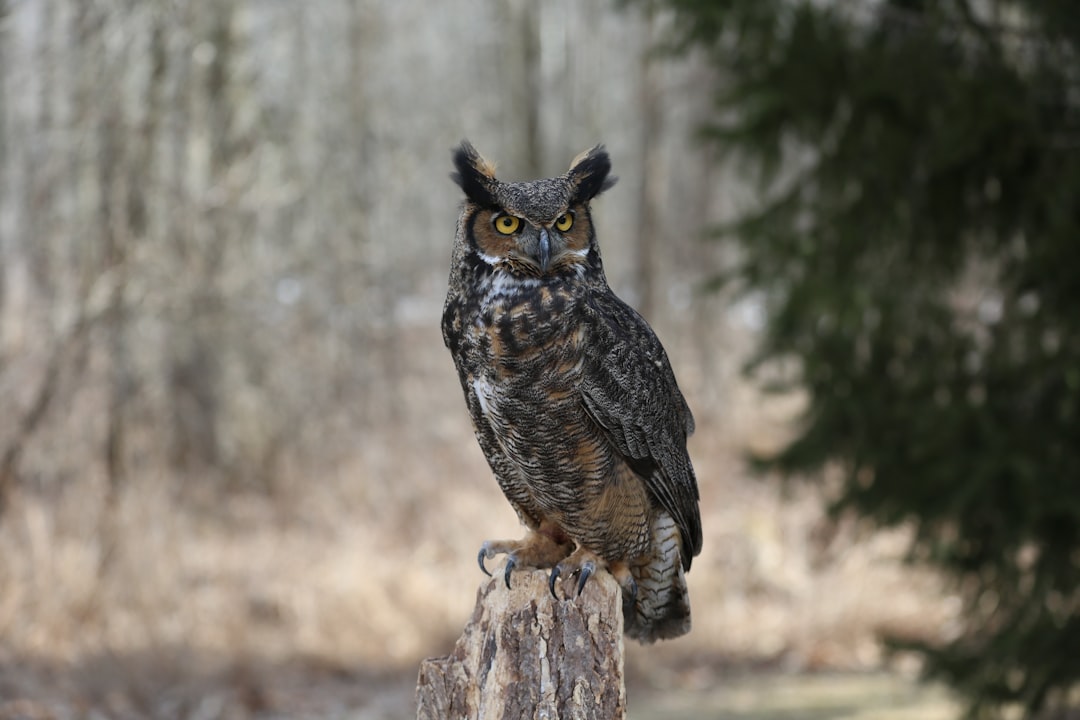
If you resonate with the Great Horned Owl, change doesn’t intimidate you – it energizes you. You’re someone who identifies clear goals during transitions and takes action fearlessly, never moving forward without having a specific direction in mind. People with this totem are territorial, dominant, and attack life with great enthusiasm.
Like the camel, you’re remarkably adaptable and can make any adjustments required on the fly. You know what your purpose in life is, and will unerringly focus on these goals, accomplishing them quickly when you set your mind to it. The gifts of loyalty and ferocity define your approach to transformation, teaching you to face your fears head-on.
The Barn Owl – The Intuitive Guide Through Darkness
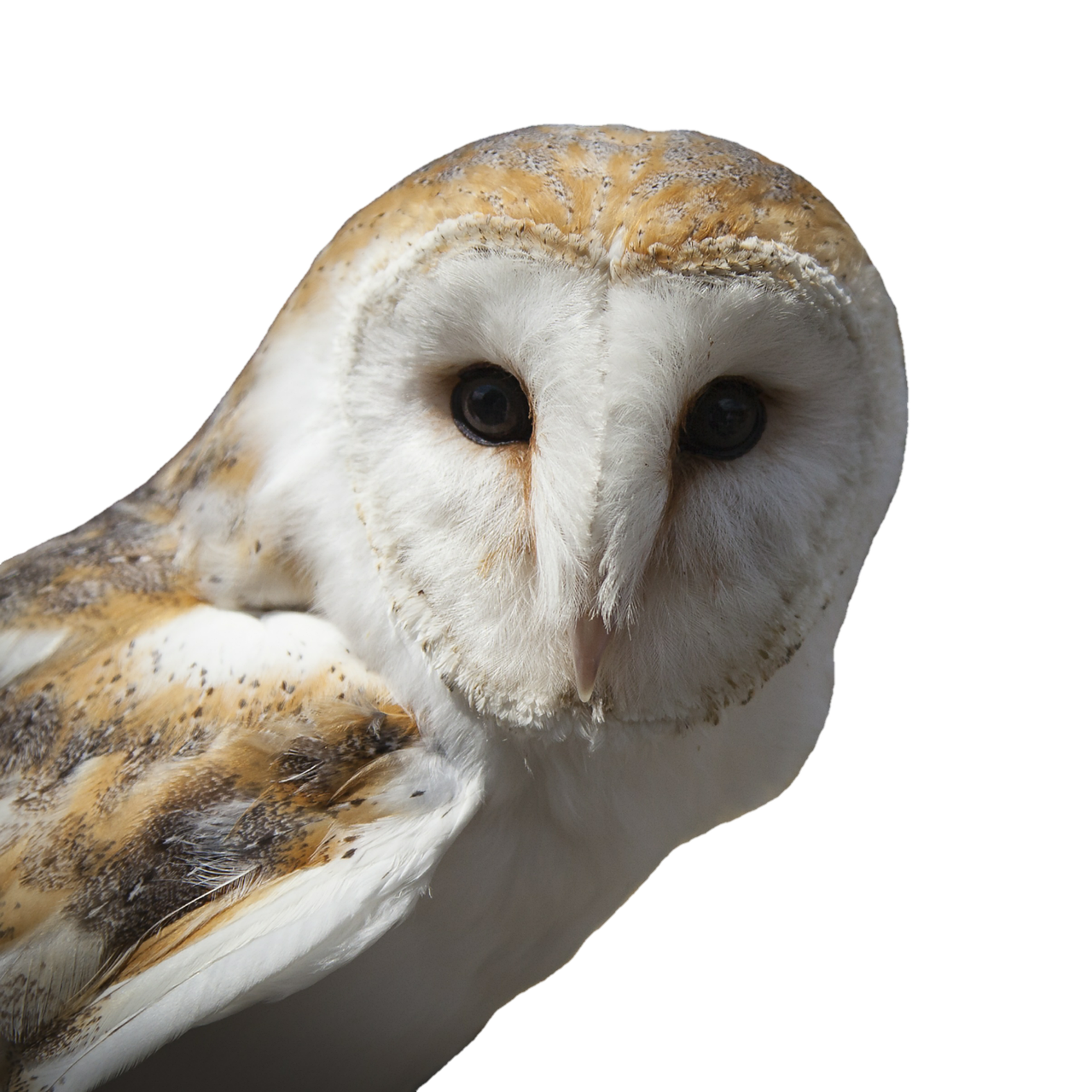
With its ghostly white underside, blood-curdling call, and eerie silent flight, the Barn Owl has been propelled into the stuff of legend. If this is your totem, you handle change by trusting your deepest intuitions, even when the path ahead seems shrouded in mystery. You don’t need perfect clarity to move forward.
As one of the most widespread species of birds on the planet, found on every continent except Antarctica, the Barn Owl represents universal adaptability. As a truly nocturnal creature, you emerge from your comfort zone several hours after others have retreated. You find your power in the quiet moments when most people are afraid to venture forth.
The Screech Owl – The Master of Subtle Adaptation
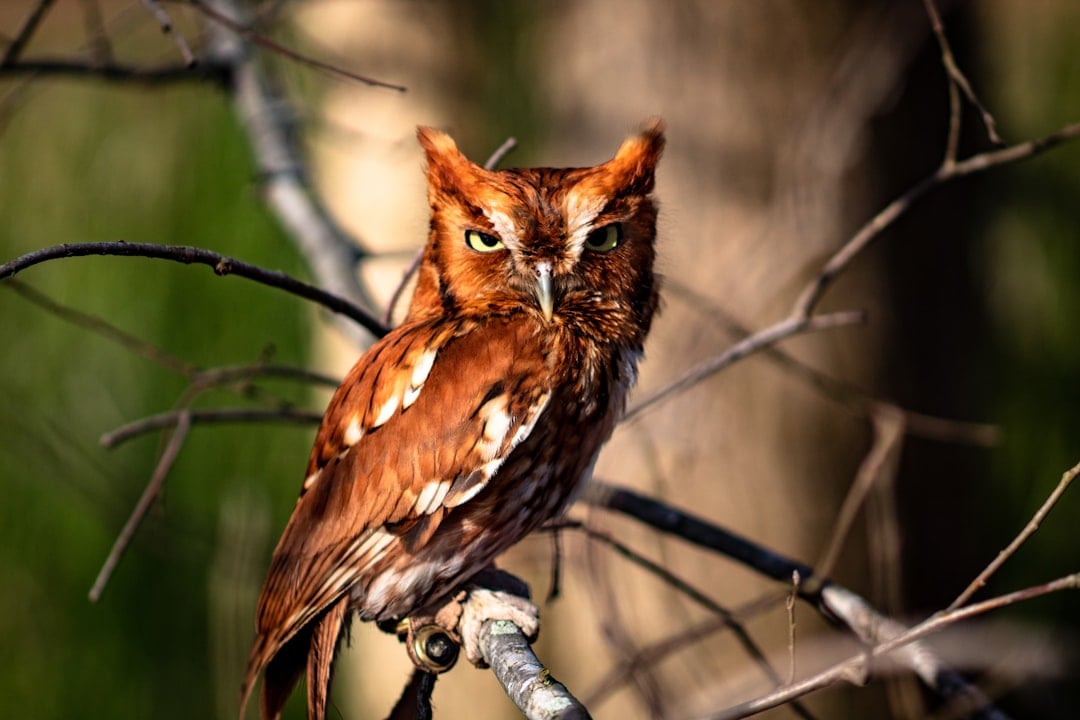
People with the Screech Owl totem are self-sufficient, self-contained, yet will make choices that are best for all those involved instead of just for themselves. In some folklore traditions, the screech owl was associated with omens and prophecy, with hyper-superstitious people divining outcomes according to screech owl calls – victory if heard on the right or left, defeat if heard ahead or behind.
When feeling overwhelmed by change, you instinctively break things down into smaller, more manageable parts. You change your perception of challenging situations by viewing them through different lenses until the task becomes achievable. Your approach to transformation comes in two phases like the screech owl’s red and gray coloring, and you’re not afraid to utter disturbing cries when necessary to communicate your truth.
The Snowy Owl – The Strategic Planner
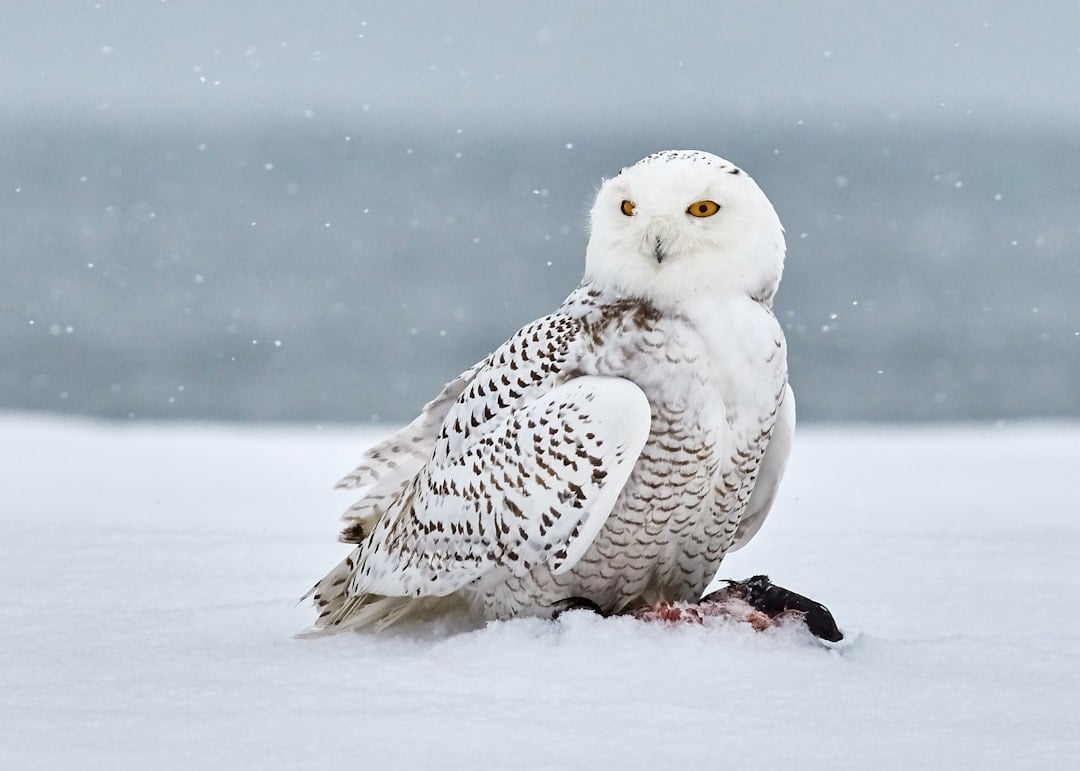
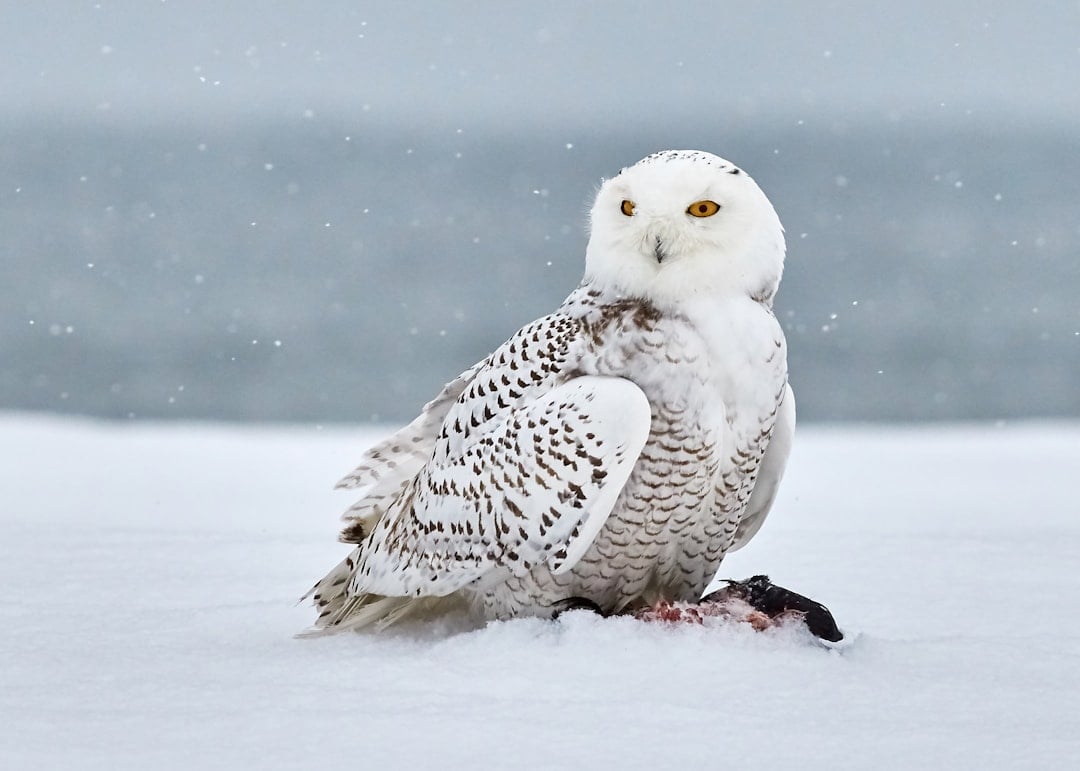
In times of change, the Snowy Owl symbolism signifies that you must have a strategy to extricate yourself from current situations. When you encounter major transitions, you remember that you are never alone and that many guides and angels always surround you – if this owl speaks to you, it’s often a direct message from them.
Your approach to change is deep and far-reaching, like the Snowy Owl’s hoots that can be heard from more than a mile away on the open Arctic tundra. With their circumpolar range spanning northern regions, you understand that significant transformation often requires losing about half of your current comfort zone. You plan meticulously for the long winter ahead.
The Long-Eared Owl – The Creative Catalyst
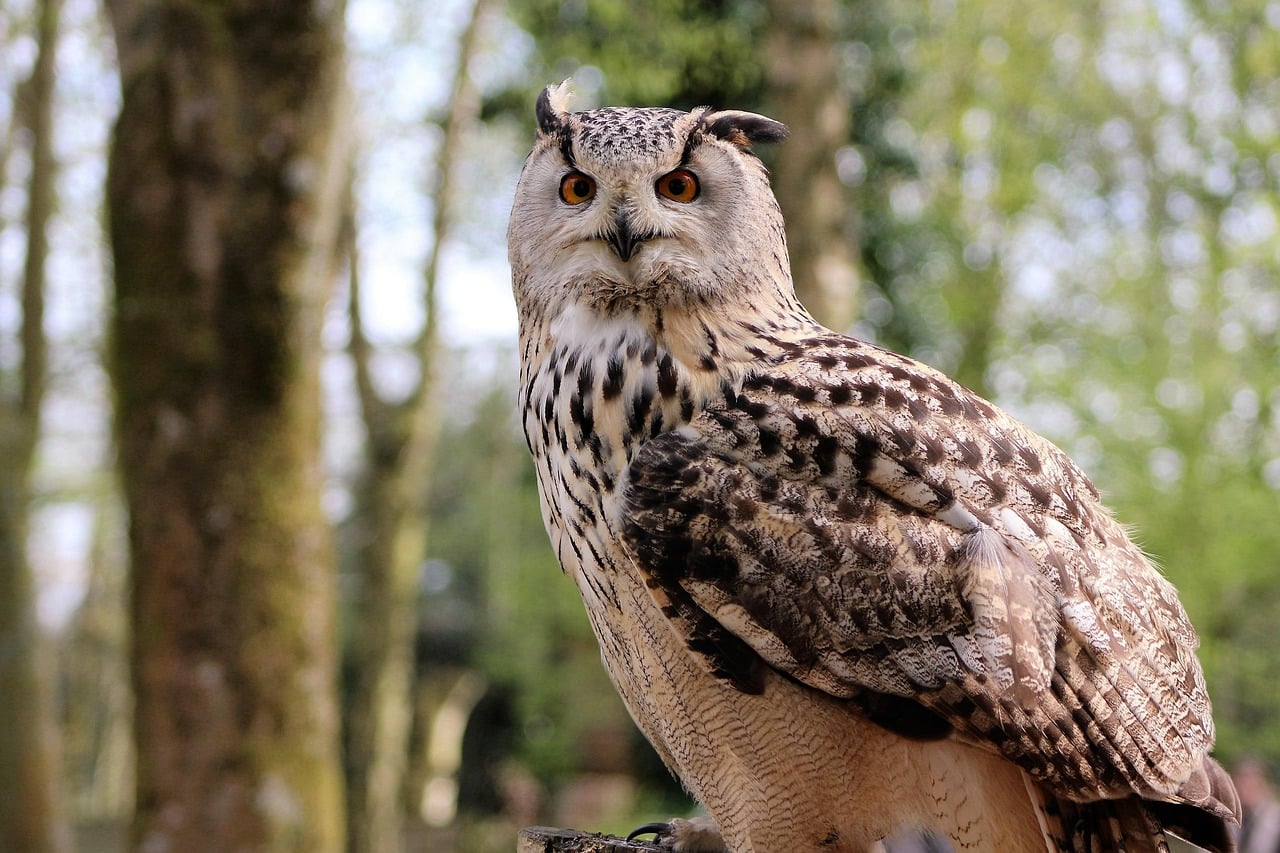
Creativity is the focus of the Long-Eared Owl person. You love to create and do so wholeheartedly at every opportunity, making you a powerful manifester often single-minded in the pursuit of your goals. You make compassionate and highly protective choices during transitions.
With your long ear tufts close together and mottled brown upper parts, you approach change with a rusty, chestnut-colored warmth and yellow-eyed clarity. Though usually quiet, you can produce a variety of vocalizations – soft hoots, whines, whistles, shrieks, barks, and meows – whatever the situation demands. Change for you is an artistic process, requiring both patience and passionate expression.
The Short-Eared Owl – The Grounded Strategist
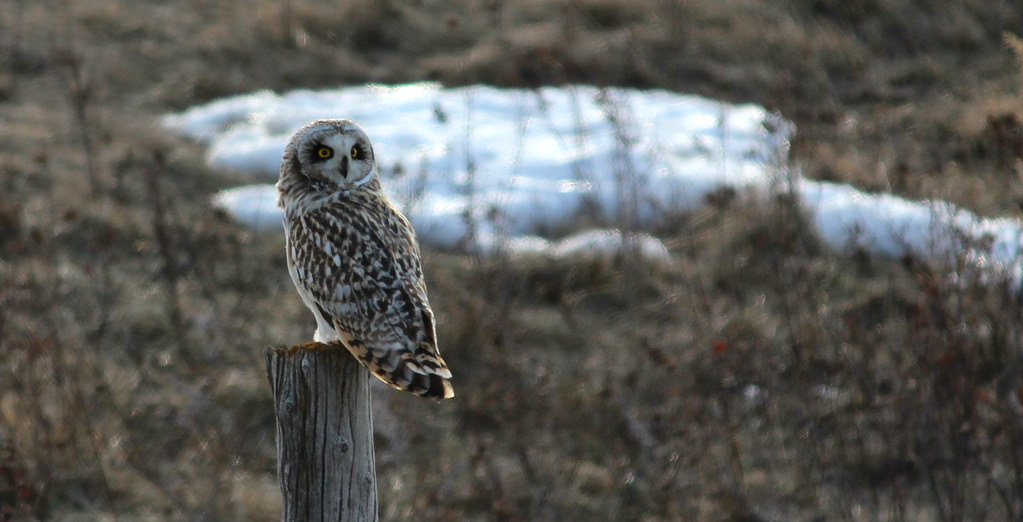
The Short-eared Owl symbolism reminds you that any endeavor during times of change requires a solid foundation of knowledge and preparation. You enjoy the process without skipping necessary steps, staying grounded in what you’re doing. You prefer to sit on the ground, rooftops, or fence posts to look for opportunities rather than hiding in trees.
Sometimes your approach to change involves keeping your senses on high alert, recognizing that new perceptions and understandings are constantly available to you. You possess wisdom that you’ve been ignoring during obvious transitions – you need to take a good look at what’s in front of you and ensure it’s the right choice.
The Barred Owl – The Communicative Navigator
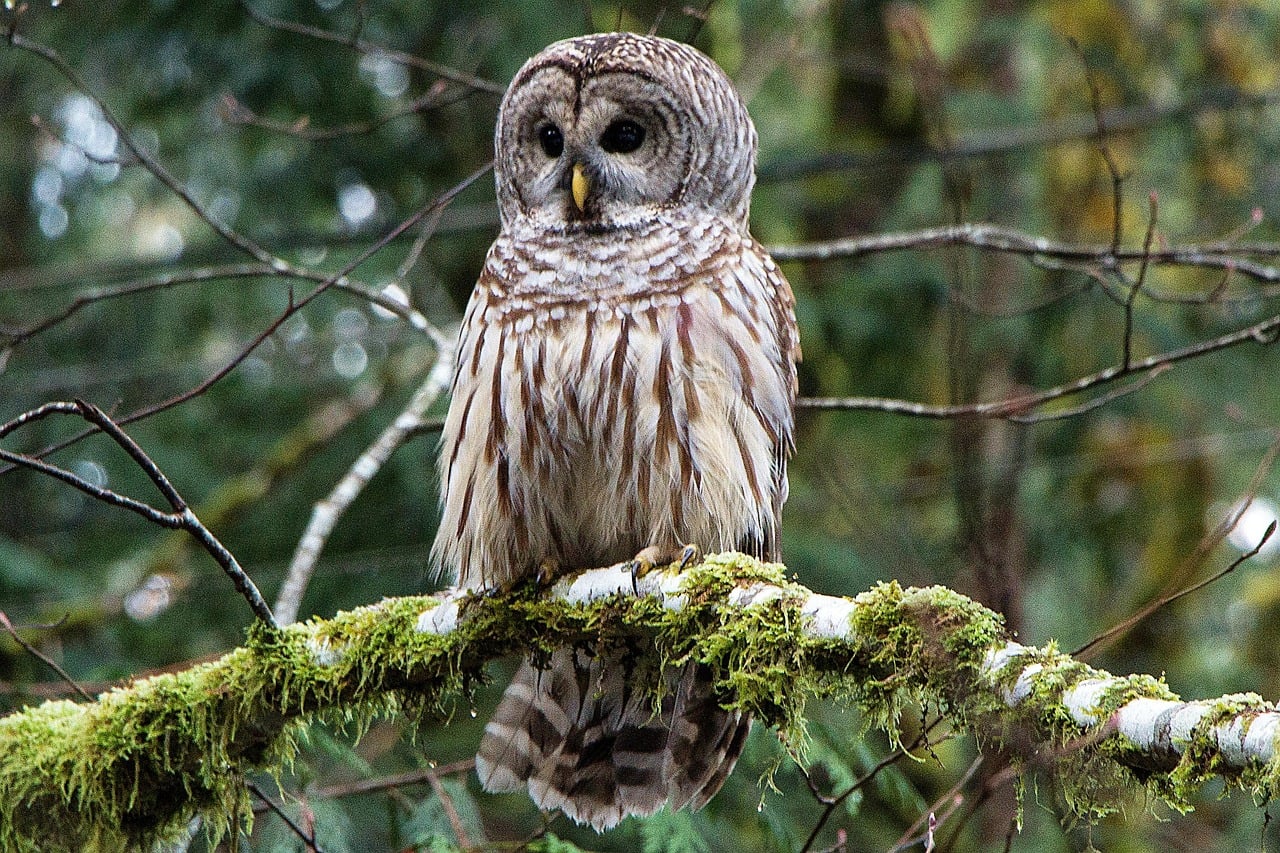
Your approach to change sounds like “Who cooks for YOU? Who cooks for YOU all?” – you’re constantly asking the important questions. Unlike many others, you’re frequently vocal during the day as well as at night, and when you begin to work with others, this sometimes devolves into a raucous jumble of cackles, hoots, caws and gurgles.
You belong to the more normal-seeming species when it comes to handling change, known as the Hoot Owl of the woodlands. Your approach is so characteristic that entire communities organize around your methods. You handle transformation through constant communication and community building, never facing change alone.
The Northern Saw-whet Owl – The Persistent Announcer
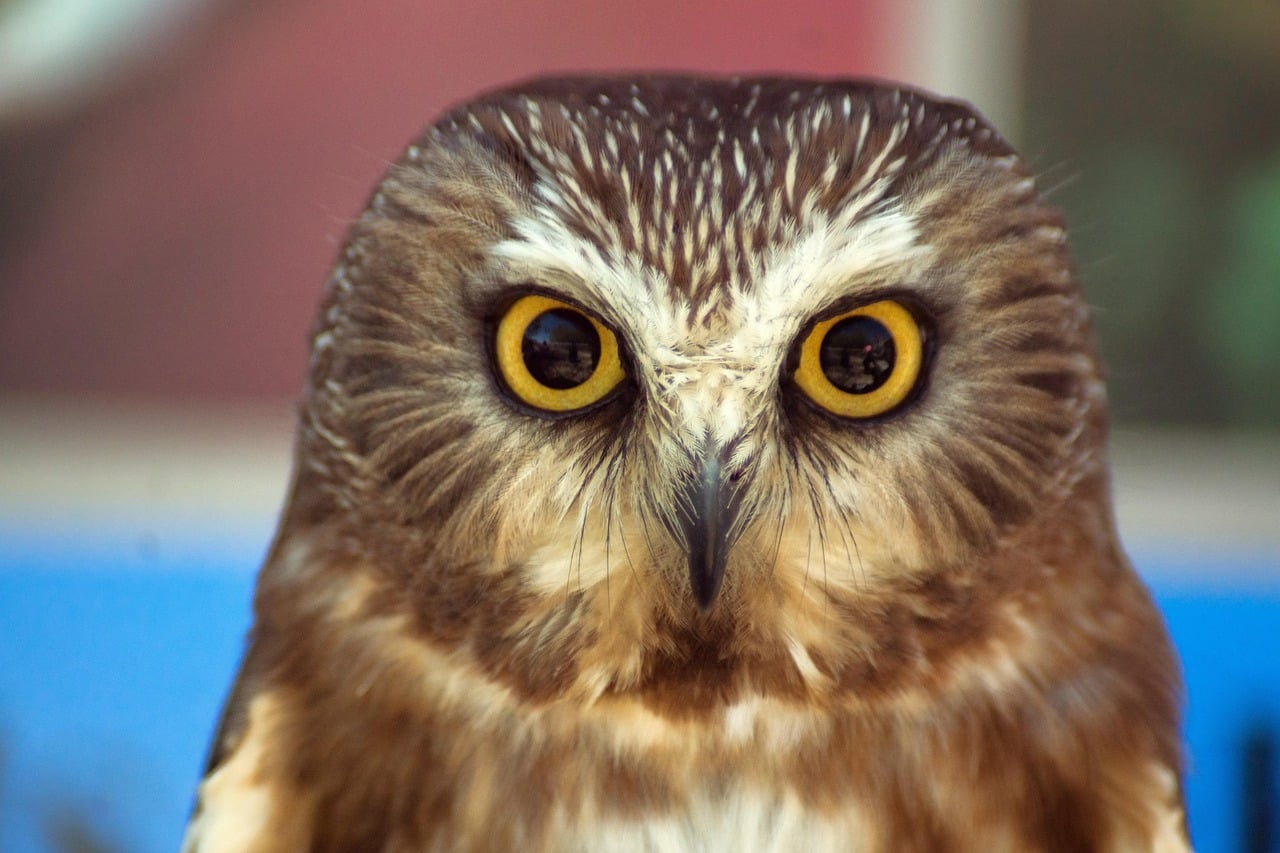
Your name comes from the sounds you make during change – one of your approaches reminded early observers of the sound of a saw being sharpened on a whetstone. Perhaps the repetitive “toot-toot-toot-toot” you use to announce your presence on your territory. You handle transformation through consistent, methodical repetition.
Like the smallest of the woodland owls, your approach to change might seem modest, yet it’s remarkably persistent. You understand that transformation often requires the same patient sharpening that turns a dull blade into a precision tool. Your method involves announcing your readiness for change repeatedly until the universe responds, grinding away at resistance with steady, rhythmic determination.
Conclusion
By embracing owl symbolism – both light and dark – we can learn to navigate life’s twists and turns with confidence, purpose, and a deeper understanding of our own nature and the world we live in. Each owl totem offers a different pathway through the darkness of uncertainty, whether you charge ahead like the Great Horned Owl or patiently strategize like the Snowy Owl.
The owl advises us to welcome transition and not see it as a negative notion but as a phase to grow through. Paying attention to what an owl has to say means listening to your inner voice and trusting it – since the meaning of owls is to trust yourself, their symbol helps people remain calm and find the right way during days of doubt.
Remember, there’s no right or wrong way to handle change. The key is recognizing your natural approach and honoring it, while remaining open to the wisdom other owl totems might offer when you need a different perspective. What do you think about your owl totem? Tell us in the comments which feathered guide resonates most deeply with your journey through transformation.

- 12 Amazing Creatures Thriving in Unexpected Urban Environments - July 14, 2026
- America’s Most Dangerous Fault Lines You’ve Probably Never Heard Of - July 14, 2026
- Animal Psychology Says If You See a Large Gathering of Crows in Your Yard at Dawn It Is a Sign of Complex Social Behaviour – and the Cognitive Power Required for It Belongs to an Elite Group of Species - July 14, 2026