
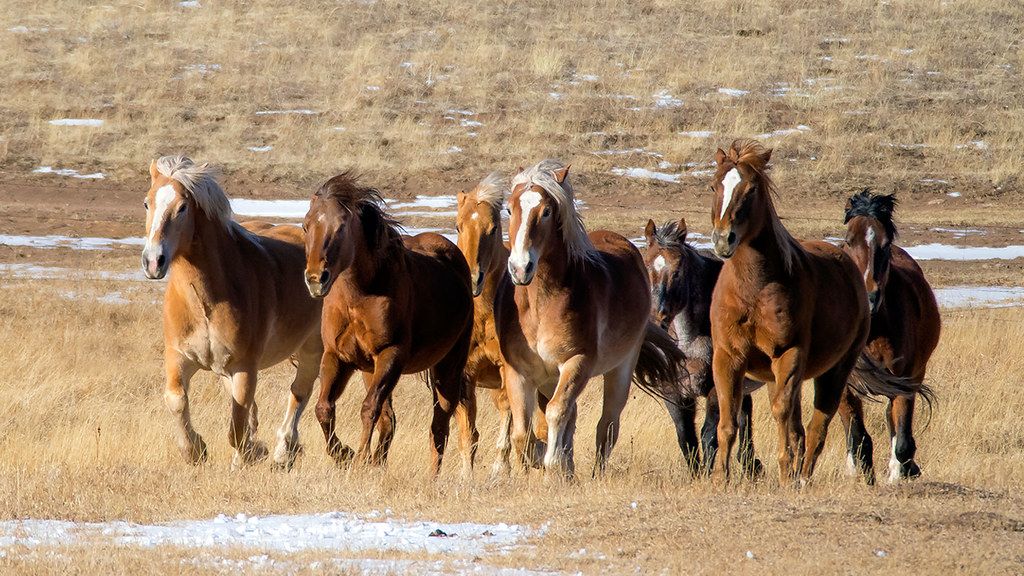
Picture this: thousands of wild horses thundering across wide open landscapes, manes flying, hooves pounding the earth. It’s the quintessential image of the American West. These mustangs represent freedom, resilience, and an untamed spirit that once defined the frontier. Yet today, they find themselves caught in a battle over land, resources, and survival.
The story of wild horses in America is far more complicated than Hollywood would have you believe. These animals, protected by federal law since 1971, face mounting pressures from all sides. As certain states step up to offer refuge and better management practices, a new chapter is unfolding. Let’s dive into why some regions are emerging as critical safe havens for these iconic creatures, and what makes their protection so urgent right now.
The Wild Horse Crisis Hiding in Plain Sight

Here’s something that might surprise you: as of March 1, 2025, the on-range estimate was 73,130 animals while the appropriate management level upper limit was set at only 25,556. That means there are nearly three times more horses than federal officials say the land can sustain. This isn’t just an administrative headache. It’s a full-blown crisis affecting ecosystems, taxpayers, and the horses themselves.
The Bureau of Land Management currently holds and cares for 62,000 wild horses in off-range pastures and facilities, costing taxpayers a staggering total of $108.5 million in 2023. Let that sink in for a moment. We’re spending over a hundred million dollars annually to warehouse animals that were supposed to roam free. The system, frankly, is broken.
Nevada Leads the Way with Innovative Solutions
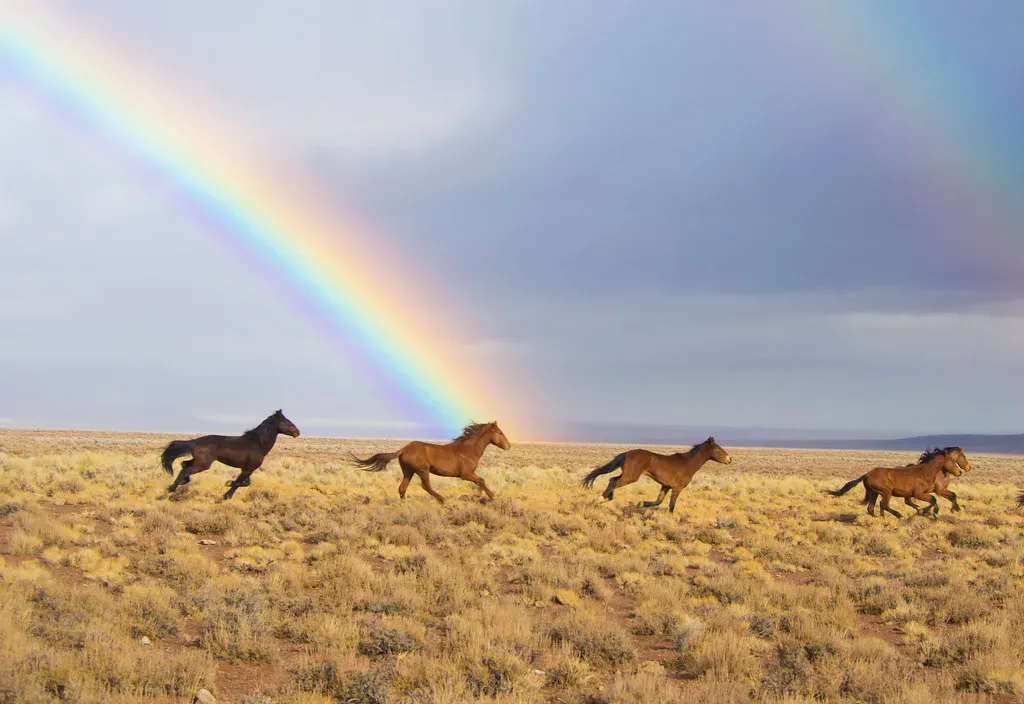
Nearly half (83) of the herd management areas are in Nevada, making the Silver State ground zero for wild horse management. What sets Nevada apart isn’t just the sheer number of horses, though. It’s become a testing ground for humane alternatives to the traditional roundup-and-remove approach.
Nevada’s Virginia Range is home to the world’s leading wild horse fertility control program, and AWHC implements the largest wild horse fertility control program in the world through a partnership with the State of Nevada. Rather than chasing horses with helicopters and tearing apart family bands, advocates work on the range administering birth control to mares. It’s less traumatic, more cost-effective, and actually works. Some might call it revolutionary, though honestly, it just seems like common sense.
South Dakota’s Black Hills Sanctuary Offers Lifelong Freedom
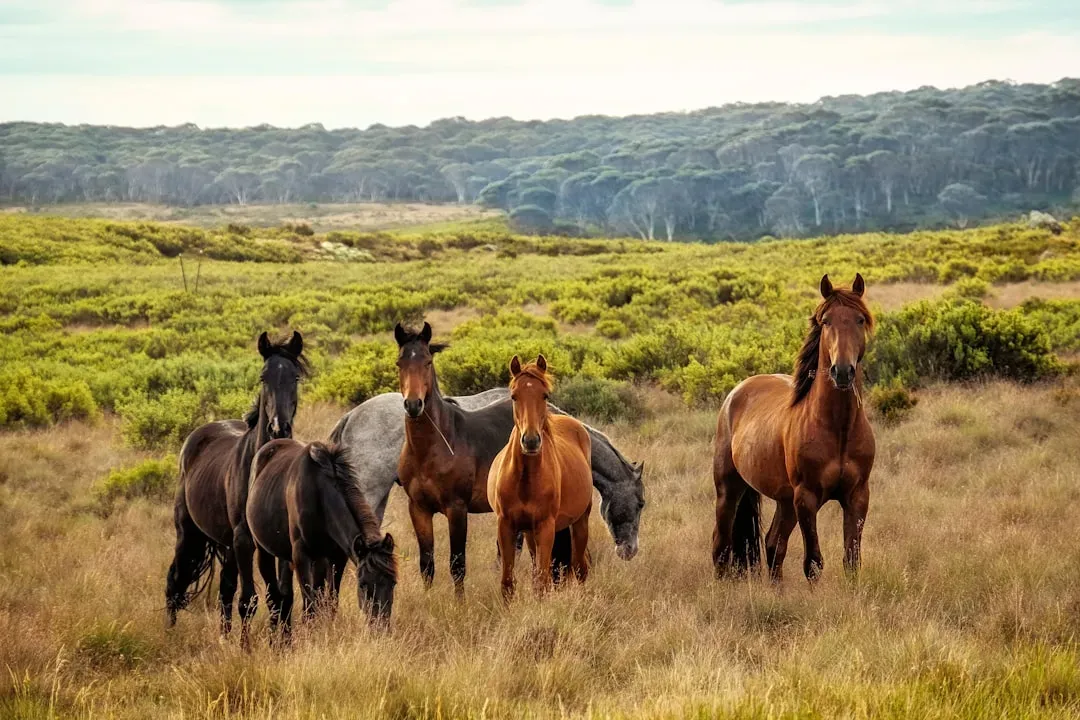
Not all sanctuary solutions come from government programs. Private initiatives are filling critical gaps. The Black Hills Wild Horse Sanctuary was created in 1988 for America’s wild horses that lost their freedom. Located on the South Dakota plains, this refuge provides something increasingly rare: genuine freedom on vast acreage where horses can maintain their natural behaviors.
The last few years of drought has caused the pastures to turn to dust, presenting serious challenges. Yet the sanctuary persists, providing hay and supplemental feed during harsh winters. It’s hard work keeping these animals alive when Mother Nature doesn’t cooperate, especially when you’re talking about hundreds of horses living as nature intended.
California Sanctuaries Preserve Genetic Diversity
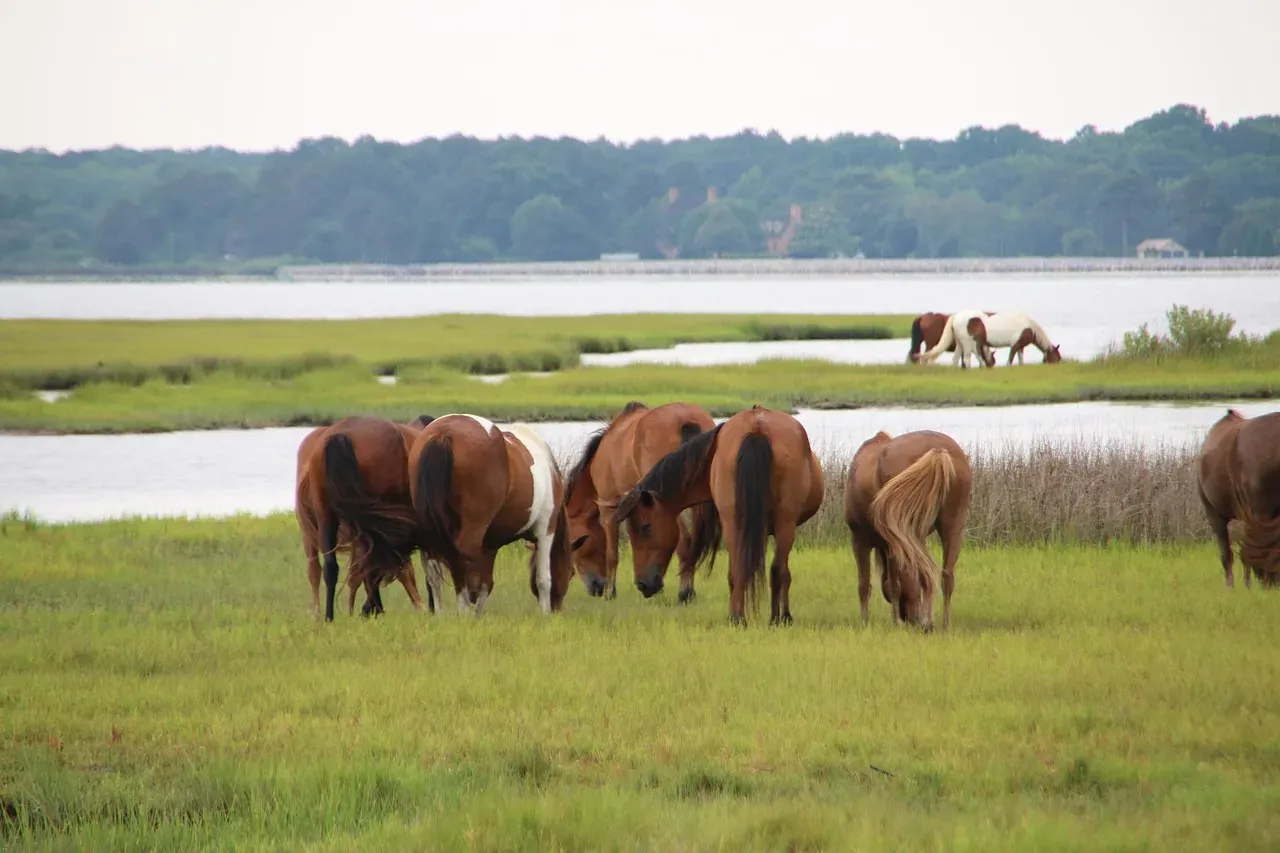
Return to Freedom provides a safe haven to almost 400 wild horses and over 50 burros on 1500 acres on the Central Coast of California. What makes California facilities particularly valuable is their focus on preserving unique bloodlines. These aren’t just random horses. Many represent distinct genetic heritage that connects directly to Spanish colonial horses from centuries past.
Return to Freedom’s Wild Horse Sanctuary was built on the basic foundation that wild horses are herd animals, keeping wild horses in their original family bands or naturally selected social groups. Family matters to these animals. Stallions, mares, and foals form intricate social structures that shouldn’t be carelessly disrupted. California sanctuaries recognize this, maintaining bonded groups rather than separating horses by age or sex as often happens in government facilities.
Wyoming and Colorado Face Complex Checkerboard Challenges
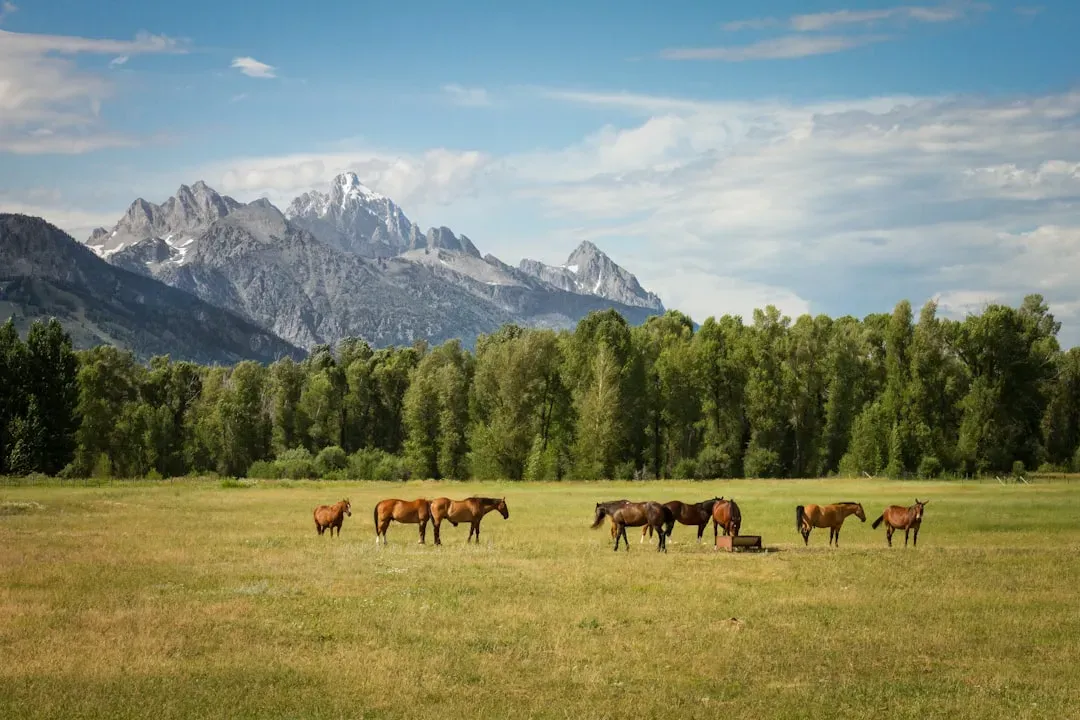
The situation in Wyoming illustrates just how messy wild horse management can get. A federal court stopped the Bureau of Land Management from capturing thousands of wild horses, saying the agency failed to explain whether the roundup would maintain a “thriving natural ecological balance” on public land in southwest Wyoming. Legal battles like this one highlight the tension between competing land uses and the horses caught in the middle.
AWHC and AWI filed a lawsuit in federal court to stop the Bureau of Land Management from carrying out its plan to permanently remove three historic wild horse herds in Wyoming’s Checkerboard region. The term “checkerboard” refers to the patchwork of public and private land ownership that makes management incredibly complicated. When horses wander between jurisdictions, whose responsibility are they? The answer, unfortunately, often seems to be nobody’s.
The Fertility Control Revolution Could Change Everything
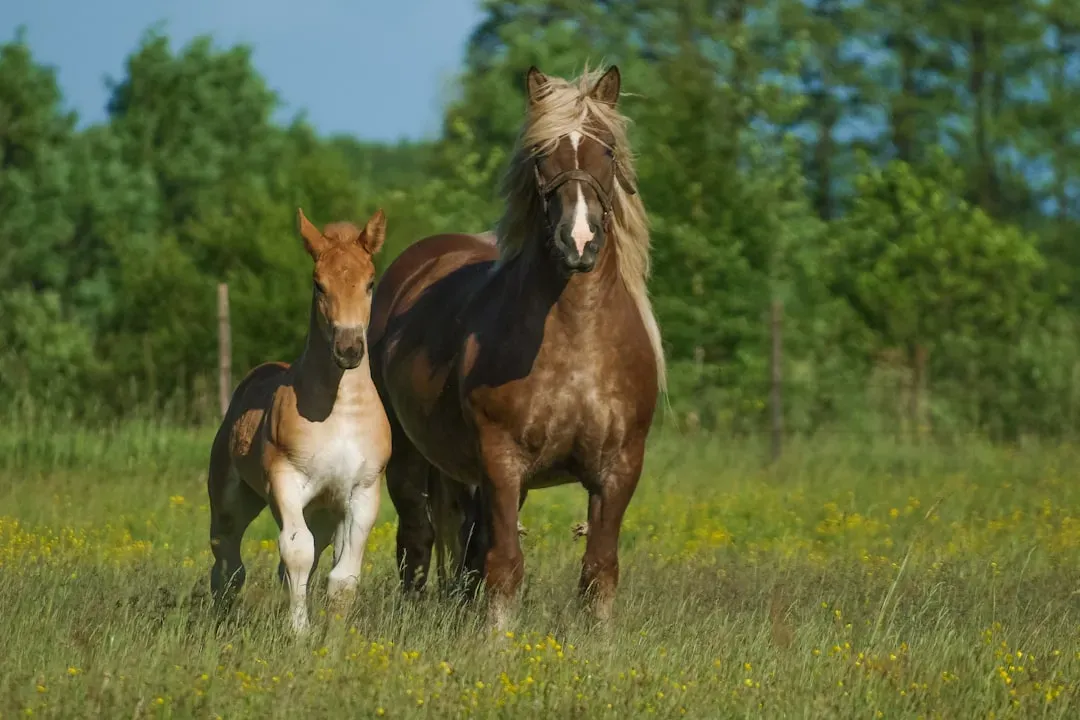
Let’s be real: the current system of helicopter roundups isn’t working. Helicopters chase these majestic animals over vast distances, causing immense stress, injuries, and sometimes death, and this practice disrupts the natural social structures of wild horse herds but also leads to higher birth rates among the remaining population. It’s counterproductive in the worst way.
In just one program, AWHC has delivered more than 10,000 fertility control treatments over the past five years, more than double what the BLM has achieved. Think about that. A nonprofit organization with a fraction of the resources has administered twice as many treatments as the federal agency responsible for managing these animals. States that embrace fertility control as a primary management tool are positioning themselves as sanctuaries not through warehousing, but through allowing horses to age in place on their home ranges with controlled reproduction.
The Path Forward Requires State Leadership
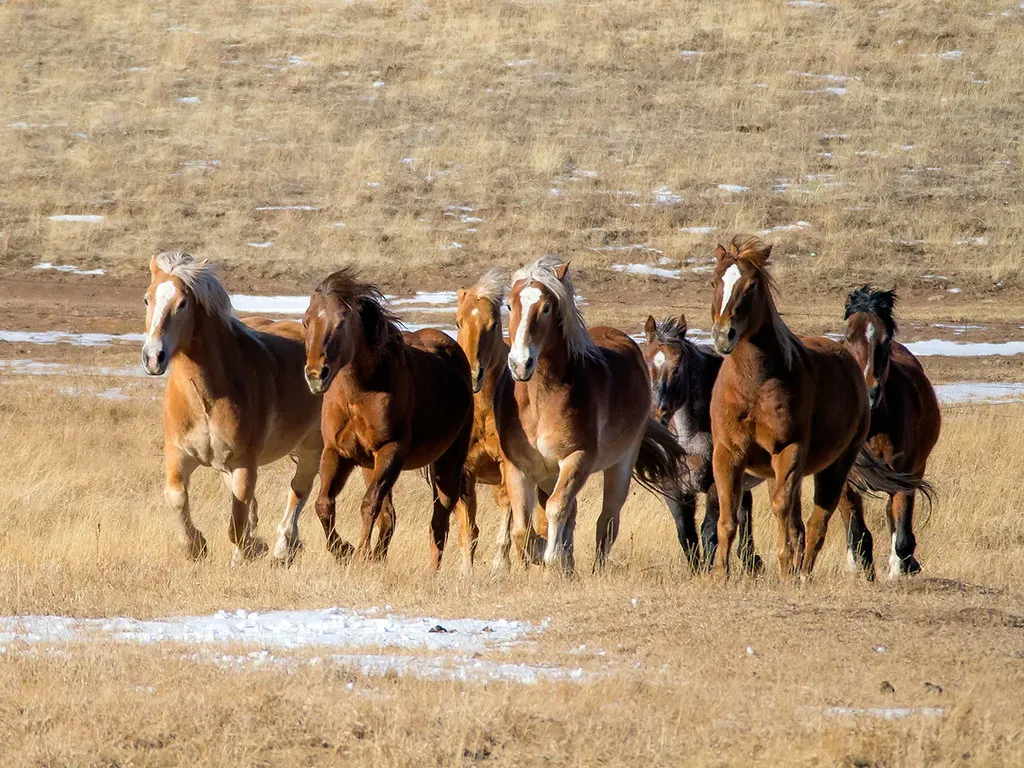
States must take some ownership in this issue, and in Utah, lawmakers in recent years have appropriated hundreds of thousands of dollars in funding to help bring attention to and manage the state’s wild horse population through contraception and removal from the range. Though described as a drop in the bucket, state-level investment signals recognition that federal efforts alone won’t solve this crisis.
The Wild Horse Caucus will serve as a bipartisan forum to advance humane, science-based solutions for managing wild horses and burros, and according to its mission statement, the caucus “exists to support, protect, and preserve wild horses and burros in their natural habitat”. Congress launched this caucus to promote fertility control and habitat preservation over costly roundups. The states that align with this approach, investing in long-term solutions rather than short-term fixes, are becoming the sanctuaries these horses desperately need.
Conclusion: A Future Worth Fighting For
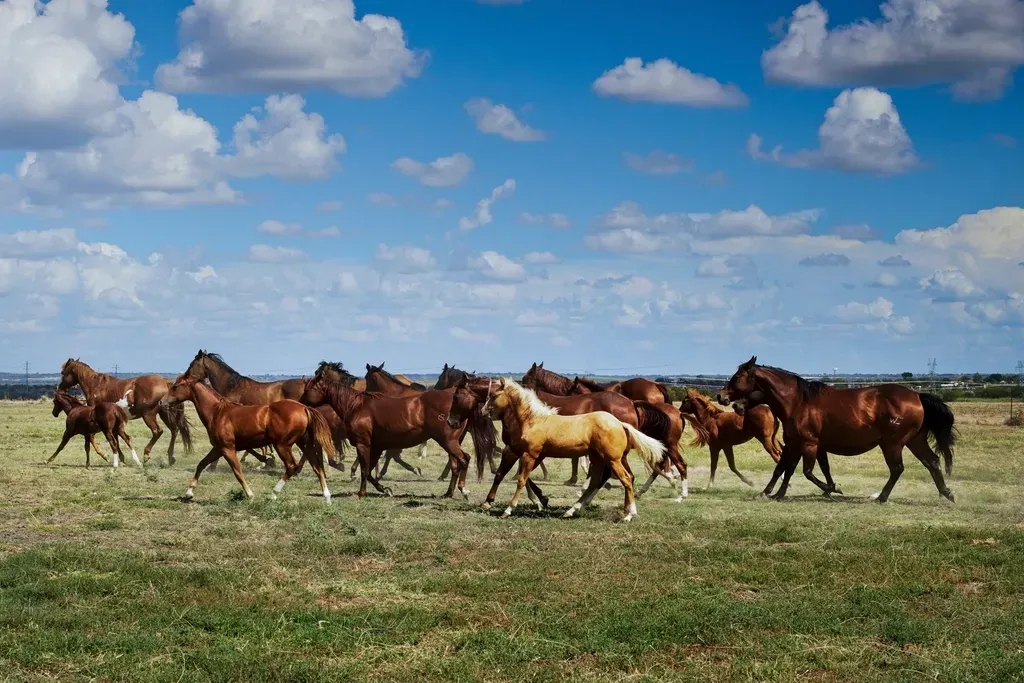
The transformation of certain states into crucial sanctuaries for wild horses isn’t happening by accident. It’s the result of advocacy, legal action, scientific innovation, and a willingness to think beyond the failed policies of the past. Nevada’s fertility control programs, South Dakota’s sprawling private refuges, California’s preservation of genetic diversity, and emerging state-level initiatives all represent pieces of a solution.
Wild horses shouldn’t have to choose between starvation on overgrazed ranges and confinement in holding pens for life. The states stepping up to offer real alternatives, where horses can live as nature intended with thoughtful population management, are writing a different story. These sanctuaries matter not just for the horses, but for what they represent about our values and our willingness to honor the promises made when Congress declared these animals worth protecting.
What do you think the future holds for America’s wild horses? Can we find the balance between preservation and practical management, or are we destined to keep repeating the same mistakes?

- 9 Touching Stories of Animal Loyalty That Redefine Family Bonds - July 25, 2026
- 8 Unique Dog Breeds That Are Perfect for Older Owners - July 25, 2026
- The Way You Pet Your Dog Can Make All the Difference to Their Comfort - July 25, 2026