
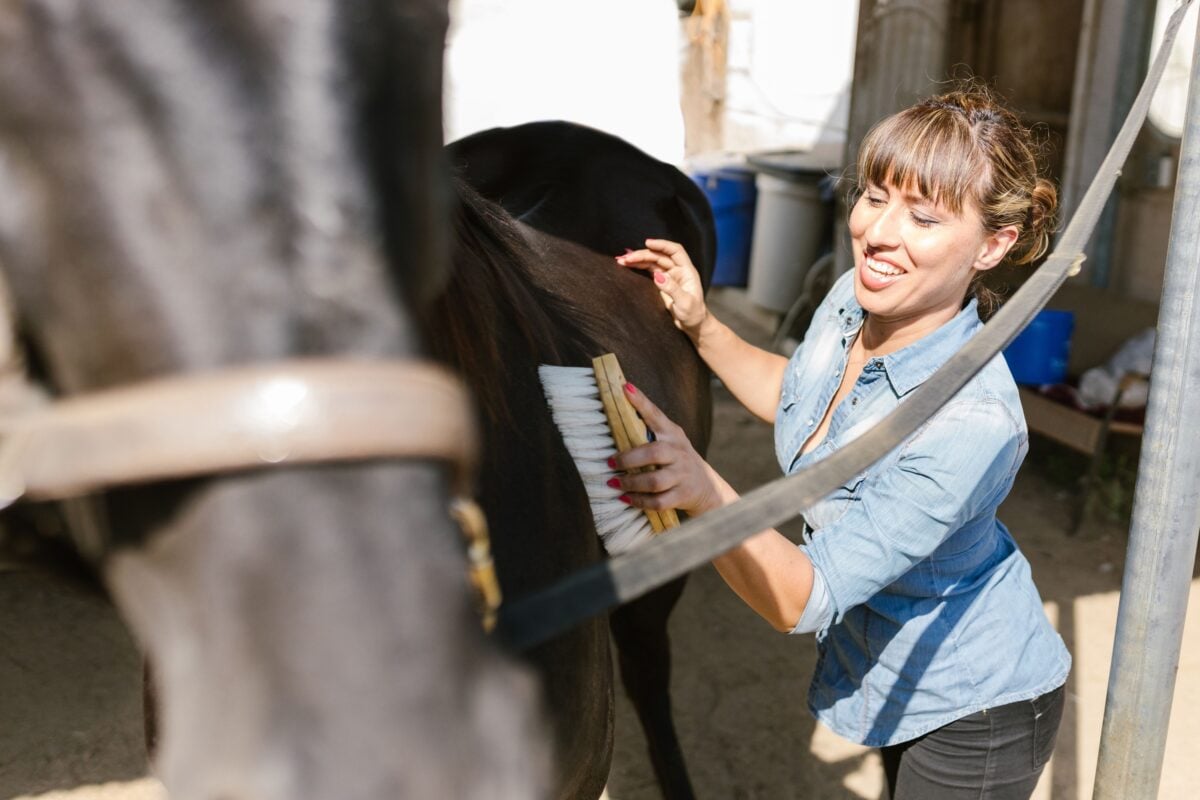
Anyone who has stood in a paddock at dawn knows the odd hush that settles when a horse notices you. Its ears swivel, its breathing shifts, and somehow you feel read before you’ve said a word. It’s a small moment, yet it tends to stay with people long after they’ve left the barn.
Horses don’t care about your job title, your mood board, or your well-rehearsed explanations. They respond to what’s actually happening in your body and in the space between you. That’s a strange kind of honesty, and it may explain why so many people come away from time with horses feeling quietly rearranged.
Trust Is Earned in Small Moments
🔥 Would you like to save this?
We'll email this post to you, so you can come back to it later!
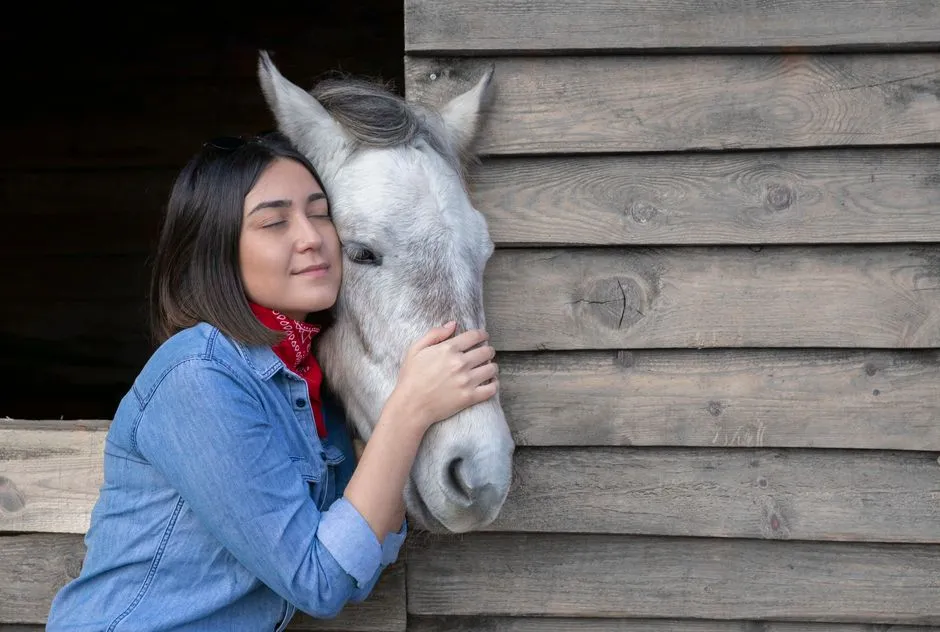
A horse is a prey animal, and that single fact shapes almost everything about how it moves through the world. Its survival has long depended on noticing danger early and leaving fast. So when a horse lets you approach, touch its neck, or lower its head near you, it’s offering something real.
Trust doesn’t arrive through one grand gesture. It builds through consistency: calm hands, predictable routines, a voice that doesn’t spike when something goes wrong. Most experienced horse people will tell you the same thing, that you earn it in ordinary minutes, over and over, and can lose it in a careless second.
Patience Cannot Be Faked
🔥 Would you like to save this?
We'll email this post to you, so you can come back to it later!
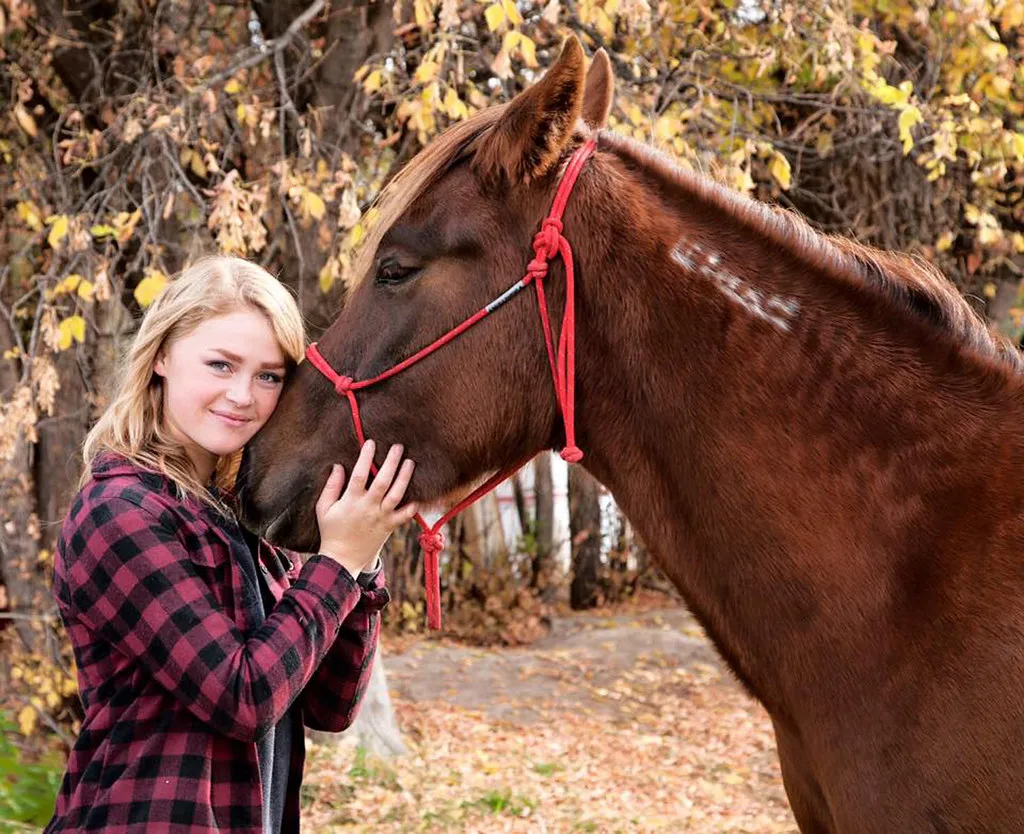
You can rush a lot of things in life, but a horse isn’t one of them. Push too hard with a nervous animal and you’ll often get less, not more, because tension tends to travel straight down the lead rope. Slowing down, giving the horse time to think, frequently produces the very result force couldn’t.
This is why many trainers emphasize pressure and release, letting the animal find the comfortable answer rather than being forced into it. It’s a lesson that carries beyond the arena. Plenty of us could use it with teenagers, coworkers, or ourselves.
Presence Is the Language Horses Speak
🔥 Would you like to save this?
We'll email this post to you, so you can come back to it later!
Horses communicate largely through posture, movement, and energy rather than sound. They notice shifts we barely register, such as a held breath, a tightened jaw, or a distracted gaze. If your mind is somewhere else, the horse often seems to know.
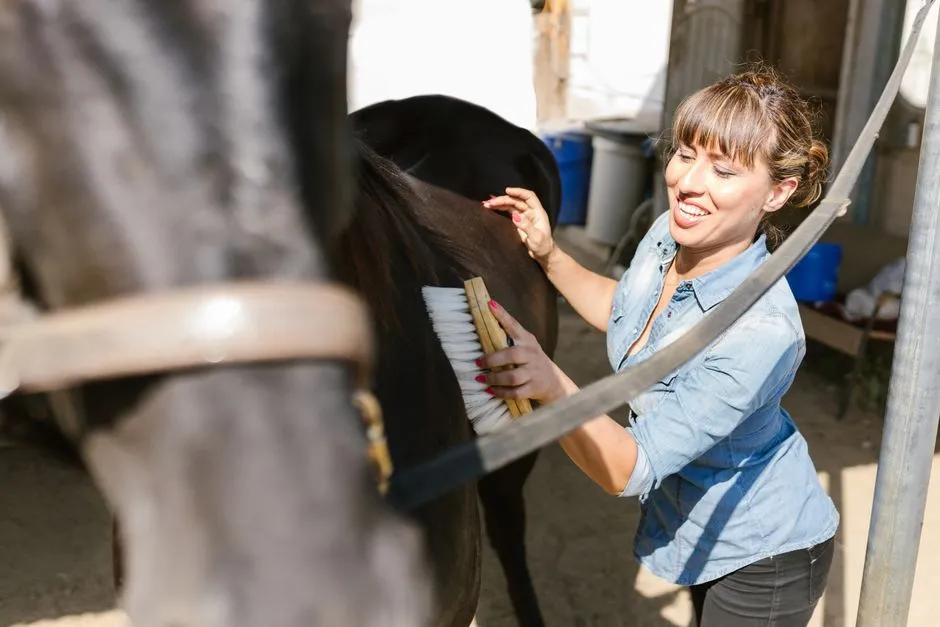
That makes grooming or simply standing beside one a surprisingly effective mindfulness practice. You can’t scroll your way through it. Being fully there, even for ten quiet minutes, is the whole assignment.
Your Emotions Show Up Whether You Invite Them or Not
🔥 Would you like to save this?
We'll email this post to you, so you can come back to it later!
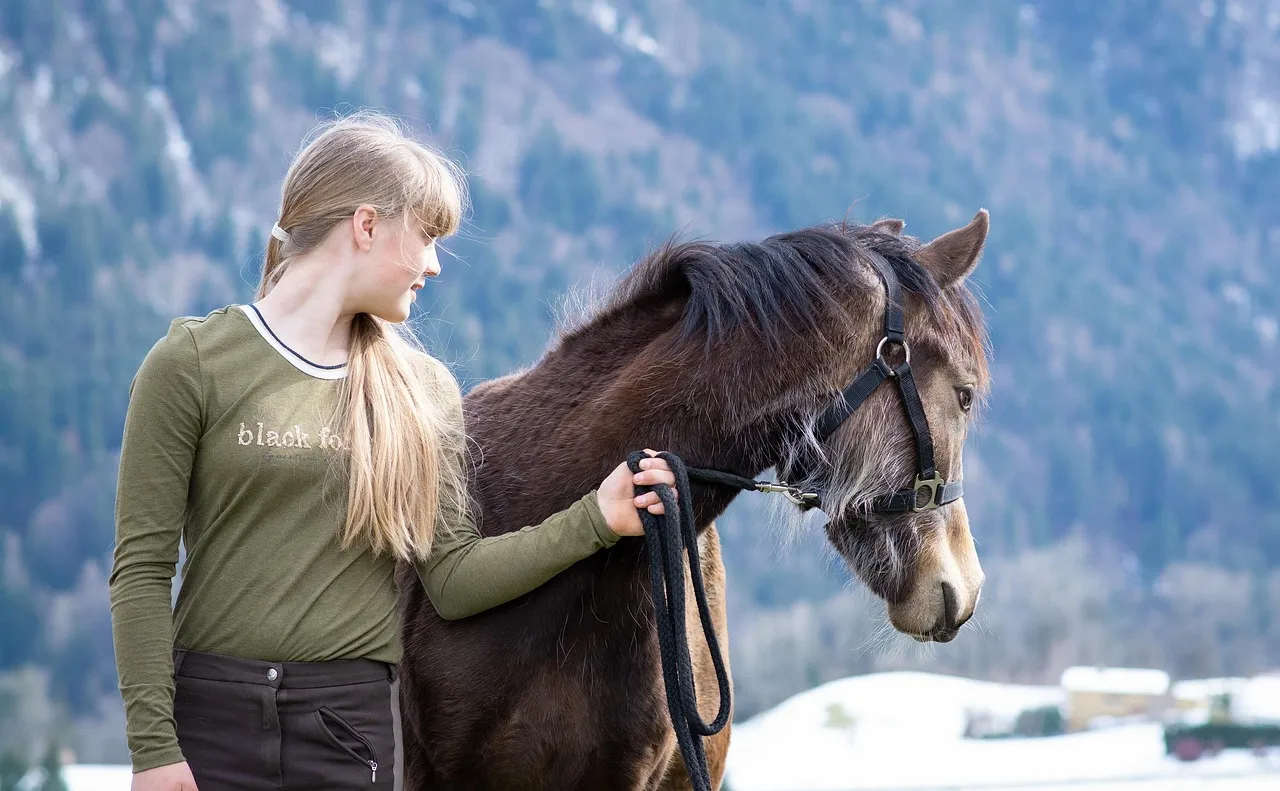
Research has explored how horses respond to human emotional cues. Studies have suggested they can distinguish between human facial expressions and may react differently to people’s body language and stress. The science is still developing, so it’s wise to treat big claims carefully, but the pattern fits what handlers describe daily.
The practical takeaway is humbling. If you arrive anxious and pretend to be calm, a horse may respond to the anxiety rather than the act. Learning to settle yourself first, with slower breathing and softer movement, is often the real training.
Healing Without Hype
🔥 Would you like to save this?
We'll email this post to you, so you can come back to it later!
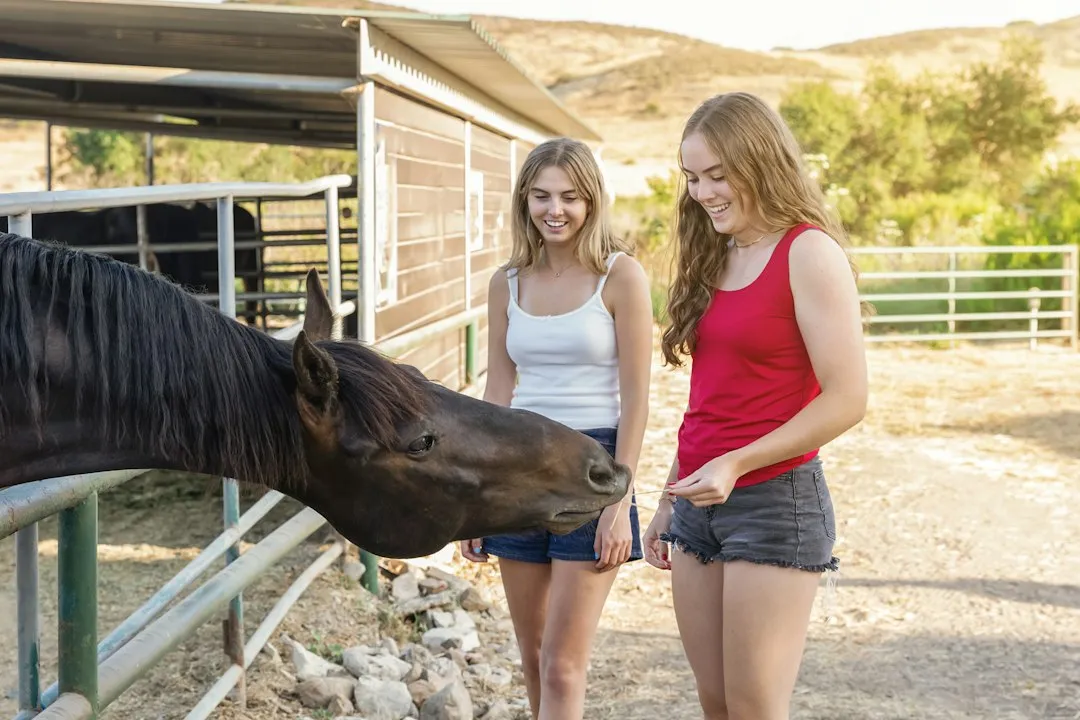
Equine-assisted programs are now used in settings ranging from therapy practices to veteran and youth support groups. Many participants report feeling calmer, more confident, and more connected. Researchers continue to study how well these approaches work, and the evidence so far is encouraging but mixed in quality, so it’s best viewed as a promising complement rather than a cure.
Part of the appeal seems simple. A horse offers feedback without judgment, and that can make hard emotions easier to notice. You don’t have to talk much, and sometimes that’s exactly why people open up.
Bringing the Barn Home
🔥 Would you like to save this?
We'll email this post to you, so you can come back to it later!
You don’t need to own a horse to borrow the lessons. Try approaching a tense conversation the way you’d approach a skittish animal: slowly, with open posture and no hidden agenda. Notice when you’re pushing for speed and ask whether patience might actually get you there sooner.
If you can, spend time around horses at a local stable or lesson program. Even watching a herd graze is instructive, since they rest, move, and pay attention in an easy rhythm most of us have forgotten. A little of that goes a long way.
Final Thoughts
🔥 Would you like to save this?
We'll email this post to you, so you can come back to it later!
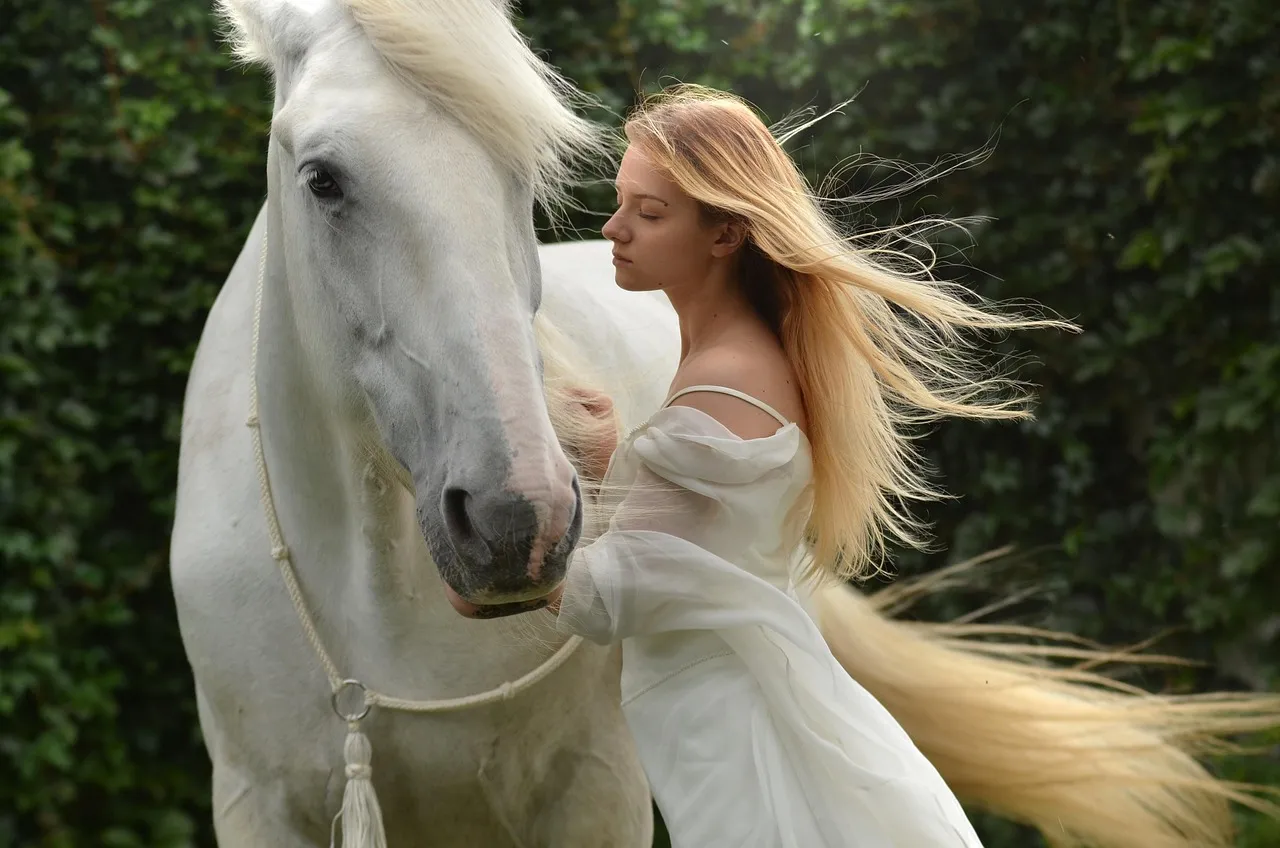
Here’s my honest view: we’ve overcomplicated personal growth. Horses suggest it’s less about optimizing and more about showing up steady, honest, and awake to what’s in front of you.
Trust, patience, and presence aren’t trendy skills, and no app will hand them over. They’re practiced, mostly in quiet, unglamorous moments. If a thousand-pound animal can teach that without saying a word, maybe the rest of us can stop talking long enough to listen.

- 7 Everyday Habits That Can Make Your Senior Dog Happier - November 5, 2026
- 10 Enigmatic Structures That Continue to Puzzle Scientists Today - November 5, 2026
- 10 Strange Ruins in the Americas That Challenge What We Know About Early History - November 5, 2026