

Picture this: a 15-foot great white shark cruising through deep blue water, the most feared predator most people can name. Now picture it fleeing. Not from a net, not from a boat, but from another animal. That image is not hypothetical. It’s been documented, filmed, and published in peer-reviewed journals.
The great white has occupied our collective imagination as the ocean’s ultimate killer for decades. Movies, documentaries, and cultural mythology have cemented its place at the top. Yet the scientific record tells a different, far more humbling story for the shark. This matchup isn’t just fascinating in theory. It’s been played out in real water, in real time, and the outcome keeps repeating itself.
#1. Size and Physical Strength: The Numbers Don’t Lie
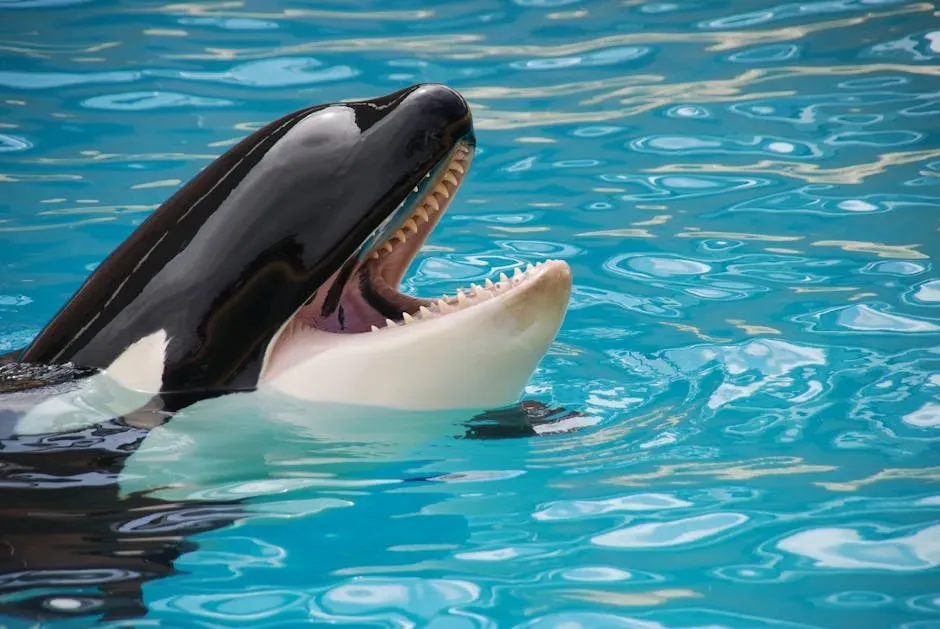
The average male orca generally measures between 20 to 26 feet long and weighs between 8,000 to 12,000 pounds, and they can reach up to 32 feet long and nearly 22,000 pounds. The average female great white measures 15 to 16 feet long and weighs around 1,500 to 2,450 pounds, though they can grow up to 20 feet long and weigh up to 5,000 pounds.
Even when you take the most generous measurements for a great white, the size gap is striking. A killer whale is larger than the largest great white shark ever recorded. Scientists estimate that the famous shark known as Deep Blue weighs about 5,000 pounds, which is less than the low-end average killer whale weight of 6,000 pounds.
The great white shark has an estimated bite force of up to 18,000 newtons, delivered through serrated teeth designed to slice and tear flesh. The orca, by comparison, has an estimated bite force of 84,500 newtons or more, with large conical teeth built for gripping, crushing, and holding prey. Size advantage, weight advantage, bite force advantage. The orca wins this category before a single flip of a tail fin.
#2. Speed and Agility: The Chase is Already Over
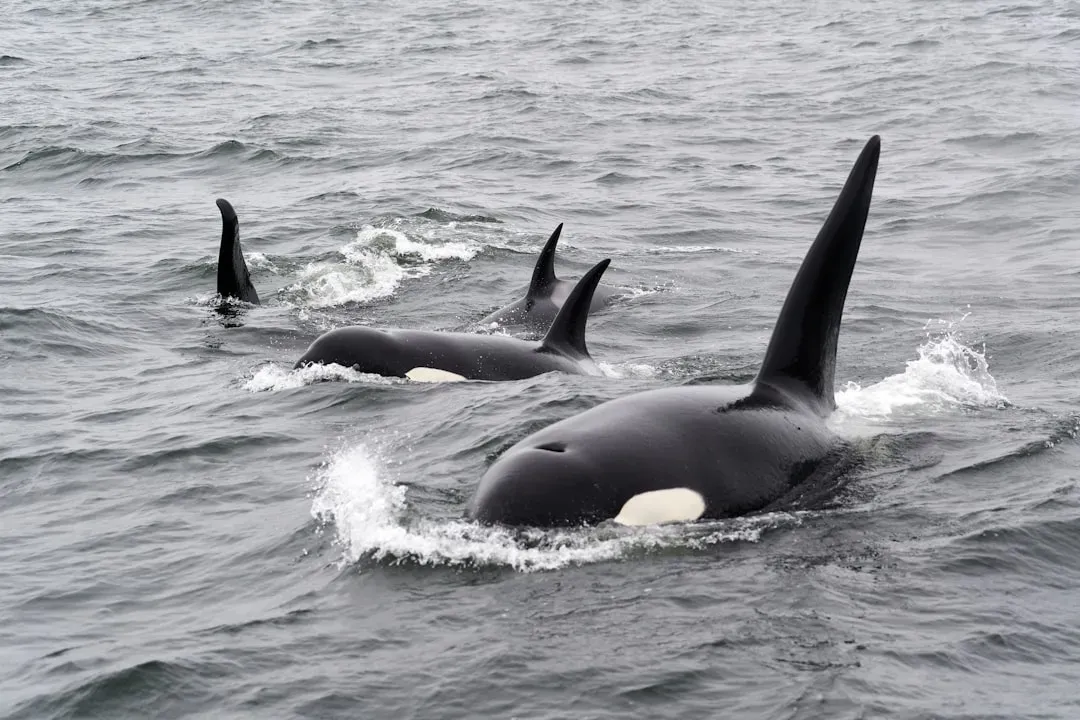
Great white sharks can reach burst speeds of around 40 km/h, especially during ambush attacks, while orcas can cruise comfortably at high speeds and reach bursts of 50 to 56 km/h. That difference matters enormously in an open-water encounter. A shark that can’t outrun its opponent and can’t out-bite it is already on the back foot.
Although both species are relatively fast, orcas are usually significantly faster than great whites, have greater agility, and are better suited to sustaining speed over time, especially when working together as a pack while hunting. The great white relies on short, explosive bursts to ambush prey from below. That strategy collapses against something faster, smarter, and more maneuverable.
Killer whales are also protected by a thick layer of blubber, giving them better defenses than the great white shark. An orca has a great sense of hearing that allows it to find prey and avoid threats, and their large, thick bodies feature a layer of blubber between 3 and 4 inches thick. That physical armor makes landing a fatal bite even harder for the shark. The orca is not only faster, it’s also genuinely difficult to damage critically.
#3. Intelligence and Hunting Strategy: When Brains Beat Brawn
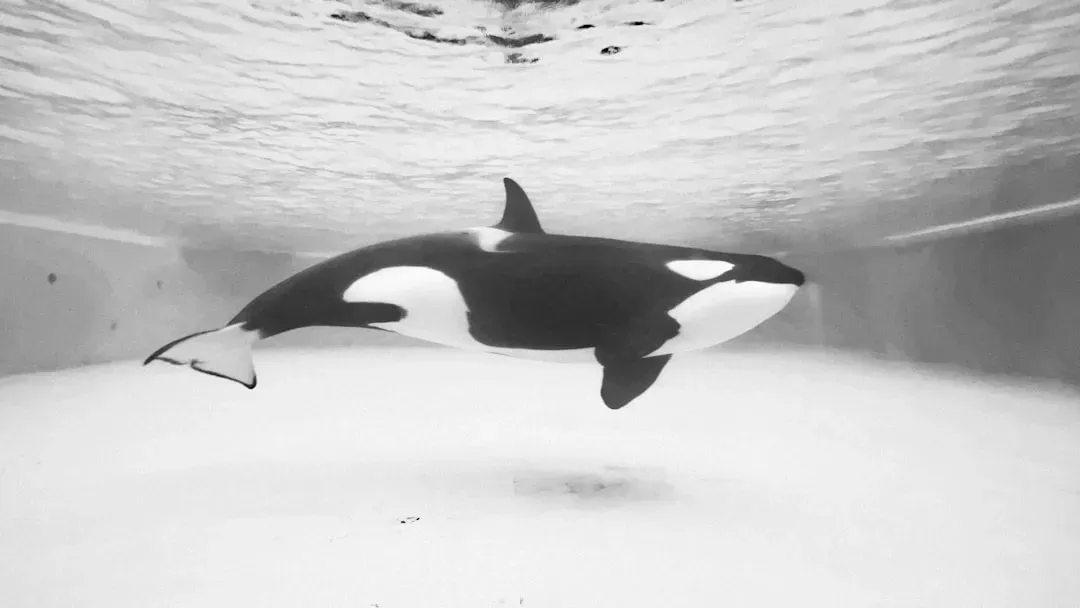
Orcas are known for their complex communication patterns and cooperative hunting techniques. Each pod has a unique set of communicative noises, allowing them to recognize each other from great distances. This isn’t just social behavior. It directly translates into coordinated, tactical attacks that no solitary predator can match.
Great white sharks will usually leave as soon as they sense the presence of orcas in their area. These battles between orcas and great white sharks are much more about intelligence, teamwork, and accuracy than brute strength. The shark’s instinct-driven, ambush-based approach is essentially outclassed from the moment an orca locks onto it.
Perhaps the most telling detail is what happens to the sharks’ bodies after an attack. Orcas’ favorite parts of the shark are the livers, stomachs, and testes. Considering that the liver of sharks contains high quantities of oils and fats, it’s little surprise that the orcas seek it out. White sharks have a very large liver compared to other species, and the orca sees it as a good source of quick caloric energy. This level of selective feeding reveals genuine cognitive sophistication. They’re not just killing. They’re eating surgically.
#4. Documented Encounters: What the Evidence Actually Shows
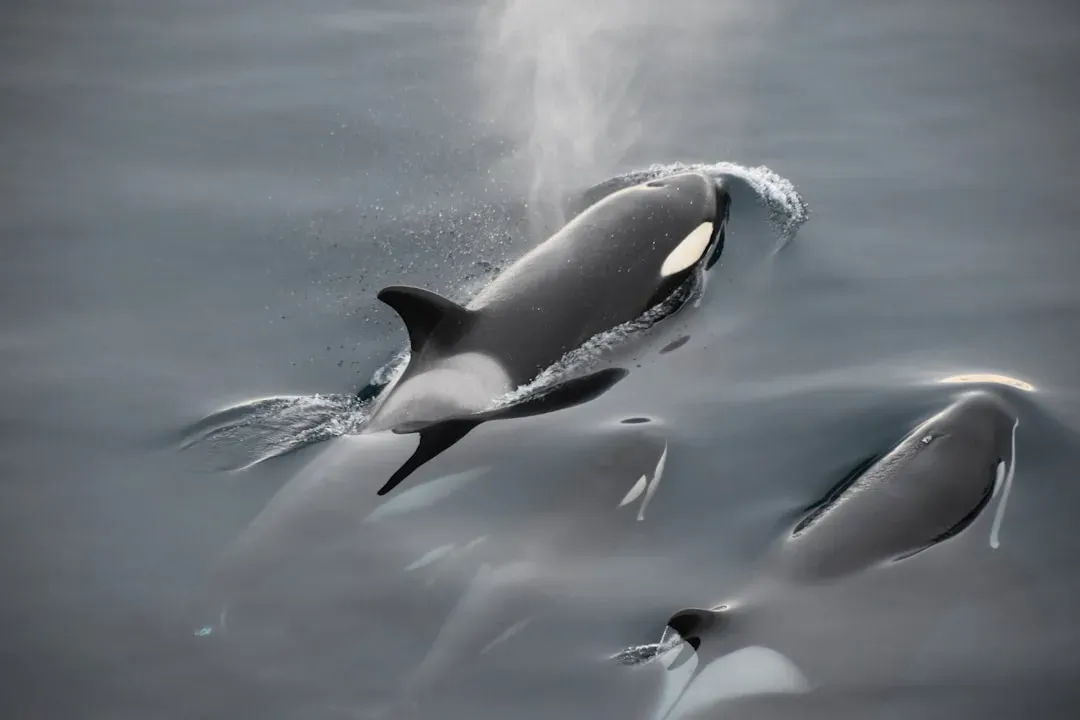
An infamous orca killed a great white shark by itself in South Africa and devoured the shark’s nutritious liver. It’s the first time researchers made detailed observations of a killer whale preying on a great white shark alone, and the entire attack took less than two minutes. Less than two minutes. Against one of the ocean’s most formidable fish.
The case that triggered widespread curiosity was a 2017 incident when the bodies of five sharks were discovered on the beaches of Western Cape Province in South Africa. The size of the sharks varied from 9 to 16 feet long. There were large puncture marks on each shark near their pectoral fins, and they were all missing their livers. The precision of these attacks suggests a learned, practiced method, not opportunistic violence.
Scientists working in Mexico have also recorded multiple incidents in which a group of orcas hunt young great white sharks and eat their energy-rich livers. While orca pods in South Africa, Australia, and California have been recorded engaging in similar behavior, this was the first time it had been documented in Mexico. Orcas are the only known predator of the great white shark. That sentence alone should settle the debate.
#5. The Shark’s Only Weapon: The Case for an Upset
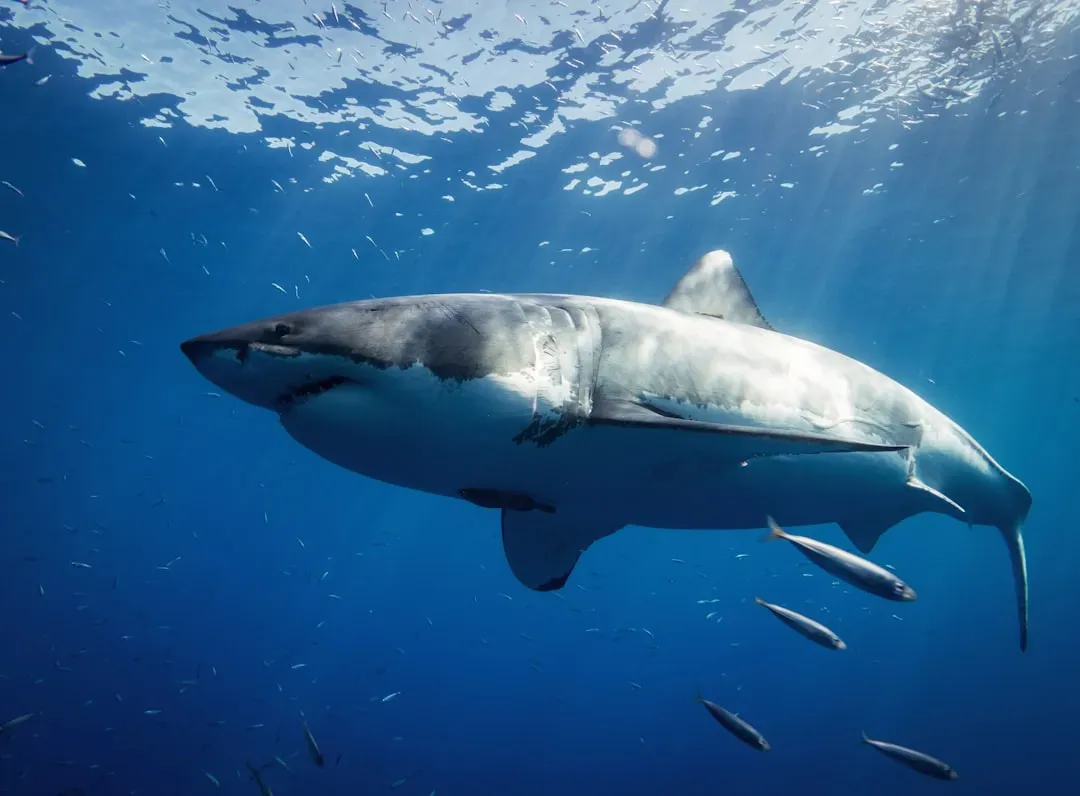
It would be unfair to dismiss the great white entirely. Great white sharks have rows of serrated teeth and an acute sense of scent, allowing them to locate prey from great distances. They can also detect an animal’s electromagnetic fields, which aids them in locating concealed prey. These sensory capabilities are genuinely extraordinary, and against virtually any other ocean animal, they’re game-changing.
There is one scenario where odds could shift: an exceptionally large great white near maximum size versus a young or small orca could alter the outcome, with results becoming less one-sided. It’s a real caveat, even if it’s a narrow one. Youth, isolation, and unusual size conditions could theoretically give a great white a fighting chance against a smaller or compromised orca.
Environmental constraints, like shallow or obstructed waters, might reduce the orca’s maneuvering advantage. However, even in constrained settings, social orcas can still dominate. A well-timed bite that injures an orca could allow the shark to escape, but such outcomes are rare in documented encounters. Rare is the operative word. Possible, yes. Probable, no.
Conclusion: The Throne Was Never the Shark’s to Keep
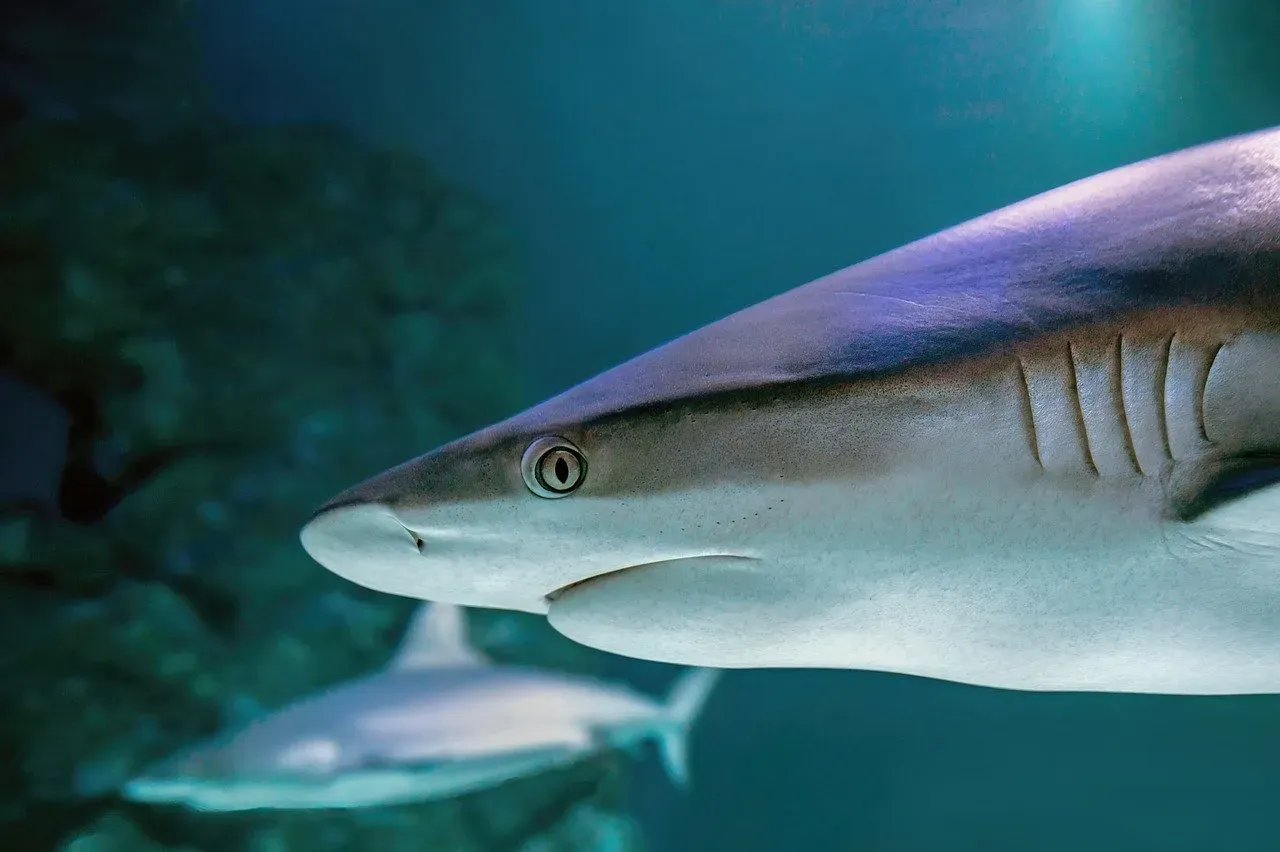
The honest answer is that this is no longer really a debate. The evidence has accumulated steadily across multiple continents, multiple research teams, and multiple peer-reviewed journals. Every recorded instance of this competition has seen the orca win. Not most encounters. Every single documented one.
The great white shark is an astonishing animal. Hundreds of millions of years of evolution have produced something close to perfect for what it does. Against seals, dolphins, and fish, it is virtually untouchable. Against an orca, it is outweighed, outrun, outwitted, and, based on the behavioral evidence, it knows it. Orcas that relocate to an area to hunt seals will drive away any great white sharks that previously resided there, and these sharks tend to keep clear of the area for at least an entire season. This reluctance to return indicates that the sharks possess some level of fear of the orcas.
There’s something genuinely humbling in that. The creature that defined apex ocean predator in popular culture actually vacates its own territory when a pod of orcas shows up. The ocean has a hierarchy, and the orca sits firmly at the top of it. The great white is exceptional. The orca is simply on a different level entirely, and the data has made that undeniable.
