
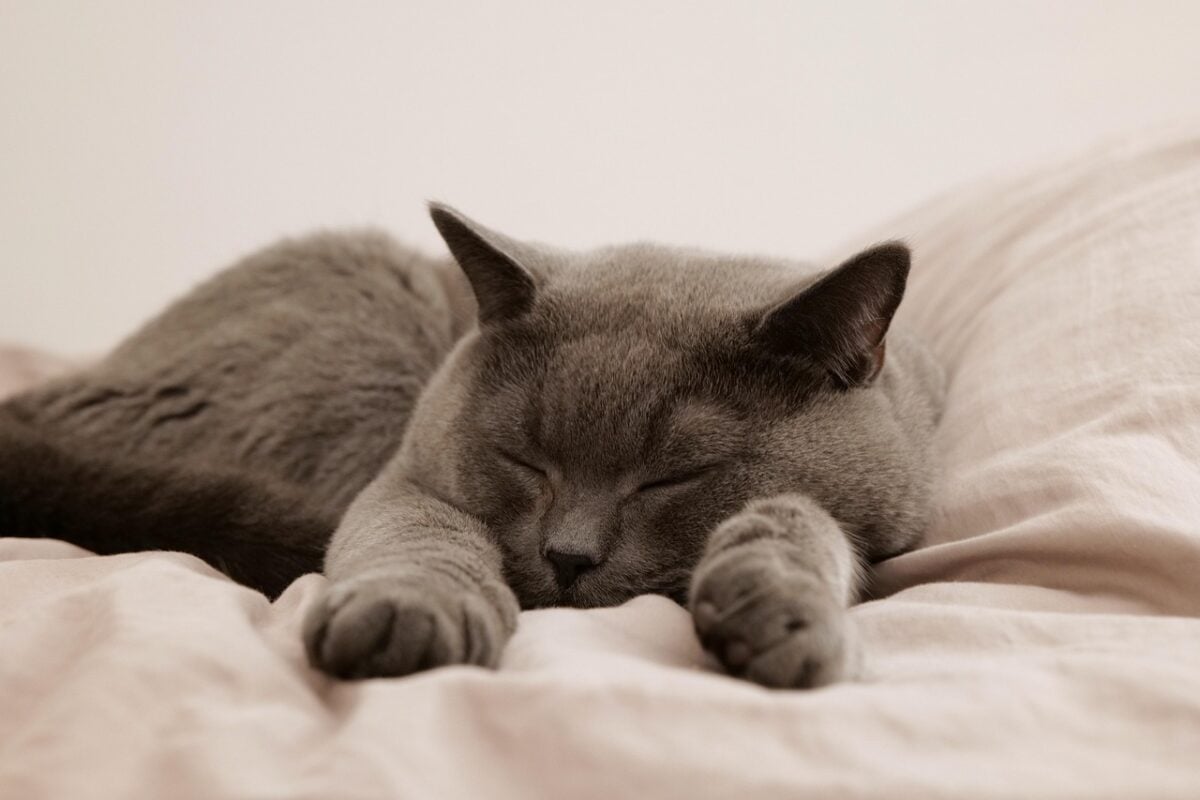
If you live with a cat, you already know this mystery: you can spend good money on three beautiful, plush beds… and your cat will obsessively sleep on the same battered old cushion, night after night, while ignoring everything else. It can feel personal, almost like a snub. Did you pick the “wrong” bed? Is your cat just being difficult?
Underneath that picky behavior is actually a surprisingly logical mix of instinct, biology, and habit. Cats are not being random at all; they are running a kind of “safety and comfort algorithm” in their heads. Once one spot passes every internal test, they might cling to it like a favorite childhood blanket and act insulted by any alternatives.
Let’s unpack what is really going on in that furry little brain, , and what you can do if you want them to accept a new spot without a dramatic feline protest.
#1 The Survival Brain: Your Cat Is Not Just Being “Extra”
🔥 Would you like to save this?
We'll email this post to you, so you can come back to it later!
Here’s the first shocking truth: your cat’s favorite bed is not about style, price, or how cute it looks in your living room. It is about survival. Even though your cat is purring on your couch and has never hunted anything more dangerous than a dust bunny, their brain still runs on wild-ancestor software that evolved in unforgiving environments.
In the wild, choosing where to sleep can be a life-or-death decision. A bad nap spot might expose a cat to predators, bad weather, or rival animals. So their nervous system is tuned to be extremely picky about where they fully let their guard down. That “one bed” your cat chose is the place their body and brain have decided is safe enough for deep, vulnerable sleep.
This is why they can stroll past ten cozy-looking options and still go straight to the one weird-looking bed in the corner. Once their survival brain stamps something as safe, it becomes incredibly hard to override with our human ideas of what “should” be comfy. To your cat, switching beds is not just a style change; it is a risk.
#2 Scent Security: Why That One Bed Smells “Right”

🔥 Would you like to save this?
We'll email this post to you, so you can come back to it later!
If you could smell the world like your cat does, the favorite bed would probably glow like a neon sign. For cats, scent is one of the main ways they define what is safe, familiar, and “theirs.” When they rub their face or body on surfaces, they are leaving tiny chemical messages from glands in their cheeks and skin.
Over time, that one beloved bed becomes layered with their own scent, plus the subtle smells of the humans and household they trust. It turns into a personalized, chemically labeled “territory bubble.” New beds, no matter how soft or luxurious, smell unfamiliar at first. To us, they smell like “new fabric.” To them, they smell like “strange object that does not belong to me.”
That alone can be enough for a cat to refuse a perfectly nice bed. They would rather sleep on an old mat that reeks of their own scent than on a brand-new, expensive bed that smells wrong. From a cat’s point of view, the older bed is like a well-worn favorite hoodie; the new one is a stiff shirt with the tags still on.
- Cats use scent to mark territory, including beds and blankets.
- A heavily scented bed feels familiar and emotionally “safe.”
- New or freshly washed beds may feel foreign and untrustworthy at first.
#3 Texture Obsession: The Weirdly Specific Comfort Rules
🔥 Would you like to save this?
We'll email this post to you, so you can come back to it later!
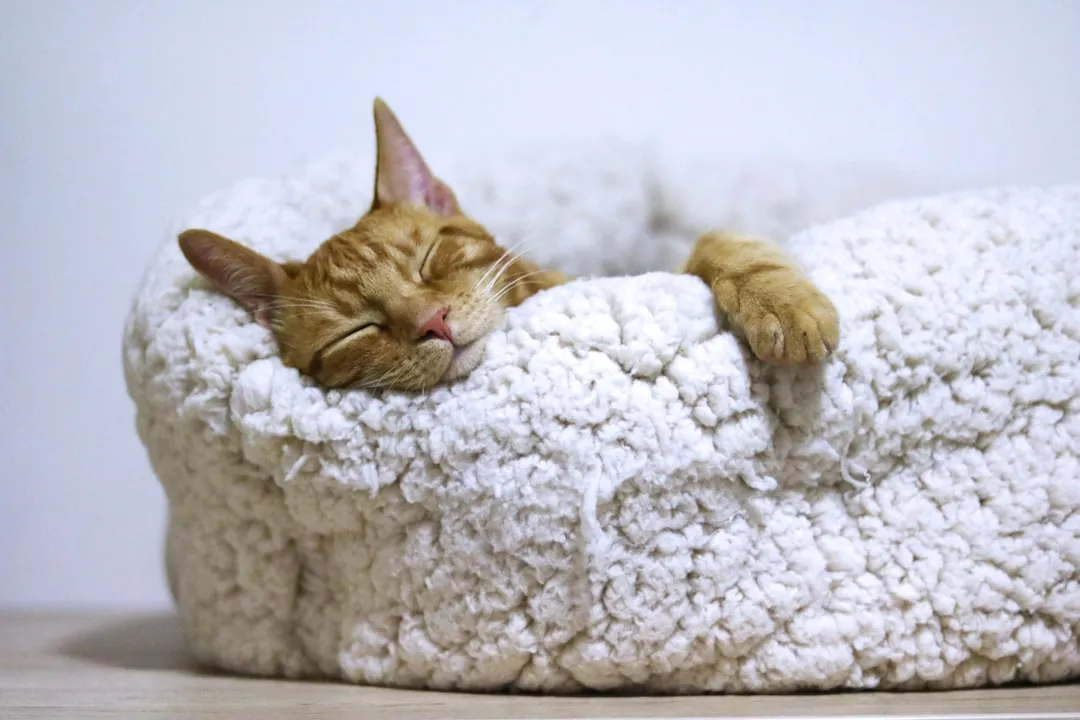
Cats are surprisingly opinionated about texture. Some want firm support, others like a floppy, hammock-style surface, and some insist on something that feels almost like warm sand or a dense pillow. The bed they choose usually hits their exact sweet spot for softness, firmness, and grip under their paws.
You might notice your cat kneading one bed happily but looking almost offended when they step on another. That reaction is real. Their paws are incredibly sensitive, packed with nerves, and they use them like we use our hands. If a fabric feels too slippery, too scratchy, or too unstable, they will just not commit to lying there for long stretches.
Texture is also tied to temperature regulation. Dense, plush beds trap heat; smoother or thinner fabrics stay cooler. A cat that overheats easily may avoid the fluffy, Instagram-worthy bed and choose the plain mat because it helps them stay in a comfortable temperature range without sweating (which cats are not great at anyway).
#4 Temperature Sweet Spot: Built-In Heat Sensors at Work
🔥 Would you like to save this?
We'll email this post to you, so you can come back to it later!
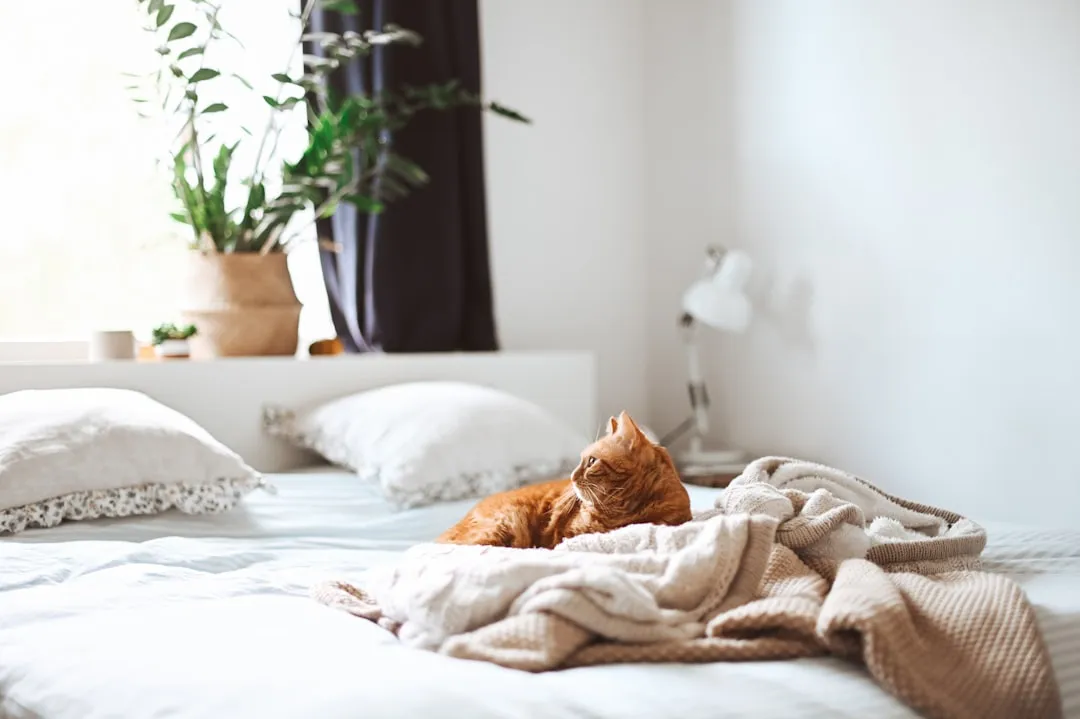
Cats are natural heat seekers. Their preferred resting temperature is generally warmer than what most humans find comfortable. That favorite bed might simply be in the exact microclimate they love: near a radiator but not too close, by a sunny window at a particular time of day, or slightly elevated where warm air rises.
Once they find that Goldilocks zone, they hang onto it. Other beds in drafty corners, next to doors that open and close, or directly under air vents are often dismissed without hesitation. Even if you move the bed they love, you might notice they choose the spot, not the object, and then abandon the bed if the temperature or airflow feel wrong.
- Cats will choose warmth over aesthetics almost every time.
- Drafts, vents, and floor-level cold patches can instantly ruin a bed.
- The same bed can be “perfect” in winter and ignored in summer.
I’ve seen cats ignore their usual bed for weeks in a summer heat wave, only to return to it religiously as soon as the first chilly nights arrive. To us it looks like moodiness. To them it is just temperature management.
#5 Location, Location, Location: The Real Estate Logic
🔥 Would you like to save this?
We'll email this post to you, so you can come back to it later!
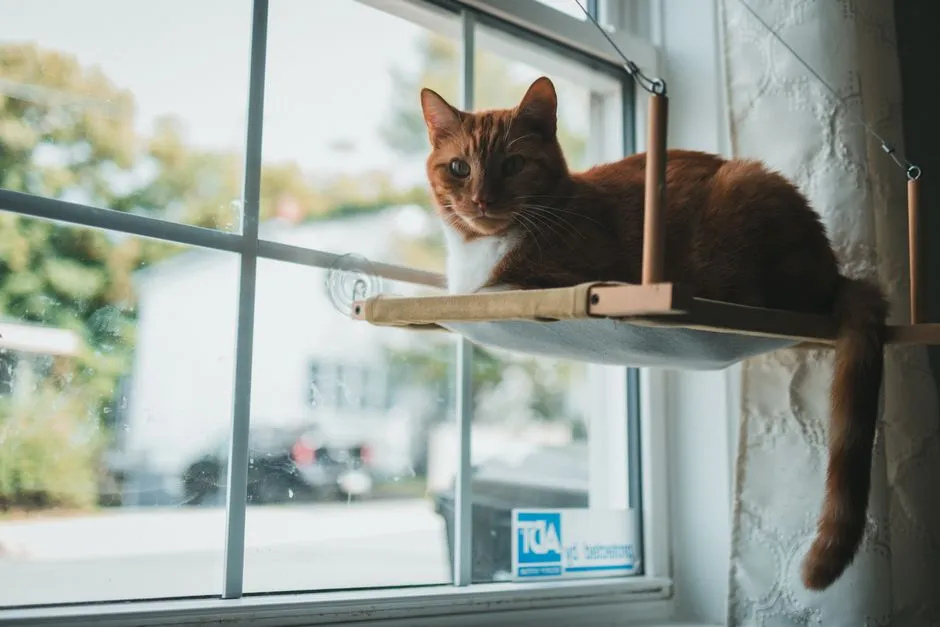
If you look at where your cat’s chosen bed is placed, you will probably notice advantages that have nothing to do with the bed itself. Maybe it has a clear view of the room, a quick escape route, and a sightline to doors and windows. Maybe it is tucked away, shielded from noise and foot traffic, like a private little den.
Cats are strategic about visibility. Many like elevated spots where they can watch without being easily approached. Others prefer hidden nooks that let them feel invisible. That “one bed” likely offers a combination of vantage point and cover that feels just right. Beds in exposed, busy or noisy areas never get the same loyalty.
Think of it like picking an airplane seat: some people always want the aisle, others insist on the window, and some dislike sitting near the bathroom. Your cat is doing the same kind of calculation, just with different rules: Can I see? Can I flee? Can anything sneak up on me while I am sleeping?
#6 Habit Loops and Comfort Scripts: When Routine Becomes Law
🔥 Would you like to save this?
We'll email this post to you, so you can come back to it later!
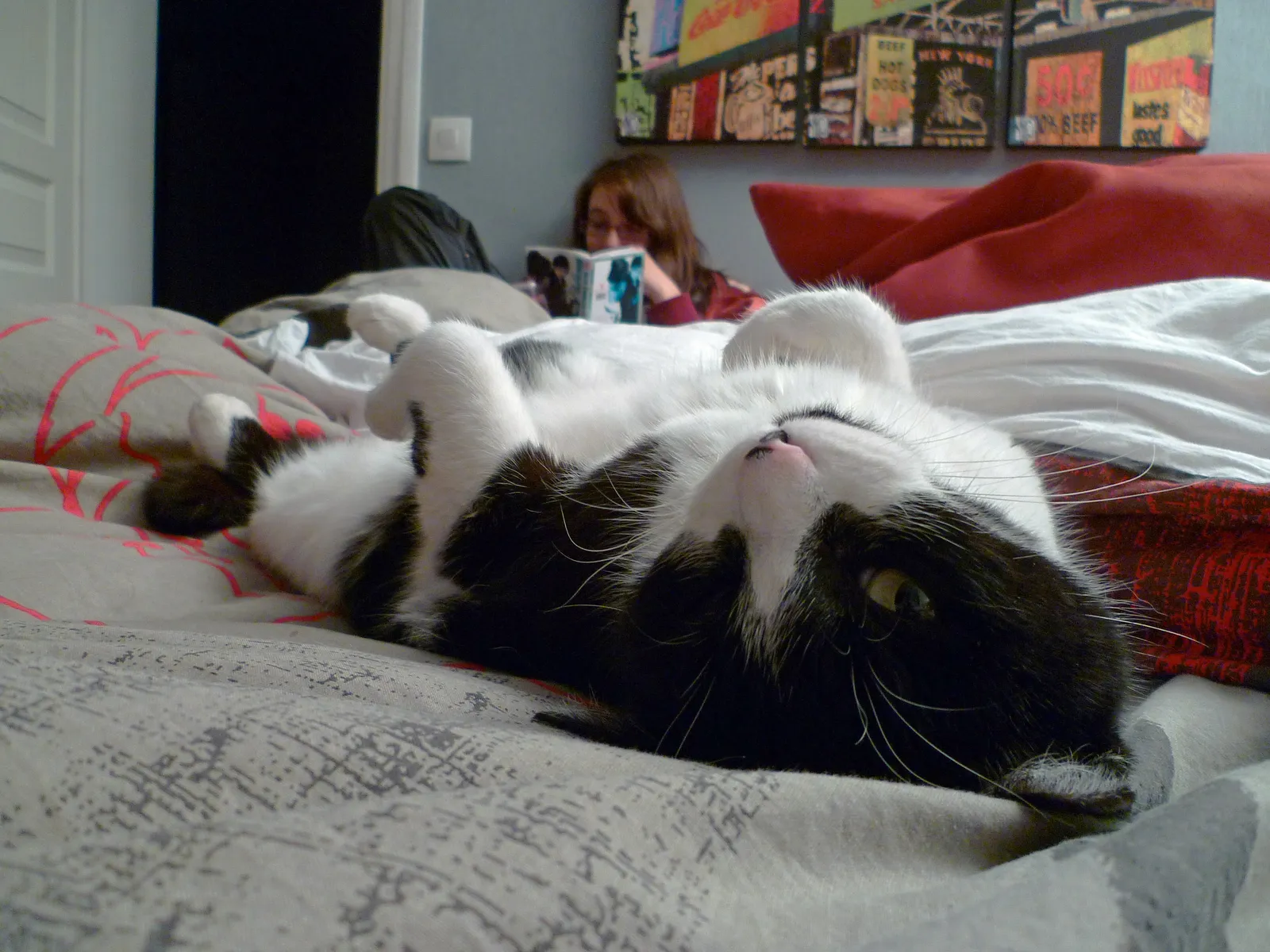
Cats are often described as creatures of habit, and that is not an exaggeration. Once a particular sequence of events feels good and safe, they may follow that script every day. A bedtime script might look like: dinner, grooming, patrol around the house, then straight to “their” bed in the corner by the couch.
Every time they repeat that loop without anything bad happening, the behavior gets reinforced. The bed becomes part of the ritual, not just a random choice. By contrast, a new bed does not fit into any existing routine. It is like handing someone a brand-new chair and insisting they switch desks at work for no reason; even if the chair is better, the disruption feels uncomfortable.
- Repetition builds emotional attachment to specific spots.
- Breaking a cat’s routine can trigger stress or resistance.
- The longer a cat uses one bed, the more “locked in” the preference becomes.
This is why cats that grew up with one main sleep spot can be especially stubborn about changing it later in life. It is not just a bed; it is part of their personal story of safety.
#7 Emotional Associations: Good Nights vs. Bad Vibes
🔥 Would you like to save this?
We'll email this post to you, so you can come back to it later!
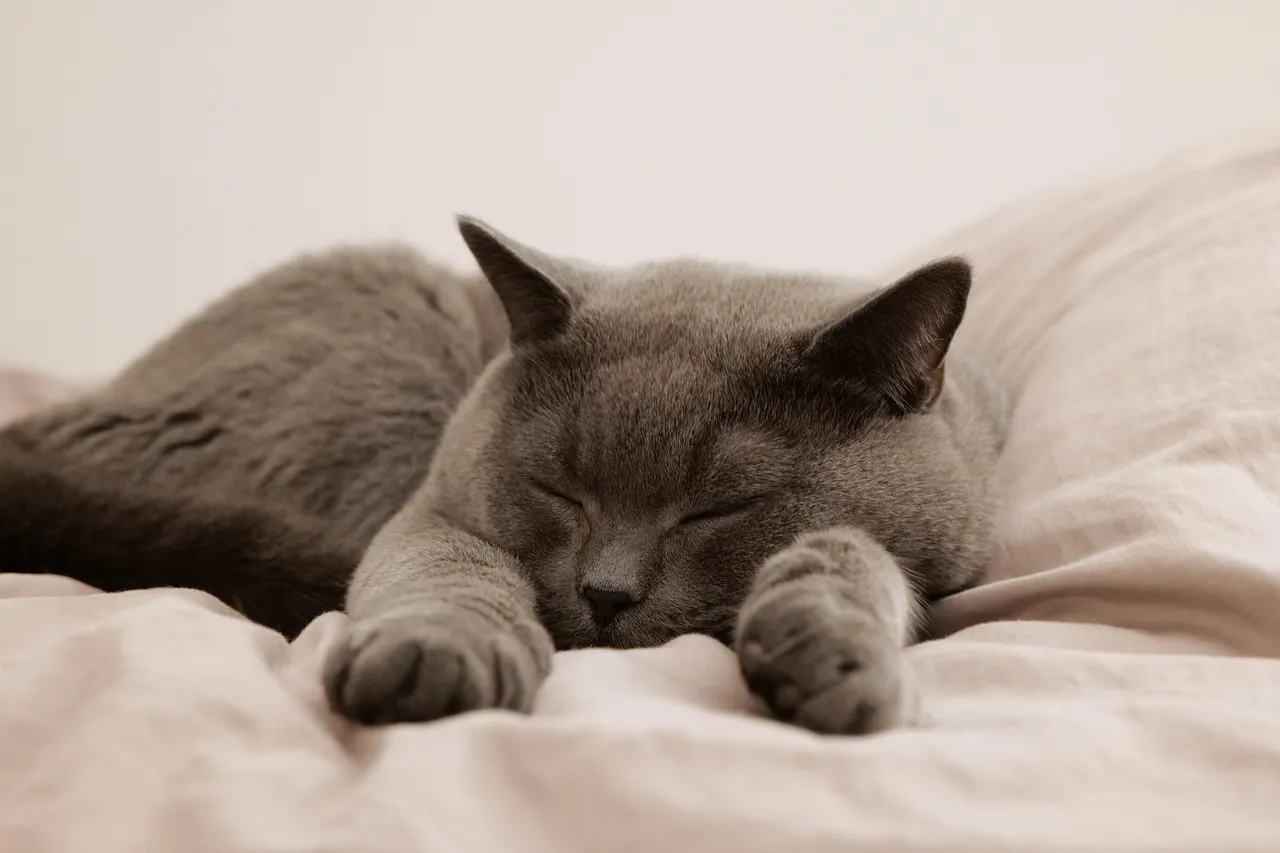
Not every bed is emotionally neutral. Your cat may have formed specific associations with each sleeping place, based on what happened there. If they were repeatedly startled, grabbed, or woken suddenly in one bed, they might silently blacklist it, even if nothing looks wrong to you.
Meanwhile, their favorite bed might be where all the best things happen: quiet naps, gentle petting, soft voices, and predictable routines. Over time, that bed becomes a loaded emotional symbol. It is linked with relaxation and trust, while other beds feel uncertain or even mildly threatening.
We do this too without realizing it. Many people have a favorite seat on the couch or a side of the bed they feel weirdly attached to, simply because that is where they have consistently felt relaxed and safe. Your cat is no different; they are just less subtle about their preferences.
#8 Health, Age, and Pain: When One Bed Hurts Less

🔥 Would you like to save this?
We'll email this post to you, so you can come back to it later!
As cats age, or if they have hidden pain, arthritis, or joint issues, their bed choice can become extremely practical. A lower, firmer, or more accessible bed might be the only one they can climb into without pain. If another bed has high sides, wobbles when they jump, or sinks too much in the middle, they might quietly avoid it.
Cats are experts at hiding discomfort, so you might not see obvious limping or stiffness. But you can sometimes “read” their bodies through their bed choices. A senior cat that suddenly switches to a flatter, easier-to-reach bed might be telling you their joints are not what they used to be.
- Firm, supportive beds can be kinder to sore joints.
- High-sided or very soft beds may be harder for older cats to use.
- A new refusal of once-loved spots can be an early sign of discomfort.
If you suspect pain is involved, it is worth talking to a vet rather than just buying more beds. No amount of shopping can fix arthritis, and a comfortable cat is more likely to explore alternative resting spots.
#9 Social Dynamics: Other Pets, Kids, and Household Drama

🔥 Would you like to save this?
We'll email this post to you, so you can come back to it later!
Sometimes, the “why that one bed?” mystery has nothing to do with the bed at all and everything to do with who else lives in the house. Multi-pet households add layers of politics. If a dog likes to barge through certain areas, a cat may abandon any beds in those high-traffic paths and cling to the one spot the dog never reaches.
Other cats also matter. Some more confident cats may quietly claim certain beds as their own, and more timid cats may simply avoid those areas to prevent conflict. The bed your cat chose might be the only place where they are not challenged, chased, or stared down by another animal.
Humans can play a role too. Loud kids, frequent visitors, or one particular family member who always tries to pick the cat up can “contaminate” a bed area from the cat’s perspective. If that one favorite bed happens to be in a calm, predictable zone, it will win every time, no matter how many nicer-looking beds you scatter around the rest of the house.
#10 Human Scent and Bonding: Why Your Bed “Beats” All Cat Beds
🔥 Would you like to save this?
We'll email this post to you, so you can come back to it later!
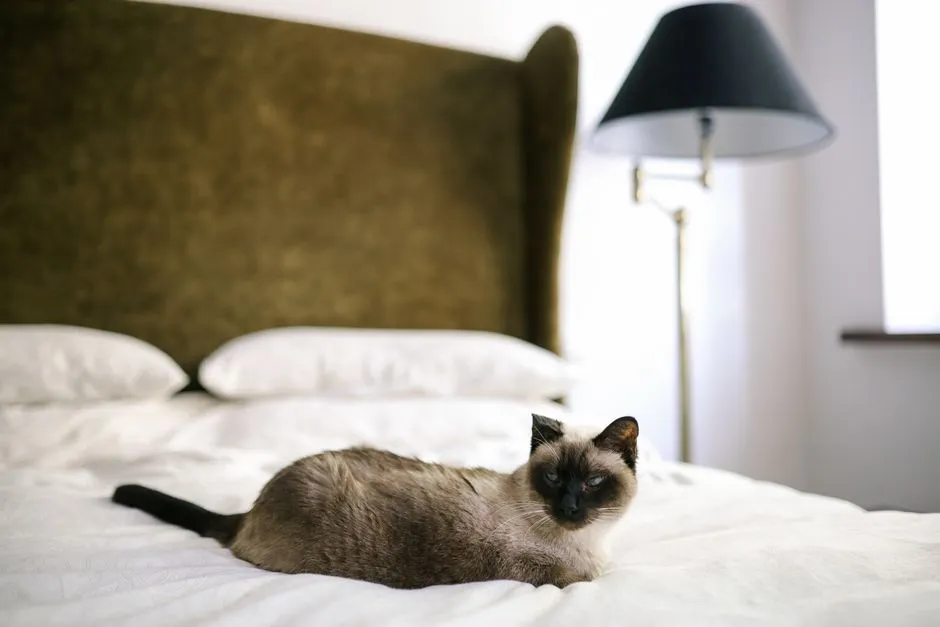
A lot of people notice something slightly rude-feeling: the cat ignores all the official cat beds and instead sleeps exclusively on the human’s bed or pillow. From a feline perspective, this is not an insult to the products; it is actually a compliment to you. They are choosing your scent over everything else.
Bedding, pajamas, and even your worn-out hoodie carry a concentration of your smell. For a bonded cat, that smell is like emotional Velcro. It signals safety, warmth, predictability, and connection. So your bed becomes the ultimate comfort zone, especially when you are in it and your breathing and body heat add to the sensory mix.
- Cats often prefer fabrics that smell strongly of their favorite humans.
- Human beds combine scent, warmth, and familiar nighttime sounds.
- Sharing a sleeping space can be a strong sign of trust and attachment.
If your cat insists on sleeping on your bed and nowhere else, it might be less about rejecting other options and more about wanting to literally wrap themselves in their favorite person’s presence. From that angle, it feels a lot less like stubbornness and more like affection.
#11 Why They Reject New Beds: Common Mistakes We Make
🔥 Would you like to save this?
We'll email this post to you, so you can come back to it later!
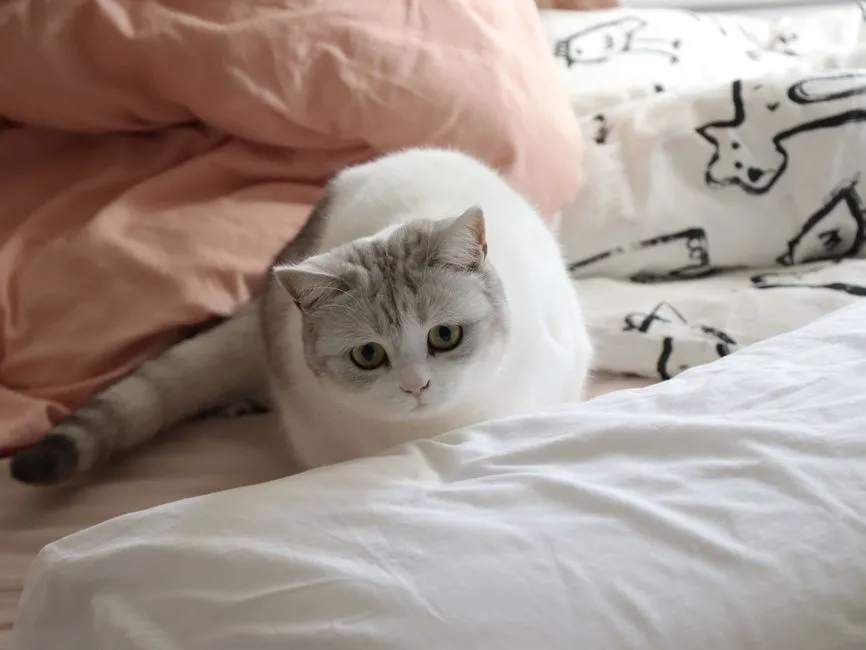
From the human side, buying a new cat bed often comes with expectations. We imagine them marching over, sniffing it politely, and then immediately curling up in bliss. In reality, many of us accidentally sabotage the process. We plop the new bed in a random spot, right out of the packaging, smelling like factories and plastic, and then feel hurt when the cat avoids it.
Another common mistake is putting the new bed somewhere that looks cute to us but feels exposed or noisy to the cat. A sunny corner by a big window might seem ideal, but if people walk past constantly outside, or if neighborhood cats appear there, your cat might feel on edge. The bed itself could be perfect, but the context is wrong.
We also tend to rush. Cats need time to investigate and approve new objects on their own terms. If you keep moving the bed, placing the cat in it, or fussing over it, you may turn it into a source of low-level stress instead of curiosity. From the outside it looks like stubborn refusal; from their side, it is self-preservation.
#12 How to Gently Persuade a Cat to Use More Than One Bed
🔥 Would you like to save this?
We'll email this post to you, so you can come back to it later!
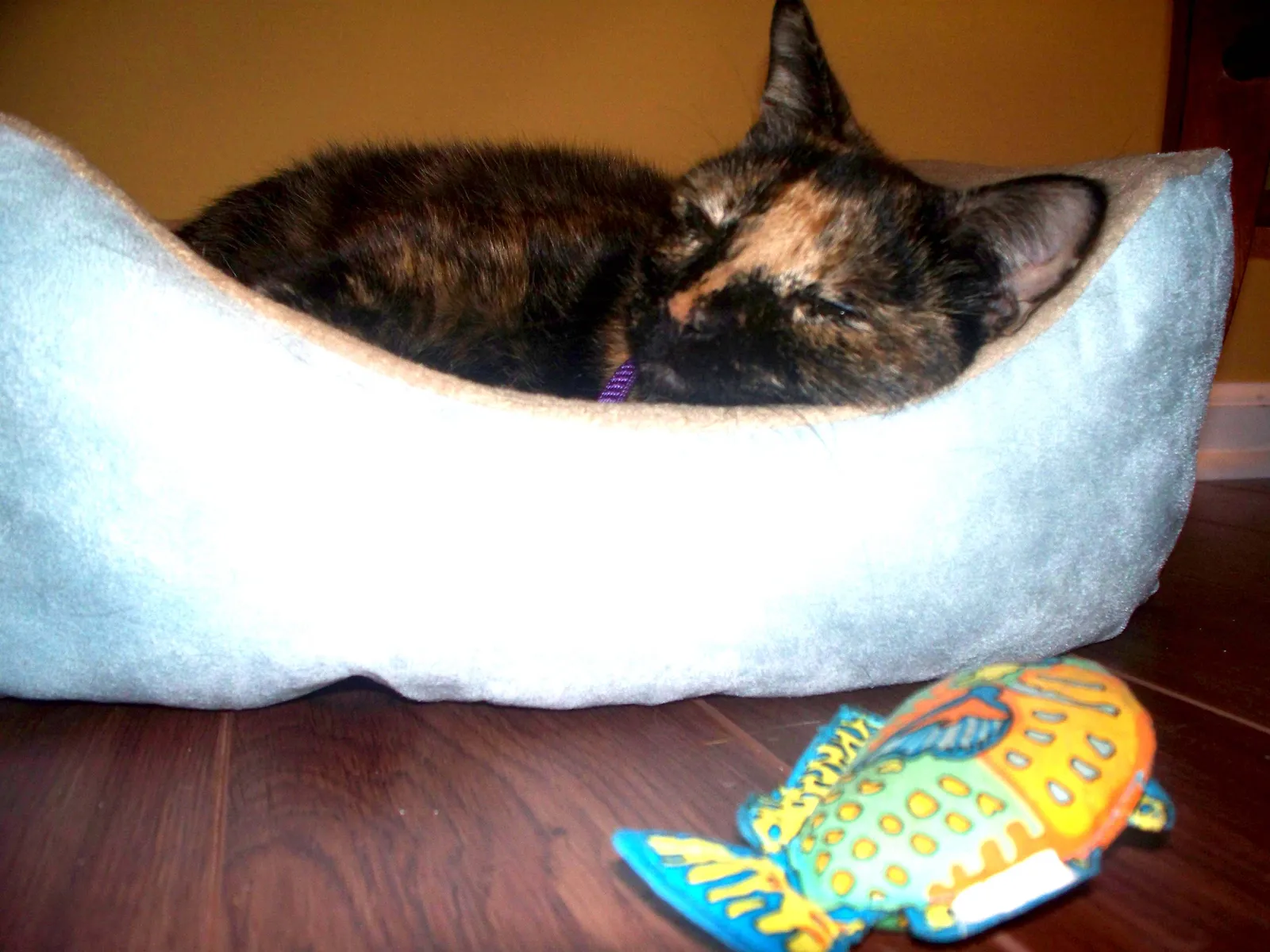
The good news is that you do not have to just accept defeat. While you cannot bully or bribe a cat into loving a bed, you can absolutely stack the odds in your favor. The trick is to work with their instincts instead of fighting them. Start by placing new beds in locations you already know your cat likes to nap, rather than trying to invent totally new nap zones.
Then, help the new bed pass the scent test. Put a worn T-shirt in it, or transfer a blanket your cat already sleeps on. You can even gently rub the fabric with a cloth you have wiped on your cat’s cheeks or favorite scratching post, basically “pre-loading” it with friendly smells. Leave the bed alone for a while and let your cat discover it at their own pace.
- Put new beds near existing nap spots, not in random unused corners.
- Seed them with familiar scents from you and your cat.
- Keep them away from drafts, vents, loud TVs, and busy doorways.
- Be patient; think in days or weeks, not hours.
I’ve had the best results treating new beds like background furniture rather than a project. Once I stopped watching so closely, my own cat quietly started using a “rejected” bed months later as if it had always been her idea.
#13 When to Worry: Normal Quirks vs. Possible Red Flags
🔥 Would you like to save this?
We'll email this post to you, so you can come back to it later!
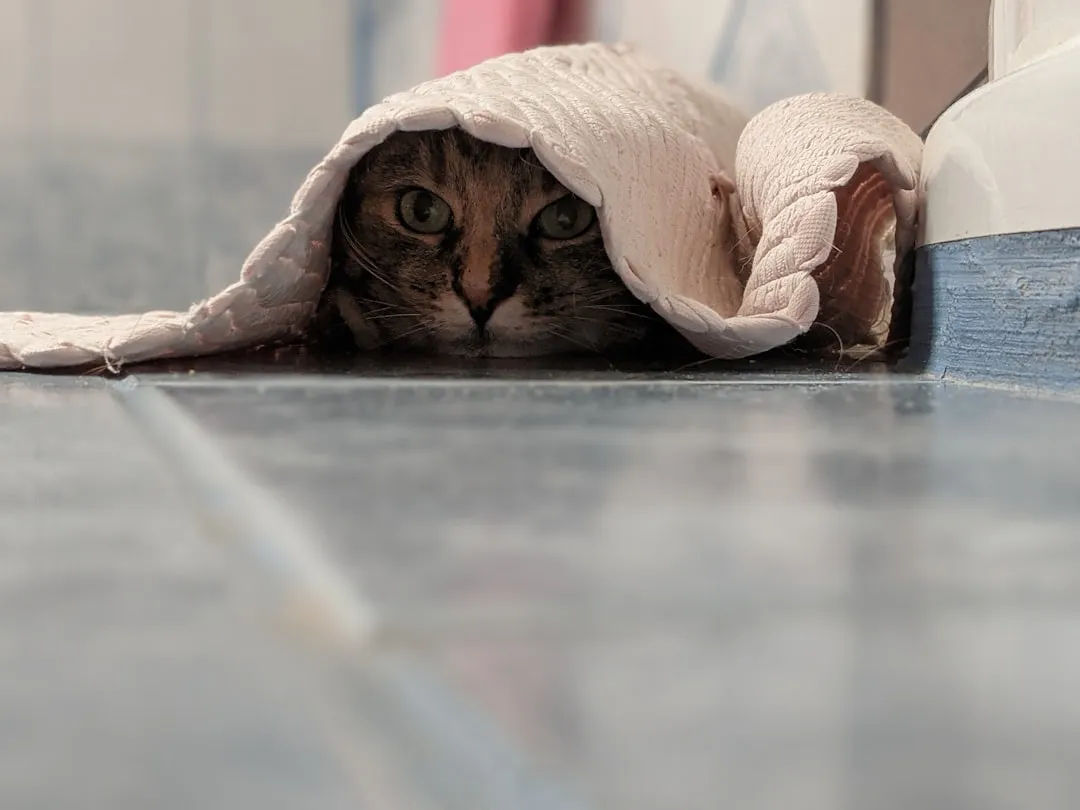
Most of the time, a cat’s one-bed loyalty is just a mix of personality, instinct, and taste. However, sudden, dramatic changes in sleep location can sometimes be a clue that something else is going on. If a cat that always slept on your bed suddenly starts hiding in a closet or under the couch, it is worth paying attention.
Big shifts in sleeping habits can be linked to pain, illness, stress, or environmental changes like new pets, loud renovations, or household tension. If you see sleep changes along with eating less, hiding more, or acting unusually cranky or clingy, a vet check is a good idea. It is better to rule out health problems than to assume they are just “being weird.”
On the flip side, if your cat has always been devoted to one bed and shows no signs of distress, you do not need to fix it. Some cats are minimalists. One bed, one favorite human, one safe corner of the world feels just right to them. The real goal is not to match the number of beds on a pet store shelf, but to match your particular cat’s needs.
Maybe the Cat Is Right
🔥 Would you like to save this?
We'll email this post to you, so you can come back to it later!
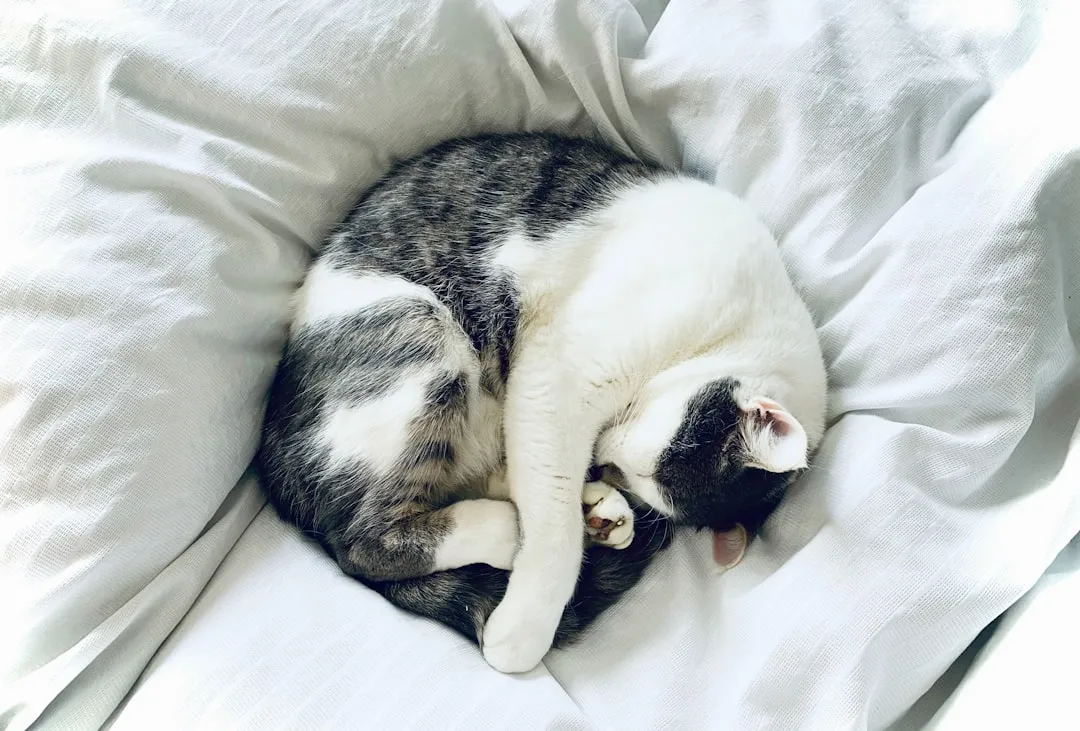
The more you dig into why a cat will sleep on one bed and refuse every other, the more it stops looking like stubbornness and starts looking like a kind of quiet wisdom. They are not chasing trends or trying to justify their purchases like we sometimes do. They are laser-focused on safety, comfort, scent, routine, and emotional security. When one bed checks all those boxes, they do not feel any need to keep shopping.
Personally, I think there is something almost admirable about that. While we obsess over upgrades, your cat finds one spot that feels truly right and commits to it with unwavering loyalty. Instead of asking why they will not use all the other beds, maybe the better question is why we feel such a strong urge to spread their attention around.
In the end, if your cat has one favorite bed, that is not a failure. It is a sign they have carved out a place in your home where their ancient instincts and modern life line up perfectly. You can still experiment, gently introduce new options, and fine-tune their environment – but you might also let that one chosen bed stand as proof that, in their own mysterious way, your cat knows exactly what they are doing. If you had their instincts, would you really choose any differently?

- 7 Everyday Habits That Can Make Your Senior Dog Happier - November 5, 2026
- 10 Enigmatic Structures That Continue to Puzzle Scientists Today - November 5, 2026
- 10 Strange Ruins in the Americas That Challenge What We Know About Early History - November 5, 2026