


When it comes to natural disasters, it’s hard to ignore the immense threat posed by earthquakes. Across the globe, these seismic events have caused unimaginable destruction. In the United States, experts are raising alarms that America’s next megaquake could happen sooner than most of us anticipate. Understanding the science behind these tectonic movements, the vulnerabilities of different regions, and how they are preparing is crucial for readiness. This article dives into why this impending quake might occur sooner than expected.
The Science of Earthquakes
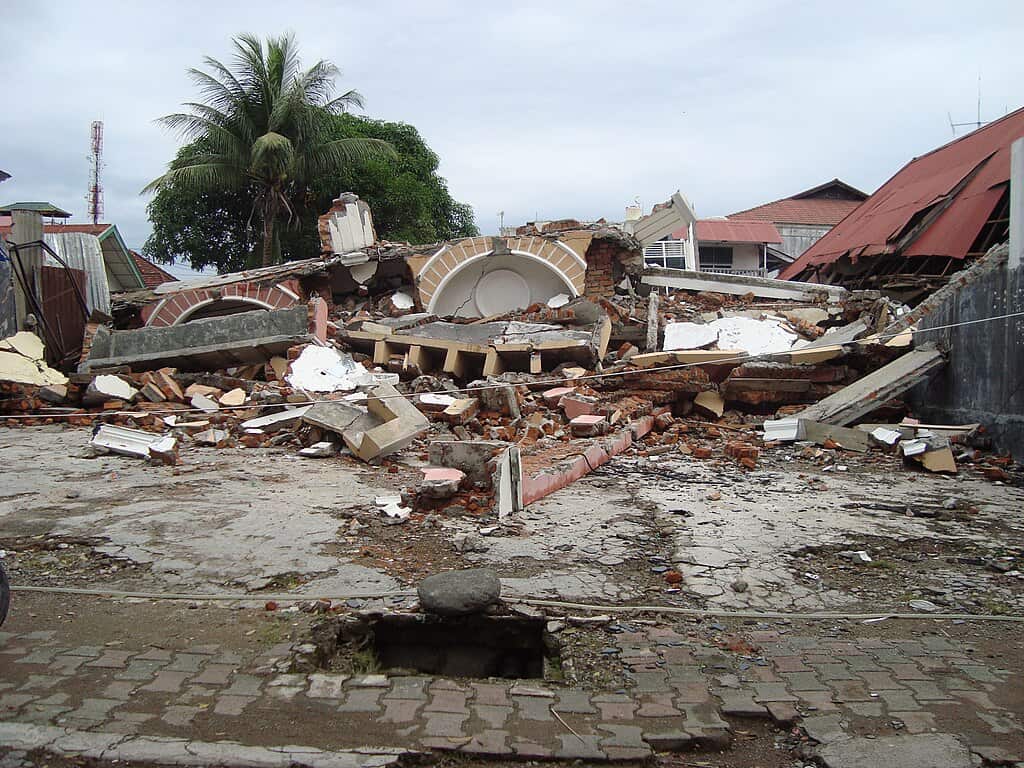
Earthquakes are caused by the movement of tectonic plates beneath the Earth’s surface. These plates, which float on the planet’s molten mantle, constantly shift, albeit imperceptibly. Most of the time, this movement results in small tremors. However, stress can build up over years at fault lines—zones where tectonic boundaries meet—leading to catastrophic releases of energy known as megaquakes.
Historic Megaquakes in the U.S.
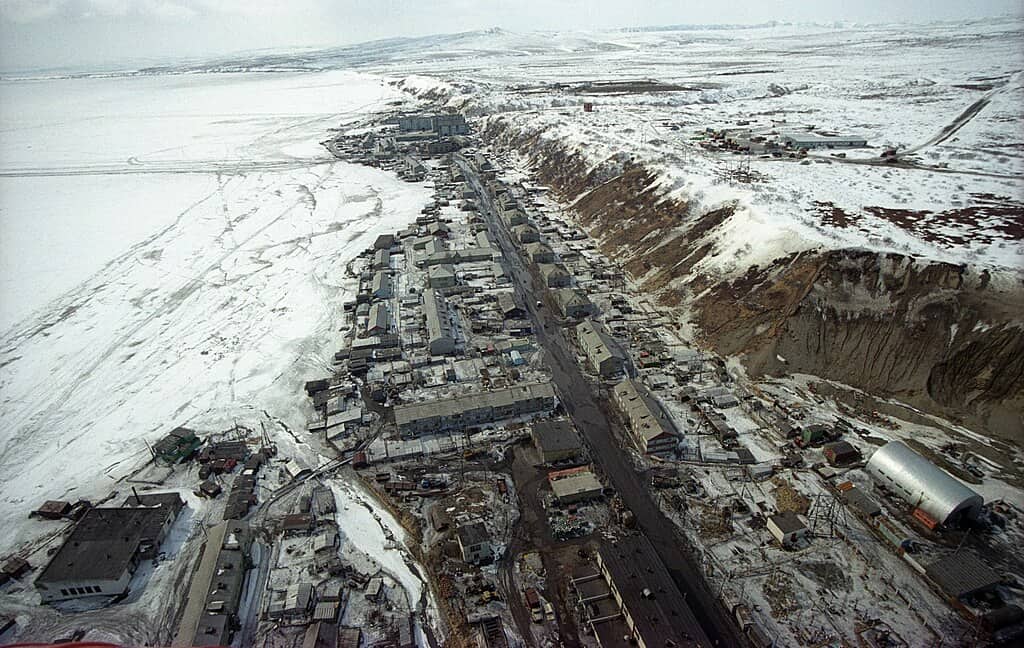
The United States has witnessed a few significant earthquakes throughout history. One of the most infamous was the 1906 San Francisco earthquake, which devastated the city. Though technology and building codes have improved since then, the inherent seismic risk remains high, particularly along the West Coast.
The Pacific Ring of Fire

The Pacific Ring of Fire is a horseshoe-shaped zone of high seismic activity that includes U.S. states like California, Oregon, and Washington. Communities in these areas sit atop moving tectonic plates, making them highly vulnerable to quakes. With so many hotspots along this ring, these states are bracing for potential seismic events.
Understanding the Cascadia Subduction Zone
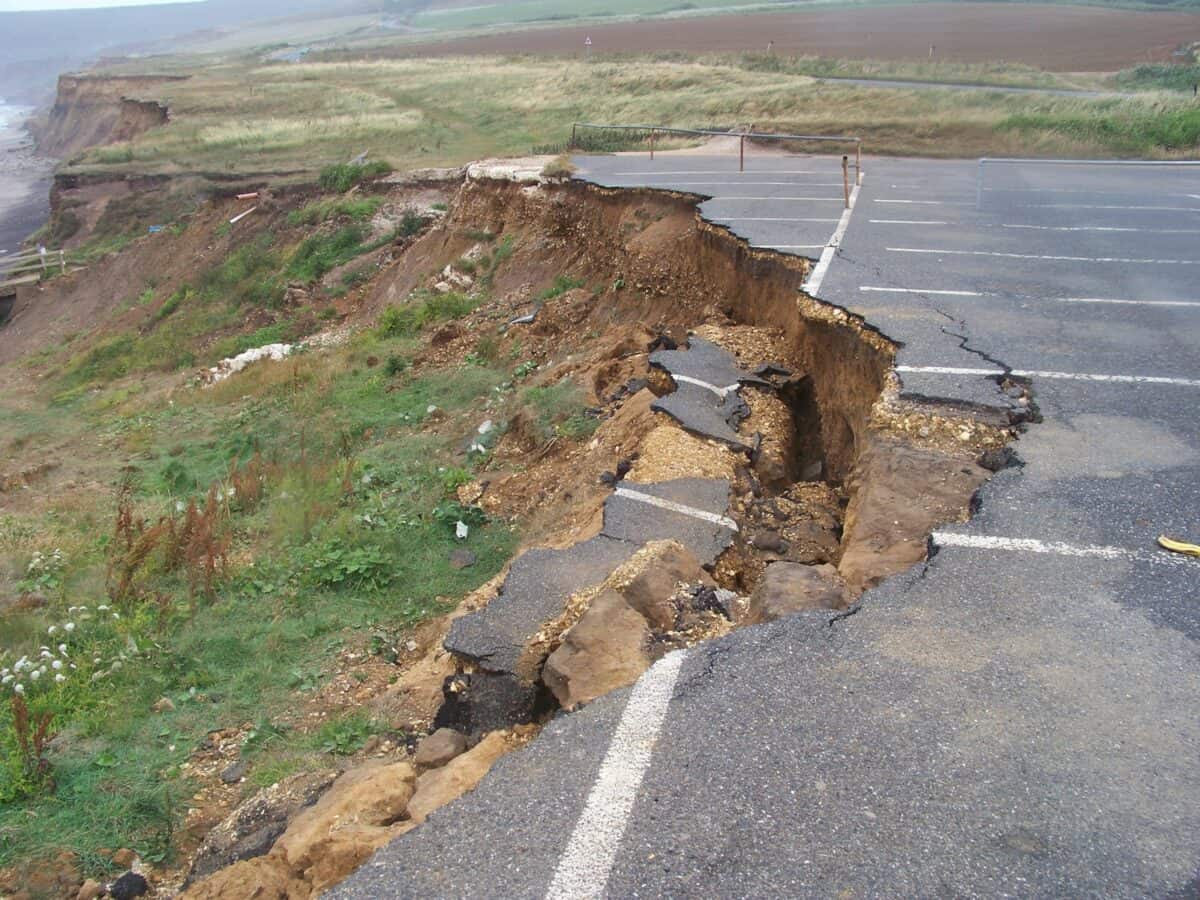
Stretching from Northern California to British Columbia, the Cascadia Subduction Zone is a major fault line where the oceanic Juan de Fuca plate is sliding beneath the North American plate. Scientists warn that this zone is capable of producing a magnitude 9.0 earthquake, with a potential to cause tsunamis and extensive damage along the Pacific Northwest.
Increased Tectonic Stress

Recent studies show increased tectonic stress along several active fault lines in the U.S. Stress accumulates in these zones when the Earth’s crust is unable to release built-up tension gradually through frequent, smaller tremors. This could lead to a high-magnitude seismic event that catches both scientists and residents off guard.
Climate Change and Earthquake Risk

It’s intriguing to consider how climate change might intersect with earthquake risks. Rising sea levels and melting ice caps redistribute weight across Earth’s surface, which can alter geological stresses and potentially trigger seismic activity. As the planet warms, scientists are exploring these complex interactions more intensely.
Technological Advancements in Earthquake Prediction

Though predicting the exact time and place of an earthquake is currently beyond our reach, scientists use technology to forecast which areas are at higher risk. Instruments that measure crustal movement and seismic activity provide crucial data, helping experts warn about potential risks earlier than ever before.
Preparedness Strategies for Communities

With awareness of increased earthquake threats, various communities are escalating their preparedness strategies. From implementing stricter building codes to conducting regular earthquake drills, these efforts are essential in mitigating potential damage and saving lives.
Innovations in Building Technology
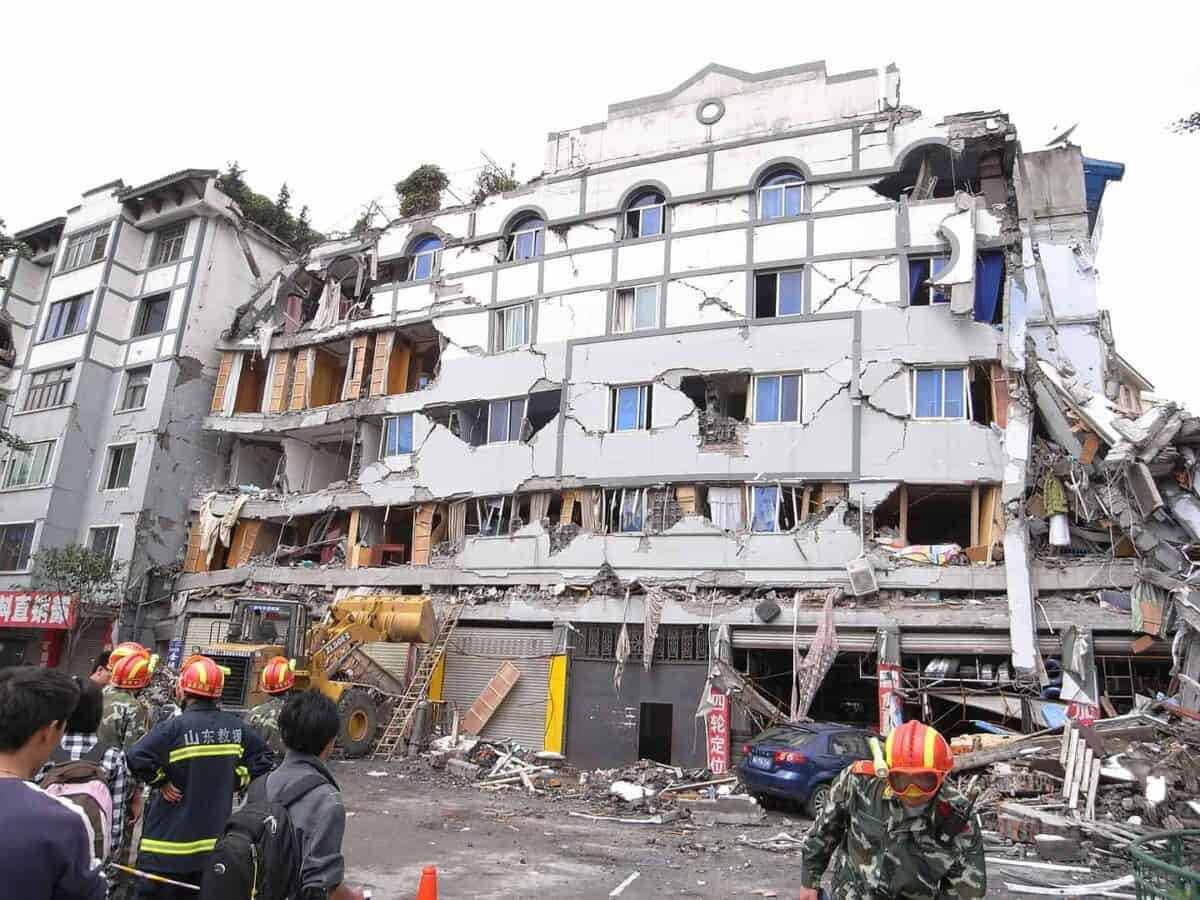
Architects and engineers are improving building designs to withstand seismic forces. Innovations such as base isolators, which absorb a quake’s energy, and reinforced materials are essential tools to ensure that structures remain standing even during strong earthquakes, thus reducing injury and loss of life.
The Role of Government Agencies

Federal and local governments play critical roles in earthquake preparedness. Agencies like FEMA provide resources and guidance for emergency planning. Ensuring robust infrastructure and effective response systems is vital for public safety during such unpredictable events.
Public Awareness and Education
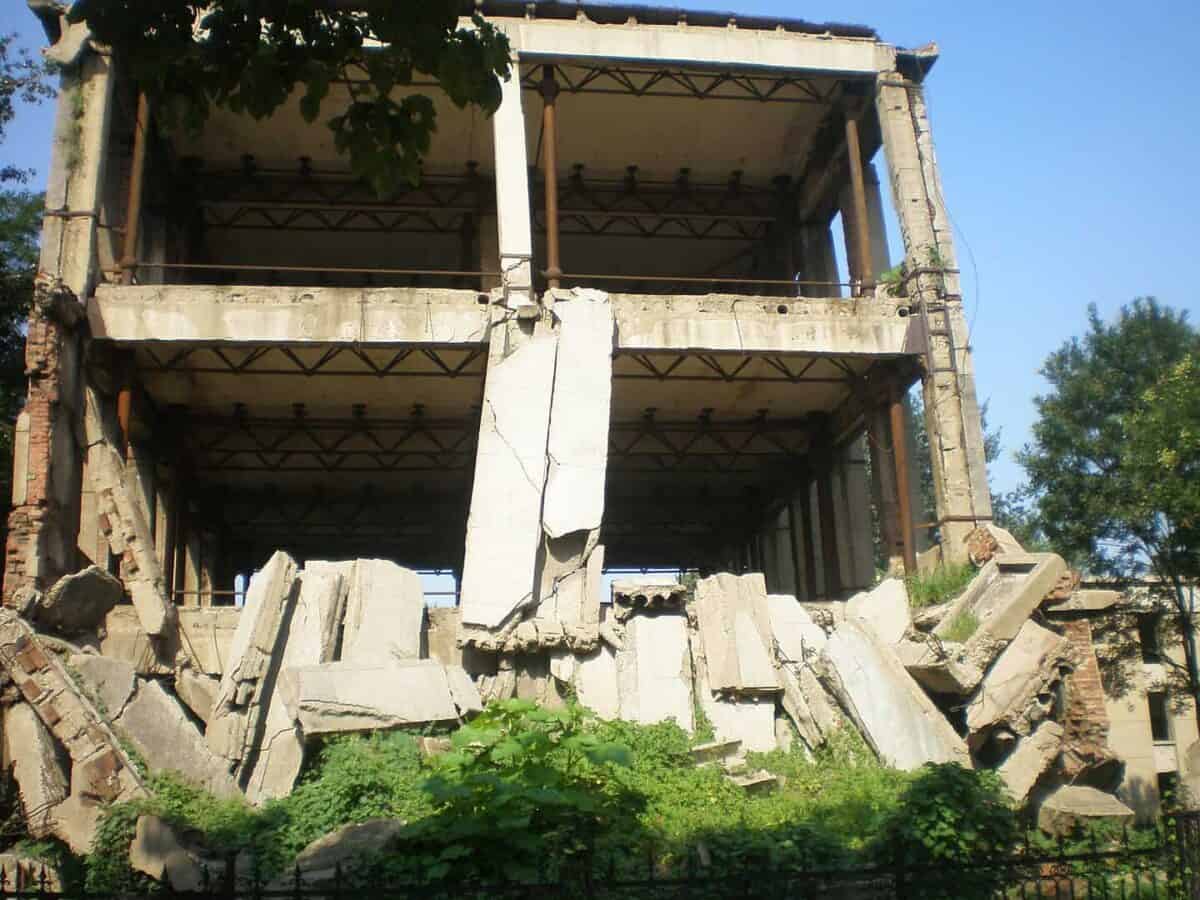
Public awareness initiatives are crucial for ensuring that residents understand earthquake risks and know how to respond effectively. Educational campaigns and community workshops empower people with the knowledge necessary to protect themselves and respond quickly in the event of an earthquake.
Looking Forward

Even though it’s daunting to think about the possibility of a megaquake, the combination of improved technology and heightened preparedness can significantly mitigate its impact. While we may not be able to prevent earthquakes, understanding the risks and preparing accordingly is our best defense against these natural forces.
Conclusion:

As we conclude, it’s clear that earthquakes are an inevitable part of living in certain parts of the United States. While the possibility of a megaquake is concerning, it’s also a call to action. With scientific insight, technological advances, and a proactive approach to preparedness, communities can enhance their resilience and safeguard lives. By staying informed and ready, we can face the reality of earthquakes with greater confidence and capability.

As a little kid, I fell in love with nature, wildlife, and animals. Living in the USA, South Africa, Italy, China and Germany gave me the opportunity to discover the world's Wildlife. My favorite animals are Mountain Gorillas, Siberian Tigers, and Great White Sharks.
I'm a certified PADI Open Water Diver, went to Everest Base Camp and Trekked Gorillas in Uganda. I hold a Master of Science in Economics and Finance.
Please send any feedback to feedback@animalsaroundtheglobe.com
- 15 Gardening Tips That Are a Hummingbird’s Nightmare (— Avoid #4 at All Costs) - July 23, 2026
- 15 Most Misunderstood Dog Breeds - July 23, 2026
- 14 Dog Breeds That Do not Need Much Exercise - July 23, 2026