
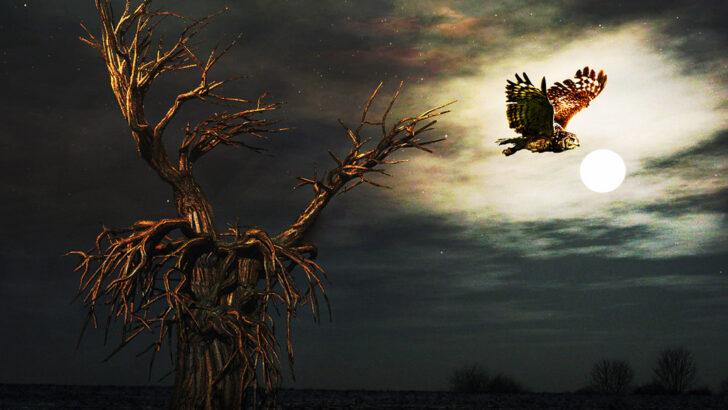
Most people assume that once an owl claims a patch of woods in spring, it’s locked in for the long haul – practically a homeowner with wings and a mortgage. Then, sometime in late summer, the calling stops. The perch sits empty. The neighbors start whispering about a mystery, maybe even a tragedy.
Field biologists know better, and what they know is stranger than sentiment. An owl doesn’t leave because it got bored or wandered off. It leaves because something in its brutal internal math stopped adding up – and by the end of this article, you’ll never look at an “empty” territory the same way again.
#1 – The Prey Crash No One Sees Coming
🔥 Would you like to save this?
We'll email this post to you, so you can come back to it later!
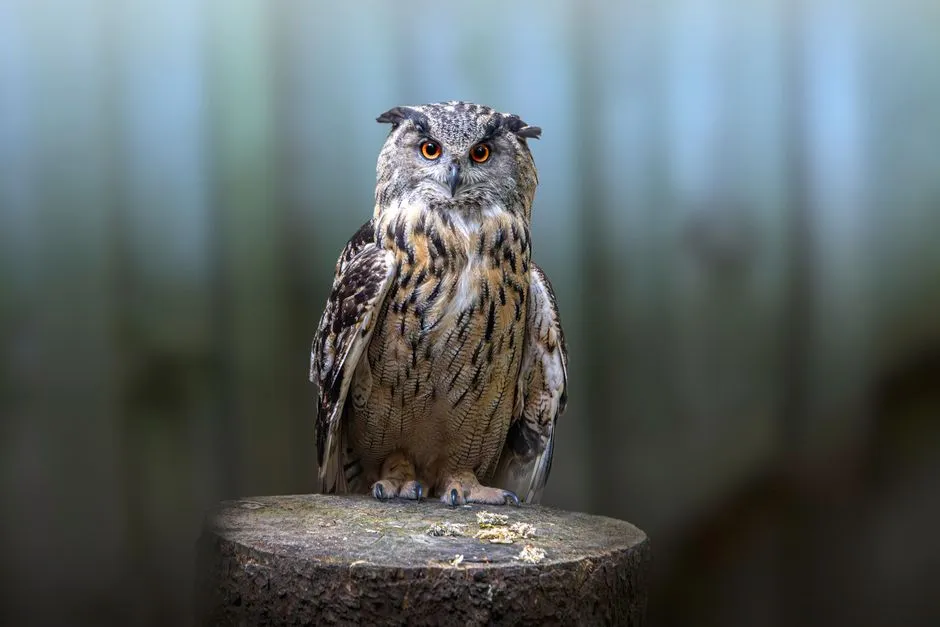
Here’s the boldest truth about owls: they are prisoners of rodents. An owl doesn’t stay in a territory because the tree is pretty or the view is nice. It stays because that patch of ground delivers enough calories, night after night, to cover the brutal energy cost of flying, hunting, and staying warm.
All summer, the territory might look flawless – mice in the grass, voles in the meadow, the occasional careless squirrel. Then late summer arrives, and the bottom quietly falls out. Small mammals boom and bust in cycles nobody can see from a lawn chair. One year a meadow is crawling with voles; the next it’s practically sterile.
Fast Facts
- Vole and small-rodent populations commonly move through a boom-and-bust cycle, with numbers building over a 2-to-4-year period, culminating in a peak year, followed by a crash in the words of field researchers who track them.
- In a boom year a patch of grass the size of football pitch could shelter in excess of 500 voles.
- In a crash year, only a handful, maybe as few as one or two, would survive in the same area.
Researchers have watched this pattern again and again: an owl will abandon a territory once prey density drops below a critical threshold, sometimes within days. This isn’t fickleness. It’s starvation math playing out in real time, and by the time you notice the silence, the decision was already made.
- When prey falls too low, staying becomes more dangerous than leaving.
- An owl vanishing after a “good” summer is often responding to invisible scarcity, not restlessness.
#2 – Late-Summer Stress That Finally Breaks the Owl
🔥 Would you like to save this?
We'll email this post to you, so you can come back to it later!
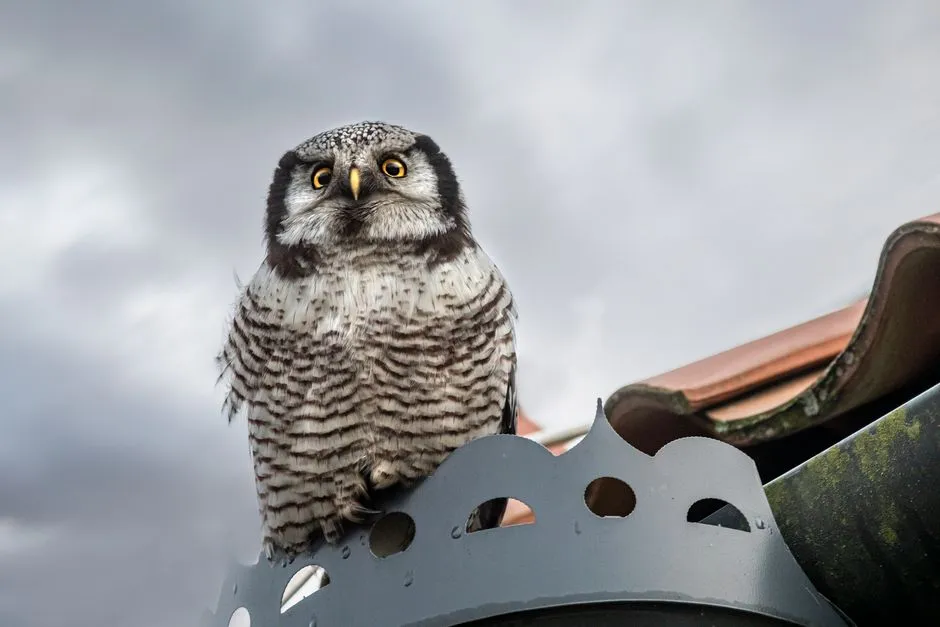
From a distance, an owl perched in August looks relaxed, almost bored. Up close, biologists measuring stress hormones tell a very different story: summer can be a slow-motion stress test that finally breaks by season’s end.
If the owl raised chicks, it has already survived weeks of nonstop hunting, nest defense, and screaming matches with every raccoon, hawk, or curious neighbor that wandered too close. By the time the young are flying, many adults are physically wrecked – worn feathers, depleted fat reserves, elevated stress hormones simmering under the surface.
If recovery doesn’t happen fast – because prey is thin, weather turns unstable, or disturbance never lets up – the territory stops being merely unprofitable. It becomes actively harmful. Some studies show adults that barely scraped their chicks to fledging will abandon that exact territory the very next season, even after a technically successful summer.
In other words, “we raised young here” does not mean “we’ll stay here.” Sometimes it means the opposite: this place almost broke us.
- Constant human activity near the nest tree
- Repeated harassment from other predators like hawks, raccoons, or foxes
- Chronic low prey forcing marathon hunting nights
#3 – Human Noise That Quietly Pushes Owls Out
🔥 Would you like to save this?
We'll email this post to you, so you can come back to it later!
Nobody connects a new backyard spotlight or a weekend campsite to the owl that disappeared down the road. Ecologists do, immediately.
Owls live by sound and darkness. Mess with either one, and the entire risk-reward equation of a territory flips overnight. Owls hunt by locking onto tiny sounds – a vole rustling dead leaves, a mouse chewing seeds in the dark. Add persistent noise from ATVs, generators, or late-night parties, and hunting efficiency plummets. The bird has to work far harder for the same meal, and eventually the math fails.
Light is just as brutal. Studies on nocturnal raptors show they avoid overly lit areas, not just while hunting but while roosting too. One new security light or an aggressively lit driveway can turn a once-ideal hunting corridor into a glowing, exposed strip where predators of owls see them far more easily.
- Owls going silent right after a new housing development or RV park appears
- Birds shifting deeper into the forest interior before vanishing entirely the following year
They don’t file complaints about the noise. They just leave, quietly, and don’t come back.
#4 – Hidden Predators That Turn “Home” Into a Death Trap
🔥 Would you like to save this?
We'll email this post to you, so you can come back to it later!
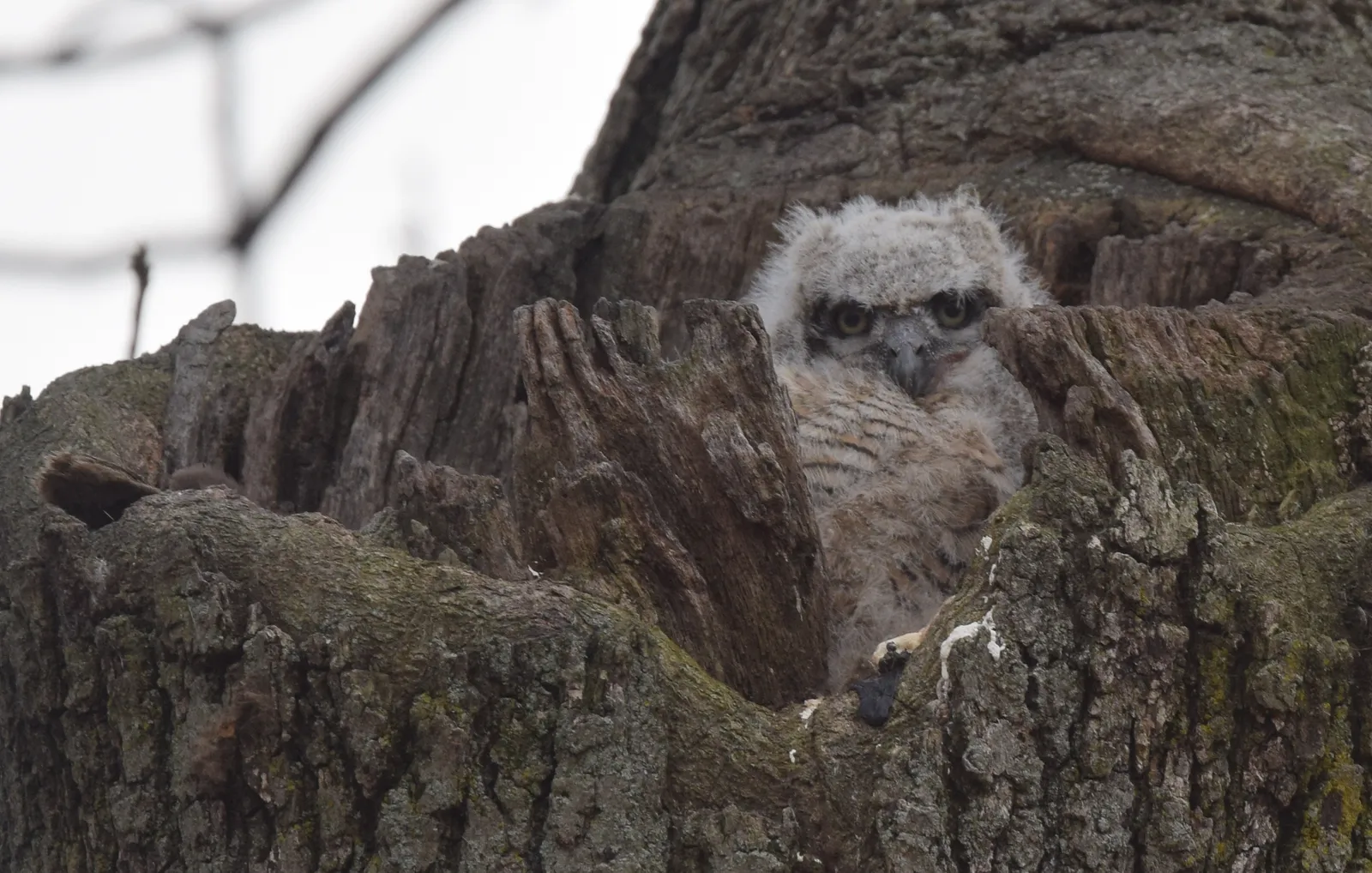
We like to imagine owls sitting comfortably at the top of the food chain. In reality, most owls live under the shadow of something bigger and meaner. A territory that felt safe in May can turn into a death trap by August if a new top predator moves in.
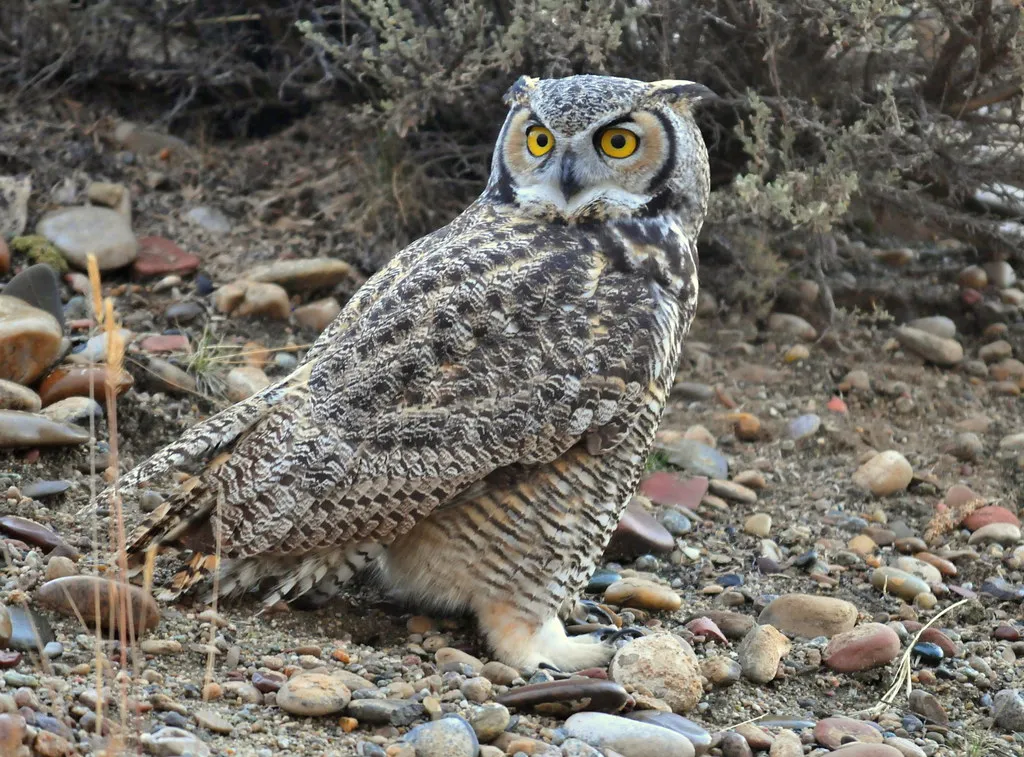
Great horned owls, for example, routinely kill and eat smaller owls – screech-owls, barn owls, even barred owls. A nearby red-tailed hawk can repeatedly harass or kill fledglings. Add raccoons climbing nest trees, martens raiding cavities, and the occasional roaming cat, and the risk profile of a territory quietly spikes.
Biologists tracking banded owls notice the pattern constantly: when a larger owl pair sets up a nest within overlapping range, the smaller species’ occupancy drops sharply the following season. Adults that survived one terrifying year simply refuse to risk a sequel.
- A great horned owl pair begins nesting within earshot
- High predation on fledglings during a single season
- Repeated daytime harassment that wastes energy and wrecks hunting windows
From your yard, you just notice “our owl stopped showing up.” From the owl’s side of the story, alarms had been ringing for months.
#5 – Territorial Fights That End in Quiet Eviction
🔥 Would you like to save this?
We'll email this post to you, so you can come back to it later!
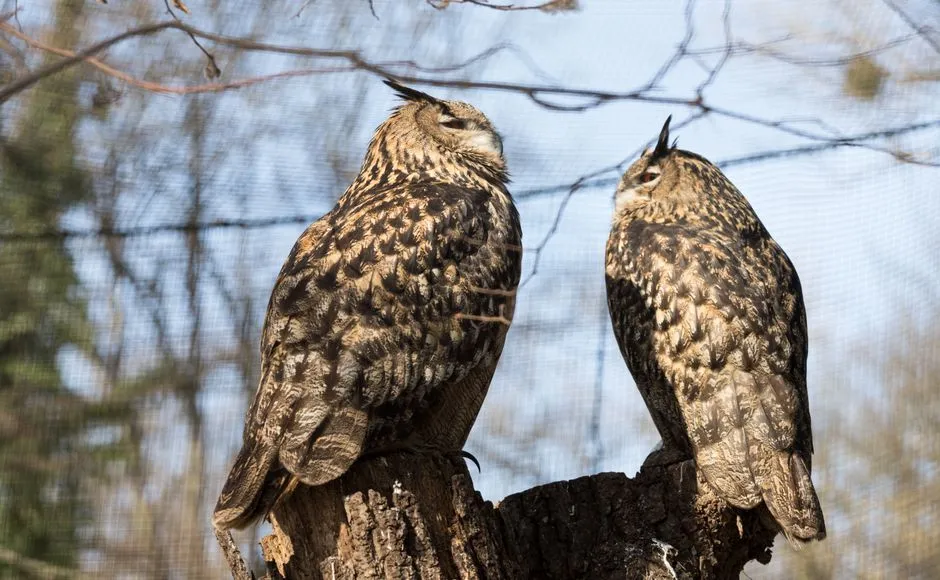
Owl territories aren’t polite real-estate agreements. They’re closer to bare-knuckle zoning laws enforced with talons.
When people say an owl “abandoned” its territory, they often skip a far less comfortable possibility: it was forced out. Adults defend fiercely during breeding season, but by late summer and early fall, things get crowded fast. Juveniles disperse, non-breeding floaters go hunting for vacancies, and neighboring birds start probing for any sign of weakness.
Radio-tracking projects have documented adults that held a core area for months, then suddenly shifted miles away after a stretch of intense vocal dueling and aerial chases. Some of these birds later turn up with healed injuries that quietly scream “territory war.”
- Escalating hoot or screech duels turning into close-range confrontations
- One bird chased off at dawn or dusk, cut off from prime hunting ground
- Exhaustion or injury mounting until the losing bird simply stops returning
There’s no referee in these fights. And the “abandoned” territory is often reoccupied within days by the winner – or by a floater who was waiting in the wings the whole time.
#6 – Drought, Floods, and Weather That Rewrite the Map
🔥 Would you like to save this?
We'll email this post to you, so you can come back to it later!
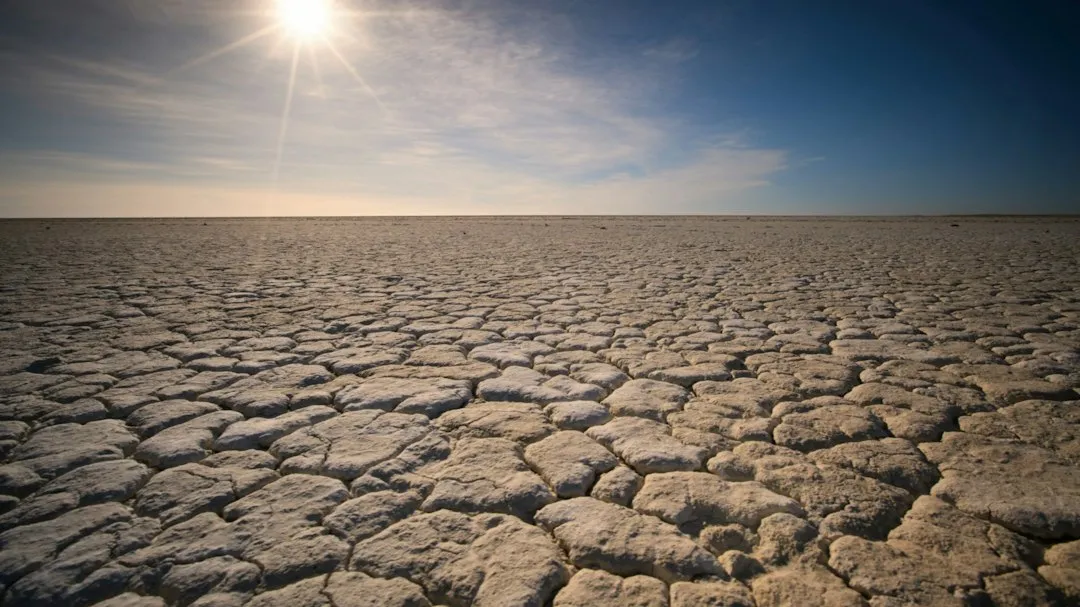
Most people blame predators or people when an owl disappears. Increasingly, researchers point to something far blunter: weather extremes that erase a territory’s entire food base overnight.
Owls tie their lives to small pockets of habitat – low meadows, riparian strips, forest edges. When those microhabitats get hammered by drought or floods, everything changes at once.
- Drought bakes grasslands, shrinking cover for rodents and drying up insect swarms
- Floods drown burrows, wipe out ground nests, and scatter surviving prey unpredictably
In several long-term studies, years of intense drought are followed by massive territory turnover across entire owl populations. Birds that had been faithful to one patch for multiple seasons suddenly shift home ranges – sometimes for good.
Weather doesn’t just remove food; it reshapes the whole physical stage. A single windstorm can fell the exact cavity tree an owl has used for years. Late-summer storms that flatten reeds or tall grass expose rodents to hunt, but they also expose the owl itself to its own predators. Nights quietly get less profitable and more dangerous, until the numbers stop working entirely.
#7 – Young Owls Growing Up and Pushing Change
🔥 Would you like to save this?
We'll email this post to you, so you can come back to it later!
Here’s the twist almost nobody considers: sometimes the owl that “abandoned” your area didn’t fail. It succeeded too well.
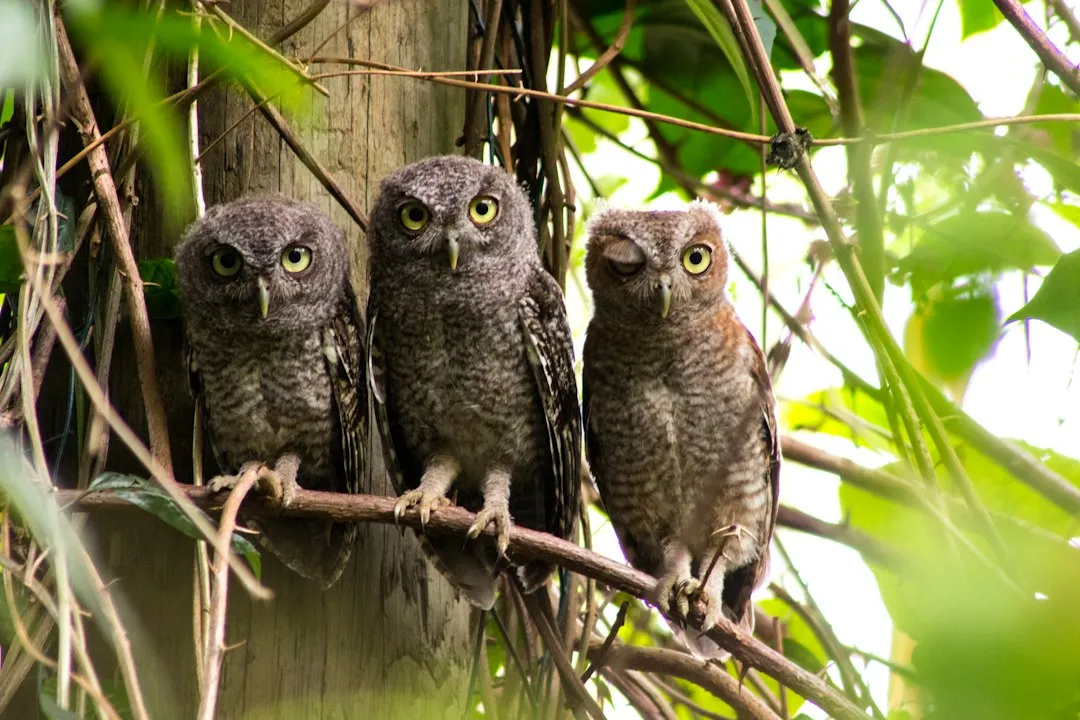
In many species, once chicks fledge, they hang around the territory for weeks or months, trailing parents and begging loudly for food. During that stretch, the territory has to support several hungry mouths instead of just the original pair. If prey is only just adequate, that extra demand pushes the whole system to the breaking point.
Worth Knowing
- Fledglings don’t become self-sufficient overnight; they keep begging for handouts long after they can fly.
- The parents continue to feed the chicks for up to 5 weeks after fledging.
- That extended dependency window is exactly when a marginal territory tends to run out of room for everyone.
- Chicks flying reasonably well and exploring the edges of the territory
- Parents running on empty after months of over-hunting the same ground
- Local prey populations under intense, sustained pressure
Some adults respond by quietly shifting their core use area once the young go independent. From your yard, it looks like “the owl left.” In reality, that same bird may have simply moved a mile into better cover, out of easy earshot.
Here’s the stranger part: in some species, once young disperse, one of them may quietly claim part of the old range – displacing or fragmenting the parents’ territory. The original owner gets nudged sideways by its own offspring, especially when prey was already marginal.
#8 – Subtle Habitat Changes That Seem Too Small to Matter
🔥 Would you like to save this?
We'll email this post to you, so you can come back to it later!
People often insist, “Nothing changed here, but the owl still left.” Usually, they’re wrong. Something changed – just not in a way humans are wired to notice.
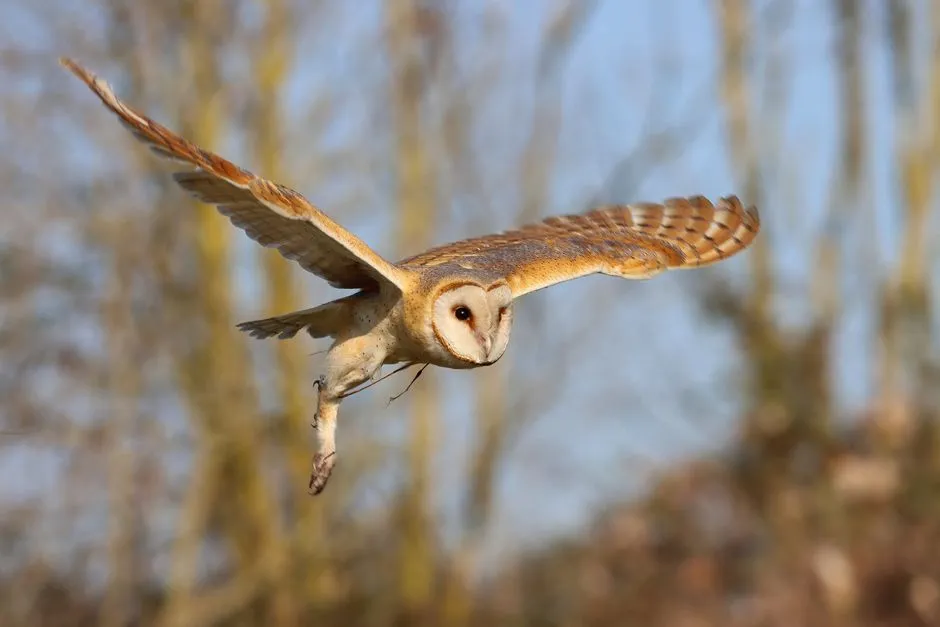
Owls read a territory as a dense, three-dimensional puzzle of perches, cover, and flight lanes. Humans see “the same woods.” Owls see something entirely different.
- The loss of one specific broken branch used to launch ambush attacks
- Understory cleared during “tidying up” that removed critical rodent cover
- A new fence line forcing prey into riskier, more exposed paths
These micro-changes matter more than they should. In some woodland studies, small-scale thinning or brush removal cuts hunting success dramatically, even when the total forest area looks completely unchanged. An owl that spent a season perfecting its stealthy approach routes suddenly finds open gaps where it used to slip through unseen.
Turning rough field edges into clean lawns, removing dead snags for tidiness, mowing meadow strips during peak rodent activity – each choice chips away at the fine architecture that made the territory profitable. Then one marginal year tips the whole scale. You think, “They abandoned us.” Biologically, the truth is closer to: we quietly dismantled the contract.
#9 – Seasonal Movements: Not Migration, but Calculated Wandering
🔥 Would you like to save this?
We'll email this post to you, so you can come back to it later!
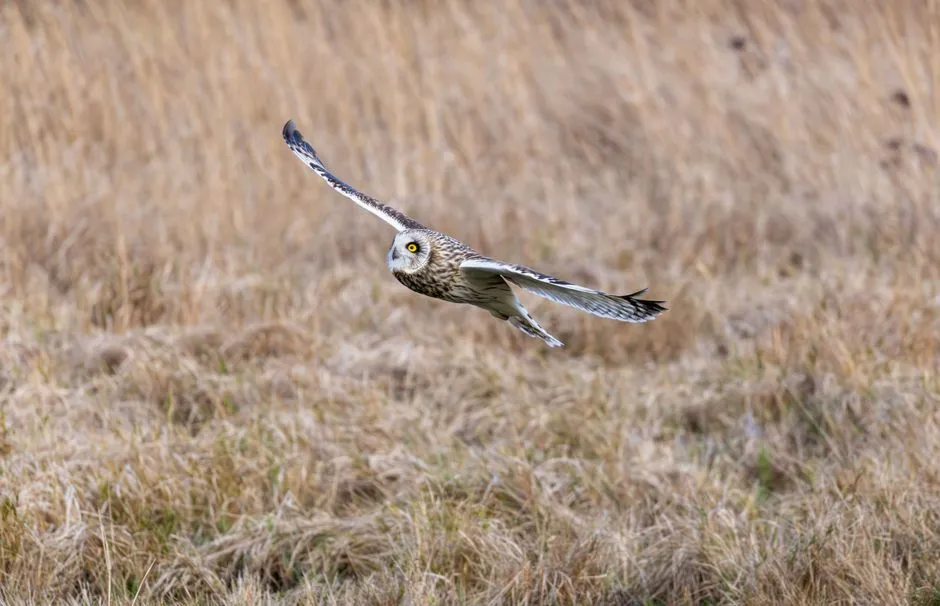
Many people cling to a simple idea: birds either migrate or they don’t. Owls blow that idea apart. A lot of species are neither strictly resident nor classic migrants – they’re opportunistic shifters, and a summer territory is just one chapter in a much longer, moving story.
In some populations, individuals hold a tight breeding territory in spring and summer, then expand, shrink, or completely relocate their range as winter approaches. The same bird that seemed loyal to your patch in June might be twenty miles away by November, chasing better hunting ground.
- Snow cover hides or protects prey in unpredictable ways
- Roosting needs shift from leaf cover to dense conifers or rock faces
- Fields that were lush in July may freeze, flood, or go barren
So the owl does something people often misread as tragedy: it abandons a perfectly good summer site to move toward a more reliable winter larder. GPS-tagged studies confirm that some individuals use entirely different core areas between seasons, even when they’re technically non-migratory. A territory that works for breeding doesn’t have to work for survival – and if winter repeatedly punishes a summer site, the owl may eventually stop returning to it at all.
#10 – Illness, Injury, and the Territories of the Walking Wounded
🔥 Would you like to save this?
We'll email this post to you, so you can come back to it later!
Nobody wants to think about this one, but sometimes an owl doesn’t abandon a territory by choice. It’s forced out by its own failing body.
Hunting from the air is a brutal athletic feat, night after night. Wing injuries, eye damage, parasites, or chronic infection can quietly erode an owl’s ability to compete. A bird that held its ground all summer, when prey was relatively abundant and nights were long, may simply not be able to defend that same ground as days shorten and competition sharpens.
At a Glance
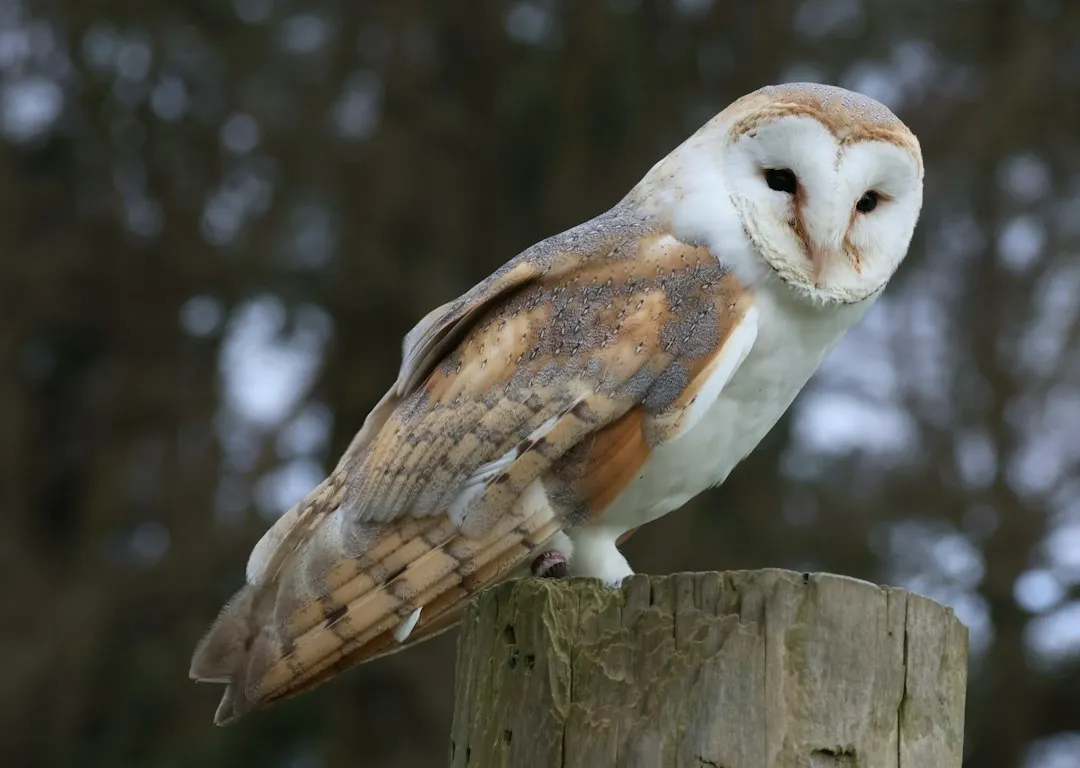
- A typical Barn Owl only lives about four years, and 70 percent die in their first year of life.
- In the wild, these birds usually live between 2 and 4 years.
- Every ounce of energy an injured or aging owl loses makes defending a territory that much harder to win.
- Partial blindness from collisions or untreated infections
- Fractured or deformed wing bones limiting maneuverability
- Heavy parasite loads quietly draining energy reserves
Field rehabbers and banders see this pattern often. These birds disappear from their traditional haunts right as conditions get tough. A few shift into marginal, less-defended habitat where competition is weaker but prey is poor. Many simply die, unnoticed, far from where anyone was watching.
People love to romanticize “our owl moved on to a better place.” The harder truth, in some of these cases, is that the owl lost the arms race and vanished at the exact moment the environment demanded peak performance.
#11 – The Harsh Truth: “Loyalty” Is a Human Word, Not an Owl Strategy
🔥 Would you like to save this?
We'll email this post to you, so you can come back to it later!
The most uncomfortable, and honestly the most important, reason owls abandon territories they held all summer is this: they were never loyal to the place. They were loyal to the math.
We love the idea of “our” owl, attached to “our” trees, coming back out of some emotional bond. The science keeps saying otherwise. When researchers follow marked individuals across years, the pattern is consistent and a little humbling.
- Owls stay when the balance of food, safety, and effort is good enough
- They shift the moment any of those elements fall below a tolerable line
- They rarely cling to a deteriorating site out of sentiment
Some of the most studied owl species show surprisingly high territory turnover, even in undisturbed forests. A patch that looks perfect to human eyes may be barely adequate on the owl’s internal ledger. Your owl might have jumped to a neighboring valley with slightly denser rodents, traded up for a cavity with better winter insulation, or simply ditched a once-safe patch now humming with coyotes and horned owls.
A land ethic changes the role of Homo sapiens from conqueror of the land-community to plain member and citizen of it.
Aldo Leopold
If we’re honest, expecting a wild predator to ignore survival math just to keep visiting our yard every summer says a lot more about us than it does about them.
The Bottom Line
🔥 Would you like to save this?
We'll email this post to you, so you can come back to it later!
Strip away the sentiment, and an owl’s decision to abandon a territory it held all summer is brutally simple: the numbers stopped working. Prey crashed, stress piled up, predators moved in, habitat quietly degraded, or the owl’s own body couldn’t keep pace anymore.
What looks like a mysterious disappearance is almost always a rational response to shifting risk and reward – not some moody act of wanderlust. “Our” owl was never really ours. It was running a survival business, not signing a lease, and it left the second the lease stopped making sense.
If we actually want owls to keep choosing our landscapes, the ball is in our court: less noise, fewer lights, messier edges, and real refuge for the prey they depend on. Anything less, and we’re just the latest variable in an equation they were never obligated to solve for us.
Do you think we’re too romantic about “our” wildlife, or not romantic enough? If you’ve watched an owl vanish from your own backyard, what do you honestly believe drove it out?

- 7 Everyday Habits That Can Make Your Senior Dog Happier - November 5, 2026
- 10 Enigmatic Structures That Continue to Puzzle Scientists Today - November 5, 2026
- 10 Strange Ruins in the Americas That Challenge What We Know About Early History - November 5, 2026