
Picture this: you stir before sunrise, and suddenly a symphony erupts outside. Robins, wrens, and thrushes belt out tunes that fill the air with pure energy. It’s mesmerizing, right? Yet this daily concert, known as the dawn chorus, hides layers of bird strategy we barely grasp.
Honestly, I’ve paused mid-morning coffee many times, wondering what drives this feathered orchestra. Recent studies peel back the mystery. Let’s dive into the science that explains it all.[1][2]
What Exactly is the Dawn Chorus?
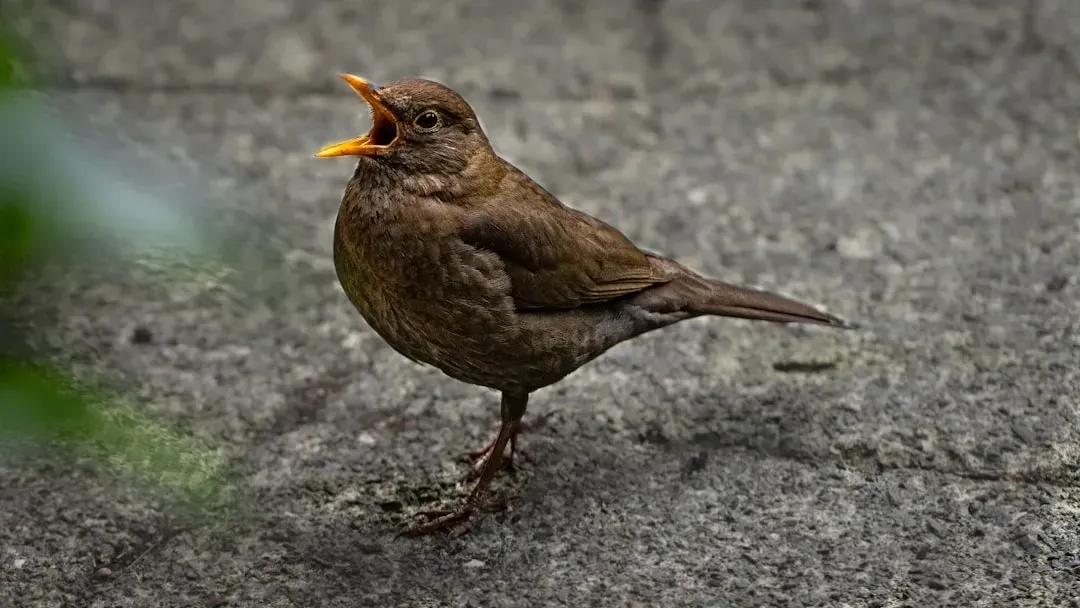
Imagine the world still cloaked in twilight. Then, bam, birds unleash a barrage of songs just before sunrise. This explosive soundscape peaks in spring breeding seasons, drawing in species from robins to warblers.[3]
Males lead the charge mostly. They pour energy into these calls on empty stomachs after cold nights. Only the fittest shine through, proving their strength. The chorus builds as light creeps in, creating that magical crescendo we all recognize.[4]
Debunking the Sound Travel Myth
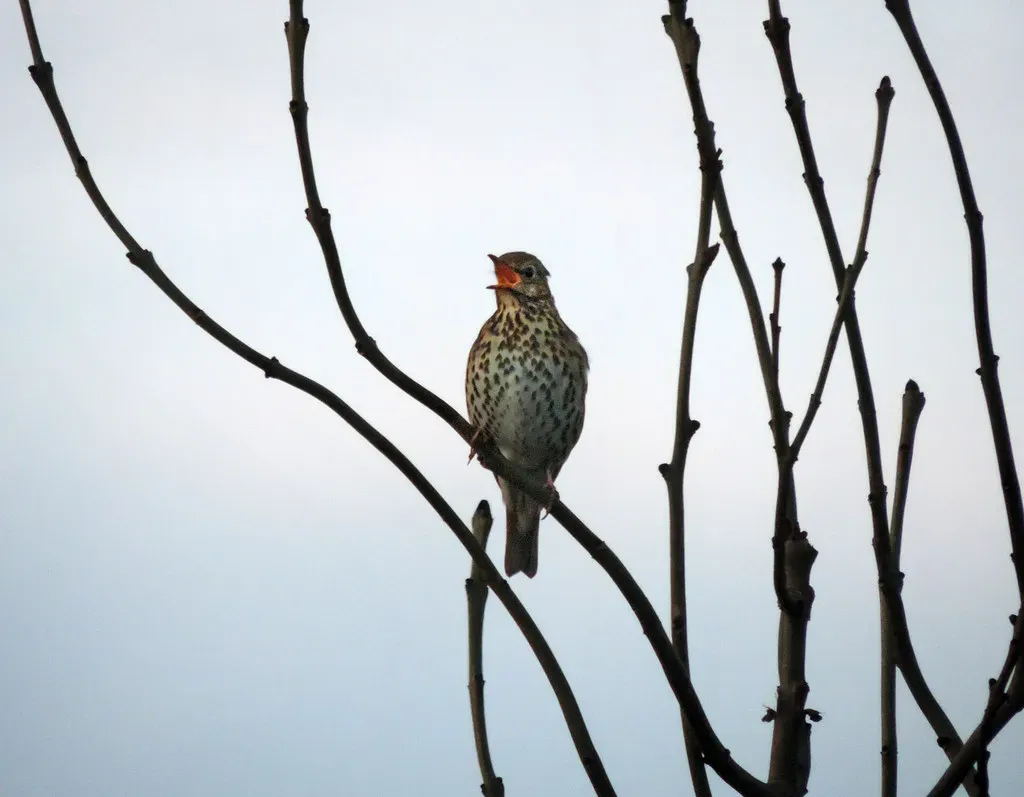
For years, folks thought calm, humid mornings let songs zip farther. Cooler air, less wind, perfect acoustics. Sounds logical, doesn’t it?
Yet a major 2025 study crushed that idea. Researchers tracked 69 species in Indian rainforests. No link between song frequency and dawn preference. High notes, prone to fading, didn’t favor mornings more. Low light hits dusk too, but singing skews dawn anyway.[1][5]
Territory Defense Takes Center Stage
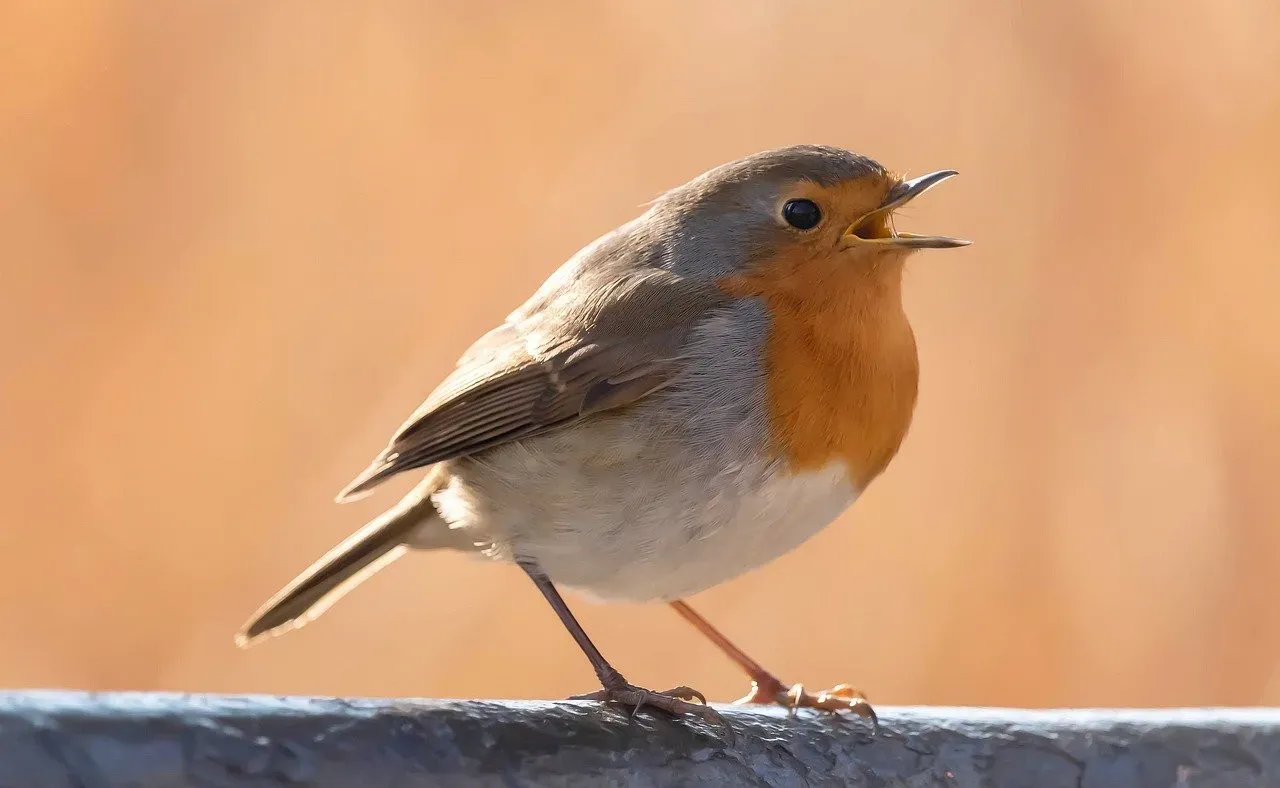
After a silent night, males reclaim their turf fast. Rivals might encroach, so dawn blasts warn them off. Territorial birds crank up the volume right at first light.
Science backs this hard. In tropical forests, aggressive defenders like the Gray-headed Canary-Flycatcher sing way more at dawn than dusk. It’s about reasserting control post-inactivity. No room for intruders when nests and food hang in the balance.[5][1]
Here’s the thing. This behavior spans habitats. Mountain warblers in South Africa do it too, timing songs to dodge competitors.
Attracting Mates with Early Songs
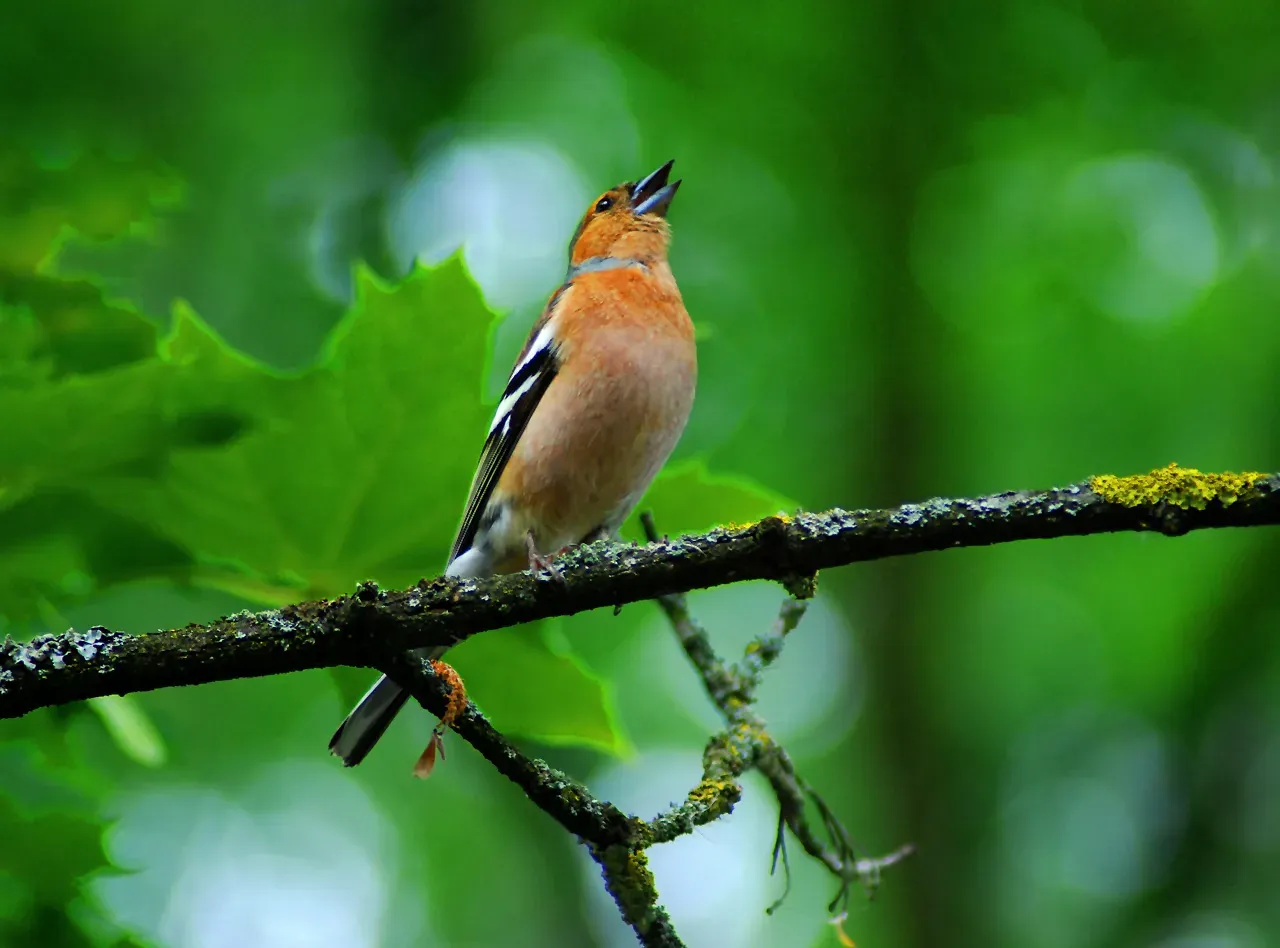
Females listen closely in the hush. Strong, loud dawn solos signal a healthy partner with prime real estate. It’s mate shopping at its finest, timed for minimal interference.
Both genders join in sometimes. Males dominate to show off vigor. In breeding hotspots, the chorus swells with urgency. Think of it as nature’s speed dating, where the best voices win.[3][6]
The Surprising Role of Diet
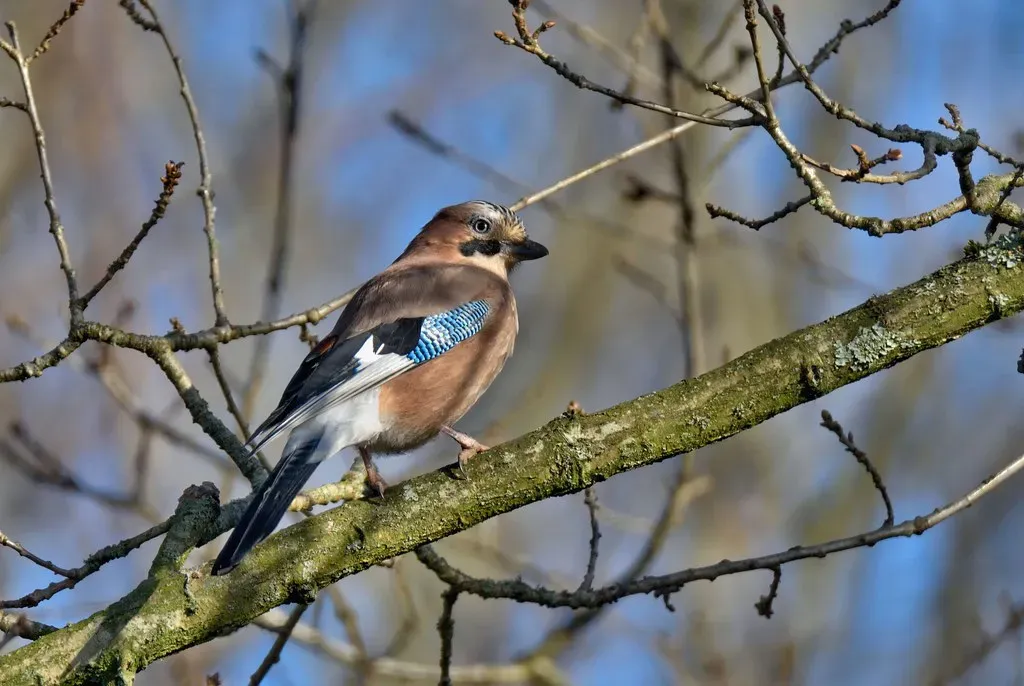
Not all birds chorus equally. Omnivores, munching insects and fruits, lead the pack. Why? They flock hunt at dawn, chattering about food spots or threats.
That 2025 rainforest analysis nailed it. Species like Greater Racket-tailed Drongo hit dawn peaks. Carnivores or specialists? Less so. Diet ties straight to social foraging needs. Omnivores coordinate vocally when visuals fail in dim light.[1][5]
Sleep, Darkness, and Pent-Up Motivation
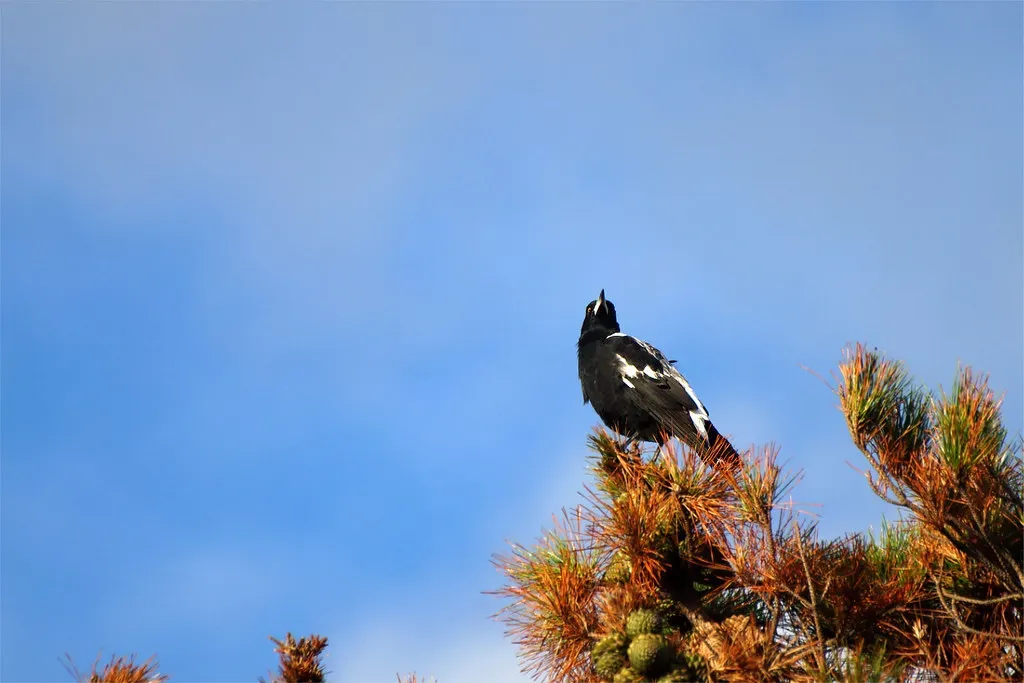
Birds wake early. Nights drag longer than needed. Darkness muzzles their urge to sing, building pressure like a coiled spring.
Zebra finch tests prove it. Delay light, and they explode into song on cue. Motivation rebounds fiercely. Even meds tweaking sleep hormones spark earlier tunes. Overnight, vocal muscles rust a bit, so dawn warms them up sharp.[2]
Variations Across Habitats
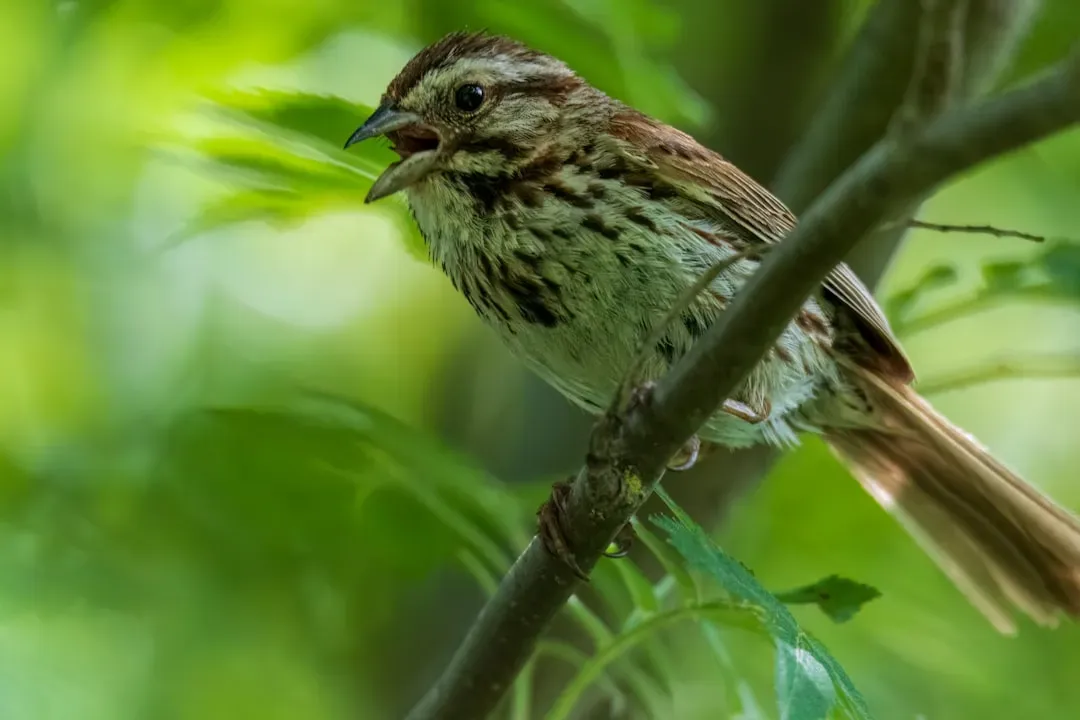
Mountains tweak the rules. African warblers shift starts with cold snaps or rain. Wind might hurry some, delay others. Full moons push timings later for a few.
Tropics favor dawn over dusk year-round. Temperate zones peak spring. Each spot fine-tunes the chorus. Species carve niches by pitch or hour, avoiding overlap. Nature’s playlist stays harmonious amid chaos.[6]
Wrapping Up the Symphony
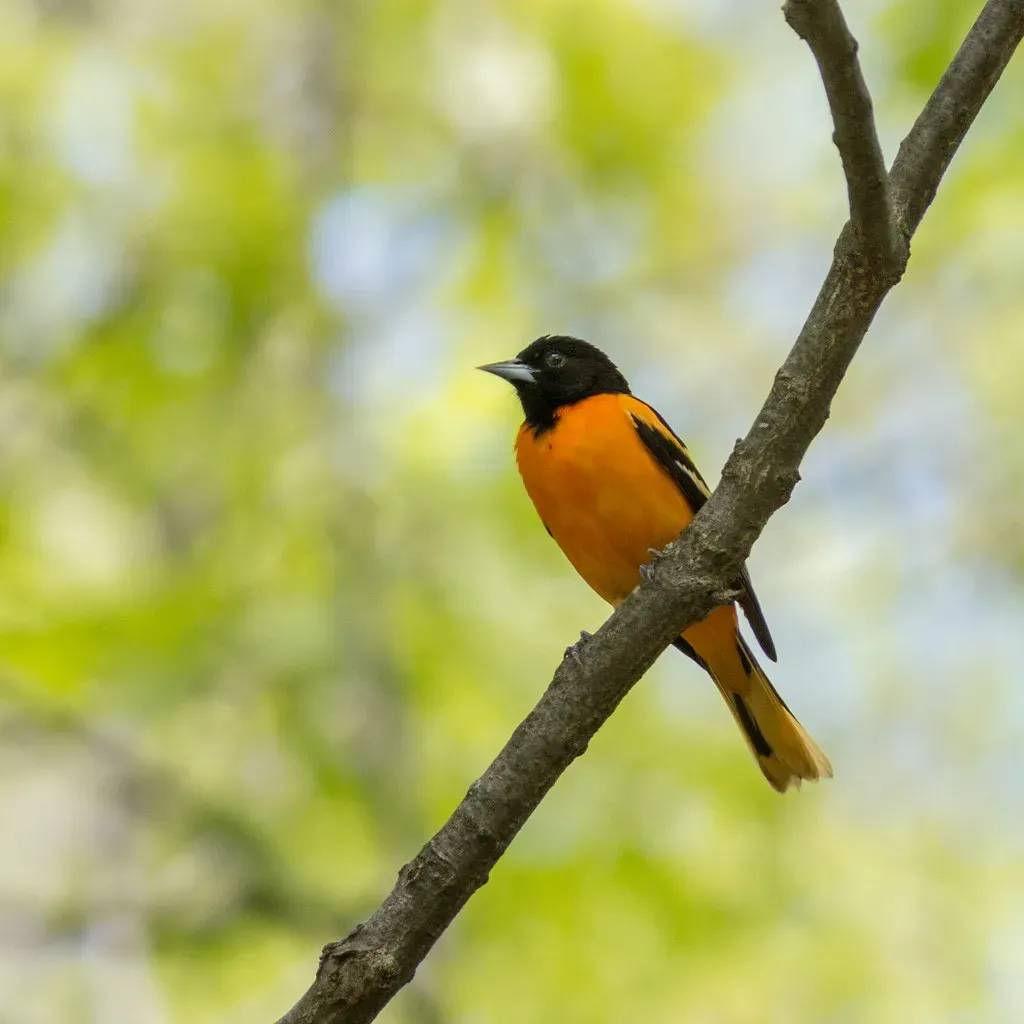
The dawn chorus blends territory claims, mate hunts, diet quirks, and sleep quirks. Forget old sound myths; biology rules. Recent research lights the path clearly.
Next time birds wake you, smile at their hustle. What hidden strategy surprises you most? Share in the comments.

- This Tiny Insect Can Survive in Outer Space—Here’s How - July 21, 2026
- Could the Tasmanian Tiger Be Brought Back to Life? - July 21, 2026
- Why You Should Never Approach a Sleeping Hippo - July 21, 2026