
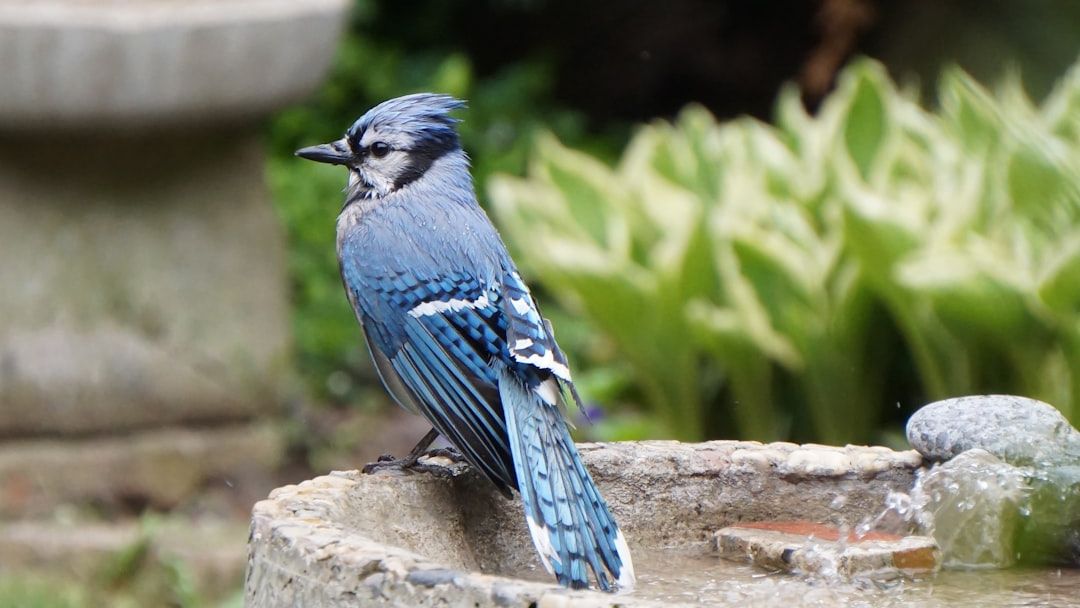
Early spring brings a familiar racket to many backyards. A sudden burst of loud, piercing calls echoes from the trees, and before long a striking blue bird is hammering at the glass. The scene feels personal, almost confrontational, yet it happens year after year without much explanation.
Those screams are not random noise. They carry meaning tied to the season, the bird’s instincts, and the way modern homes intersect with wild spaces. Understanding the reasons behind the behavior turns irritation into quiet fascination.
Blue Jays and Their Vocal Nature
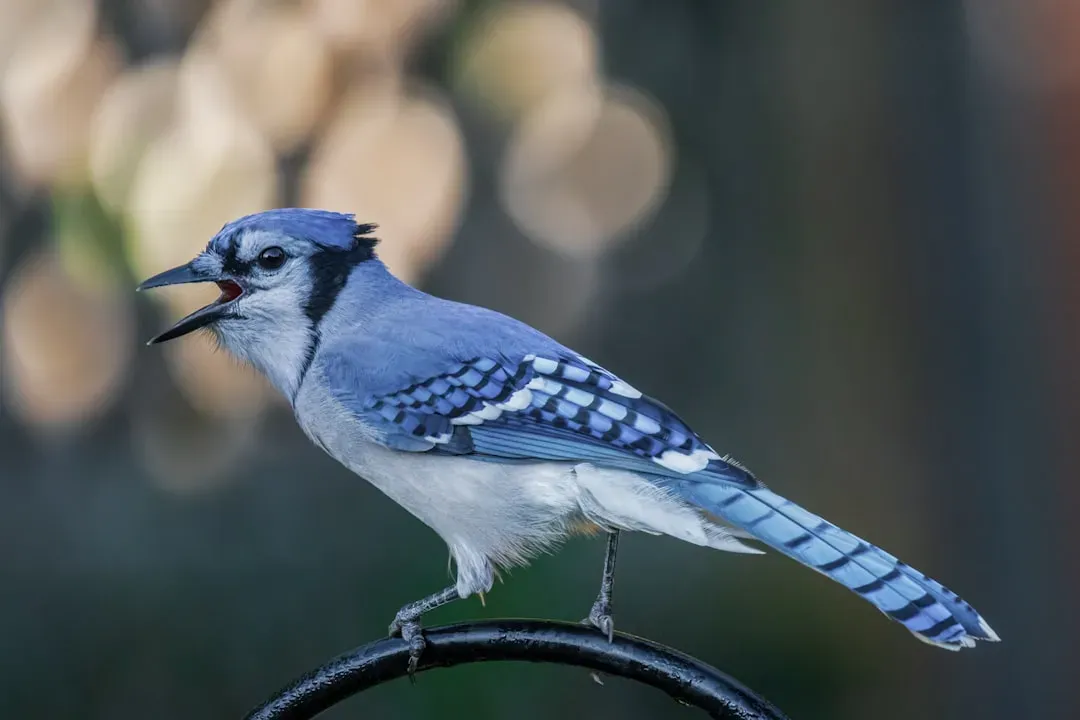
Blue jays belong to the corvid family, a group known for complex communication. Their calls range from soft clicks to full throated screams that carry across neighborhoods. These sounds serve multiple purposes, from warning others about predators to coordinating with family members.
In quieter months the birds stay relatively subdued. Come spring the volume rises sharply as they establish presence in their chosen area. The screams function like announcements, letting every nearby creature know who claims the space.
The Role of Spring in Bird Behavior
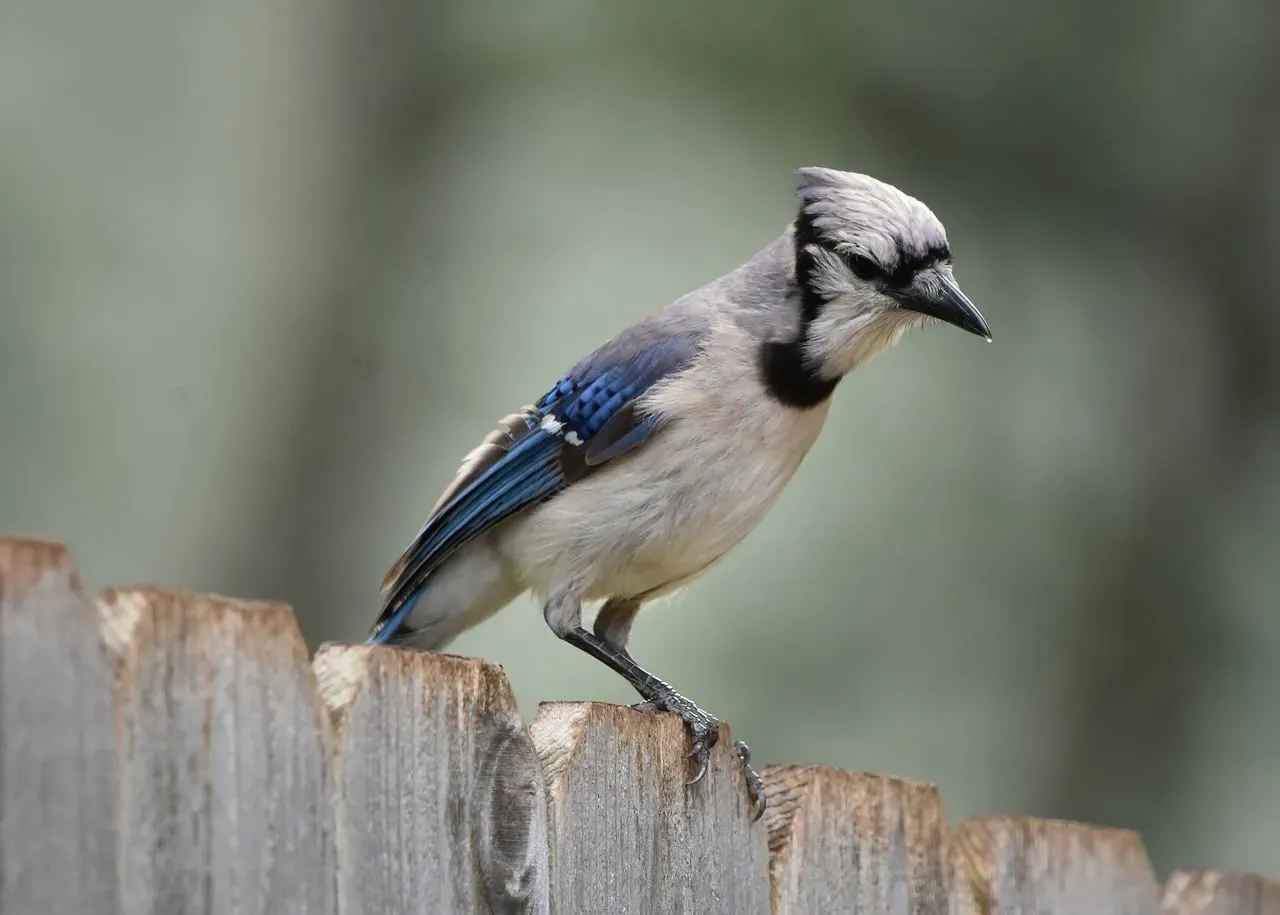
Spring marks the start of breeding season for most songbirds, including blue jays. Hormones shift, territories become valuable real estate, and competition intensifies. Males in particular grow more vocal as they seek mates and defend nesting sites.
Early spring also brings longer days and warming temperatures that trigger these changes. The timing aligns with the return of insects and budding trees that support new families. What sounds like aggression often reflects simple survival priorities.
Windows as Unwanted Mirrors
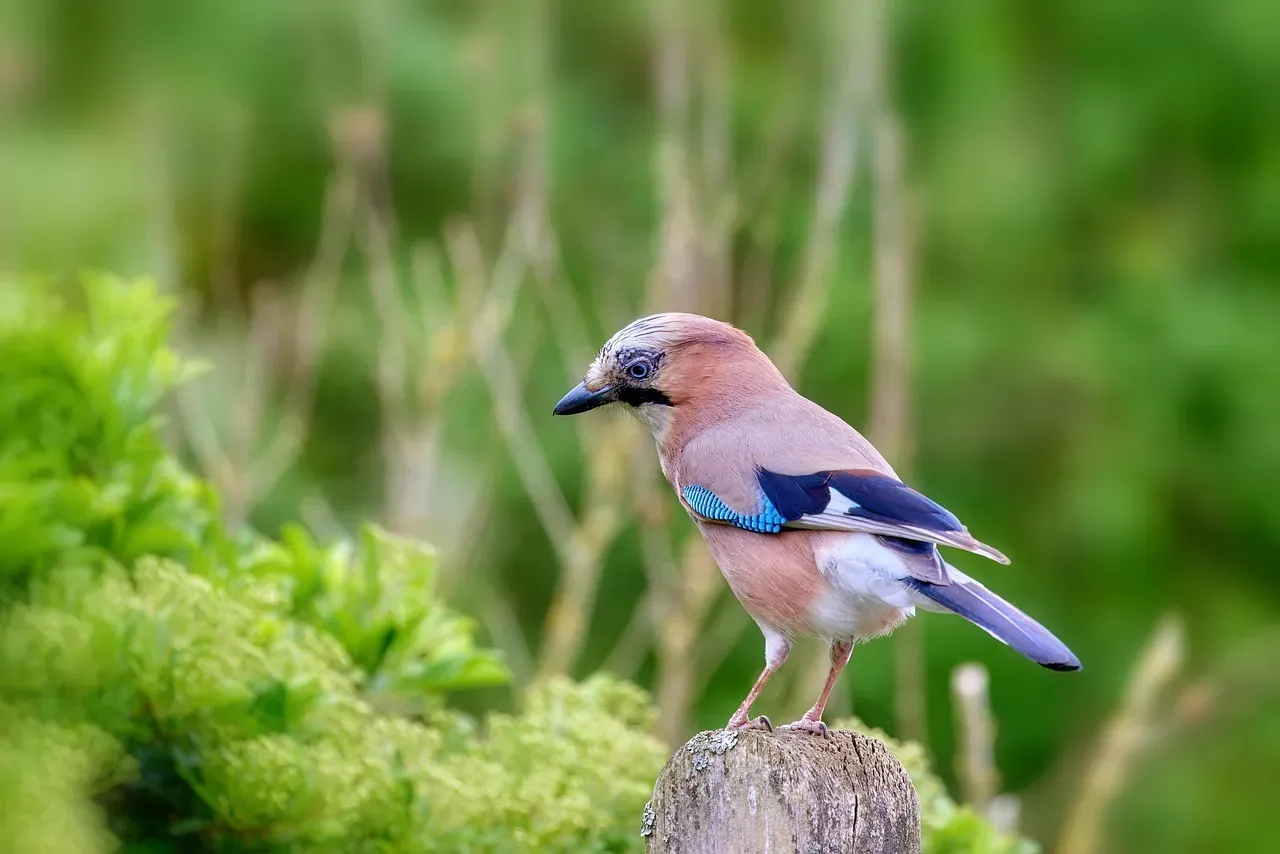
Glass surfaces create perfect reflections of the surrounding landscape. A blue jay sees another bird staring back, complete with the same bright crest and bold colors. The image triggers an immediate response because the jay interprets it as a rival intruder.
This reaction peaks in early spring when territorial stakes feel highest. The bird may scream first, then fly at the reflection to drive the perceived threat away. The behavior repeats because the reflection never retreats or changes expression.
Decoding the Specific Calls
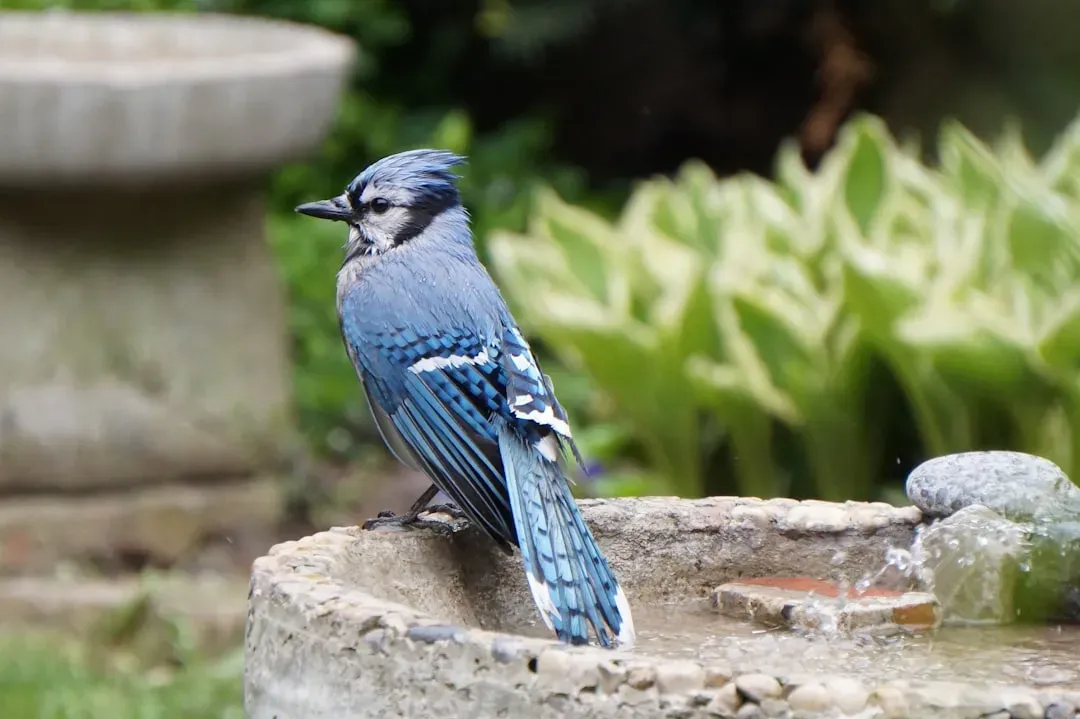
Not every blue jay scream carries the same message. A rapid series of harsh notes often signals alarm or challenge. Softer, more varied calls might indicate curiosity or an attempt to gather information from other jays nearby.
Researchers note that blue jays can mimic other species and even human sounds, adding layers to their vocabulary. The window directed screams tend toward the louder, repetitive patterns associated with confrontation. Listening closely reveals patterns that repeat across different homes and yards.
Territorial Defense Strategies
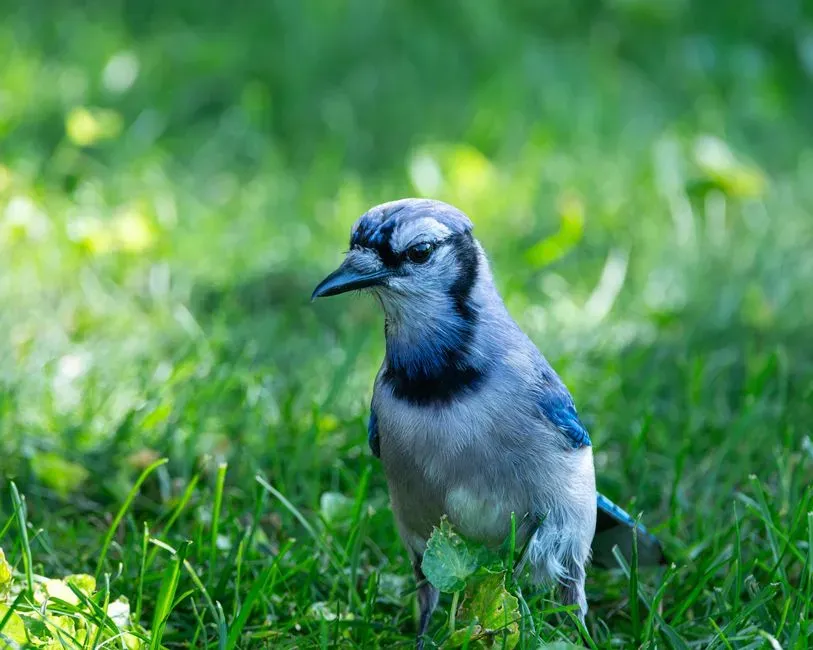
Blue jays defend areas that provide food, water, and safe nesting spots. They patrol these zones daily and respond quickly to anything that appears to cross the boundary. Windows simply become part of that patrol route when reflections appear.
The strategy works well in natural settings where real birds eventually move on. In residential areas the same tactics meet an immovable surface. Over time the bird may learn the reflection poses no real danger, though many continue the routine throughout the season.
Practical Steps for Homeowners
Simple adjustments can reduce the frequency of these encounters. Placing decals or etching patterns on the glass breaks up the reflection and makes the surface visible as a barrier. Moving feeders or birdbaths a short distance away sometimes shifts activity to less problematic spots.
Some people install temporary screens or hang lightweight objects that flutter in the breeze. These changes rarely eliminate visits entirely because blue jays remain curious and adaptable. The goal becomes coexistence rather than complete removal of the behavior.
Reflecting on Our Connection with Nature
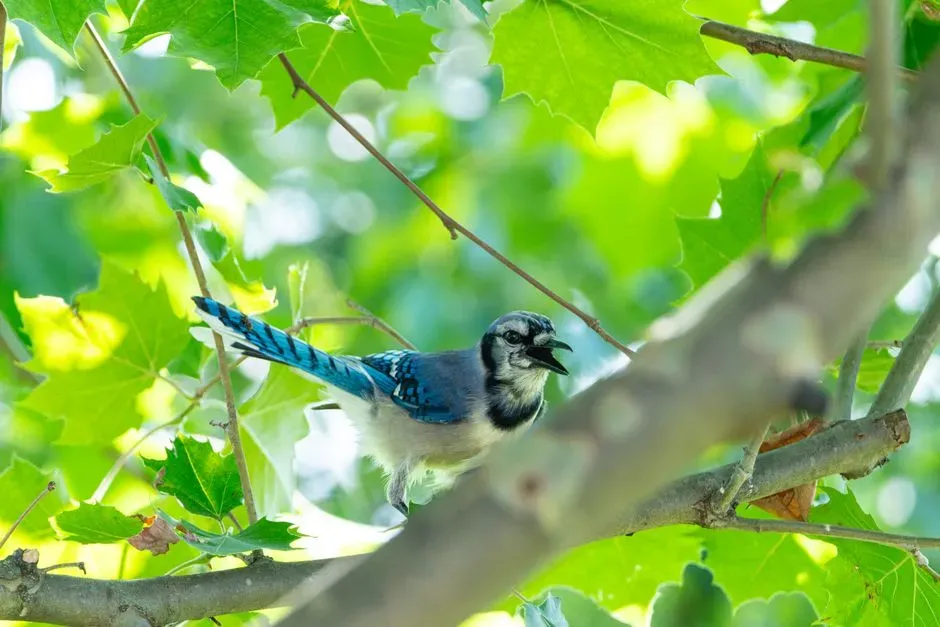
Blue jays remind us that wild instincts persist even in developed neighborhoods. Their persistence at the window highlights how small features of our homes can intersect with deep seated animal behaviors. Paying attention to these moments offers a window into the rhythms of the season.
Over time the screams become less of an annoyance and more of a seasonal marker. They signal renewal, competition, and the ongoing negotiation between human spaces and the creatures that share them. In that sense the early spring chorus carries a quiet lesson about sharing the landscape with intention.

- The Wild Animal Each Zodiac Sign Would Become Under Pressure - August 5, 2026
- The Desert Town in Nevada Slowly Being Buried by Moving Sand - August 5, 2026
- Do Animals Feel Emotions Like Humans? New Studies Reveal Surprising Truths - August 5, 2026