
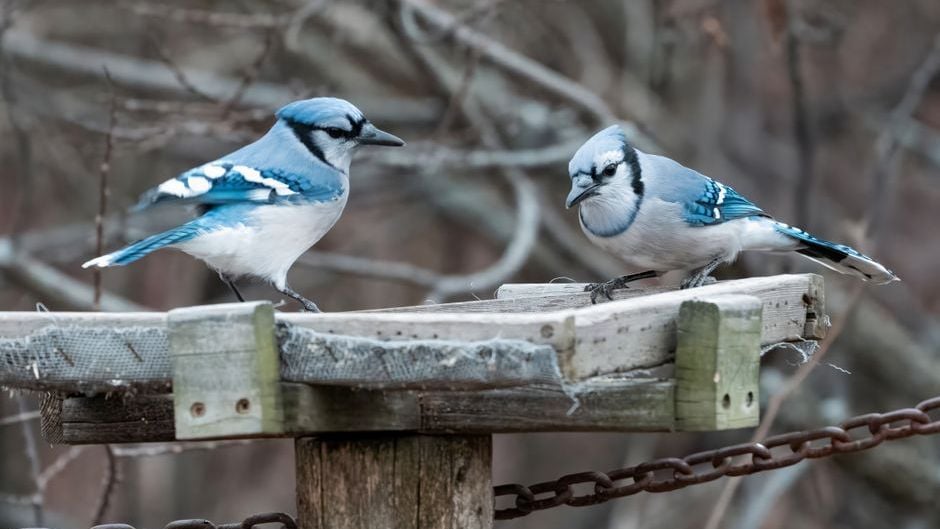
The Sharp Minds Behind the Calls
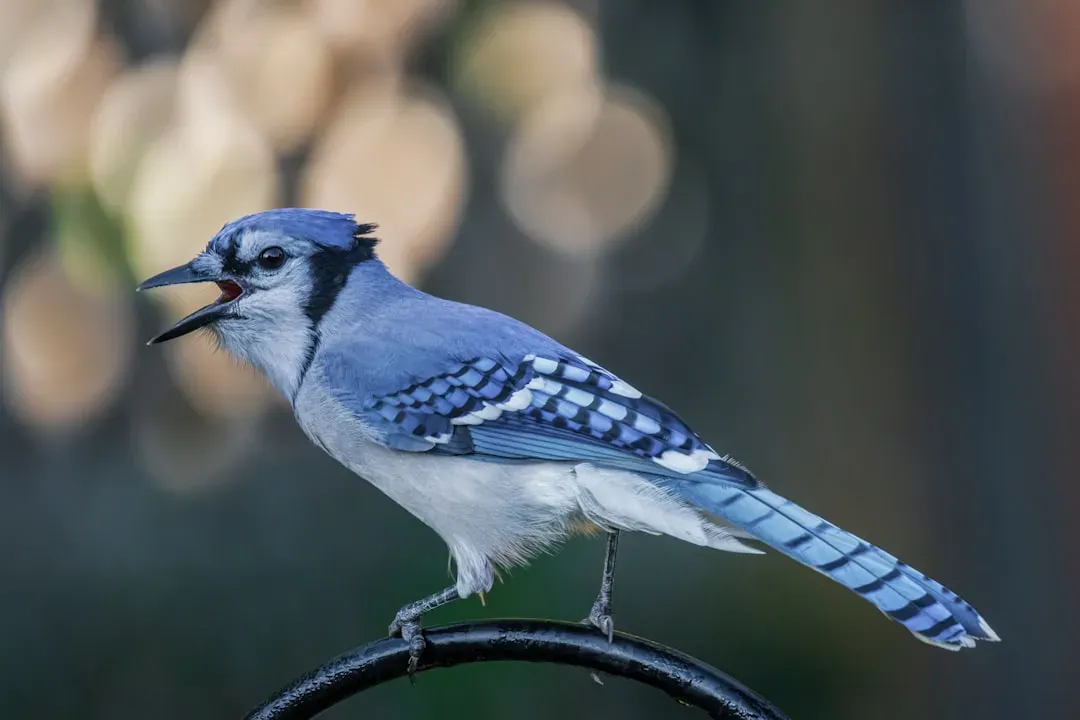
Blue jays belong to the corvid family, a group known for problem solving and long term memory. Their brains allow them to track individual humans over time, much like their relatives the crows and ravens do in urban settings. This capacity means a single person can become linked in a jay’s mind with past events, whether positive or negative.
Field notes from backyard observers show jays returning to the same feeders year after year and reacting differently to the people who maintain them. The birds do not treat every visitor the same. Instead they appear to sort humans into categories based on repeated encounters.
How Recognition Shapes Their Reactions
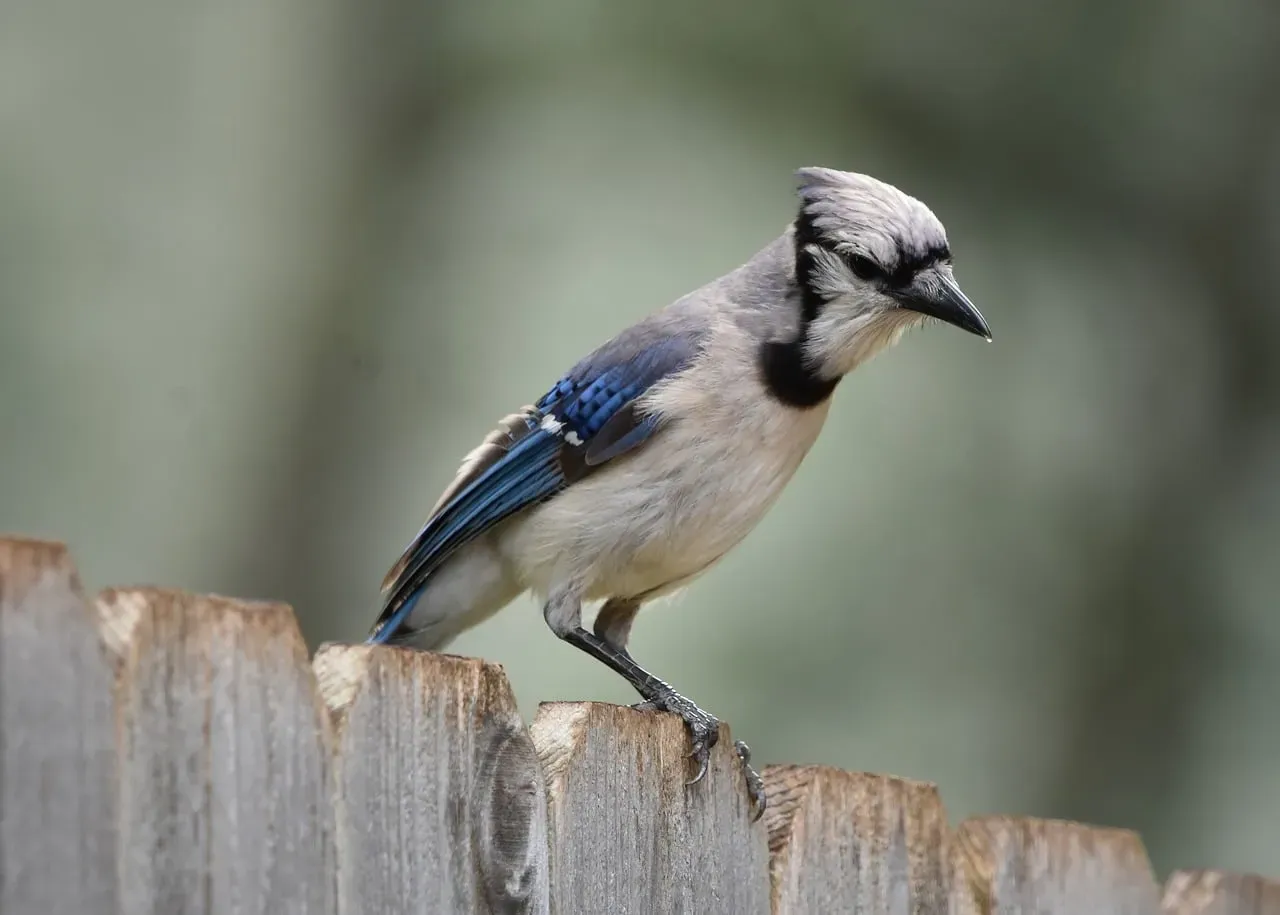
Studies and casual reports confirm that blue jays can distinguish one human face from another. When a familiar person appears, the birds may switch from quiet foraging to loud announcements. These calls serve as signals to other jays in the area about the presence of that individual.
The pattern emerges most clearly in places where people regularly offer food or enter the birds’ territory. A jay that has learned to expect peanuts from one neighbor might greet that person with a series of rapid notes, while staying silent or moving away from strangers.
The Meaning Behind the Screams
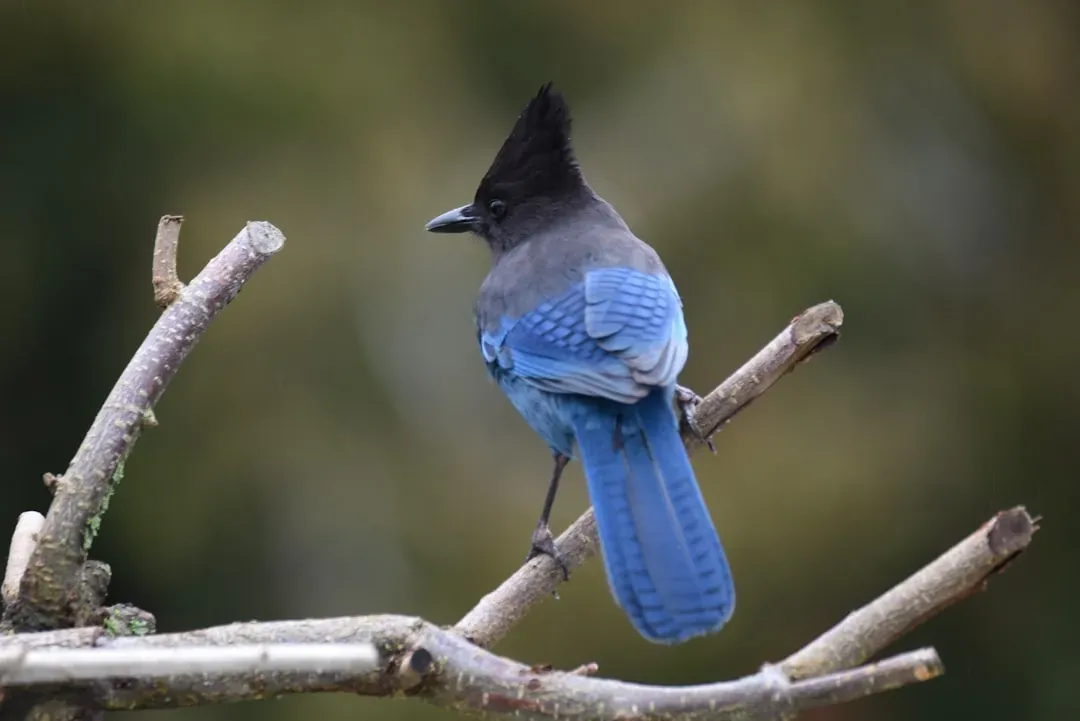
What sounds like a scream to human ears often functions as an alarm or contact call within the jay community. These vocalizations can alert mates or offspring to potential changes in the environment. When directed at specific people, the calls may reflect learned associations rather than random noise.
Observers note that the intensity and type of call shift depending on whether the human has previously posed a threat or provided resources. A person who once chased the birds away might receive a harsher series of jeers compared with someone who simply walks by without interaction.
Food Ties and Learned Trust
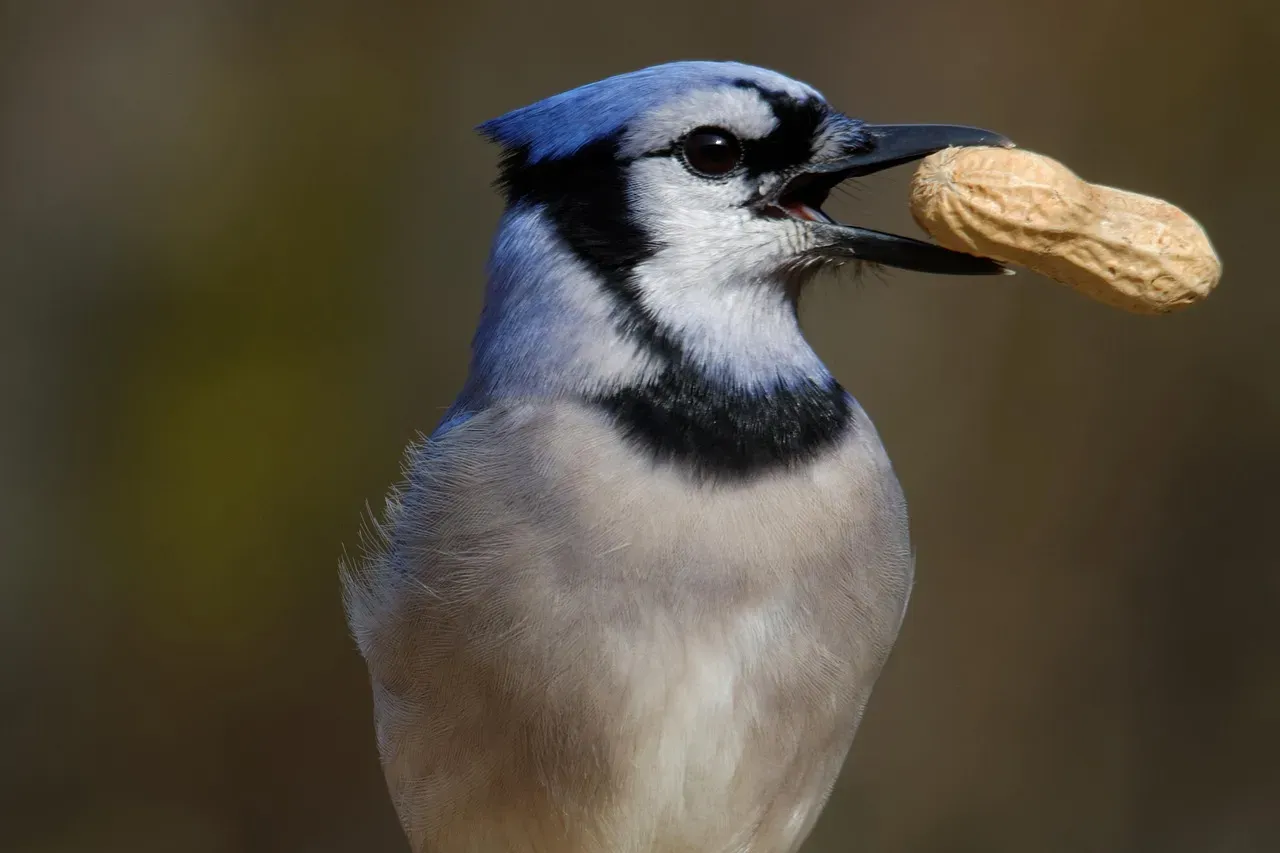
Many accounts describe blue jays approaching or vocalizing toward regular feeders with a mix of excitement and caution. The birds remember who fills the tray and may call out when that person steps outside. This behavior helps the flock coordinate around reliable food sources.
Over months or years the pattern strengthens. Jays that receive consistent handouts tend to become bolder, sometimes following the same individual across a yard. Those that encounter only neutral or negative experiences keep more distance and use louder warnings.
Territory and Social Signals
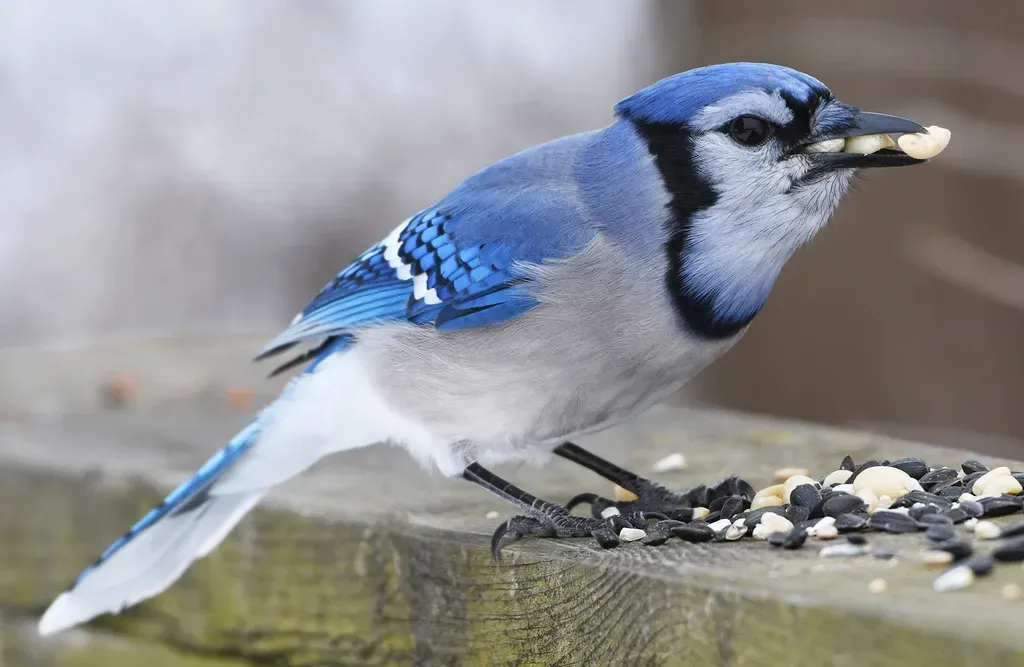
Blue jays defend their space vigorously, and human presence can intersect with those boundaries. A person who lingers near a nest or favorite oak tree might trigger repeated calls meant to discourage further approach. The birds treat these individuals as part of the local landscape that requires monitoring.
Group dynamics play a role as well. One jay’s reaction can spread to others nearby, creating a chorus that seems aimed at the same target. This collective response reinforces the memory of that particular human across the local population.
Patterns Observed in Everyday Settings
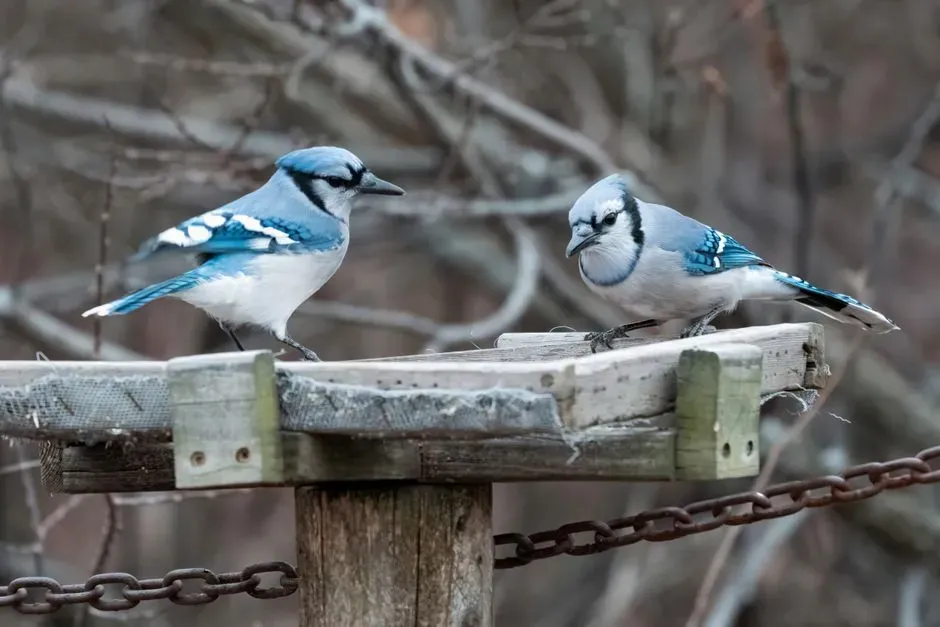
Long term bird watchers have documented cases where jays ignore most passersby yet single out one or two regulars for special attention. The calls often coincide with the person’s arrival or departure, suggesting a direct link rather than coincidence. These observations align with broader research on corvid facial recognition.
Seasonal changes can influence the strength of the response. During nesting season the birds grow more protective, while winter months bring greater focus on food related cues. The underlying recognition remains steady across these shifts.
What This Means for People Who Watch Birds
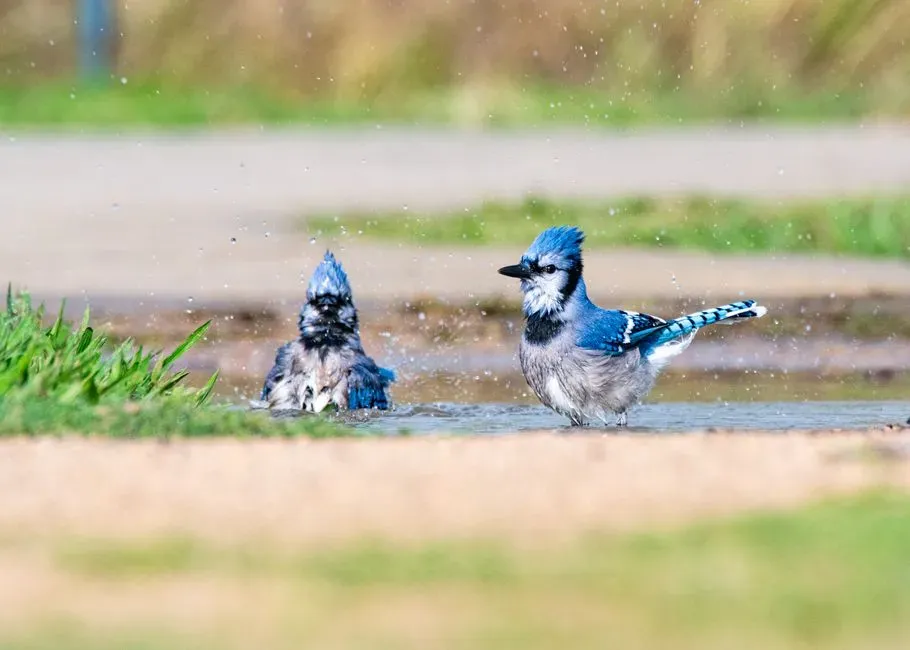
Understanding these interactions encourages a more thoughtful approach to backyard birding. Consistent, calm behavior tends to build neutral or even positive associations over time. Sudden movements or attempts to chase the birds away can cement a less favorable memory.
The emerging picture shows blue jays as attentive neighbors rather than random noisemakers. Paying attention to their calls offers a window into how wild animals track the humans sharing their space.
The discovery of these recognition patterns reminds us that even common backyard birds carry complex social lives. Treating them with steady respect may quietly reshape the conversations that unfold across the fence line.
- 15 Cat Breeds That Are Surprisingly Easy to Train and Highly Affectionate - August 3, 2026
- 10 Most Beautiful Butterflies You Can Find In Your Own US Backyard - August 3, 2026
- 8 Rare Dog Breeds That Are Unbelievably Loyal to Their Families - August 3, 2026