
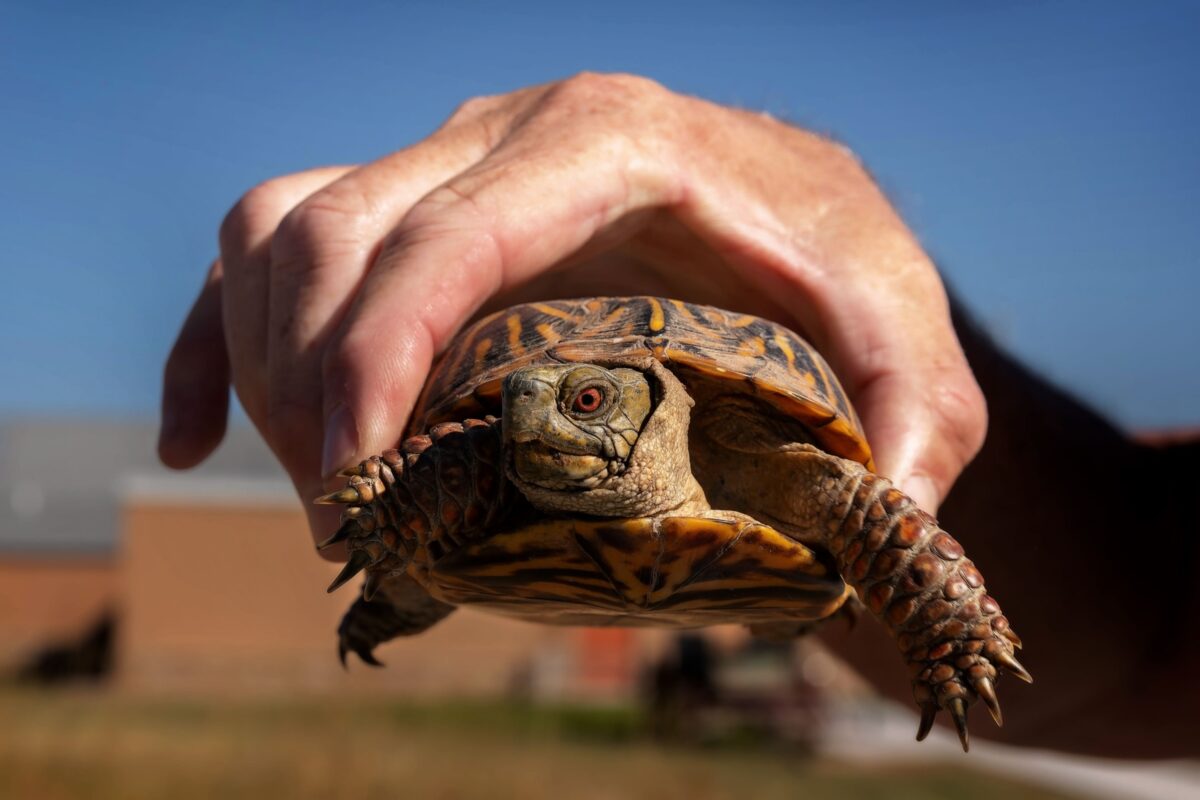
Pick up a box turtle in a Maryland forest, carry it a mile down the road, and set it down. Chances are, within a season, it will be found trying to work its way right back to where you found it, crossing driveways, fences, and creek beds it has never seen before. That kind of behavior raises an obvious question: how does an animal with a brain the size of a pea know exactly where “home” is, and why does it care so much about getting there?
The answer touches on memory, magnetism, smell, and a slow-motion kind of loyalty to place that few other animals display so consistently. It also explains why box turtles struggle so badly with modern life, where roads, subdivisions, and well-meaning rescues keep interrupting a system that took millions of years to fine-tune.
What “home range” really means for a box turtle

In wildlife biology, a home range is not a fixed boundary like a property line. It is simply the area an animal routinely uses for feeding, resting, nesting, and overwintering. For most animals that range shifts and drifts over a lifetime, but box turtles are different.
Researchers who have tracked eastern and ornate box turtles for years keep landing on the same conclusion. Box turtles have small home ranges, often 1 to 3 hectares for adults, and strong site fidelity. That is roughly the size of a couple of football fields, a modest patch of woods or field that a single turtle might use for its entire adult life.
Small by design: how tiny their world really is
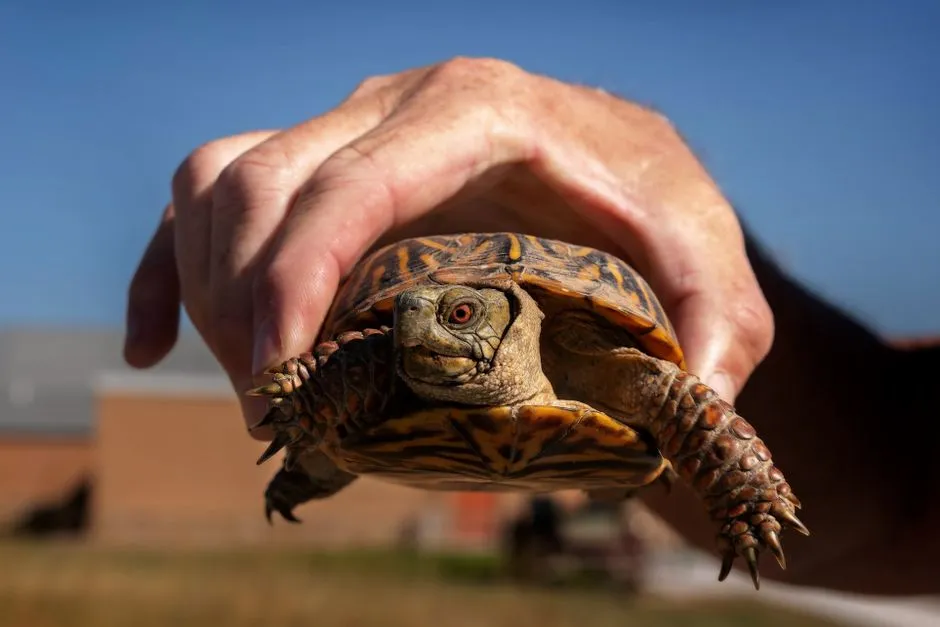
It is worth pausing on just how compact these ranges are. A multi-year radiotelemetry study of ornate box turtles in Illinois found that adult males and females did not differ much in home range size, with a mean minimum convex polygon of about 4.0 hectares, a 95 percent fixed kernel range of roughly 2.6 hectares, and a core 50 percent fixed kernel range of just 0.4 hectares. That last number is the important one. A turtle’s true “core” living space, where it spends most of its time, can be smaller than a suburban backyard.
There is also a simple, almost obvious reason box turtles stay put rather than roam. As one wildlife education group notes, these are slow-moving animals that cannot jump, climb, or fly. Sticking to a small, well-known area cuts down on the energy spent exploring and the risk of stumbling into unfamiliar danger, which makes evolutionary sense for a creature that survives largely by staying hidden and patient.
The homing instinct that pulls them back

Site fidelity is only half the story. The other half is what happens when a turtle gets displaced, whether by a flood, a curious child, or a well-intentioned rescue. Box turtles do not simply settle wherever they land. A homing instinct, an innate ability to navigate to a home base despite being in an unfamiliar area, helps this turtle find its way back home.
This is not a vague sense of direction. Some sources describing this ability note that common box turtles are able to find their way home from distances up to five miles, which is an extraordinary feat for an animal moving at a turtle’s pace across unfamiliar terrain. It can take weeks or months, but the drive to return rarely fades, and it is one reason wildlife rehabilitators are cautious about where they release a turtle after treatment.
Cognitive maps: how memory shapes the journey
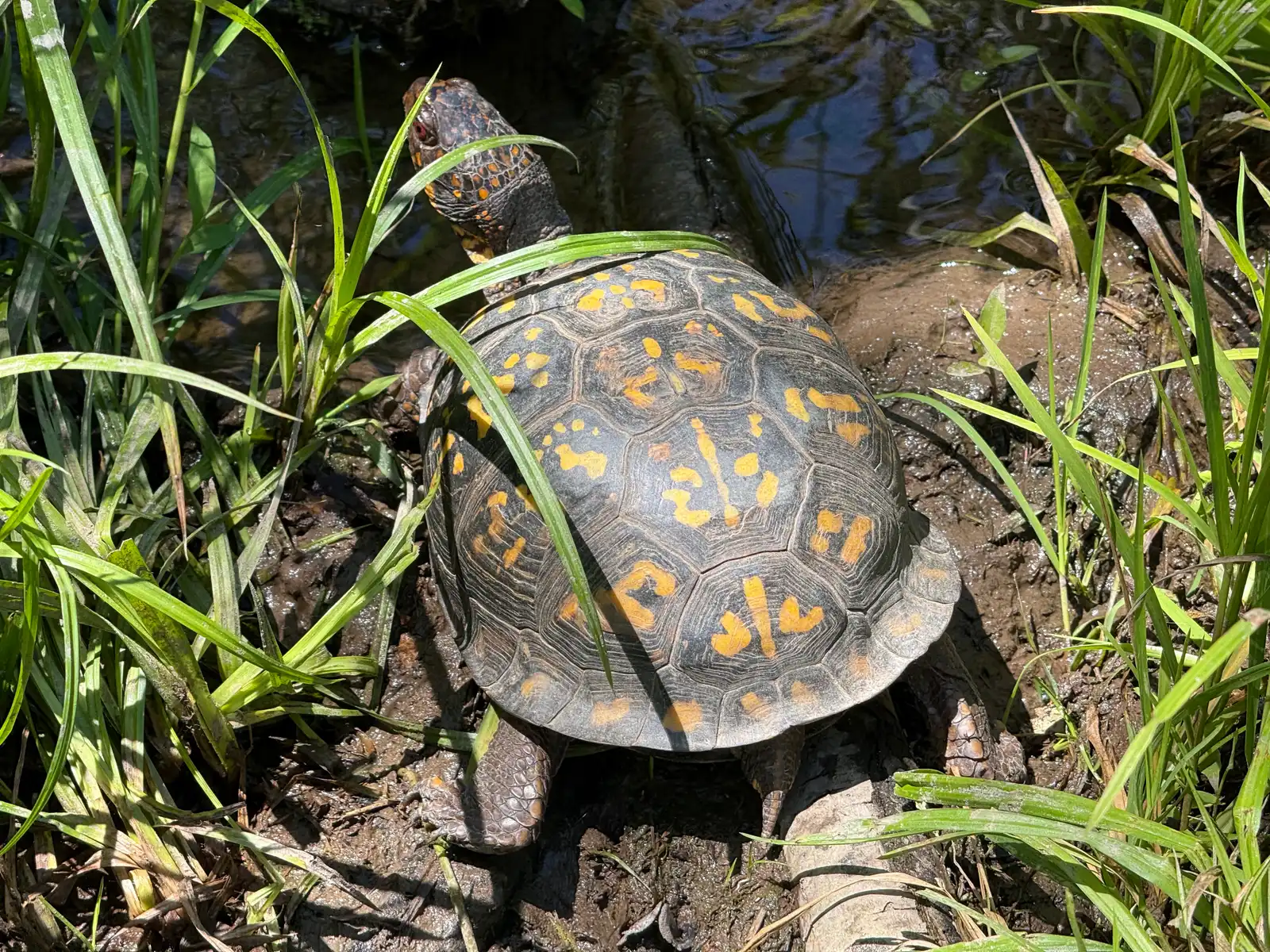
Scientists increasingly describe box turtle navigation using the language of cognition rather than pure instinct. Long-lived animals with high site fidelity tend to be excellent spatial learners, and once box turtles know a landscape, they can likely return using stored cognitive maps of landmarks, edges, and resource locations. In other words, a turtle is not wandering blindly. It is consulting a mental picture built up over years of moving through the same creek bottoms and leaf litter.
Long-term field data backs this up in a fairly direct way. Long-term telemetry shows they revisit the same overwintering, nesting, and foraging spots, behavior consistent with strong spatial memory. This is why a turtle observed in one particular clearing in spring is often the very same individual seen there the following spring, and the one after that.
Scent trails and a nose built for the neighborhood
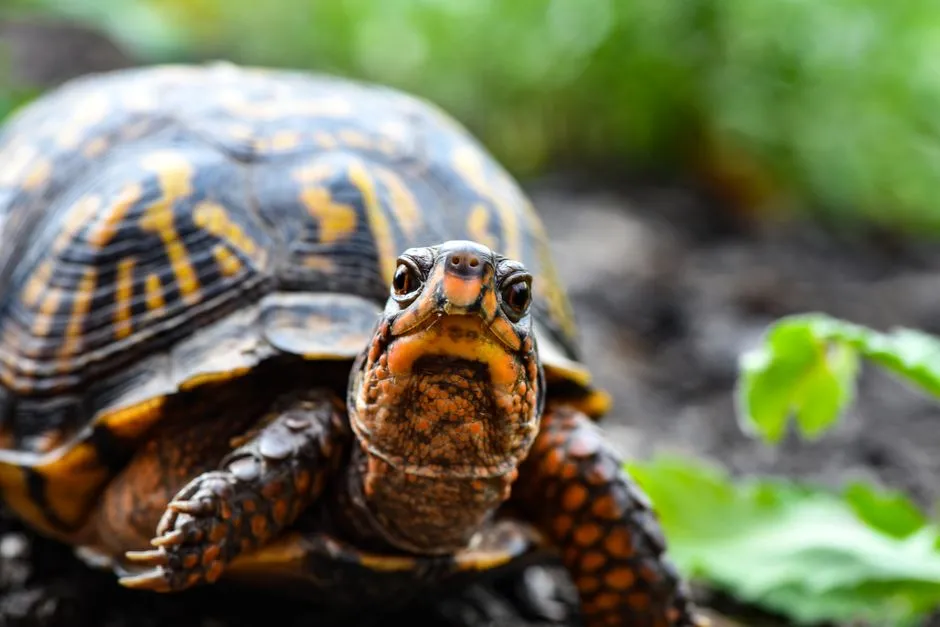
Smell plays a bigger role in a box turtle’s sense of place than most people would guess. Research summarized by environmental groups suggests olfaction plays a crucial role in the box turtle’s navigational abilities, aided by a well-developed olfactory system that detects and differentiates between various scents in the environment. Over time, a turtle effectively builds what researchers describe as a scent map of its home range.
That scent map is not generic. The decomposition of organic matter, specific plant life, and even soil composition contribute to the unique olfactory signature of a box turtle’s home range. Move a turtle to a new area and none of those familiar smells line up, which likely adds to the disorientation researchers observe in relocated animals as they try to reorient themselves.
A compass built into biology
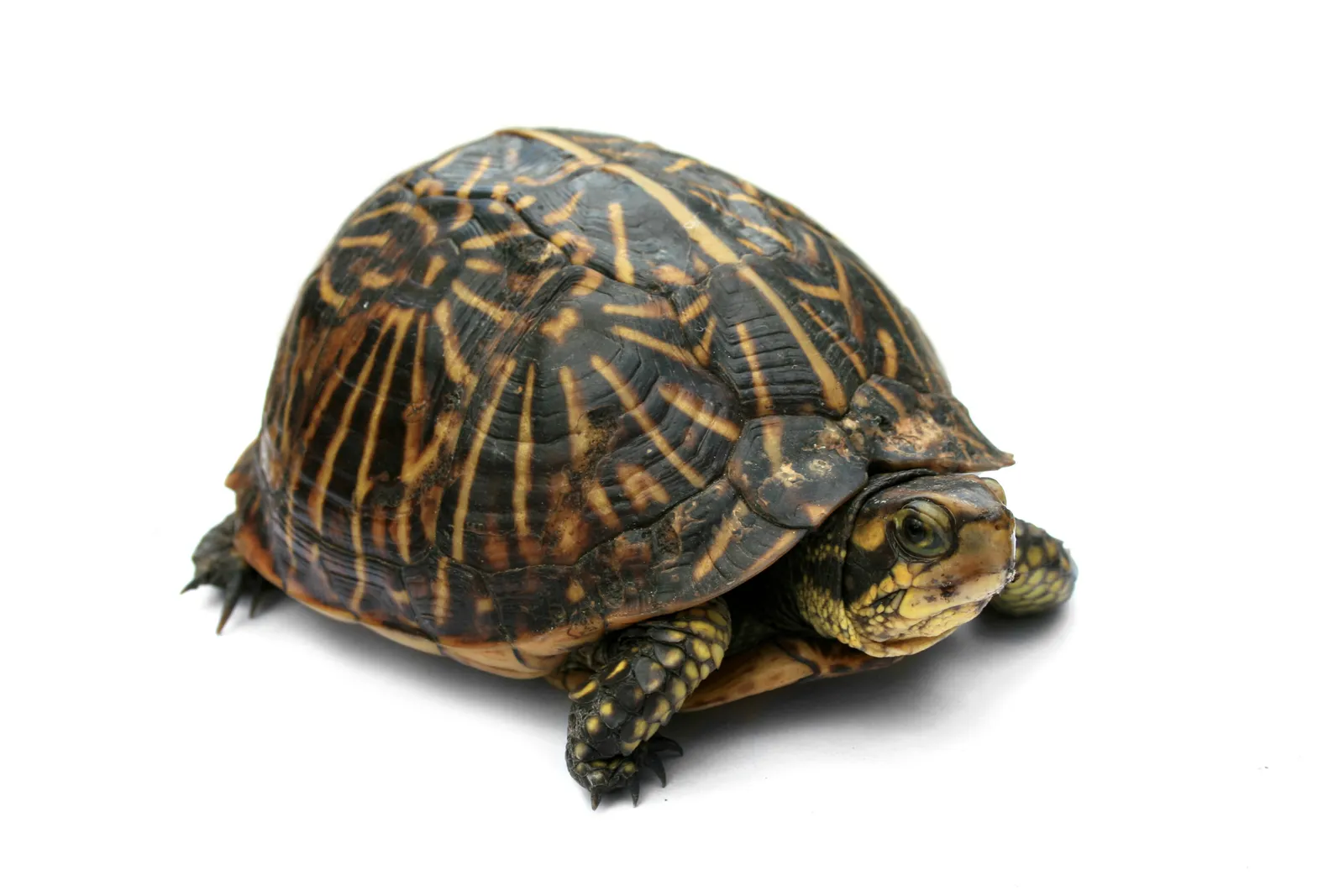
Smell and memory are not the whole toolkit. There is decent evidence that box turtles also sense the Earth’s magnetic field, using it something like a built-in compass. Eastern box turtle experiments from 1988 demonstrated that disturbing the magnetic field can disrupt orientation, a finding that echoes similar results in other turtle species tested under controlled conditions.
This does not mean box turtles are wired like migratory birds, tracking magnetic coordinates across continents. Their movements are far more local. Still, while sea turtles migrate vast distances and box turtles do not, the shared sensory mechanism is notable, suggesting magnetoreception is a deep, ancient trait running through the whole turtle lineage rather than something unique to ocean-going species.
Overwintering sites: the loyalty that matters most
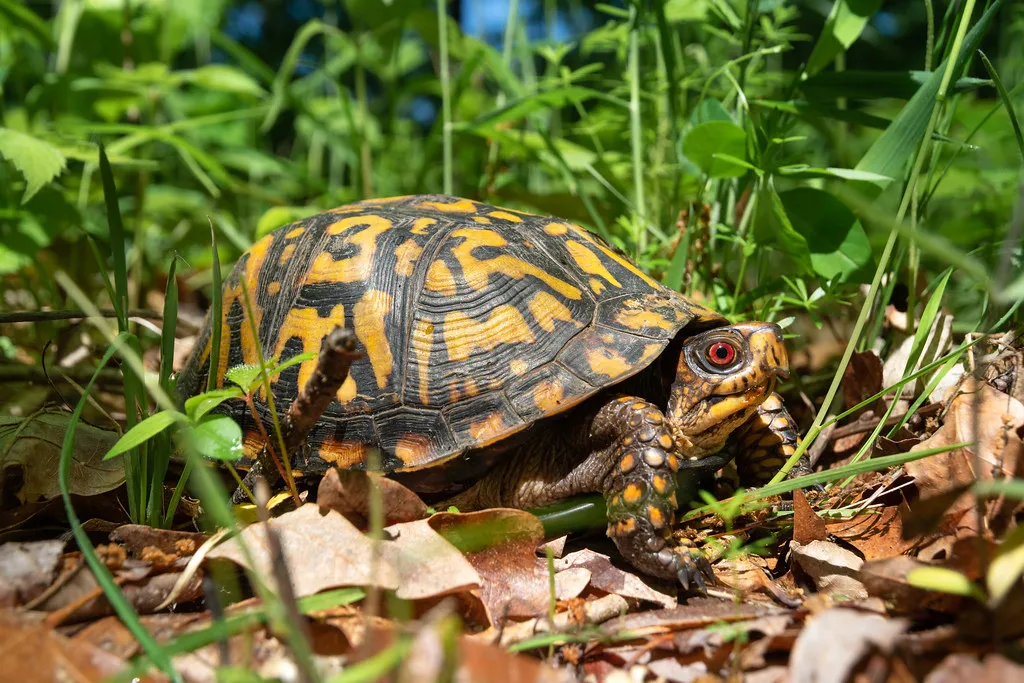
If there is one place a box turtle guards more fiercely than any other, it is its overwintering spot, the burrow or leaf pile where it survives the cold months in a state of near-suspended animation. Field studies of ornate box turtles found both sexes showed high site fidelity to annual home ranges and to previously used overwintering sites, although the distance between subsequent overwintering sites was smaller for females than for males. That precision matters because a poorly chosen burrow can mean freezing to death or drowning if water tables shift.
This pattern shows up across different box turtle species and regions, not just one isolated population. Eastern box turtles show strong fidelity to home ranges, with some year to year shifting but frequent reuse of the same areas, including repeated use of the same brumation, or winter, sites. It is a habit built on hard experience, refined generation after generation, and it helps explain why a single patch of forest floor can matter so much to one specific animal.
Final thoughts: a habit that modern life keeps punishing
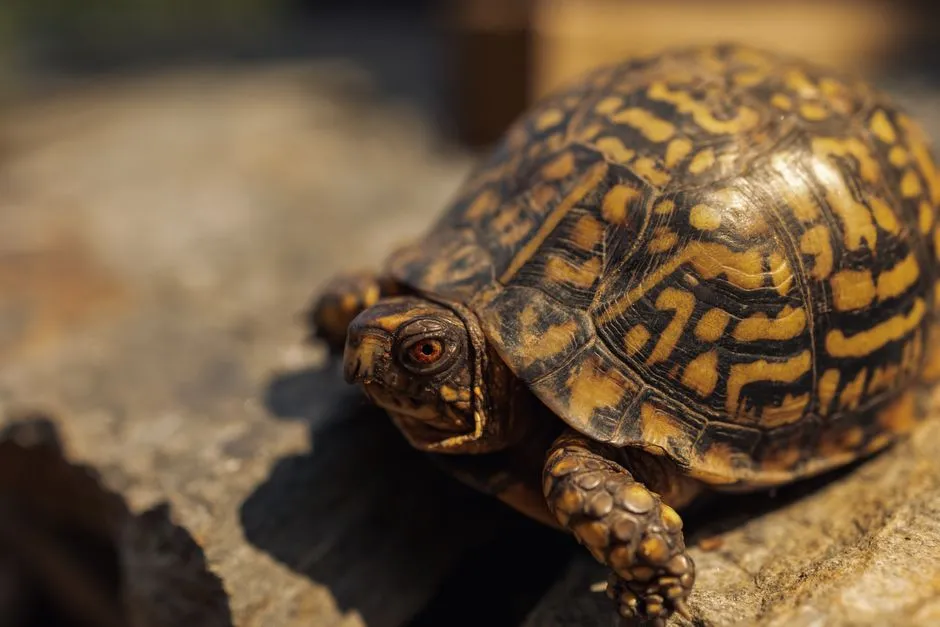
All of this adds up to a fairly clear picture, and honestly, it is one that should change how people behave around these animals. Box turtles are not simply slow and cautious by nature. They are precision instruments built to know one small piece of ground intimately, using memory, smell, and possibly magnetic sense to keep coming back to it.
That precision becomes a liability the moment humans interfere. Box turtles do not relocate well, do not handle suburban development well, and do not cross large roads safely. Moving a turtle even a short distance from where it was found, however well intentioned, can send it on a months-long, dangerous quest back to a place that may no longer exist because a road or a subdivision now sits where its home range used to be. If there is one practical takeaway here, it is a simple one: if you find a box turtle crossing a road, help it across in the direction it was already heading, and leave it exactly where its own small, hard-won world begins.
