

Bull sharks are notorious for their ability to thrive in both saltwater and freshwater environments. Recently, instances of these formidable predators appearing in freshwater streams in the United States have caught the attention of both scientists and the public. This article delves into the reasons behind this fascinating behavior, unraveling the science and characteristics that enable bull sharks to explore beyond their typical oceanic habitats.
Introduction to Bull Sharks

Bull sharks, known scientifically as Carcharhinus leucas, are unique among shark species due to their adaptability to both saltwater and freshwater environments. Found all over the globe in warm, shallow waters, these sharks are identifiable by their stout bodies and blunt snouts. While many shark species rarely venture beyond oceanic boundaries, bull sharks stand out for their extraordinary ability to traverse and survive in freshwater systems.
Understanding Bull Shark Adaptation

The bull shark’s capability to survive in freshwater is a subject of great interest for researchers. This ability is primarily facilitated by their kidneys and special glands that allow them to regulate the salt levels in their bodies more effectively than most marine animals. This physiological adaptation is crucial for their survival when moving from salty ocean waters to freshwater environments.
Historical Presence in Freshwater

While recent sightings have heightened concerns, bull sharks have a long history of traveling upriver. Historical records document their presence in rivers like the Mississippi and Amazon. These occurrences are not anomalies but a testament to their adaptability. Their journeys into freshwater can span hundreds of miles, often triggered by environmental cues and biological imperatives.
Why Do Bull Sharks Venture Into Freshwater?

Bull sharks might venture into freshwater systems for a variety of reasons. One primary motivation is the search for prey. Freshwater streams often harbor different species of fish and other aquatic creatures, providing bull sharks with abundant food sources. Additionally, freshwater environments may offer refuge from larger ocean predators, especially for juvenile sharks.
Climate Change and Habitat Expansion

Climate change plays a significant role in the changing behaviors of marine creatures, including bull sharks. Rising sea levels and temperatures might drive sharks to explore new habitats in search of more suitable living conditions. Freshwater streams may present a favorable alternative as oceanic conditions become less predictable and supportive of their lifecycle needs.
Impact on Local Ecosystems
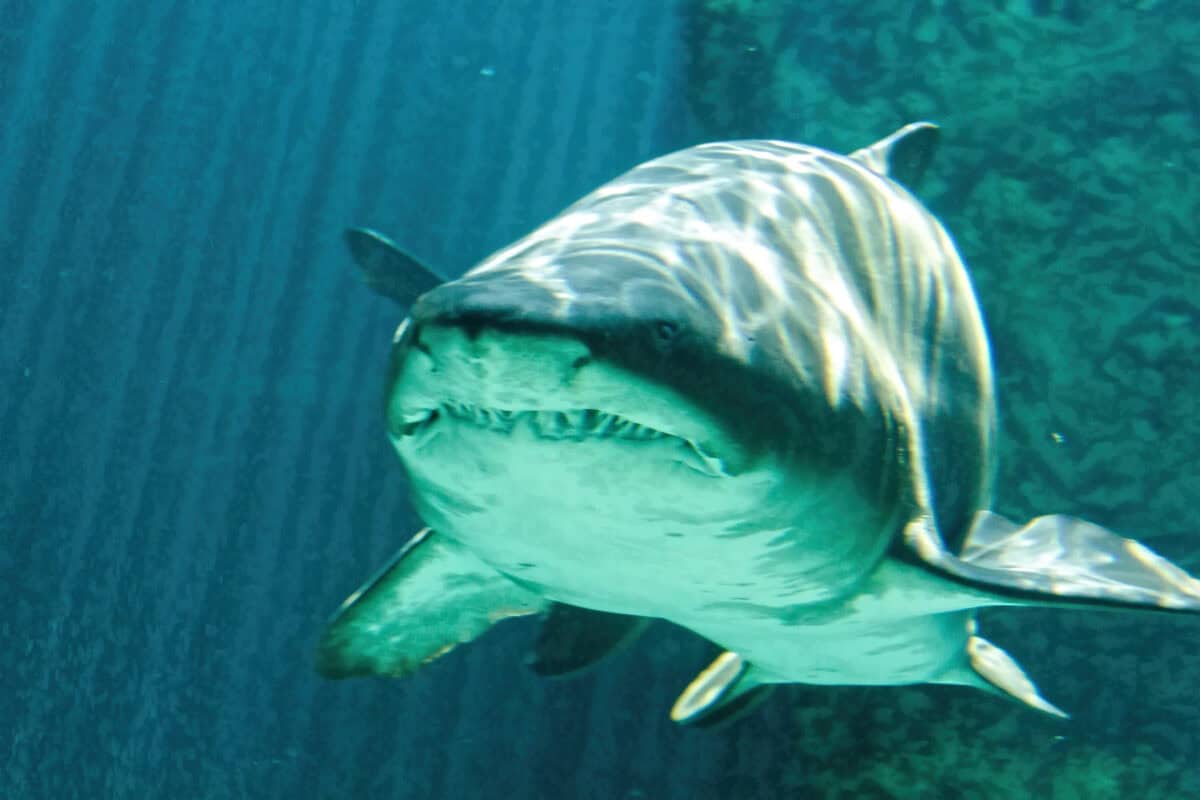
The presence of bull sharks in inland freshwater systems can significantly impact local ecosystems. As apex predators, they can alter food web dynamics and influence the abundance and behavior of native species. While this movement can foster biodiversity in some cases, it may also pose challenges for conservation efforts aimed at protecting certain freshwater species.
Human Interaction and Safety Concerns

The appearance of bull sharks in popular swimming and fishing areas raises legitimate safety concerns for humans. Although bull shark attacks on humans are relatively rare, they are considered one of the more aggressive shark species. Awareness and education about responsible sharing of waterways are essential to minimizing risks and ensuring coexistence.
Research and Monitoring Efforts
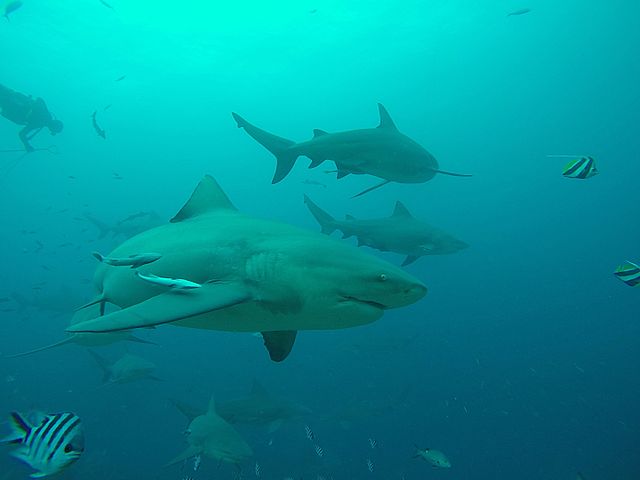
Ongoing research and monitoring are crucial for understanding and managing bull shark populations in freshwater systems. Scientists utilize tracking and tagging technology to study their movement patterns and assess the potential long-term impacts on local ecosystems. This research helps guide conservation policies and public safety measures.
Technological Advances in Research

Technological advances have revolutionized the study of bull sharks’ freshwater incursions. Researchers now employ satellite-based tracking systems to monitor shark movements in real-time. This technology provides valuable insights into their migratory routes and behavioral adaptations to different environmental conditions.
Educational and Awareness Initiatives

Public education and awareness initiatives play a vital role in fostering harmony between human populations and bull sharks. Effective communication about the realities of bull sharks in freshwater encourages responsible behavior, such as sticking to designated swimming areas and avoiding fishing practices that may provoke shark interactions.
Conservation Implications

The presence of bull sharks in freshwater systems underscores the need for comprehensive conservation strategies. Protecting aquatic biodiversity requires a holistic approach that considers both the ecological roles of sharks and the preservation of freshwater ecosystems. Collaborative efforts between countries and conservation organizations are essential to achieving this balance.
Future Prospects and Considerations

As environmental conditions continue to evolve, the movement of bull sharks into U.S. freshwater streams may become a more common phenomenon. Continued observation and research will be crucial in anticipating future scenarios and implementing adaptive management strategies to ensure the well-being of both sharks and humans.
Conclusion

The bull shark’s ability to venture into freshwater ecosystems is a remarkable display of adaptability. While their presence in U.S. streams may prompt concern, it also offers an opportunity to deepen our understanding of these creatures and the ecosystems they inhabit. By balancing scientific research, conservation efforts, and public education, we can foster a harmonious coexistence with these impressive predators and preserve the health of our waterways for future generations.

- How Penguins Navigate Without a Compass - August 18, 2026
- Why You Should Always Respect a Lone Bison - August 18, 2026
- The Secret World of Animals That Glow - August 18, 2026