

Step outside on a spring morning and the first notes often drift through the air well before the sky brightens. Some birds launch into song while the world still feels half asleep, their voices carrying across quiet fields and woods in a sequence that unfolds like a slow reveal.
The timing varies sharply from one species to the next. Robins and blackbirds tend to begin earliest, while others wait until more light filters through the trees. This staggered start raises a simple question about what drives the difference.
The Role of Eye Size in Early Awakening

🔥 Would you like to save this?
We'll email this post to you, so you can come back to it later!
Birds with larger eyes gather more light in dim conditions. This physical trait lets them detect the first faint glow of dawn and respond with song sooner than species equipped with smaller eyes.
Researchers have measured this pattern across woodlands. The connection holds even after accounting for body size or other traits. Larger pupils essentially give these birds an earlier cue that the day is beginning.
Canopy Position and Light Penetration

🔥 Would you like to save this?
We'll email this post to you, so you can come back to it later!
Birds perched high in the forest canopy often sing first because sunlight reaches the treetops before it filters down to lower branches. The upper layers brighten gradually, creating a natural order based on height.
Lower dwelling species wait longer for sufficient illumination. This vertical layering means the chorus builds from the top down in many wooded areas. The effect appears consistently in both temperate and tropical forests.
Acoustic Benefits of Cool Morning Air

🔥 Would you like to save this?
We'll email this post to you, so you can come back to it later!
Sound travels farther and more clearly when the air stays cool and still. Morning conditions reduce turbulence and background noise, allowing songs to reach potential mates or rivals across greater distances.
Many species take advantage of this window before wind picks up or human activity increases. The result is a more efficient broadcast that requires less energy for the same reach. Cooler temperatures also help preserve vocal quality after a night of rest.
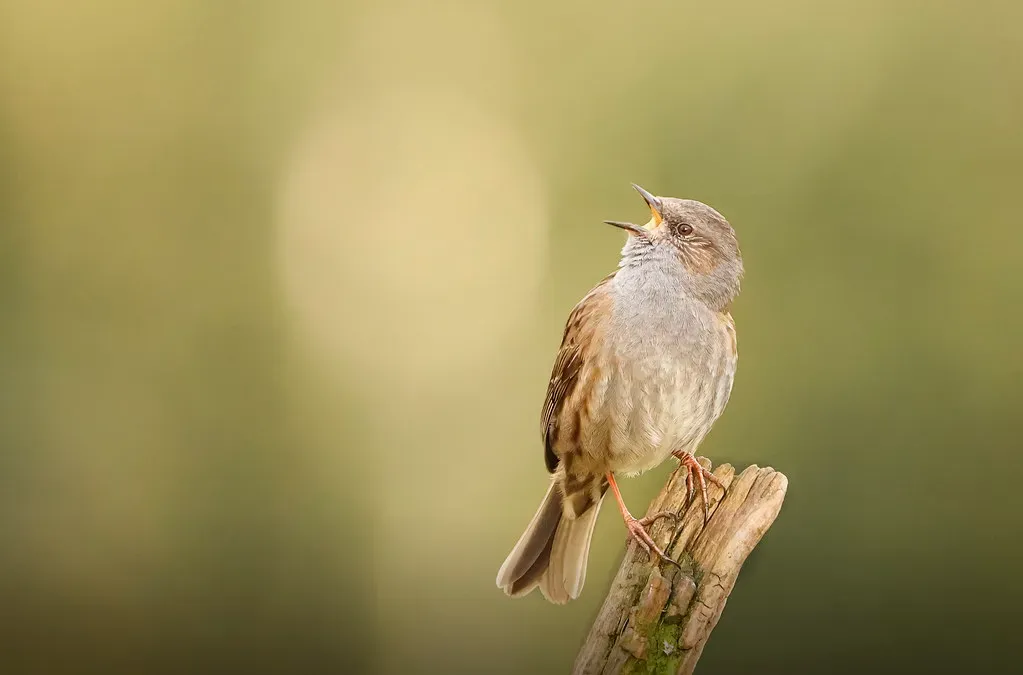
Reasserting Territory After Darkness
🔥 Would you like to save this?
We'll email this post to you, so you can come back to it later!
Night leaves territories unmarked for hours. Highly territorial birds use the early hours to remind neighbors of their presence and boundaries before daily foraging begins.
Studies show these species vocalize more intensely at dawn than at dusk. The behavior helps maintain stability in crowded habitats where competition stays intense. Omnivorous birds often follow the same pattern because they balance singing with flexible feeding needs.
Diet and Daily Energy Demands

🔥 Would you like to save this?
We'll email this post to you, so you can come back to it later!
Species that eat a mix of insects, seeds, and fruit tend to sing earlier. Their varied diet supports the energy cost of pre-dawn activity when food remains hard to find in low light.
Insect specialists sometimes delay until visibility improves for hunting. The difference reflects practical tradeoffs rather than any single rule. Each bird balances vocal effort against the need to locate its next meal.
Seasonal Hormones and Breeding Cycles

🔥 Would you like to save this?
We'll email this post to you, so you can come back to it later!
Hormone levels rise with longer days in spring. This internal shift prompts stronger singing across many species, yet the precise start time still depends on individual traits like eye size and habitat.
Breeding urgency amplifies the chorus overall. Males in prime condition produce the earliest and loudest performances to advertise fitness. The pattern repeats each year with reliable timing tied to sunrise.
A Quiet Reflection on Nature’s Timing

🔥 Would you like to save this?
We'll email this post to you, so you can come back to it later!
The staggered dawn chorus reminds us that even familiar routines hide layers of adaptation. What sounds like simple morning music actually reflects precise responses to light, sound, and social needs.
Paying attention to which birds sing first offers a small window into how species carve out their place in the same landscape. That layered order continues to unfold each day, shaped by traits refined over generations.

- 7 Everyday Habits That Can Make Your Senior Dog Happier - November 5, 2026
- 10 Enigmatic Structures That Continue to Puzzle Scientists Today - November 5, 2026
- 10 Strange Ruins in the Americas That Challenge What We Know About Early History - November 5, 2026