
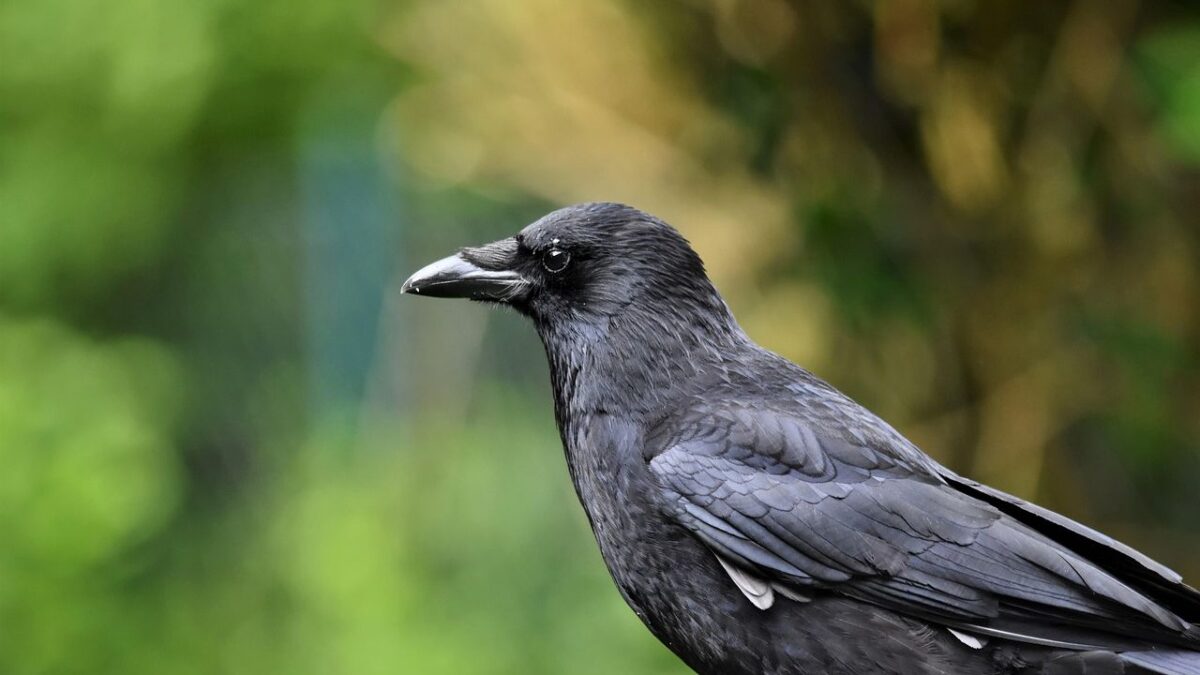
Have you ever caught a crow staring back at you with those dark, intelligent eyes and wondered what’s going on in there? These feathered creatures, often dismissed as mere scavengers, are turning out to be some of the most cognitively gifted animals on the planet. Recent scientific breakthroughs reveal that crows possess abilities once thought exclusive to humans and our closest primate relatives.
From recognizing individual human faces to creating sophisticated tools, from counting out loud to planning multiple steps ahead, crows are rewriting our understanding of animal intelligence. Scientists now believe these remarkable birds may rival the cognitive abilities of young children. Let’s dive into the fascinating world of crow intelligence and discover why these black beauties might just be the smartest non-human animals walking (or flying) among us today.
They Can Count and Do Basic Math Like Human Toddlers
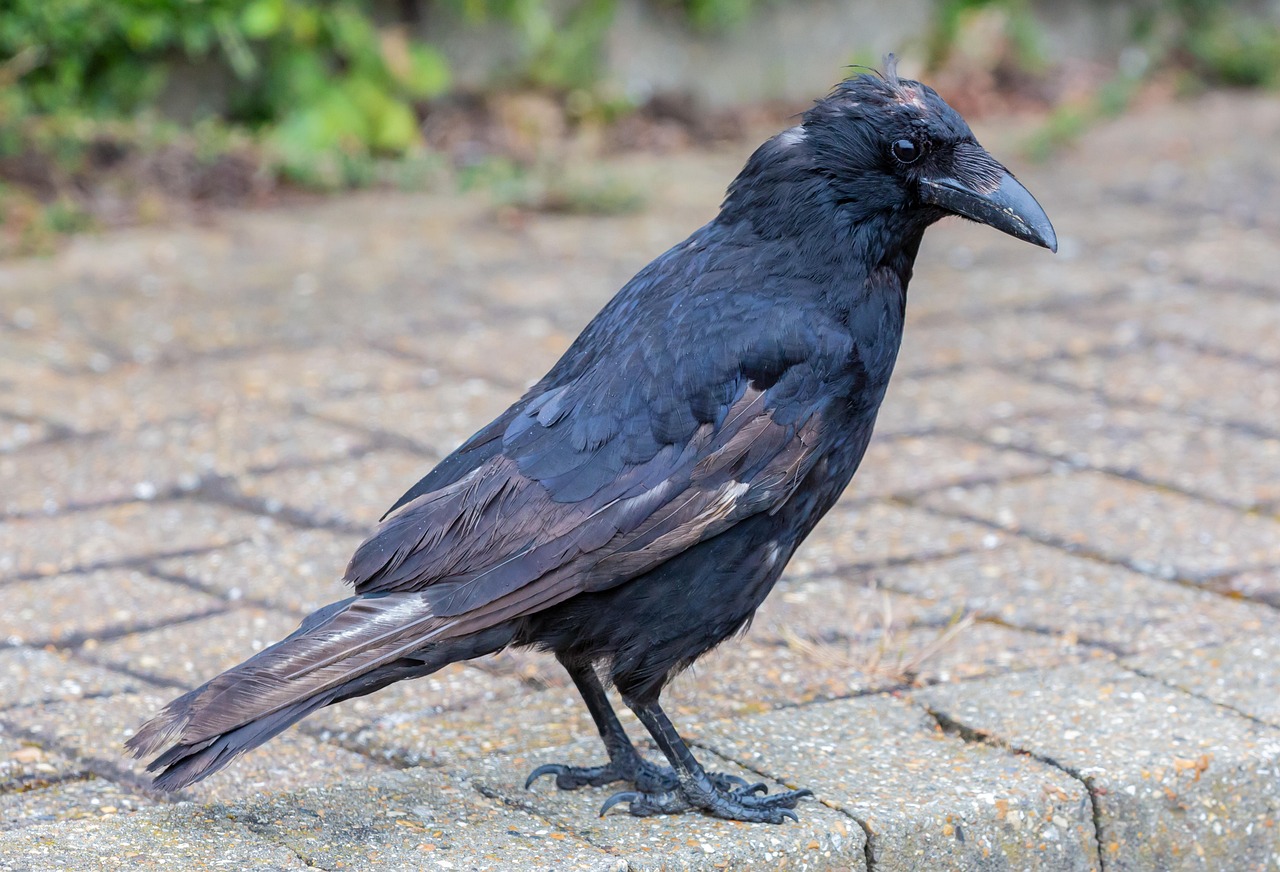
Crows have counting abilities more sophisticated than anyone had realized, with the birds exhibiting behaviors very similar to toddlers first learning to count. In groundbreaking research, scientists trained three carrion crows over more than 160 sessions, teaching them to associate visual and auditory cues from 1 to 4 and produce the corresponding number of caws.
The results were astonishing. The trained crows used a tallying approach to counting that mirrors the way young children first begin to communicate numbers. For example, if there are three apples on a tree, a toddler may say ‘one, two, three’ or ‘one, one, one’ with the number of sounds matching the number of objects.
The researchers found that crows can use their voices to communicate specific quantities, something they believe has never been documented before in animals other than humans. As the numbers got larger, the crows paused for longer before answering and were more likely to make errors, exactly like human children learning to count.
Their Memory Skills Put Elephants to Shame
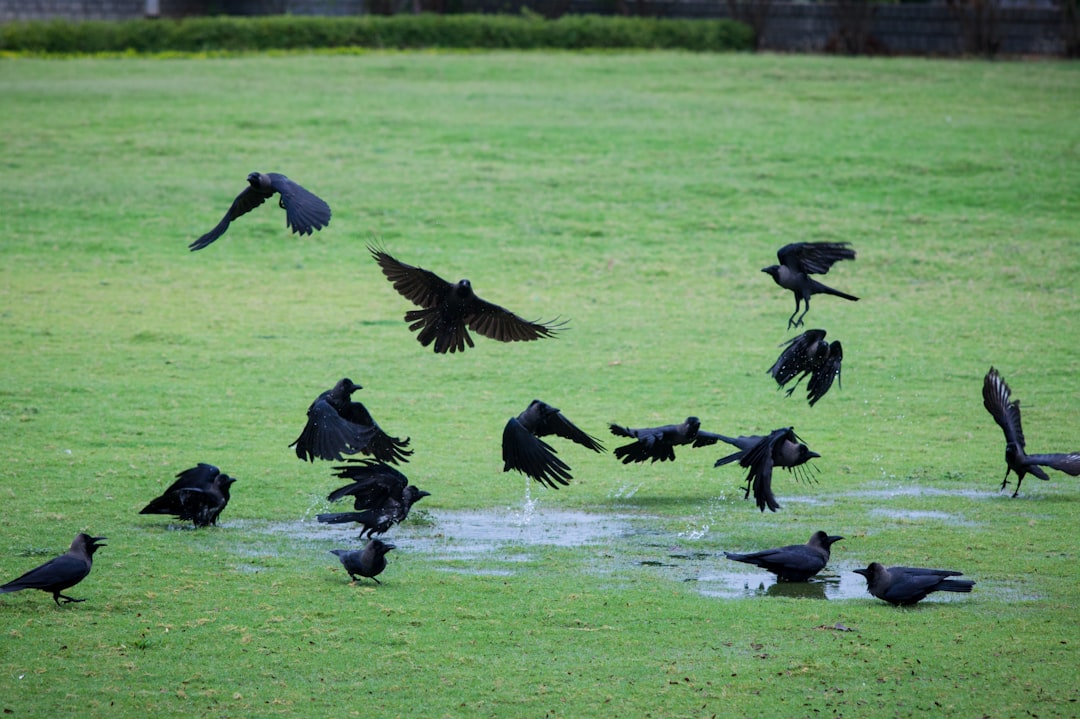
Recent research has revealed that crows can hold grudges against individual humans for up to 17 years. In a long-term study launched in 2008, Professor John Marzluff trapped seven crows while wearing a fearsome mask, identified them with leg rings, and then safely released them.
In subsequent years, the professor and his assistants sporadically wore the same mask while strolling the university campus. The crows continued to recognize and scold people wearing the dangerous masks years later, demonstrating their remarkable long-term memory abilities.
Scientific experiments have provided compelling evidence that crows can recognize and remember individual human faces. This ability is vital to their survival, especially in urban environments where interactions with humans are frequent. Learning enabled scolding behavior to double in frequency and spread at least 1.2 km from the place of origin over a 5 year period at one site.
They Create and Use Tools Like Master Craftsmen
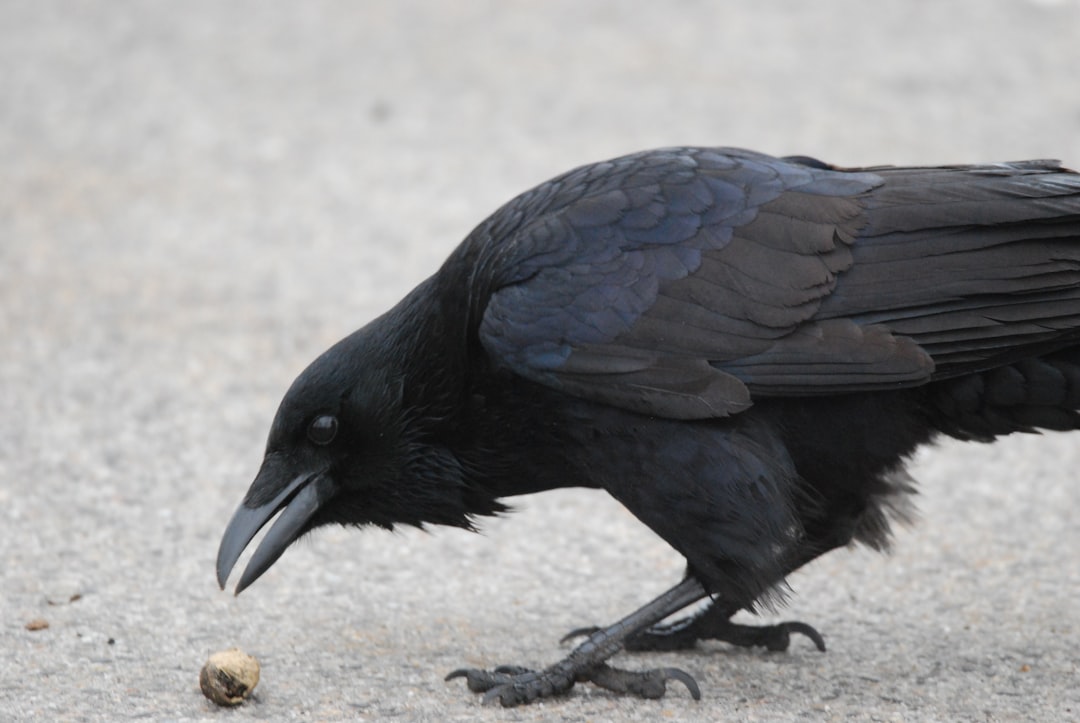
New Caledonian crows can combine objects to construct novel compound tools. When presented with combinable elements too short to retrieve food targets, four crows spontaneously combined elements to make functional tools, and did so conditionally on the position of food. One of them made 3- and 4-piece tools when required.
New Caledonian crows are smart enough to create their own tools in the wild and the lab by shaping one end of a stick or wire into a hook to retrieve food beyond the reach of their beaks. New Caledonian crows are known to create and use complex tools to obtain food, a behavior that is often compared to the tool use observed in primates.
These crows have been shown to possess remarkable innovative tool-related problem-solving abilities in the laboratory, such as spontaneous sculpturing of novel materials into functional tools, using novel types of tools and causal information to solve problems, and employing several tools in a sequence to reach a goal. Their compound tool construction constitutes a new example of their ability to generate solutions to novel challenges.
They Plan Three Steps Ahead Like Chess Masters
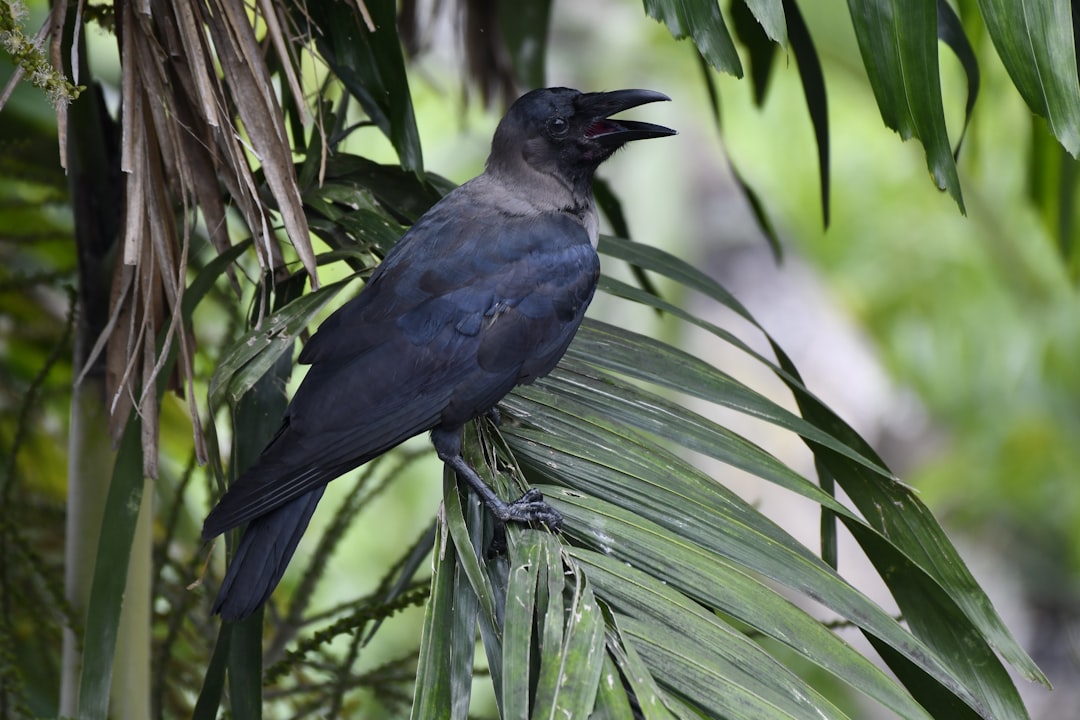
New Caledonian crows can plan out a sequence of three behaviors while using tools in order to solve a problem, like a chess player thinking several moves ahead. As the crows approached problems, they had to mentally represent where the long stick, stone and meat were, and then use these representations to form a plan of what to do once they had picked up the short stick.
Highly surprisingly, some of the crows presented with these complex problems did exceptionally well. One individual, Saturn, actually never made a mistake on this task. These results show New Caledonian crows can pre-plan three behaviors into the future.
Crows were able to mentally represent the sub-goals and goals of metatool problems: crows kept in mind the location and identities of out-of-sight tools and apparatuses while planning and performing a sequence of tool behaviors. In all experiments, crows had to plan using mental representations of the locations and identity of the two out-of-sight tools.
They Pass Knowledge Through Social Networks Better Than Social Media
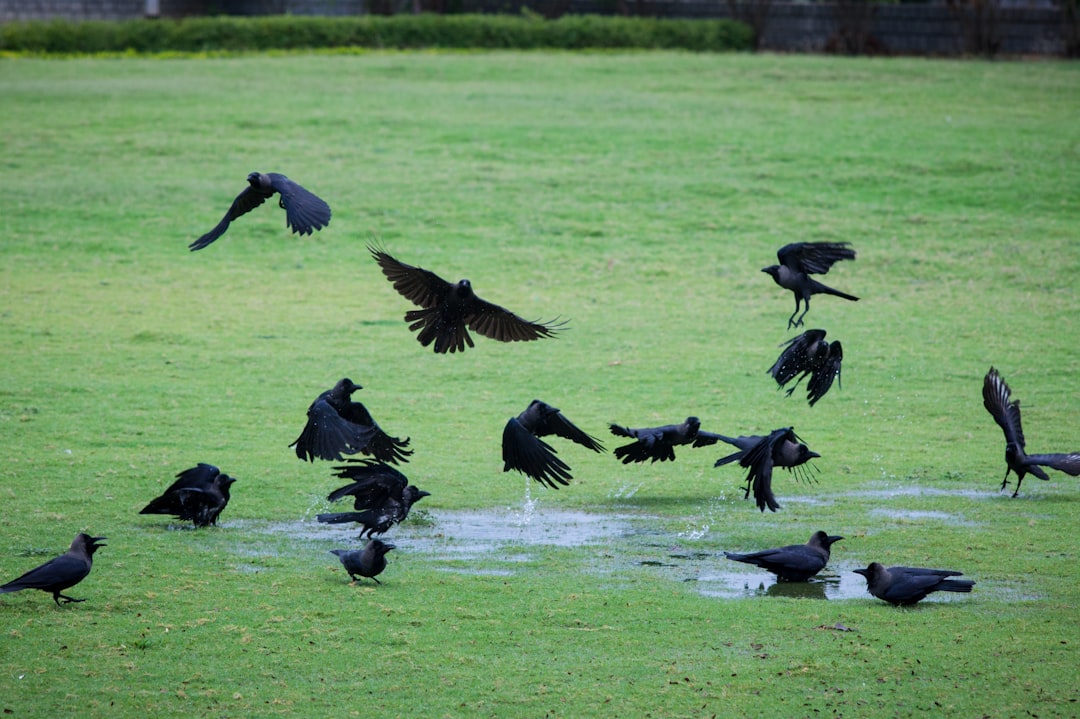
American crows use both individual and social sources of information to learn the facial features of dangerous people. After exposure to a novel ‘dangerous face’ during trapping, an immediate scolding response by previously captured crows demonstrates individual learning, while an immediate response by crows that were not captured represents conditioning to the trapping scene. Later recognition of dangerous masks by lone crows that were never captured is consistent with horizontal social learning.
Independent scolding by young crows, whose parents had conditioned them to scold the dangerous mask, demonstrates vertical social learning. Crows that directly experienced trapping later discriminated among dangerous and neutral masks more precisely than did crows that learned through social means.
The study sheds light on the social transmission of knowledge about threats within bird communities. This type of social learning is cognitively complex and rare in the animal kingdom. It’s one thing to learn from one’s own experience and another to observe that happening to other individuals and infer it could happen to you.
They Show Self-Awareness and Theory of Mind
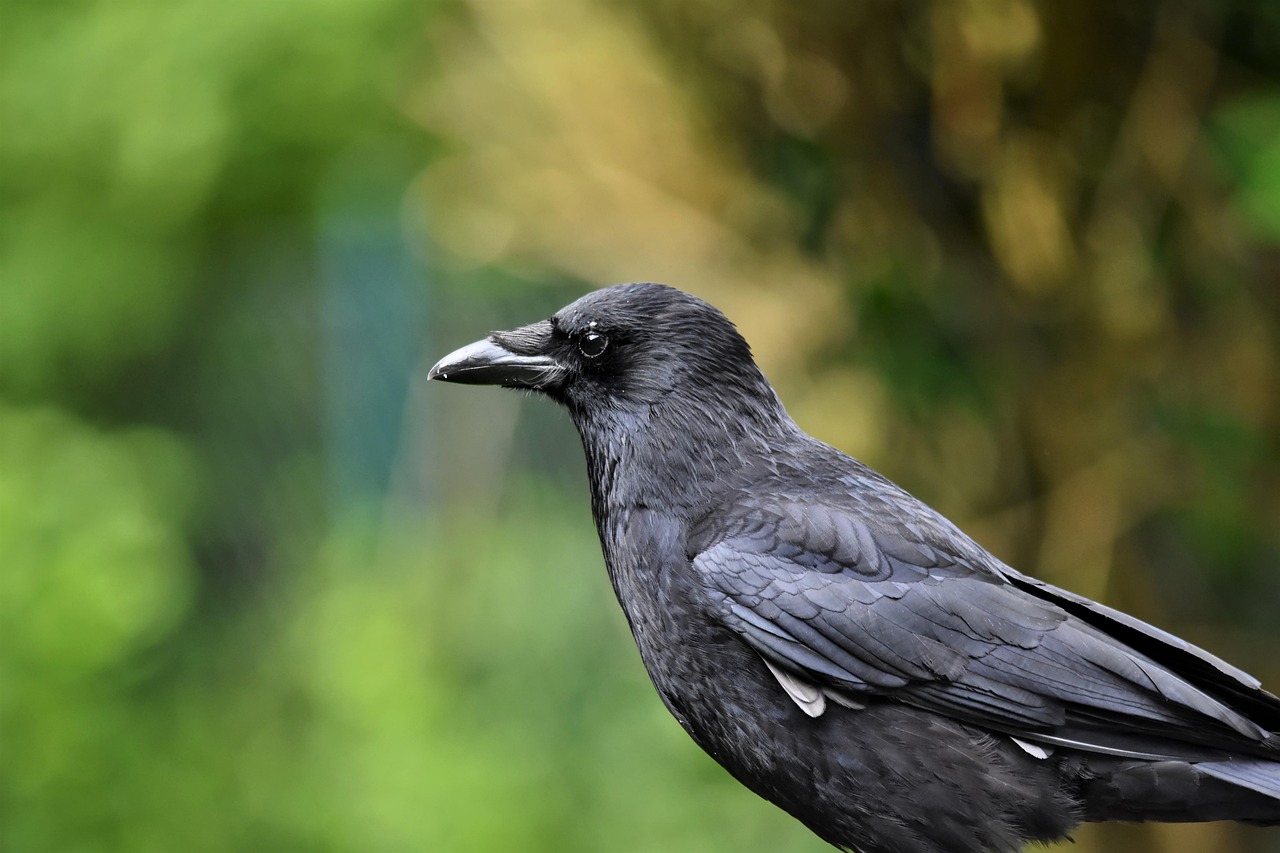
A 2020 study demonstrated for the first time that carrion crows, the European relatives of American crows, have subjective experiences or ‘sensory consciousness’, a level of thinking previously thought to be limited to humans and other primates. In a landmark 2008 study, magpies were shown to respond to their own reflection in a mirror by attempting to remove colored marks placed on parts of their bodies only visible through that mirror. This capacity to distinguish oneself from others has long been interpreted as a proxy for self-awareness. Most children do not pass the mirror test until around 18 to 24 months of age.
Crows only demonstrate certain behaviors if they themselves have stolen another bird’s food. Once they do that, they realize, ‘Oh, wait a minute. If I can steal his food, then he can steal my food.’ Studies have shown that crows and ravens are guarded about hiding food if they believe they’re potentially being watched. They will even check to make sure other birds haven’t seen their hiding spot and then move their stored food to make sure it stays hidden. That implies theory of mind.
Their Brain Power Rivals That of Young Children
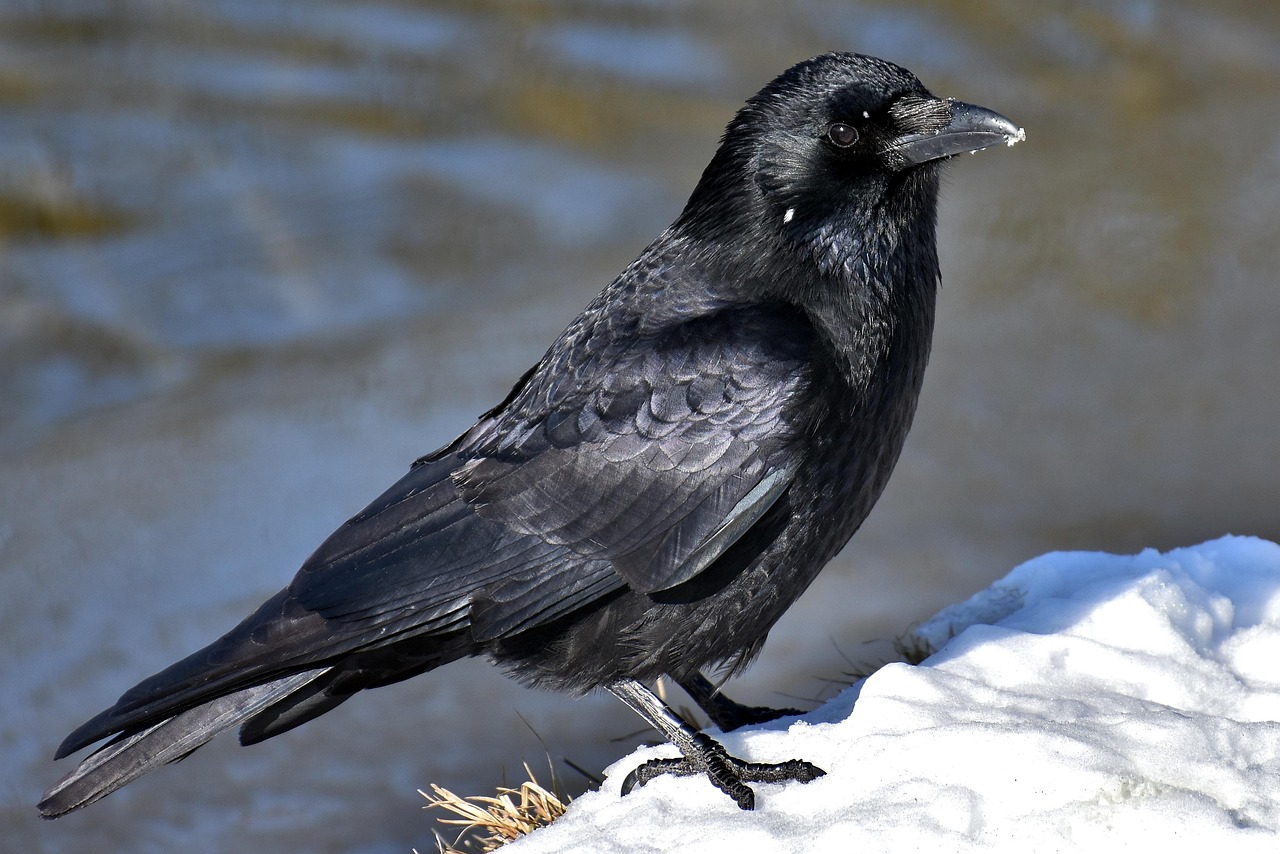
A crow recognizes human faces using the same visual pathways in the brain as humans do. A 2012 study using PET scans found that when crows viewed human faces that they associated with threat or care, the birds had increased activity in the amygdala, thalamus and brain stem – areas related to emotional processing and fear learning. In response to threatening faces, areas that regulate perception, attention and fleeing also lit up.
Research has compared crows to primates in terms of intelligence and complexity, noting that, relative to their body size, their brains are some of the largest among birds. They are able to use tools, understand analogies and plan multi-step solutions, abilities that were once thought to be uniquely human-like. This challenges the way we understand intelligence in the natural world and in other non-human species.
Some say their intelligence can be comparable to that of a seven-year-old child. The avian pallium, despite lacking laminar organization and cortical folding, supports neural architectures capable of parallel processing, long-term planning, and adaptive flexibility. Intelligence, it seems, is not the exclusive province of a particular lineage or brain type.
Conclusion
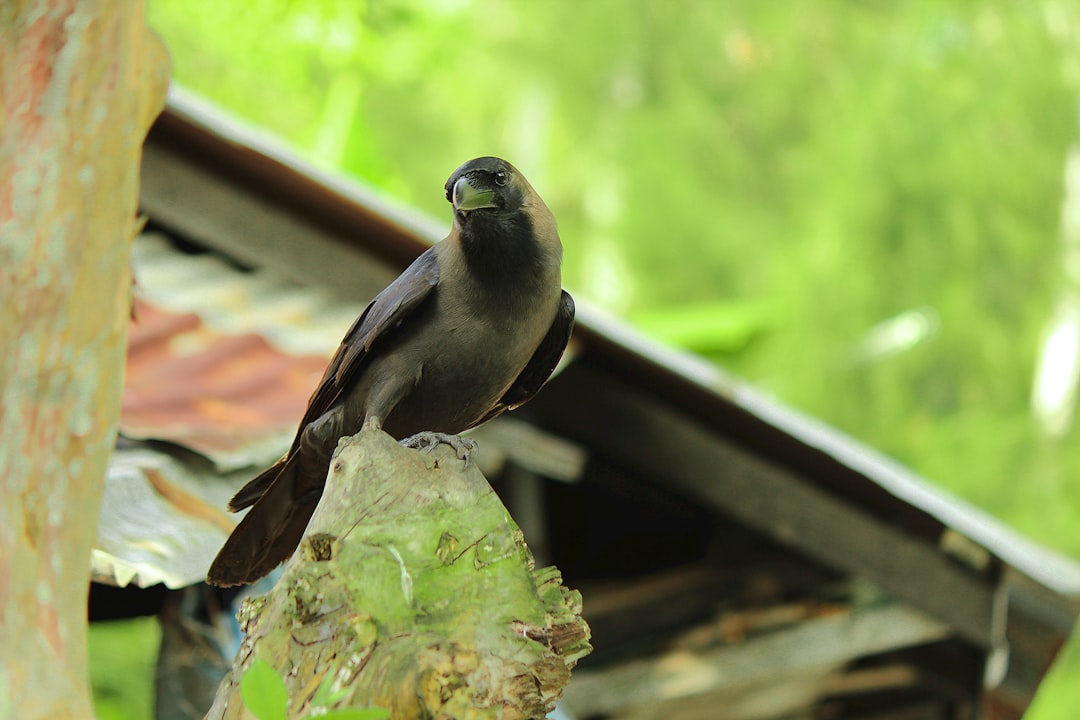
The evidence is overwhelming: crows possess a level of intelligence that places them among the cognitive elite of the animal kingdom. From their mathematical abilities and sophisticated memory systems to their tool-making prowess and social learning networks, these remarkable birds continue to challenge our assumptions about what it means to be intelligent.
The similarity to human brain activity and the parallels in social intelligence are significant because they may have evolved after our last common ancestor existed 300 million years ago. That would make our species’ similarities a case of convergent evolution, when two vastly different organisms develop the same traits independently. Evolution has arrived at the same solution again and again.
Perhaps it’s time we stop using “bird brain” as an insult and start recognizing crows for what they truly are: some of nature’s most brilliant problem-solvers. The next time you encounter a crow, remember that you’re looking at an animal whose cognitive abilities might just put your own to the test. What do you think about these incredible discoveries? Tell us in the comments.

- 15 Little-Known Facts About DNA That Control More Than You Think - August 10, 2026
- 10 Things Cats Never Forget About Their Owners - August 10, 2026
- 8 Ways Cats Show They're Worried About You - August 10, 2026