
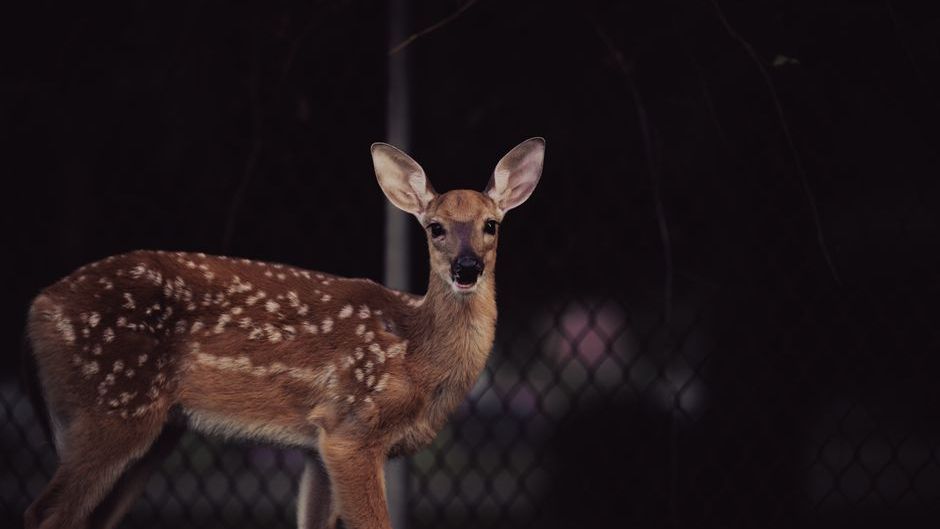
Deer Are Not Actually Nocturnal – They’re Something Else Entirely
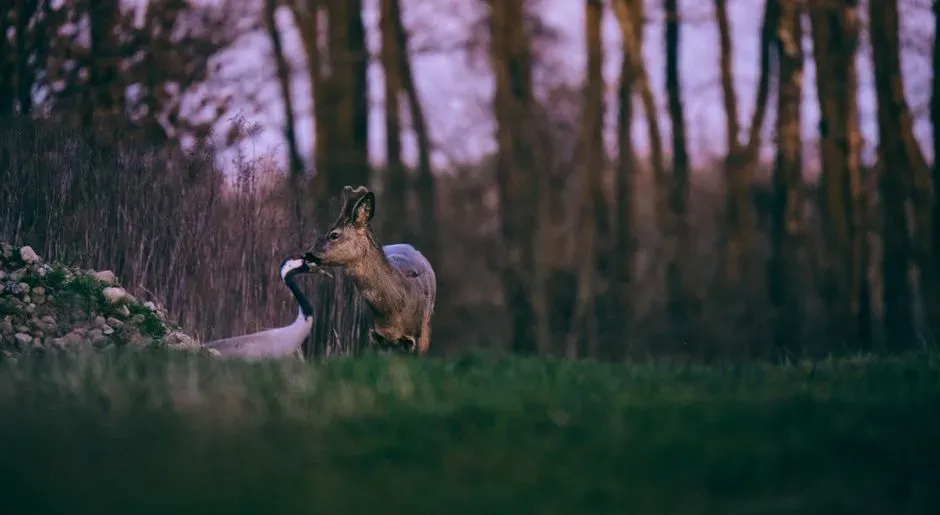
One of the most common misconceptions about deer is that they’re night creatures by nature. Deer are often referred to as nocturnal animals, but calling them strictly nocturnal may not be entirely accurate. They are actually crepuscular, meaning they are most active during the twilight hours of dawn and dusk. That distinction matters more than it might seem.
Deer are crepuscular, according to the Kentucky Department of Fish and Wildlife Resources. With their activity peaks falling an hour or so after sunset and before sunrise, they spend a lot of time moving around under very low light. When you spot one lurking outside your window at midnight, it’s operating slightly outside its comfort zone.
Deer sometimes sleep during the day and at night, exhibiting both nocturnal and diurnal characteristics, but these animals are fundamentally crepuscular. They’re quite adaptable, able to shift to more diurnal and even nocturnal activity as the need arises. So when you spot one lurking through your yard at 11 PM, it’s not their natural preference – it usually means something pushed them there.
How Light Overloads a Deer’s Highly Sensitive Eyes
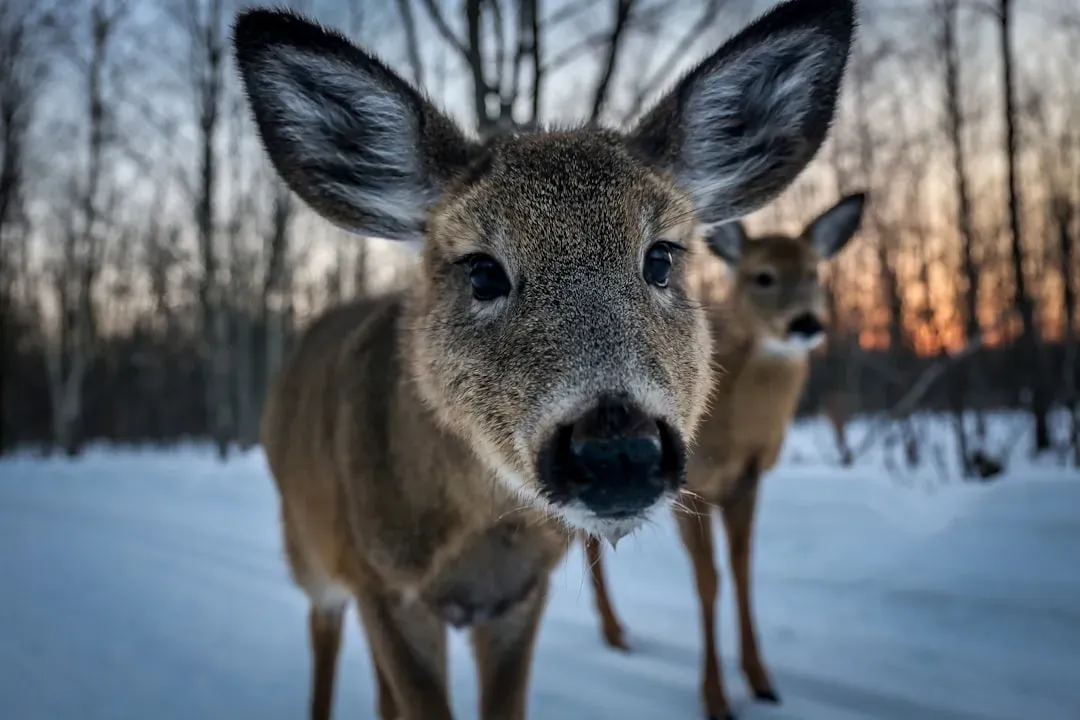
As crepuscular animals, their eyes are adapted for the low-light conditions of dusk and dawn and fully dilate to capture all available light in such situations. This adaptation, however, makes them more sensitive to bright lights. When a deer is suddenly exposed to such intense lights, it can become temporarily blinded or disoriented, leading to the freezing behavior.
When there is absolute darkness outside, namely at night, a deer’s pupils are fully dilated to capture as much light as possible. However, when a deer’s eyes are suddenly struck by the light from a source, its fully dilated pupils become blinded by the abundance of light, so it cannot see at all. Not knowing what to do about the sudden light surge in its eyes, a deer will just stand still and wait for its eyes to adjust. The lights in your house glowing through windows at night trigger exactly this kind of confusion.
The idea that a rabbit or deer in the headlights is paralysed by fear is a common misconception – prey are often hit because the animal is blinded by brightness and an oncoming car attacks at an unnatural pace compared to, say, a fox or wolf. The freezing is really about sensory overload, not paralysis from terror.
The Tapetum Lucidum: Nature’s Built-In Night Vision System
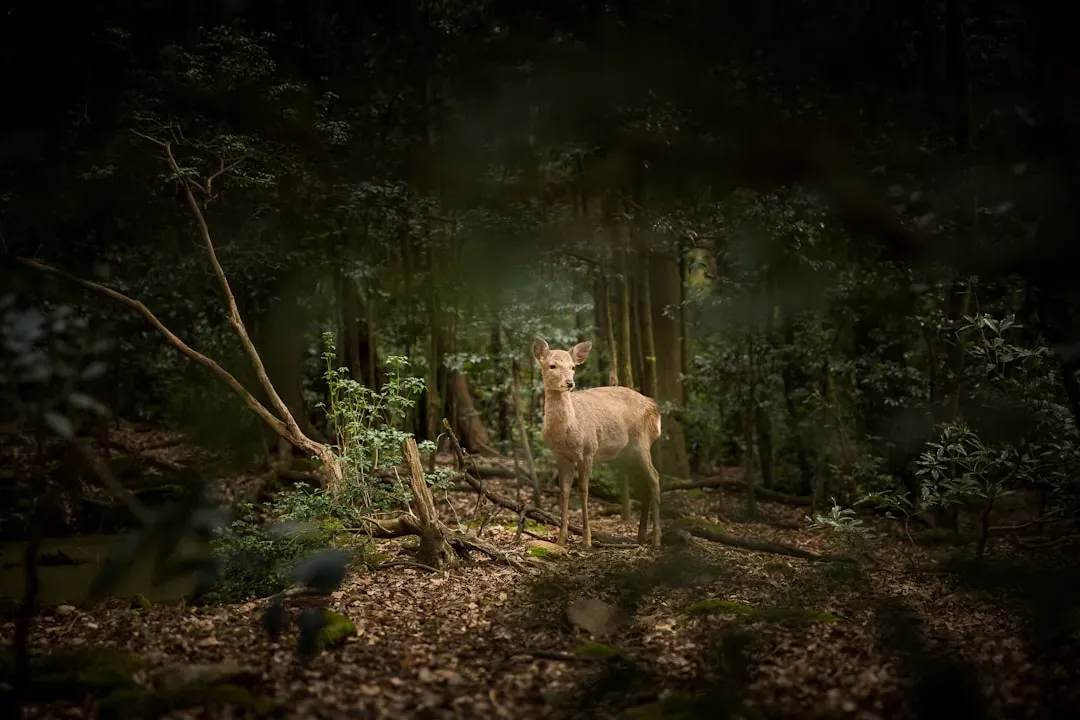
One of the most significant features that makes deer have such excellent night vision is a layer in the back area of the eye. It’s referred to as the tapetum lucidum, and it’s a bit like a mirror. This structure is why deer eyes glow when light catches them in the dark.
The tapetum lucidum is a reflective layer of tissue behind the retina in the eyes of many nocturnal and crepuscular animals. Think of it as a biological mirror that gives incoming light a second chance to reach the photoreceptor cells in the retina. When light enters the eye, some is absorbed on its first pass. The rest hits the tapetum lucidum and bounces back through the retina for a second opportunity to be detected. This effectively amplifies available light, dramatically enhancing vision in low-light conditions.
While the tapetum lucidum may have evolved in predators to help them catch their prey in darkness, this membrane may have evolved in herbivores as a defense mechanism to detect predators at night. So that eerie glow you see in your yard is actually a finely tuned survival tool, working exactly as evolution intended, just aimed at your porch light instead of a wolf.
Freezing Is an Ancient Survival Strategy, Not a Glitch
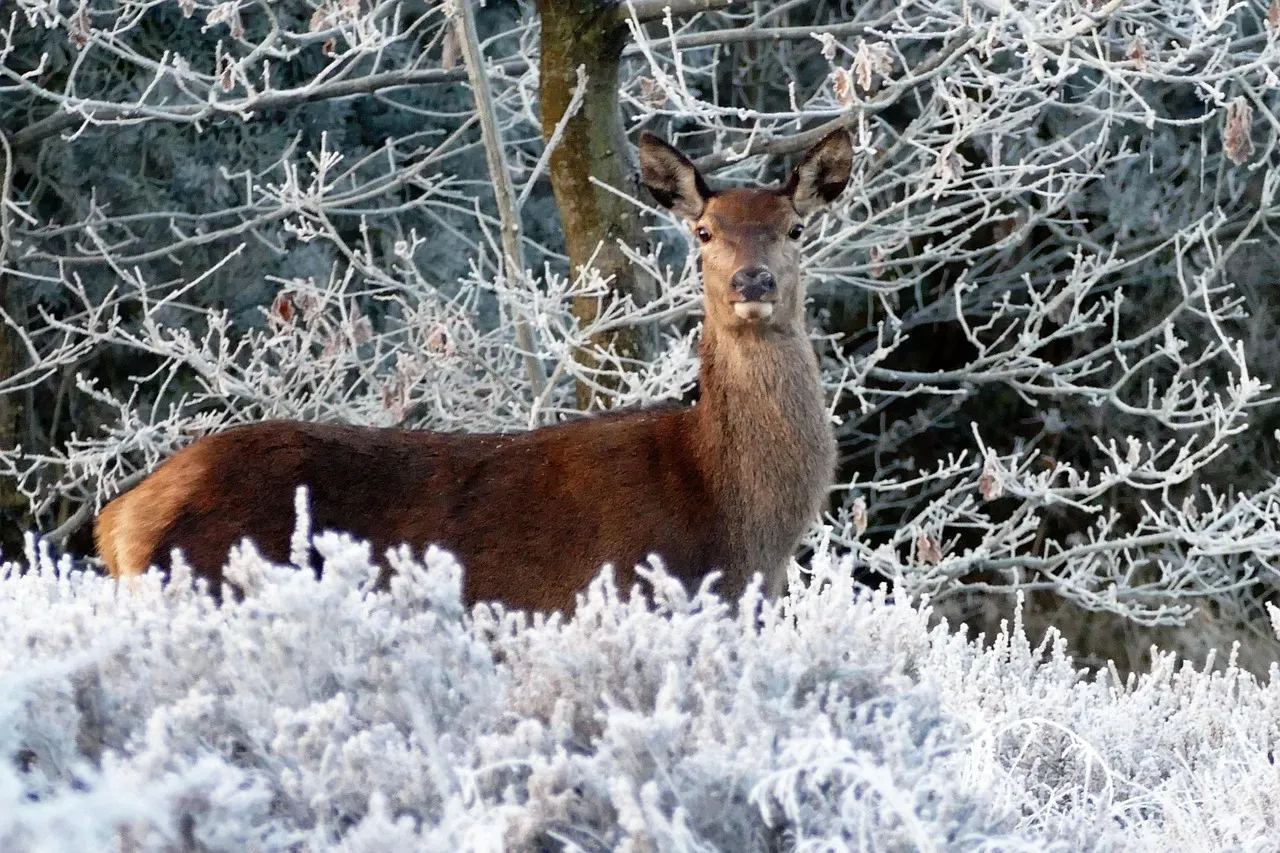
A deer may also freeze as an instinctual response in the face of a perceived threat. In the wild, staying still serves as a survival tactic, as it helps deer avoid being detected by carnivores. When confronted with an unfamiliar and overwhelming stimulus, their instinct may be to freeze in place, hoping the threat will pass without noticing them.
Deer possess natural camouflage, with coats that blend remarkably well with their surroundings. Remaining still enhances this camouflage, making them harder for predators to spot. Predators often rely on motion to detect their prey. By freezing, deer essentially become part of the background, reducing the likelihood of being noticed.
Remaining motionless also allows the deer to carefully assess the situation. They use their keen senses of smell and hearing to gather information and determine the level of danger. The stare you’re receiving from across your lawn isn’t a blank gaze. It’s active assessment. The deer is reading you while its nose and ears work just as hard as its eyes.
Your Suburban Yard Has Quietly Become Prime Deer Territory
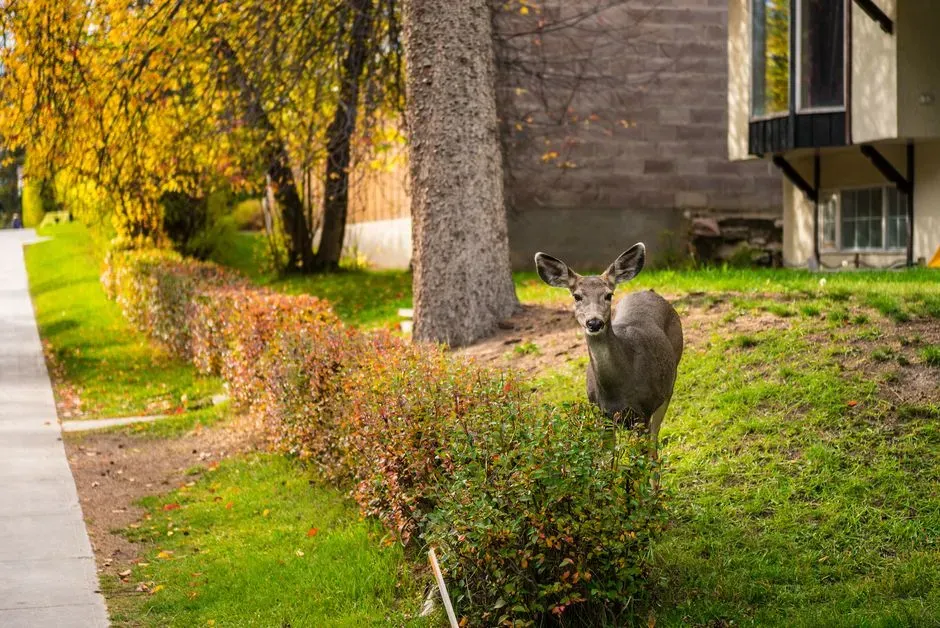
As people spread out into increasingly natural spaces, humans are integrating with areas once inhabited by wild animals. If we move one way, wildlife moves into our urban areas. Whether it’s bears, raccoons, or coyotes, there is constant evidence of this happening – and deer moving into our backyards is just one example. Since many backyards provide a safe area with food, shelter, and protection from predators, they make good places for deer to sleep and forage.
Among ungulates, white-tailed deer have masterfully adapted to suburban environments by becoming primarily crepuscular and nocturnal, allowing their populations to reach unprecedented densities in some suburban areas. Gardens, ornamental shrubs, and fruit trees become reliable food sources they learn to revisit regularly.
Several external factors influence deer activity patterns. Human activities significantly impact deer behavior, and in urban or suburban areas, deer often shift their activity to nighttime to avoid the risks associated with human interaction. The quieter and darker your neighborhood becomes after 9 or 10 PM, the more comfortable deer feel making their move. A lit window at 2 AM is simply an unexpected interruption to an otherwise predictable foraging run.
Deer Are Actively Learning Your Schedule
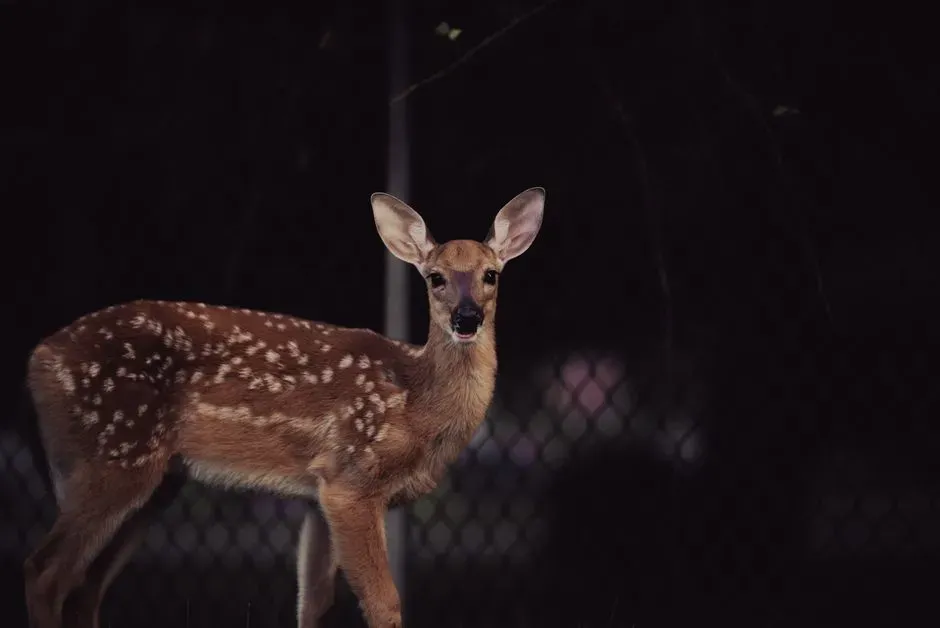
Deer adapt to a more nocturnal lifestyle specifically to avoid humans. When they work out that nighttime is when people disappear, they decide to visit riskier areas at those hours. This is a learned, adaptive behavior, not instinct. Deer in heavily trafficked suburban neighborhoods have, over generations, effectively trained themselves to operate on our schedule. That’s a remarkable level of behavioral flexibility for a wild animal.
Research monitoring Hainan Eld’s deer showed that translocated deer living amongst villagers deviated from a crepuscular activity pattern and became increasingly nocturnal, and most active when villagers were not. The pattern holds across deer species globally: proximity to humans reshapes when they move.
Research in Phoenix, Arizona documented that urban bobcats and coyotes adjust their activity patterns seasonally based on human recreational patterns, becoming more strictly nocturnal during high tourist seasons. This suggests sophisticated monitoring of human schedules and the ability to make dynamic behavioral adjustments – cognitive abilities that were previously underappreciated in many species. Deer are doing the same thing in neighborhoods everywhere, quietly recalibrating around us.
Why a Deer Staring Directly at You Feels So Strange
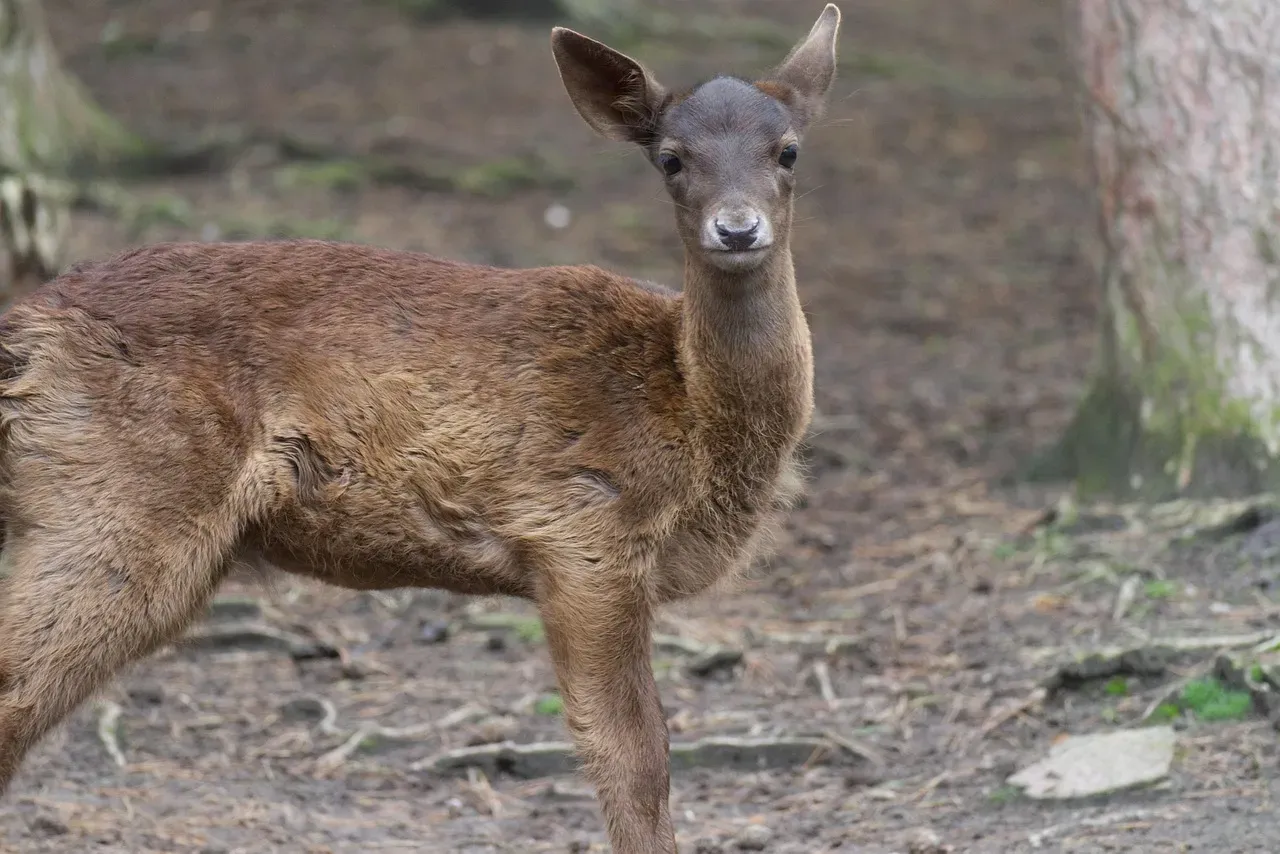
A deer looking directly at you with its ears forward, bobbing its head slightly, suggests the deer is in a state of high alert. It may also stamp its front feet against the ground. Every part of that body language is communicating something specific, even if we instinctively struggle to decode it.
Humans rely on movement and facial cues to interpret intent. A deer that freezes removes motion-based signals, so your brain can’t easily classify it as harmless prey or a potential threat. Ambiguity increases vigilance and discomfort. That uneasy feeling you get when one holds your gaze isn’t irrational. It’s your own ancient wiring doing its job.
Deer fix their eyes so they can track the exact movements of a potential predator. This behavior is not reserved for humans. In fact, it is more typically directed at traditional predators such as wolves. When a deer locks eyes with you through the glass at midnight, you’ve temporarily been filed under the same category as the predators its ancestors spent thousands of years surviving. That’s worth sitting with for a moment.
Conclusion: What That Still, Staring Deer Is Really Telling You
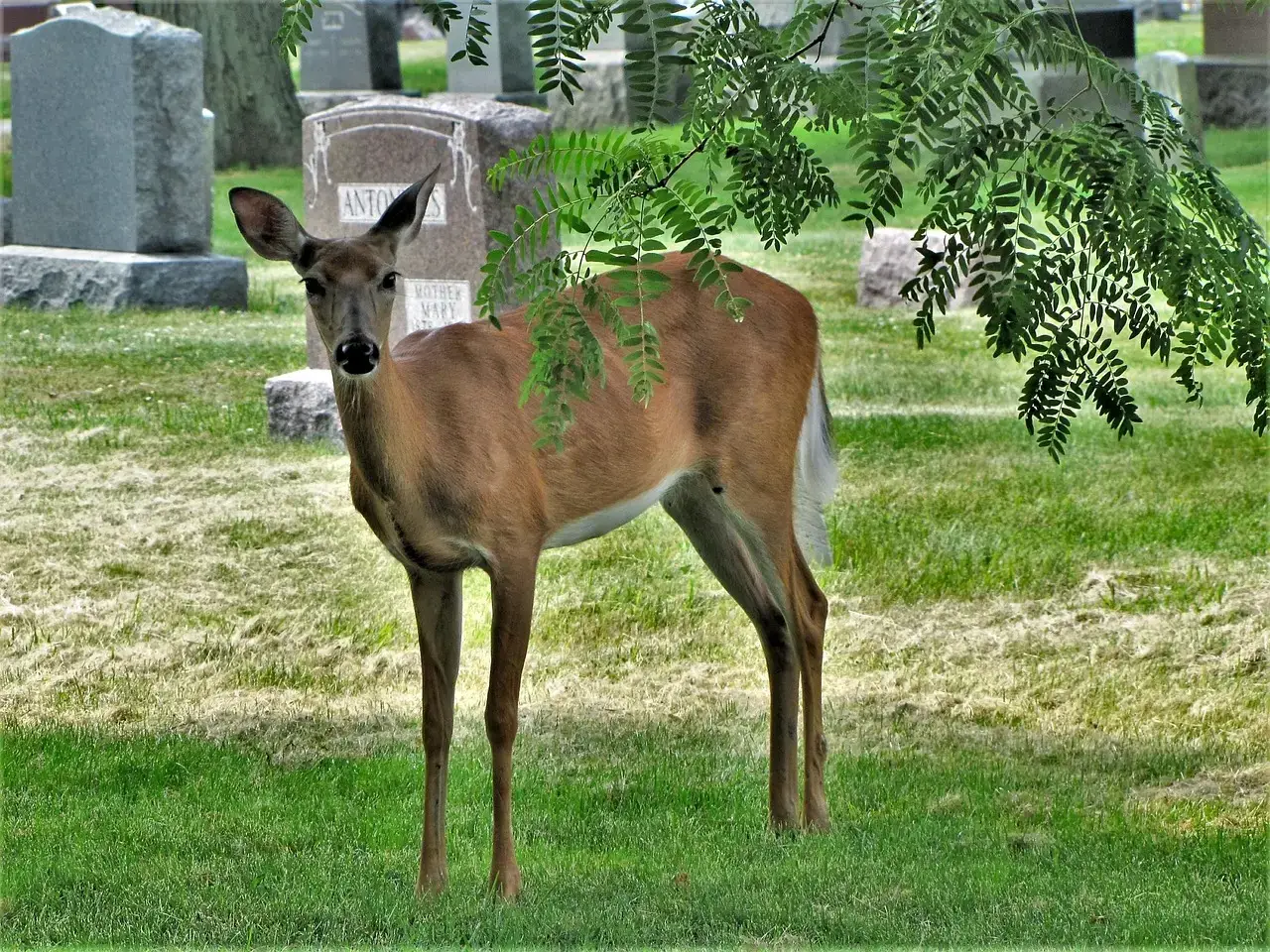
There’s something genuinely poetic about the fact that deer freeze and stare at houses because they’re overwhelmed by our light. We built the suburbs, pushed outward into their habitat, filled the night with artificial glow, and these animals adapted – they learned our hours, mapped our schedules, and quietly moved in around us. The stare isn’t mysterious. It’s the result of millions of years of survival instinct meeting a world that changed faster than biology could keep up with.
The freezing, the glowing eyes, the motionless vigil at your window – none of it is aimed at you personally. There is neither bravery nor foolishness behind a deer’s act of freezing in the face of sudden, blinding light; it’s just anatomy. The deer is doing exactly what it was built to do in a landscape it was never quite built for.
What makes these late-night encounters worth paying attention to is less about the deer and more about what they reflect back at us. Suburban wildlife isn’t a curiosity at the edges of the natural world. It’s the natural world, pressing right up against the glass, adapting to everything we’ve built, and staring back with eyes that see far better in the dark than we ever will.

- 9 Touching Stories of Animal Loyalty That Redefine Family Bonds - July 25, 2026
- 8 Unique Dog Breeds That Are Perfect for Older Owners - July 25, 2026
- The Way You Pet Your Dog Can Make All the Difference to Their Comfort - July 25, 2026