
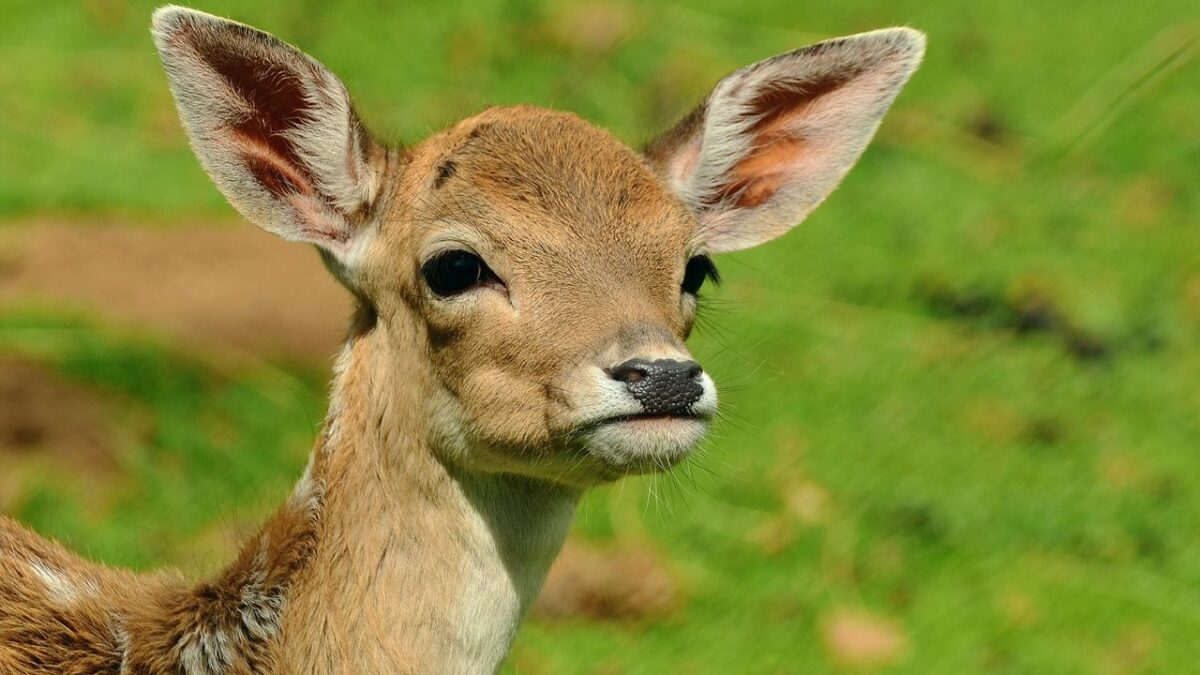
Picture this. You wake in the quiet hours before dawn and glance outside, only to find a deer standing motionless right at the glass. Its gaze seems locked on your room, and the whole scene feels oddly deliberate.
That moment is more common than most realize, and it stems from instincts shaped long before houses existed. The behavior blends ancient survival tactics with the realities of living near people today.
The Freeze Response That Saved Generations
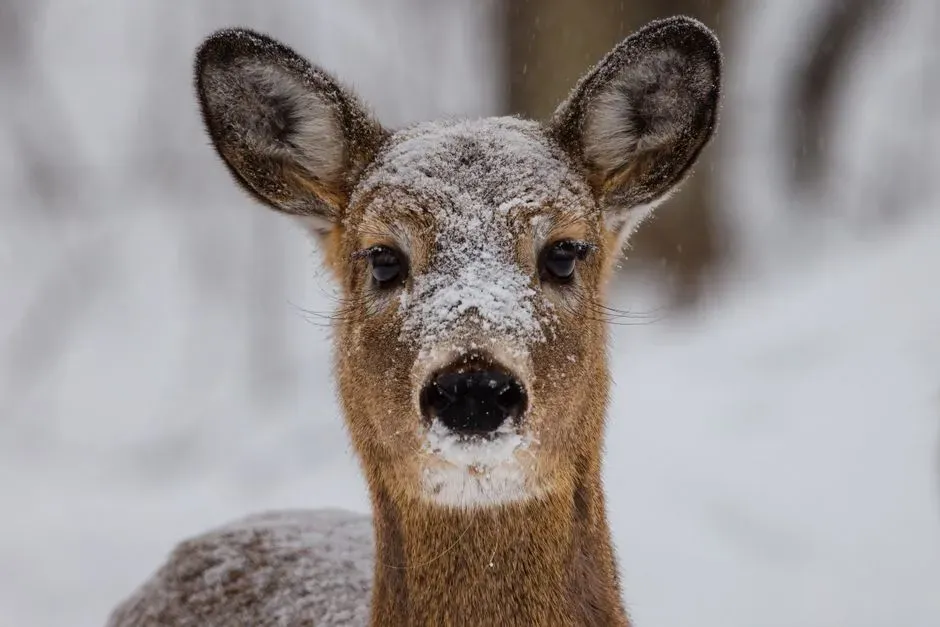
Deer rely on a simple yet effective strategy when they sense potential danger. They stop all movement to blend into the background and avoid drawing attention from predators that hunt by sight. This reaction has helped the species survive for thousands of years across changing landscapes.
The instinct kicks in quickly at night when visibility is low. Any sudden motion could reveal their location, so holding still buys time to assess the situation. Over generations this trait became deeply wired into their nervous systems.
Night Vision That Changes Everything
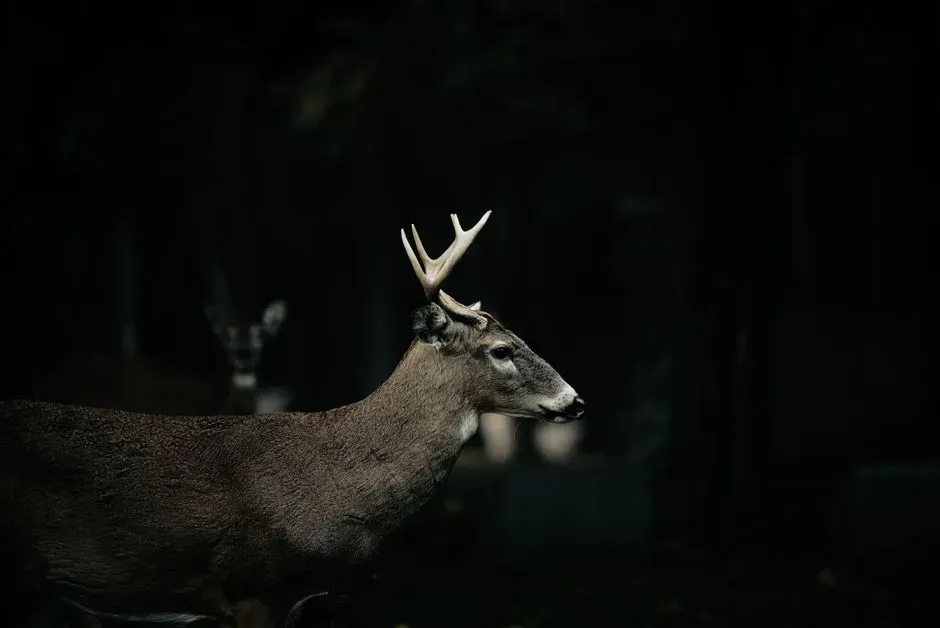
Deer possess eyes built for low light conditions, complete with a reflective layer that boosts available light. This adaptation lets them spot subtle changes in their surroundings long after humans would struggle to see. At three in the morning the world looks very different through those eyes.
Windows can appear as bright patches or reflective surfaces that stand out against the dark. The deer may pause to process what it sees rather than react immediately. Such visual sensitivity explains why encounters often happen during the quietest hours.
Why the Window Becomes the Focus
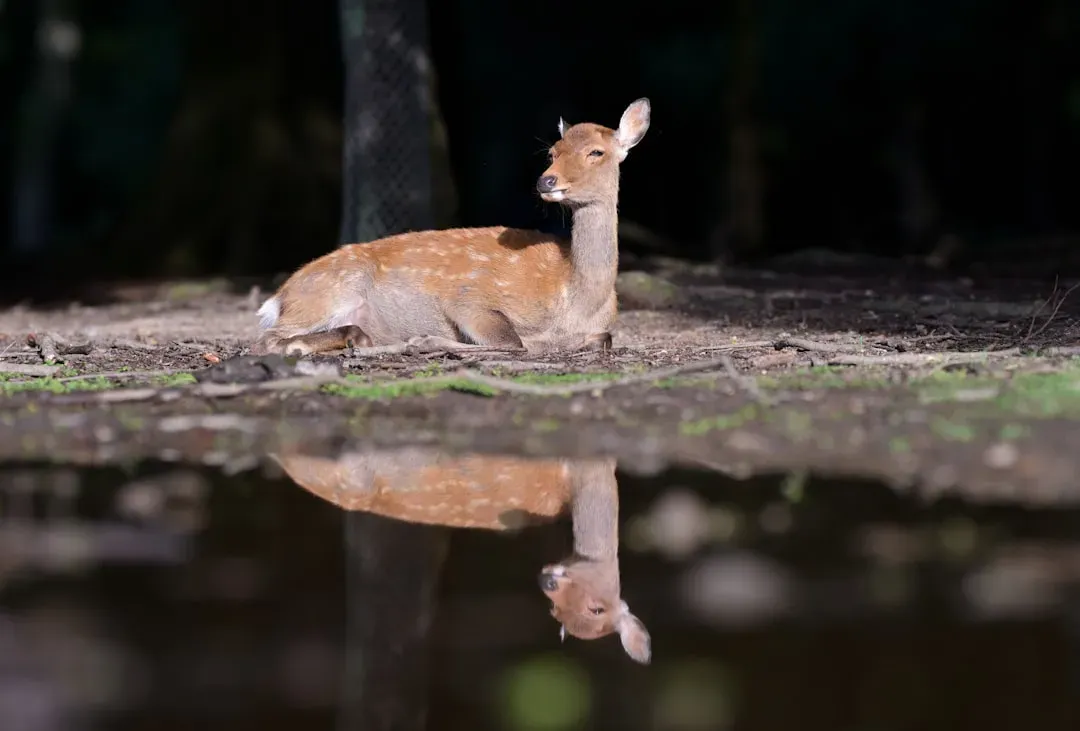
A glass pane can create an illusion of open space or reflect surrounding trees and sky. To a deer this might register as an extension of the natural environment rather than a barrier. The animal stops to evaluate whether the reflection hides movement or another animal.
Curiosity plays a role too, especially in areas where deer have grown used to human presence. They learn that certain lights or shapes do not always signal immediate threat. Still, the freeze gives them a moment to decide on the next step.
Artificial Lights and Modern Surroundings
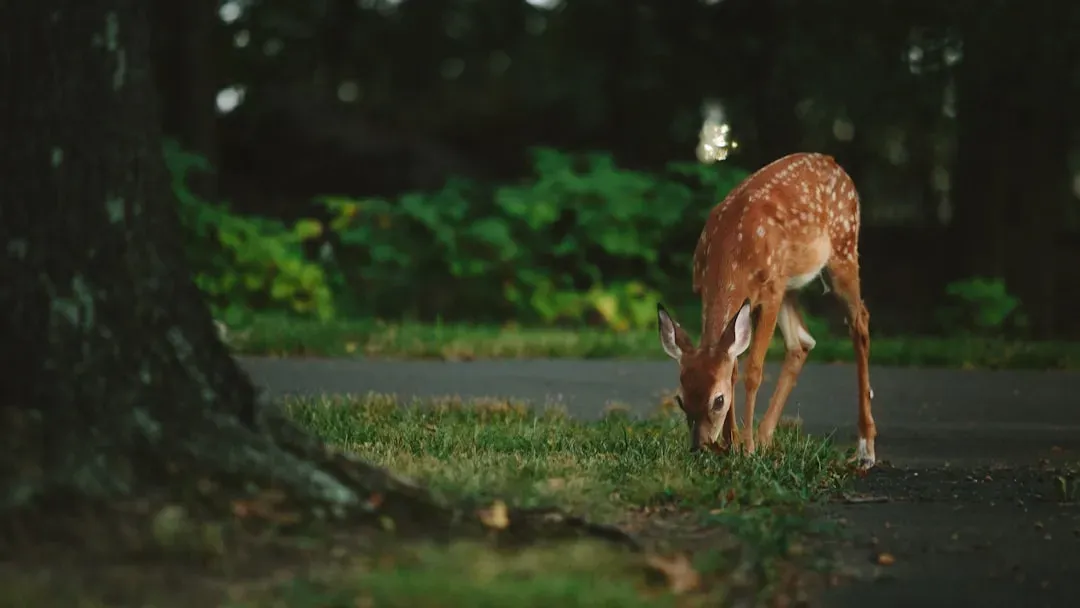
Porch lights, indoor lamps, and even streetlights alter how deer perceive their habitat after dark. These sources can draw attention because they contrast sharply with the surrounding darkness. A deer may approach to investigate the unusual glow.
Once close, the window acts like a mirror or a portal that holds their interest. The combination of light and reflection keeps them stationary longer than they might otherwise stay. This pattern appears more frequently in suburban and rural edges where development meets woodland.
Adapting to Life Near People
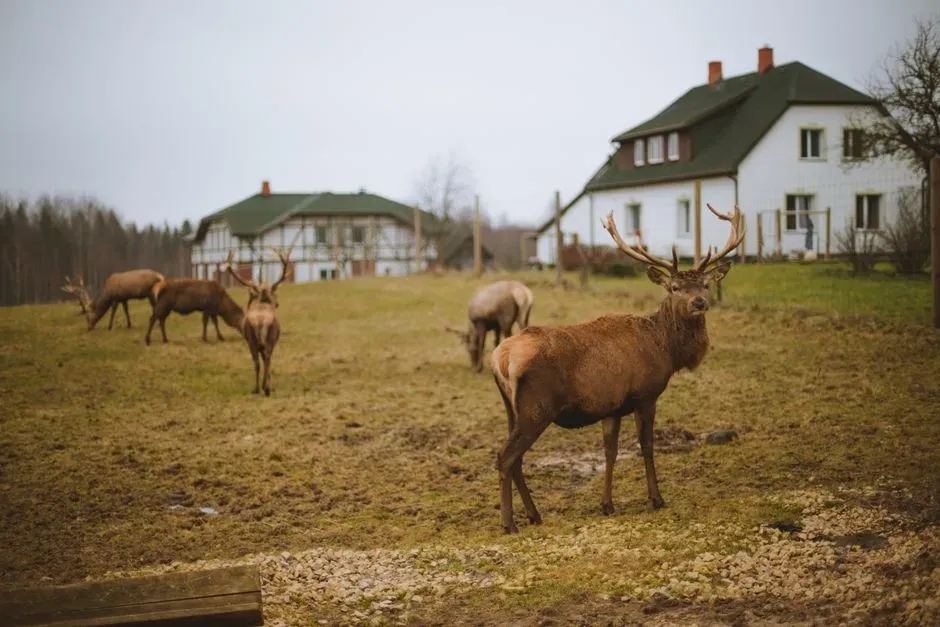
Deer populations have adjusted to fragmented habitats that include roads, yards, and homes. Freezing near structures can serve as a cautious pause rather than outright fear. It allows them to monitor for dogs, vehicles, or other disturbances common in these zones.
Over time some groups show less extreme reactions to familiar sights. Yet the core instinct remains strong enough to trigger the stare at odd hours. These adjustments highlight how wildlife continues to navigate human expansion.
Common Misunderstandings About the Behavior
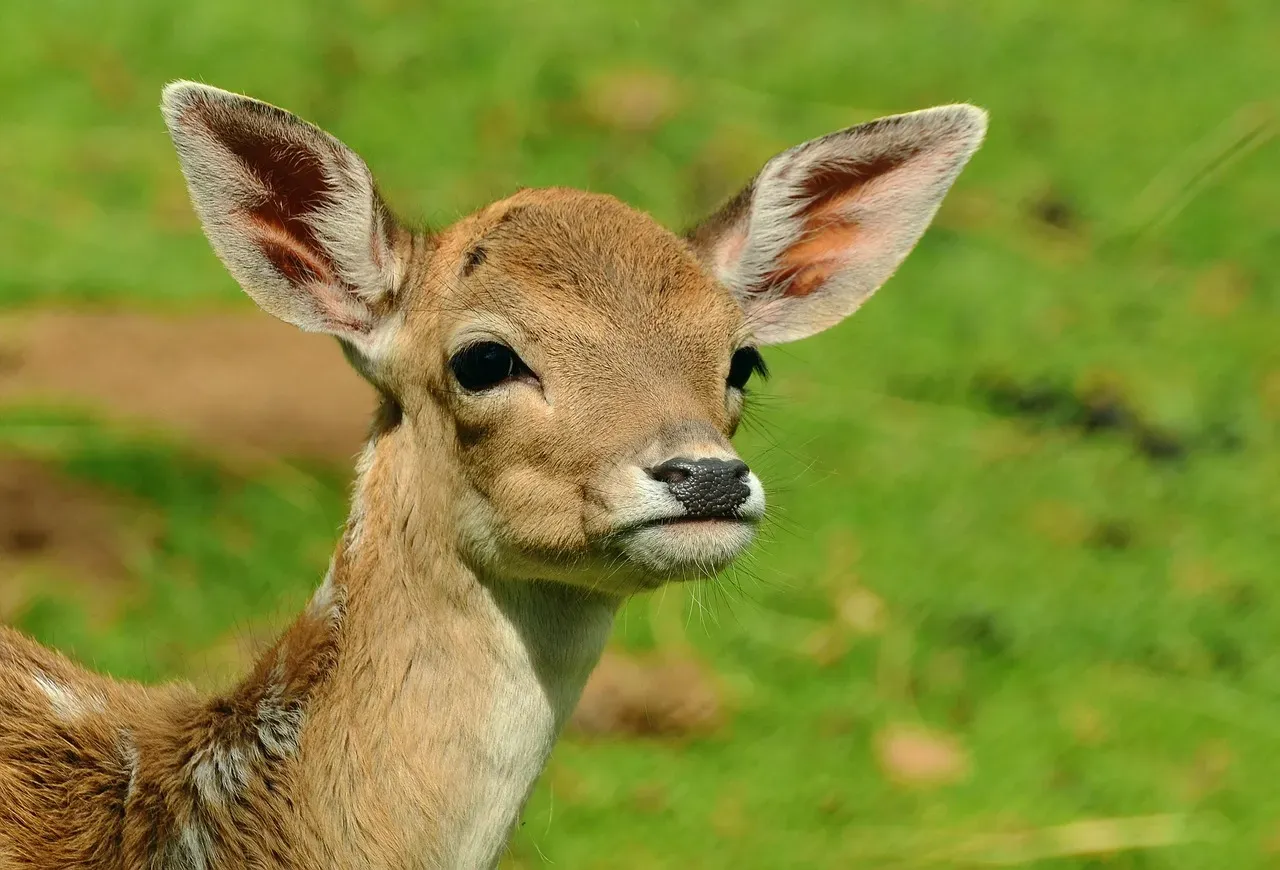
Many assume the deer is specifically watching the person inside, but the focus often centers on the light or reflection itself. The animal is not plotting or communicating in any human sense. Instead it follows patterns that once helped it evade wolves and mountain lions.
Seasonal factors such as rutting or food scarcity can increase nighttime activity and therefore these sightings. Weather and moon phase also influence when deer feel safest moving close to buildings. Understanding these layers prevents overinterpreting a single encounter.
What These Moments Reveal About Coexistence
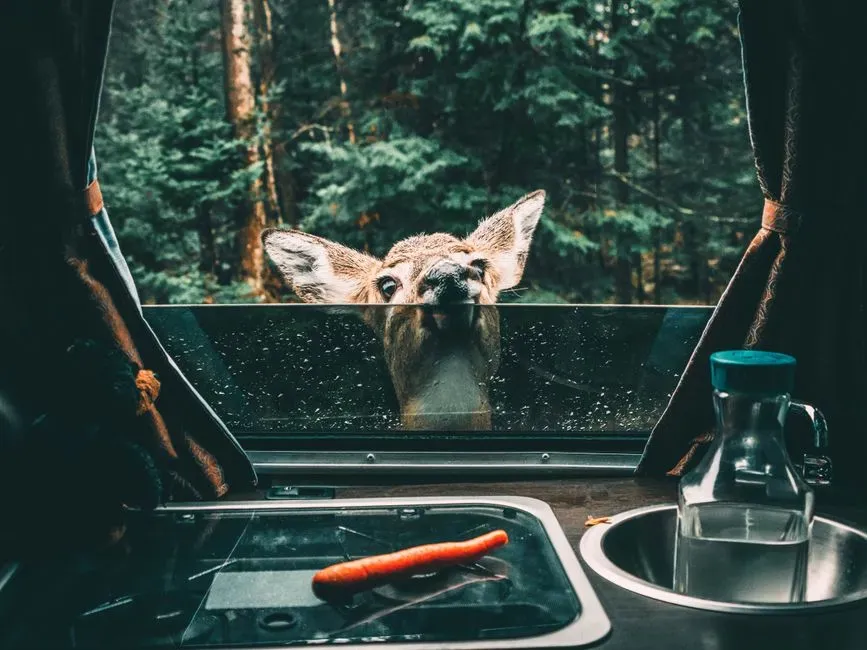
Seeing a deer at the window reminds us that wild instincts persist even in altered environments. The evolutionary freeze response still serves its purpose, even when the perceived threat is nothing more than a lit room. It encourages a quieter respect for the animals sharing our spaces.
Small changes like reducing outdoor lighting at night or keeping pets contained can ease these tense standoffs. In the end the surprise lies not in drama but in how ancient survival tools meet modern life without fanfare. Paying attention to these quiet visits fosters a more thoughtful balance between people and the creatures that pass through our yards.

- 16 Things a Dog Only Ever Does Around the One Human It Has Truly Chosen for Life - July 31, 2026
- Does It Snow in Arizona? Snowiest Places in The State - July 31, 2026
- How Bees Are Saving The Planet, One Flower At A Time - July 31, 2026