

You’ve probably seen it countless times. Your dog suddenly stops, cocks their head to one side, and gives you that irresistible look that melts your heart instantly. This charming behavior has captured the attention of dog owners for generations, yet the scientific community has only recently begun to unravel the mystery behind this endearing gesture.
While we might think our furry friends are simply trying to look adorable, the truth is far more fascinating. Research suggests that head tilting in dogs serves multiple purposes, from improving their hearing abilities to enhancing their understanding of human communication. So let’s dive into the captivating world of canine behavior and discover what science has revealed about this beloved quirk.
Enhanced Hearing and Sound Localization
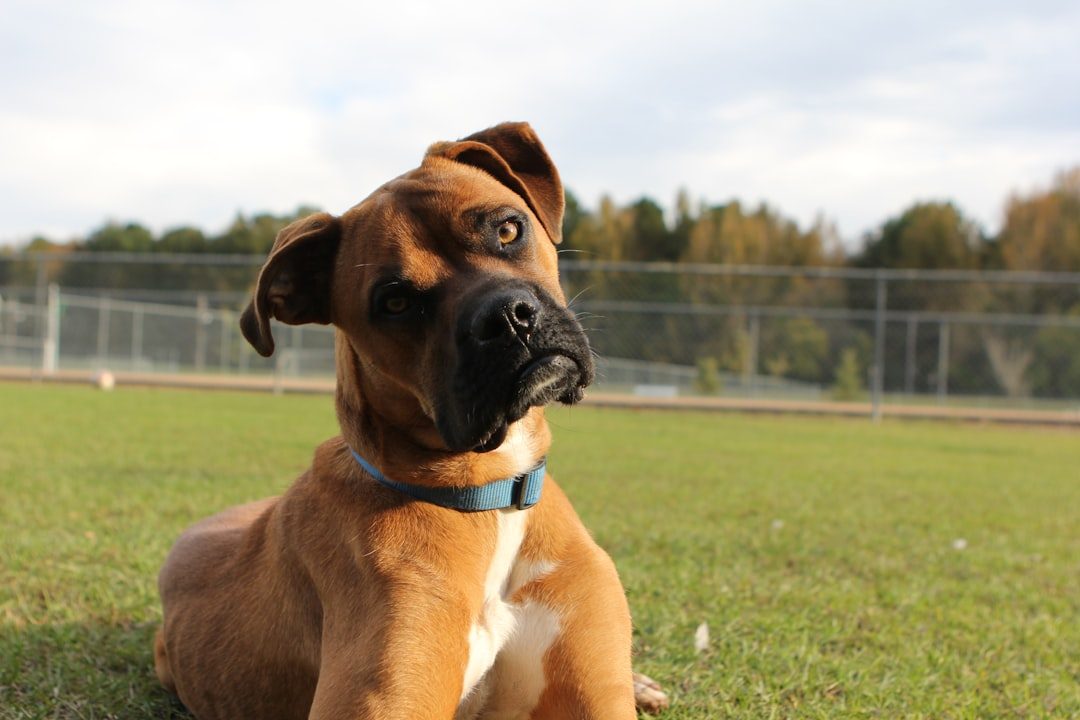
Dogs have a keener sense of hearing than people do and can detect frequencies and sounds that escape us. However, humans have an advantage over dogs in one regard: a person with normal hearing ability can detect a sound regardless of the direction from which it is initiated, while a dog’s directional hearing is more limited. When your dog tilts their head, they might be working to overcome this natural limitation.
Dogs have ear flaps that partially or completely cover the ear canal and serve as a barrier to sound transmission, so dogs must change their position to optimize sound detection. Luckily, the canine ear flap (pinna) is movable, so the dog can make the necessary adjustment to focus on the exact location of the sound. This physical adaptation helps explain why you often see your dog tilt their head when they hear something particularly interesting.
Think of it like adjusting a satellite dish to get better reception. Lots of different species will do this head tilt because that changes the angle that your ears are at, and now the sound is reaching one ear faster than the other. This slight timing difference helps your dog’s brain calculate exactly where that sound is coming from.
Visual Field Enhancement

To grasp how a long snout interferes with vision, hold a fist to your nose and look around. You must turn your head to see an object directly in front of you. Dogs do the same thing. They tilt their heads to work around their interfering muzzles and improve their visual perspective. This simple experiment reveals just how much a dog’s facial structure affects their world view.
That cute head tilt broadens the range of vision and allows a dog to more clearly see a person’s face. Seeing our facial expressions improves communication. Your dog might be tilting their head specifically to get a better look at your emotions and intentions, making them more effective at reading your mood.
It stands to reason that dogs with flatter faces, like bulldogs and Boston terriers, may tilt their heads less since their short noses do not get in the way as much as long muzzles. This observation supports the theory that snout length directly influences head-tilting behavior.
Cognitive Processing and Memory Recall

When asked to retrieve a toy, gifted dogs cocked their heads 43% of them time over dozens of trials, compared with just 2% of the time in typical dogs. That suggests the behavior might be a sign of concentration and recall in our canine pals. This groundbreaking research has opened new avenues for understanding canine intelligence.
These findings suggest that dog head-tilts are related to sounds the pets have learned to find important. “Dogs tilt their heads in a number of situations, but it seems that they do this only when they hear something that is very relevant to them.” Your dog isn’t just being cute; they’re actively processing information they consider significant.
In humans, when you remember a story or something, you tilt your head to the side, and you have this mental image of something in your mind. Probably it’s the same for dogs. This parallel between human and canine behavior suggests a deeper neurological connection than previously understood.
Brain Hemisphere Preferences

The animals even had a favored side, just like humans favor their left or right hand. This was consistent over months of recordings, regardless of where the owner was standing in relation to the dog. “If a dog was a left tilter, it would stay a left tilter.” This consistency indicates that brain lateralization plays a role in head-tilting behavior.
One study found that a canine head tilt makes it so sound is processed in a different side of the brain. A tilt with the left ear at center stage will send auditory signals to the brain’s right hemisphere, while a right tilt will send signals to the left hemisphere. Your dog might be choosing which side of their brain they want to use for processing specific information.
The side of the tilt was consistent in the gifted dogs across 24 months of tests, but the favored side differed from canine to canine. This suggests one side of the brain of each dog may favor the mental activity underlying head-tilting. Each dog develops their own neurological preference for information processing.
Learned Behavior and Positive Reinforcement

When dogs tilt their heads, we give them a good pat, speak in a kind tone, and smile. So, another reason that dogs may tilt their heads is because we teach them to do it by providing positive reinforcement. Our response to the head tilt encourages repetition, so the more we gush over the cute canine head tilt, the more we get to enjoy it. Your reaction might be training your dog to repeat this adorable behavior.
I think it might happen more often in certain dogs than others because it’s reinforced. I believe it is usually followed by a positive event, like ‘Do you want a cookie?’ or ‘Do you want a walk?’ or ‘Do you want to go in the car?’ Dogs are incredibly smart at recognizing patterns and learning what behaviors get them what they want.
Some dogs could have learned to tilt their heads as they do with other tricks. If the owner responds positively when the dog tilts the head and rewards it with treats or praise, he or she might be likely to repeat it. This creates a delightful cycle where both you and your dog benefit from the interaction.
Social Empathy and Communication
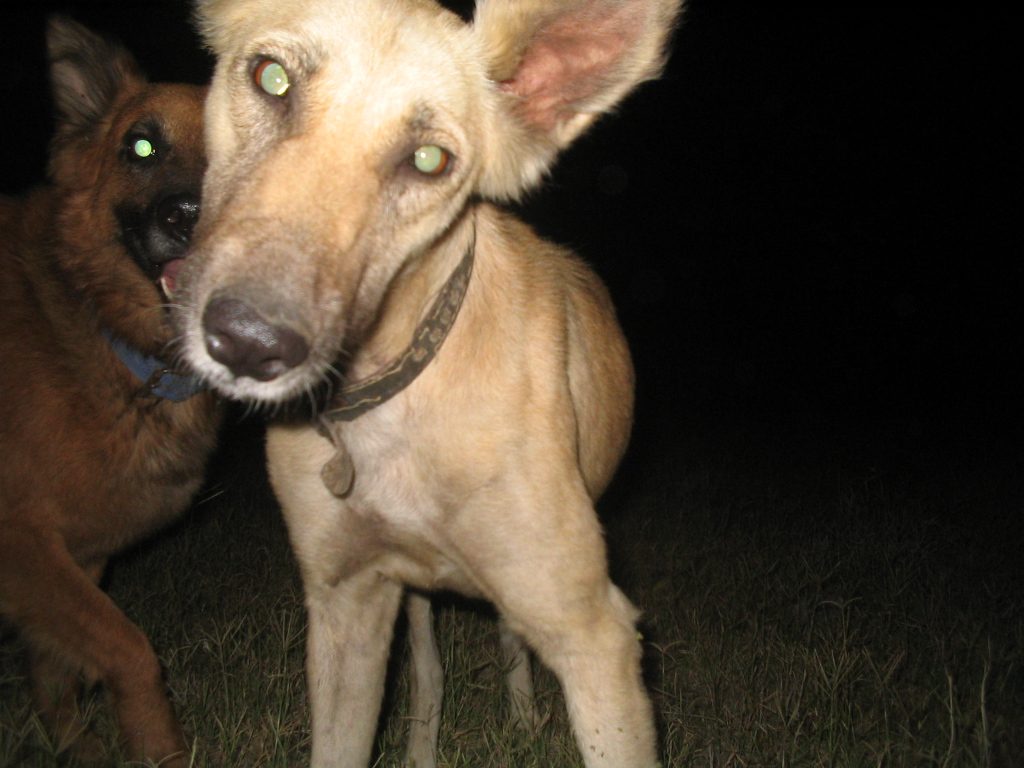
Research published in Biology Letters revealed that dogs have an impressive ability in understanding and reacting to human body language. So, the next time your dog tilts his head as you’re talking to him, he’s likely watching out for words or tone that he associates with certain activities like mealtime or play. What the research study laid out was that dogs who frequently tilt their heads could mean they are very empathetic. Your dog might be demonstrating their emotional intelligence through this simple gesture.
Conversely, socially apprehensive dogs were less likely to tilt their heads when spoken to. This suggests that confident, socially engaged dogs are more likely to display head-tilting behavior as part of their communication repertoire.
Your dog definitely understands certain things that you say regularly so they might tilt their heads to hear better, trying extra-hard to pick up one of their favorite words. Your dog might also tilt their head because they’ve heard a word that sounds similar to another word they know but it doesn’t sound exactly the same, and they may be a bit puzzled. They’re actively working to decode your verbal communication.
Medical Conditions and Warning Signs
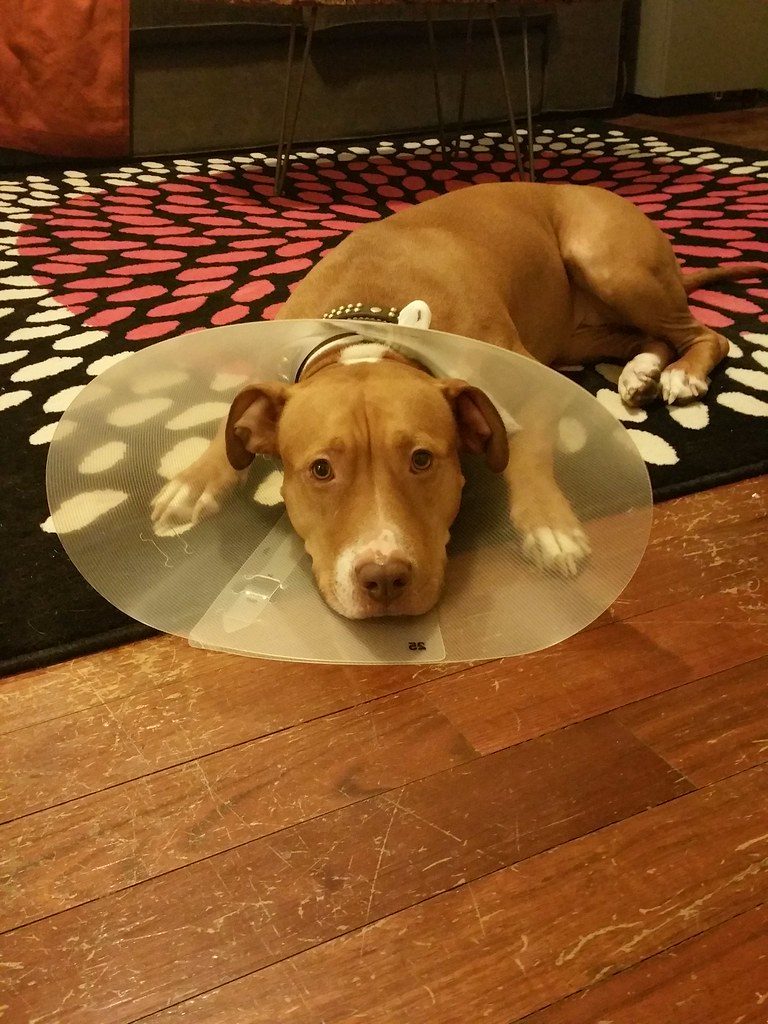
A consistent head tilt that is not associated with communication may indicate a medical problem. Infections of the external ear canal caused by bacteria or yeast may cause pain, itching, and the occasional head tilt. Middle ear infections are more serious and are often accompanied by a more persistent head tilt. Understanding when head tilting becomes concerning is crucial for your dog’s health.
Causes of vestibular disease include middle ear or inner ear infections; drugs that are toxic to the ear; trauma or injury; tumors; and hypothyroidism. When no specific cause is found, the condition is called idiopathic vestibular syndrome. These medical conditions require immediate veterinary attention to prevent permanent damage.
Most dogs will be reluctant to walk or stand and will often fall or lean in the direction of the head tilt. If your dog tilts their head when there is no auditory stimulation, take them to your veterinarian. Distinguishing between normal and abnormal head tilting can save your pet from serious complications.
The Remarkable Intelligence Behind the Gesture
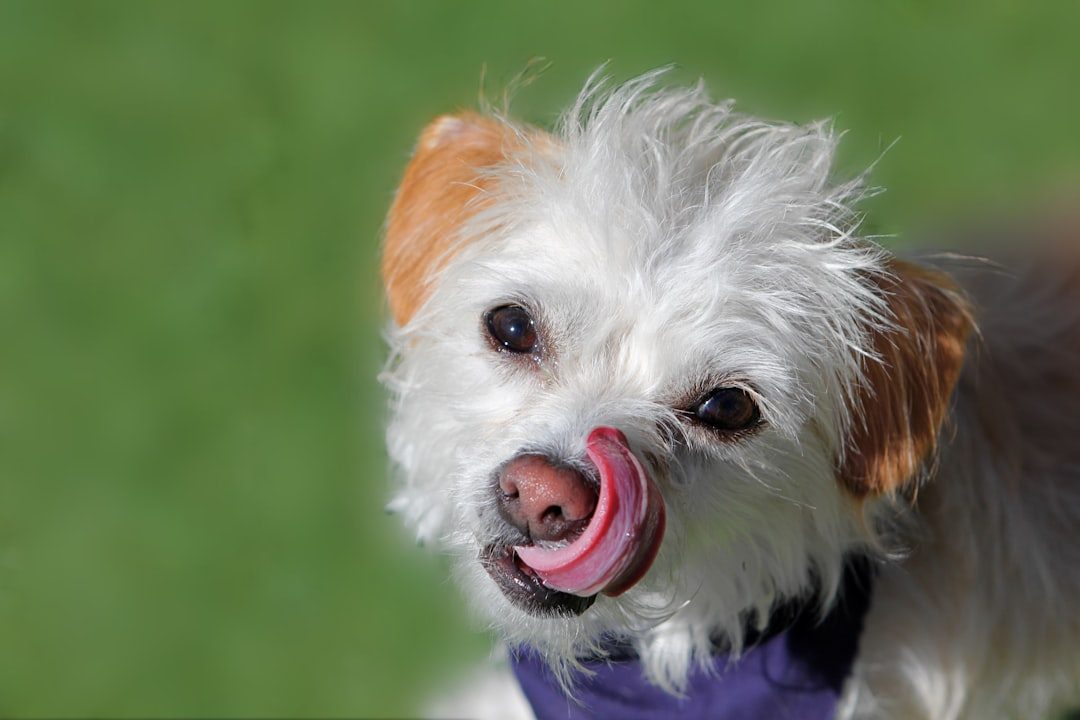
The team thinks it could be linked to mental processing – a sign of high attentiveness or concentration in the gifted dogs. It seems that this behavior is strongly associated with sound perception, and it might be something they do when they’re trying to listen more closely, or maybe when they are a bit confused, just like humans do. This research reveals that head tilting represents sophisticated cognitive processing rather than mere instinctive behavior.
It’s possible that a pup’s endearing head tilt may be a sign of paying attention or even matching a name to a visual image in their head. For now, dog owners can take comfort in knowing their pup’s head tilt may be an adorable attempt to better understand us. Your dog’s head tilt represents their genuine effort to connect with you on a deeper level.
The more we learn about this behavior, the more impressive our canine companions become. While not every dog exhibits this behavior, they did find a correlation between Gifted Word Learners and head tilts. These dogs were also proven to learn various names for one object with an understanding that they all referred to the same item. Another hypothesis related to the tilt and understanding is that it helps dogs connect a sound and a visual memory in the brain. This suggests that head tilting might actually be a marker of advanced canine intelligence.
Conclusion
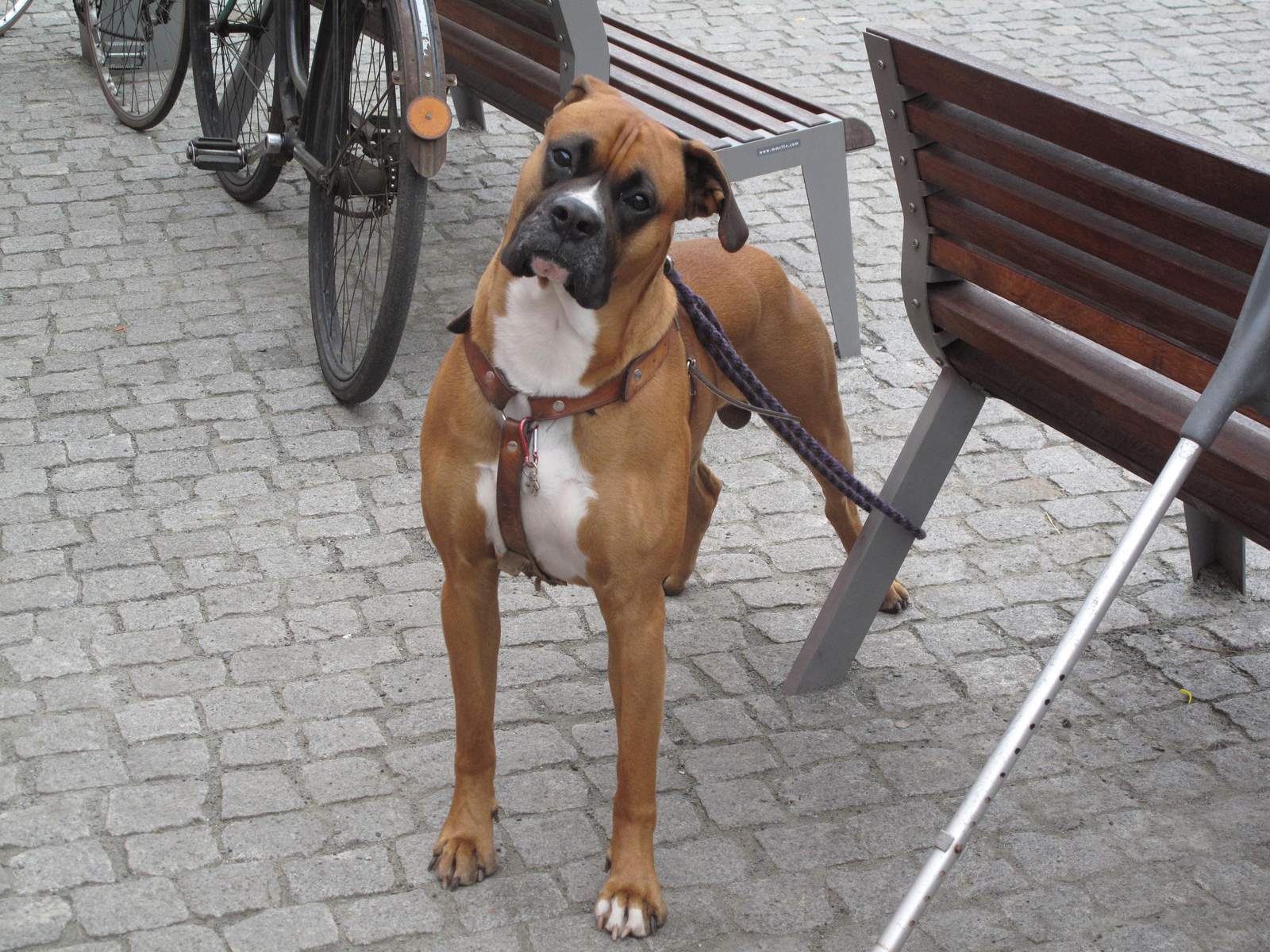
The next time your dog tilts their head at you, remember that you’re witnessing a complex interplay of anatomy, neuroscience, and social intelligence. Whether they’re trying to hear you better, see your face more clearly, process important information, or simply because they’ve learned it makes you happy, this charming behavior represents the remarkable bond between humans and dogs.
From enhancing their sensory perception to demonstrating their cognitive abilities, head tilting showcases just how sophisticated our four-legged friends truly are. It’s a reminder that behind those adorable eyes lies a mind constantly working to understand and connect with us in the most endearing ways possible.
What do you think about your dog’s head tilting now that you know the science behind it? Does it make you appreciate this sweet gesture even more?

- 23 Things Hospice Vets Wish Every Family Knew Before a Dog's Final Weeks - July 14, 2026
- 15 Most Beautiful Libraries in The World - July 14, 2026
- The American Bison’s Comeback Story Is a Testament to Conservation Success - July 14, 2026