

Bowerbirds are a group of around 20 bird species native to Australia and New Guinea, famed for their unique courtship behavior. While most male birds use colorful plumage or elaborate songs to attract potential mates, male bowerbirds have taken a different evolutionary path. They are renowned for their architectural skills, crafting intricate structures known as bowers to woo female bowerbirds. One intriguing aspect of their courtship display is their penchant for decorating these bowers with found objects, particularly items that are blue. But why blue? The answer lies in a combination of natural aesthetics, evolutionary biology, and competitive signaling.
Understanding Bowers
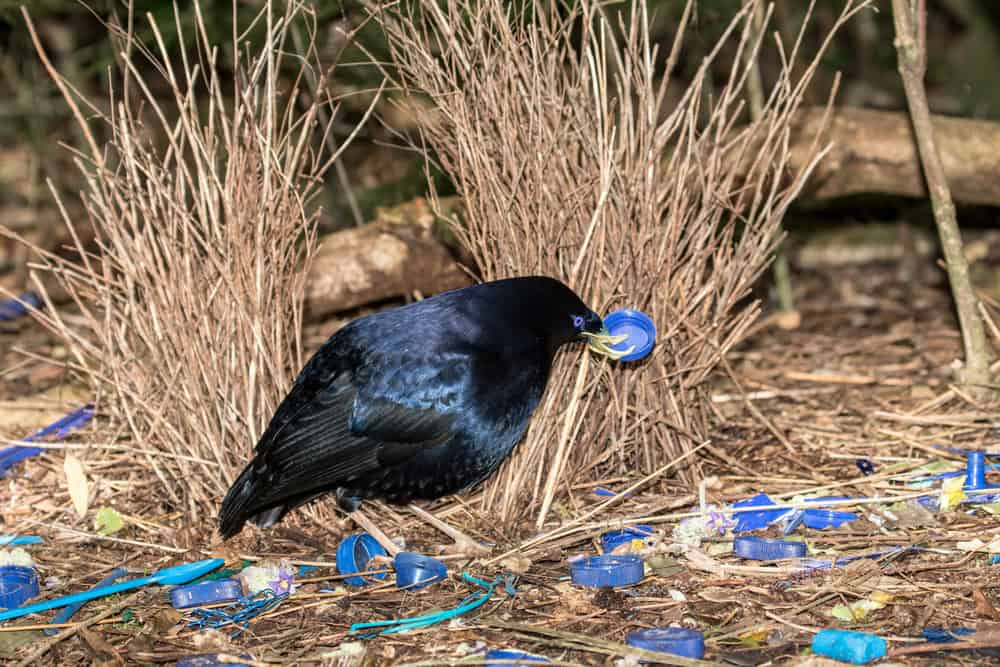
Before delving into why bowerbirds favor blue, it’s important to first understand what a bower actually is. Unlike nests, which serve as homes for birds to raise their young, bowers are purely courtship venues. These structures are carefully constructed by male bowerbirds using twigs, grasses, and other natural materials. The designs of bowers vary among different species, ranging from simple mats to intricate towers and avenue-like constructions. Regardless of the design, the purpose is the same: to create an attractive display that will entice a female to choose the bower’s architect as her mate.
The Role of Decoration in Courtship
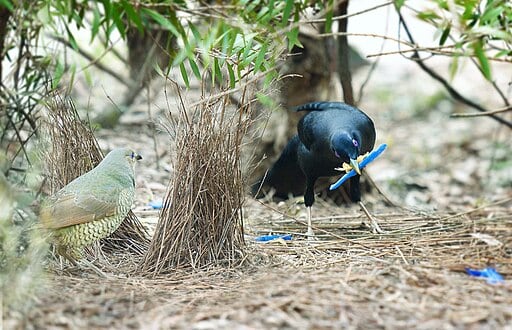
Decorating the bower is a critical part of the male’s strategy to attract a mate. This is where bowerbirds differentiate themselves from many other avian species. Male bowerbirds collect various objects—such as shells, stones, and bits of plastic—but show a marked preference for blue items. Once collected, these objects are meticulously arranged around or inside the bower to enhance its appeal. Research suggests that the quality and quantity of decorations can significantly influence a female’s choice, making the effort to gather these items a critical aspect of the male bowerbird’s reproductive success.
The Fascination with Blue

The preference for blue objects is one of the more fascinating aspects of bowerbird behavior. Studies suggest several reasons for this predilection. Firstly, blue can be a rare color in natural environments, thereby possibly signaling wealth of resources or superior fitness. By choosing a mate who can secure such rare items, females might be indirectly selecting for genetic traits that contribute to resourcefulness and survival skills.
Additionally, the color blue may provide an aesthetic contrast with the browns and greens of the natural environment, making the bower—and by extension, the male—more noticeable. Blue objects can catch the light in a particular way, enhancing the bower’s visibility from a distance and drawing in potential mates. This visual appeal could be a cue for females assessing the quality of a potential mate, thereby having evolutionary implications for mate selection.
Evolutionary Significance and Selection
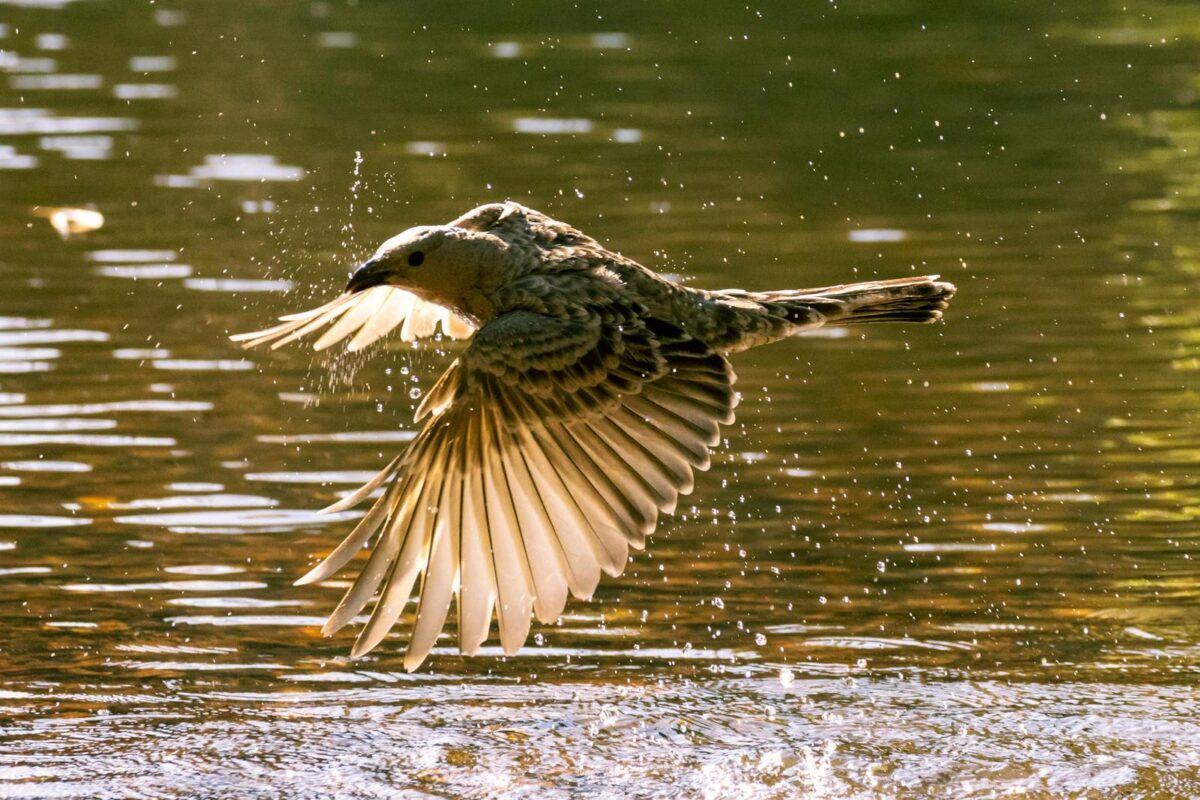
The selection of blue items can be seen as a form of sexual selection at work. Female bowerbirds, exercising mate choice, drive males to evolve increasingly sophisticated displays. The males’ efforts to acquire and arrange these objects demonstrate their fitness and adaptability, traits that are advantageous for survival. Over generations, these preferences and behaviors shape the evolution of bowerbird courtship rituals.
Blue objects might not be universally preferred across all bowerbird species, illustrating the adaptive nature of this behavior. Variations in environmental factors, availability of materials, and specific species characteristics can lead to different preferences in bower decoration, making the study of these birds a dynamic field for evolutionary biologists.
Conclusion
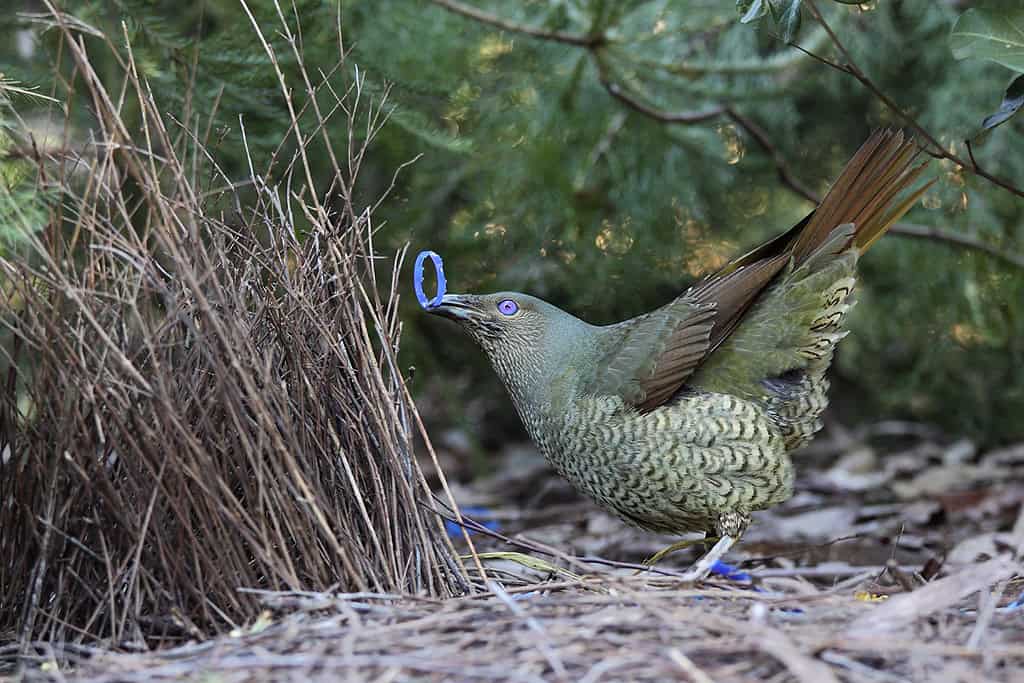
Male bowerbirds’ decoration of their bowers with blue objects is a complex behavior with roots in evolutionary biology and sexual selection. By choosing blue items to adorn their carefully constructed bowers, these birds engage in a sophisticated courtship display that influences female mate choice and drives evolutionary change. This spectacle not only highlights the diversity of avian courtship strategies but also underscores the intricate ways in which animals communicate and compete for reproductive success. Understanding these behaviors enriches our appreciation of animal diversity and the evolutionary processes that shape their lives.

- 10 Most Famous Ghost Towns in The USA - July 28, 2026
- Why Gardening Is an Ideal Hobby for Zodiac Earth Signs - July 28, 2026
- The 12 Deadliest Animals in Minnesota - July 28, 2026