


Sharks have always been creatures of intrigue with their ancient lineage, formidable presence, and crucial role in marine ecosystems. Among the many wonders of the deep sea is the fascinating phenomenon of bioluminescence. While it might seem like the stuff of science fiction, certain shark species possess the extraordinary ability to glow in the dark. This mysterious trait raises questions about why and how these majestic animals illuminate the ocean depths. Join us as we dive into the captivating world of bioluminescent sharks.
Understanding Bioluminescence

Bioluminescence is a natural phenomenon where living organisms produce light through a chemical reaction within their bodies. This ability is widespread among deep-sea creatures, including jellyfish, comb jellies, and some fish. The light production typically involves the molecule luciferin reacting with oxygen, catalyzed by an enzyme called luciferase. This reaction results in the emission of light with little to no heat, hence the term “cold light.”
Sharks That Glow: An Overview

The most well-known bioluminescent sharks are the lantern sharks, including the blackbelly lanternshark and the velvet belly lanternshark. These deep-sea dwellers are found at depths where sunlight barely penetrates, and their glowing capabilities are vital for survival in such a dark environment.
How Do Sharks Produce Light?

Bioluminescent sharks have light-producing cells called photophores on their bodies. These tiny organs contain luminescent compounds that facilitate the light-emitting chemical reactions. The distribution and density of photophores vary among species, playing different roles depending on the ecological needs of the shark.
The Role of Camouflage
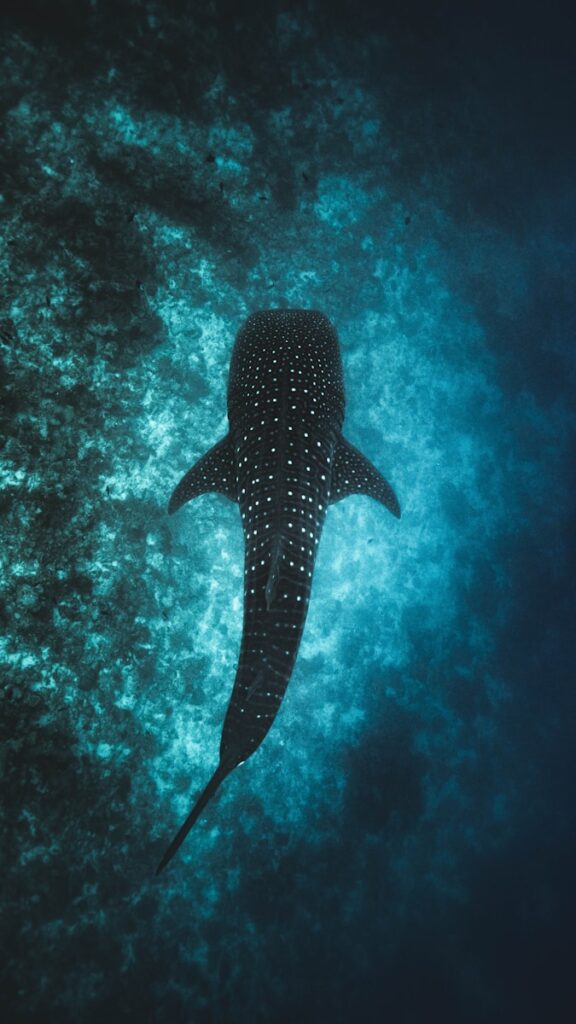
One of the primary reasons sharks use bioluminescence is for camouflage. In a strategy known as counter-illumination, these sharks can match the faint light filtering down from above, rendering them nearly invisible when viewed from below. This helps them evade predators and sneak up on prey in the abyssal waters.
Social Communication Among Sharks

Sharks might also use their glow for social signaling. The specific patterns of illumination produced by their photophores could communicate information about species identity or mating readiness. Though research in this area is still developing, it’s a promising field for understanding shark behavior.
The Role in Predatory Behavior
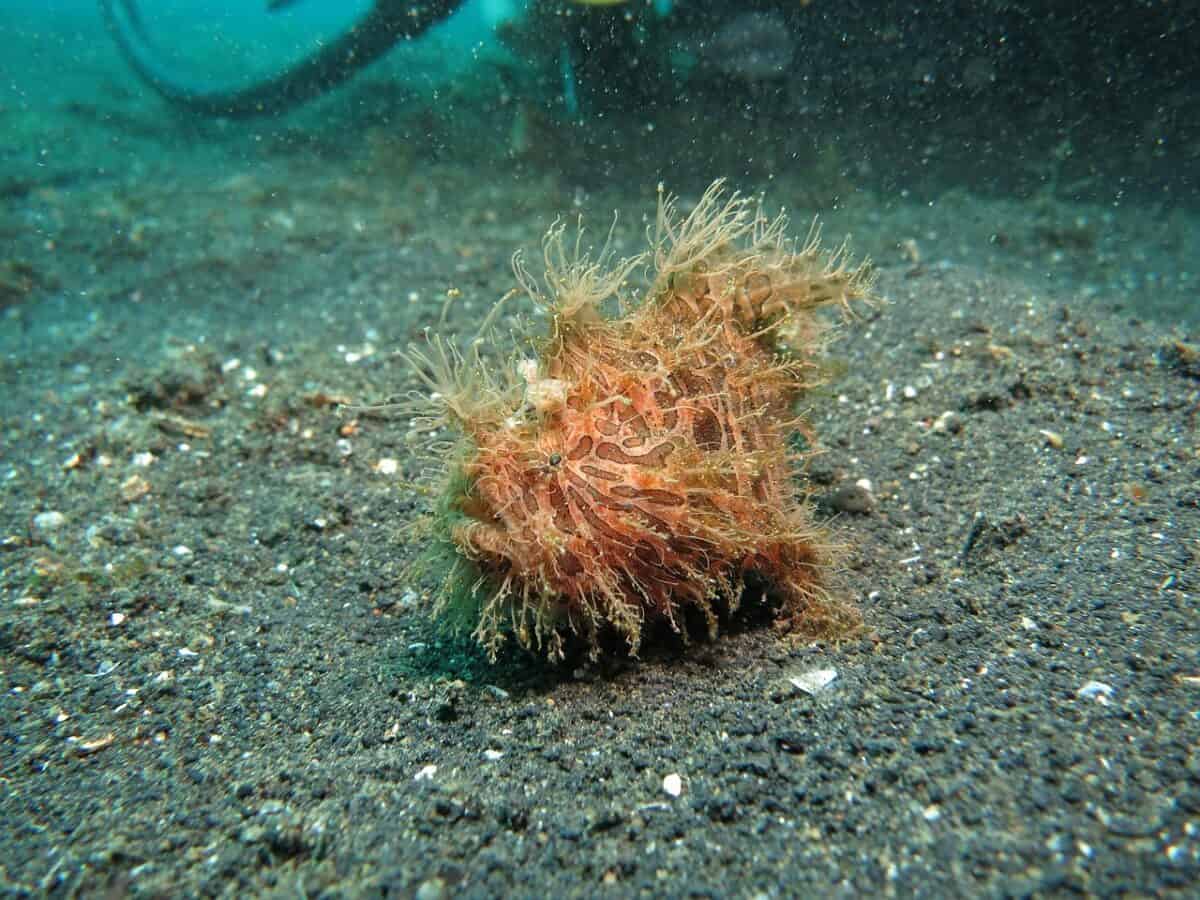
Some bioluminescent sharks might use their glow to lure prey closer. The light can attract small organisms that feed on the planktonic creatures that the sharks prey upon. Although this behavior is less documented, it mirrors the tactics seen in other bioluminescent marine animals like the anglerfish.
Adaptation to Deep-Sea Environments

The deep sea is a challenging environment, pushing species to adapt uniquely. Bioluminescence in sharks serves as a testament to evolutionary ingenuity, offering solutions to the lack of light and the need for stealthy navigation and interaction within their dark, high-pressure world.
Research Methods in Understanding Shark Bioluminescence

Scientists employ a range of techniques to study bioluminescent sharks, from underwater photography to genetic analysis. Advancements in technology, such as remotely operated vehicles (ROVs) and in-lab simulations of deep-sea conditions, enable researchers to observe these elusive creatures in their natural habitat while minimizing disturbance.
Challenges in Studying Bioluminescent Sharks

Researching deep-sea sharks is fraught with difficulty due to the inaccessibility of their habitats and their often elusive nature. This makes every discovery precious and significant, contributing valuable insights into the biodiversity of the oceanic abyss.
Conservation Status and Bioluminescent Sharks

Like many marine creatures, bioluminescent sharks face threats from habitat destruction and overfishing. Understanding their ecological role and the significance of their bioluminescence can bolster conservation efforts, highlighting their importance in ocean ecosystems.
The Fascination with Bioluminescent Creatures

The allure of glowing creatures isn’t just scientific—it’s deeply ingrained in our culture, inspiring stories of sea monsters and illuminated seas. Bioluminescent sharks contribute to this mystique, captivating the imagination of ocean lovers and researchers alike.
The Future of Bioluminescent Shark Research

There is still much to learn about the bioluminescent abilities of these sharks. Continued research promises to unlock new understanding of the mechanisms behind their glow and the ecological functions it serves. This knowledge could even inspire future technological innovations, such as bio-inspired lighting solutions.
In summary, the bioluminescence of sharks is a remarkable adaptation that showcases the wonders of evolution. From providing camouflage and aiding communication to contributing to our understanding of marine biology, lit-up sharks remain a subject of endless fascination. As we uncover more about these dazzling denizens of the deep, we gain a greater appreciation for the complexity and splendor of life beneath the waves.

- How Otters Use Tools — And What It Reveals About Animal Intelligence - August 1, 2026
- Why You Should Stop Declawing Cats for Good - August 1, 2026
- 15 Amazing Facts About Parrots That Will Blow Your Mind - August 1, 2026