

There’s something oddly moving about waking up to find your cat settled on your chest, purring softly, completely unbothered by the world. It feels like a compliment. Probably because it is one.
Cats often choose to rest on their human’s chest as a way to bond, seek comfort, and feel safe. It’s one of the clearest signs of affection and trust a cat can show. Still, it’s worth understanding what’s actually driving this behavior, because there’s considerably more going on beneath those soft, kneading paws than a simple preference for a cozy nap spot.
Your Heartbeat Is Doing More Than You Think
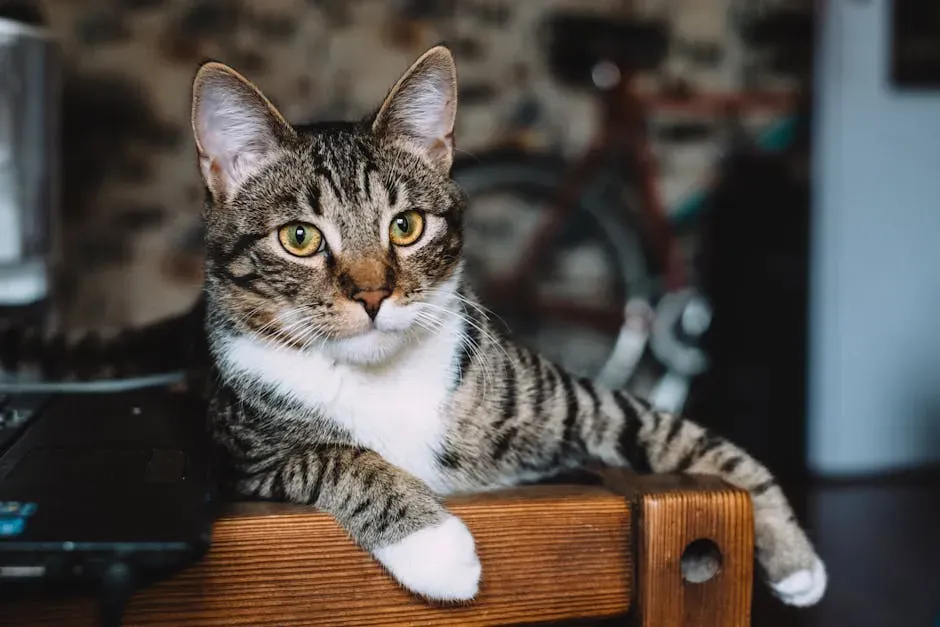
Cats are highly sensitive to rhythmic sounds, and few things are as calming as the steady thump of a heartbeat and the gentle rise and fall of breathing. Much like how newborn kittens seek the warmth and heartbeat of their mother, adult cats may find similar comfort in their human.
The rhythm of your heartbeat can be linked to the bonds cats formed with their mothers and siblings as kittens. Sleeping on your chest could remind them of those early, secure experiences. The sound of your heartbeat helps to keep them calm and at ease.
When a cat chooses to sleep directly on you, especially in vulnerable positions like your chest or stomach, it means they feel completely safe. The rhythmic sound of your heartbeat and breath provides comfort similar to that of a mother cat’s purring. This is a deeply instinctual response, not a learned one. It echoes the very first source of security a cat ever knew.
The Warmth Factor: Practicality Meets Affection
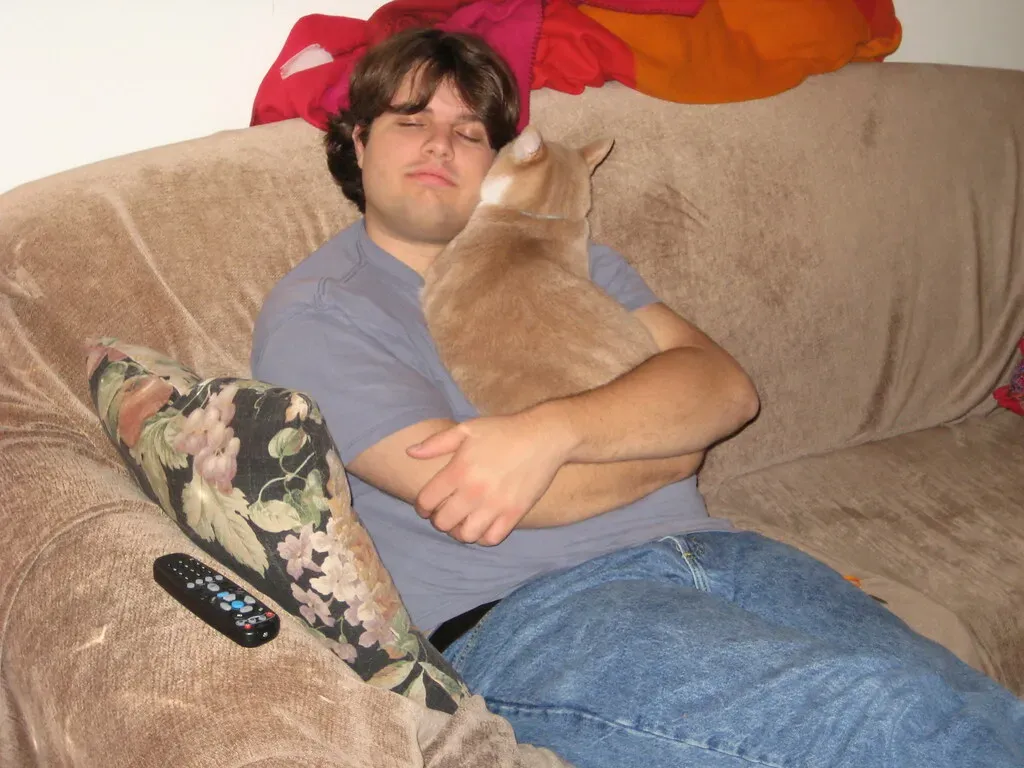
Cats have a higher resting body temperature than humans, and they instinctively seek out warmth to conserve energy. Curling up on your chest helps them maintain their ideal body temperature without expending much effort. This behavior stems from their wild ancestors, who slept together in groups to share body heat and stay safe.
According to the Journal of Feline Medicine and Surgery, cats are more likely to choose warm areas for resting to maintain their optimal body temperature between 100.5°F and 102.5°F. Your chest, with its steady radiant warmth, ticks that box perfectly.
The human torso provides natural body heat better than any electrical blanket or bed, keeping muscles, tendons, and joints supple ready for activity following a lengthy snooze. So while it feels purely affectionate, your cat is also being quietly strategic. The two motivations are not mutually exclusive.
Trust, Territory, and the Language of Scent
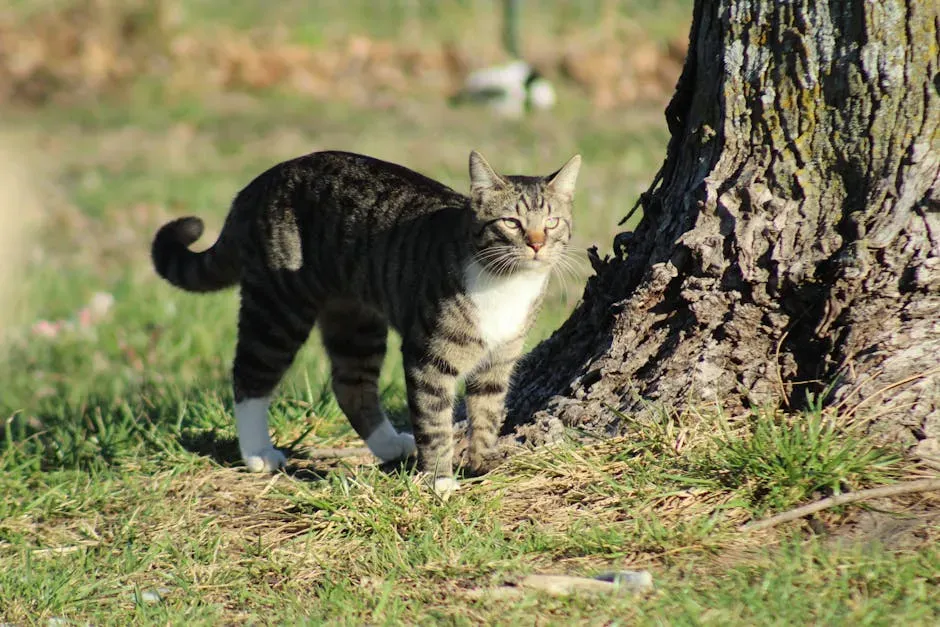
For a cat to sleep on its owner’s chest, it must feel an extraordinary level of trust. This act of sleeping in such a vulnerable position, exposed and dependent on the owner for safety, underscores the depth of the feline-human connection. It suggests that the cat not only feels comfortable but also secure in its owner’s presence, enough to let its guard down and indulge in rest.
Cats have scent glands on their faces, near their cheeks and lips, which they use to mark their territory. By rubbing their faces on their owner’s chest or sleeping in close proximity, cats may be leaving their scent behind, effectively claiming their owner as part of their territory. This marking behavior reinforces the cat’s sense of ownership and security.
This form of territorial behavior isn’t possessive in a negative sense. It’s actually a sign of affection and inclusion. Your scent comforts your cat, and in turn, their scent signals to other animals that this human is theirs. It’s a quiet, mutual declaration of belonging.
The Hormonal Bond: Oxytocin and Emotional Attachment
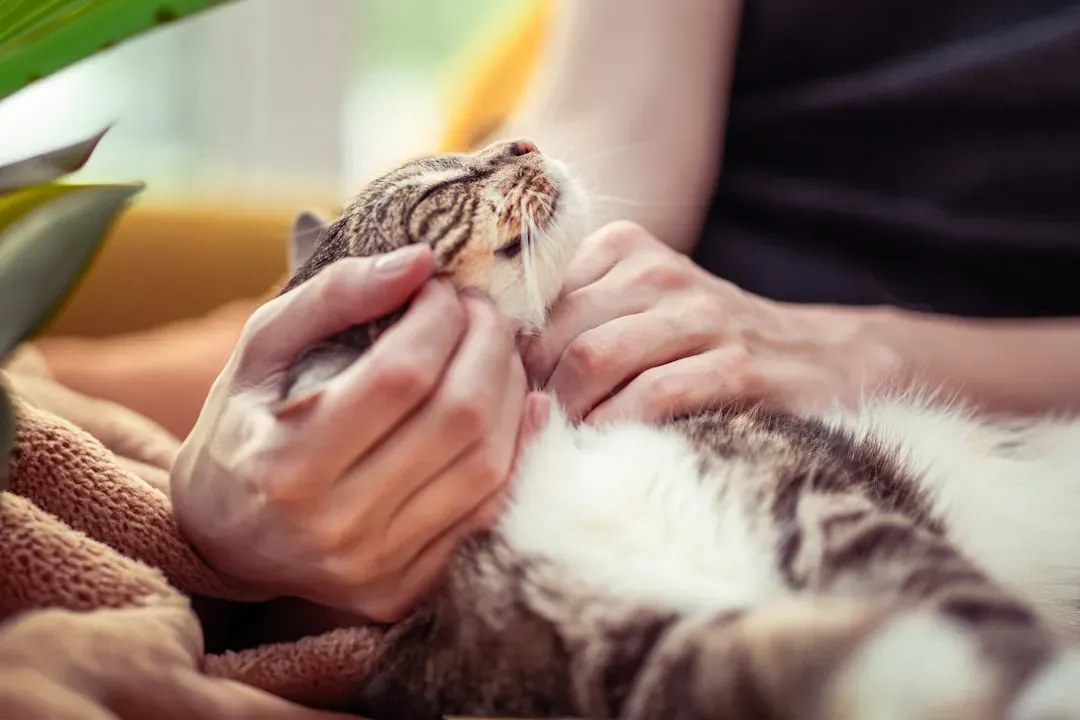
According to a recent study published in Frontiers in Veterinary Science, oxytocin functions not just to reduce stress but also promotes positive interactions when cats are in close contact with their owner. This is the same hormone associated with maternal bonding and social attachment in mammals broadly.
Sleeping on the chest can be a manifestation of the cat’s desire for closeness and affection. Cats often use physical contact as a way to express and receive affection, and sleeping on the chest allows for prolonged, intimate contact. This closeness can stimulate the release of oxytocin, often referred to as the “love hormone,” which plays a crucial role in bonding and social attachment.
A 2019 Oregon State University study found that roughly two thirds of cats display secure attachment to their owners, explaining why they seek proximity during their most defenseless hours. Research shows securely attached cats experience oxytocin increases during positive interactions, though the effect is less pronounced than in dogs. The bond is real, even if cats express it on their own quietly confident terms.
When Behavior Shifts: What to Watch For and How to Respond
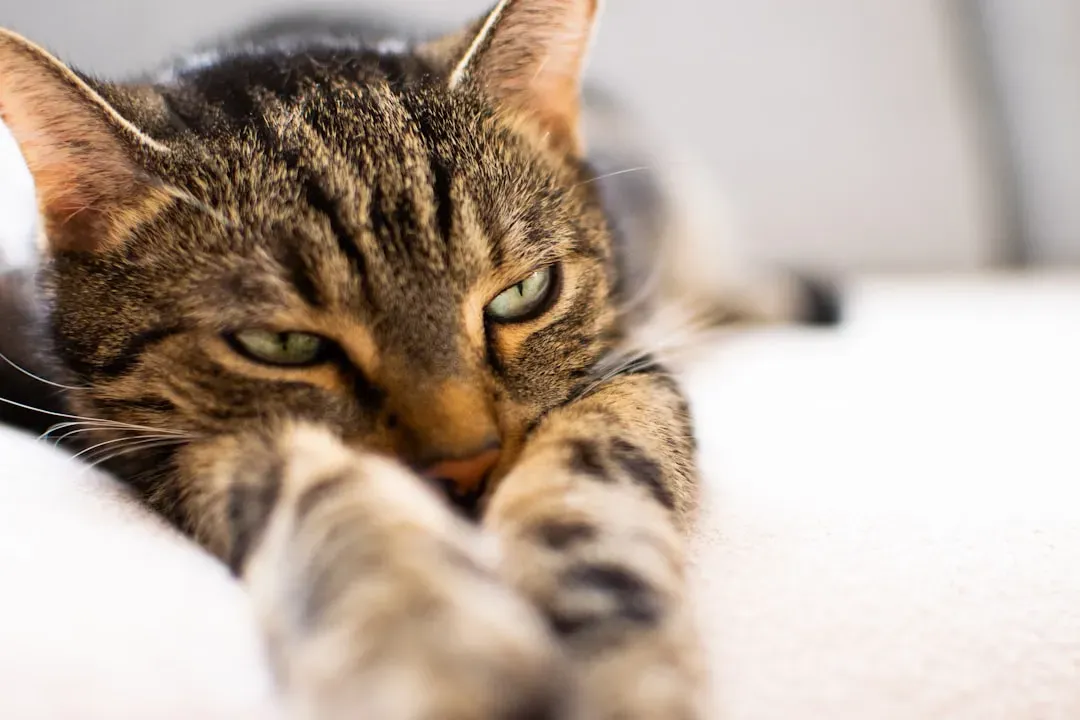
Cats thrive on consistency. A change in their environment, such as new furniture, moving homes, the introduction of a new pet, or even an altered work schedule, can make them feel insecure. Sleeping on you becomes a coping mechanism, a way to re-establish stability and reassurance.
If your cat suddenly changes their sleeping habits, like refusing to sleep on you anymore or becoming unusually clingy, it could signal stress or discomfort. Behavioral shifts can sometimes reflect changes in their environment or health. Neither extreme should be dismissed without consideration.
If your cat’s nighttime snuggles keep you awake, gently redirect them to another cozy spot nearby. Placing a warm blanket or a soft bed close to where you sleep can encourage them to settle there. Cats appreciate routine, so consistency will help them adjust. Boundaries can coexist with affection. Your cat will adapt, especially if the alternative is still comfortable and smells like you.
Conclusion: A Small Gesture That Speaks Volumes
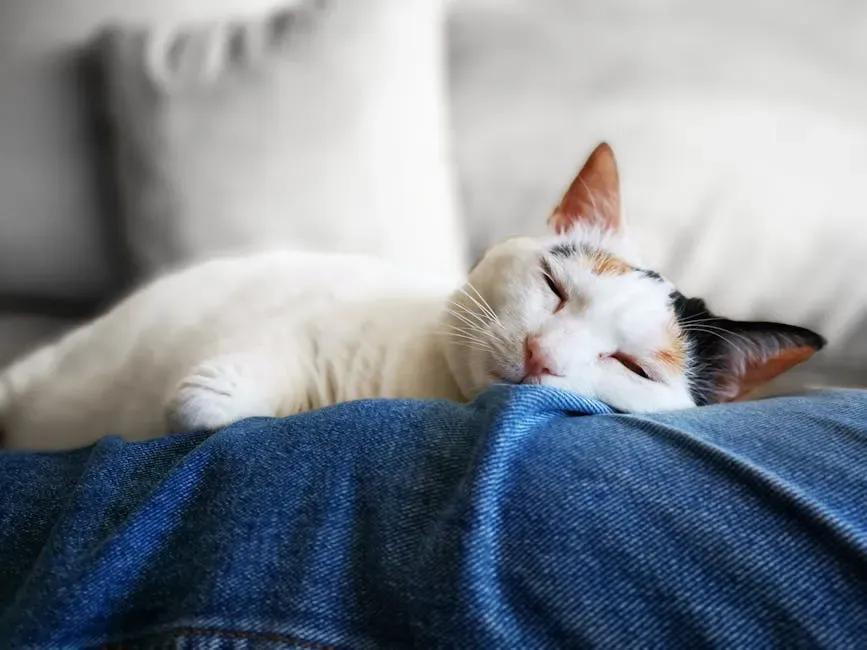
Cats are famously difficult to read, which is part of what makes this particular behavior so worth understanding. Choosing your chest isn’t random. It’s a convergence of instinct, comfort, trust, and genuine emotional attachment, all expressed through the simple act of staying close.
Your cat lying so close to you, showing their vulnerability, is the ultimate sign of trust. Sleeping together can be a wonderful way for you and your cat to bond. When they sleep on you, they are showing you deep trust and affection.
There’s a quiet kind of communication happening every time your cat settles on your chest. They aren’t asking for much. They’re just telling you, in the only language they have, that you’re exactly where they want to be.

- 10 Most Horrifying Looking Creatures That Reside in The Deep - June 26, 2026
- What It Means When a Cat Waits For You By The Door - June 26, 2026
- 6 Tips For Volunteering, Adopting, and Caring For Rescue Dogs - June 26, 2026