

Elephants are known for their remarkable intelligence and complex social structures, but perhaps one of their most fascinating behaviors is their response to death. Unlike most animals, elephants show a profound interest in the remains of their deceased kin, often returning to visit skeletal remains years after death. This behavior has captivated researchers and wildlife enthusiasts alike, as it suggests a level of awareness regarding mortality that few other species demonstrate. This article explores the fascinating phenomenon of elephant grave visitation, examining the science, emotional complexity, and evolutionary significance behind this remarkable behavior.
The Discovery of Elephant Mourning Behavior

The first documented observations of elephants showing interest in their dead occurred in the 1960s when researchers began to notice patterns in how elephant herds responded to deceased members. Pioneering elephant researcher Cynthia Moss recorded numerous instances where elephant families would gather around fallen herd members, touching the body with their trunks and feet, sometimes covering it with branches and dirt. As field research expanded, scientists documented that this behavior extended beyond the immediate aftermath of death – elephants would return to the sites where herd members had died, even years later when only bones remained. This discovery challenged previous understanding of animal cognition and raised profound questions about elephants’ perception of mortality.
Recognizing Family Members’ Remains

Research has shown that elephants can recognize the bones of their own species, distinguishing them from other large mammals’ remains. In controlled experiments conducted by Karen McComb and her team, elephants showed significantly more interest in elephant skulls than in similar-sized skulls from other animals like rhinoceros or buffalo. Even more remarkably, elephants appeared to show particular attention to the remains of family members versus unrelated elephants. This suggests an ability to recognize individual identity even after death, perhaps through scent cues that remain on bones long after decomposition. The tusks, with their distinctive shapes and markings, may also serve as identification markers that help elephants recognize specific individuals even years after death.
The Ritual of Bone Visits
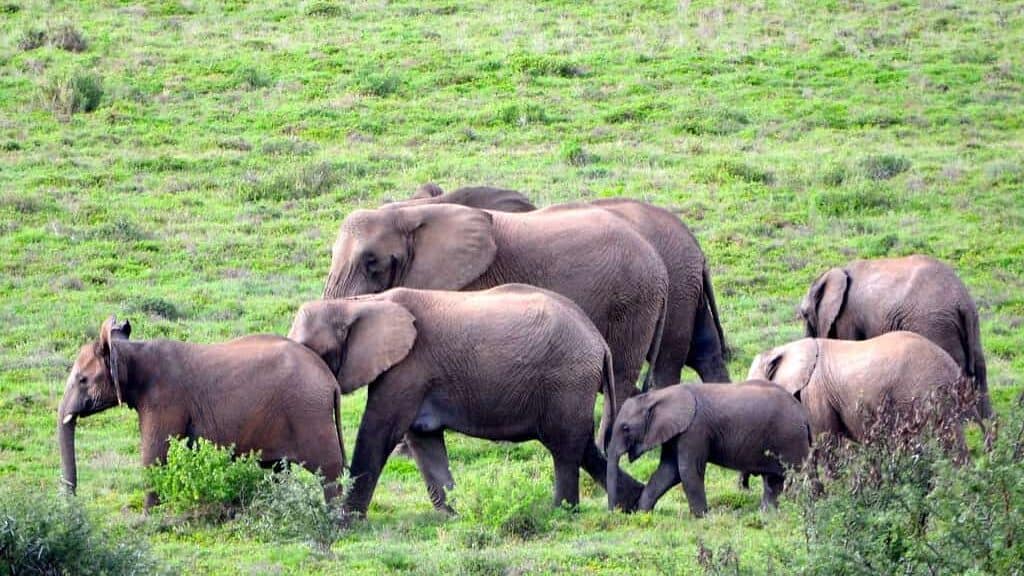
When elephants encounter the remains of their dead, they engage in what appears to be ritualistic behavior. They will often fall silent and approach the bones slowly, extending their trunks to touch and examine each element. They may pick up smaller bones and pass them from trunk to trunk among family members. These interactions can last for hours, with elephants gently caressing the bones, especially the skull and tusks. Some observers have documented elephants covering remains with branches, grass, and dirt in what appears to be a primitive form of burial. The consistency of these behaviors across different elephant populations suggests they serve an important function in elephant society rather than being random curiosity.
Emotional Complexity and Grief

The emotional lives of elephants are remarkably complex, with many researchers suggesting their response to death mirrors aspects of human grief. Elephants have been observed standing vigil over dying companions, attempting to lift fallen herd members, and emitting low-frequency vocalizations associated with distress. When visiting bone sites, they often become subdued, touching the remains gently with their trunks and feet. Physiological measurements taken during these encounters show elevated stress hormones, suggesting an emotional response. While scientists are careful not to anthropomorphize these behaviors, the similarities to human grieving processes are striking and indicate that elephants experience some form of emotional response to death that persists long after the actual event.
Memory and Death Awareness
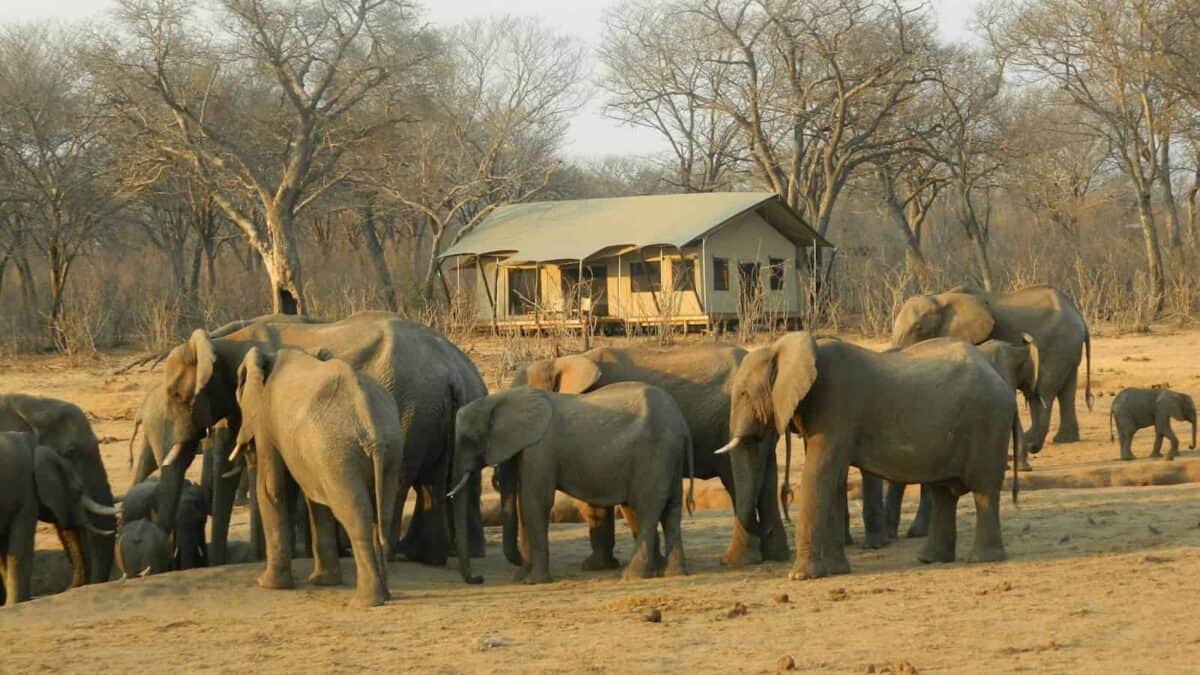
Elephants possess exceptional memory capabilities, with matriarchs able to remember migration routes, water sources, and threats over decades. This cognitive ability extends to their social relationships, as they recognize hundreds of individuals throughout their lives. When it comes to death, this memory appears to play a crucial role. Elephants can identify bone sites of deceased herd members years later, suggesting they maintain mental representations of individuals after death. Some researchers propose that elephants possess a rudimentary understanding of death’s permanence, as evidenced by their changed behavior toward deceased individuals versus temporarily absent ones. While we cannot know precisely what elephants comprehend about mortality, their behavior suggests a level of death awareness that exceeds that of most non-human animals.
Evolutionary Advantages of Bone Visitation
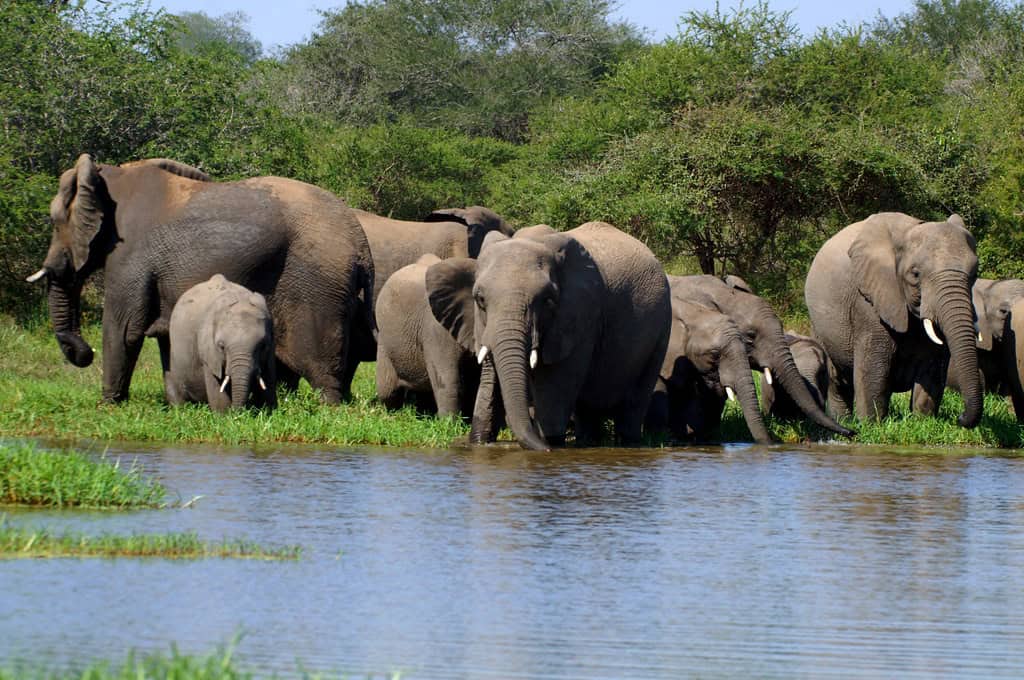
The question of why elephants visit their dead has prompted evolutionary biologists to consider what adaptive advantages this behavior might confer. One theory suggests that bone visitation serves as a form of information gathering, allowing elephants to assess potential environmental threats that might have caused the death. Another possibility is that it reinforces social bonds within the herd by creating shared emotional experiences. From an evolutionary perspective, the behavior may help young elephants learn about death and danger, essentially serving as an educational opportunity. Additionally, the practice might help elephants learn to avoid areas associated with death, potentially steering them away from disease or predator risks in certain locations.
Cultural Transmission of Mourning Behaviors

Elephant societies are characterized by cultural learning, with behaviors passed down from generation to generation. Young elephants observe their elders’ responses to death and bone sites, potentially learning appropriate behavioral responses through this observation. Different elephant populations show subtle variations in their mourning rituals, suggesting these behaviors have cultural components rather than being purely instinctual. For example, some elephant groups consistently cover their dead with vegetation, while others focus more on touching and investigation. This cultural variation in death responses parallels human societies, where grief expressions differ across cultures but maintain core similarities. The cultural transmission hypothesis is supported by observations that orphaned elephants raised without elder guidance often show less developed social behaviors, including responses to death.
Comparing Elephant Behavior to Other Species
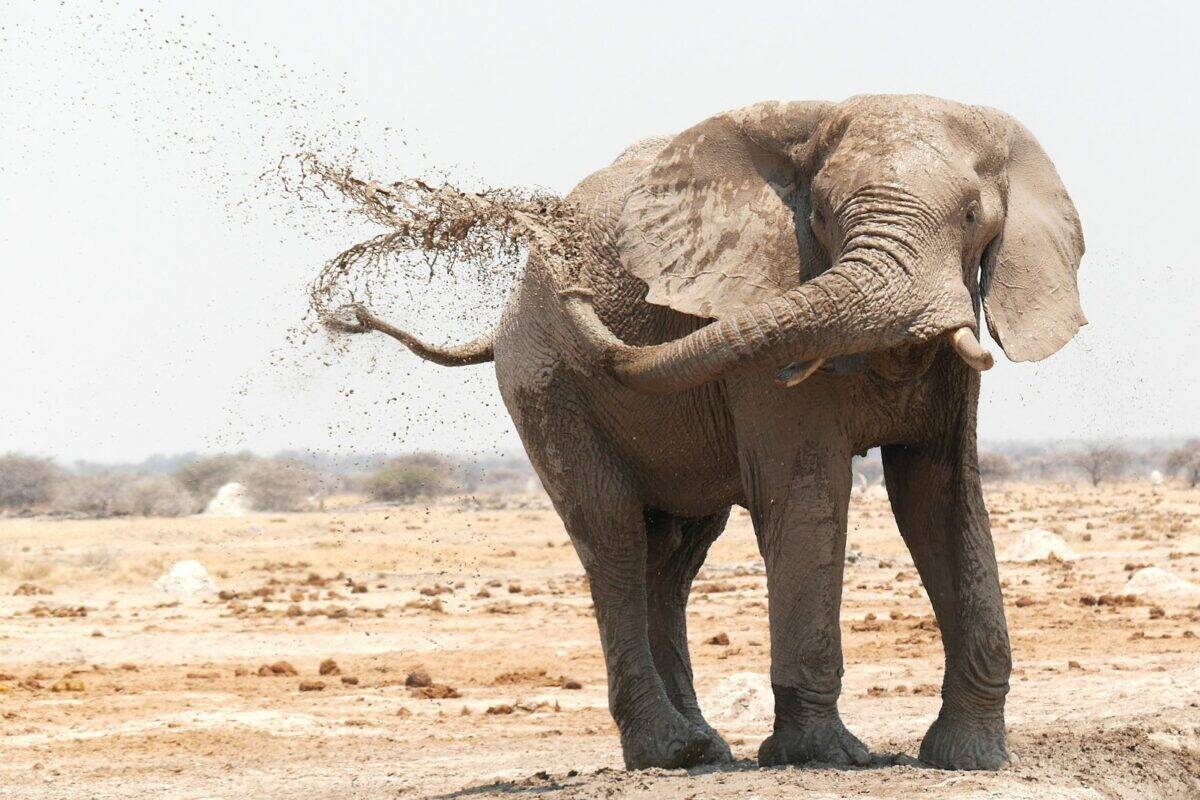
While several animal species show interest in their dead, few display the prolonged engagement that elephants demonstrate. Primates, particularly chimpanzees and gorillas, sometimes carry dead infants for days or weeks, seemingly reluctant to part with them. Corvids (crows and ravens) hold what appear to be “funerals,” gathering around fallen flock members. However, elephants are unique in their continued interest in remains long after death, sometimes returning to bone sites for decades. Marine mammals like dolphins have been observed supporting dead companions at the surface, apparently trying to help them breathe. Despite these examples, the elephant’s consistent, multi-generational attention to the bones of their dead stands out as particularly sophisticated in the animal kingdom.
Scientific Research Methods and Challenges
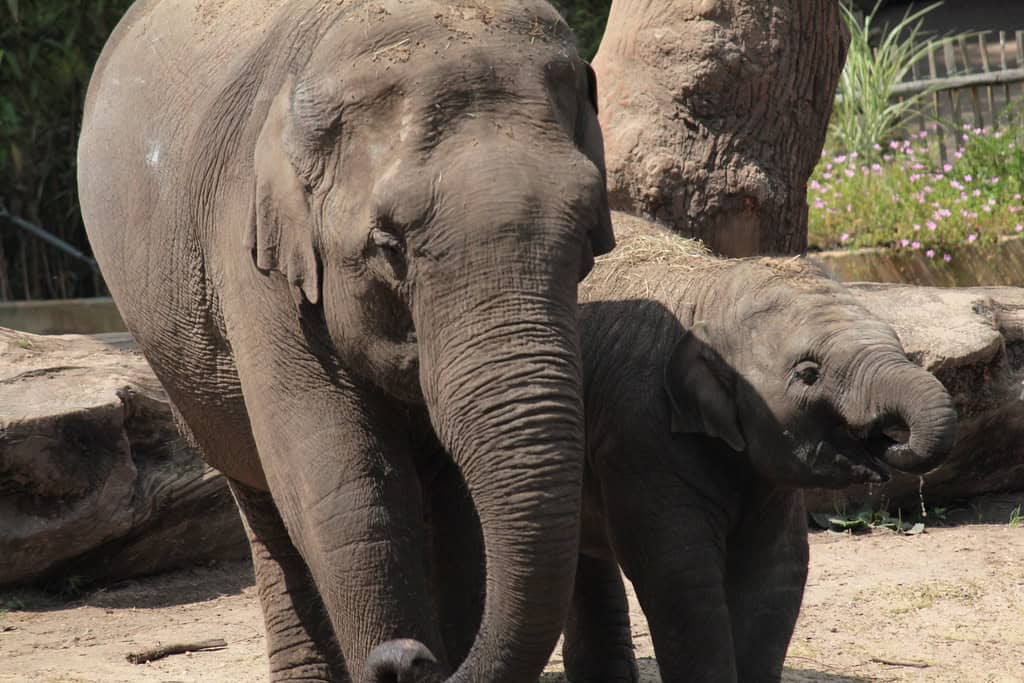
Studying elephant responses to death presents unique challenges for researchers. Field studies require patience, as natural deaths occur infrequently and researchers must be present at the right moment to document initial responses. Long-term observations are needed to track whether elephants return to bone sites. Ethical considerations prevent experimental approaches that would involve presenting elephants with bones of known individuals. Instead, researchers rely on opportunistic observations, camera traps at known bone sites, and carefully designed experiments using naturally occurring bone material. New technologies like GPS tracking help scientists monitor elephant movements around death sites, while hormonal analysis from dung samples provides insights into the physiological aspects of their emotional responses. Despite these advances, much remains unknown about the cognitive and emotional processes behind elephants’ interest in their dead.
The Role of Matriarchs in Death Rituals

In elephant society, matriarchs serve as repositories of knowledge and social coordinators, and this leadership extends to their response to death. Observations show that matriarchs typically lead the investigation of remains, often being the first to approach and touch bones. Their behavior sets the tone for how younger family members respond. When matriarchs die, the impact on the herd is profound, often triggering extended periods of apparent mourning and social reorganization. Herds have been observed returning repeatedly to the death sites of particularly influential matriarchs, suggesting these individuals maintain importance even after death. The matriarch’s role in death rituals underscores the social complexity of elephant society and highlights how leadership influences collective responses to loss.
Conservation Implications of Mourning Behavior
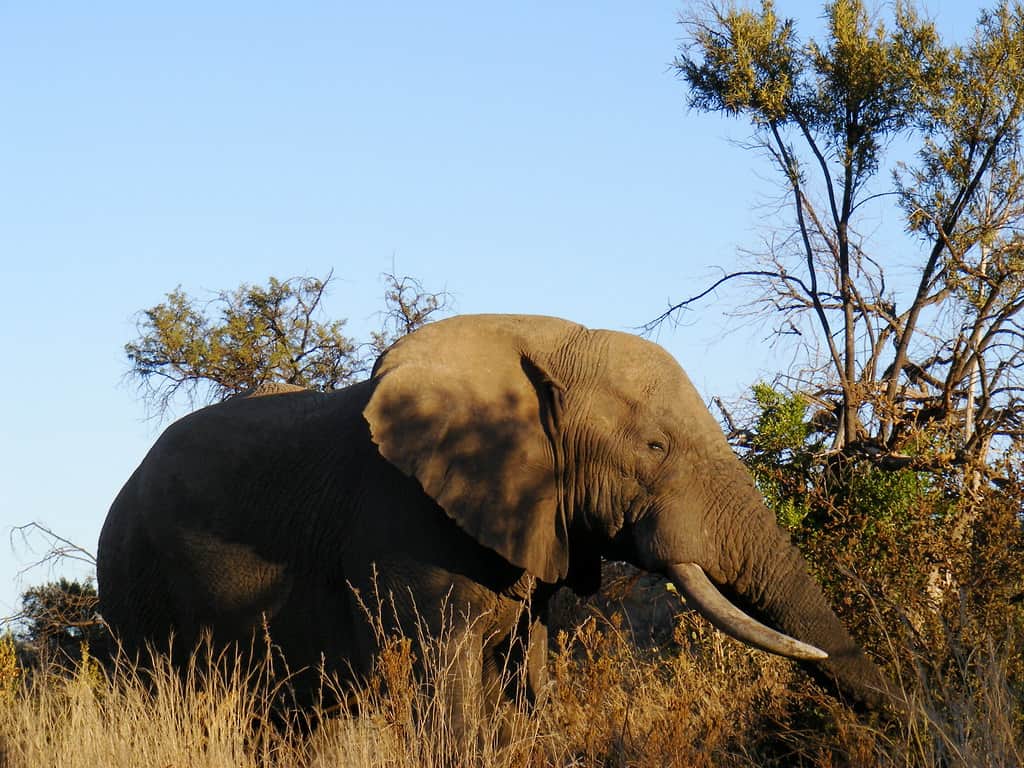
Understanding elephants’ relationship with their dead has important conservation implications. The emotional and social disruption caused by poaching extends beyond the immediate loss of individuals – it can fragment the complex social knowledge that elephant herds depend upon. When elephants are killed for ivory, herds lose not only family members but also the cultural knowledge those individuals carried. Conservation strategies increasingly recognize the need to preserve intact social units, not just elephant numbers. Additionally, the discovery that elephants return to death sites has prompted some wildlife managers to consider how to handle remains in protected areas. In some cases, leaving bones in place allows for natural mourning processes, while in high-tourist areas, remains might be removed to prevent human interference with these important behaviors.
Spiritual and Cultural Interpretations

Human cultures throughout history have been fascinated by elephant death rituals, often interpreting them through spiritual frameworks. In many African and Asian traditions, elephants are believed to possess wisdom about mortality that approaches human understanding. Some indigenous communities view elephant mourning as evidence of spiritual awareness, reinforcing traditional beliefs about animal consciousness. The parallel between elephant bone visitation and human grave visitation has not been lost on observers across cultures. While scientific research focuses on the biological and evolutionary explanations for these behaviors, cultural interpretations remind us that our fascination with elephant death responses reflects our own search for meaning in mortality. These cultural perspectives, while not scientifically verifiable, enrich our appreciation for the elephant’s unique relationship with death.
Conclusion: The Profound Significance of Elephant Mourning

The elephant’s relationship with their dead represents one of the most profound examples of complex cognition and emotional processing in the animal kingdom. Their persistent visitation of bone sites, recognition of individual remains, and ritualistic interactions with the dead suggest a level of death awareness that challenges traditional boundaries between human and animal consciousness. While science continues to unravel the evolutionary and cognitive underpinnings of these behaviors, what remains clear is that elephants maintain connections with their herd members that transcend death. As we face conservation challenges that threaten elephant populations worldwide, understanding their rich social and emotional lives becomes increasingly important. Perhaps in the elephant’s gentle caress of ancestral bones, we glimpse not only their awareness of mortality but also a reminder of our own evolutionary connection to these remarkable beings.

- 10 Animals That Cheat Death in the Most Unexpected Ways - July 19, 2026
- The Shrimp That Punches Like a Bullet - July 19, 2026
- This Tiny Mammal Can Slow Its Heartbeat to One Beat Per Minute - July 19, 2026