

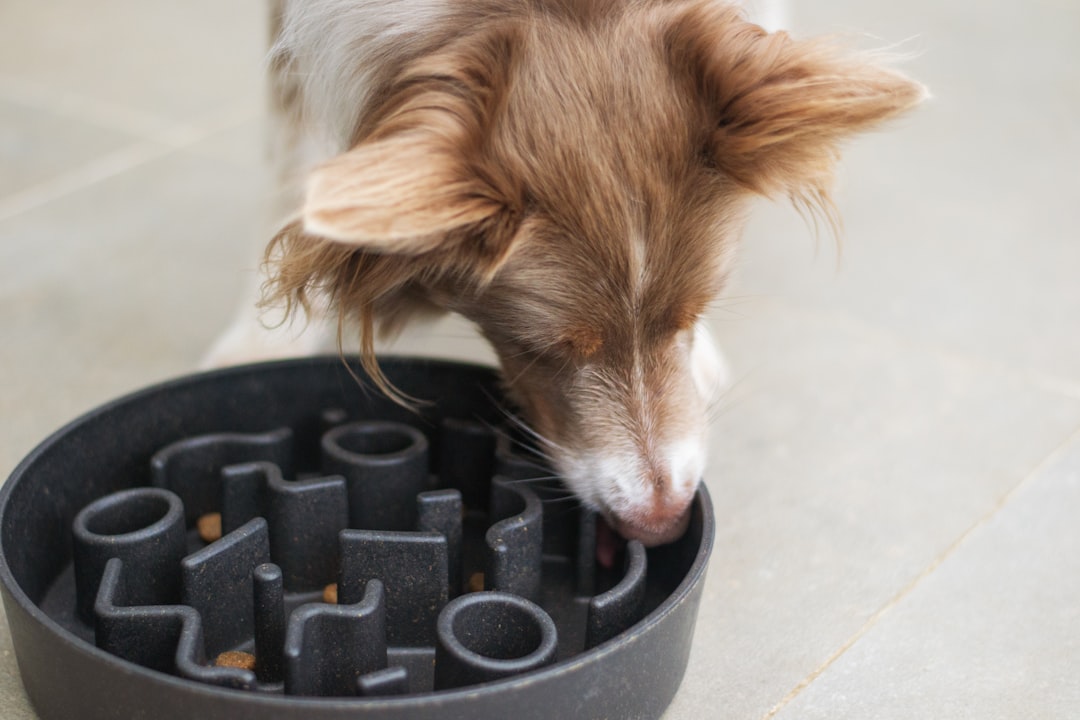

The Hidden Dangers of Mealtime Speed (Image Credits: Unsplash)
Dogs that devour their meals in mere seconds face hidden risks to their well-being, but a simple change in feeding gear can make all the difference.
The Hidden Dangers of Mealtime Speed
Many dogs gulp food so quickly that they swallow air alongside it, setting the stage for serious digestive troubles. This rapid intake often leads to bloating, a condition where the stomach twists and fills with gas, demanding immediate veterinary care. Owners report instances of discomfort and even life-threatening episodes tied to such habits. Choking poses another immediate threat, as unchewed chunks can block airways without warning. Over time, these patterns contribute to chronic issues like vomiting and irregular bowel movements.
Experts link fast eating to broader problems, including poor nutrient uptake because food passes through the system too hastily. Dogs prone to this behavior also tend to overconsume, ignoring fullness signals from their bodies. A shift away from these risks starts with recognizing how everyday feeding routines affect long-term health. Slowing the pace addresses these concerns at their root, offering a straightforward path to safer meals.
How Slow Feeder Bowls Change the Game
Slow feeder bowls stand out with their built-in barriers – ridges, mazes, and compartments – that turn eating into a deliberate task rather than a frenzy. These features force dogs to pause and maneuver, extending meal times from seconds to minutes. Crafted from materials like durable plastic or stainless steel, they withstand enthusiastic use while remaining easy to clean. Unlike flat bowls that invite quick finishes, these designs mimic natural foraging, aligning with a dog’s instincts.
Selecting the right one involves matching size to breed: smaller puzzles suit tiny pups, while larger mazes challenge bigger breeds. Some models include adjustable elements to grow with a dog’s skill level. This adaptability ensures the bowl remains effective without frustrating the user. In practice, these tools not only curb speed but also make meals more interactive, fostering positive routines from the start.
Boosting Digestion and Curbing Weight Gain
By promoting thorough chewing, slow feeders enhance the breakdown of food in the mouth, where enzymes begin the digestive process. This leads to smoother passage through the gut, reducing incidents of gas and upset stomachs that plague fast eaters. Owners notice fewer regurgitation episodes and steadier energy levels after adoption. The controlled pace also helps dogs register satiety sooner, naturally limiting portions without strict measuring.
Obesity emerges as a key concern for dogs that rush through meals, as they often exceed caloric needs before feeling full. Slow feeders counteract this by spreading intake over time, supporting balanced weight maintenance. Studies in veterinary circles highlight lower overweight rates among users of such bowls. For breeds susceptible to joint strain from extra pounds, this preventive edge proves invaluable. Overall, these benefits accumulate into a healthier, more active companion.
Mental Engagement and Calmer Behaviors
Mealtime puzzles in slow feeders spark problem-solving, keeping a dog’s mind sharp and occupied. This mental workout mirrors wild scavenging, reducing boredom that fuels destructive habits. Pups engage longer, showing less restlessness post-meal and more contentment overall. Such stimulation builds confidence as dogs master the challenge, leading to noticeable poise in daily interactions.
Resource guarding over food diminishes when meals unfold gradually, easing tensions in multi-pet homes. Anxiety tied to rushed eating fades, replaced by relaxed enjoyment. Behavioral shifts include fewer pleas for snacks, as satisfaction lingers. These changes extend beyond the bowl, creating a more harmonious household dynamic.
Key Takeaways
- Slow feeders prevent bloating and choking by curbing rapid intake.
- They aid digestion through better chewing and portion awareness, fighting obesity.
- Mental puzzles reduce stress and improve behavior for a happier dog.
Adopting a slow feeder bowl delivers lasting gains in a dog’s physical and emotional health, turning ordinary meals into opportunities for vitality. As pet owners prioritize these tools, fewer health hurdles arise, paving the way for joyful years ahead. What changes have you seen in your dog’s routine with a similar switch? Share in the comments.

- Urban Coyotes Show Remarkable Adaptability, Learning to Thrive in City Environments - July 22, 2026
- Beavers Are Nature’s Engineers, Creating Vital Habitats for Other Wildlife Species - July 21, 2026
- The Recovery of the California Condor Offers Hope for Other Critically Endangered Birds - July 21, 2026