
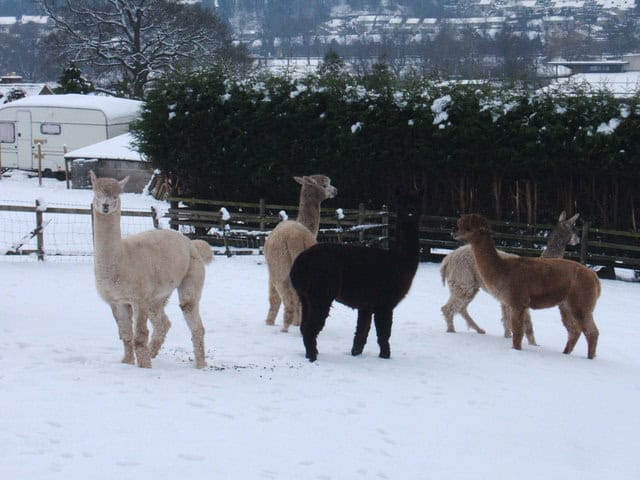
Extreme cold is a formidable force of nature, presenting unique challenges that many animals struggle to overcome. While some species have evolved to thrive in freezing climates, others face substantial adversity when temperatures plunge. This article delves into the reasons why extreme cold can make survival difficult for some animals, exploring physiological, environmental, and ecological factors that play a crucial role.
Physiological Strain on Animals in Cold Climates
When faced with extreme cold, animals experience significant physiological stress. Their body temperatures must be carefully regulated to prevent hypothermia, a potentially fatal condition where the body loses heat faster than it can produce it. For warm-blooded animals, such as mammals and birds, maintaining body temperature requires extra energy, often leading to increased metabolic rates. This energy demand must be met by consuming more food, which can be scarce in icy environments.
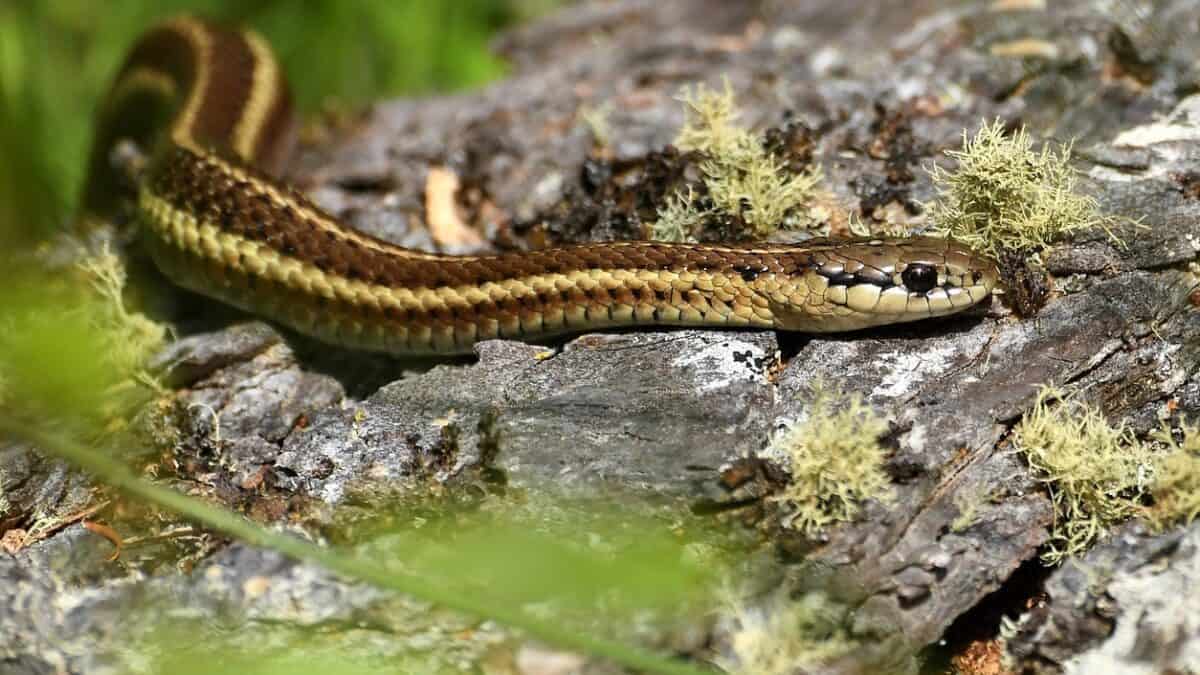
Cold-blooded animals, or ectotherms, such as reptiles and amphibians, endure even more severe challenges because their body temperatures are dependent on the ambient environment. In freezing conditions, they may become sluggish, leading to decreased mobility and a higher vulnerability to predators. Their ability to hunt and digest food also becomes compromised, threatening their survival.
Impact of Cold on Food and Water Availability

Extreme cold typically signals a shift in an ecosystem’s dynamics, where food and water availability become limited. Many plants become dormant, reducing the availability of fresh foliage and seeds. Similarly, insects that are crucial food sources for many species may be absent or hibernate during the cold months.
Bodies of water, too, can freeze over, creating difficulties for animals that rely on water for survival. Aquatic animals or those depending on surface water must adapt to these changes or face dehydration. In some cases, ice can create barriers, making it difficult for animals to access food sources effectively.
The Role of Shelter in Survival
Adequate shelter becomes vital for animals enduring cold environments. Many species rely on dens, burrows, or nests to shield themselves from extreme weather. These shelters provide insulation and protection, but building or finding these structures requires energy and time. Some animals, like bears, hibernate in these shelters to conserve energy and reduce exposure to harsh conditions.
However, not all species can develop or access reliable shelters, increasing their risk of frostbite, hypothermia, or exposure-related death. Competition and habitat destruction can further limit the availability of suitable shelter, exacerbating survival challenges.
Evolutionary Adaptations Versus Environmental Influence

While some animals have evolved remarkable adaptations to survive cold climates, others are not as equipped, making them more susceptible during unexpected cold snaps or prolonged winters. Penguins have evolved blubber and tightly packed feathers, while Arctic foxes have thick fur that changes color with the seasons to aid in camouflage and insulation.
However, sudden climatic changes or habitat disruptions can negate these evolutionary advantages. As human activities continue to alter environments, animals accustomed to stable climates face increased difficulty adapting to rapidly changing conditions, putting many species at greater risk.
Conclusion: Conservation and Adaptation Strategies
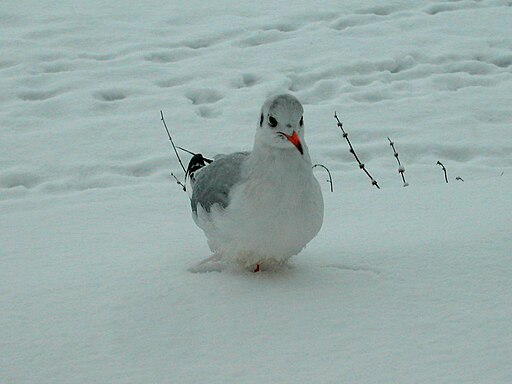
Understanding why extreme cold poses a threat to some animals is crucial to developing conservation strategies that aid these species. Protecting natural habitats and ensuring ecological balance can help mitigate some challenges posed by frigid temperatures. Supporting research and conservation programs that aim to understand and prepare for climate variations will be crucial in safeguarding animal populations as they continue to face the impacts of a changing world.
As we learn more about these challenges, we can foster resilience among vulnerable species and reassess our role in the stewardship of our planet’s diverse ecosystems. While extreme cold is a natural phenomenon, our actions can influence the survival prospects for many creatures that call these chilly habitats home.

- The Most Powerful Earthquake Ever Felt in the U.S. - July 19, 2026
- How Rhinoceros Males Compete for Mating Rights in the Wild - July 18, 2026
- 13 Spider Species Thriving in Changing Environments - July 18, 2026