

The tallest animals on Earth are surprisingly some of the quietest. While elephants trumpet, lions roar, and even the tiniest birds chirp incessantly, giraffes maintain an almost mythical silence as they gracefully move through the African savanna. This peculiar vocal restraint has fascinated zoologists and wildlife enthusiasts for generations, leading to the misconception that giraffes are completely mute. However, the truth is more complex and fascinating—giraffes do vocalize, but rarely and under specific circumstances. Their silence isn’t merely a quirk of nature but a sophisticated adaptation shaped by millions of years of evolution. This article explores the fascinating acoustic world of giraffes, examining why these majestic mammals keep their voices down and the rare, meaningful occasions when they break their silence.
The Anatomical Explanation Behind Giraffe Silence

The primary reason for the giraffe’s notorious quietness lies in its extraordinary anatomy. With necks spanning up to 8 feet in length, giraffes possess uniquely elongated vocal tracts and larynxes. This extreme anatomy creates significant challenges for sound production. The distance between the larynx (voice box) and the lungs means that air must travel an exceptionally long path, requiring tremendous pressure to produce audible sounds. Additionally, the giraffe’s laryngeal structure differs from other mammals in ways that inhibit loud vocalizations.
Research published in the journal BMC Research Notes has suggested that the hyoid apparatus (the bone structure supporting the tongue and larynx) in giraffes is positioned differently than in other mammals, affecting their ability to vibrate air effectively for sound production. This anatomical configuration represents an evolutionary trade-off: giraffes gained the advantage of reaching high vegetation but sacrificed some vocal capabilities in the process. The length of their vocal cords, stretched over such a distance, simply doesn’t facilitate the efficient sound production seen in more vocal mammals.
Infrasound: The Secret Communication Channel
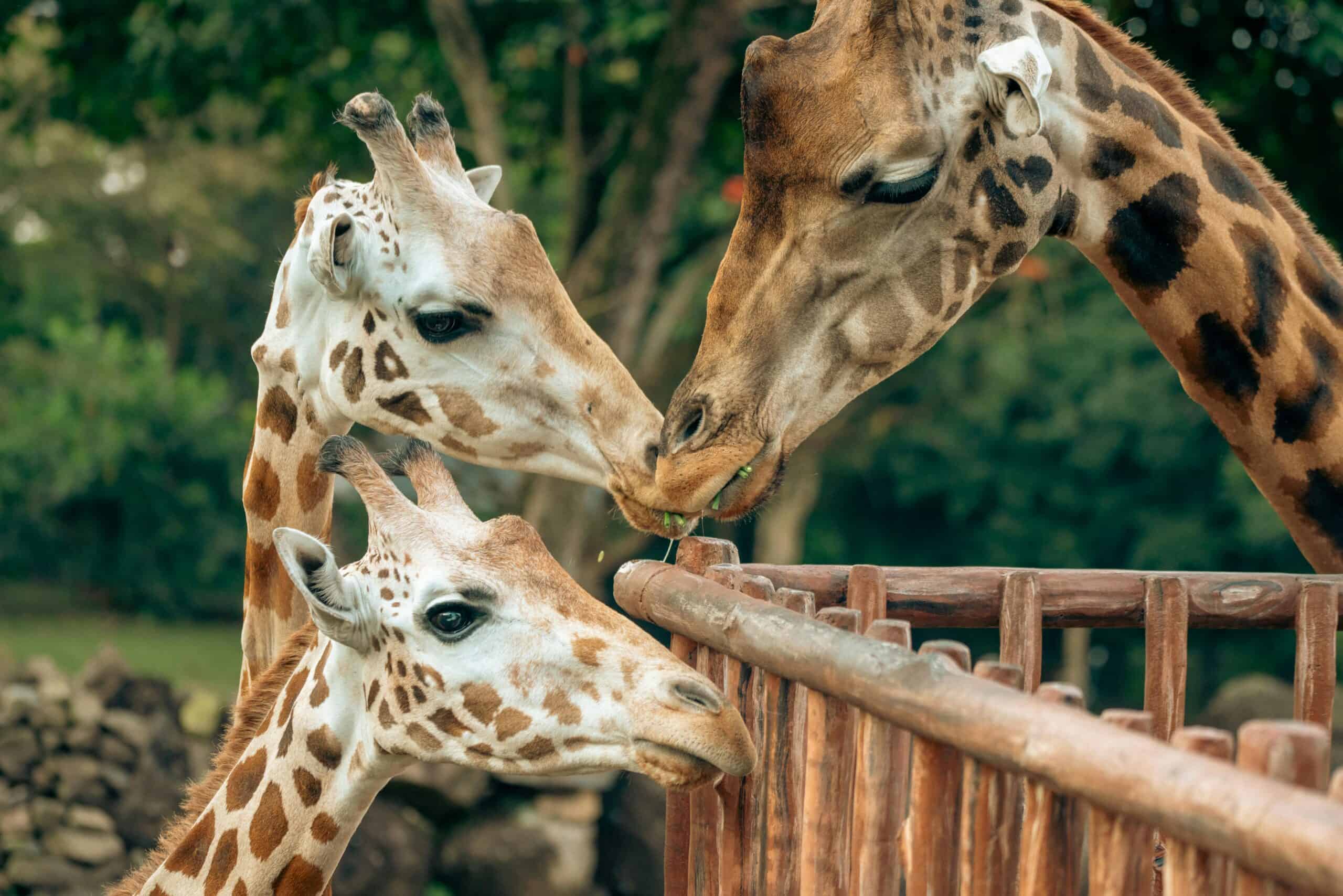
Despite their apparent silence, evidence suggests giraffes may communicate through infrasound—sounds at frequencies too low for human ears to detect (below 20 Hz). Similar to elephants and whales, giraffes might use these low-frequency vocalizations to communicate over long distances across the savanna. This hypothesis gained traction after researchers recorded low-frequency humming sounds coming from giraffe enclosures at night in several zoos across Europe, including a pivotal 2015 study at Copenhagen Zoo.
These infrasonic communications would represent an elegant solution to the giraffe’s communication challenges. The low-frequency sounds can travel farther than higher-pitched vocalizations and would be less likely to attract predators. The discovery of potential infrasound communication challenges our understanding of giraffe social dynamics, suggesting these animals maintain more complex relationships and communication networks than previously recognized. However, recording and analyzing these sounds in the wild remains challenging, and more research is needed to fully understand this potential communication method.
The Nocturnal Hum: Giraffes’ Secret Nighttime Vocalizations

One of the most significant breakthroughs in understanding giraffe vocalizations came in 2015 when researchers from the University of Vienna recorded mysterious humming sounds emanating from giraffe enclosures at night. This low, sustained humming—averaging around 92 Hz in frequency—occurred only in the darkness of night when the animals were presumably at rest. The sounds resembled a low-pitched drone or hum, sustained for variable periods ranging from a few seconds to nearly a minute in duration.
What makes this discovery particularly intriguing is that the humming was completely absent during daylight hours. This nocturnal vocalization pattern suggests these sounds may serve specific social functions during periods of low visibility. Scientists hypothesize these hums might help maintain contact between herd members when visual cues are limited, possibly functioning as “contact calls” to signal location and status to other giraffes. The fact that this behavior went undiscovered for so long underscores how much remains unknown about these seemingly silent giants and highlights the importance of continued acoustic monitoring in captive and wild giraffe populations.
Mother-Calf Communication: Breaking the Silence

One of the few well-documented instances of giraffe vocalization occurs between mothers and their newborn calves. Female giraffes have been observed producing soft, low-pitched mooing or humming sounds when calling to their young. These gentle vocalizations appear to serve a critical bonding function, helping establish and maintain the mother-calf relationship. The calls may also help calves locate their mothers in the herd and facilitate nursing sessions.
Newborn giraffe calves, for their part, emit distinctive bleats and mews—higher-pitched sounds similar to those of many other young ungulates. These vocalizations are typically louder and more frequent than adult giraffe sounds, serving to signal hunger, distress, or separation anxiety. As calves mature, they gradually vocalize less frequently, adopting the characteristic adult silence. This transition from vocal calf to mostly silent adult represents an interesting developmental pattern that mirrors the giraffe’s increasing reliance on non-vocal communication methods as it matures and integrates into the herd structure.
Distress Calls: Vocal Responses to Danger

While giraffes generally maintain their silence, they do produce audible vocalizations in moments of extreme stress or danger. These distress calls typically manifest as snorts, grunts, or moans that can sometimes be heard by human observers. In captivity, zoologists have documented giraffes making cough-like sounds when startled or feeling threatened. These vocalizations likely serve as alarm signals to other herd members, alerting them to potential dangers in the environment.
More dramatically, giraffes in severe distress—such as when caught by predators or experiencing intense pain—may produce louder bellows or moans. These distress calls are rarely heard because giraffes are seldom successfully predated as adults due to their size and powerful kicks. Young calves, being more vulnerable to predation, are somewhat more vocal when threatened. However, even in danger, giraffes predominantly rely on visual vigilance and swift escape rather than vocal alarm systems, making these distress vocalizations rare occurrences even in the wild.
Non-Vocal Communication Methods in Giraffes

Given their limited vocalization, giraffes have developed sophisticated non-vocal communication systems. Their primary communication method is visual, utilizing their height advantage to maintain visual contact across vast distances. Giraffes’ exceptional eyesight allows them to observe and interpret the body language and positioning of other herd members from considerable distances. This visual communication system includes specific postures, head movements, and spatial relationships that convey information about dominance, mating readiness, and potential dangers.
Physical interactions also form an important part of giraffe communication. Males engage in “necking” contests—ritualized combat where they swing their necks to deliver blows to opponents—to establish dominance hierarchies. More subtle touches, such as a mother nudging her calf or adults engaging in mutual grooming, convey affection and reinforce social bonds. Scent communication through specialized scent glands also plays a role, particularly during breeding seasons when males can detect females in estrus through hormonal cues. This rich repertoire of non-vocal communication methods has reduced evolutionary pressure for giraffes to develop complex vocalization capabilities.
Evolutionary Advantages of Silence

The giraffe’s characteristic silence likely confers several evolutionary advantages in their native savanna habitat. Most prominently, silence is an effective anti-predator strategy. In open grasslands where sound travels efficiently, remaining quiet helps giraffes avoid attracting the attention of predators like lions. Their height already makes giraffes conspicuous visually; adding loud vocalizations would further compromise their ability to remain inconspicuous when necessary. The quieter the herd, the less likely they are to telegraph their location to potential threats.
Additionally, energy conservation may play a role in the evolution of giraffe silence. Producing loud vocalizations requires significant energy expenditure, particularly for an animal with such an elongated vocal tract. Given that giraffes already face considerable energy demands from their large bodies and the metabolic costs of maintaining their height, evolution may have favored communication methods that require less energy. By primarily using visual and physical communication, giraffes can conserve energy while still maintaining effective intra-species communication—a valuable adaptation in the sometimes resource-limited savanna environments.
Comparing Giraffe Vocalizations to Other Ungulates

The giraffe’s relative silence stands in stark contrast to many of its ungulate relatives. While giraffes rarely vocalize, other hoofed mammals are notably vocal. For instance, plains zebras—which often share habitats with giraffes—produce distinctive barks, whinnies, and brays that can be heard across the savanna. Similarly, various antelope species emit alarm snorts, bellows during rutting season, and contact calls to maintain herd cohesion. Even the giraffe’s closest living relative, the okapi, is known to produce more frequent vocalizations, including coughs, bleats, and whistles.
This contrast raises interesting questions about evolutionary divergence in communication strategies. Most ungulates evolved in environments where visual communication was often hampered by vegetation, terrain, or group dispersal, making vocal communication essential. Giraffes, however, with their towering height advantage, could maintain visual contact even in scattered herds across open savannas. This unique adaptation may have reduced selection pressure for vocal communication, allowing giraffes to evolve toward their characteristic silence while their ungulate cousins developed more elaborate vocal repertoires. This divergence illustrates how different environmental pressures can shape communication strategies even among related species.
Scientific Challenges in Studying Giraffe Vocalizations

Researching giraffe vocalizations presents unique scientific challenges that have hindered our understanding of their acoustic communication. The rarity and often nocturnal nature of their vocalizations make data collection difficult, requiring specialized equipment and extended monitoring periods. Additionally, the potential use of infrasound complicates matters further, as recording these ultra-low frequencies requires specialized equipment not typically deployed in traditional wildlife studies. The vast ranges giraffes inhabit in the wild also make comprehensive acoustic monitoring logistically challenging.
Another significant challenge is distinguishing between true giraffe vocalizations and incidental sounds produced by their bodies. For instance, giraffes produce various non-vocal sounds such as snorts (air expelled through the nostrils) and rumbles from their digestive systems that can be mistaken for intentional communication. Furthermore, the social nature of vocalization can only be understood by simultaneously monitoring multiple individuals and their interactions, requiring sophisticated observation protocols. These methodological challenges explain why major discoveries about giraffe vocalizations have been relatively recent and why our understanding continues to evolve as research techniques improve.
Cultural Perceptions of the “Silent Giraffe”

The giraffe’s reputation for silence has permeated human culture and mythology for centuries. In many African folklores, the giraffe is portrayed as a wise, observant creature that listens more than it speaks—a symbol of quiet dignity and thoughtful restraint. This cultural perception has influenced how giraffes are represented in modern media as well, where they are often characterized as gentle, silent observers. Children’s books frequently depict giraffes as shy, quiet animals in contrast to more vocally expressive species.
This perception has occasionally led to misconceptions, with many people believing giraffes are completely mute rather than selectively vocal. The “silent giraffe” trope has been so pervasive that the discovery of their humming vocalizations in 2015 made international headlines, surprising many who had accepted the common wisdom that giraffes never vocalize. This cultural fascination with giraffe silence reflects our broader human interest in communication differences across species and our tendency to assign character traits based on such differences. As science continues to uncover the complexity of giraffe communication, these cultural perceptions may evolve to incorporate a more nuanced understanding of these remarkable animals.
Conservation Implications of Understanding Giraffe Communication

Understanding giraffe vocalization and communication patterns has important implications for conservation efforts. With giraffe populations having declined by approximately 40% in the past three decades, these magnificent animals face serious threats across their range. Knowledge about their communication methods can inform conservation strategies in several ways. For instance, understanding how mother giraffes communicate with their calves can improve captive breeding programs and reintroduction efforts, ensuring that hand-raised calves develop normal social behaviors.
Additionally, insights into how habitat fragmentation affects giraffe communication networks could inform landscape connectivity planning. If giraffes indeed use infrasound to communicate across long distances, then preserving sufficiently large, connected habitats becomes even more crucial for maintaining healthy social structures. Acoustic monitoring might also provide non-invasive methods for assessing population health and behavior changes in response to conservation interventions or environmental disturbances. As giraffe populations continue to face threats from habitat loss, poaching, and climate change, every aspect of their biology—including their unique communication system—becomes valuable knowledge for ensuring their survival into the future.
The Continuing Mystery of the Silent Giants

Despite recent scientific advances, the communication methods of giraffes remain one of zoology’s most intriguing mysteries. Their occasional vocalizations represent just a small fragment of their complex social lives, with much still to be discovered about when and why these normally silent animals choose to make noise. The nocturnal humming discovered in 2015 opened a new chapter in our understanding, but it also raised numerous questions about what other sounds might remain undetected and what functions these vocalizations serve in wild populations. As technology advances, particularly in the field of bioacoustics, we may uncover even more surprising aspects of giraffe communication.
The paradox of the giraffe—visually conspicuous yet acoustically cryptic—continues to challenge our understanding of animal communication evolution. Their unique approach to communication reminds us that nature often develops unexpected solutions to ecological challenges. Future research combining long-term behavioral observation, advanced acoustic monitoring, and physiological studies will likely continue to unveil the sophisticated communication strategies of these remarkable animals. Until then, the relative silence of giraffes remains both a scientific puzzle and a poetic attribute of these gentle giants who stand tall above the savanna, watching and listening far more than they speak.

- This Massive Bird Can Fly—But Barely - August 12, 2026
- Deadliest Creatures Found in Freshwater Rivers - August 12, 2026
- Why Some Wild Animals Seek Out Human Touch - August 12, 2026