
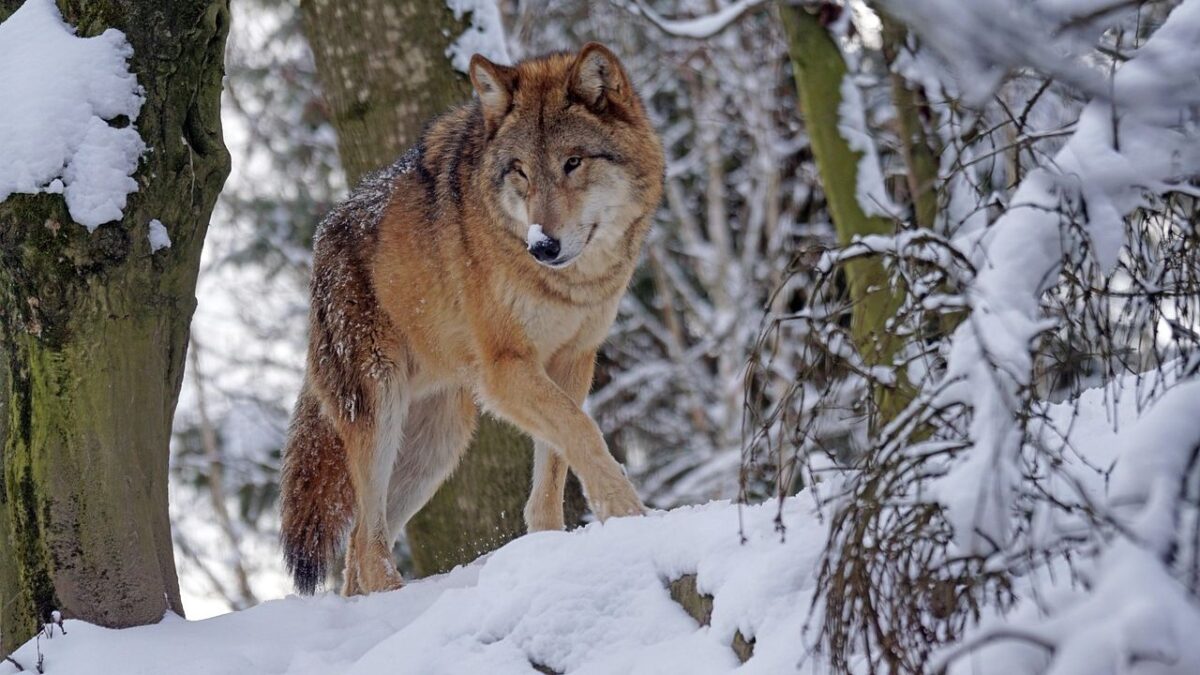
In the rugged stretches of the Northern Rockies, something subtle yet powerful has been shifting over recent decades. Gray wolves have begun to reclaim territory they once lost, stirring questions about how one species can influence everything from riverbanks to distant bird populations.
The story unfolds slowly, without fanfare, yet it carries weight for anyone who cares about wild places and the delicate balances that sustain them. What happens when these predators return in greater numbers, and how might the land itself respond over time?
Tracing the Path Back from Near Extinction
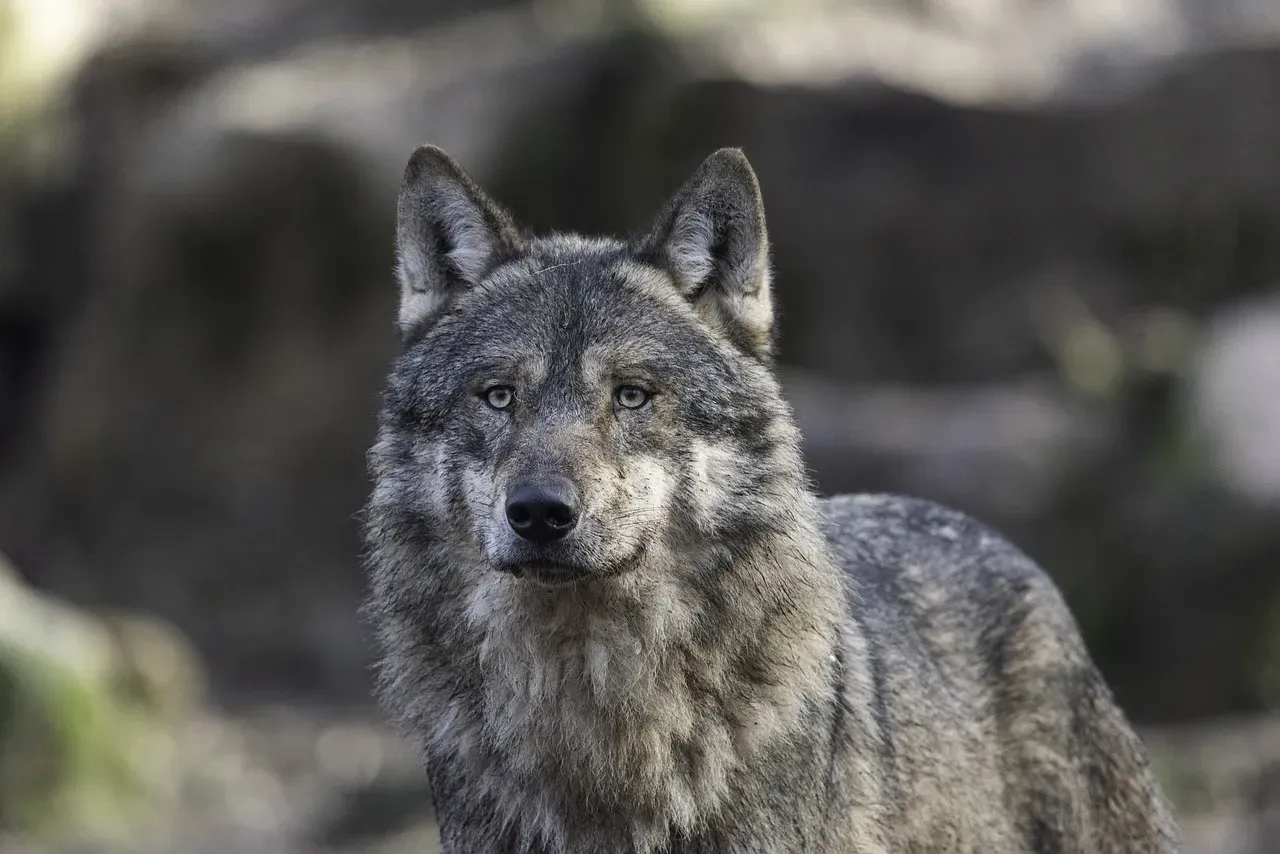
Gray wolves once roamed widely across the Northern Rockies before widespread hunting and habitat changes pushed them to the edge. By the mid twentieth century their presence had dwindled to almost nothing in places like Yellowstone and surrounding states.
Recovery began with deliberate reintroduction programs in the nineteen nineties that brought wolves back into protected areas. Those early efforts faced legal and social hurdles yet gradually took hold as animals dispersed into new territories. Over time populations stabilized and then grew in Montana, Idaho, and Wyoming.
Understanding the Drivers Behind Recent Gains
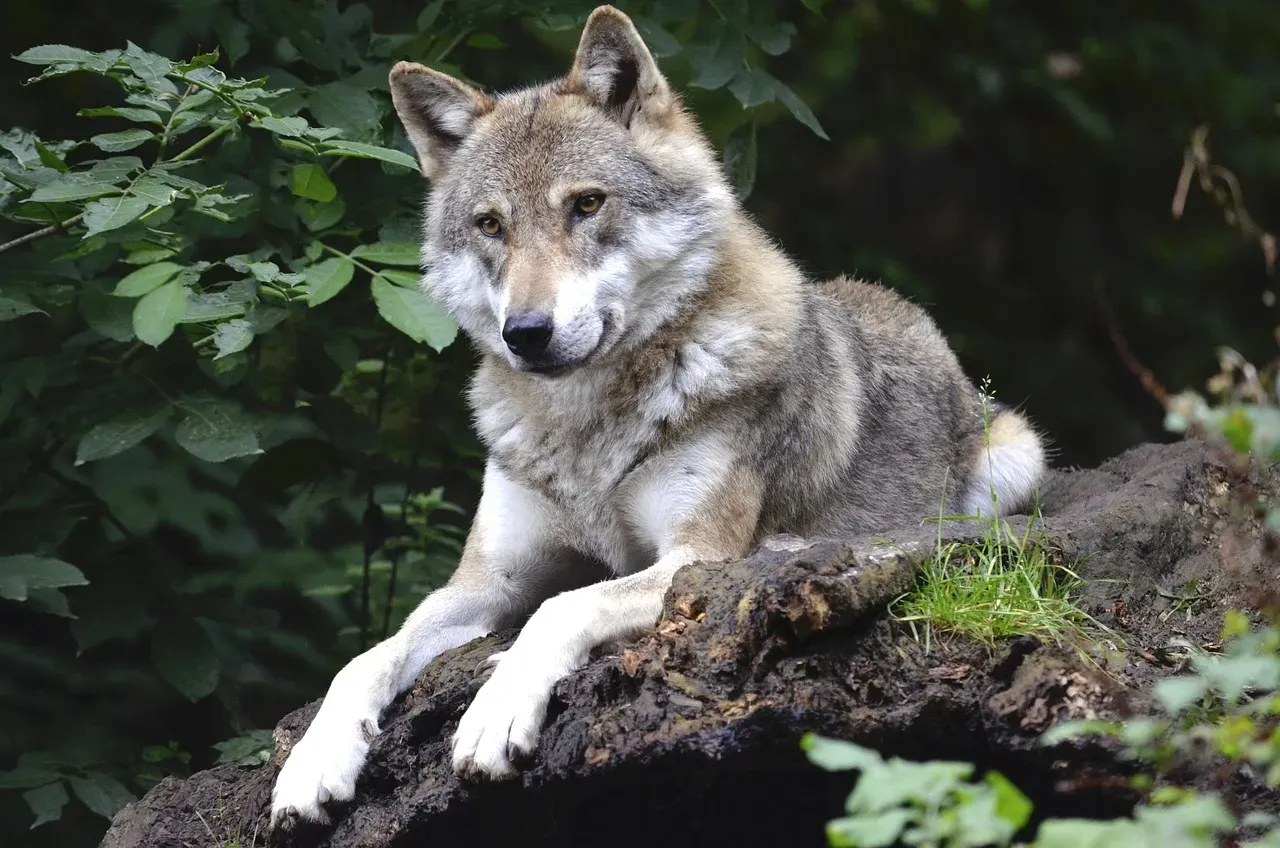
Legal protections under endangered species rules played a central role in allowing numbers to climb. Reduced persecution combined with suitable prey and habitat helped packs establish themselves more firmly across the region.
State wildlife agencies have adjusted management approaches in recent years, sometimes allowing limited hunting while monitoring overall trends. These balanced strategies appear to support both wolf persistence and coexistence with ranching interests. Natural dispersal from core areas has also contributed to expansion into adjacent lands.
How Wolves Influence Elk and Deer Herds
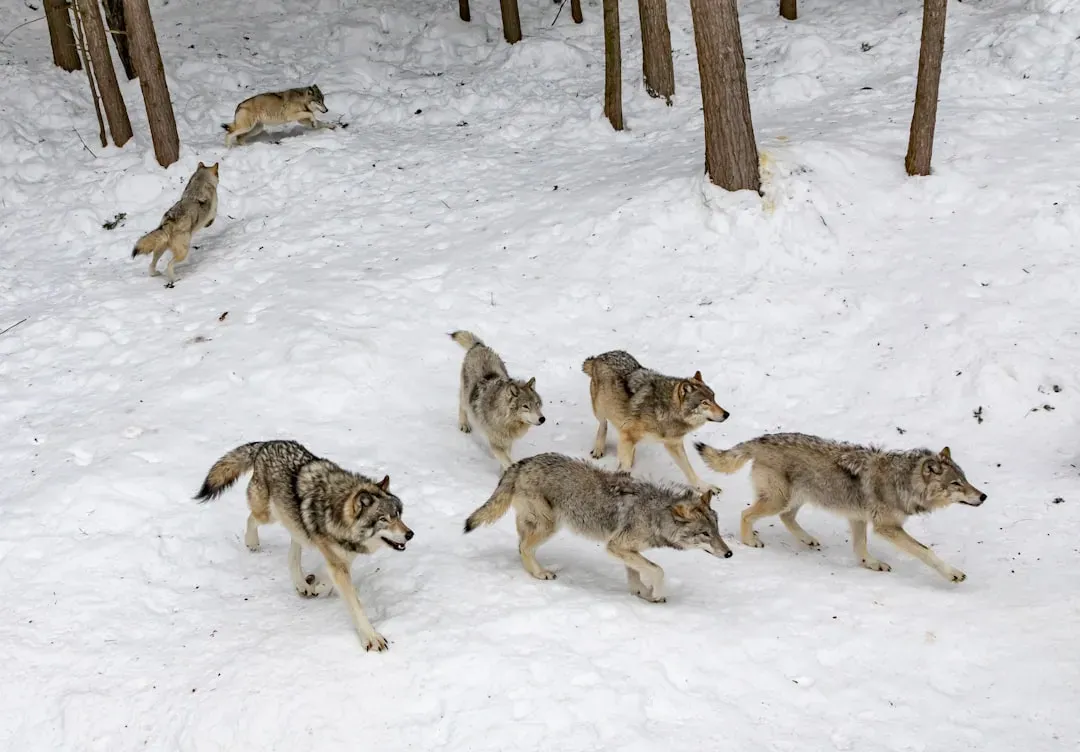
Wolves primarily target elk and deer, selecting weaker or older individuals in many cases. This selective pressure can alter herd behaviors, encouraging animals to move more frequently and avoid predictable patterns.
Over years such changes may reduce over browsing in certain zones and shift age structures within prey populations. Observations from long term studies show elk numbers stabilizing or declining modestly in some wolf occupied areas. The result is a more dynamic relationship between predator and prey rather than unchecked growth on either side.
Vegetation Recovery and Landscape Shifts
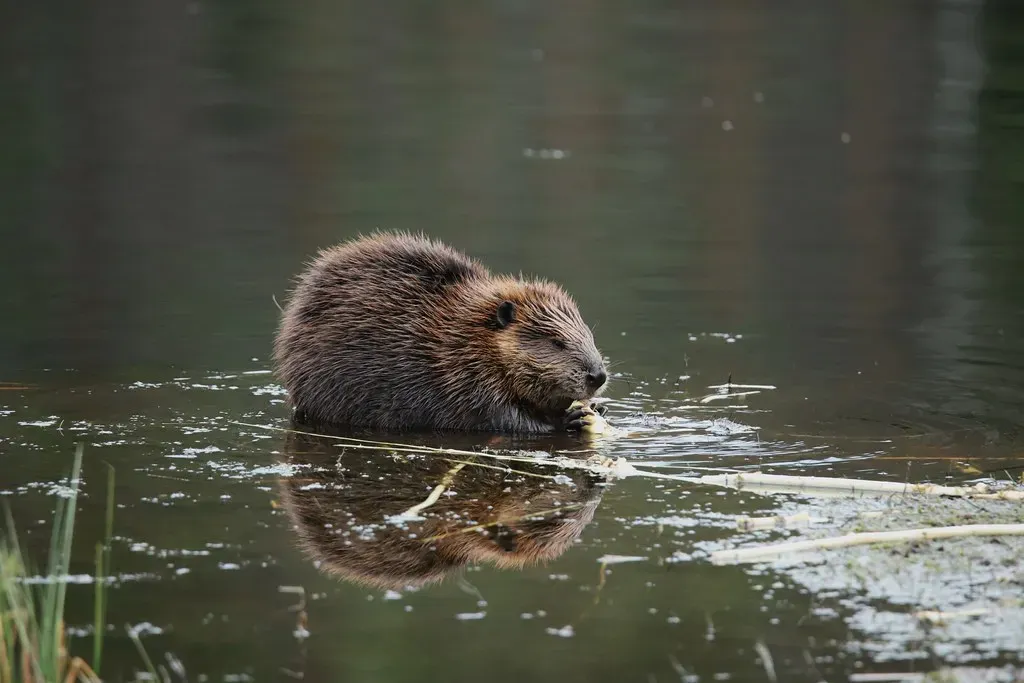
With fewer elk lingering in one spot, young trees such as willows and aspens have shown renewed growth along streams and meadows. This regrowth helps stabilize soil and creates cooler, shadier conditions near waterways.
Beaver colonies have benefited from the extra woody material, leading to more ponds that store water and support wetland plants. These small scale changes accumulate, gradually reshaping how water moves through the terrain and how plants compete for space. The landscape begins to reflect a broader mix of ages and species rather than uniform browsing pressure.
Support for a Wider Range of Species
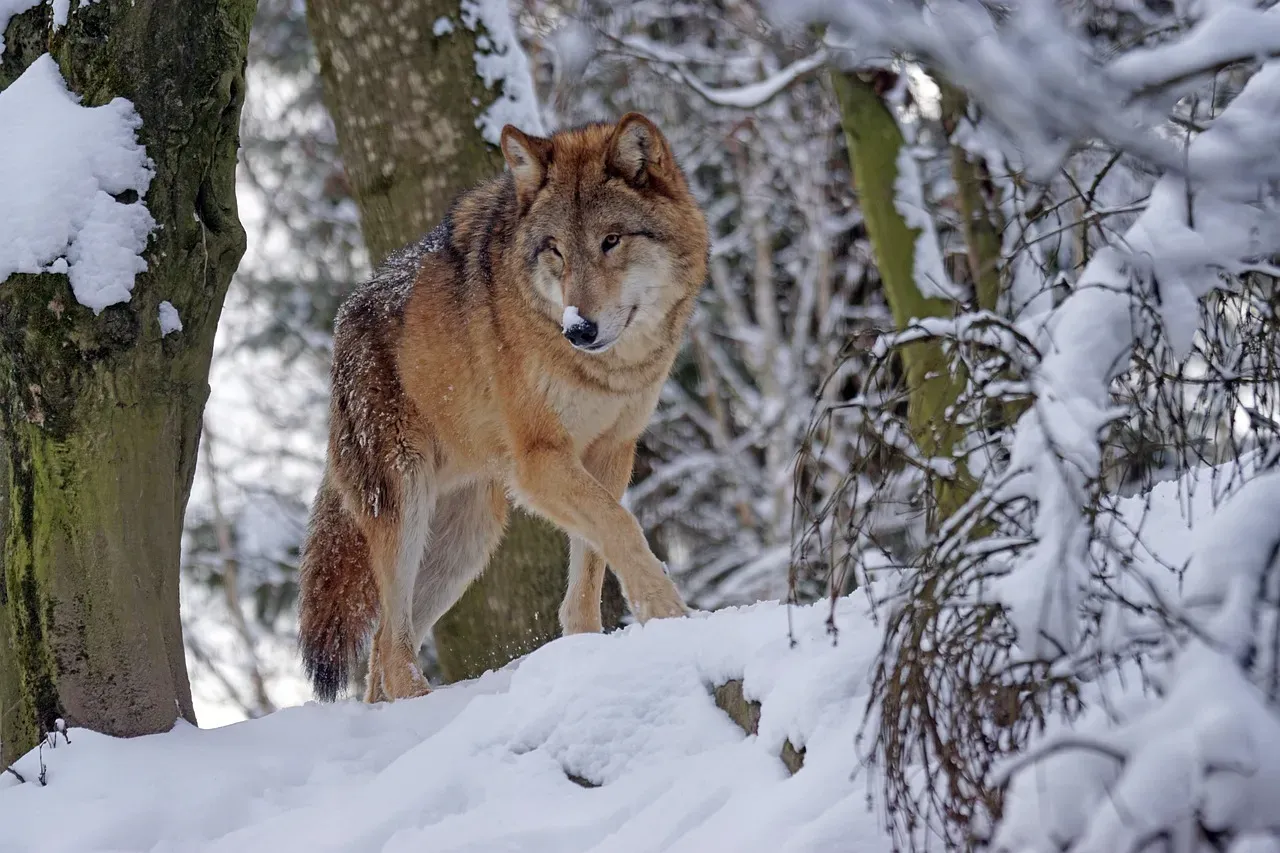
Scavengers like ravens, eagles, and bears gain reliable food sources from wolf kills, especially during lean seasons. This extra resource can improve survival rates for those animals without requiring them to hunt as intensely.
Smaller mammals and birds also find new opportunities in the recovering vegetation and altered stream environments. Songbirds that prefer dense shrubs appear more frequently where willows have rebounded. The overall effect spreads benefits through multiple layers of the food web rather than concentrating them in a single group.
Navigating Human Wolf Coexistence
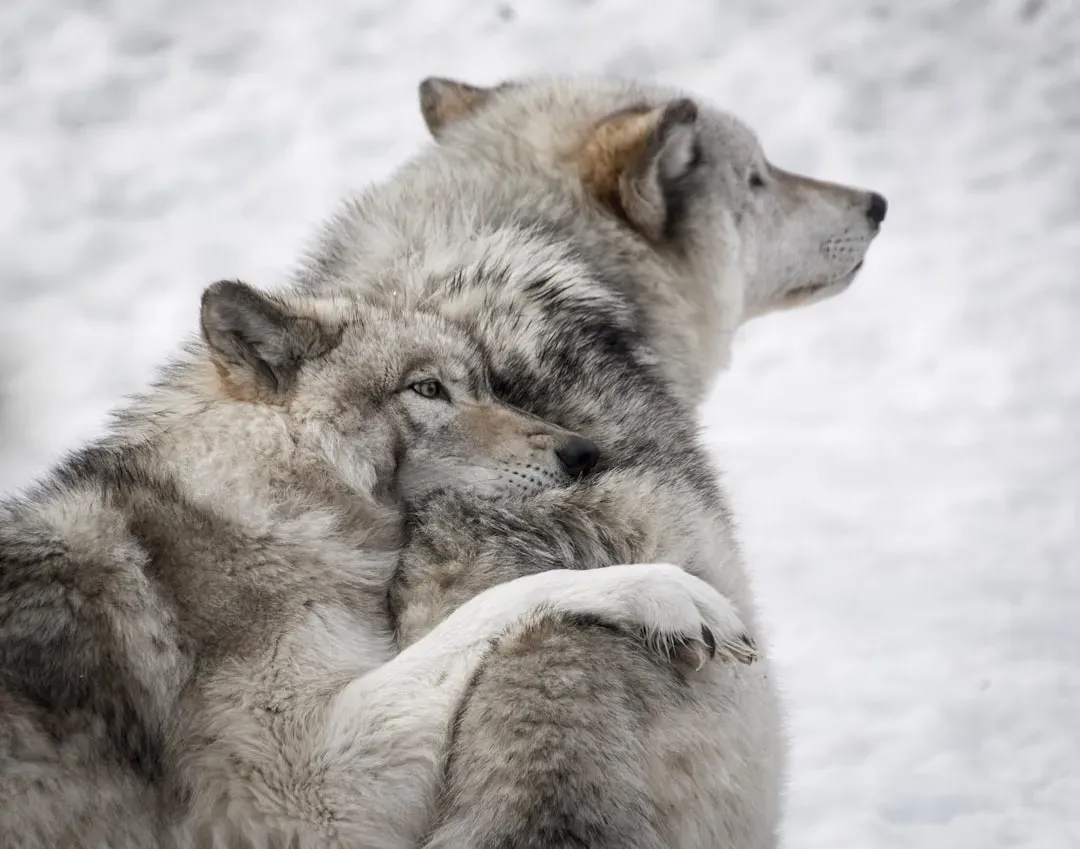
Ranchers and rural communities have developed various tools to reduce conflicts, including guard dogs, fencing, and range riders. These practical steps help maintain tolerance even as wolf numbers rise in some districts.
Public attitudes have evolved in many areas, with growing recognition that wolves belong as part of the natural order. Education programs and compensation funds for livestock losses further ease tensions. Ongoing dialogue between stakeholders keeps management responsive to both ecological goals and local needs.
Reflections on the Road Ahead
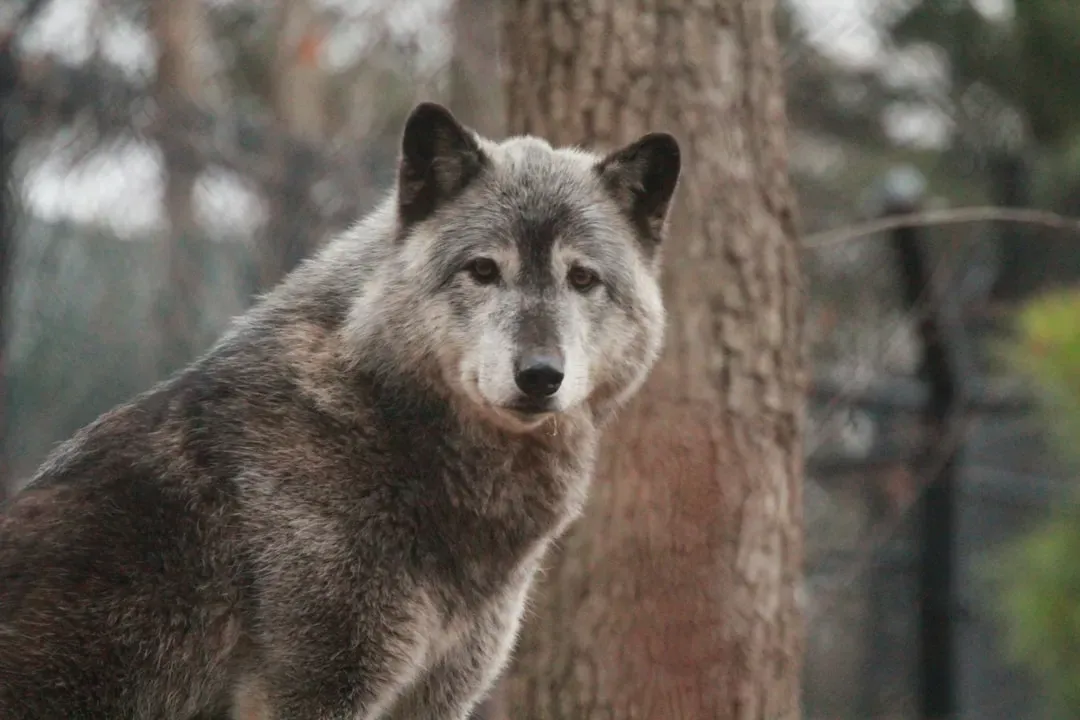
The rebound of gray wolves offers a living example of how restoring one missing piece can set off chains of positive change across an entire system. Yet success depends on continued careful oversight that respects both wildlife and people who share the land.
In the end the Northern Rockies may become a model for other regions seeking similar balance, where predators and prey coexist in ways that enrich the whole. Watching these dynamics play out reminds us that ecosystems are not static backdrops but living networks that respond when given the chance.

- What Happens to Your Brain in the Final 60 Seconds Before Death – Neuroscientists Just Mapped It - August 13, 2026
- The Most Dangerous Myths About Tornadoes at Night - August 13, 2026
- How To Ride A Horse Safely - August 13, 2026