

You step outside on a cold January morning in Seattle, your breath visible in the air, and there it is – a tiny hummingbird, hovering at your feeder. You blink twice. Shouldn’t these delicate creatures be somewhere warm right now, thousands of miles south in Mexico? The truth is, what we thought we knew about hummingbirds is rapidly changing before our eyes.
These remarkable little birds are rewriting the rules of nature in real time. Their behavior, from migration patterns to feeding habits to where they choose to live, is shifting in ways that scientists are only beginning to fully understand. Climate change, urban development, and even our own backyard feeders are playing starring roles in this transformation.
Overwintering in Unexpected Places
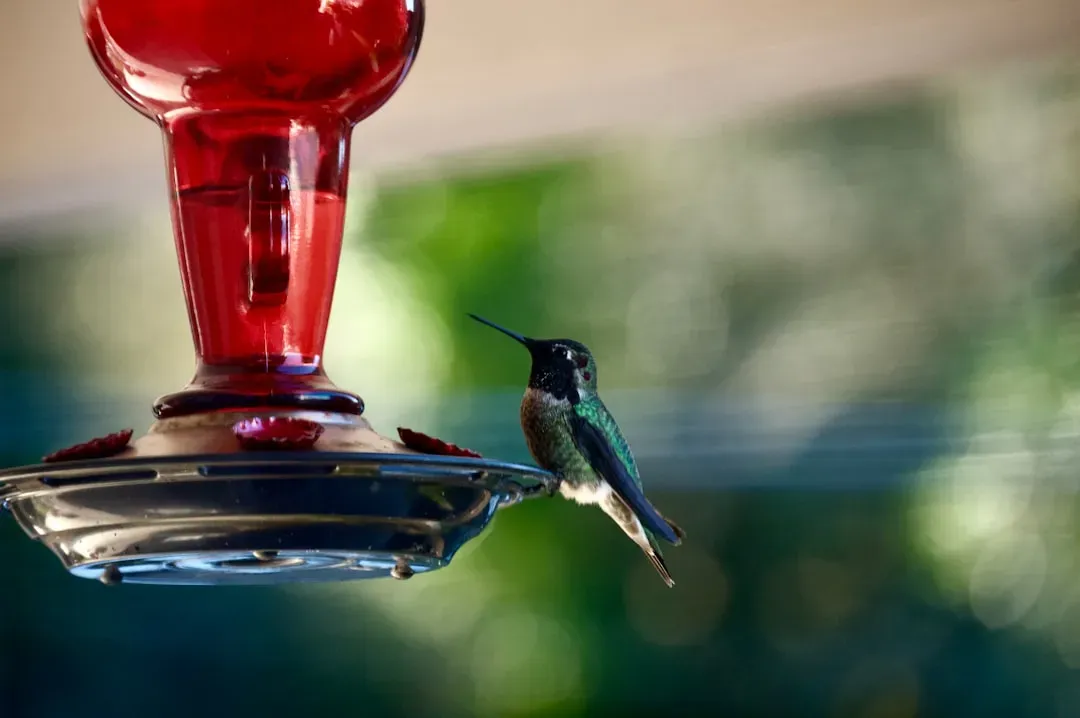
Hummingbirds are overwintering on the Gulf Coast in greater numbers than in the past, with many found at feeders in South Texas and South Louisiana during mild winters. This is a fairly recent phenomenon that’s catching both bird enthusiasts and researchers by surprise. Several species are often spotted during winter months in southern locales, including the Ruby-throated, Rufous, Black-chinned, Buff-bellied, Calliope, Allen’s, Broad-tailed, Anna’s and Broad-billed.
What’s driving this change? It’s hard to say for sure, but the combination of milder winters and readily available food sources from feeders seems to be allowing these tiny birds to take a gamble on staying put.
Recent research suggests that hummingbirds are spending the winter in the United States in greater numbers than in the past, likely because warming temperatures are causing some species’ ranges to move northward. The Southeastern coast, from Cape Hatteras southward, in Florida, and especially around the Gulf Coast, is different from the rest of the eastern United States, where hummingbirds are increasingly likely to be present year-round, with both higher diversity and greater numbers of birds present in winter. It’s not just a few rogue individuals anymore. Entire populations are rethinking their ancient travel plans.
Range Expansion Fueled by Human Activity
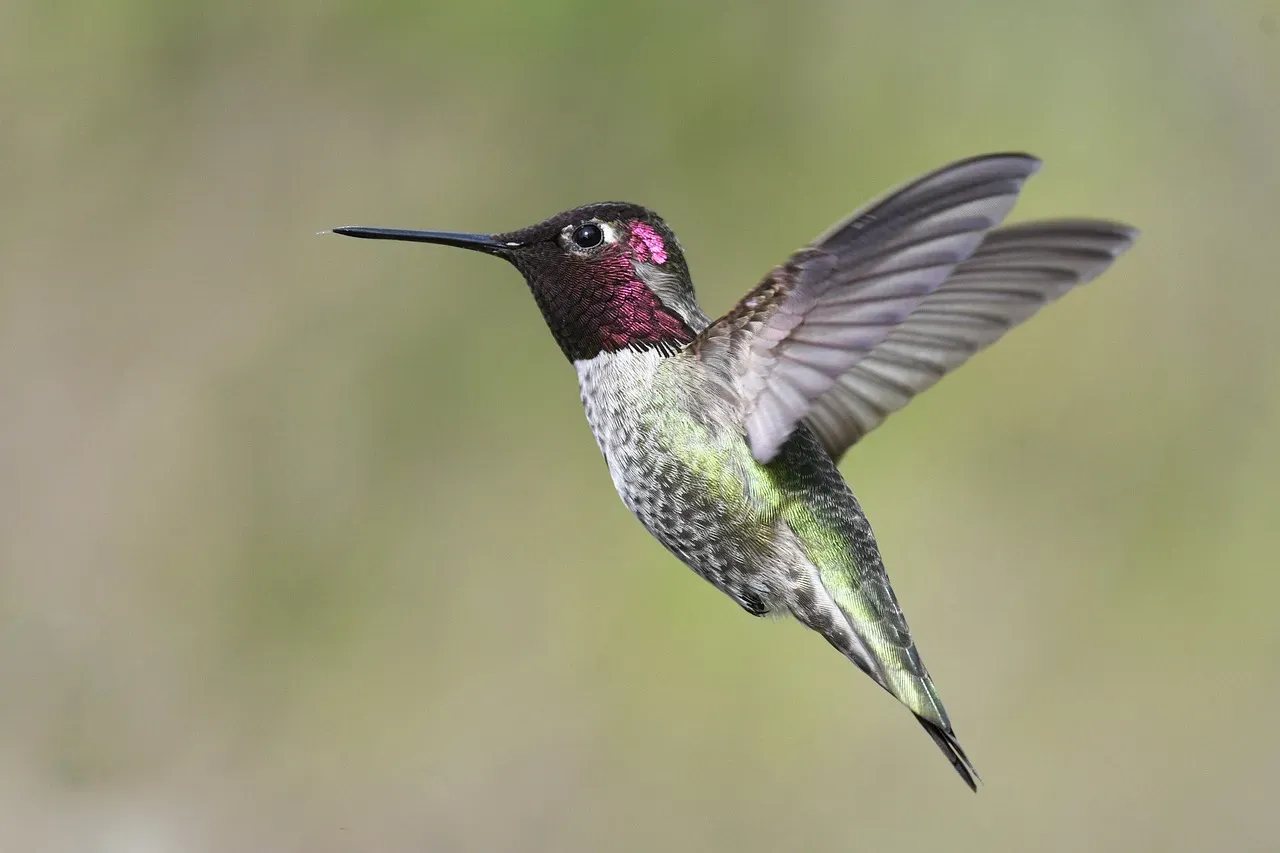
Anna’s hummingbirds’ range originally was limited to the chaparral of California and Baja California but expanded northward to Oregon, Washington, and British Columbia, and east to Arizona over the 1960s to 1970s, a rapid expansion attributed to the widespread planting of non-native species, such as eucalyptus, as well as the use of urban bird feeders. Let’s be real – we’ve essentially rolled out a red carpet for these birds, and they’re taking full advantage of it.
The Anna’s hummingbird story is particularly fascinating. Anna’s hummingbirds are more abundant in winter at northern latitudes now than they were several decades ago, implying a reduction in the proportion of individuals that migrate, and are also more closely associated with human-modified landscapes in more northern latitudes, implying that people have facilitated this reduction in migratory behavior and corresponding winter range expansion.
Anna’s hummingbirds had large population growth at an accelerating rate since 2010, and expanded their range northward to reside year-round in cold winter climates. Meanwhile, several North American hummingbird species have changed their range of distribution while others showed declines in numbers since the 1970s, with rufous, Costa’s, calliope, broad-tailed, and Allen’s hummingbirds in significant decline, some losing as much as 67% of their numbers since 1970. The picture is complicated, honestly.
Climate Change Disrupting Migration Timing
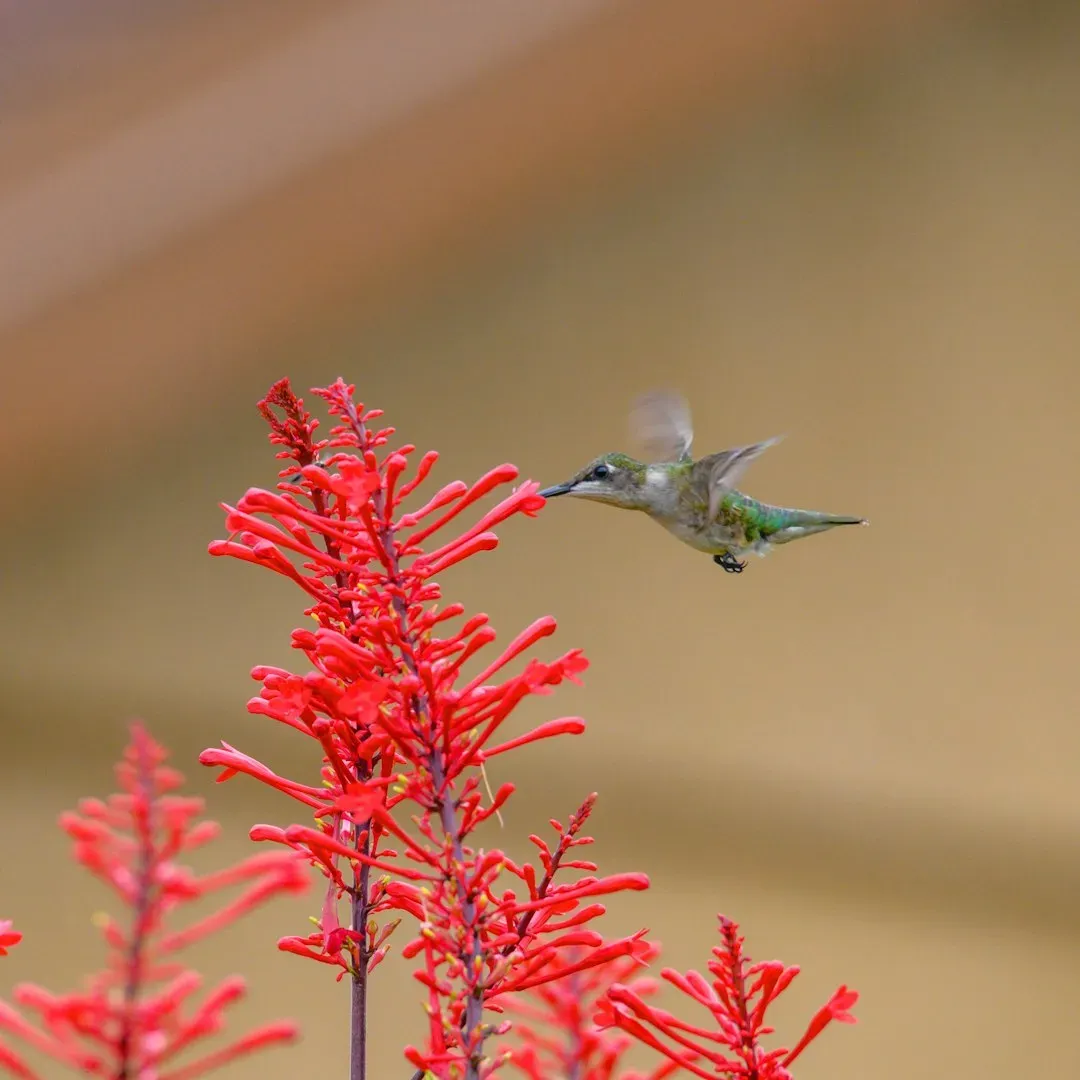
A growing body of research indicates flowers are blooming earlier because of warming temperatures. This might sound harmless, even pleasant. Earlier spring, more flowers – what’s not to love? The problem is that hummingbirds rely on precise timing between their arrival at breeding grounds and the blooming of their food sources.
There is potential for this change to impact the established synchronous relationship between hummingbirds arriving on their breeding grounds and bloom times of their food sources. Imagine driving cross-country to your favorite restaurant only to find out they changed their hours and now close before you arrive. That’s essentially what’s happening to these birds. Higher temperatures along migration routes make food available sooner, with capture rates in late March now comparable to early April captures two decades ago.
In Colorado, nectar-producing glacier lilies flower about 17 days earlier than in the 1970s, and if this shift continues, the birds may arrive one spring to find that the lilies are done blooming. This is the kind of mismatch that could spell disaster for species that can’t adapt quickly enough. Hummingbirds can’t exactly skip meals – their metabolism is too demanding.
Changing Feeding Behavior and Flexibility
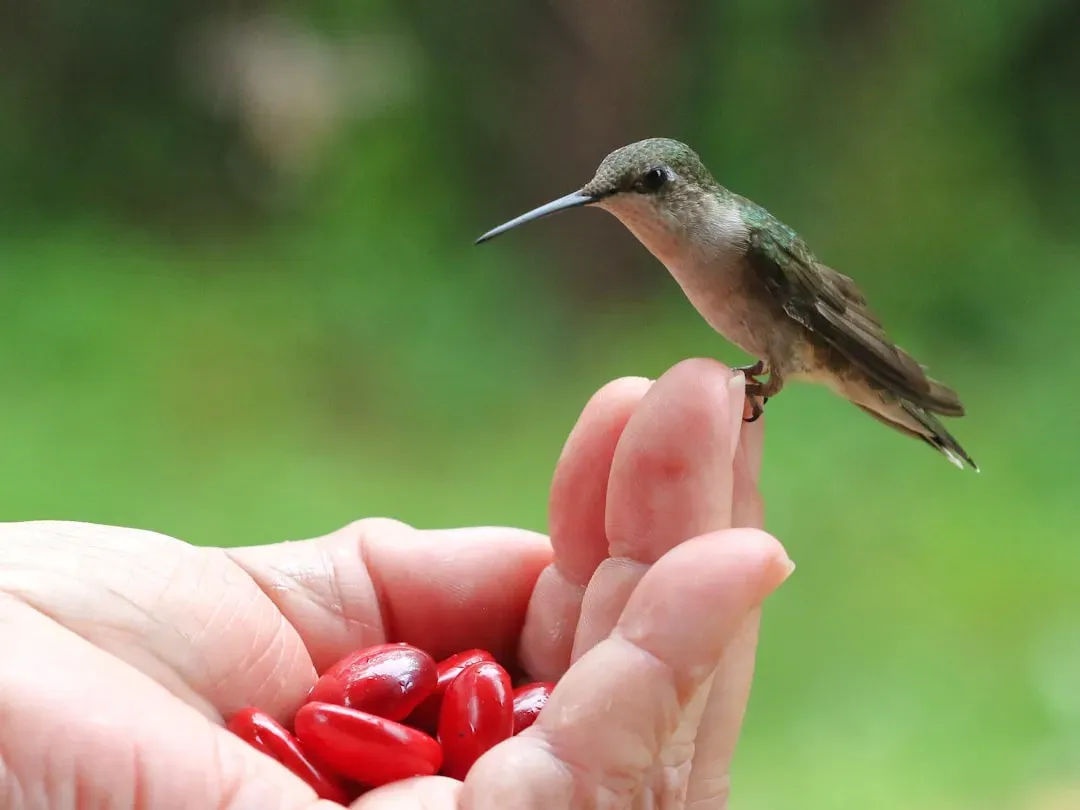
One of the key ways hummingbirds adapt is by altering their feeding patterns, as flowers bloom earlier or later due to shifts in seasonal patterns, hummingbirds adjust their migration routes and feeding times to match the availability of nectar. These birds aren’t just passive victims of environmental change. They’re remarkably resourceful problem-solvers.
Over a five-year study, Calliope Hummingbirds shifted their central path of migration as far as 320 miles east or west between years, switching from routes focused around Tucson, Arizona, to Albuquerque, New Mexico, and from Bakersfield, California, to Las Vegas, Nevada, suggesting some wiggle room in hummingbird decision-making. The fact that they can shift routes so dramatically shows they’re not flying on autopilot.
There’s evidence that urban environments are changing feeding habits too. Behavioral shifts seem to be related to human activity cycles, leading hummingbirds to reduce chases and feeding during weekdays when human activity is highest, but increasing both behaviors during times of minimal disturbance. Studies show that in the dry season, hummingbirds visited flowers, whereas in the rainy season they visited leaves to acquire food, suggesting plasticity in feeding behavior which can help them persist in urban areas. Honestly, their adaptability is impressive.
The Feeder Effect
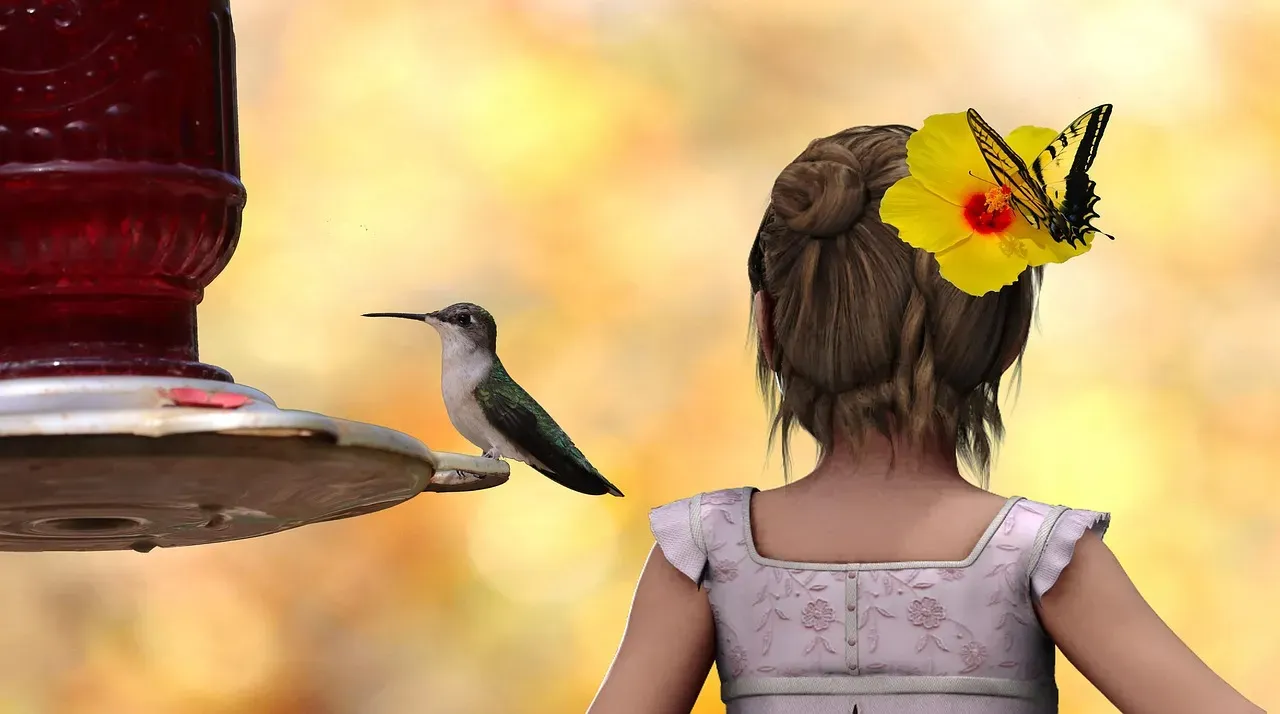
A clear northward winter range expansion of Anna’s hummingbirds over the past 20 years has strong support for the hypothesis that the range expansion was facilitated by urbanization and provisioning of supplementary food resources. Our feeders aren’t just helping hummingbirds – they’re fundamentally altering where and how these species live.
Artificial feeders have allowed Anna’s hummingbirds to expand their range out of Southern California up to the state’s northern end, and have also driven a transformation of the birds themselves, with their beaks dramatically changing in size and shape over just a few generations. This is evolution happening at a pace we can actually observe within human lifetimes. It’s astonishing when you think about it.
As climate change alters the availability of flowering plants, bird feeders may become an increasingly important source of food for migrating hummingbirds. The question becomes whether we’re helping or creating dependency. Some scientists worry, while others note that due to development and climate change, hummingbird-friendly habitat may be changing across many hummingbird migration routes. In that context, maybe our feeders are a lifeline rather than a crutch.
Conclusion
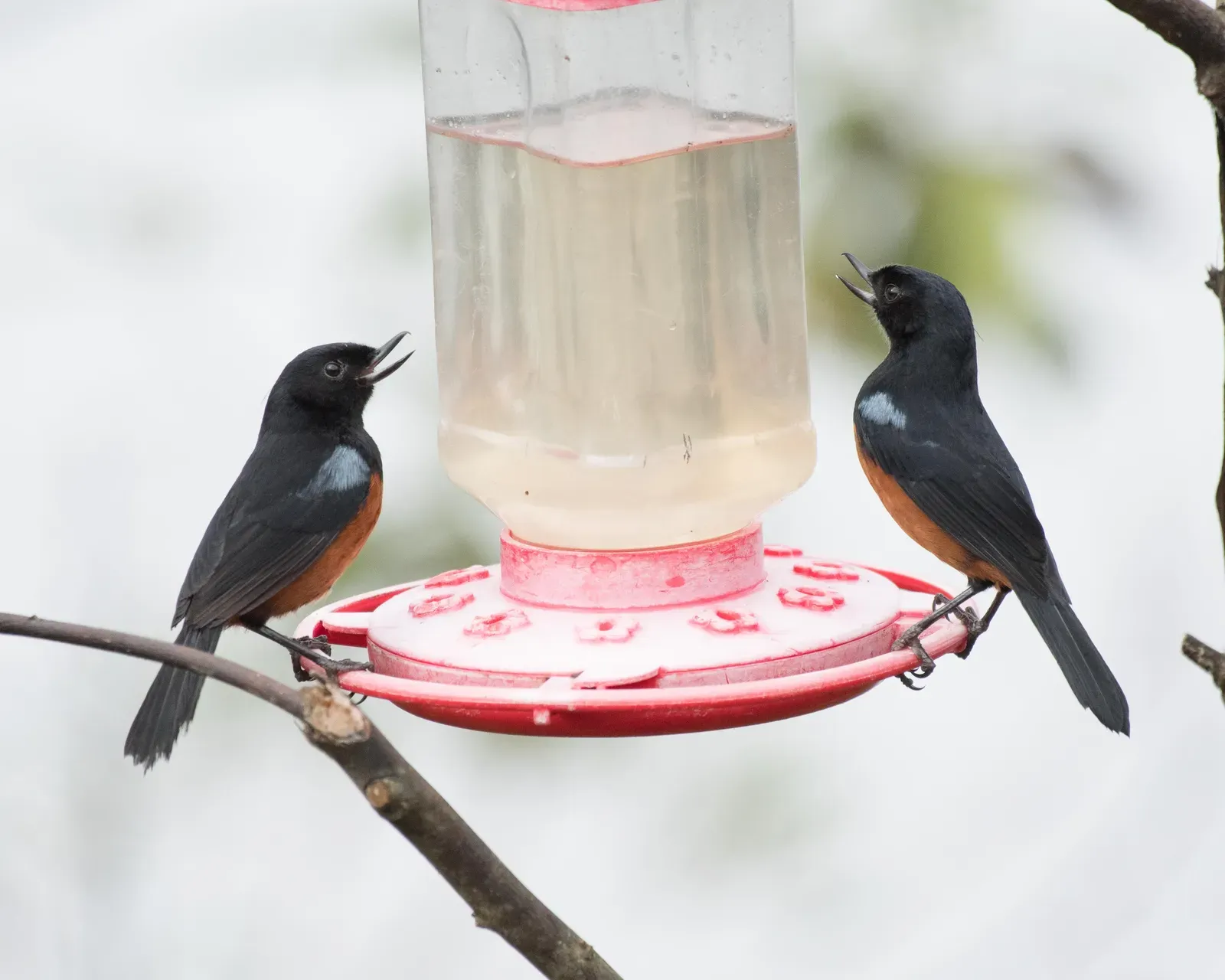
The hummingbirds darting around your feeder are navigating a world their ancestors wouldn’t recognize. Climate change is pushing flowers to bloom earlier. Urbanization is creating new habitat corridors. Our feeders are offering year-round nutrition in places that once turned barren in winter. The result is a cascade of behavioral changes that scientists are racing to document and understand.
Some species, like the Anna’s hummingbird, are thriving and expanding their ranges dramatically. Others are struggling, with populations plummeting. The common thread is change – rapid, ongoing, and profound. These tiny birds, weighing less than a nickel, are showing us in real time how wildlife adapts to a world transformed by human activity.
What do you think about these changes? Are we helping hummingbirds survive in a changing world, or are we disrupting natural patterns in ways we’ll come to regret?
