
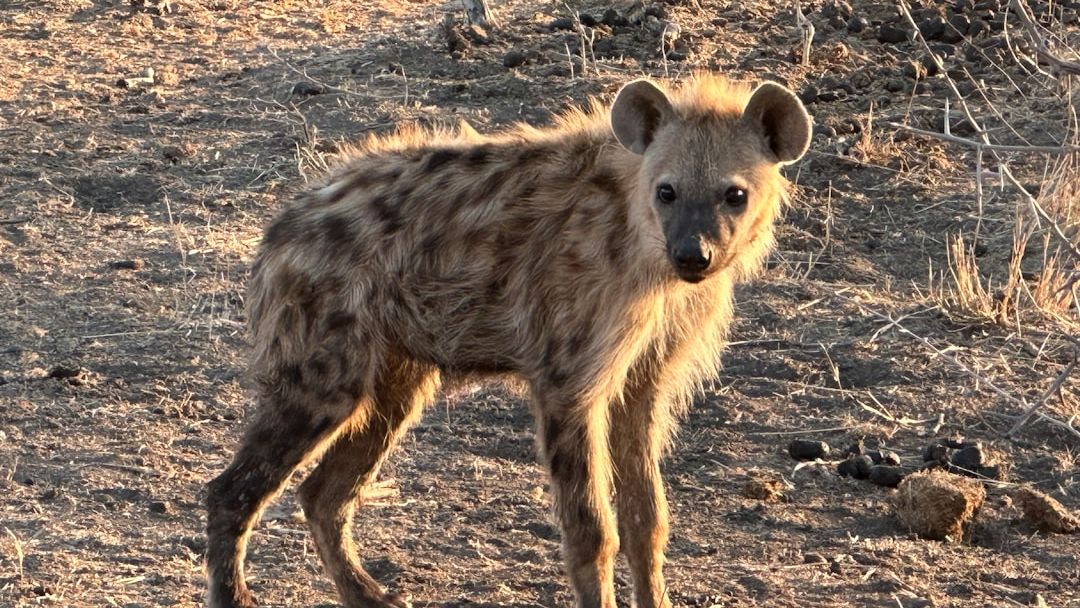
You’ve probably heard the stories. Filthy scavengers skulking around at night, stealing kills from brave lions, emitting that eerie, maniacal laugh. Maybe you picture them as Disney’s villains in “The Lion King,” cowardly creatures lurking in shadows with sinister grins.
Here’s the thing, though. Almost everything you’ve been told about hyenas is flat out wrong. These fascinating carnivores are wildly intelligent, remarkably social, and unfairly vilified by centuries of myths that refuse to die. Let’s be real, they deserve a complete rebrand. Ready to question everything you thought you knew about these creatures?
They’re Not Just Scavengers, They’re Elite Hunters
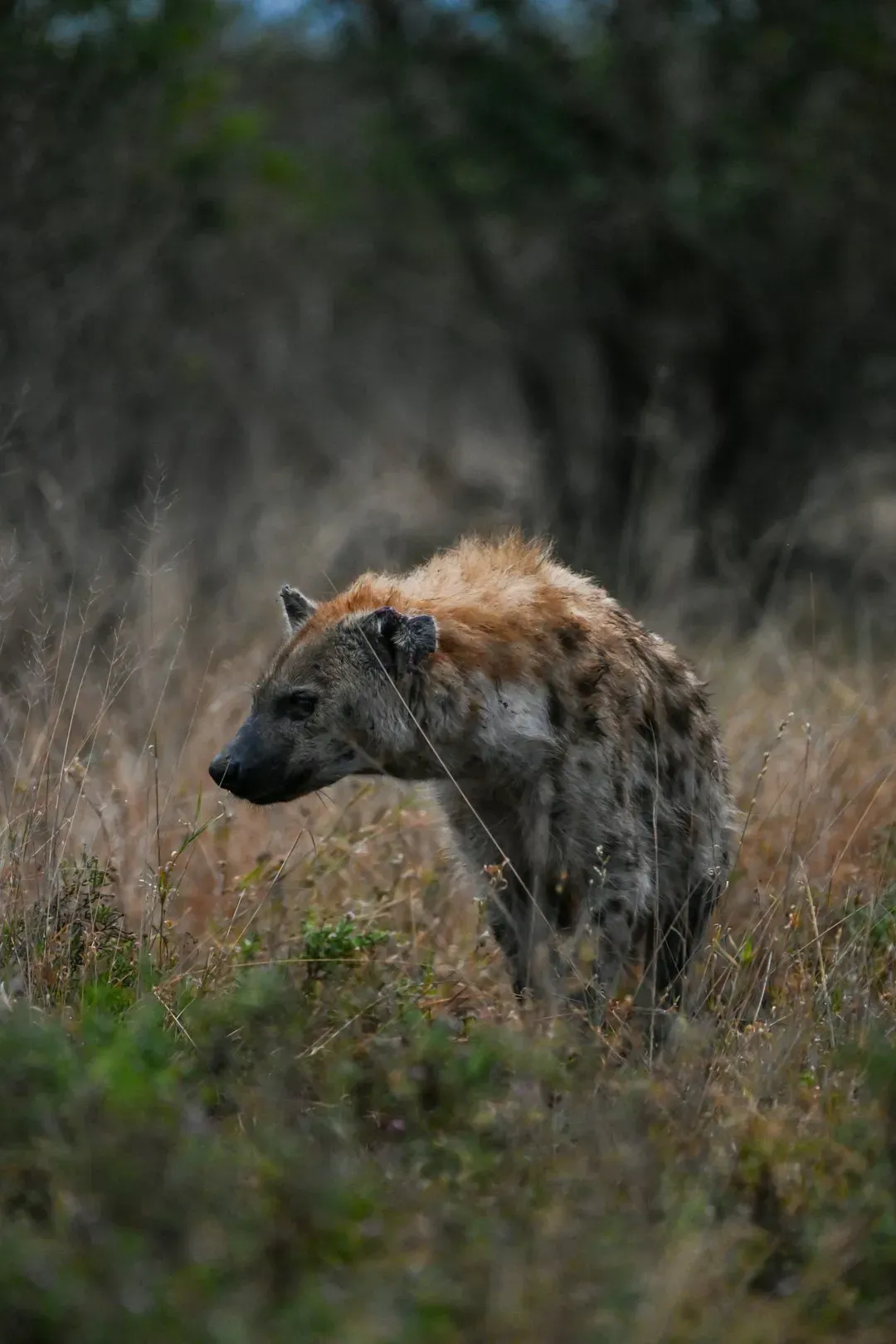
The scavenger myth runs deep, doesn’t it? From Pliny the Elder describing them as the only animals that dig up graves, to Conrad Gesner claiming they gorge on corpses until their bellies swell like drums, hyenas have suffered a reputation crisis for millennia. Popular culture hasn’t helped either, reinforcing this image in countless films and documentaries.
Field studies have found that lions actually steal more kills from spotted hyenas than vice versa. Let that sink in for a moment. Spotted hyenas obtain between 50 to 90 percent of their diet from direct kills, making them highly accomplished hunters rather than opportunistic thieves. They’re strategic predators capable of taking down zebras, wildebeest, and even buffalo when working together.
Their Intelligence Rivals Primates
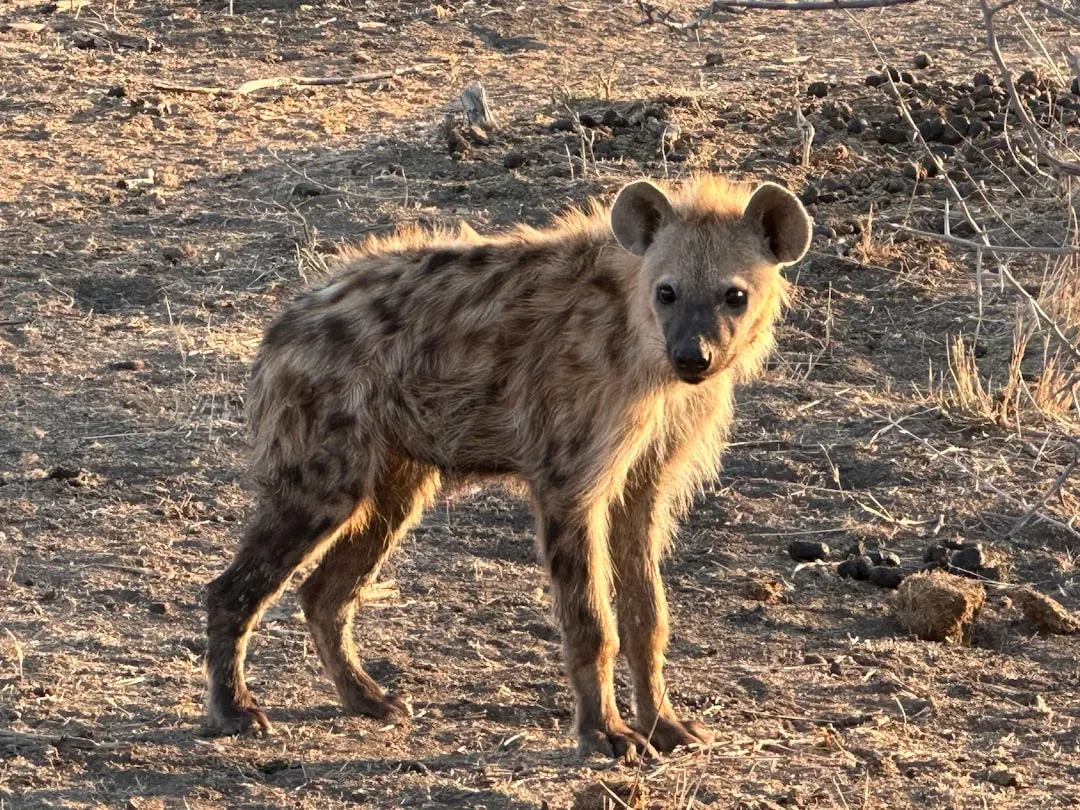
I think this one’s going to surprise you. Studies strongly suggest convergent evolution in spotted hyena and primate intelligence, and spotted hyenas outperform chimpanzees on cooperative problem-solving tests. Imagine that. A carnivore that many dismiss as stupid beating our closest evolutionary relatives.
Spotted hyenas have the largest frontal cortex relative to body size of any carnivore studied, the region associated with social reasoning and executive function in humans. Their problem-solving abilities are nothing short of impressive. Researchers have used puzzle boxes to test them, and hyenas tackle these challenges by experimenting with multiple approaches rather than giving up. Animals that performed well in these tests tended to share a rich social life, suggesting sociability could be the evolutionary force responsible for the hyena’s superior intellect.
They Live in Complex Matriarchal Societies
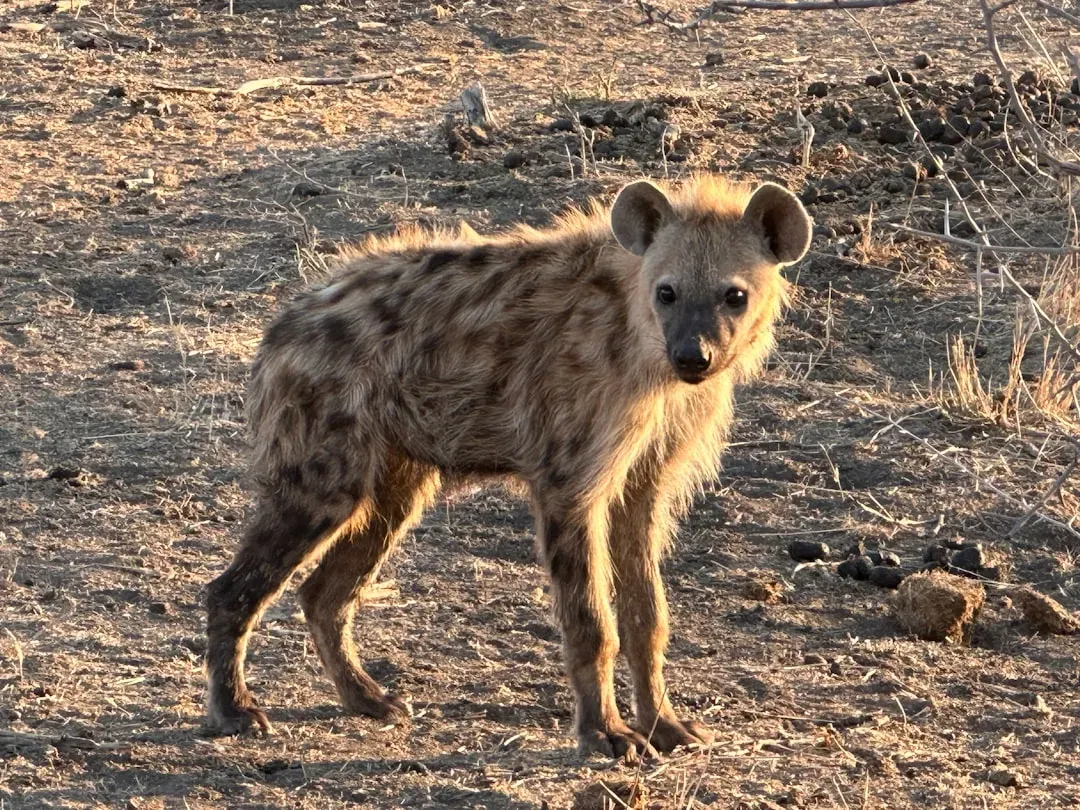
Hyena clans are matriarchal, with females being larger, more aggressive, and socially dominant over males, making them one of the very few mammals where females consistently rule over males. This isn’t just unusual. It’s groundbreaking for mammalian social structures.
Spotted hyena hierarchy is nepotistic, with the offspring of dominant females automatically outranking adult females subordinate to their mother, and cubs take the rank directly below their mothers at birth. Think of it like a monarchy, passed down through generations. Female hyenas have three times more testosterone than males, meaning they are physically stronger and have more aggressive temperaments. The highest-ranking individual in a clan is always the alpha female, followed by her cubs.
Their Bite Force Is Absolutely Terrifying
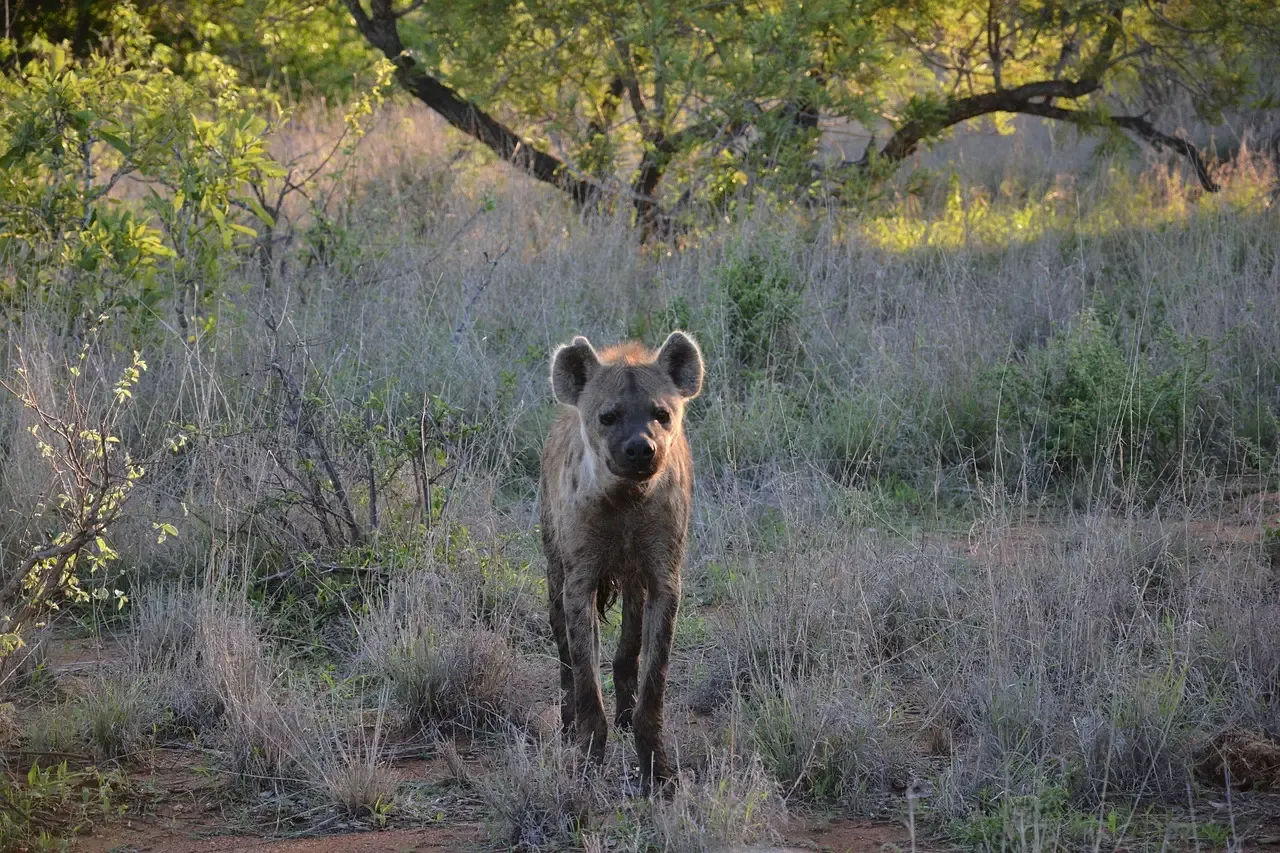
Let’s talk about power for a second. The spotted hyena has a bite force of 1,100 psi, which is stronger than most animals and all other hyena species, and this figure is extremely impressive because of the hyena’s size. For comparison, the average human bite force sits at a measly 162 psi.
Lions are one of the animals hyenas have to compete with, and surprisingly hyenas have the stronger bite force, with lions averaging between 650 to 1,000 psi. Their massive jaws and specialized teeth allow them to do something few predators can: crush bones to access the nutrient-rich marrow inside. A bite force of 1,100 PSI allows hyenas to crack open bones to access the marrow, a vital nutrient source that many other predators cannot exploit.
Their Communication System Is Astonishingly Complex
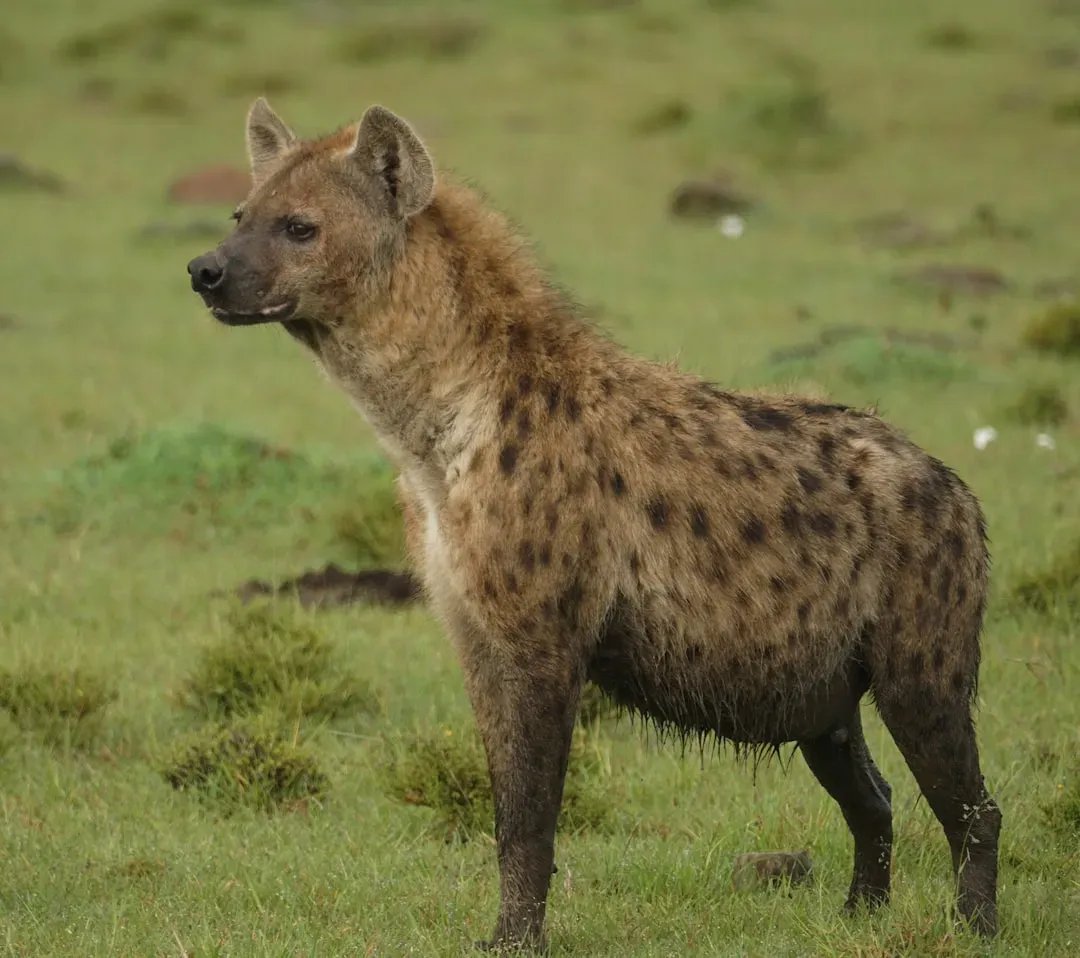
That infamous laugh? While the spotted hyena does have a vocalization that sounds a bit like laughter, it’s actually used by lower-ranking clan members to express stress or fear. It’s nervous laughter, not amusement. Far from being a simple sound, it conveys detailed information.
The hyena’s laugh can encode information about age, individual identity and dominant/subordinate status, providing cues to receivers that could enable assessment of the social position of an emitting individual. They have a large range of vocalizations with over 11 different sounds including yells, howls, cackles and a “whoop” that sounds like laughing to humans, with some vocalizations loud enough to be heard several miles away. Their whoops can travel up to three miles across the savannah, allowing clan members to coordinate movements and defend territory.
Their Bizarre Anatomy Fueled Hermaphrodite Myths
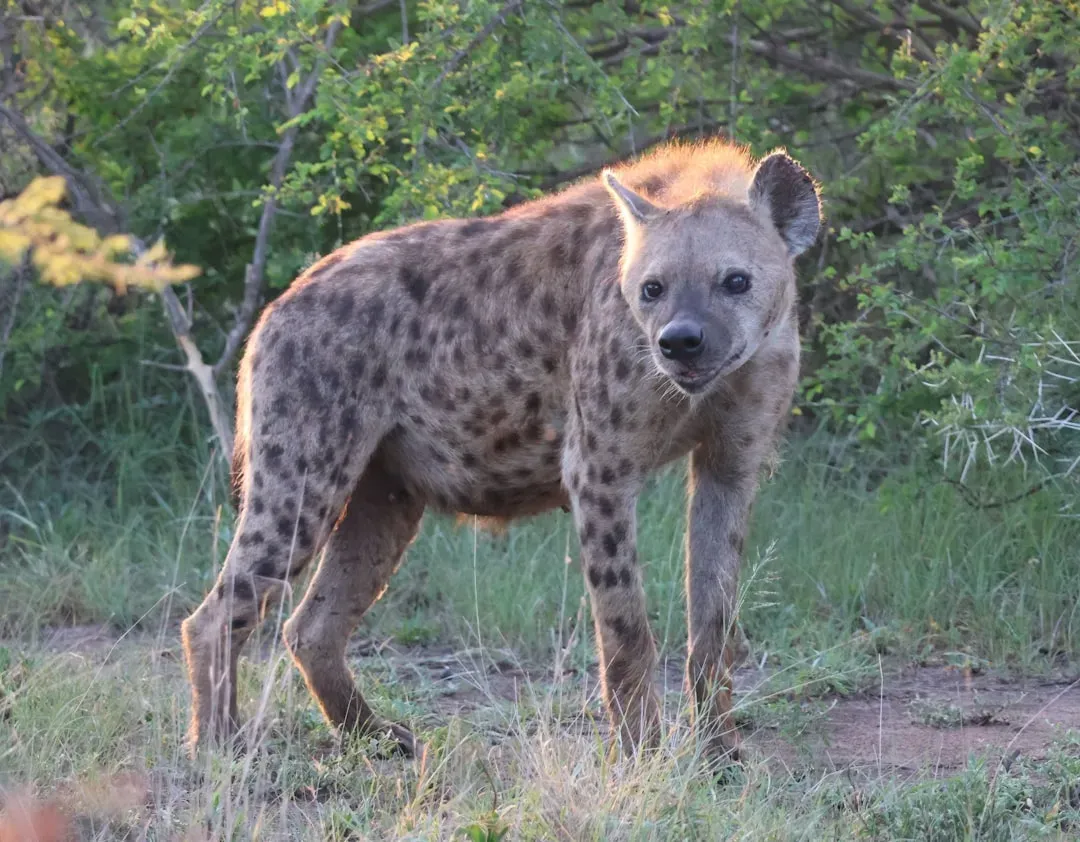
Honestly, this is where things get really wild. The clitoris of female spotted hyenas extends almost eight inches and is shaped and positioned exactly like a penis, hence known in polite biological circles as a “pseudo-penis,” and they can even get erections. The female spotted hyena also appears to sport her very own pair of testicles, as her labia have fused to form a false scrotum filled with fatty-tissue swellings.
Ten percent of first-time hyena mothers die during birth, and the umbilical cord is too short to navigate a birth canal that’s not only twice the length of a similar-sized mammal’s but includes a hairpin turn halfway down, leading to up to 60 percent of cubs suffocating on their way out. Nature can be brutal, but this unique anatomy likely evolved as a result of the high testosterone levels females need to dominate males and compete for resources.
They’re Crucial to Ecosystem Balance
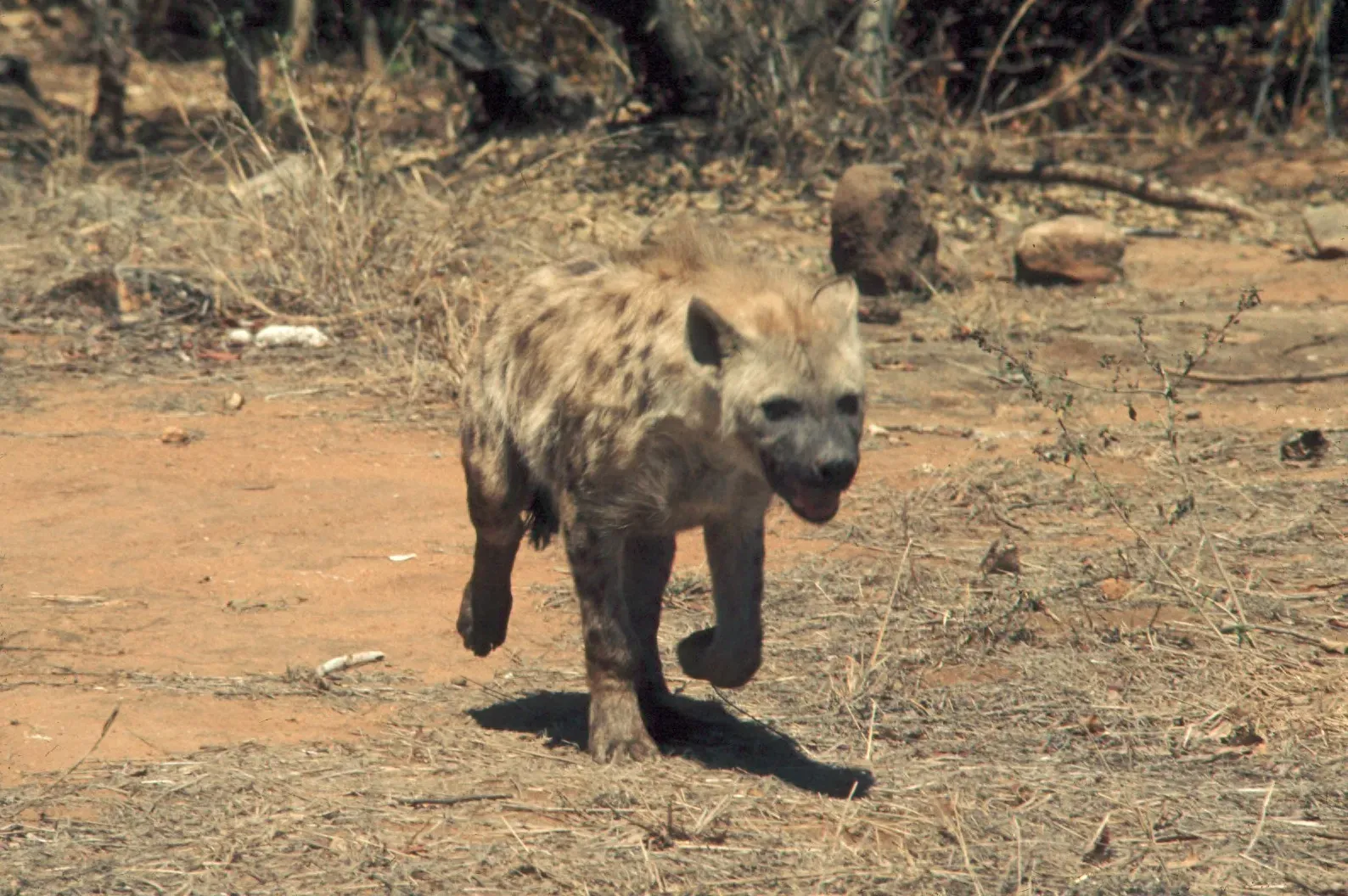
Spotted hyenas play a crucial role in maintaining the balance of ecosystems by cleaning up carcasses left behind by other predators, preventing the spread of diseases, and controlling the population of herbivores by preying on weak and sick individuals. Without them, African savannahs would look drastically different.
Spotted hyenas are considered a keystone species, meaning their presence has a significant impact on the entire ecosystem, and their hunting activities shape the behavior and distribution of other animals, leading to a cascade effect throughout the food chain. They’re not just survivors. They’re architects of the landscape they inhabit, influencing everything from vegetation growth to predator-prey dynamics.
Conclusion
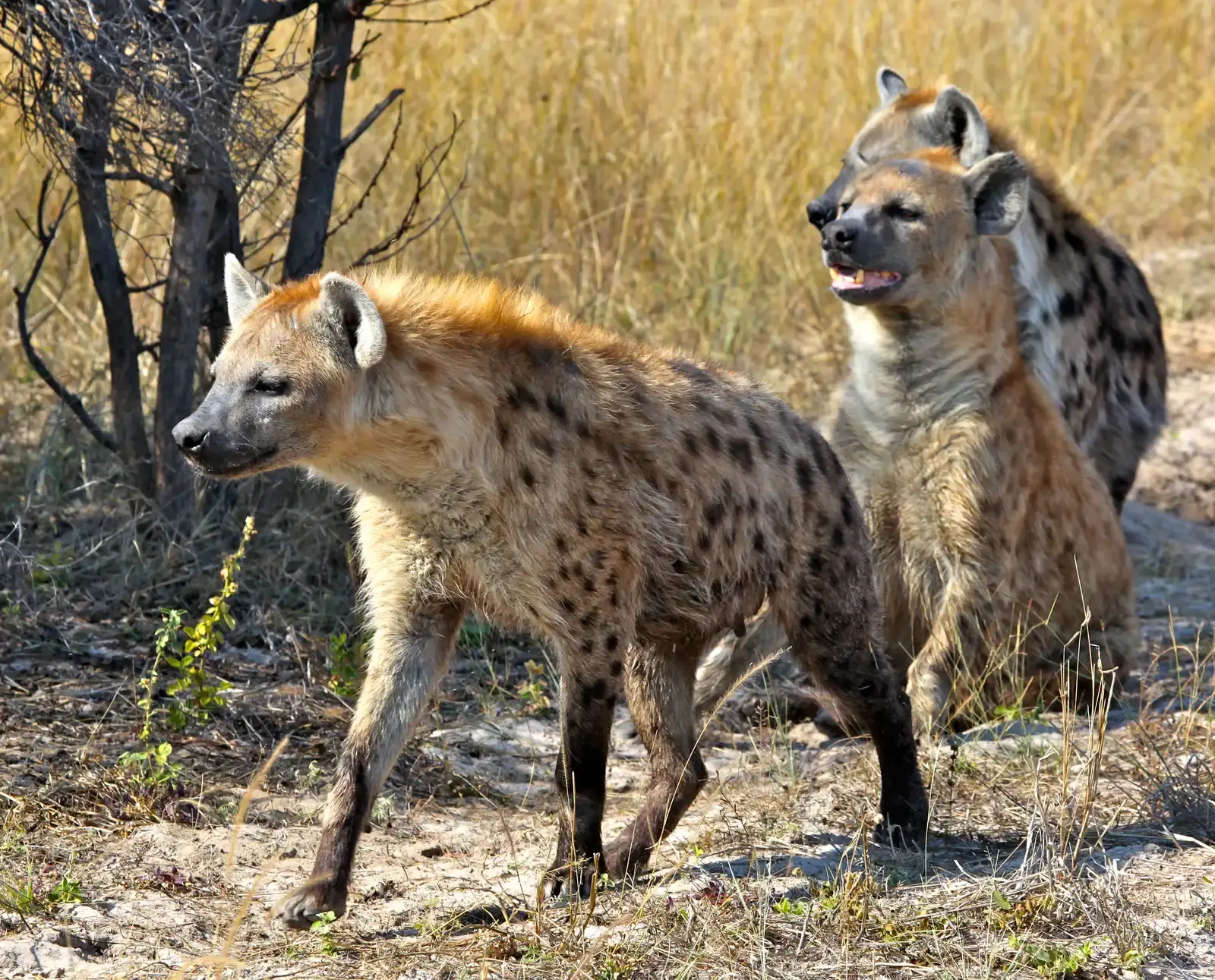
So here we are. Hyenas aren’t the skulking, cowardly scavengers of folklore and film. They’re sophisticated predators with primate-level intelligence, bone-crushing jaws stronger than lions, and matriarchal societies that rival the complexity of baboon troops. They communicate across miles of savannah, cooperate to solve problems, and keep entire ecosystems functioning.
Maybe it’s time we stopped judging them by ancient myths and cartoon villains. These remarkable animals deserve our respect, not our scorn. What would happen if we started seeing hyenas for what they truly are? Would your opinion of nature’s underdogs change completely? Tell us what you think.

- 9 Cat Breeds That Love Kids (And 9 That Prefer Adult Company) - June 30, 2026
- Which Zodiac Signs Would Choose Pit Bull For Their Pet - June 30, 2026
- Gardening Is Becoming More Popular Among Older Americans - June 30, 2026