

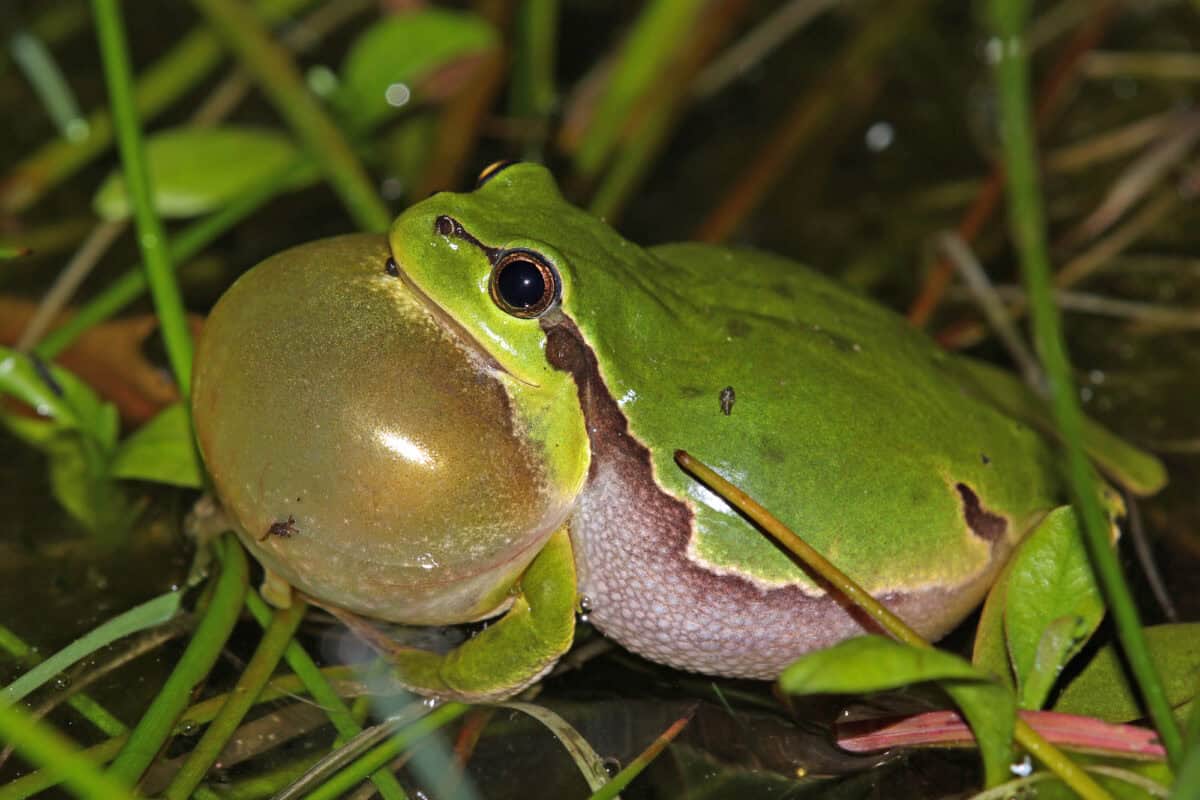
In the moonlit marshes and ponds around the world, a fascinating natural spectacle unfolds as male frogs inflate their vocal sacs to produce melodious calls that pierce through the night. This remarkable behavior is not merely a display of amphibian vocals but a sophisticated evolutionary adaptation vital for reproductive success. Male frogs’ vocal performances represent one of nature’s most captivating courtship rituals, where inflated throats serve as both sound amplifiers and visual signals to potential mates. This article explores the intricate biological mechanisms, evolutionary significance, and diverse patterns of this behavior across frog species, shedding light on why these amphibians have developed such elaborate ways to attract females in their quest for reproductive success.
The Anatomy of Frog Vocal Sacs

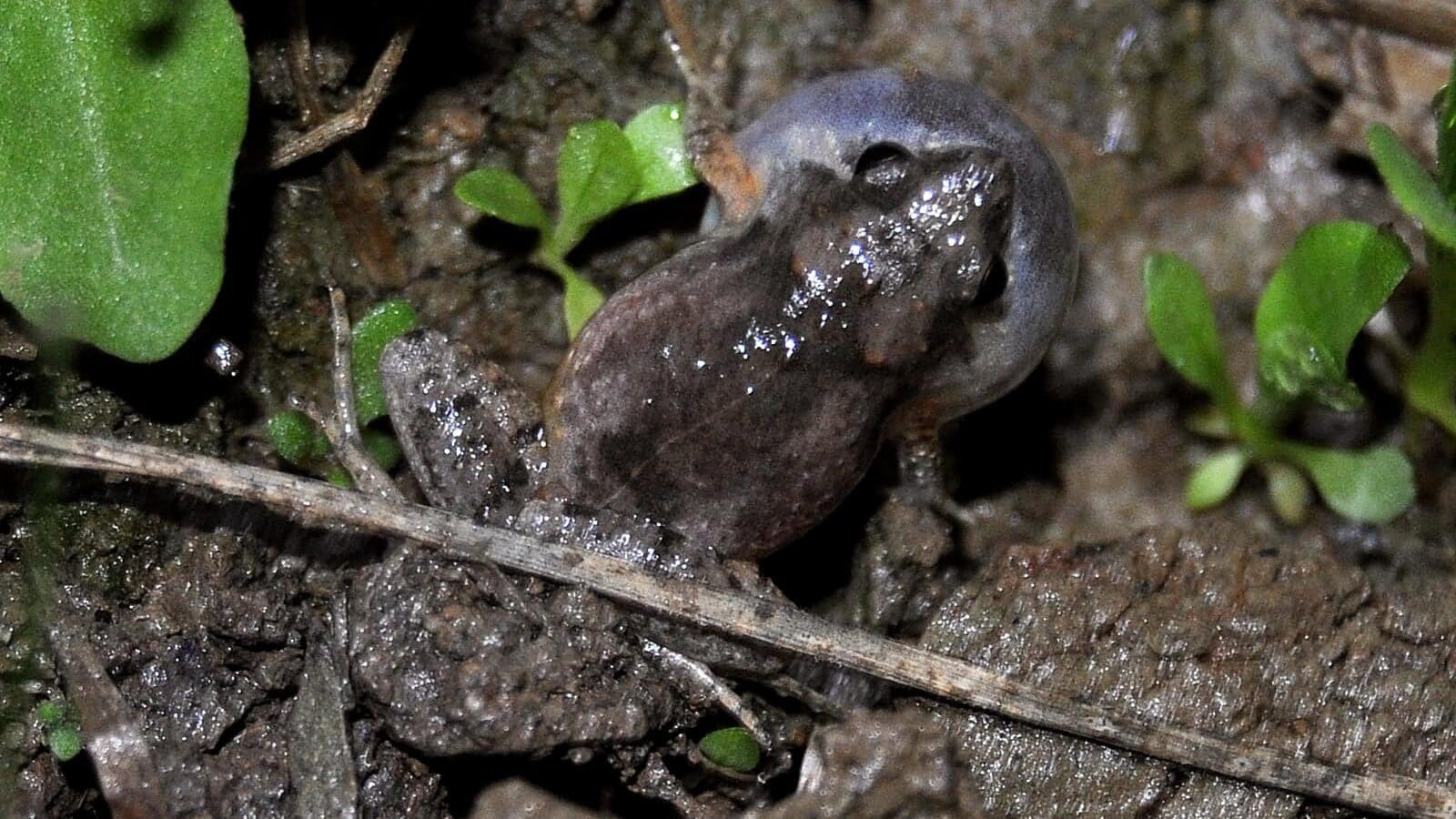
Frog vocal sacs are specialized anatomical structures that have evolved specifically for sound production and amplification. These elastic pouches of skin are connected to the floor of the mouth and typically positioned under the throat, though some species have them at the corners of the mouth or even by the ears. When not in use, these sacs remain deflated and often unnoticeable, but they can expand dramatically during calling sessions.
The vocal sac is composed of highly elastic tissue that can stretch to remarkable proportions—sometimes expanding to nearly the size of the frog’s entire body. This elasticity is crucial for their function as resonating chambers. Inside, the vocal sac connects to the glottis (the opening between the vocal cords) and works in conjunction with the lungs and larynx to produce and amplify sound. The complexity and specialization of this structure underscores its evolutionary importance in frog reproduction.
How the Vocal Mechanism Works
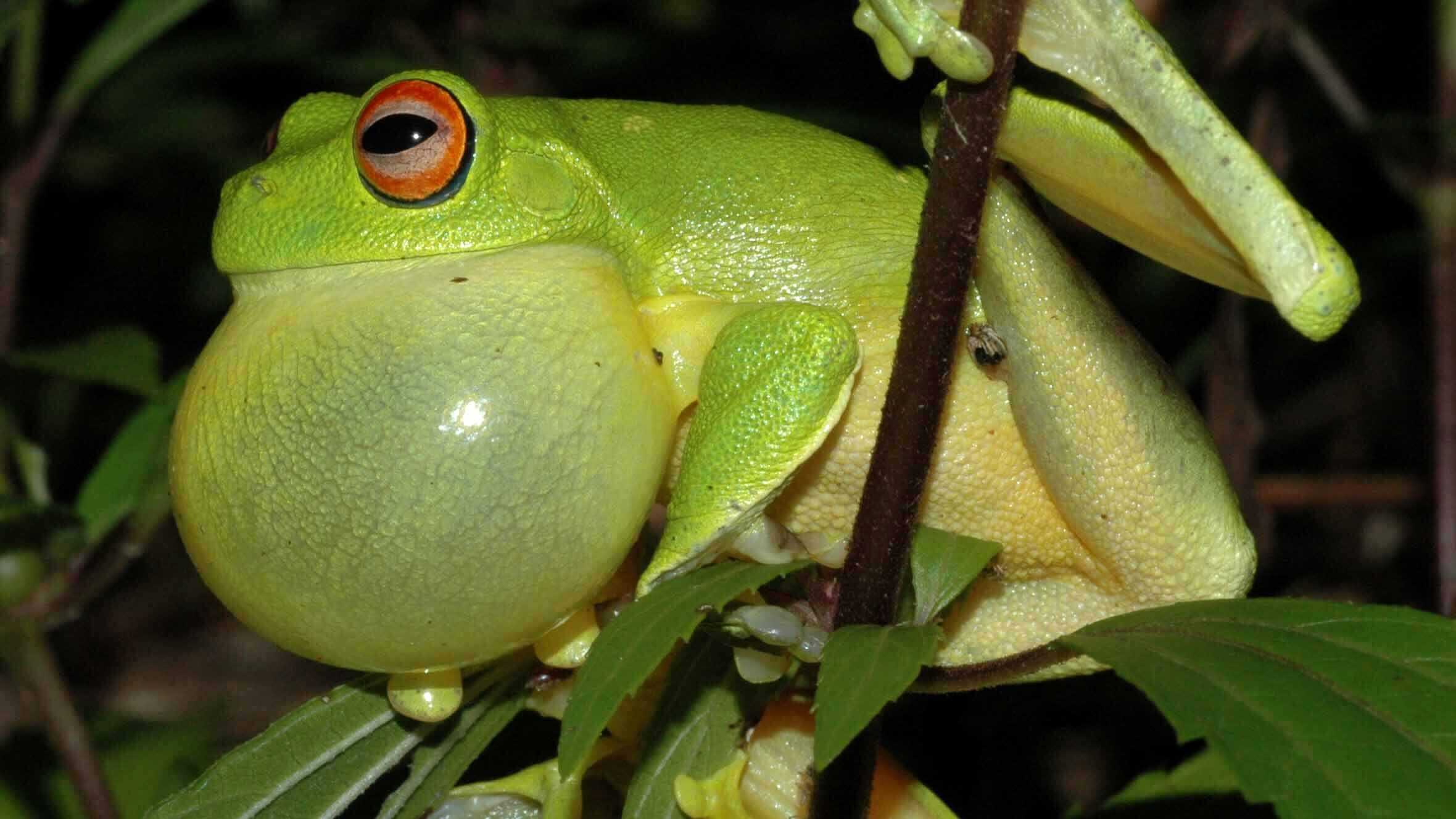
The process of vocal sac inflation and sound production involves several precise physiological steps. When a male frog calls, air is pushed from the lungs through the larynx, where specialized vocal cords vibrate to create the initial sound. Instead of releasing this air, frogs close their nostrils and mouth, forcing the air into the vocal sac, which inflates like a balloon. This system effectively turns the vocal sac into a resonating chamber that amplifies the sound created by the vocal cords.
As the frog continues to call, it recycles the same air repeatedly, moving it back and forth between the lungs and vocal sac without exhaling. This efficient mechanism allows frogs to call continuously for extended periods without needing to take new breaths. The muscles controlling this airflow are precisely coordinated, giving frogs remarkable control over their calls’ volume, pitch, and rhythm. The entire system represents a sophisticated adaptation that maximizes sound production while minimizing energy expenditure.
Evolutionary Advantages of Vocal Sacs
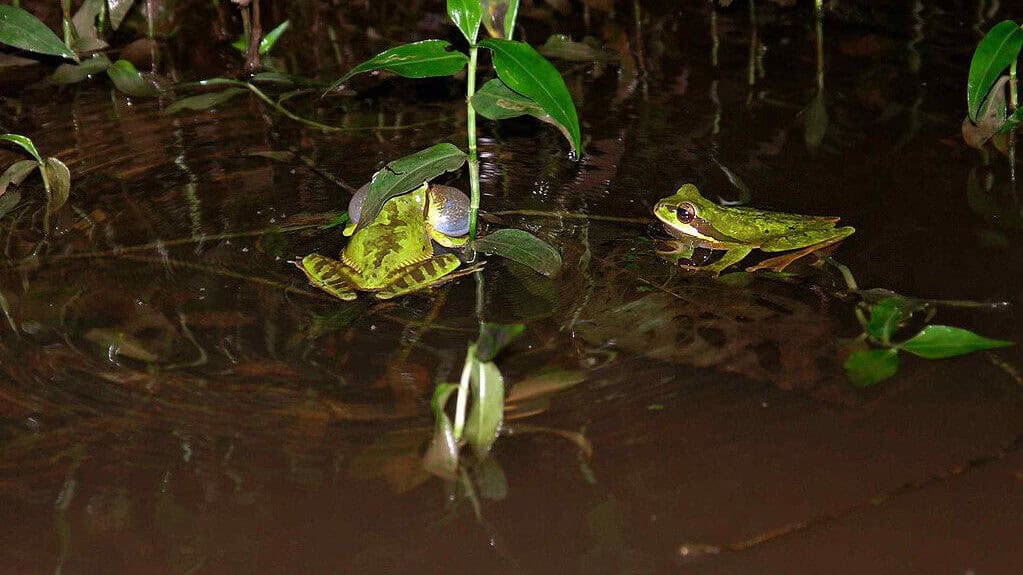
The evolution of vocal sacs offers multiple advantages in the competitive world of frog reproduction. First and foremost, these structures dramatically increase call volume and range, allowing males to broadcast their presence across greater distances in noisy environments. Some frogs can produce calls audible from over a kilometer away—an impressive feat for an animal typically measuring just a few centimeters. This extended acoustic range significantly increases a male’s chances of attracting females from across their habitat.
Beyond sound amplification, vocal sacs provide additional benefits. They serve as visual signals that complement acoustic communication, especially useful in species that call during daylight or in visually unobstructed environments. The rhythmic inflation also helps communicate the call’s pattern and timing, features that females use to identify species-specific calls. Furthermore, the ability to recycle air through the vocal sac system reduces energy expenditure during prolonged calling sessions, allowing males to maintain their acoustic advertisements for longer periods and thus increasing their reproductive opportunities.
Species-Specific Variations in Vocal Sac Displays

The diversity of vocal sac structures across frog species is remarkable. Some species, like the American bullfrog (Lithobates catesbeianus), possess a single, large subgular (under the throat) vocal sac that inflates into a spherical balloon. Others, such as certain tree frogs, have paired vocal sacs that inflate on either side of the throat. The European fire-bellied toad (Bombina bombina) displays an unusual adaptation with vocal sacs that are almost entirely internal, creating less visible but still effective sound amplification.
These variations extend to color and texture as well. Some species have developed strikingly pigmented vocal sacs that contrast with their body coloration, enhancing their visual display. The Pine Barrens treefrog (Hyla andersonii) exhibits a bright yellow-green vocal sac against its darker body, while the male Emei mustache toad (Leptobrachium boringii) develops impressive spike-like nuptial spines near its vocal area during breeding season. These diverse adaptations reflect the various evolutionary pressures and mating strategies that have shaped frog communication systems across different habitats and ecological niches.
The Acoustic Properties of Frog Calls

Frog calls exhibit remarkable acoustic complexity despite coming from such small animals. The vocal sac plays a crucial role in determining many properties of these calls, including frequency (pitch), amplitude (volume), and temporal patterns (rhythm). Different species have evolved distinct call signatures that help females identify appropriate mates within the cacophony of mixed-species choruses. These acoustic “fingerprints” can include trills, whistles, clicks, croaks, and even melodic sequences.
The physical properties of the vocal sac directly influence sound quality. Larger sacs generally produce lower-frequency calls that travel farther through dense vegetation, while species with smaller sacs often emit higher-pitched calls that may be better suited for specific microhabitats. Some tropical frogs have even developed ultrasonic components in their calls that help them communicate above the ambient noise of insect sounds. Research has shown that female frogs are exquisitely sensitive to these acoustic details, often preferring males whose calls demonstrate specific frequency ranges, consistent rhythms, or longer duration—all factors that can signal genetic quality or physical fitness.
The Role of Vocal Sacs in Sexual Selection
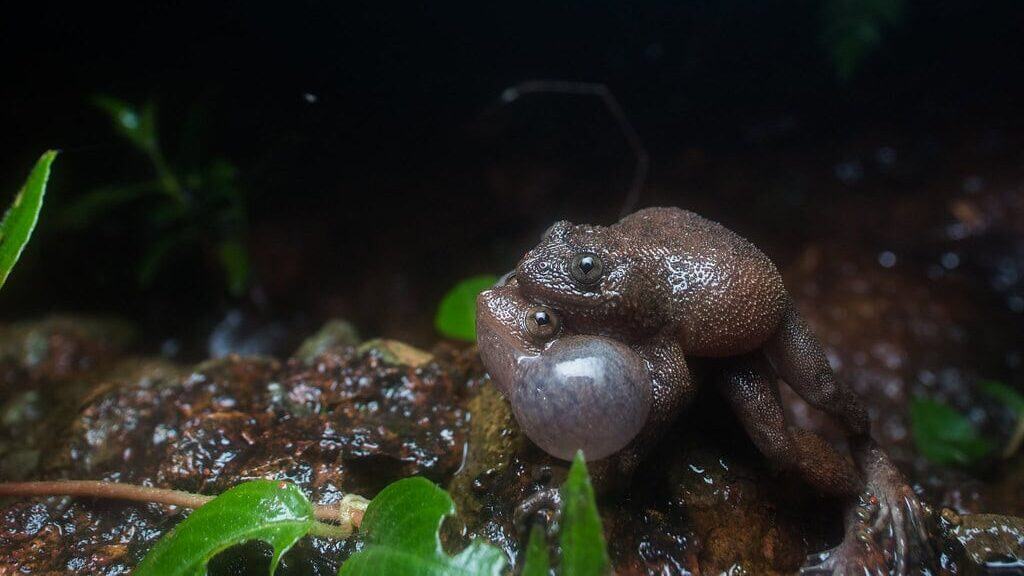
Vocal sacs and the calls they produce are central to sexual selection in frogs. Female frogs typically select mates based on call characteristics, with preferences that vary by species. In many cases, females prefer lower-pitched calls that indicate larger body size or better physical condition. Studies on European tree frogs have shown that females favor males with calls that require greater energy expenditure, suggesting these calls honestly advertise the male’s physical fitness and genetic quality.
The visual component of inflated vocal sacs also plays a significant role in mate choice. In some species, the size, color, or inflation pattern of the vocal sac provides additional information that females use to assess potential mates. For instance, the brightness or color saturation of a vocal sac might indicate a male’s nutritional status or parasite resistance. This multi-modal signaling (combining acoustic and visual cues) helps females make more informed mate choices, selecting males with traits that may confer survival advantages to their offspring.
Competitive Calling Among Males

Male frogs engage in intense vocal competitions during breeding seasons, with vocal sacs playing a central role in these acoustic contests. In dense breeding aggregations, males must distinguish their calls from competitors’, leading to fascinating competitive strategies. Some males adjust their calling rhythm to avoid overlapping with neighbors, while others deliberately time their calls to interfere with competitors. The túngara frog (Physalaemus pustulosus) adds complex components to its basic call when competition intensifies, despite this making them more detectable to predators—a trade-off between attracting mates and avoiding becoming prey.
The energetic demands of these calling competitions are enormous, with some male frogs expending up to 20 times their resting metabolic rate during intense calling sessions. This high energy cost means that only the healthiest males can maintain quality calls over extended periods. In some species, subordinate males adopt alternative strategies when unable to compete acoustically, such as becoming “satellite males” that silently position themselves near calling males to intercept approaching females. These complex competitive dynamics highlight how vocal sac displays have shaped both male-male competition and female choice in frog mating systems.
Environmental Influences on Vocal Sac Displays
Environmental factors significantly impact how frogs use their vocal sacs. Temperature is particularly influential, as it affects both the frog’s metabolism and the physical properties of the vocal apparatus. Most species have an optimal temperature range for calling, with call rate and duration typically increasing as temperature rises, up to a certain threshold. During colder periods, calls may become slower and less frequent, potentially reducing a male’s attractiveness to females.
Habitat acoustics also shape vocal sac adaptations. Species living in dense forests have evolved calls that minimize degradation as sound travels through vegetation, while those in open areas may utilize different acoustic properties. Water bodies create their own acoustic challenges, with some aquatic frogs developing specialized underwater calling mechanisms. Human-caused noise pollution poses a modern challenge, with studies showing that some frog species adjust their calling behavior in response to urban or industrial noise, sometimes shifting to higher frequencies or calling during quieter periods. These adaptations demonstrate the remarkable plasticity of frog communication systems in response to environmental conditions.
Hormonal Regulation of Calling Behavior

The inflation of vocal sacs and associated calling behavior is tightly regulated by hormonal systems. Seasonal breeding cycles in most frog species are triggered by environmental cues like rainfall, temperature changes, or photoperiod, which stimulate the production of reproductive hormones. Testosterone plays a primary role in developing and activating the vocal apparatus in male frogs, with elevated levels coinciding with the breeding season. Experimental studies have demonstrated that artificially increasing testosterone levels can induce calling behavior even outside the normal breeding period.
Beyond testosterone, other hormones like arginine vasotocin (AVT)—the amphibian equivalent of mammalian vasopressin—fine-tune calling behavior. AVT influences calling motivation and patterns, with injections of this hormone increasing call rate and duration in several species. Stress hormones like corticosterone can suppress calling activity when environmental conditions are unfavorable. This complex hormonal orchestra ensures that vocal sac displays occur at optimal times for successful reproduction, maximizing the chances that energy-intensive calling behaviors will result in successful mating.
Predation Risks Associated with Calling

The conspicuous nature of inflated vocal sacs and loud calls creates significant predation risks for male frogs. Calling essentially functions as a “come and get me” signal not just to potential mates but also to various predators. Bats, birds, snakes, and larger frogs often locate prey by honing in on these acoustic and visual displays. The túngara frog’s complex calls, while more attractive to females, also attract frog-eating bats that can precisely locate calling males using echolocation. Similarly, the inflated white vocal sac of many tree frogs creates a visible target in the darkness.
This predation pressure has led to fascinating adaptations that balance the competing demands of attraction and survival. Some species call from protected positions within vegetation or partially submerged in water to reduce visibility. Others adopt complex calling strategies, such as calling in large groups to dilute individual risk (the “selfish herd” effect) or calling only briefly before changing position. Some frogs even time their calling to coincide with noisy environmental conditions that might mask their location from predators. These adaptations highlight the evolutionary tightrope that male frogs walk between being noticed by females and avoiding becoming prey.
Human Impacts on Frog Calling Behavior

Human activities increasingly disrupt the delicate balance of frog vocal communication. Habitat fragmentation creates barriers that can prevent females from locating calling males, potentially leading to breeding isolation and population decline. Light pollution affects the timing of calling activity in nocturnal species, sometimes desynchronizing breeding behaviors that evolved to occur during specific light conditions. Perhaps most significantly, anthropogenic noise from traffic, industry, and urban environments can mask frog calls, forcing males to alter their calling patterns or rendering their calls ineffective at attracting mates.
Climate change presents additional challenges, as shifting temperatures and precipitation patterns affect the timing and duration of breeding seasons. For species that rely on specific environmental cues to trigger calling behavior, these changes can lead to mismatches between peak calling periods and optimal breeding conditions. Water pollution, particularly from agricultural runoff containing pesticides and herbicides, can directly affect hormone systems that regulate calling behavior. Conservation efforts increasingly recognize the importance of preserving not just physical habitats but also the acoustic environments that allow frogs to communicate effectively through their remarkable vocal sac displays.
The inflation of male frogs’ throats represents one of nature’s most elegant solutions to the challenge of finding mates in complex environments. These specialized vocal sacs have evolved as sophisticated broadcasting systems that amplify relatively weak sounds into powerful calls capable of traveling impressive distances. The diversity of vocal sac structures and calling patterns across frog species demonstrates how natural selection has fine-tuned these adaptations to specific habitats, ecological niches, and mating strategies. From the thunderous bellows of bullfrogs to the delicate trills of tree frogs, these calls form the soundtrack of wetland ecosystems worldwide.
The study of frog vocal communication continues to yield insights into broader questions of animal behavior, sexual selection, and evolution. As researchers develop more sophisticated recording and analysis techniques, we’re discovering even greater complexity in these communication systems than previously imagined. Yet these remarkable adaptations face mounting threats from habitat loss, climate change, and other human impacts that may disrupt the ancient dialogue between calling males and choosing females. Understanding and preserving the conditions that allow frogs to continue their vocal performances is not just crucial for amphibian conservation but also for maintaining the rich acoustic diversity of our natural world.

- How Crickets Chirp Using Their Wings - July 20, 2026
- The Largest Sea Turtle Ever Rescued Off North Carolina - July 20, 2026
- The Ocean’s Escape Artist: Why Octopuses Outsmart Us All - July 20, 2026
Leave a comment
You must be logged in to post a comment.