
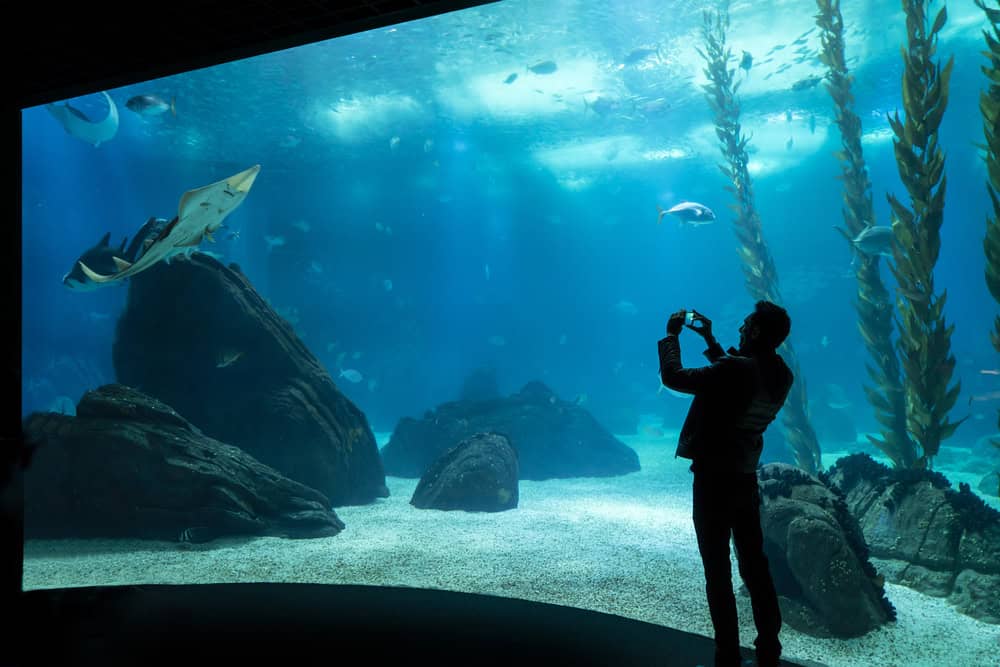
The allure of the great white shark, with its formidable presence and sheer power, captures the human imagination. Yet, despite its fascinating nature and status as an apex predator, the great white shark remains conspicuously absent from aquariums across the United States. This article delves into the reasons behind this absence, offering insights into the complexities and challenges of attempting to keep such a creature in captivity.
The Majesty of the Great White Shark

The great white shark, scientifically known as *Carcharodon carcharias*, is one of the ocean’s most iconic creatures. Known for its size—reaching up to 20 feet in length—and its sharp, serrated teeth, this formidable predator roams the oceans, inspiring awe and fear. Despite being a subject of endless fascination, these sharks are rarely seen in aquariums.
Challenges of Captive Environment

Creating a suitable environment for great white sharks in captivity presents significant hurdles. These sharks are accustomed to vast oceanic territories, often migrating thousands of miles. Replicating such an expansive and dynamic habitat within the confined space of an aquarium tank is virtually impossible, leading to the distress or decline in health of the shark.
Ethical Considerations

The ethics of keeping a large, migratory animal like the great white shark in captivity are hotly debated. Many marine biologists and conservationists argue that the stress of confinement is not only detrimental to the well-being of the shark but also does not align with ethical animal treatment standards. Furthermore, these animals’ complex needs are exceedingly difficult to meet within traditional aquarium settings.
Magnitude and Behavior

Great white sharks are not only large but also exhibit intricate behavioral patterns that are difficult to accommodate in captivity. They are used to traveling long distances across open water, often diving to deep depths that an aquarium setting cannot replicate. This behavior is not merely a habit but a necessity for their physiological and psychological health.
Previous Attempts and Lessons Learned

Historically, there have been several attempts to keep great white sharks in aquariums, notably in the United States. However, these efforts have often ended in failure, with the sharks quickly succumbing to health issues or dying shortly after being introduced to captivity. These attempts highlighted the difficulty in catering to the natural needs of these predators when confined.
Nutritional Requirements

Feeding great white sharks in captivity poses another challenge. As apex predators, they require a diet rich in diverse prey such as seals and large fish, which is difficult to provide in an aquarium setting. Their hunting behaviors and nutritional needs are elaborate and do not easily translate to a controlled environment.
Stress and Its Impacts

Great white sharks are particularly sensitive to changes in their environment, and the stress of being captured and placed in an aquarium can lead to severe consequences. High stress levels can affect their immune system, making them susceptible to diseases and dramatically reducing their life expectancy.
Conservation and Educational Opportunities
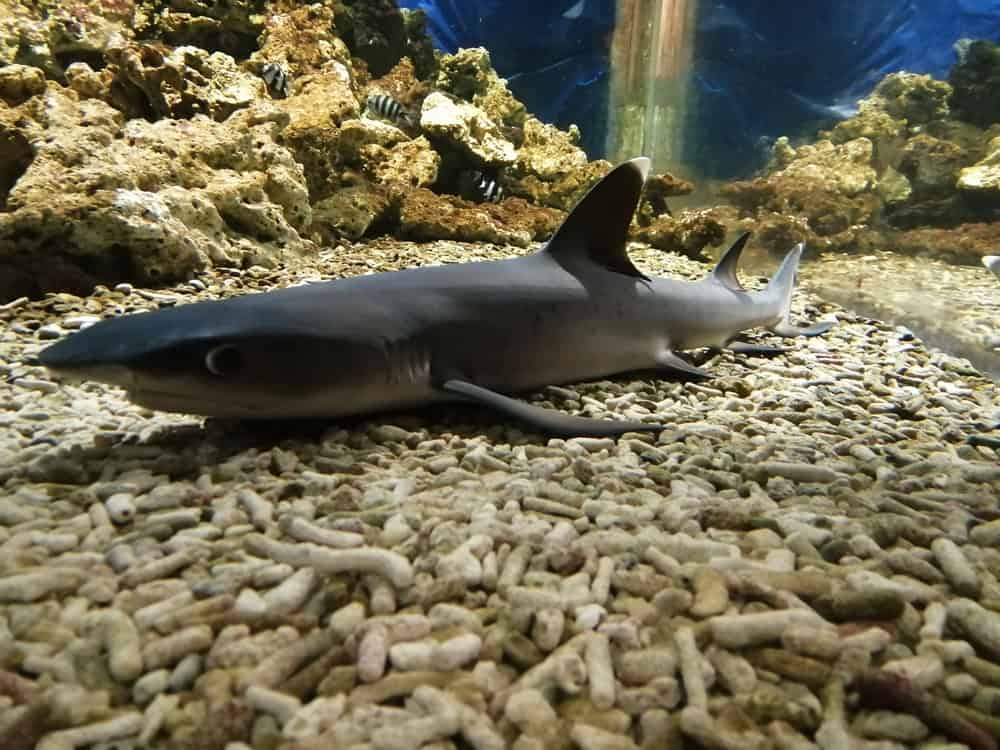
Rather than keeping living specimens, many aquariums have shifted towards educational programs emphasizing conservation. Through virtual reality experiences, documentaries, and interactive exhibits, aquariums can educate the public about great white sharks without compromising the animals’ health and well-being.
Public Safety Concerns
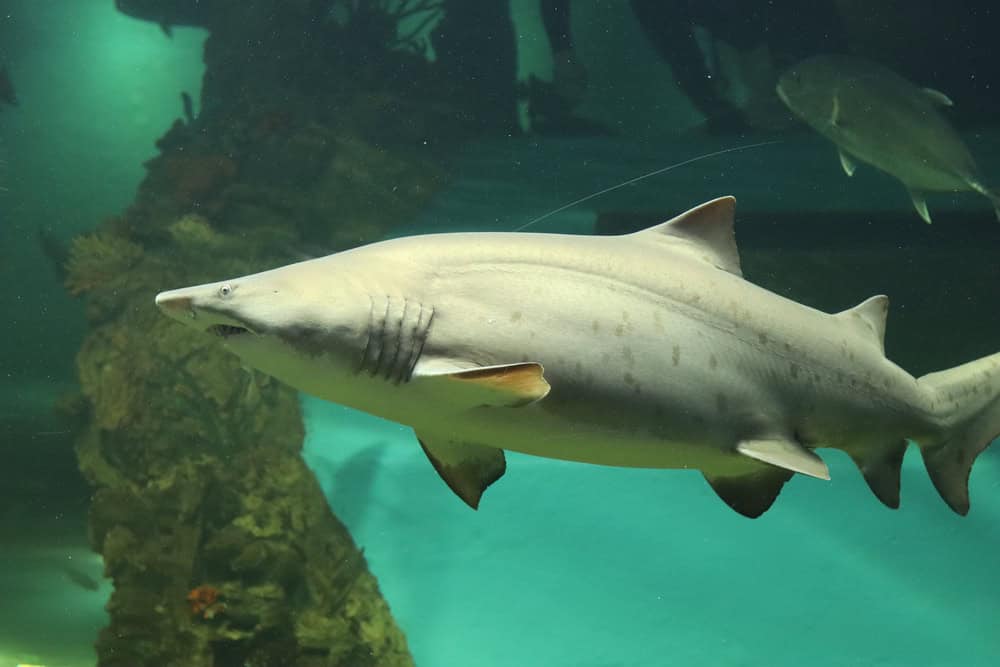
The powerful and unpredictable nature of great white sharks also raises public safety issues when considering their captivity. While aquariums employ advanced safety measures, housing such a potentially dangerous animal poses risks to both caregivers and visitors, further complicating the feasibility of such an endeavor.
Technological Limitations in Aquatic Design
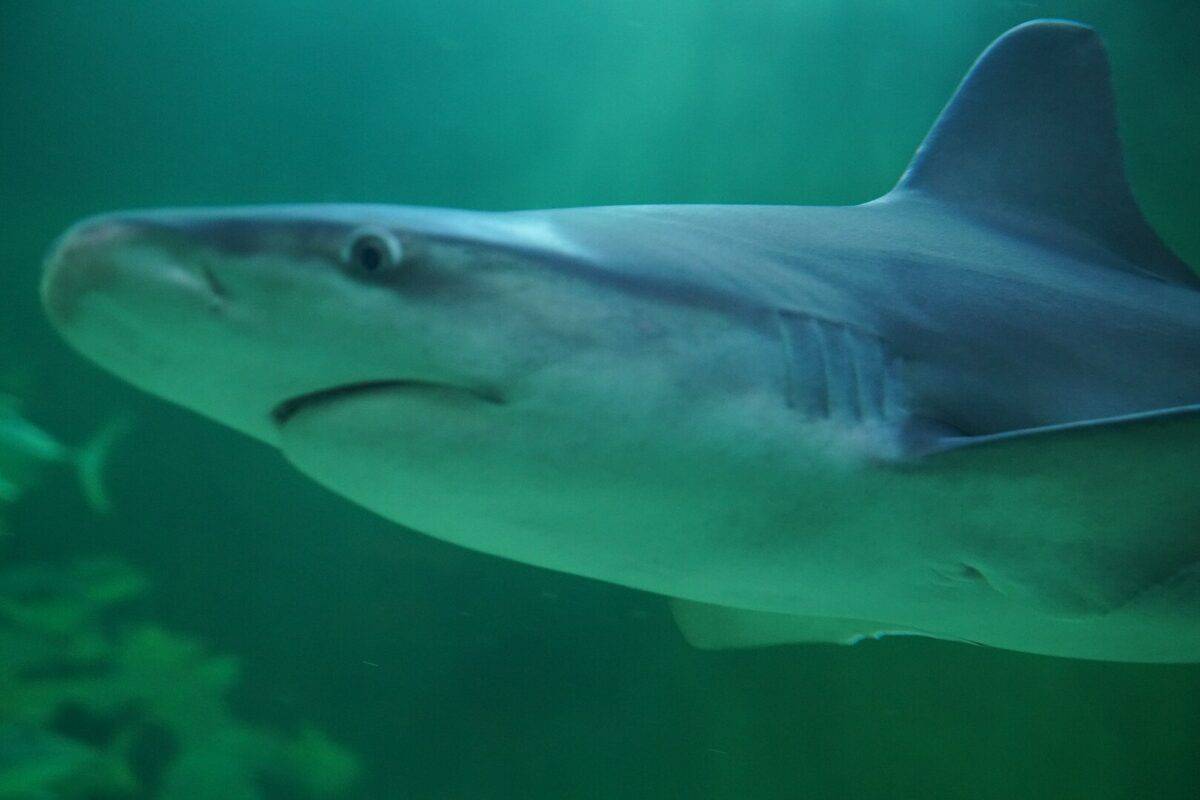
Technological limitations in designing aquarium tanks further restrict the possibility of housing great white sharks. The tanks required to accommodate their size and behavioral needs would need to be extraordinarily large and complex, posing financial and logistical challenges beyond the scope of most aquariums’ capabilities.
Learning from Nature
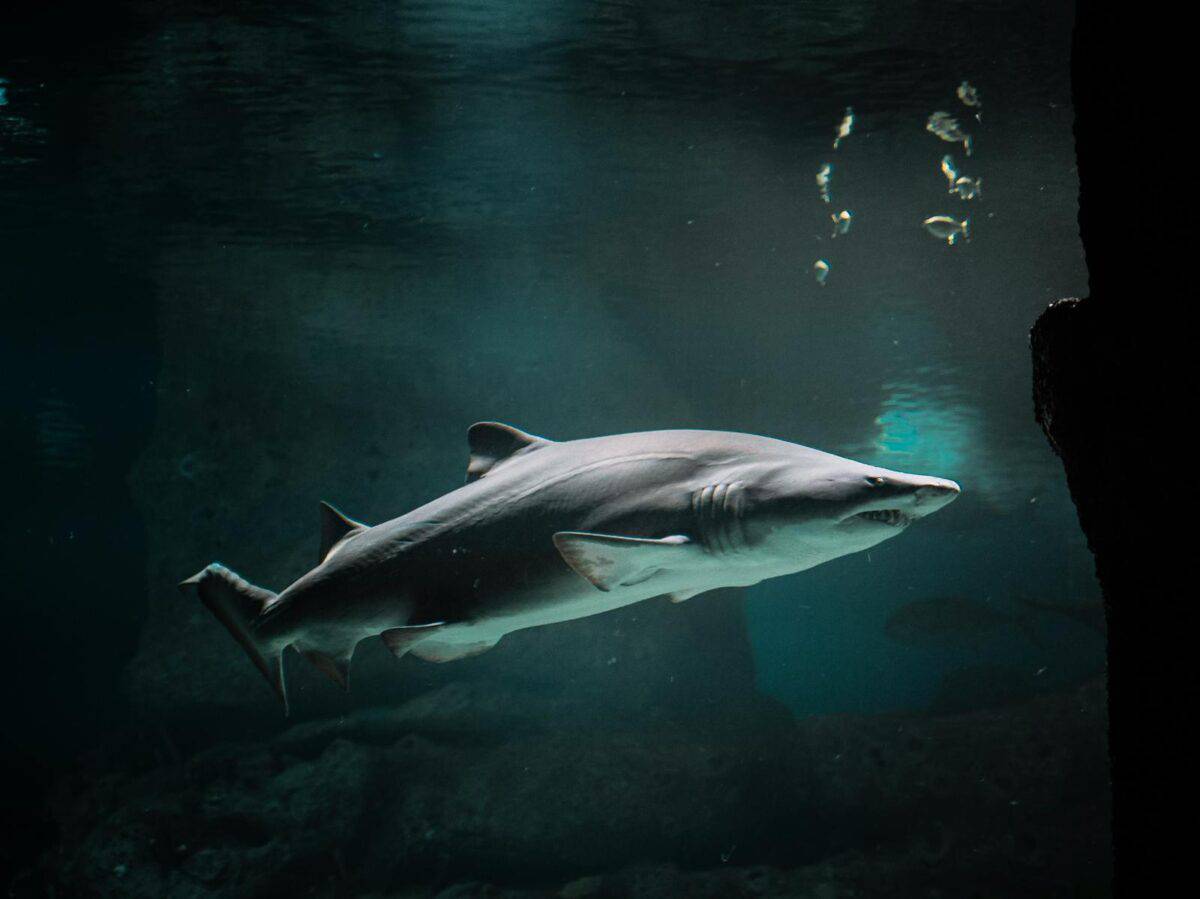
Observing great white sharks in their natural habitat offers unparalleled insights into their behaviors and ecology. Research funded by aquariums often supports field studies that aim to understand and protect these magnificent creatures without removing them from their natural environment.
The Future of Aquatic Exhibitions

Innovations in technology and marine sciences may eventually provide new ways to showcase great white sharks without compromising their health. For now, the focus remains on respecting and preserving their natural environment while continuing to explore their mysteries from afar.
Conclusion: Respecting the Ocean Giants

The absence of great white sharks in US aquariums underscores the significant challenges and ethical considerations involved in trying to keep these ocean giants in captivity. As scientists and conservationists work together to protect and understand these apex predators, aquariums evolve to educate and inspire the public in ways that respect and preserve the natural world. The allure of the great white shark serves as a reminder of the ocean’s vast mysteries, encouraging us to cherish and conserve these remarkable creatures where they truly belong—in the wild.

- How Animals Predict Natural Disasters — Myth or Reality? - August 10, 2026
- The Woolly Mammoth Could Soon Walk Again—Thanks to Science - August 10, 2026
- How Bees Use Geometry to Build the Perfect Hive - August 10, 2026