

Throughout human history, owls have occupied a unique position in our collective consciousness. While some cultures revere these nocturnal birds as symbols of wisdom and knowledge, others regard them with deep-seated fear and suspicion. In both African and Native American folklore, owls often represent death, bad omens, and supernatural forces. These cultural perceptions have persisted for centuries, influencing attitudes toward these birds even in modern times. This article explores the fascinating and sometimes chilling beliefs surrounding owls in these rich cultural traditions, examining why these silent night hunters have become emblems of fear and foreboding.
The Universal Nature of Owl Symbolism

Owls possess several characteristics that have contributed to their mysterious reputation across cultures. Their nocturnal habits, silent flight, distinctive calls, and piercing eyes create an otherworldly impression. These traits have made owls natural symbols for the supernatural, the unknown, and the boundary between life and death. While European traditions often celebrate owls as wise creatures, African and Native American perspectives frequently view them as harbingers of doom. This stark contrast highlights how the same creature can inspire radically different symbolic meanings depending on cultural context. The owl’s ability to see in darkness, combined with its ghostly appearance and haunting calls, has cemented its role as a creature associated with the spiritual realm in many traditions.
Owls in African Folklore: Messengers of Death

Across numerous African cultures, owls are commonly perceived as harbingers of death and misfortune. In many regions, the owl’s call is believed to forecast an imminent death in the community. Among the Kikuyu people of Kenya, owls are considered manifestations of ancestral spirits, often bringing warnings or messages from the afterlife. When an owl perches on a rooftop and hoots, it is frequently interpreted as selecting the next person to die. Similarly, in West African traditions, particularly among certain Nigerian ethnic groups, owls are associated with witchcraft and sorcery. These birds are believed to be the transformed manifestations of witches or their familiars, sent to cause harm or spy on potential victims. The deep-rooted fear is so profound that in some communities, the mere mention of owls after dark is taboo.
The Symbolism of Owls in Native American Cultures

Native American perspectives on owls vary significantly among different tribes, but many share a common thread of viewing these birds as connected to death and the spirit world. For the Lakota, the owl represents the soul’s journey after death, while the Pawnee associate owls with protection during night ceremonies but also with warnings of danger. The Cherokee have traditionally viewed owls as consultants to medicine men but also as potential shapes that witches might assume. Among tribes of the Pacific Northwest, owls are often linked to souls of the departed. The Apache associate owls with ghost sickness, believing that hearing an owl’s call might indicate that a recently deceased person’s spirit is nearby. These beliefs reflect how owls, as creatures of the night, naturally became symbols for the mysterious transition between life and death in Native American cosmology.
Owls as Shapeshifters and Witches
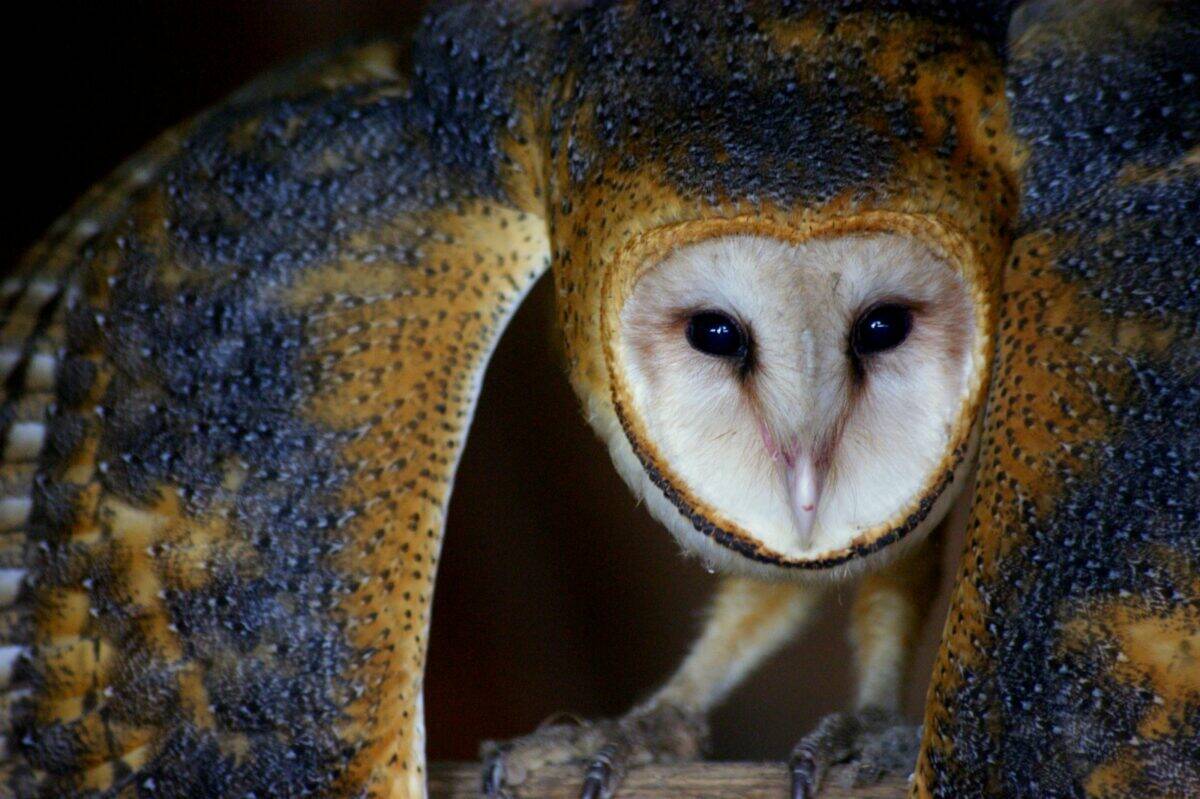
One of the most pervasive beliefs in both African and Native American traditions is the association between owls and shapeshifting. In numerous African cultures, particularly in West and Central Africa, witches are believed to transform into owls to conduct their nefarious activities under cover of darkness. The Navajo of North America similarly believe in “skinwalkers,” evil witches who can transform into animals, with the owl being a common choice. This transformation allows these malevolent forces to spy on potential victims, cast spells, or even steal souls. The silent flight of owls, which enables them to approach unsuspecting prey, reinforces this connection to stealth and supernatural abilities. In both cultural traditions, the unexpected appearance of an owl, especially one exhibiting unusual behavior, might be interpreted as a disguised witch rather than an ordinary bird.
Owl Calls as Omens and Warnings

The distinctive calls of owls play a central role in their fearsome reputation. In many African communities, especially in Eastern and Southern Africa, hearing an owl’s hoot near one’s home is considered an extremely bad omen, often predicting death or serious illness. The Zulu and Xhosa peoples traditionally believe that owls are sent by sorcerers to inflict harm on their enemies. Among certain Native American tribes, including the Hopi and Apache, the call of an owl is sometimes interpreted as the voice of a deceased person trying to communicate with the living. The Ojibwa consider the hooting of an owl to be a communication from the spirit world, potentially warning of danger. The timing and direction of the call often determine the specific interpretation, with calls heard during significant life events carrying particular weight. These acoustic associations have cemented the owl’s reputation as a messenger between worlds.
Physical Characteristics That Inspire Fear

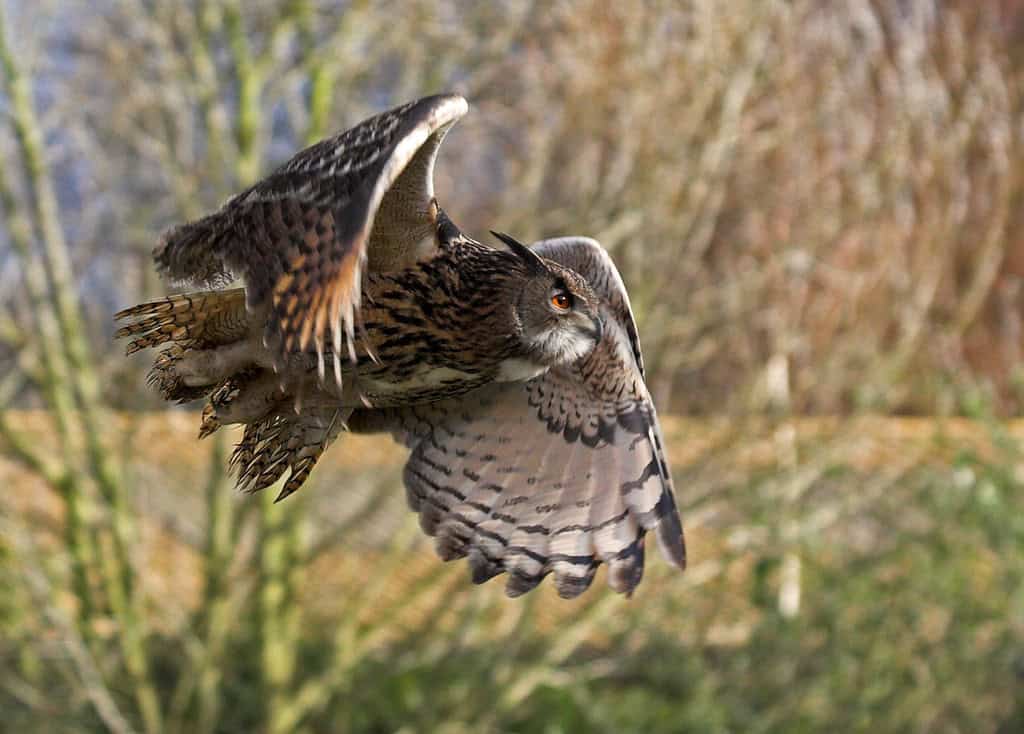
The physical appearance of owls has contributed significantly to their fearsome reputation. Their forward-facing eyes create an almost human-like gaze that can seem penetrating and judgmental. Many species can rotate their heads up to 270 degrees, a seemingly supernatural ability that reinforces their otherworldly nature. Their facial discs, which help concentrate sound to their ears, create distinctive expressions that humans often interpret as masks or disguises. In both African and Native American traditions, these physical characteristics have been interpreted as signs of the owl’s supernatural nature. The silent flight of owls, made possible by specialized feathers that muffle sound, adds to their ghostly reputation. This ability to appear suddenly without warning has contributed to beliefs that owls can materialize and disappear at will, further connecting them to the supernatural realm.
Regional Variations in Owl Folklore

While general themes of death and the supernatural run through both African and Native American owl folklore, significant regional variations exist. In Southern Africa, particularly among the San people, cave paintings depicting owl-headed figures suggest these birds may have been associated with shamanic practices and transformation. In East Africa, the Maasai traditionally believe that owls can predict weather patterns but also bring messages from ancestors. Among Native American groups, the Pueblo peoples incorporate owl imagery into certain ceremonial contexts despite their associations with death, while the Cherokee distinguish between different owl species, with the screech owl particularly feared as a predictor of death. The Seminole view the barred owl as a spirit guide for warriors but fear the great horned owl as a harbinger of doom. These variations highlight the complexity of owl symbolism across diverse cultural landscapes.
Rituals to Ward Off Owl-Related Misfortune

Due to the deep-seated fears associated with owls, both African and Native American traditions have developed specific protective rituals and practices. In parts of West Africa, if an owl lands on a house, residents might perform cleansing ceremonies involving smoke, specific herbs, or sacrifices to avert the predicted misfortune. Some communities place special charms or medicines around their homes to repel owls and the spiritual threats they represent. Among certain Native American tribes, including some Apache bands, encountering an owl might necessitate a purification ceremony. The Navajo traditionally avoid owls entirely, sometimes abandoning a journey if an owl crosses their path. Some tribes have specific prayers or songs to neutralize the negative energy associated with owl encounters. These protective measures highlight the significant psychological impact of owl symbolism in these cultural contexts.
Exceptions to Negative Owl Symbolism
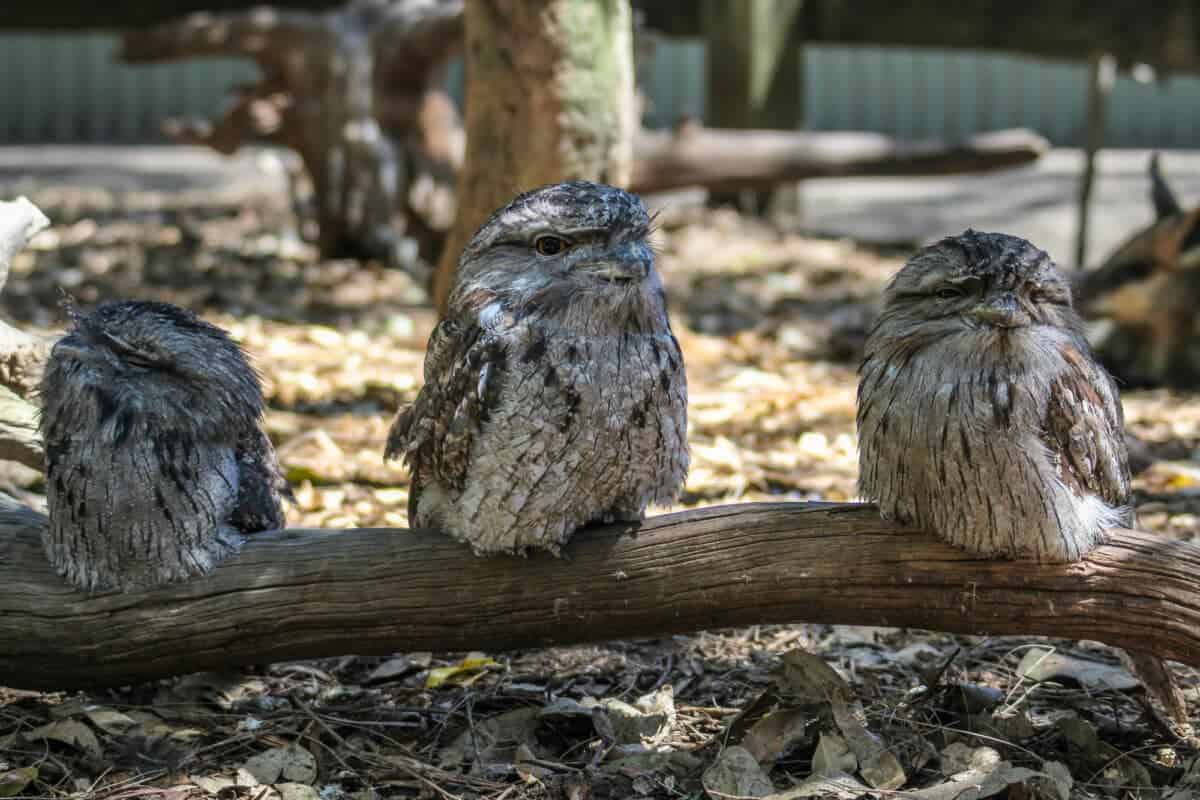
Despite the predominance of fearful associations, not all African and Native American cultural perspectives view owls negatively. Among the Pawnee, while owls are associated with the night and potentially dangerous forces, they are also considered protective spirits for night ceremonies and warriors. The Lenape people believe that if an owl calls your name, it can be a sign of impending transformation rather than death. In some African traditions, particularly in parts of East Africa, owls are sometimes seen as ancestral messengers bringing important information rather than simply heralding disaster. Some groups differentiate between owl species, with smaller owls occasionally viewed more positively than larger ones. These exceptions demonstrate that owl symbolism, like all cultural symbolism, exists on a spectrum rather than in absolute categories, with interpretations varying based on context, specific circumstances, and individual tribal traditions.
Modern Persistence of Owl Superstitions
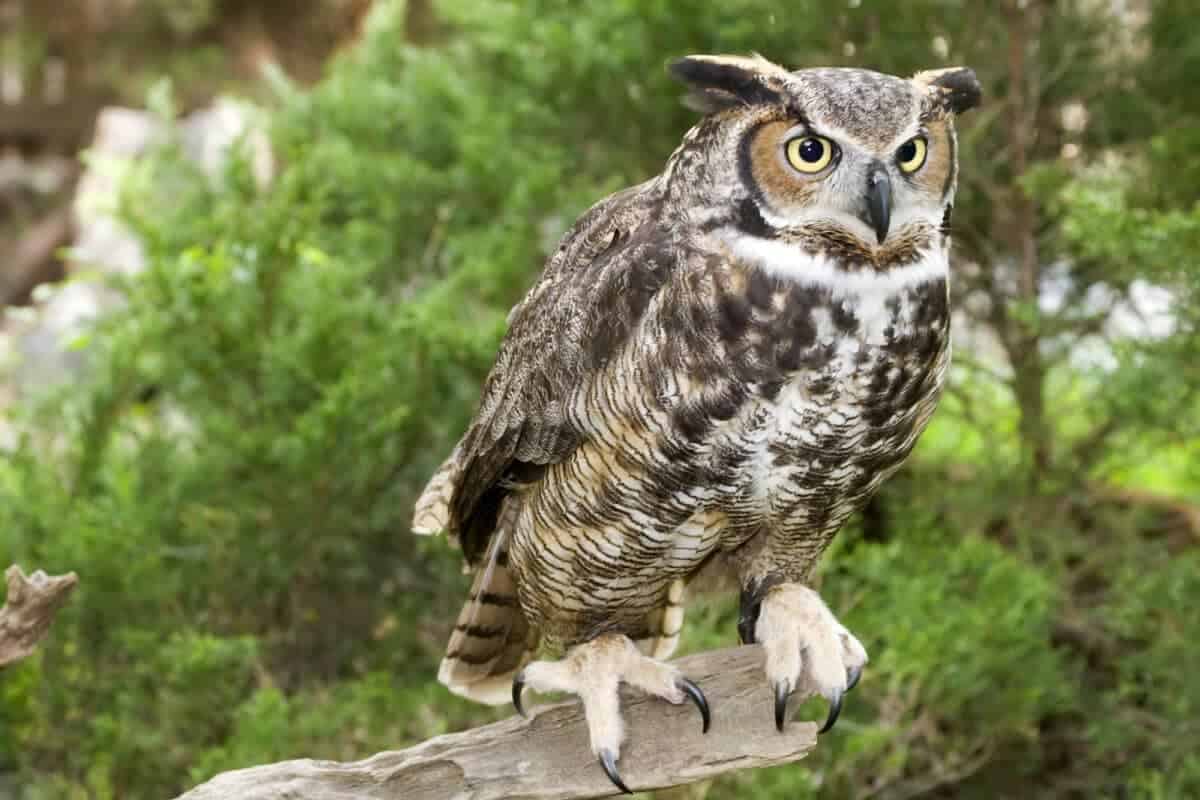
Despite increasing scientific understanding of owl biology and behavior, traditional beliefs about owls remain influential in many communities. In rural areas of both Africa and Native American territories, owl superstitions continue to impact how people interact with these birds. Conservation efforts for owl species can be complicated by lingering fears and superstitions, with some owls being killed due to their negative associations. In urban areas with significant African or Native American populations, these cultural beliefs often persist in modified forms, with owl imagery sometimes avoided in home decoration or personal symbolism. Some contemporary spiritual practitioners incorporate traditional owl symbolism into their practices, drawing on ancestral wisdom while reinterpreting it for modern contexts. These continuing beliefs illustrate how deeply cultural perceptions of animals can be embedded in collective consciousness, persisting even as societies change and evolve.
Ecological and Behavioral Foundations of Owl Symbolism

Many of the supernatural beliefs surrounding owls have foundations in their actual ecological roles and behaviors. As nocturnal predators, owls naturally became associated with darkness and the unknown. Their habit of nesting in abandoned structures, hollow trees, and caves—places often associated with spirits and the dead in many cultures—reinforced connections to the afterlife. The owl’s diet, which includes scavenging near burial sites in some regions, created further associations with death. Their ability to spot prey in near-total darkness seemed magical to pre-scientific societies. The fact that many owl species are most vocal during mating season, which coincides with certain agricultural cycles, may have contributed to beliefs about their calls predicting changes or transitions. Understanding these biological foundations helps explain why similar symbolic meanings developed independently across different cultures, as humans observed and interpreted the same natural behaviors through cultural lenses.
The Psychological Impact of Owl Folklore
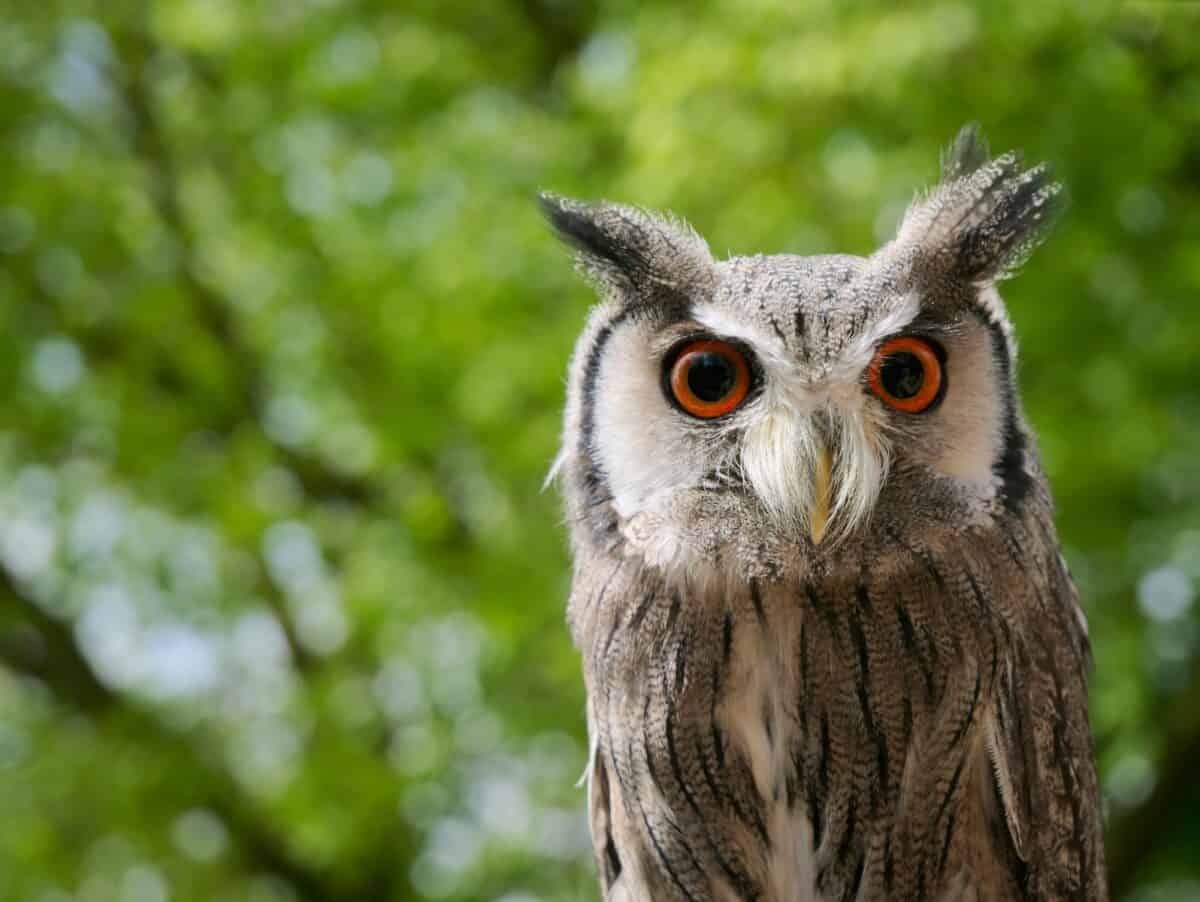
The persistent fear of owls in African and Native American traditions has had significant psychological effects on individuals raised within these cultural frameworks. For many, the sudden appearance or call of an owl can trigger genuine anxiety or fear responses. These reactions demonstrate how cultural beliefs can create powerful psychological conditioning, where symbolic associations override rational understanding of a creature’s actual nature. In some communities, “owl anxiety” has been documented as a specific cultural phenomenon, where individuals experience physical symptoms of fear when encountering owls or even owl imagery. Mental health practitioners working with individuals from these cultural backgrounds sometimes need to address owl-related fears as part of therapeutic processes. These psychological impacts highlight how animal symbolism can transcend mere superstition to become an integrated part of cultural psychology, influencing real emotional responses and behaviors.
Conclusion: The Enduring Power of Owl Symbolism
The fear associated with owls in African and Native American folklore reveals the profound influence cultural context has on our perception of the natural world. What one culture views as a symbol of wisdom, another sees as an omen of death—both interpretations drawing on the same natural characteristics and behaviors of these remarkable birds. These divergent perspectives remind us that human relationships with wildlife are never purely objective but are filtered through layers of cultural meaning, historical experience, and spiritual belief. The persistence of these traditions into the modern era demonstrates the enduring power of animal symbolism in shaping human experience. As we continue to share our world with owls, understanding these cultural perspectives enriches our appreciation of both biodiversity and the complex tapestry of human interpretation that surrounds it.

- 10 Animals That Cheat Death in the Most Unexpected Ways - July 19, 2026
- The Shrimp That Punches Like a Bullet - July 19, 2026
- This Tiny Mammal Can Slow Its Heartbeat to One Beat Per Minute - July 19, 2026