

Imagine being able to turn your head so far that you could look directly behind you without moving your body. Sounds impossible, right? Yet for owls, this extraordinary feat is just another day in the woods. These remarkable nocturnal hunters can rotate their heads an impressive 270 degrees in either direction, nearly three-quarters of a full circle.
This incredible ability has fascinated humans for centuries, but what makes it possible? The answer lies in a complex interplay of specialized anatomy, unique vascular adaptations, and evolutionary pressures that have shaped these silent predators into some of nature’s most efficient hunters. Let’s explore the amazing science behind this seemingly supernatural power.
The Surprising Truth About Owl Eye Movement
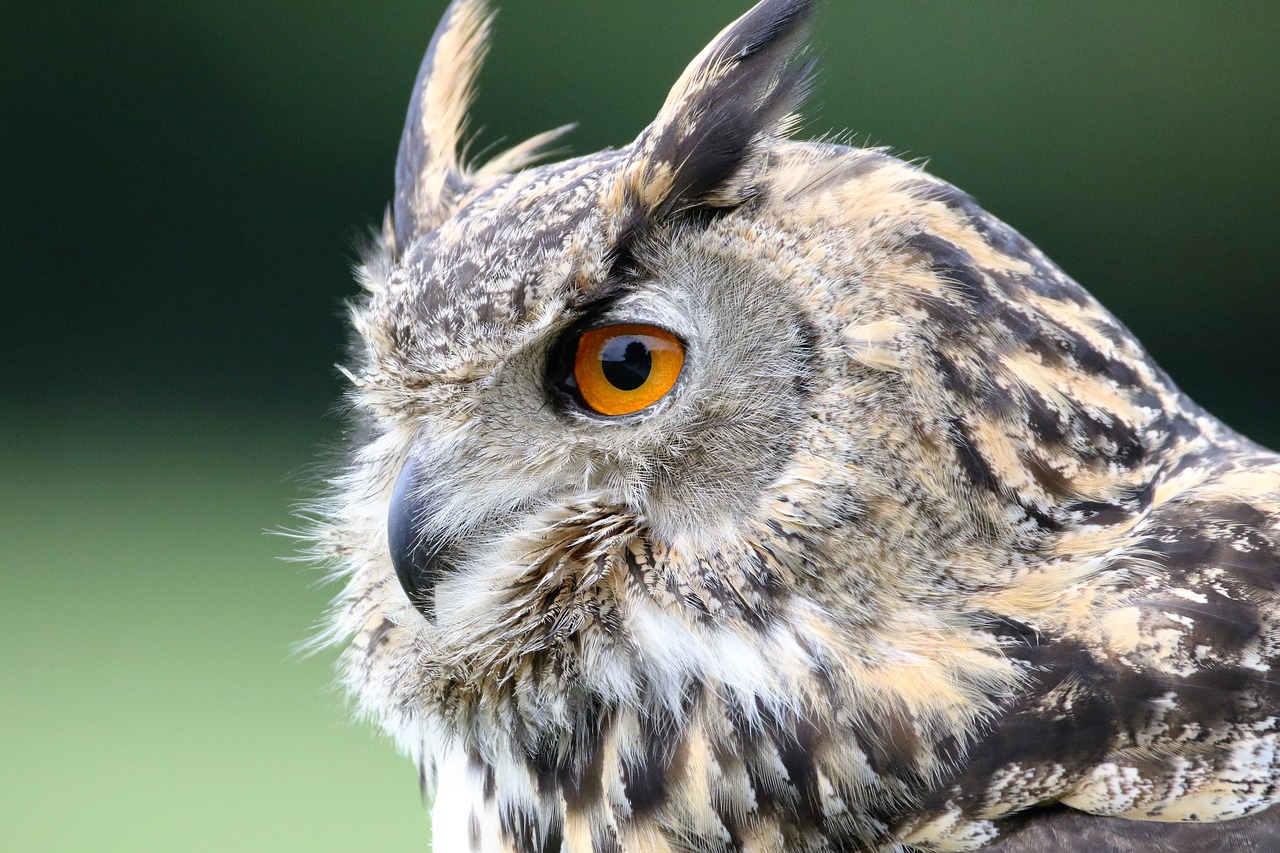
Here’s something that might shock you: owls cannot move their eyes at all – they are completely fixed in place, pointing straight ahead. Their eyes are held in place by bony structures called sclerotic rings, creating elongated tubes rather than the spherical eyeballs we’re used to. You can roll your eyes left or right while holding your head still, but an owl’s eyes are fixed in place.
This remarkable constraint forces owls to develop their famous head-turning abilities. Instead of moving their eyes, owls swivel their heads to view their surroundings. To compensate, owls have evolved their famous ability to turn their necks incredibly far in either direction – they can rotate them 270 degrees in either direction, plus 90 degrees up and down. Think of it as nature’s ultimate trade-off between visual acuity and mobility.
The Vertebrae That Make It All Possible
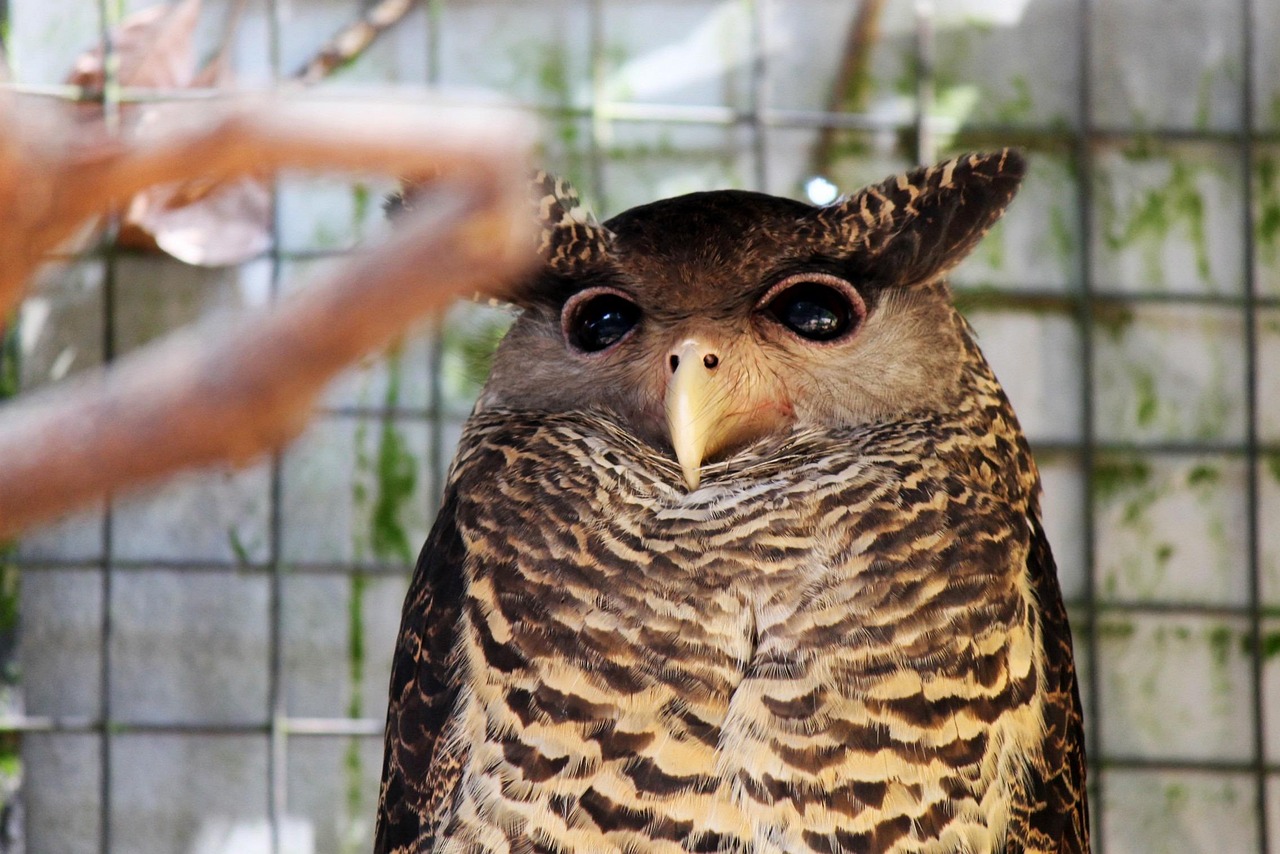
The secret to an owl’s incredible neck flexibility starts with basic anatomy. The American barn owl’s neck is composed of 14 cervical vertebrae, which is exactly double what humans have. Owls have 14 neck vertebrae while humans have only seven.
The analyses suggest a functional division of the cervical spine into several regions. In the upper region, high yawing angles could be achieved with few corrections on the rolling axis, while in the lower region, high rolling angles could be achieved with few corrections on the yawing axis. This specialized arrangement allows different parts of the neck to contribute different types of movement, working together like a perfectly coordinated dance.
The analysis of joint mobility demonstrated how owls might maximize horizontal head rotation by a specific and variable combination of yawing and rolling in functionally diverse regions of the neck. It’s like having multiple pivot points instead of just one, creating an incredibly flexible system.
Protecting Blood Flow During Extreme Rotations
Now here’s where things get really fascinating. The carotid and vertebral arteries in the neck of most animals are delicate and fragile structures, highly susceptible to minor tears and stretches – injuries that can be common in humans from whiplash, roller coaster rides, or even chiropractic maneuvers gone wrong. Blood vessel tears caused by sudden twisting motions produce clots that can break off, sometimes causing an embolism or stroke that could prove fatal.
Owls, however, can rotate their necks up to 270 degrees in either direction without damaging the vessels running below their heads, and they can do it without cutting off blood supply to their brains. How do they accomplish this medical miracle?
The hollow cavities were approximately 10 times larger in diameter than the vertebral artery traveling through it, creating a set of cushioning air pockets that allow the artery to move around when twisted. The owl’s vertebral artery enters the neck higher up than in other birds – going in at the owl’s 12th cervical vertebrae instead of the owl’s 14th cervical vertebrae – allowing for more vessel room and slack.
The Blood Reservoir System That Keeps Brains Running
Perhaps most remarkable of all is the owl’s specialized blood pooling system. Unlike a human whose arteries tend to get smaller and smaller as they branch out, the owl’s blood vessels at the base of the head get larger and larger so that blood reservoirs form. Dye injected into deceased owls’ blood vessels pool in tiny reservoirs as their heads are rotated manually, allowing owls to pool blood to sustain the function of their eyes and brain, which are both relatively large compared to the size of their heads.
These reservoirs work like backup fuel tanks in an airplane. This allows the owl to meet the energy needs of their large brains and eyes while they rotate their heads, and even if one blood vessel is blocked during rotation, blood is still able to flow to the brain due to the connection between the carotid and vertebral arteries. Small vessel connections between the carotid and vertebral arteries – not usually seen in adult humans – allow blood to be exchanged between the two blood vessels, allowing for uninterrupted blood flow to the brain even if one route is blocked during extreme neck rotation.
Why Fixed Eyes Are Actually a Hunting Superpower
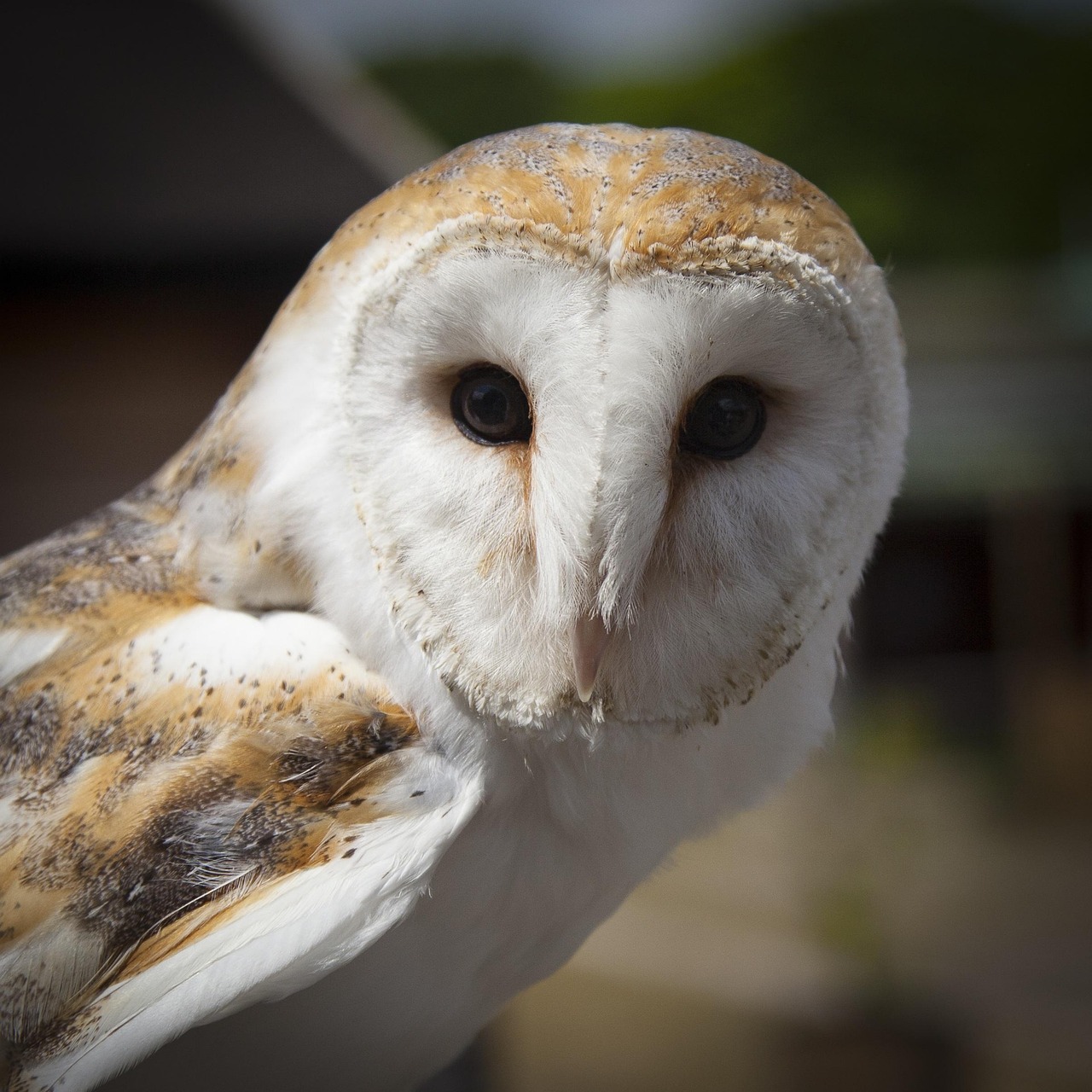
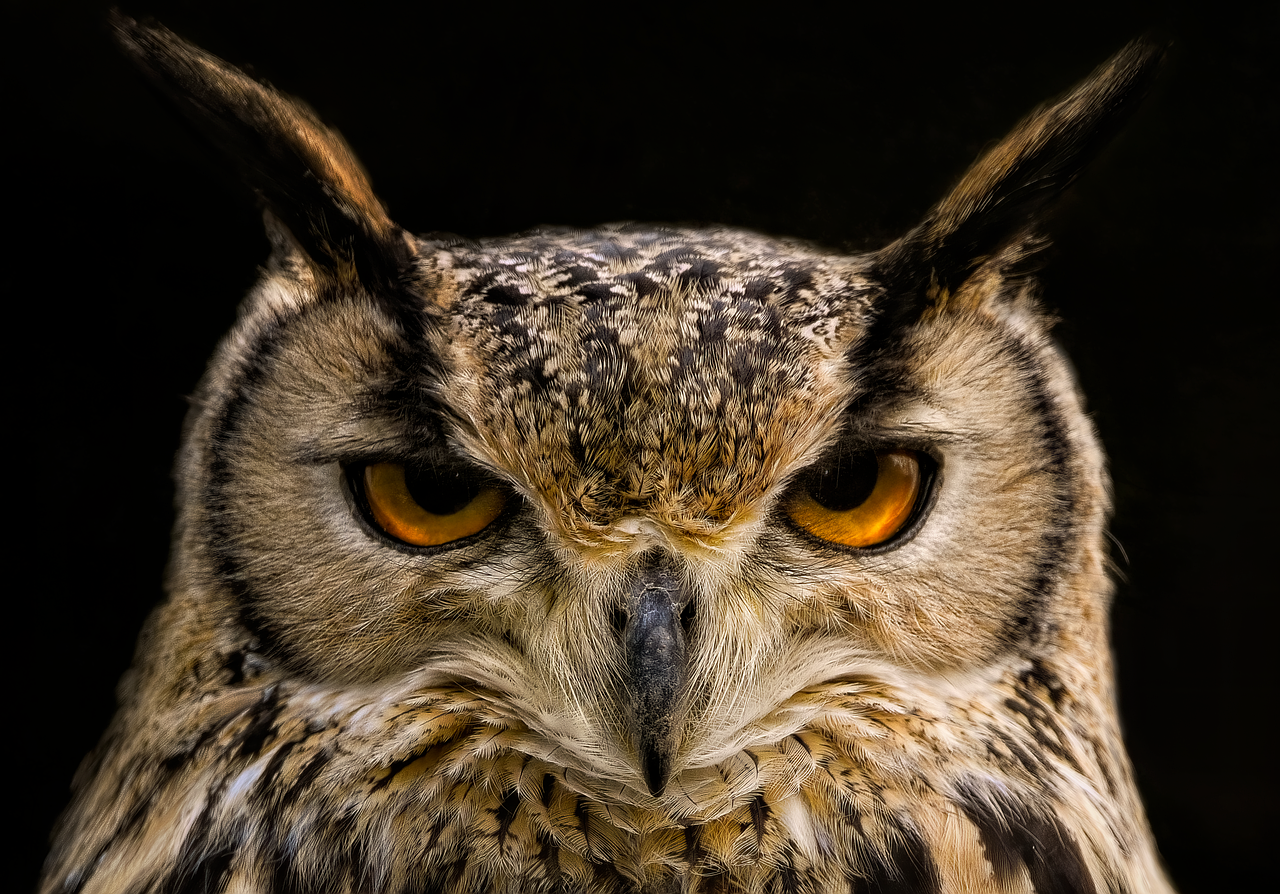
You might think that having immovable eyes would be a disadvantage, but it’s actually a brilliant evolutionary solution. Owls’ distinctive appearance comes from the position of their piercing eyes, both located facing forward on the front of the head, providing them with acute depth perception that allows them to gauge distance to perfectly time their attacks. Owls have the most forward-facing eyes of any group of birds!
Their eyes are astonishingly large in proportion to the size of the owl’s head – a Great Gray Owl, which can stand up to 33 inches tall and weighs 1.5-3.7 pounds, has eyes larger than those of most humans. This seemingly limiting design actually serves a critical purpose: it creates space for an enlarged retina that captures more light, and the tubular shape creates a longer focal length, functioning similar to a telephoto lens in a camera.
Think of owl eyes as biological night-vision goggles permanently mounted in their skulls.
The Silent Surveillance Advantage
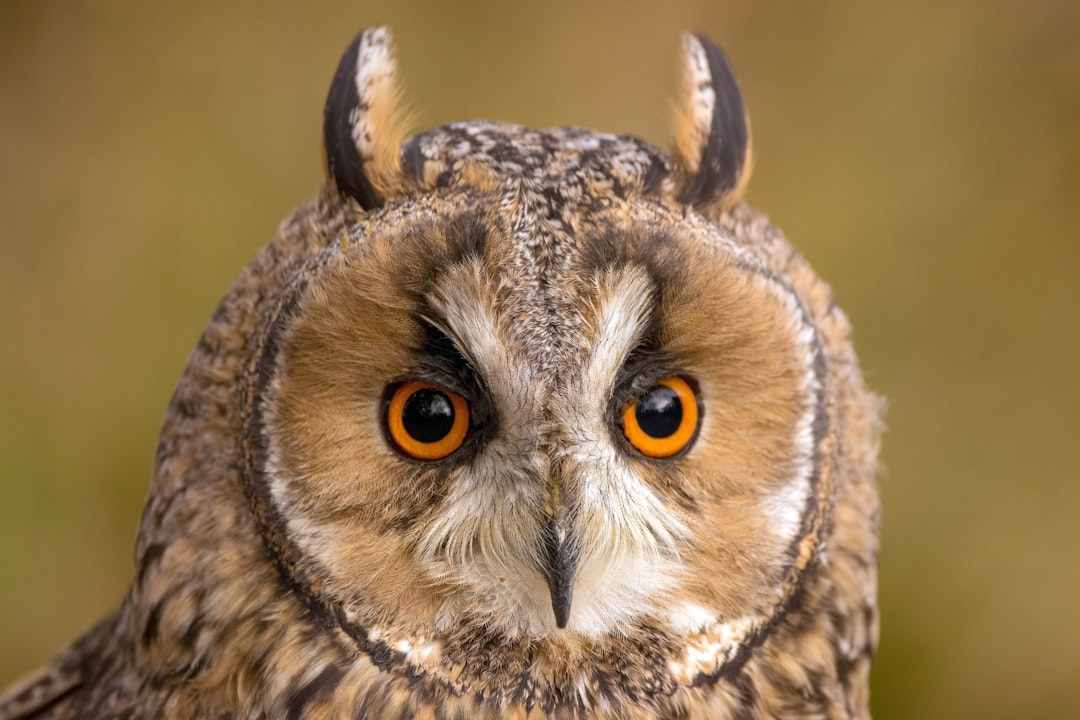
The ability to rotate their heads without moving their bodies gives owls an enormous hunting advantage. The ability to rotate their heads up to 270 degrees allows owls to effectively scan their surroundings without moving their bodies, maintaining perfect stillness while hunting – this adaptation provides a significant advantage when stalking prey, as even the slightest body movement might alert potential meals to their presence.
From a single vantage point, an owl can observe nearly its entire surroundings by rotating its head, detecting both potential prey and threats – this efficient observation technique minimizes energy expenditure, as the bird doesn’t need to reposition its entire body to scan different areas. This ability keeps bodily movement at a minimum, thus reduces the amount of sound the owl makes as it waits for its prey.
Imagine being a mouse scurrying through the forest, completely unaware that a predator is watching your every move from a tree branch above, turning its head to track you without making the slightest sound or movement.
Precision Hunting Through Sound Triangulation
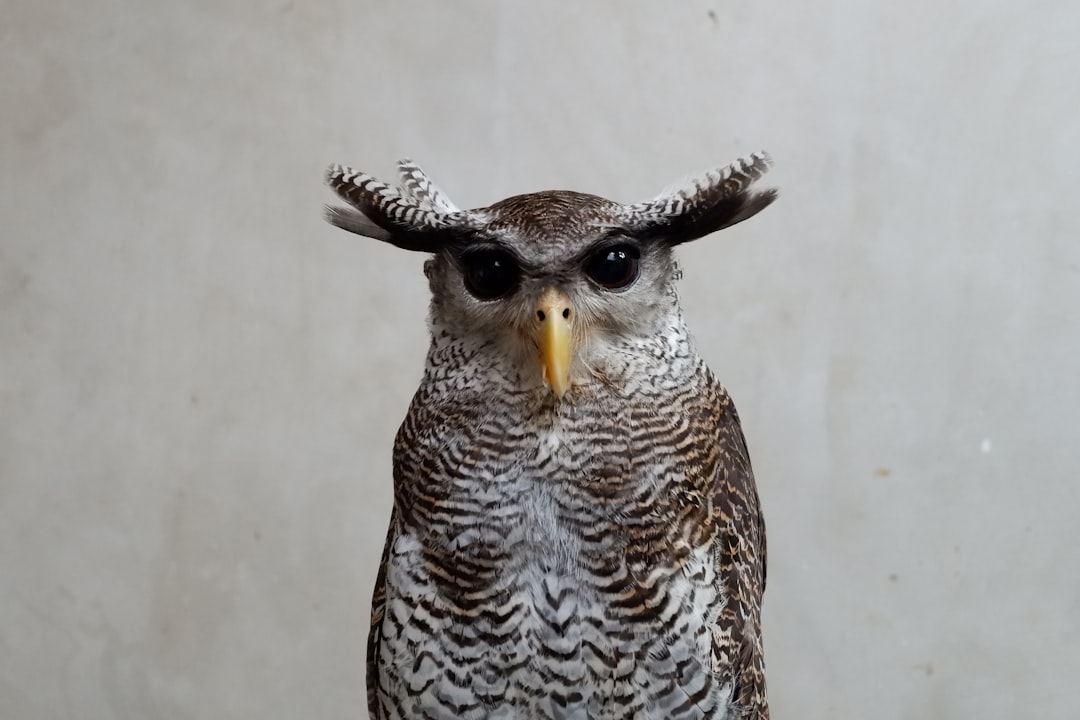
As primarily nocturnal predators, owls rely heavily on their acute hearing to locate prey – their facial discs collect and focus sound waves toward their asymmetrically positioned ears, allowing them to triangulate the exact location of prey with astonishing precision. The head rotation ability becomes crucial here because it allows owls to fine-tune their acoustic positioning.
The precise head movements help owls gauge distances accurately through parallax, similar to how humans shift their head slightly to perceive depth, but on a much more extensive scale. Their wide range of head rotation allows them to pinpoint prey quickly and accurately, without needing to move their whole body, which might alert their target.
Experiments have shown hearing to be so effective that barn owls can locate prey in total darkness by hearing alone – many owls can hear their prey through snow cover and can still pounce on their prey target with great precision. The head rotation amplifies this already incredible ability by allowing them to aim their acoustic sensors with surgical precision.
The Evolutionary Marvel of Stealth Predation
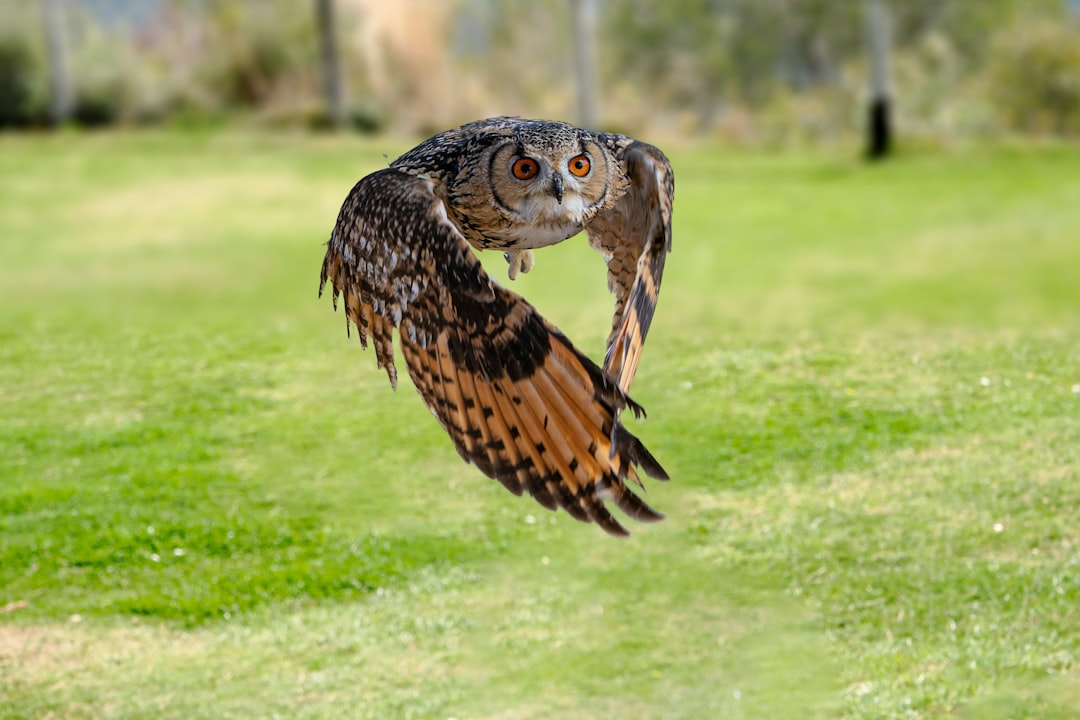
The ability of certain owl species to rotate their heads up to 270 degrees isn’t just an impressive party trick – it’s a sophisticated evolutionary adaptation that compensates for specific anatomical limitations and enhances their hunting prowess, representing one of nature’s most ingenious solutions to the challenges of nocturnal predation.
The extraordinary neck mobility may be regarded as a key adaptation of owls, because it enables these birds to effectively use other physiological adaptations. There are lots of advantages to being able to look over your shoulder and see something coming – if you’re trying to avoid predators or detect prey.
This remarkable adaptation showcases how evolution finds creative solutions to biological challenges. What appears at first glance to be an unusual quirk is actually a finely-tuned survival mechanism that has evolved over millions of years to optimize the owl’s role as a stealth predator. To compensate for their fixed forward gaze, owls evolved their extraordinary neck flexibility – this adaptation allows owls to scan their environment without moving their entire body, which would alert potential prey to their presence.
Conclusion: Nature’s Perfect Engineering Solution
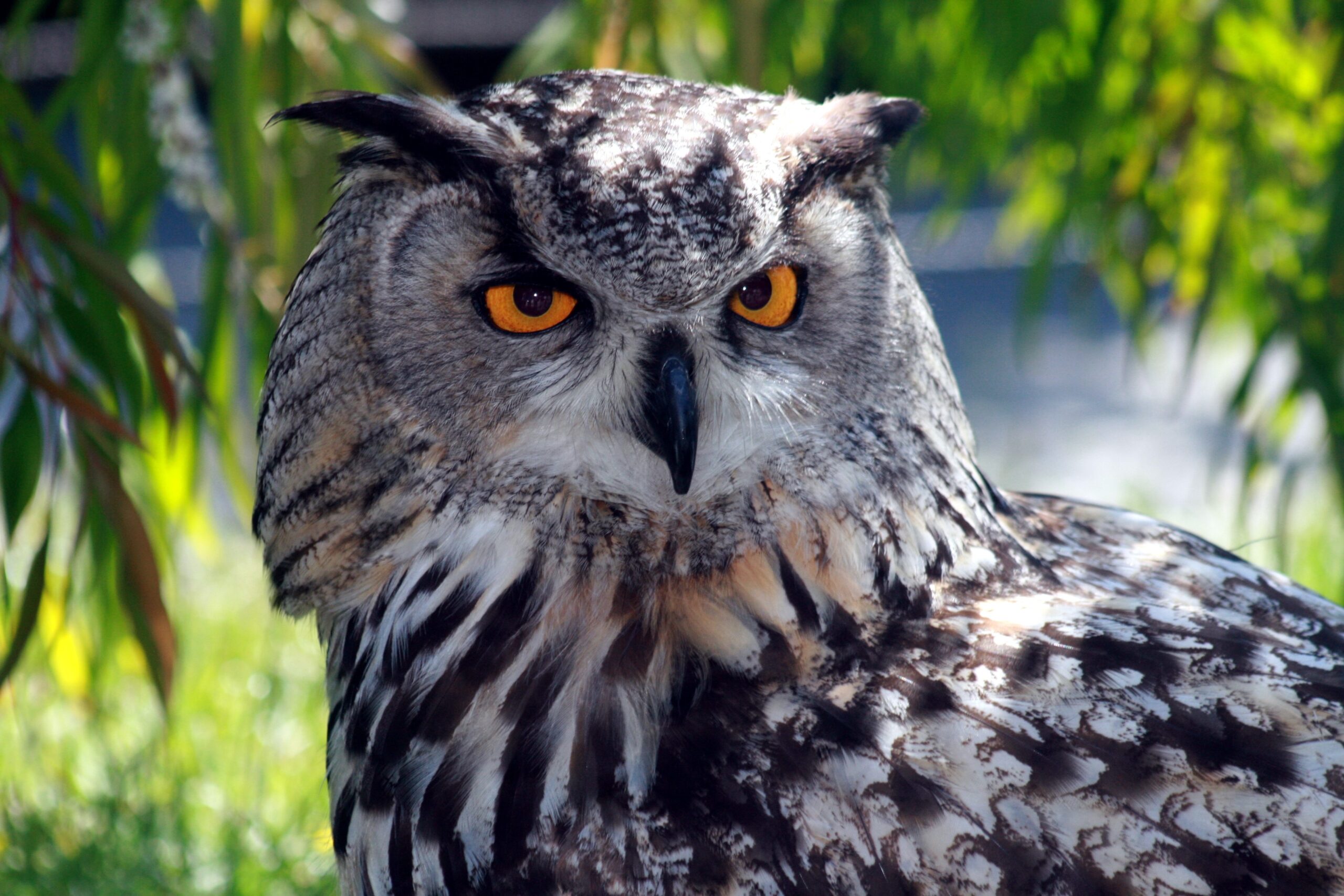
The owl’s ability to rotate its head nearly all the way around represents one of nature’s most elegant engineering solutions. Through a combination of extra vertebrae, specialized blood vessels, enormous fixed eyes, and precise muscular control, owls have transformed what could have been a limitation into their greatest strength.
The owl’s remarkable ability to rotate its head 270 degrees is an evolutionary marvel, a vital adaptation that plays a crucial role in their survival – this extraordinary flexibility, combined with their excellent vision and hearing, makes them one of nature’s most efficient and fascinating nocturnal hunters. Every element works together in perfect harmony: the fixed eyes that maximize light gathering, the flexible neck that compensates for immobile eyes, and the vascular system that keeps everything functioning during extreme movements.
Next time you see an owl in the wild or hear their haunting call in the darkness, remember that you’re witnessing millions of years of evolutionary refinement in action. What do you think about this incredible adaptation? Does it change how you view these mysterious creatures of the night?

- 10 Dog Breeds That Are Not Suitable for First-Time Owners - July 22, 2026
- 10 Ways the Creek (Muscogee) Shaped the Early American Southeast - July 22, 2026
- 12 Animals That Have Mastered the Art of Camouflage - July 22, 2026