
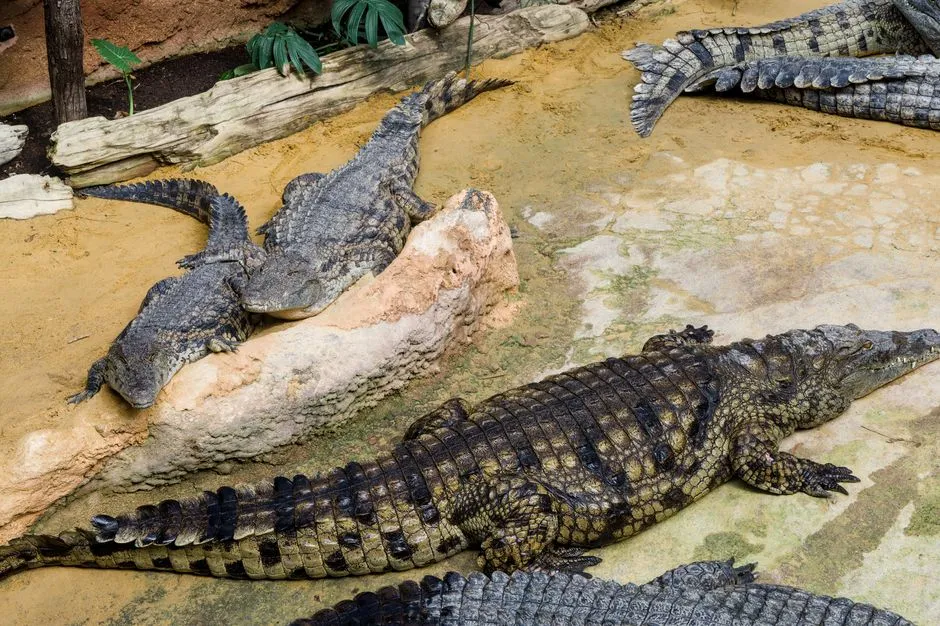
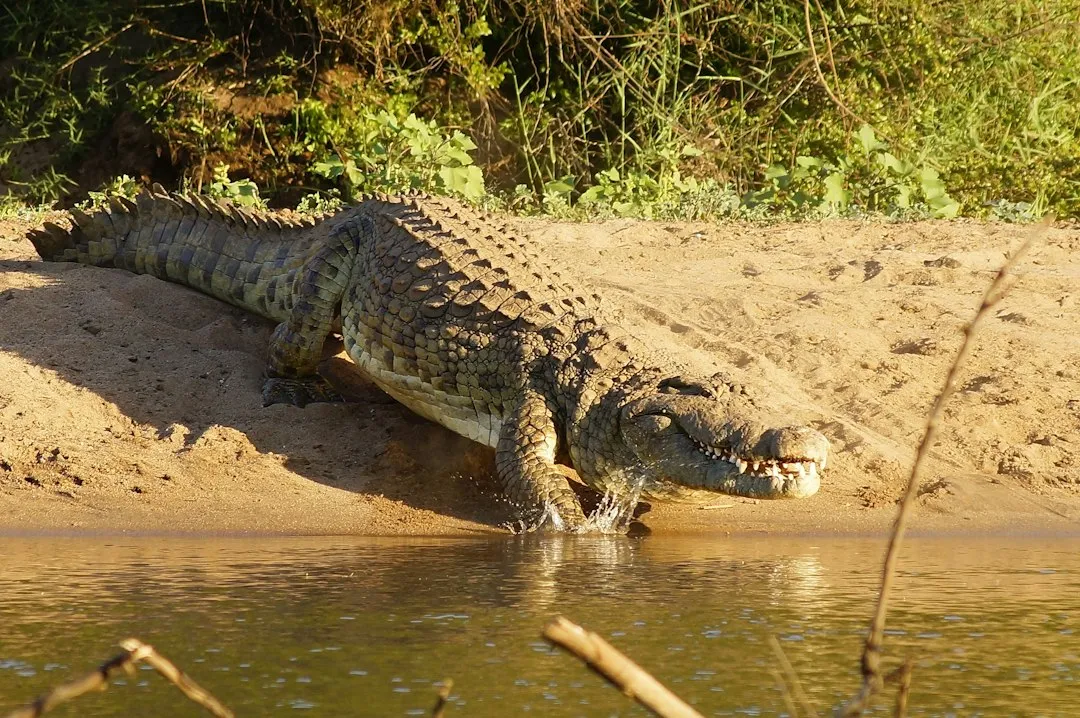
Picture a river in the dry season, shrinking week by week. A crocodile lies half submerged near the bank, barely moving, and most visitors would call it a menace. Yet that quiet reptile is doing work that shapes the whole neighborhood.
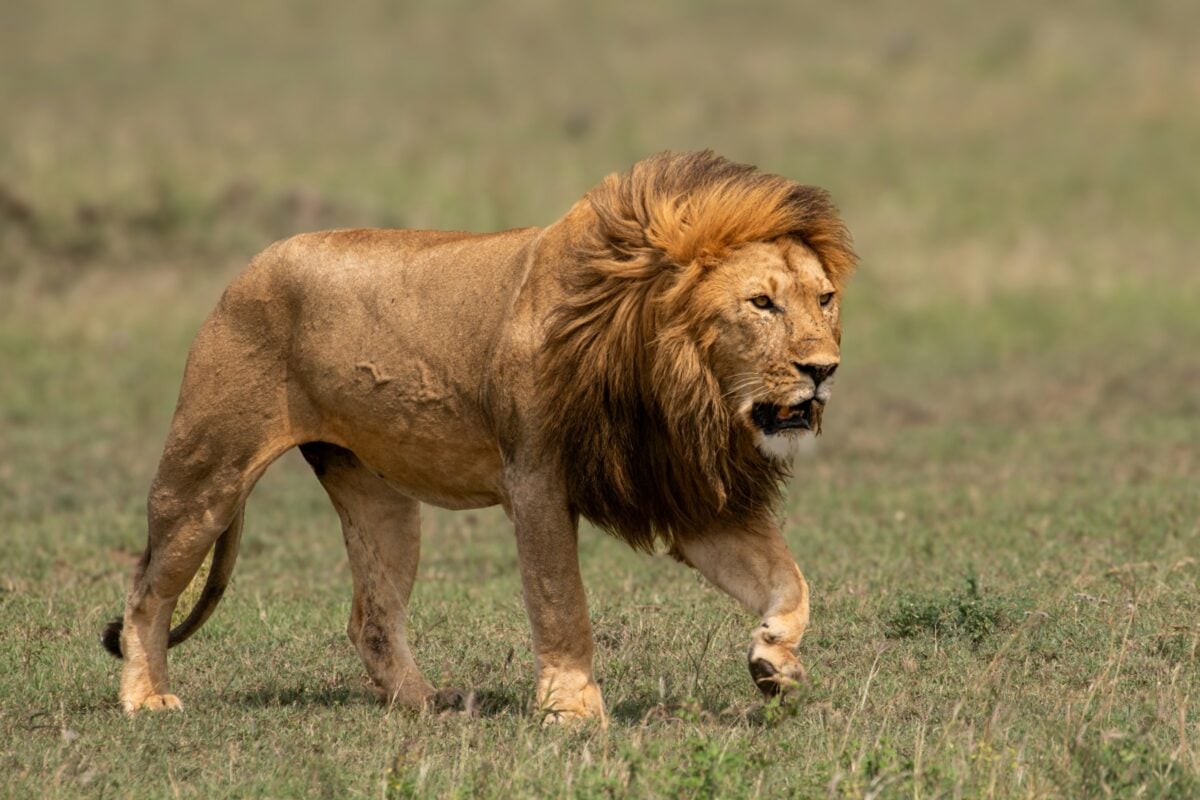
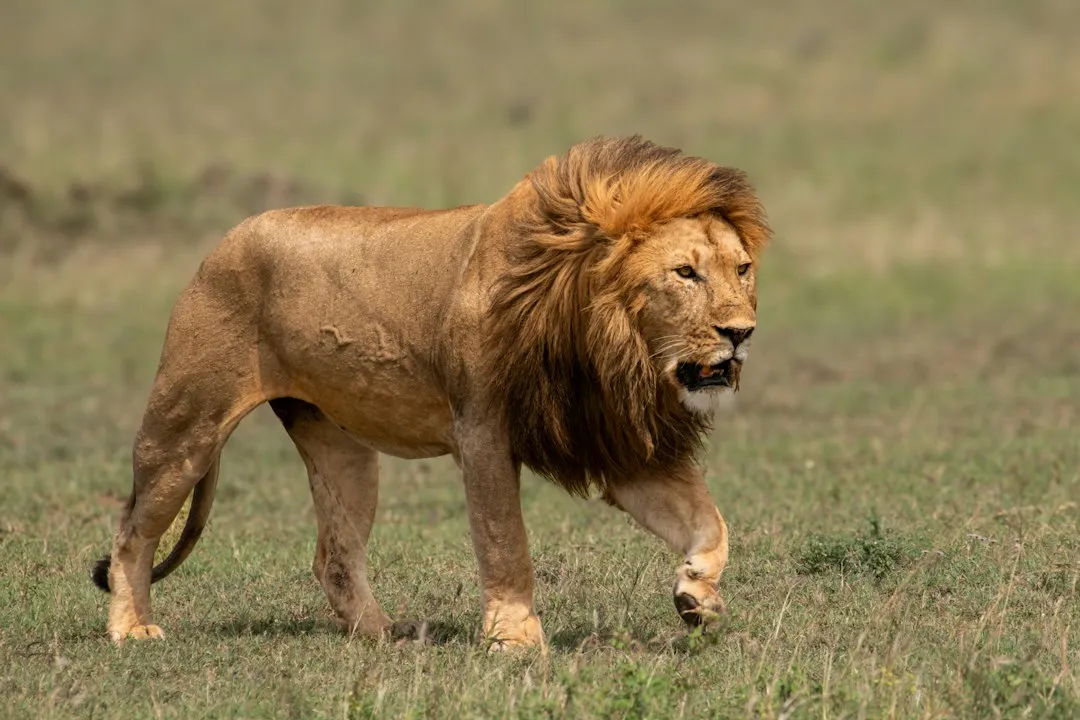
The same goes for a lion dozing under an acacia tree, looking like it has nothing to do all day. Both animals sit at the top of their food webs, and what they do (or stop doing) ripples outward in ways that surprise even seasoned ecologists. The story of why we should keep them around is less about charisma than about how nature keeps its books balanced.
What Makes a Predator “Apex” in the First Place
🔥 Would you like to save this?
We'll email this post to you, so you can come back to it later!
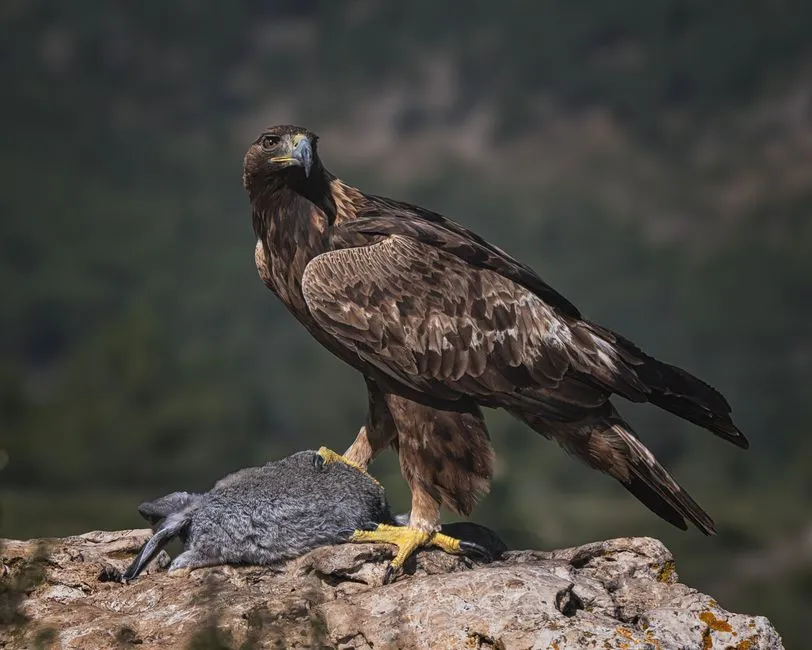
An apex predator sits at the top of its food chain, with few or no natural predators of its own once it’s an adult. Lions, crocodiles, wolves, sharks and eagles all fit the bill in their own habitats. Their position matters because everything below them feels their presence.
Ecologists often talk about trophic cascades, which describe how changes at the top of a food web travel down to plants, soil and even rivers. Remove a top predator, and the effects can spread through several layers. The idea isn’t new, but decades of field research have made it hard to ignore.
Lions and the Quiet Management of Grazers
🔥 Would you like to save this?
We'll email this post to you, so you can come back to it later!
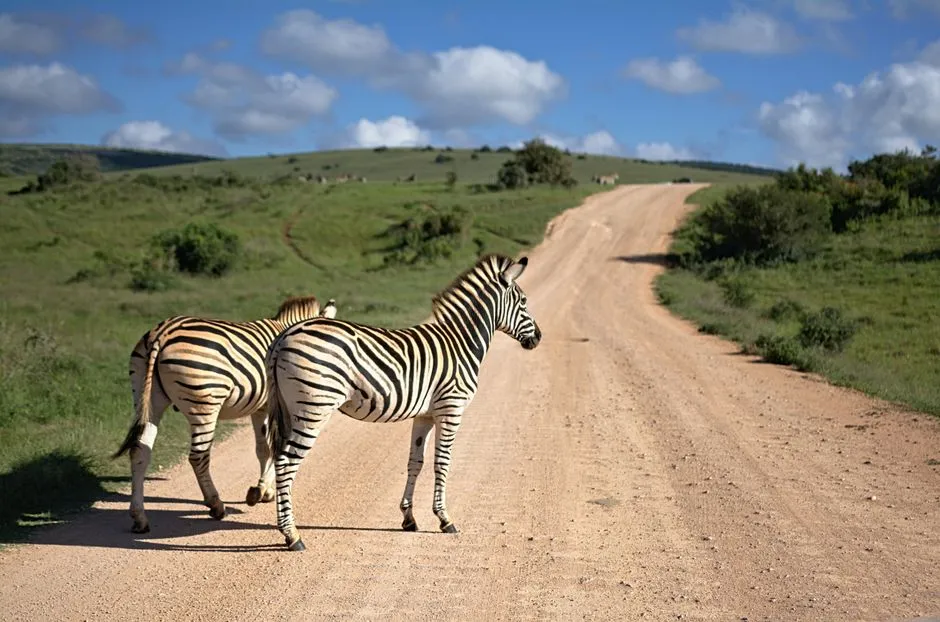
Lions hunt large herbivores such as zebra, wildebeest and buffalo. By doing so, they influence how many grazers live in an area and where those animals choose to feed. Herds that feel watched tend to keep moving rather than flattening a single patch of grassland.
Lions also tend to take animals that are weak, old or sick more often than the strongest ones, which can help keep herds healthier. Their kills feed hyenas, vultures, jackals and a long line of insects and microbes. One meal ends up supporting dozens of other lives.
Crocodiles as Engineers of Rivers and Wetlands
🔥 Would you like to save this?
We'll email this post to you, so you can come back to it later!
Crocodiles don’t get the credit they deserve. In some African and Australian waterways, they eat fish, birds and mammals, and they also scavenge carcasses, which recycles nutrients back into the water. That nutrient flow can support the fish and invertebrates that other wildlife depends on.
Some species also dig burrows and deep pools that hold water when everything else dries out. Those refuges can shelter fish and other animals through harsh seasons. American alligators, close relatives, are well known for this habit in the Everglades, and they’re often described as ecosystem engineers because of it.
What Happens When the Top Predators Disappear
🔥 Would you like to save this?
We'll email this post to you, so you can come back to it later!
The clearest lesson comes from places where predators were removed and the system shifted. Yellowstone’s wolves are the classic example: after wolves were reintroduced in the 1990s, researchers documented changes in elk behavior and, in some areas, in vegetation. Scientists still debate how large and widespread those effects were, so it’s wise to treat the story as powerful but not simple.
Closer to our subject, the loss of big carnivores in parts of Africa has been linked to rising numbers of smaller predators and some grazers, with knock-on effects for vegetation and for people. Lion populations have fallen sharply over the past several decades, and the IUCN lists the species as vulnerable. Crocodilian species vary widely, with some doing well and others, like the Philippine and Siamese crocodiles, critically endangered.
Why These Animals Are Hard to Protect
🔥 Would you like to save this?
We'll email this post to you, so you can come back to it later!
Protecting animals that can kill livestock, or occasionally people, is not an easy sell to those living beside them. Farmers who lose a cow to a lion lose real income, and retaliation is one of the main threats to big cats. Habitat loss, shrinking prey and illegal hunting pile on top of that.
Crocodiles face their own pressures, including wetland drainage, pollution, and hunting for skins and meat. Fear plays a part too, because these animals rarely get the sympathy that fluffier species do. Conservation works best when it takes human worries seriously rather than brushing them aside.
What Actually Helps Lions and Crocodiles
🔥 Would you like to save this?
We'll email this post to you, so you can come back to it later!
Practical measures have a good track record. Predator-proof livestock enclosures, community conservation programs that share benefits from wildlife tourism, and protected corridors that let animals move between reserves all reduce conflict. Compensation schemes can help too, though they work only when payments are fair and timely.
Protecting wetlands and river flows benefits crocodiles and countless other species at once. As a traveler or just a curious reader, you can support credible conservation groups, choose responsible wildlife tourism, and avoid products made from illegally sourced skins. None of it is glamorous, but it adds up.
Final Thoughts
🔥 Would you like to save this?
We'll email this post to you, so you can come back to it later!
Here’s my view: we’ve spent too long asking whether predators are worth the trouble and too little time asking what we lose without them. A healthy ecosystem isn’t a tidy garden, it’s a web with teeth, and the teeth are part of the design. Keeping lions and crocodiles around is cheaper and wiser than trying to patch the damage once they’re gone.
We won’t always love living beside them, and that’s okay. Respect doesn’t require affection. It just requires leaving room for the animals that keep everything else in balance.

- 7 Everyday Habits That Can Make Your Senior Dog Happier - November 5, 2026
- 10 Enigmatic Structures That Continue to Puzzle Scientists Today - November 5, 2026
- 10 Strange Ruins in the Americas That Challenge What We Know About Early History - November 5, 2026