

Something unusual has been unfolding across certain American cities over the past two decades. A large, glossy black bird with a deep, resonant croak has been showing up in places it once abandoned entirely. Not crows. Ravens. Bigger, sharper, older in spirit, they’ve been reclaiming urban turf in ways that are simultaneously thrilling to naturalists and quietly unsettling to ecologists.
The trend isn’t a single event or a sudden invasion. It’s more like a slow return of something that was lost. The Common Raven disappeared from much of the eastern and midwestern United States before 1900, but in recent decades they have been expanding their range again, especially in the Northeast, spreading south into formerly occupied areas. What changed? The answer is layered, and the deeper you dig, the more it reveals about how cities themselves have become unintentional wildlife corridors.
#1. A Comeback Century in the Making
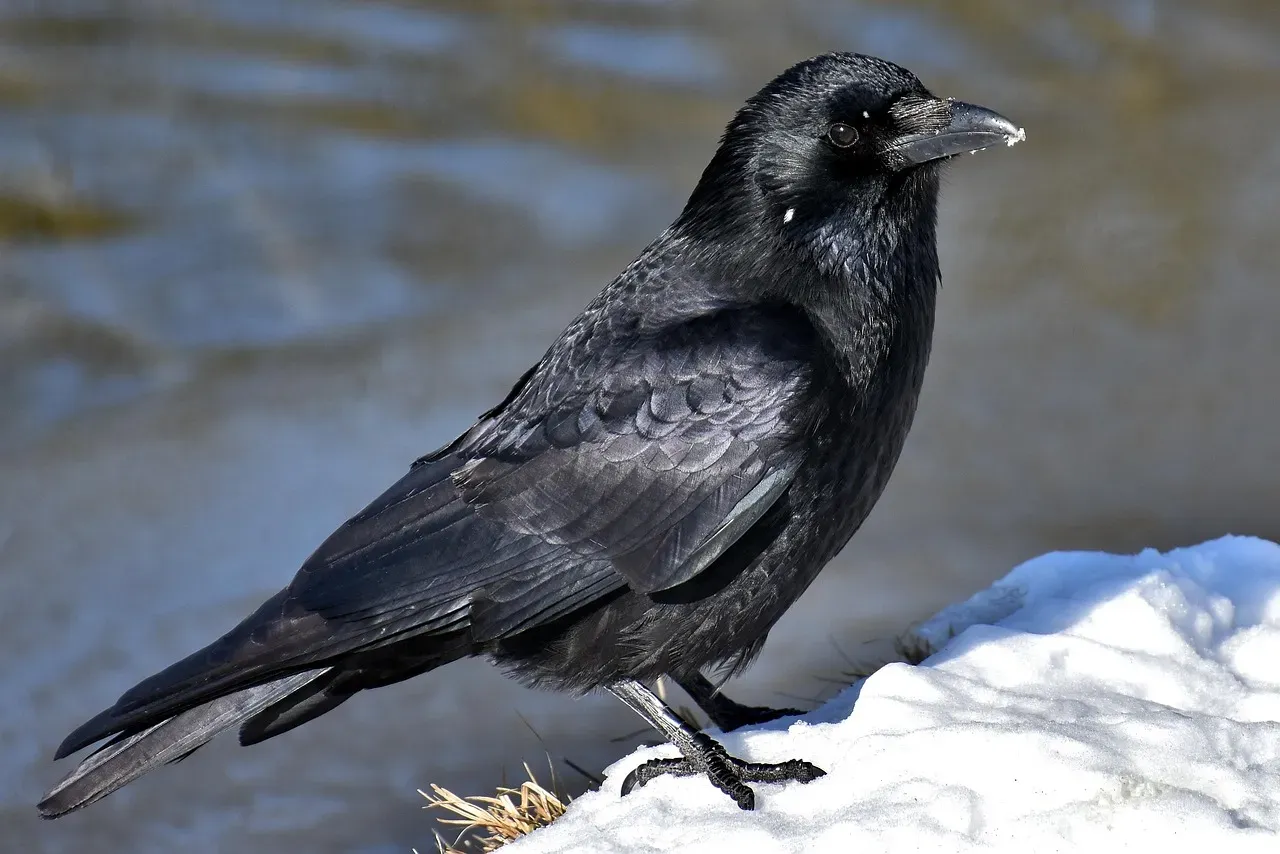
Ravens are common in much of western and northern North America. They were common too when European settlers arrived on the Atlantic Coast, but the species gradually died out as human activity grew more obtrusive. Through most of the 1900s, ravens were relatively rare in the East. Their decline wasn’t random. Habitat loss, deforestation, and unregulated persecution pushed them to the margins of the wildest Appalachian terrain, where few people ventured and fewer paid attention.
After near-extermination from shooting and loss of habitat due to deforestation a century ago, Common Ravens, along with crows, have been protected from unregulated hunting under the federal Migratory Bird Treaty Act since 1972 and have been repopulating regenerated forests in much of the Northeast. Legal protection gave the raven breathing room. Reforesting landscapes gave it structure. Something changed around the dawn of the 21st century. The ravens came back, first to the reforested hills, then to the wooded suburbs, and now to the steel and concrete of some of our biggest cities.
#2. The Urban Food Supply Has Become Irresistible
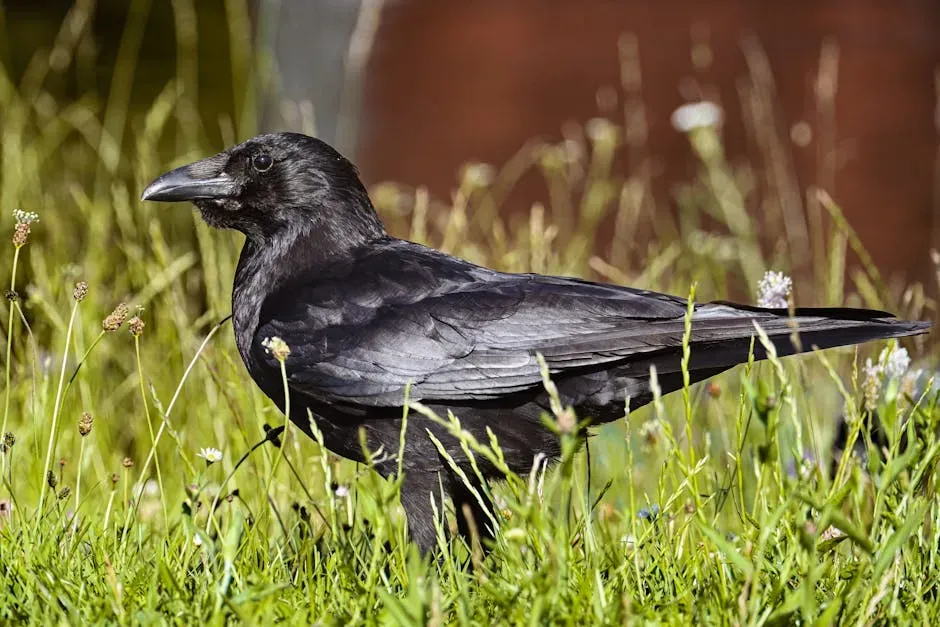
Cities are, when you think about it, extraordinary buffets. Open waste bins, restaurant dumpsters, roadkill on busy highways, and discarded fast food at every turn. Often considered the raccoons of the bird world, ravens are opportunistic feeders willing to feast on everything from trash to other animals. That opportunism is the key to understanding why urban environments hold such appeal. Ravens don’t require pristine wilderness. They require reliable calories.
In the western Mojave Desert, human settlement and land development have led to an estimated 16-fold increase in the Common Raven population over 25 years. Towns, landfills, sewage treatment plants, and artificial ponds create sources of food and water for scavenging birds. Ravens also find nesting sites in utility poles and ornamental trees, and are attracted to roadkill on highways. The city, in raven terms, is a solved problem. Urban areas provide a constant supply of accessible food, leading to an increase in raven populations in cities.
#3. Brain Power Is a Genuine Competitive Advantage
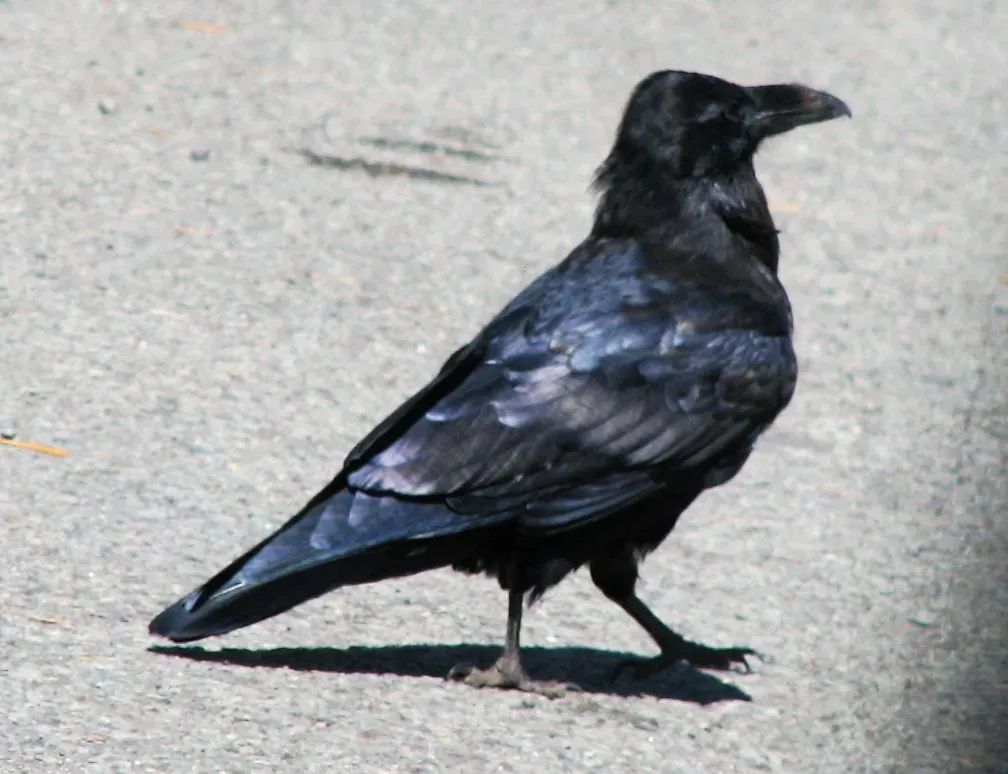
Ravens don’t simply stumble across food. They calculate, observe, and plan. Studies conducted at prestigious research centers like the Max Planck Institute for Ornithology and the University of Cambridge have documented ravens using tools, understanding cause and effect, planning for the future, and even exhibiting a form of abstract reasoning previously thought to be exclusively human. That’s a remarkable sentence to read about any bird. It becomes even more striking when you consider what it means in a city context.
They’ve been documented figuring out how to open complex food containers, manipulate traffic lights to crack nuts at pedestrian crossings, and even use the updrafts from building heating vents to play aerial games. They learn from each other too. Key traits of ravens that enable such a wide distribution include extreme environmental tolerance and high behavioral plasticity. Ravens are opportunistic foragers, have an omnivorous diet, and readily exploit novel resources. In a city that changes constantly, flexible thinking is worth more than any physical adaptation.
#4. Nesting Patterns Are Shifting Into Urban Structures
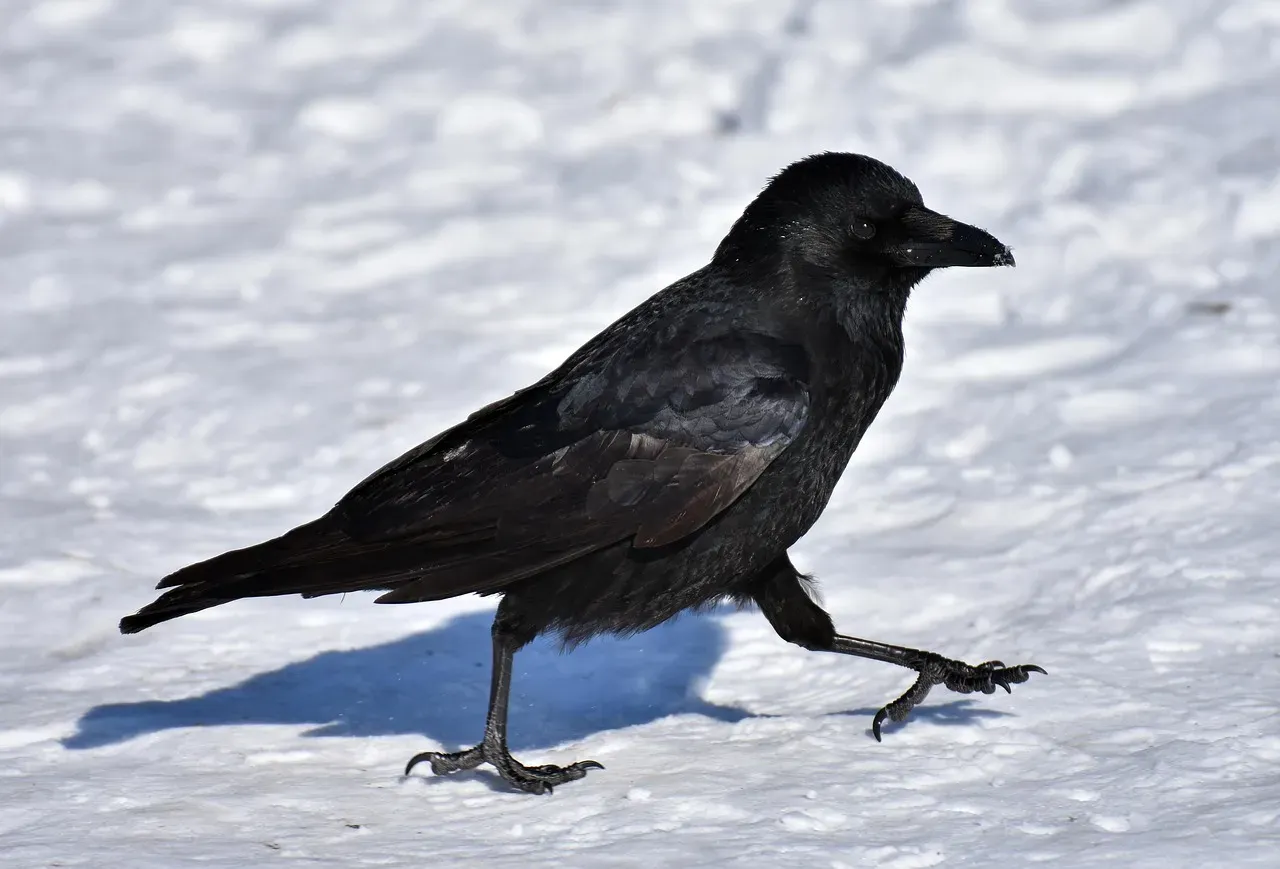
The nesting behavior of ravens in cities is one of the more fascinating dimensions of their return. They’ve always nested on cliff ledges and tall trees, but urban architecture has offered surprisingly workable substitutes. In urban areas, ravens will nest on man-made structures like building ledges, water towers, power line towers, windmills, and cell towers. The city skyline, in other words, looks a lot like a canyon wall to a bird with sharp problem-solving instincts.
Common Ravens have, it seems, finally nested in Manhattan, the densest metropolitan area in the nation. This wasn’t a one-off sighting. Over the last five or six years, Common Ravens have been sighted with increasing frequency in New York City, part of a resurgence throughout the Northeast after more than a century of regional extirpation. In 2010, Common Ravens nested in Queens, and they have also recently nested in the Bronx and nearby in New Jersey. The speed of this spread through a major metropolitan region has surprised even experienced ornithologists.
#5. A Growing Population With Consequences for Other Species
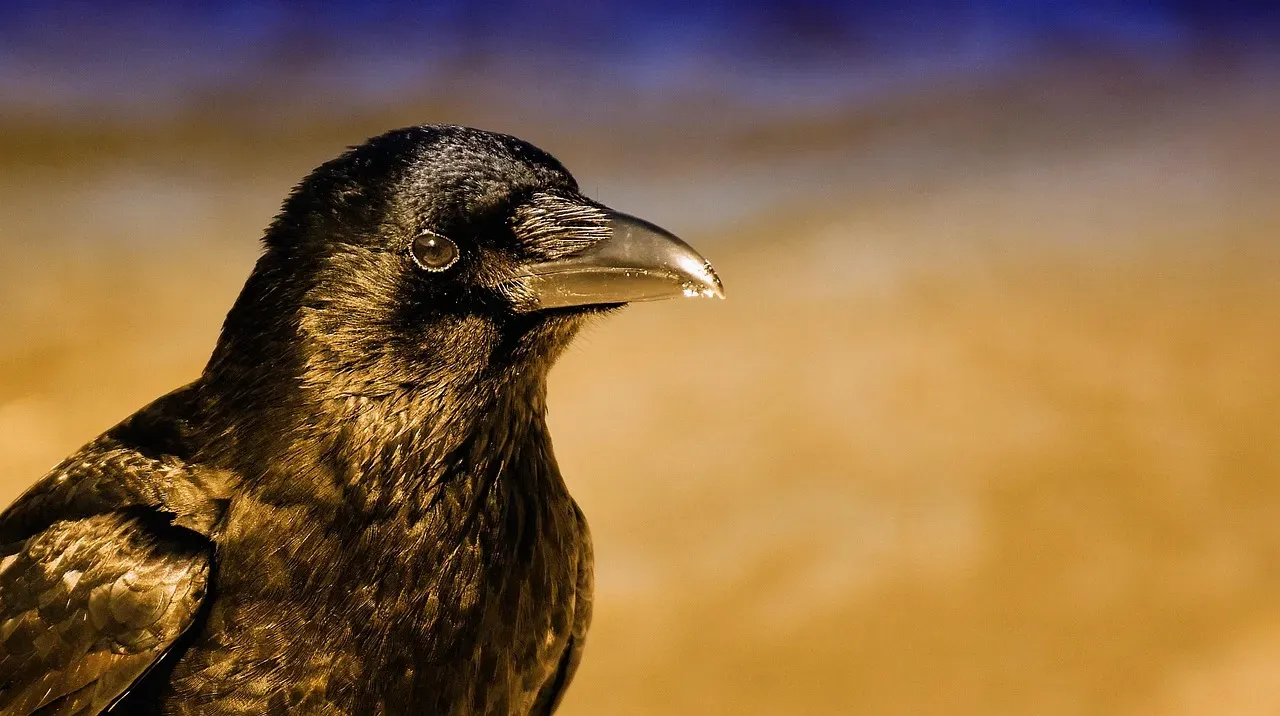
The return of ravens is not a straightforward conservation success story. Over the last half century, Common Raven populations have increased in abundance across much of North America. Where their numbers grow unchecked, the effects ripple outward. Increasing raven populations threaten some vulnerable species including desert tortoises, Marbled Murrelets, and Least Terns. The raven, for all its intelligence and cultural allure, is also a formidable predator of eggs and juveniles of other at-risk birds.
According to the Breeding Bird Survey, raven populations in the parched Mojave Desert have increased more than 700 percent over the past 40 years. This surge is spreading through the Great Basin region, from eastern California and Oregon across Nevada, Utah, and southern Idaho to the edge of Wyoming. In cities, the dynamic is different but worth watching. Numerous studies have demonstrated a consistent and robust link between increasing raven populations and anthropogenic resource subsidies from an expanding human presence in the western United States. Ravens adapt well to anthropogenic landscape modifications that provide supplemental resources, including food, water, nesting sites, and hunting perches. The more cities expand, the more ravens benefit. That’s a feedback loop worth tracking carefully.
Conclusion: A Complicated Homecoming
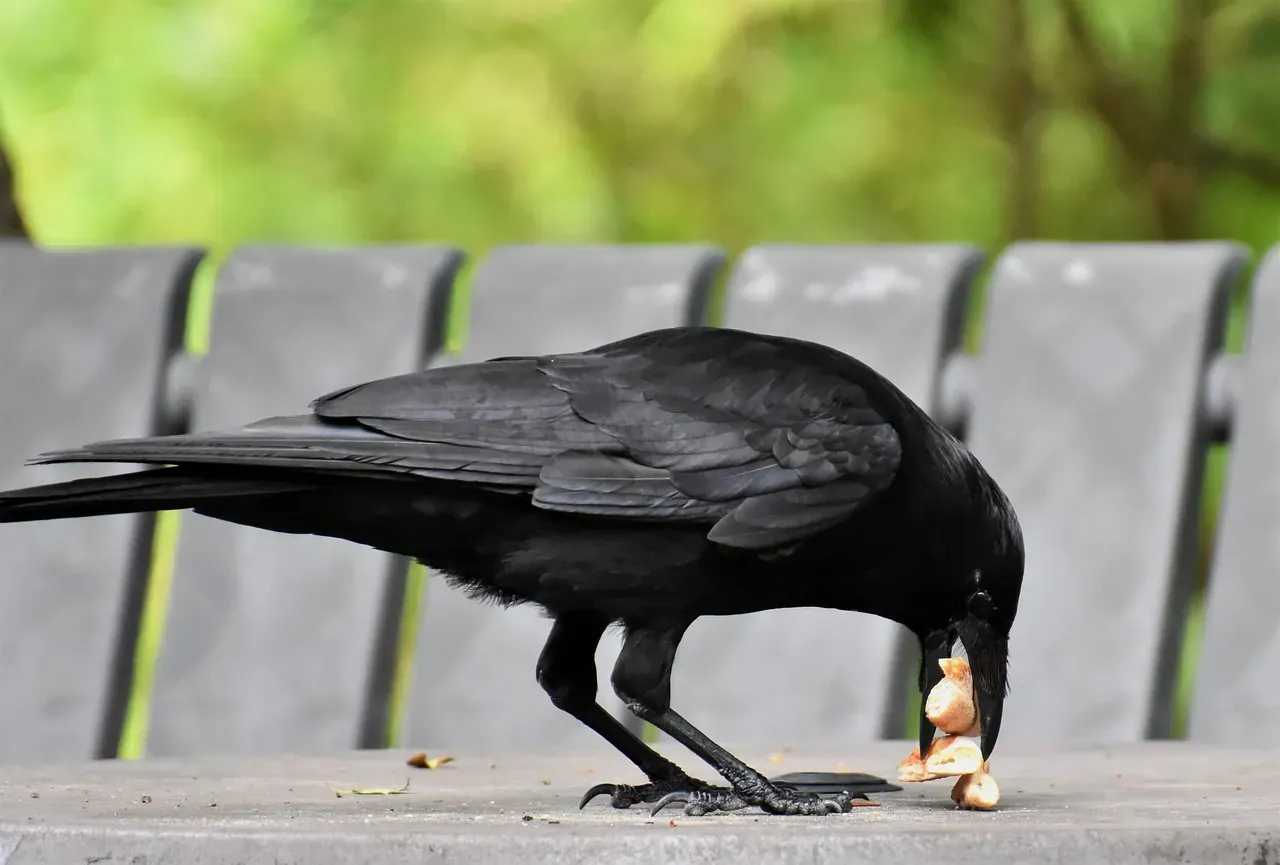
The raven’s return to American cities is, on one level, a story of genuine resilience. A bird that was systematically pushed out has found its way back, adapting to conditions its ancestors never encountered. As the most widespread of all corvids, ravens are celebrated for their intelligence, adaptability, and crucial role in maintaining ecosystem balance. That’s worth acknowledging plainly.
Still, it would be too easy to frame this only as a triumph. The same qualities that make ravens fascinating, their intelligence, social coordination, and dietary flexibility, also make them ecologically disruptive when their numbers swell far beyond historical baselines. Although there is substantial evidence that raven populations have increased across North America, populations varied in growth rates and relative abundances among regions, with nearly three quarters of measured ecoregions demonstrating positive annual population growth rates. The data point in one clear direction. The interpretation, though, remains genuinely complicated.
What seems certain is this: the raven is not going away. Cities that once drove it out have inadvertently built the very conditions it thrives in. Whether we regard that as a conservation win, an ecological concern, or simply one of the stranger surprises that urban life keeps delivering, it tells us something important. Nature doesn’t wait for an invitation. Sometimes it just shows up on the water tower and starts croaking.

- 20 Smartest Animals on The Planet Ranked - July 20, 2026
- 10 Ancient Civilizations That Mysteriously Vanished From History - July 20, 2026
- The Emotional Toll of Pet Loss: Coping When Your Best Friend Crosses Over - July 20, 2026