
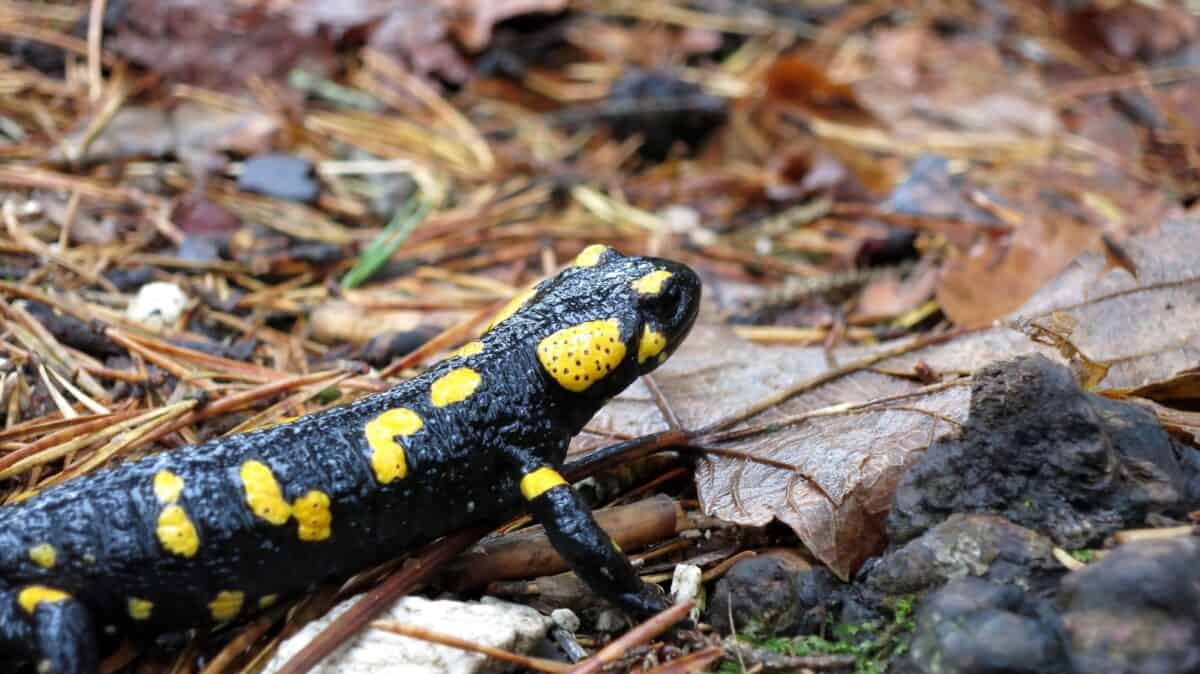
In the dense undergrowth of America’s forests, among fallen logs and damp leaf litter, salamanders go about their quiet lives largely unnoticed by human passersby. These small, often colorful amphibians might seem inconsequential at first glance, but ecologists recognize them as powerful indicators of ecosystem health—living barometers that can tell us more about forest vitality than many sophisticated monitoring tools. With their permeable skin and specific habitat requirements, salamanders serve as nature’s early warning system, alerting us to environmental changes that might otherwise go undetected until more dramatic consequences emerge. Their role as ecological indicators has earned them the title of “bellwethers” for forest health across the United States, making these modest creatures unexpectedly important in conservation science and forest management.
The Remarkable Diversity of American Salamanders

🔥 Would you like to save this?
We'll email this post to you, so you can come back to it later!
The United States boasts an extraordinary salamander diversity that many Americans remain unaware of. With approximately 190 species nationwide, the U.S. is a global hotspot for salamander biodiversity, housing nearly one-third of all salamander species on Earth. The Appalachian Mountains region stands as the world’s salamander capital, with places like Great Smoky Mountains National Park hosting over 30 species in a relatively small area. This diversity includes the tiny pygmy salamander, measuring just 2 inches long, to the impressive hellbender that can reach lengths of over two feet.
This remarkable diversity is not evenly distributed across the country. The Southeast, particularly the Appalachian region, hosts the highest concentration of species, many of which are endemic—found nowhere else on Earth. The Pacific Northwest also supports unique salamander communities, including the iconic Pacific giant salamander. This biodiversity represents millions of years of evolution and adaptation to specific forest conditions, making salamanders living records of forest history and specialized indicators of particular forest types.
Salamanders as Ecological Indicators
🔥 Would you like to save this?
We'll email this post to you, so you can come back to it later!
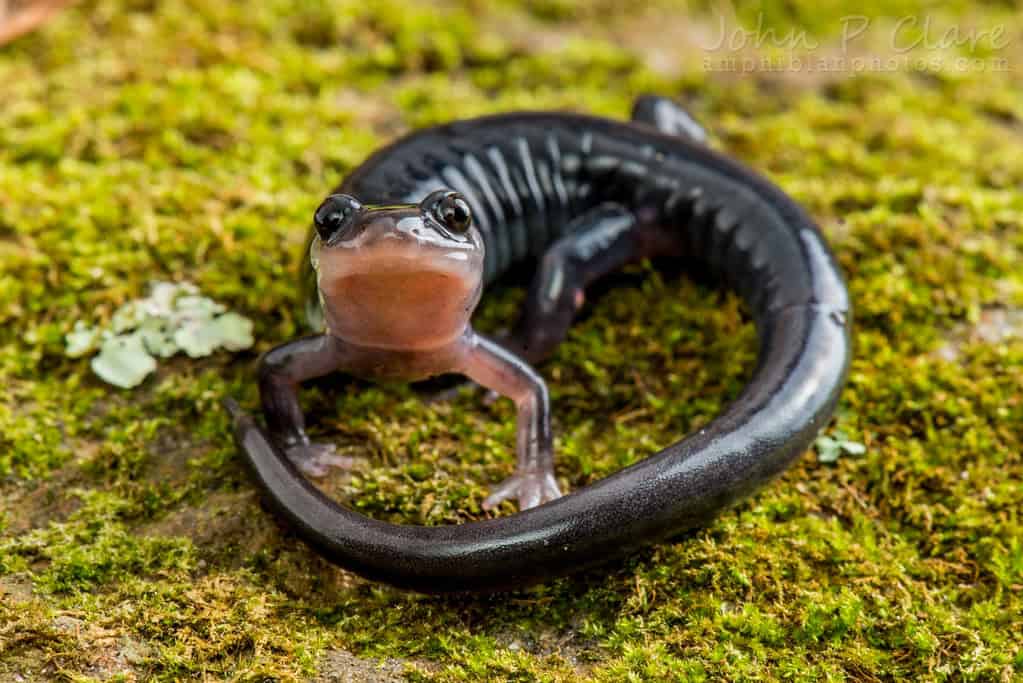
What makes salamanders particularly valuable as ecological indicators is their biology and life history. Unlike many vertebrates, salamanders have permeable skin that they use for respiration, making them extremely sensitive to environmental conditions. This permeable skin acts like a living sensor, directly exposing salamanders to whatever chemicals, pollutants, or changes in moisture exist in their environment. They cannot simply move away from unsuitable conditions as easily as more mobile species, making their presence or absence a reliable indicator of habitat quality.
Additionally, many salamander species have complex life cycles that require both aquatic and terrestrial habitats in good condition. They often live long lives—some woodland salamanders can survive for more than 20 years—providing a long-term picture of forest health rather than just a snapshot. Their abundance can be remarkable, with population densities reaching up to 2,700 individuals per acre in some healthy forests, often exceeding the biomass of all other vertebrates combined. This combination of sensitivity, site fidelity, longevity, and abundance makes salamanders ideal ecological sentinels.
The Forest Web: Salamanders’ Ecological Role

🔥 Would you like to save this?
We'll email this post to you, so you can come back to it later!
Salamanders are far more than just indicators—they are active participants in forest ecology, playing crucial roles that help maintain forest health. As mid-level predators, they control populations of forest floor invertebrates like insects, worms, and snails, helping to regulate decomposition rates and nutrient cycling. A single salamander can consume thousands of insects annually, including pests that might otherwise damage forest vegetation. This predatory role helps maintain the delicate balance of the forest floor food web.
Conversely, salamanders themselves serve as prey for numerous forest animals, from snakes and birds to mammals and larger amphibians, transferring energy up the food chain. Research has demonstrated that experimental removal of salamanders from forest plots can lead to significant changes in invertebrate communities and even alter the rate of leaf litter decomposition, affecting how quickly nutrients return to the soil. Through these ecological interactions, salamanders help maintain the stability and productivity of forest ecosystems in ways that extend far beyond their small size.
Canaries in the Coal Mine: How Salamanders Signal Forest Distress
🔥 Would you like to save this?
We'll email this post to you, so you can come back to it later!
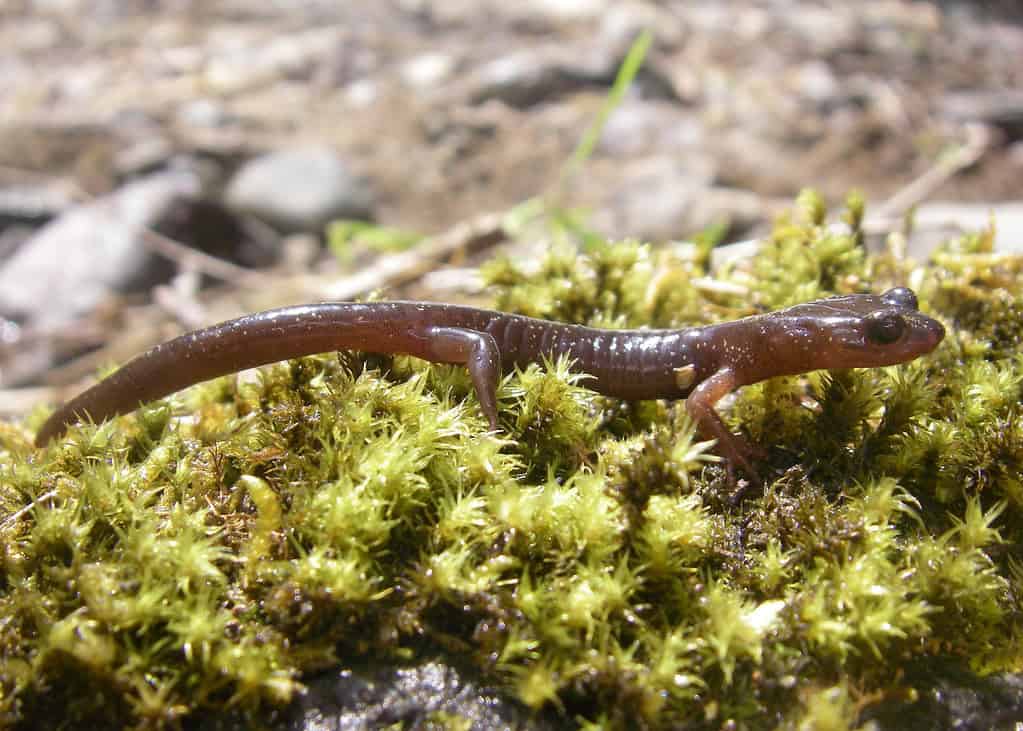
Like the canaries once used by miners to detect dangerous gases, salamanders often show signs of stress before other forest species when environmental conditions deteriorate. Population declines or abnormalities in salamander communities can signal numerous forest health issues, often before they become visibly apparent in trees or other wildlife. For example, salamander populations typically decline rapidly following clear-cutting or other intensive forestry practices, with some species disappearing entirely from heavily logged areas. Even selective logging can reduce salamander numbers by 50% or more as the forest floor microclimate changes.
Researchers have documented salamanders developing physical deformities when exposed to environmental contaminants like pesticides, herbicides, or heavy metals that enter forest ecosystems. Acid rain affects salamander reproduction by damaging the eggs and larvae of aquatic-breeding species. Climate change impacts are becoming increasingly evident, with salamander body sizes shrinking in some regions as temperatures rise and moisture patterns shift. By monitoring these changes in salamander populations, scientists gain early insights into forest stressors that might otherwise remain undetected until they cause more widespread damage.
Climate Change and America’s Salamanders
🔥 Would you like to save this?
We'll email this post to you, so you can come back to it later!
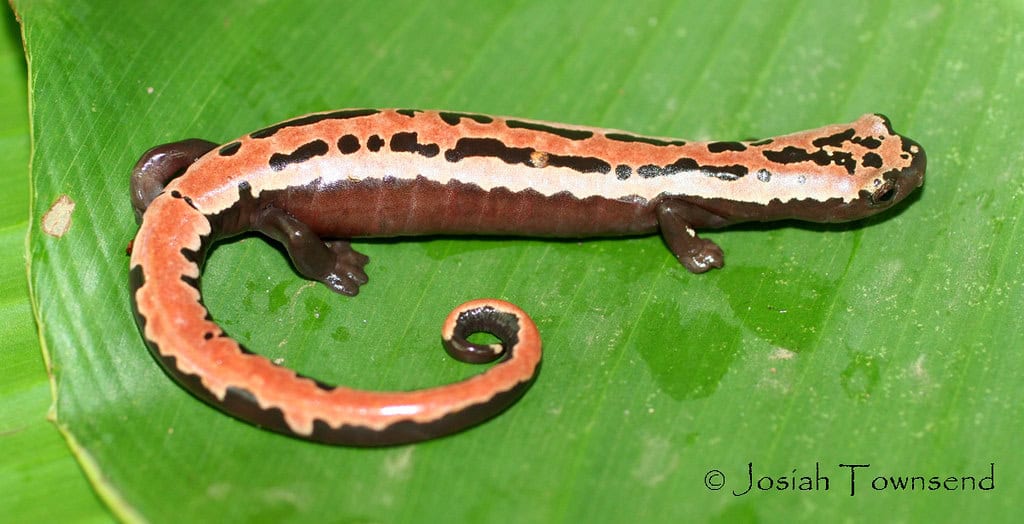
Climate change poses perhaps the greatest contemporary threat to salamander populations and, by extension, indicates troubling changes in forest ecosystems. Research published in the journal Global Change Biology found that some salamander species in the Appalachians have decreased in body size by nearly 8% over the past 30 years as regional temperatures have increased. This shrinking phenomenon, believed to be related to increased metabolic demands in warmer conditions, can affect salamanders’ ability to survive and reproduce. Changing precipitation patterns further threaten these moisture-dependent creatures.
Beyond physical changes, climate shifts are altering the timing of salamander breeding and migration. Studies in the Northeast have documented salamander breeding seasons beginning up to three weeks earlier than historical averages. As temperatures warm, salamanders’ suitable habitat is shifting northward and to higher elevations, potentially creating ecological mismatches with their food sources or predators. Some mountain-dwelling species face what ecologists call “the escalator to extinction” as their habitat zones climb upward until they simply run out of mountain. These climate-induced changes in salamander populations serve as early warnings of broader ecosystem disruptions occurring in America’s forests.
Forest Fragmentation: The Silent Threat

🔥 Would you like to save this?
We'll email this post to you, so you can come back to it later!
As American forests become increasingly fragmented by roads, development, and agriculture, salamanders reveal the ecological costs of this landscape transformation. Unlike birds or mammals that might travel between forest patches, most salamander species have limited dispersal abilities, sometimes moving less than 10 meters during their entire adult lives. This limited mobility makes them particularly vulnerable to forest fragmentation. Studies have shown that even narrow roads can create nearly impenetrable barriers for salamanders, with documented road mortality rates exceeding 50% for salamanders attempting to cross.
Beyond creating physical barriers, fragmentation alters the microclimate of forest edges, typically making them warmer and drier—conditions hostile to moisture-dependent salamanders. Research has demonstrated that some woodland salamander species avoid forest edges entirely, effectively losing habitat as fragmentation increases. The genetic consequences can be severe, with isolated populations showing reduced genetic diversity over time, making them less resilient to disease and environmental change. By monitoring salamander populations and genetic health in fragmented landscapes, scientists can better understand how fragmentation affects overall forest ecosystem function and resilience.
Salamanders and Forest Management Practices

🔥 Would you like to save this?
We'll email this post to you, so you can come back to it later!
Forest management decisions can significantly impact salamander populations, with these impacts serving as indicators of broader ecological effects. Clear-cutting typically results in the most dramatic salamander declines, with populations often reduced by 80-100% following such intensive harvesting. Even when forests regrow, salamander populations may take 50-70 years to fully recover. Selection cutting and other less intensive management approaches generally have less severe impacts, though even these practices can reduce salamander numbers by 25-50% by altering forest floor conditions.
Management practices that maintain a moist forest floor with abundant woody debris generally support healthier salamander populations. Retention of large-diameter logs during timber harvest provides crucial microhabitat for many species. Buffer zones around streams and wetlands protect breeding sites for aquatic-breeding salamanders. Increasingly, forestry professionals are incorporating salamander conservation into sustainable forestry planning, recognizing that practices supporting salamander diversity typically align with broader forest ecosystem health goals. Some forest certification programs now include salamander monitoring as part of their assessment criteria, acknowledging these amphibians’ value as indicators of sustainable management.
Pollution Impacts: What Salamanders Reveal
🔥 Would you like to save this?
We'll email this post to you, so you can come back to it later!
The permeable skin that allows salamanders to breathe also makes them exceptionally vulnerable to environmental pollutants, providing visible evidence of contamination that might otherwise remain hidden. Acid precipitation, resulting from industrial emissions, continues to affect forest ecosystems in many regions of the U.S., with salamanders showing the impacts through reduced reproduction success, developmental abnormalities, and population declines. In some heavily affected areas of the Northeast, researchers have documented complete reproductive failure in acid-sensitive salamander species when pond pH drops below critical thresholds.
Agricultural runoff containing pesticides and fertilizers can have equally devastating effects. Studies have linked atrazine exposure to developmental abnormalities in salamanders, including extra or missing limbs. Mercury contamination, often from coal-burning power plants, accumulates in salamander tissues and affects their neurological function. Because salamanders are relatively long-lived and remain in specific areas, they can serve as excellent bioaccumulation monitors, with tissue samples revealing historical pollution exposure in ways water or soil testing alone cannot. Their sensitivity makes them excellent early warning systems for pollution threats to forest ecosystems.
Declining Salamanders: Implications for Forest Health

🔥 Would you like to save this?
We'll email this post to you, so you can come back to it later!
When salamander populations decline or disappear from an area, the consequences extend throughout the forest ecosystem. Research suggests that healthy salamander populations consume enormous quantities of invertebrates that would otherwise consume leaf litter—as many as 20,000 prey items per salamander annually. Without this predatory control, decomposition rates can accelerate, potentially affecting carbon storage in forest soils. One study estimated that a single population of red-backed salamanders could consume over 1.5 million prey items per hectare each year, representing a significant influence on forest floor ecology.
The loss of salamanders also removes a food source for numerous forest predators, including snakes, birds, and mammals. Reduced salamander abundance can disrupt nutrient cycling, as these amphibians efficiently convert invertebrate biomass into forms more accessible to other organisms. Perhaps most importantly, salamander declines typically precede more visible forest health issues, providing an early warning system for forest managers. When salamanders begin disappearing, it suggests fundamental changes in forest conditions that will likely affect other species if not addressed. In this way, declining salamanders often herald broader ecosystem challenges.
Conservation Success Stories: Protecting Forests Through Salamander Stewardship
🔥 Would you like to save this?
We'll email this post to you, so you can come back to it later!
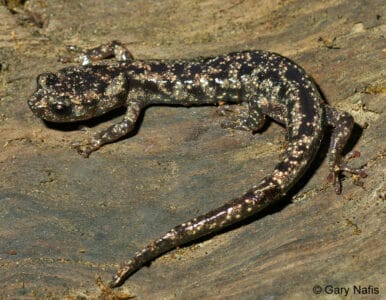
Despite the challenges facing salamanders and their forest habitats, conservation success stories demonstrate how protecting these amphibians can lead to broader forest conservation wins. In North Carolina’s Highlands Plateau, concern for the endangered green salamander helped secure protection for thousands of acres of old-growth forest habitat. The salamander’s specific needs for moist rock outcrops within mature forests created the scientific basis for preservation efforts that benefited the entire ecosystem. Similarly, hellbender salamander conservation in the Ozarks has driven watershed protection initiatives that improve water quality throughout river systems.
Community science projects focused on salamanders have engaged thousands of volunteers in forest monitoring, building public investment in forest conservation. The North American Amphibian Monitoring Program and regional efforts like the Virginia Master Naturalists train citizens to conduct salamander surveys that provide valuable long-term data while fostering forest stewardship ethics. Some private landowners have implemented salamander-friendly forestry practices after learning about these creatures’ ecological importance. These success stories demonstrate how these small, often overlooked amphibians can serve as charismatic ambassadors for forest conservation, leveraging their ecological significance into tangible protection for entire forest ecosystems.
Monitoring Methods: How Scientists Track Salamander Populations

🔥 Would you like to save this?
We'll email this post to you, so you can come back to it later!
Scientists employ various specialized techniques to monitor salamander populations and use this data to assess forest health. The most common method involves time-constrained searches, where researchers systematically look under logs, rocks, and leaf litter for a set period, counting all salamanders encountered. Artificial cover objects—typically wooden boards or specially designed cover plates—provide standardized habitat that researchers can check regularly to track population trends. More intensive studies use drift fences with pitfall traps to capture salamanders moving across the forest floor, providing data on population density and movement patterns.
Modern technology has enhanced traditional monitoring approaches. Environmental DNA (eDNA) sampling allows scientists to detect salamander presence by collecting water or soil samples and testing for traces of salamander DNA, useful for rare or cryptic species. Automated camera systems with pattern recognition software can now identify and count salamanders non-invasively. Mark-recapture studies using visible implant elastomer tags or even genetic “fingerprinting” provide detailed information on salamander survival rates and population dynamics. These monitoring approaches create valuable datasets that forest managers can use to assess ecosystem health and the effectiveness of conservation practices over time.
Salamanders as Forest Health Champions: Conclusion

🔥 Would you like to save this?
We'll email this post to you, so you can come back to it later!
The humble salamander, despite its small size and secretive nature, stands as one of our most valuable indicators of forest ecosystem health across the United States. Their sensitivity to environmental changes, site fidelity, ecological significance, and remarkable diversity make them ideal bellwethers for monitoring the vitality of America’s varied forest ecosystems. From the ancient Appalachian woodlands to the temperate rainforests of the Pacific Northwest, salamanders provide scientists and land managers with crucial insights that might otherwise remain hidden until forest degradation reaches more advanced stages.
As forests face mounting threats from climate change, habitat fragmentation, pollution, and unsustainable management practices, salamander monitoring offers an early warning system that can guide conservation efforts and inform policy decisions. The health of salamander populations reflects the health of the forest floor, the quality of nearby waters, the integrity of nutrient cycles, and the overall resilience of forest ecosystems. By protecting salamanders and the specific habitat conditions they require, we simultaneously protect countless other species and ecological processes.
For forest managers, policymakers, and conservation advocates, salamanders represent both a sensitive measuring tool and a compelling focal point for broader forest protection efforts. Their conservation needs typically align with sustainable forestry practices and ecosystem-based management approaches. For the public, these fascinating creatures can serve as accessible ambassadors for forest conservation, helping people connect with and value the complex ecology beneath the forest canopy. As we work to preserve America’s forest heritage for future generations, the salamander’s role as a bellwether for forest health will likely become increasingly valuable, reminding us that sometimes the smallest creatures can tell us the most about the health of our greatest natural treasures.

- Simple Ways to Keep Your Pumpkins Safe from Squirrel Attacks - October 26, 2026
- Transform Your Garden with Vibrant and Everlasting Strawflowers - October 22, 2026
- How to Win Over Judges in Dressage Competitions - October 19, 2026