

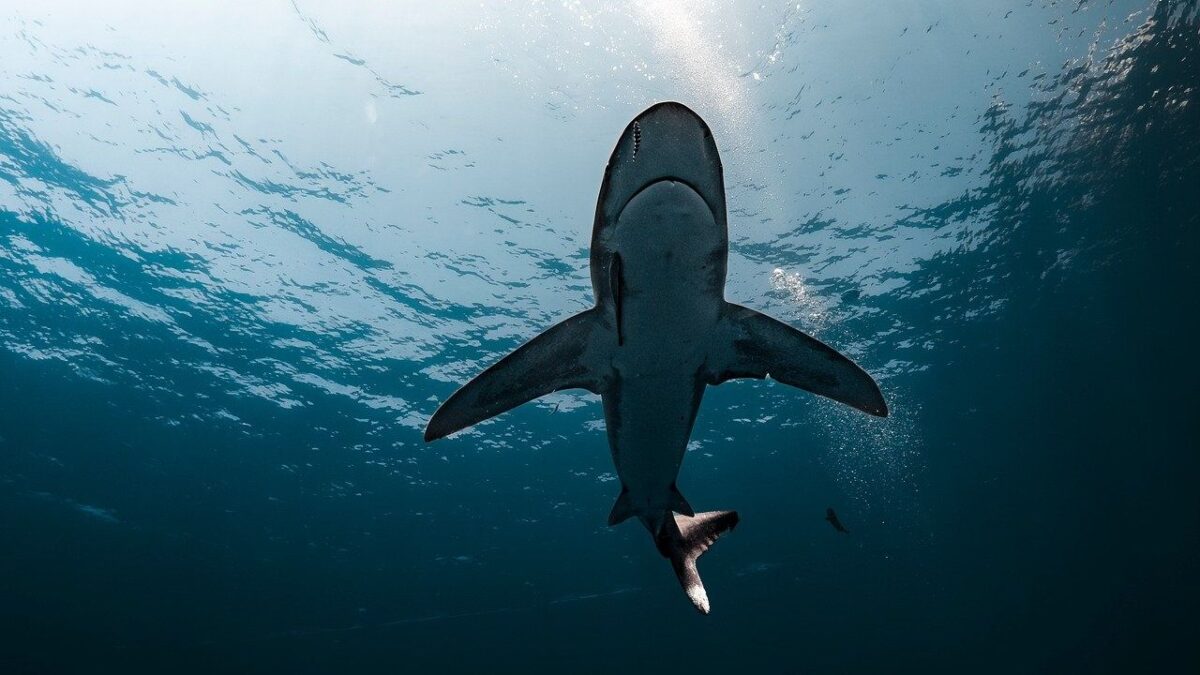
Every October, something shifts in the warm Pacific waters surrounding Hawaii. The beaches stay beautiful, the sunsets remain postcard-perfect, but beneath the surface, a pattern emerges that has puzzled researchers for years. Shark encounters don’t just happen randomly here – they cluster, spike, and follow a rhythm that scientists are only now beginning to fully decode.
What’s driving this seasonal surge? The answer involves whale songs, migration routes, newborn sharks, and ocean dynamics that all converge in one of the most dramatic natural overlaps in the marine world. Let’s dive in.
October Is Statistically the Most Dangerous Month for Shark Attacks in Hawaii
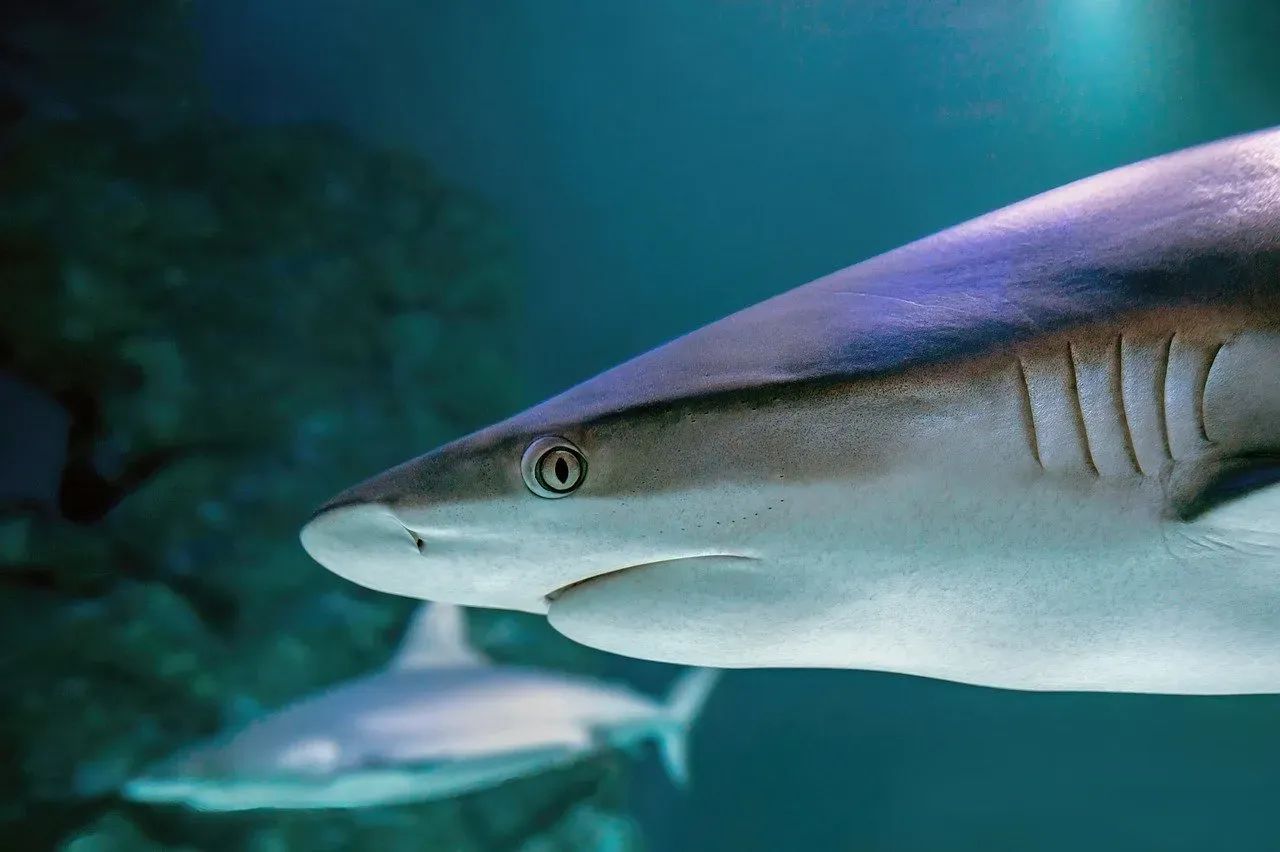
Let’s be real – most people assume shark attacks are random, unpredictable events. The data from Hawaii tells a very different story. Historical records consistently show that October stands out as the peak month for shark encounters in Hawaiian waters, with attack rates noticeably higher than any other time of year.
Scientists who analyzed decades of incident data found this pattern repeating with striking consistency. It isn’t just a one-off anomaly or a fluke year. October comes around, and the numbers climb. That kind of regularity suggests something biological and environmental is driving the trend, not just chance.
Tiger Sharks Are the Main Culprits Behind the Seasonal Surge
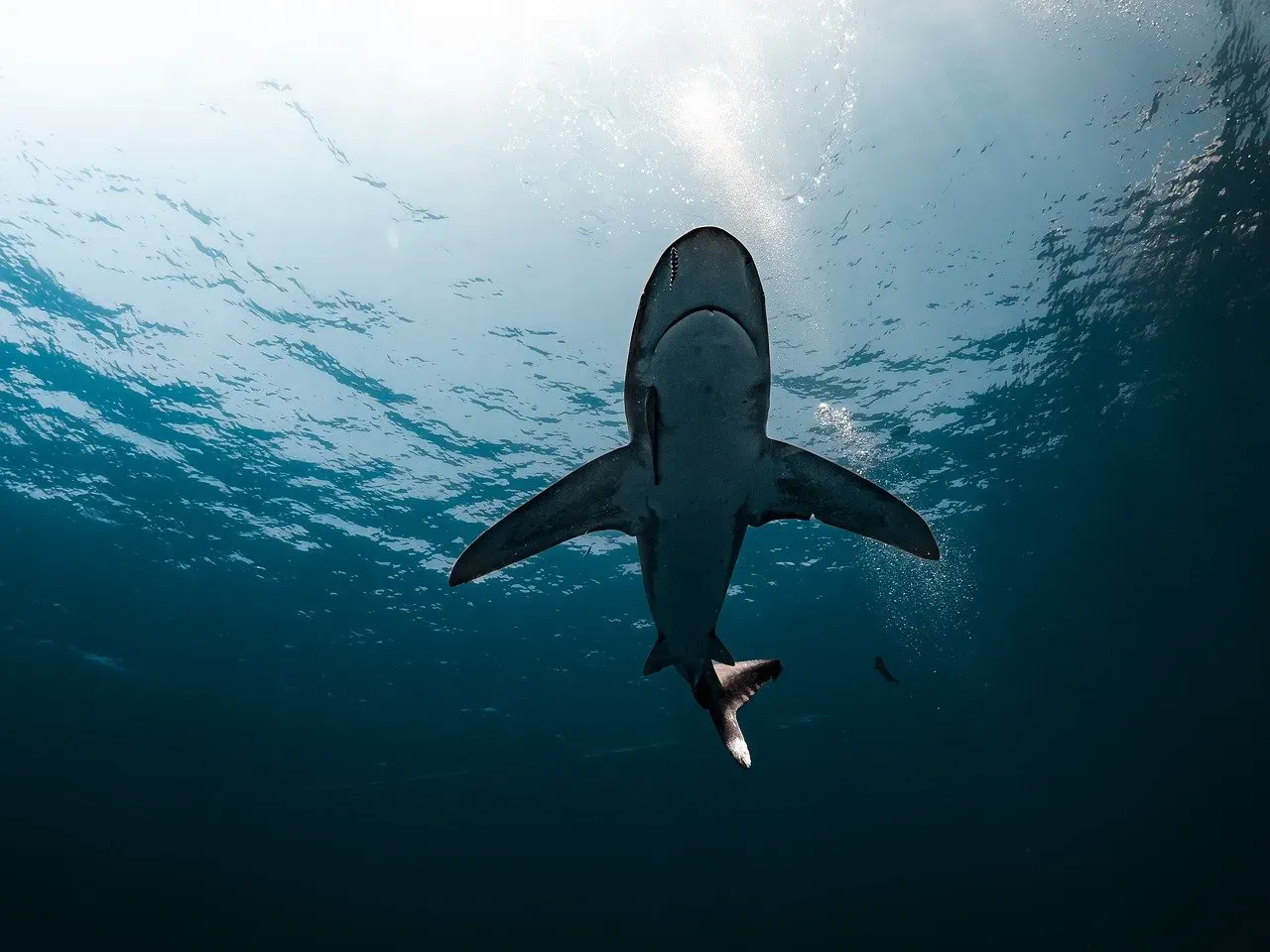
Here’s the thing – not all sharks are equally involved. Tiger sharks are responsible for the overwhelming majority of unprovoked attacks in Hawaii, and they are also the species at the center of this October mystery. These animals are large, curious, and remarkably adaptable, which makes them both fascinating and genuinely formidable.
Tiger sharks in Hawaii don’t behave like random wanderers. They follow patterns. Research has shown that these animals have home ranges and preferred coastal areas, and their activity in shallow nearshore waters intensifies during certain times of year. October happens to be when several of those behavioral triggers converge at once.
Pregnant Tiger Sharks Come to Hawaiian Waters to Give Birth
One of the most significant discoveries researchers have made is that female tiger sharks appear to use Hawaiian coastal waters as pupping grounds. Pregnant females migrate to these areas to give birth, and that process draws them into the shallow, nearshore zones where humans swim, surf, and snorkel.
Honestly, this changes how you think about shark encounters entirely. These aren’t predators hunting humans. They’re mothers seeking safe, warm, relatively calm water to bring new life into the world. The timing of births correlates strongly with the October spike, placing large, hormonally active female sharks in the exact zones where beachgoers are most active. It’s an ecological collision rather than a targeted threat.
Humpback Whale Activity May Be Indirectly Linked to the Spike
This one genuinely surprised me when I read about it. Scientists have proposed that humpback whale activity around Hawaii could be playing an indirect role in drawing tiger sharks closer to shore. Whales that die naturally near Hawaiian waters become massive, calorie-rich food sources – and tiger sharks are known opportunistic scavengers that will travel significant distances for such a meal.
The timing of certain whale movements and the presence of whale carcasses in Hawaiian waters overlaps with the October peak in ways that researchers find difficult to ignore. It’s a bit like leaving an enormous open buffet near a busy beach. The sharks come for the feast, and they end up in waters where human activity is high. The connection isn’t fully proven yet, but the correlation is compelling enough that scientists are actively investigating it.
Murky Water and Seasonal Ocean Conditions Make Encounters More Likely
October in Hawaii also brings specific ocean conditions that scientists believe contribute to the elevated risk. Seasonal swells can churn up sediment, reducing water visibility in nearshore areas. Murky water is a well-documented factor in shark bite incidents globally, as it increases the chance of mistaken identity.
When visibility drops, a human hand dangling from a surfboard can look remarkably like a sea turtle or a fish – both common prey items for tiger sharks. Add to that the fact that October remains a popular month for tourism and water recreation, and you have a recipe for elevated risk. More sharks in nearshore water, reduced visibility, and more people in the ocean is not a combination that favors safe outcomes.
Researchers Are Using Tagging Technology to Track and Predict Shark Movements
The good news is that scientists aren’t just studying this pattern from a distance. Researchers have been actively tagging tiger sharks with sophisticated tracking devices to monitor their movements in real time. This data is helping build predictive models that could one day allow beach managers and ocean safety officials to anticipate when and where sharks are most likely to be present.
Some of this tracking work has already revealed fascinating details about how far these animals travel and how consistently they return to the same coastal areas year after year. Think of it like GPS tracking for apex predators. The more data collected, the more accurately scientists can map the overlap between shark behavior and human activity. It won’t eliminate risk entirely, but it could meaningfully reduce it.
What This Means for Ocean Safety in Hawaii and Beyond
Understanding the October spike isn’t just an interesting scientific footnote – it has real, practical implications for how Hawaii manages ocean safety. Armed with this knowledge, state authorities and beach safety organizations can focus resources, increase patrols, and issue more targeted public warnings during the peak risk window.
There’s also a broader takeaway here for ocean users worldwide. Shark behavior is not random. It follows ecological rhythms tied to reproduction, prey availability, and environmental conditions. The ocean is their habitat, and humans enter it on the sharks’ terms whether we acknowledge that or not. Respecting that reality – staying out of the water at dawn and dusk, avoiding areas where fish are schooling, being cautious in murky conditions – remains the most effective personal defense.
Ultimately, the October spike in Hawaiian shark attacks is a story about nature following its own rules, with humans occasionally caught in the middle. It’s not a story of monsters. It’s a story of biology. What do you think – does knowing the science behind it change how you feel about swimming in Hawaiian waters? Share your thoughts in the comments.

- Urban Coyotes Show Remarkable Adaptability, Learning to Thrive in City Environments - July 22, 2026
- Beavers Are Nature’s Engineers, Creating Vital Habitats for Other Wildlife Species - July 21, 2026
- The Recovery of the California Condor Offers Hope for Other Critically Endangered Birds - July 21, 2026