
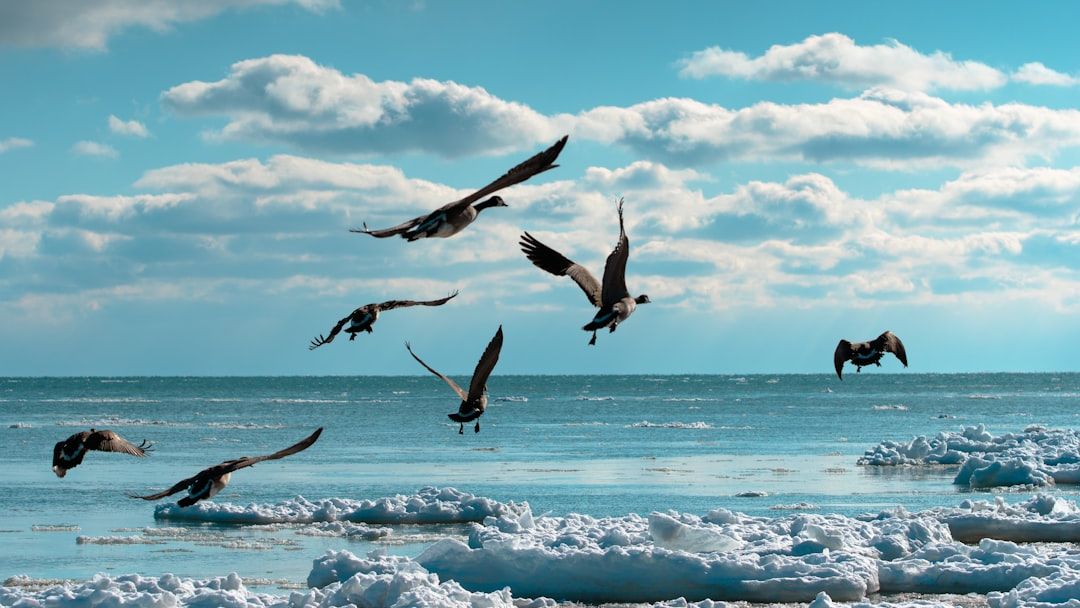
Birds often seem to know when trouble is coming. Their sudden departures from nests ahead of major storms have puzzled observers for years, raising questions about what cues they pick up that humans miss.
These behaviors point to remarkable sensory abilities shaped by evolution. Understanding them reveals how wildlife responds to powerful natural events in ways that still surprise researchers today.
Sensing Shifts in Air Pressure
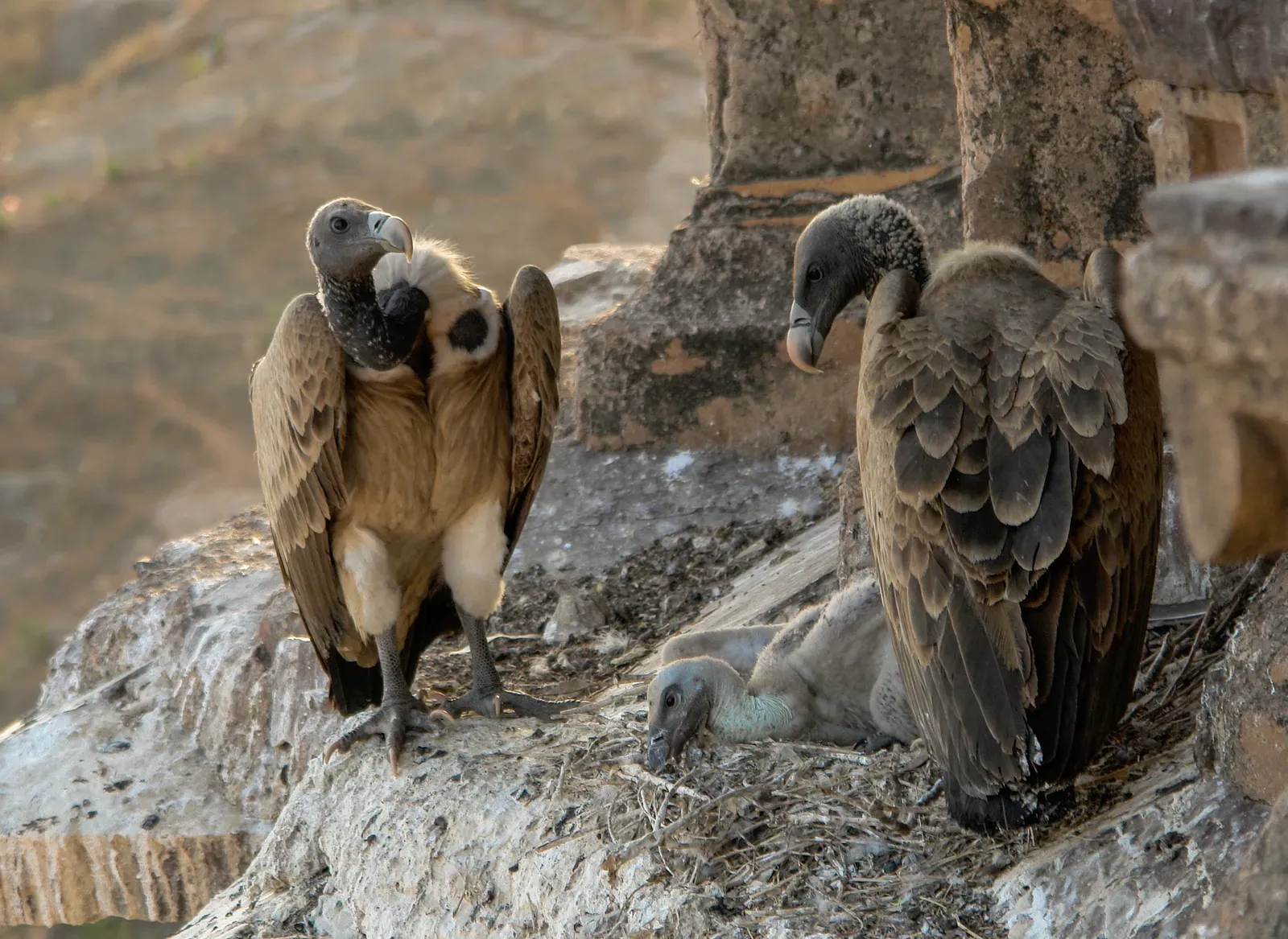
Birds possess highly sensitive inner ears that detect even small drops in barometric pressure. These changes often signal approaching low pressure systems tied to hurricanes. Many species react by becoming restless or leaving their nests well before winds pick up.
This early warning system helps them avoid being caught in dangerous conditions. Studies of various songbirds show they adjust activity levels in response to these atmospheric signals. The ability likely evolved over time as a survival advantage in storm prone regions.
Adjusting Breeding Cycles in Advance
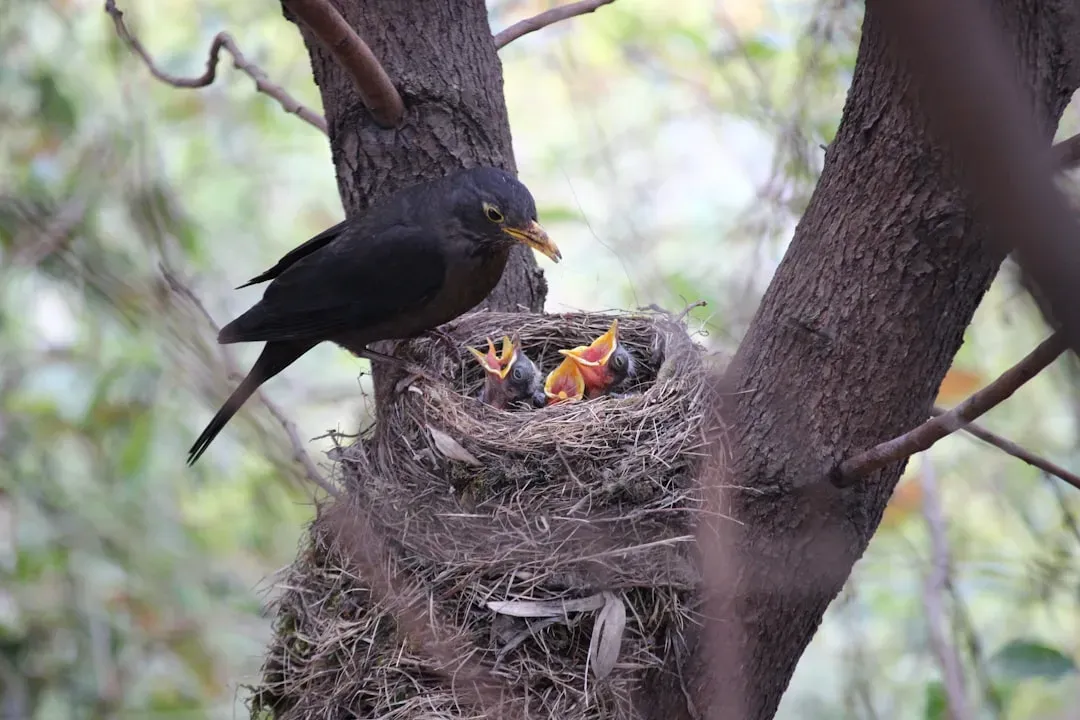
Some birds shorten their nesting periods when they sense a harsh storm season ahead. Veeries, for example, have been observed ending breeding earlier in years with intense hurricane activity. This flexibility allows them to migrate sooner and reduce risks to their young.
Such adjustments happen months before storms form in some cases. The birds appear to use long term environmental cues rather than waiting for immediate threats. This strategy improves their chances of reaching wintering grounds safely.
Seeking Shelter in Familiar Spots
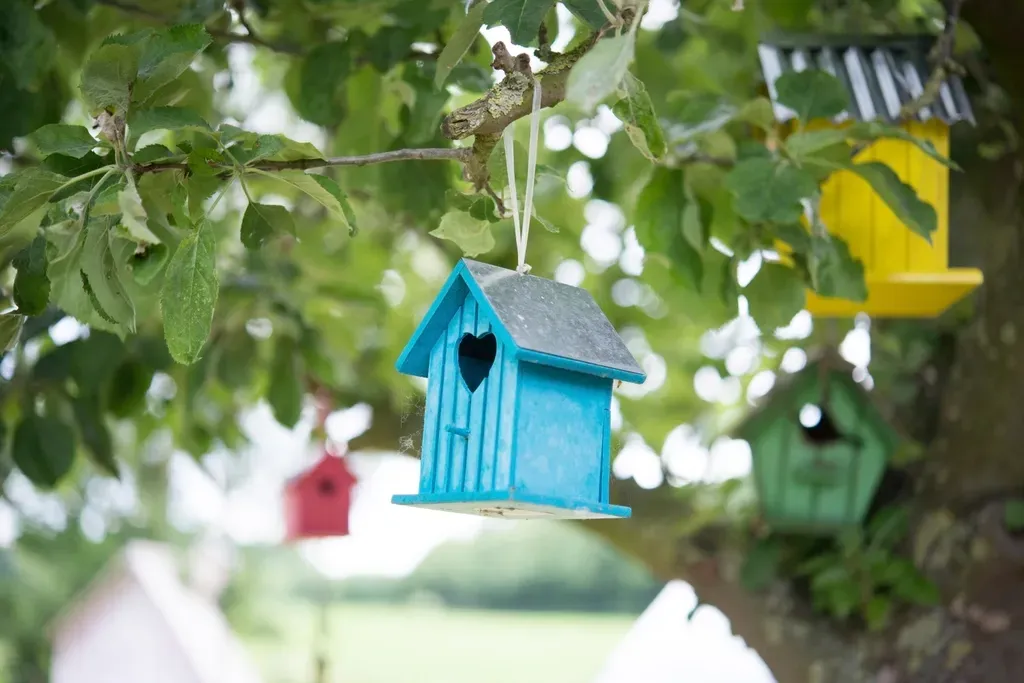
When abandonment occurs, birds often move to denser vegetation or lower ground for protection. These locations offer better shielding from high winds and heavy rain. Parents may return after the storm passes if conditions improve.
The decision to leave reflects a calculated trade off between current nesting efforts and future survival. Inexperienced pairs sometimes abandon more readily than established ones. This behavior helps preserve adult birds who can breed again in better seasons.
Learning from Past Storm Events
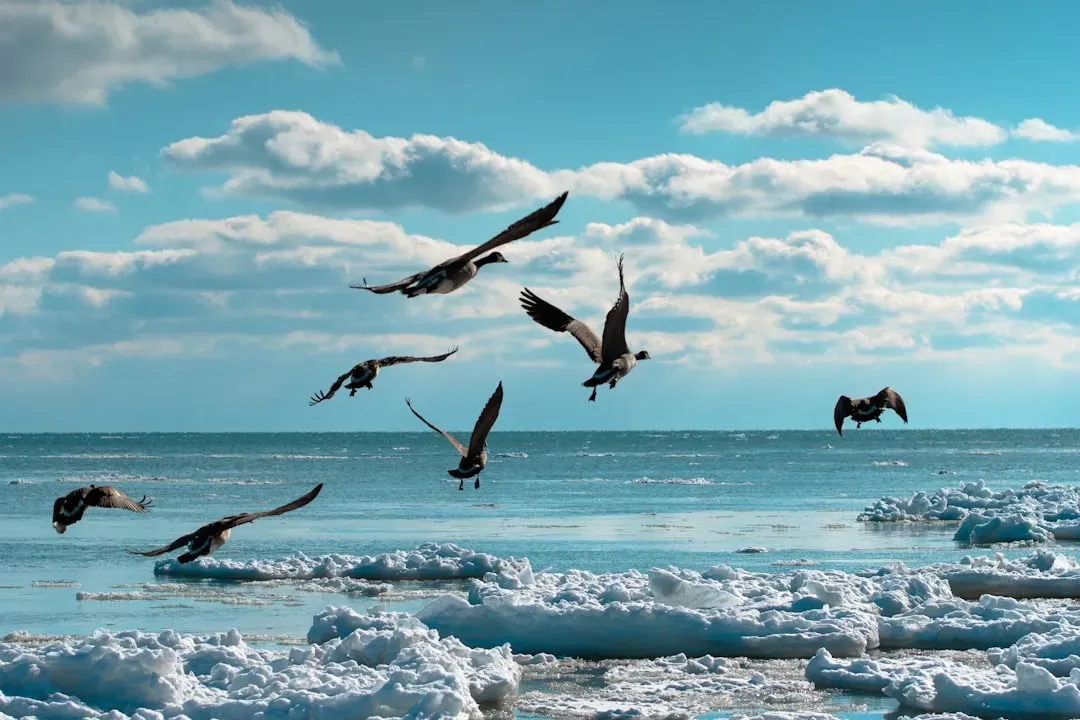
Repeated exposure to hurricanes may teach birds to recognize warning signs more quickly. Populations in coastal areas show stronger responses over time compared to inland groups. This suggests a combination of instinct and experience at work.
Young birds watch and follow the lead of older flock members during these events. The result is a collective movement away from vulnerable nest sites. Such social learning strengthens group resilience against recurring threats.
Balancing Risks to Eggs and Chicks
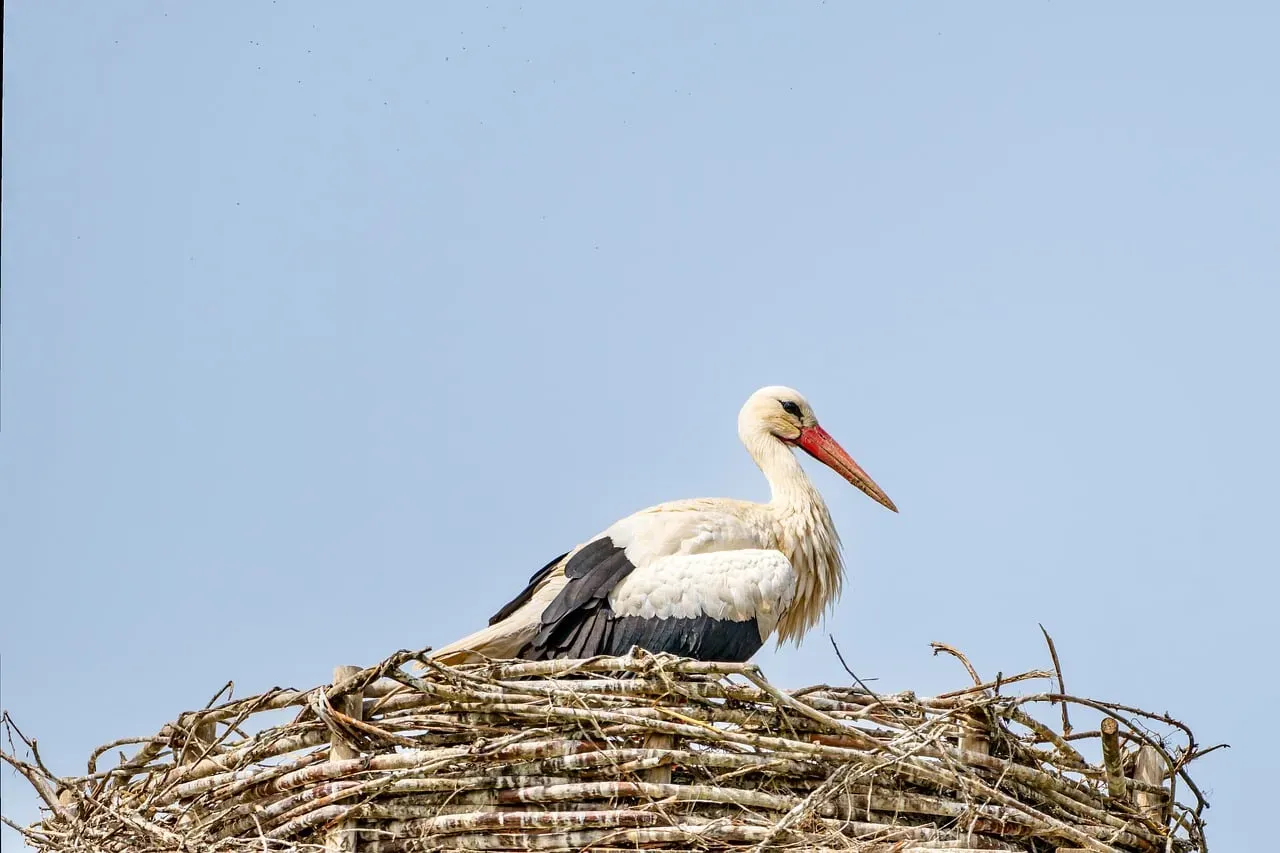
Abandonment protects the adults who can attempt nesting again later. Staying through a hurricane risks losing both parents and offspring in one event. Food shortages during and after storms add further pressure to leave.
Extreme weather disrupts insect and seed supplies that parents rely on for feeding. When foraging becomes impossible, the nest loses its purpose. Birds weigh these factors instinctively before committing to flight.
Observations Across Different Habitats
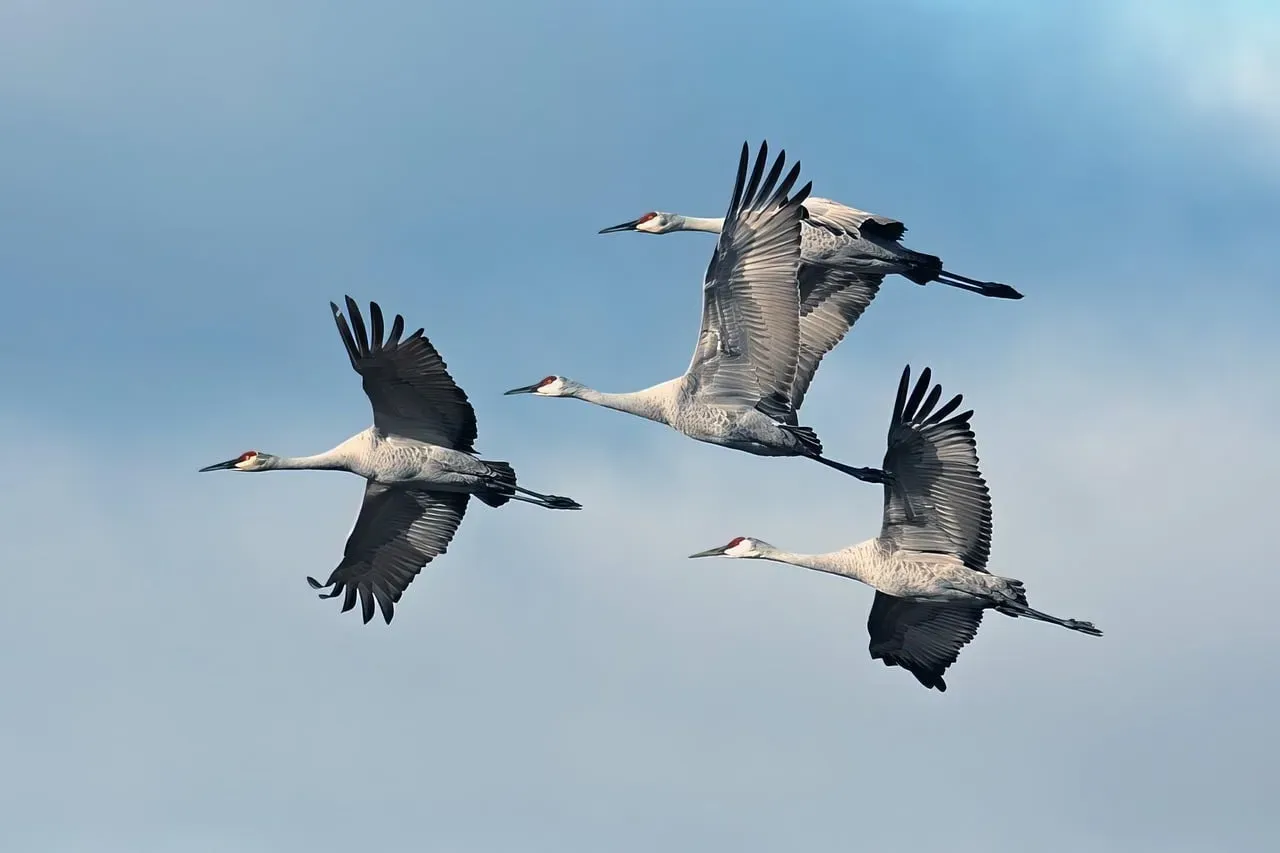
Coastal and island species face hurricanes more often and show clearer patterns of pre storm movement. Forest birds in hurricane alleys also exhibit restlessness tied to pressure changes. Inland populations react less dramatically unless a system moves far inland.
Researchers track these differences through banding studies and nest monitoring programs. Patterns emerge that link specific behaviors to storm intensity and timing. The variations highlight how local conditions shape responses.
Broader Lessons for Wildlife Survival
These abandonment events underscore the limits of fixed nesting strategies in a changing climate. More frequent intense storms could increase such behaviors across species. Conservation efforts benefit from recognizing these natural adaptations rather than viewing them as failures.
Protecting diverse habitats gives birds options when they must relocate. Continued monitoring helps track how populations cope over time. In the end, the birds remind us that survival often means knowing when to move on.

- The Wild Animal Each Zodiac Sign Would Become Under Pressure - August 5, 2026
- The Desert Town in Nevada Slowly Being Buried by Moving Sand - August 5, 2026
- Do Animals Feel Emotions Like Humans? New Studies Reveal Surprising Truths - August 5, 2026