

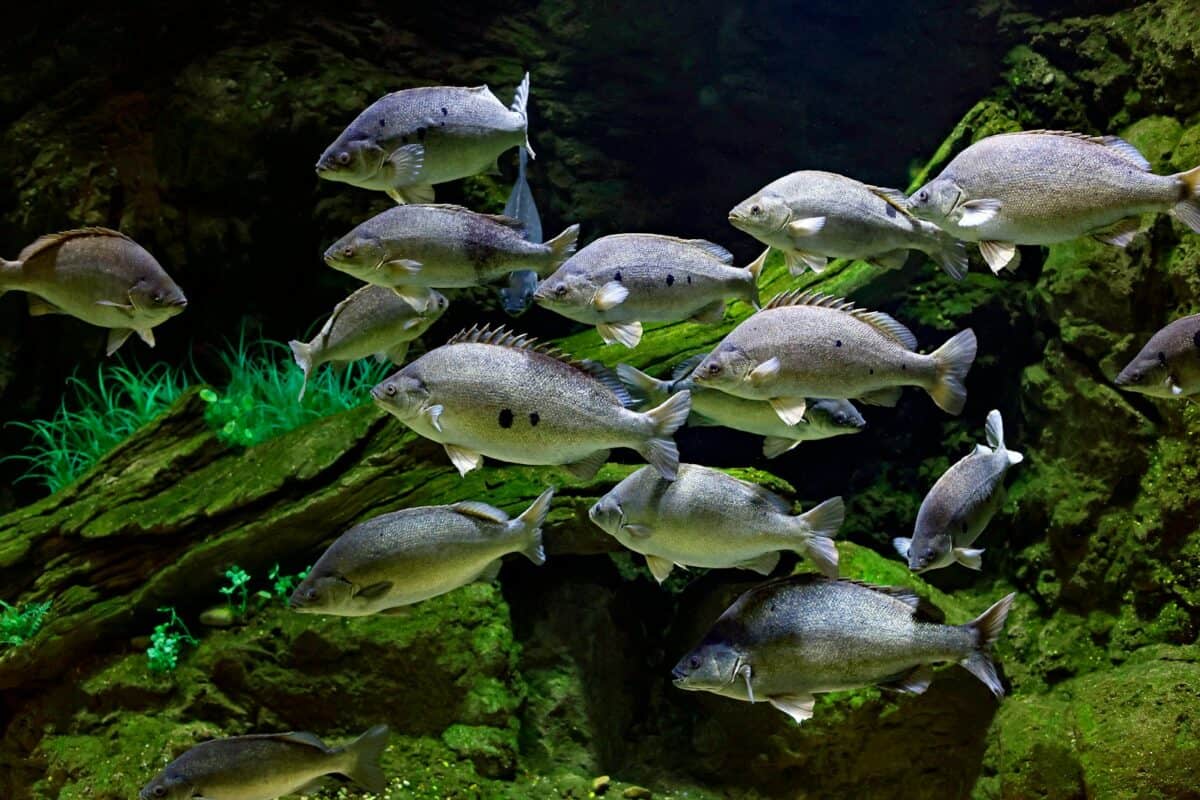
The mesmerizing sight of hundreds or thousands of fish moving as a single entity through ocean waters is one of nature’s most spectacular displays. Fish schooling behavior has fascinated scientists and nature enthusiasts alike for centuries. But not all fish species engage in this coordinated swimming behavior—some prefer solitude or loose aggregations rather than tight formations. This article explores the evolutionary advantages of schooling, the mechanisms that make it possible, and why certain fish species opt out of this social strategy. From the complex sensory systems that enable perfect synchronization to the environmental and genetic factors that influence schooling tendencies, we’ll dive deep into the fascinating world of fish social behavior.
The Definition and Mechanics of Fish Schooling
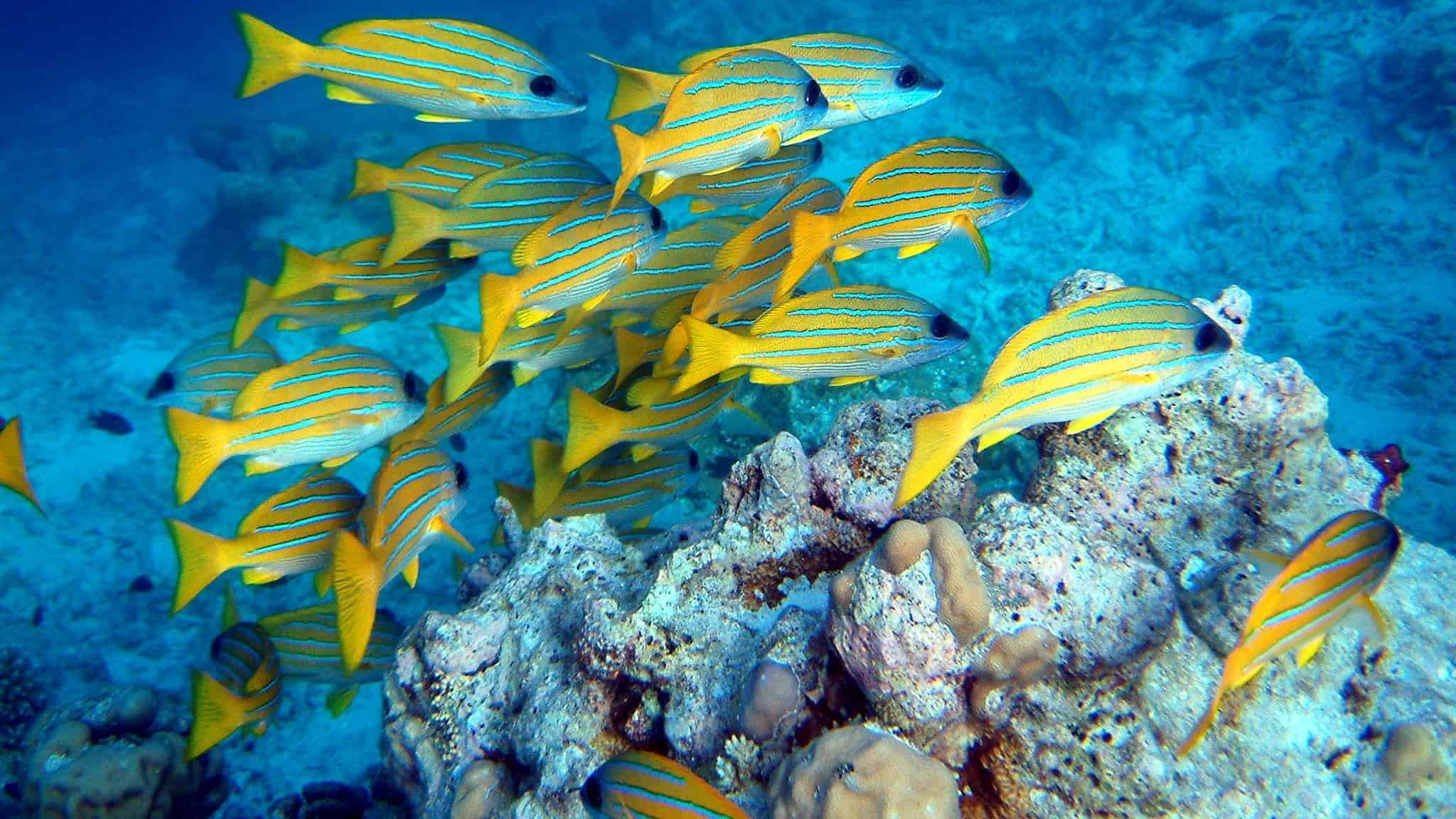
Fish schooling is a highly synchronized swimming behavior where individuals move as a coordinated unit, maintaining relatively consistent distances from one another. Unlike simple aggregations where fish gather in the same area without coordination, true schooling involves polarized movement—fish facing the same direction and moving at similar speeds. This remarkable synchronization occurs through a combination of visual, lateral line, and sometimes auditory cues.
The lateral line system—a series of sensory organs running along a fish’s body—plays a crucial role in schooling behavior. This specialized system detects pressure changes in the water, allowing fish to sense the movements of nearby individuals and adjust their position accordingly. Combined with vision, this enables the near-instantaneous reactions seen in schools as they change direction or respond to threats, creating those breathtaking, fluid movements that appear choreographed despite having no leader directing the group.
Evolutionary Advantages of Schooling
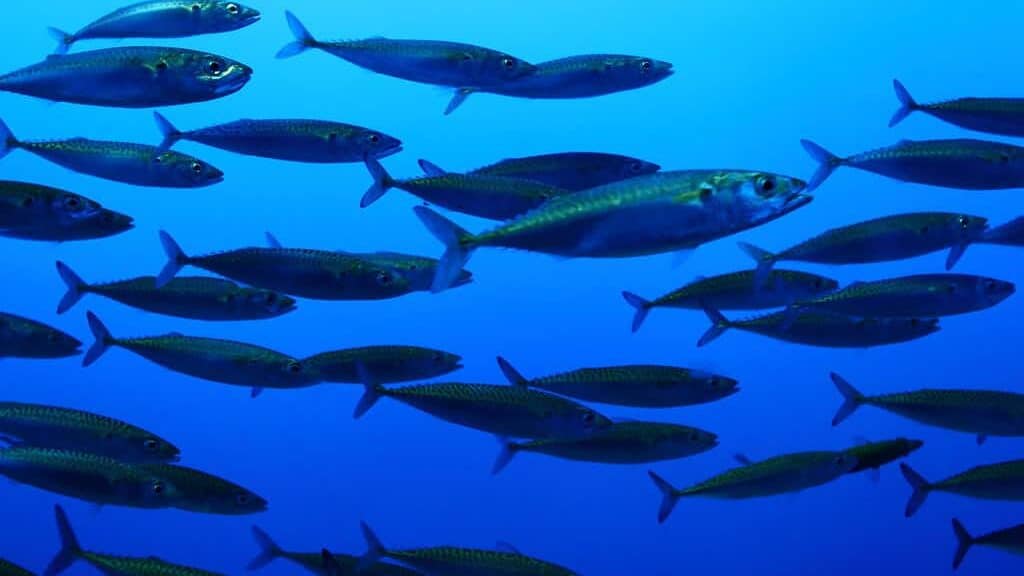
The primary evolutionary advantage of schooling is protection from predators through several mechanisms. The “safety in numbers” principle applies strongly here—a predator facing hundreds of potential targets has difficulty focusing on a single fish, a phenomenon known as the “confusion effect.” Additionally, many eyes are better than two; in a school, numerous fish can scan for danger, significantly increasing the chances of early predator detection. Studies have shown that fish in larger schools react more quickly to threats than those in smaller groups or solitary individuals.
Beyond predator protection, schooling offers hydrodynamic benefits. Fish swimming behind others can take advantage of vortices created by those ahead, reducing energy expenditure by up to 20% in some species. This energy conservation is particularly valuable during long migrations. Schools also enhance feeding efficiency for some species, as multiple fish can more effectively corner prey or disturb hidden food sources than individuals acting alone. These combined advantages have made schooling a successful strategy that has evolved independently in numerous fish lineages.
Famous Schooling Fish Species
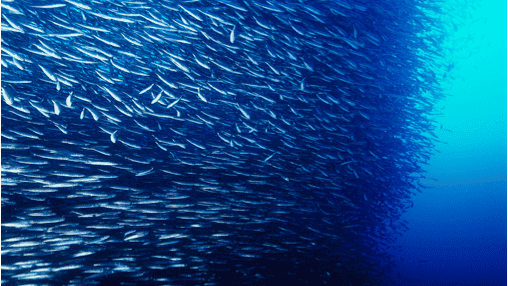
Among the most iconic schooling fish are herring, which form vast schools sometimes containing billions of individuals spanning several kilometers. These massive formations are often targeted by commercial fishing operations and play critical roles in marine ecosystems. Sardines are another well-known schooling species that create “bait balls”—tight, spherical formations when under attack—that can be so dense they appear as solid objects on sonar equipment.
Other notable schooling species include mackerel, anchovies, and jack species, which form tornado-like spinning formations known as “carousels” while feeding. Freshwater examples include minnows, tetras, and danios—all popular in home aquariums partly because their schooling behavior creates dynamic, engaging displays. Many reef fish also school, with examples including fusiliers, snappers, and surgeonfish, whose coordinated movements add to the visual spectacle of coral reef environments. These diverse species demonstrate how schooling has evolved across vastly different aquatic habitats.
The Science Behind School Formation
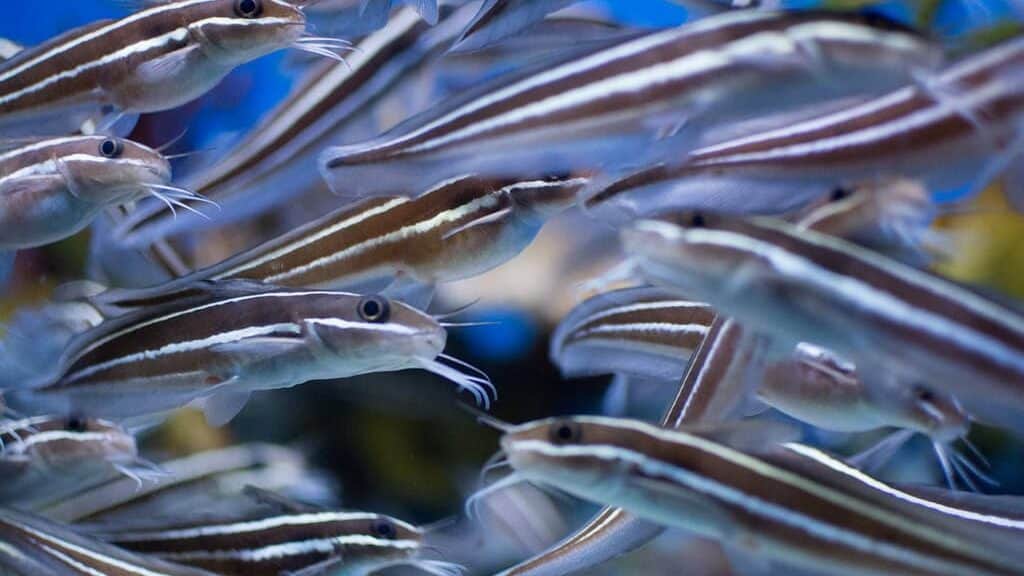
The formation and maintenance of fish schools rely on three simple behavioral rules: attraction, repulsion, and alignment. Fish are attracted to others of their species, maintaining a minimum distance to stay with the group. Simultaneously, they maintain a minimum distance from any individual to avoid collisions (repulsion). Finally, they align their swimming direction with nearby fish. These three forces create the characteristic schooling pattern seen in nature.
Computer models simulating these rules successfully reproduce schooling behavior, demonstrating that complex group dynamics can emerge from simple individual decisions. Researchers have discovered that a fish typically pays attention to only its seven nearest neighbors when making movement decisions, regardless of school size. This limited interaction zone helps explain how schools can react so quickly—information cascades through the group as each individual responds to its immediate neighbors, creating wave-like response patterns that can transmit information across thousands of individuals in seconds.
Solitary Fish: Why Some Species Don’t School
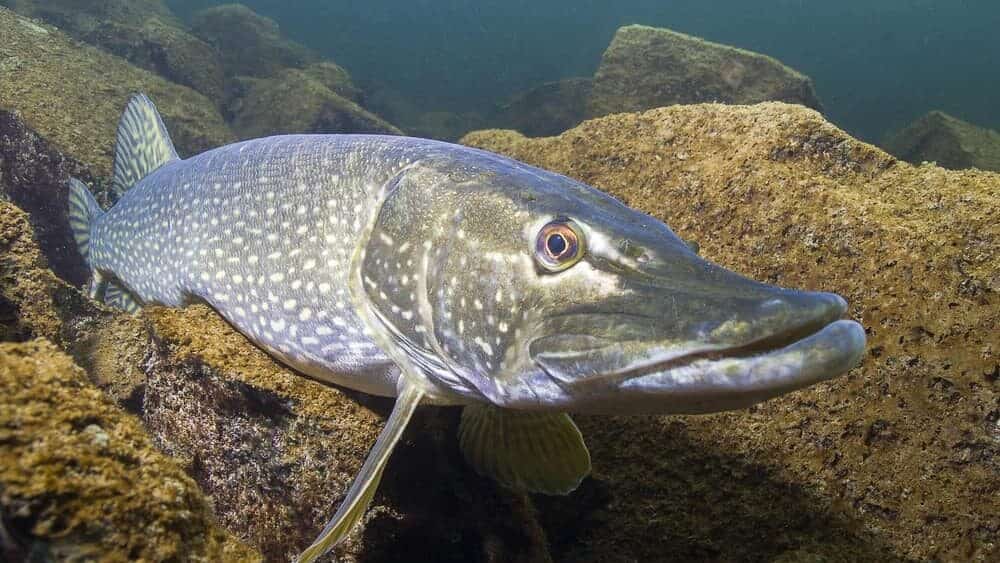
Not all fish species find advantage in numbers. Many predatory fish—like pike, barracuda, and certain shark species—are solitary hunters. For these fish, schooling would create competition for prey and reduce hunting efficiency. Their strategy relies on stealth, ambush, and individual pursuit rather than group tactics. Additionally, some species are territorial by nature, defending specific areas for feeding, mating, or shelter, making group living counterproductive.
Bottom-dwelling fish such as flounders, certain catfish species, and many deep-sea fish also tend toward solitary lifestyles. Their habitats often provide natural camouflage or hiding places, reducing predation risk without schooling. Some fish also adopt different social strategies at different life stages—many reef fish school as juveniles for protection but become territorial as adults. The diversity of social strategies among fish species reflects the varied ecological niches they occupy and the different evolutionary pressures they face.
Mixed-Species Schools: Unusual Collaborations
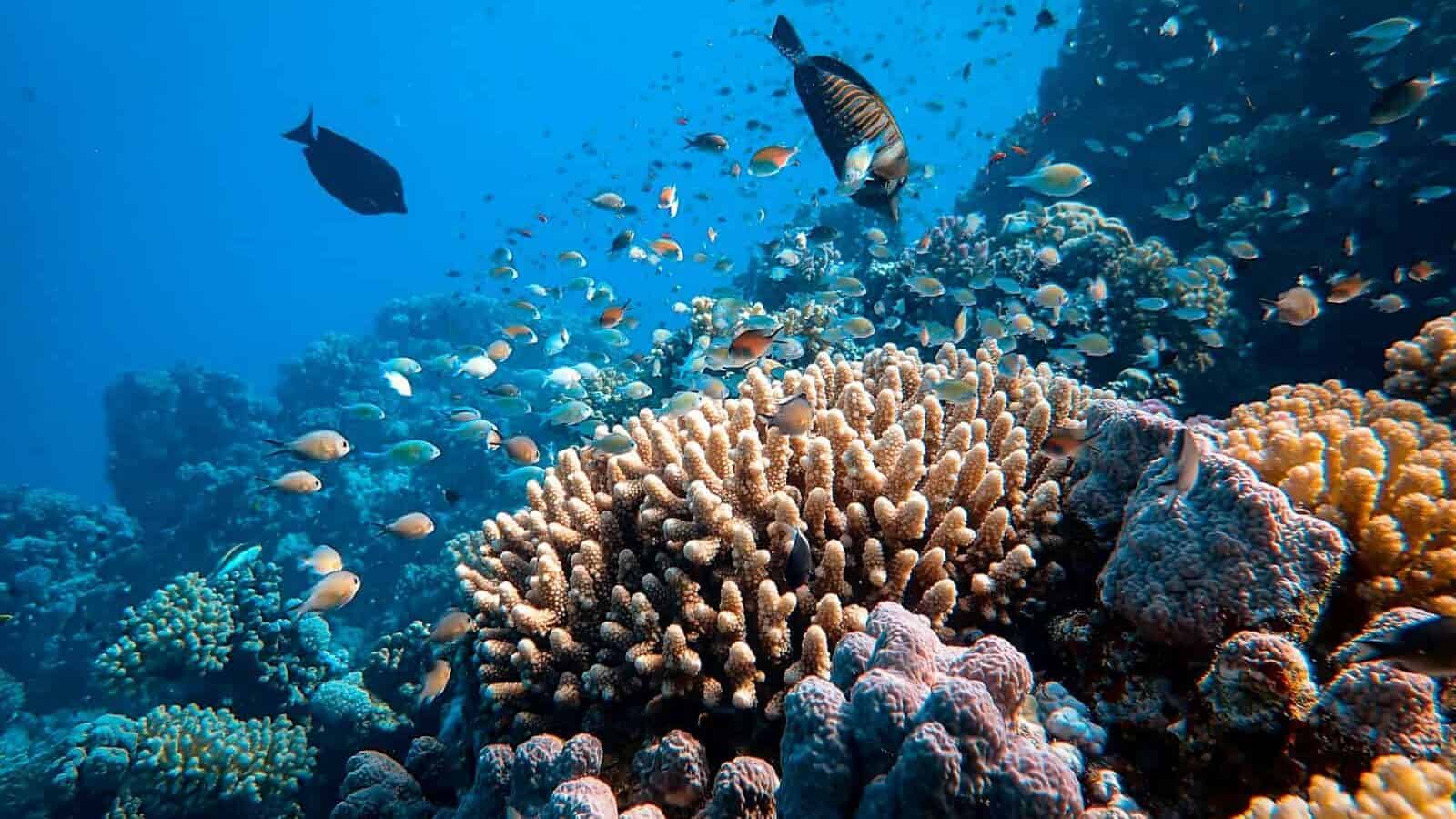
While most schools consist of a single species, mixed-species schools occur frequently in nature. Different species often school together when they share similar body shapes, sizes, and swimming patterns. These mixed assemblages typically form because the benefits of increased group size outweigh the potential costs of associating with competitors. In coral reefs, different species of surgeonfish, butterflyfish, or wrasses may school together, creating larger, more effective defensive groups.
Mixed schools can also form based on complementary abilities. Some species have better vision, while others might have more sensitive lateral lines or better hearing. By combining these different sensory specializations, mixed schools can potentially detect predators more effectively than single-species groups. Research has shown that in some mixed schools, certain species take on “sentinel” roles, being the first to detect and respond to threats, while others benefit from their vigilance. These complex inter-species relationships highlight the sophisticated social adaptations that have evolved in aquatic environments.
Developmental Factors in Schooling Behavior
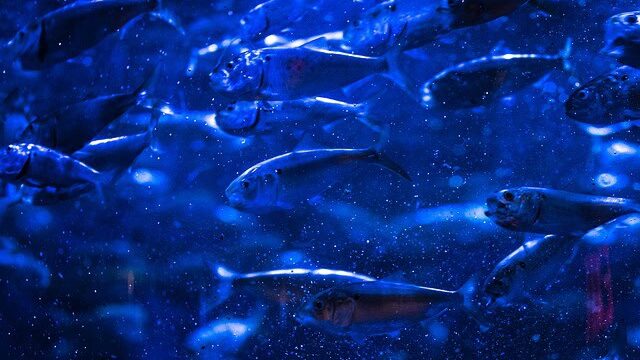
Schooling behavior has both genetic and learned components. Many schooling species show innate tendencies to aggregate even when raised in isolation, indicating a genetic basis for this behavior. However, the precision and effectiveness of schooling typically improve with experience. Young fish learn optimal positioning, appropriate reaction times, and species-specific schooling patterns through practice and observation of more experienced individuals.
Environmental factors during development also influence schooling tendencies. Fish raised in environments with high predation pressure typically develop stronger schooling behaviors than those from low-predation environments. Similarly, water clarity can affect schooling tendencies—fish from turbid waters may rely more on lateral line information and maintain tighter schools than those from clear waters, where visual cues allow for greater individual spacing. These developmental influences create variation in schooling behavior even within species, allowing populations to adapt to local conditions.
How Schooling Changes with Environment
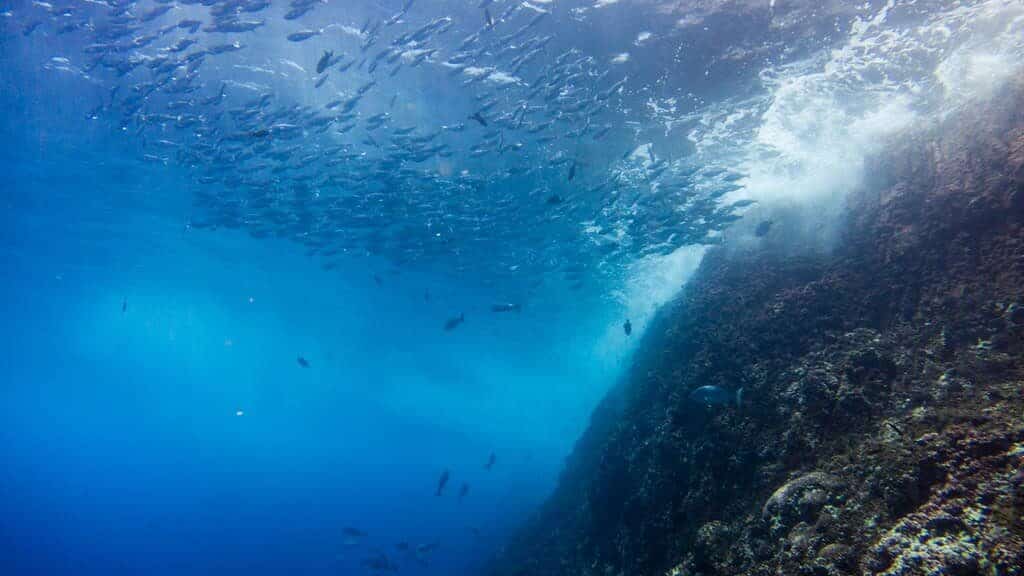
Fish schools demonstrate remarkable plasticity in response to environmental conditions. During daylight hours, many species form tight, polarized schools that offer maximum protection from visual predators. As light fades, these same schools often disperse into looser aggregations as the effectiveness of visual coordination diminishes and the confusion effect offers less protection against predators that hunt using non-visual senses. Similarly, schools typically tighten when predators are detected and loosen during feeding activities.
Water conditions also influence schooling behavior. In oxygen-poor environments, schools may spread out to reduce competition for oxygen. Conversely, in fast-flowing waters, tighter formations may help individuals maintain position with less energy expenditure. Temperature affects schooling through its impact on metabolism and nervous system function—coldwater schools often move more slowly and maintain different spacing than the same species in warmer waters. These environmental influences demonstrate how schooling is not a fixed behavior but a dynamic response to changing conditions.
Sensory Systems That Enable Perfect Synchronization
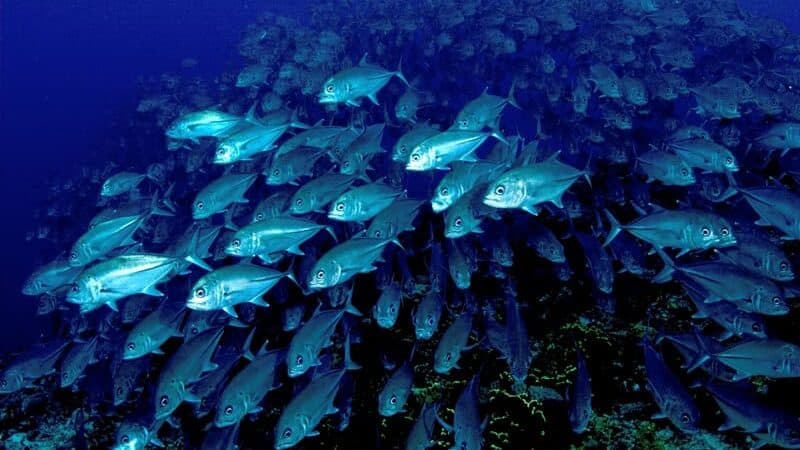
The remarkable coordination seen in fish schools relies on sophisticated sensory integration. Vision plays a primary role in many species, with fish constantly monitoring the position, speed, and orientation of neighbors. The fish retina is particularly sensitive to movement, allowing for rapid detection of changes in the school’s formation. Studies using high-speed cameras have revealed that information can propagate through a school faster than the nervous system of individual fish would seem to allow—a fish can respond to a change in direction by a non-adjacent school member in less than 15 milliseconds.
The lateral line system provides complementary information about water pressure and flow, allowing fish to maintain precise positions even in murky water or at night. Some schooling species also use sound production and reception to coordinate movements, particularly during spawning aggregations or when visibility is limited. The brain integrates these multiple sensory inputs, prioritizing different information sources depending on environmental conditions. This sensory redundancy ensures that schooling can continue effectively across varying conditions, contributing to its success as an evolutionary strategy.
The Impact of Human Activities on Fish Schools
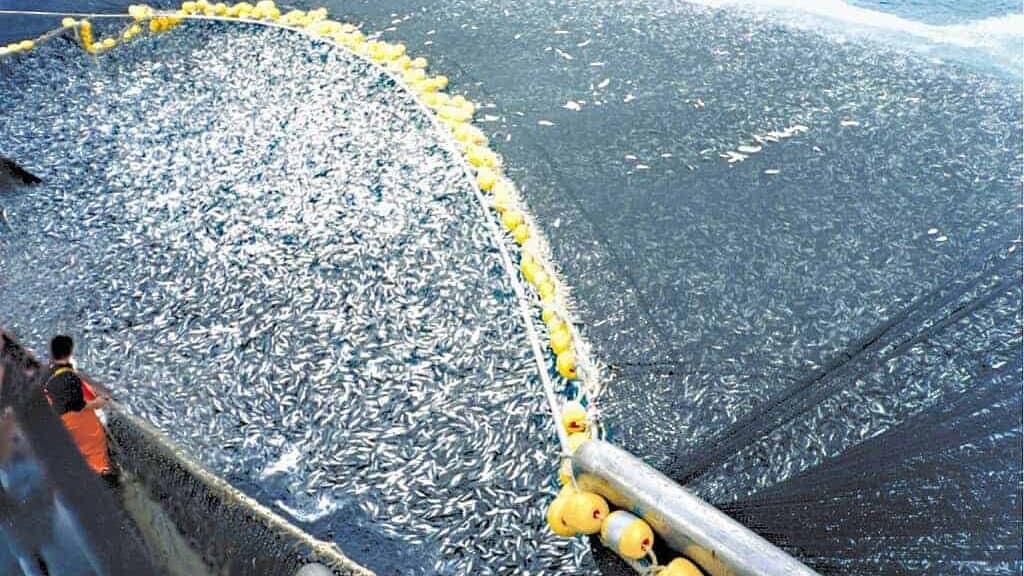
Human activities are affecting schooling behaviors in numerous ways. Overfishing has dramatically reduced the size of many schools, potentially undermining the protective benefits of schooling. When schools become too small, they may fall below the threshold needed for effective predator confusion or efficient hydrodynamic advantages. Commercial fishing often specifically targets schooling species because their concentrated numbers make them efficient to harvest, creating a selective pressure against this behavior.
Noise pollution from shipping, sonar, and underwater construction disrupts the sensory environment fish rely on for schooling coordination. Studies have shown that anthropogenic noise can cause schools to fragment, reduce coordination, or display erratic movements. Similarly, water pollution can impair the lateral line system or vision, further disrupting schooling dynamics. Climate change adds another layer of impact, as warming waters affect fish metabolism and may alter the timing of migratory schools or change the geographic distribution of schooling species. These combined pressures highlight the vulnerability of this complex social behavior to human-induced environmental change.
Schooling in Aquarium Settings
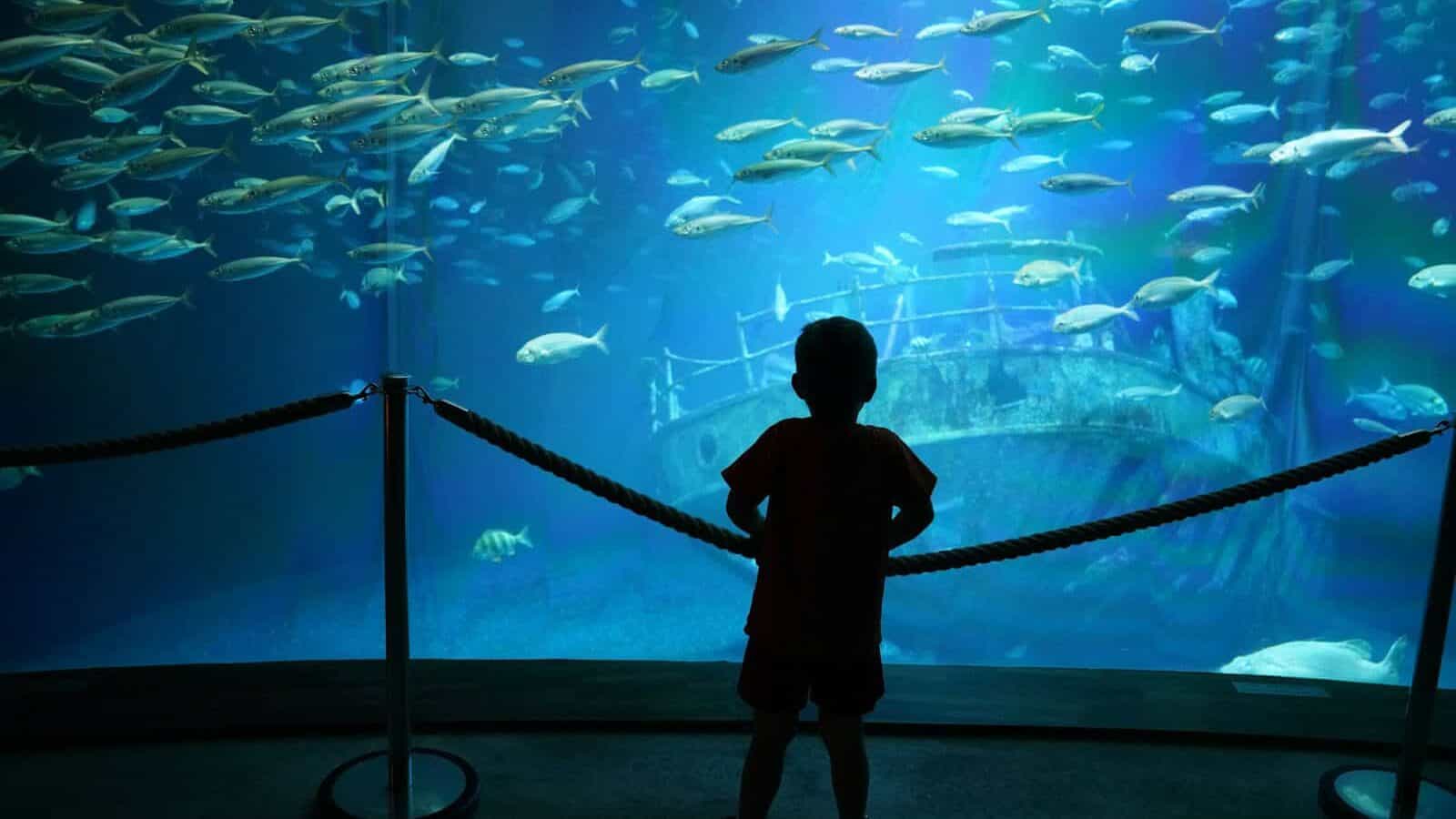
Recreating natural schooling behavior in home aquariums presents both challenges and rewards for fish keepers. Many popular aquarium fish—including tetras, rasboras, danios, and certain barbs—are schooling species in the wild. However, they often fail to display true schooling behavior in captivity due to insufficient space or group size. Research suggests that most schooling species need groups of at least six individuals to begin showing coordinated swimming, with more natural behaviors emerging in groups of 12 or more.
Tank size and configuration significantly impact schooling behavior. Long, horizontal tanks provide the swimming space needed for proper schooling, while appropriate lighting and minimal obstructions help fish maintain visual contact with schoolmates. Some aquarists create gentle current using properly positioned filter outputs to encourage schooling. Stress factors such as aggressive tank mates, poor water quality, or inappropriate tank design can inhibit schooling tendencies. When properly accommodated, however, schooling fish create dynamic, engaging displays that mimic their natural behavior and provide glimpses into one of nature’s most fascinating phenomena.
The phenomenon of fish schooling represents one of nature’s most elegant solutions to the challenges of survival in aquatic environments. Through simple individual rules that create complex group dynamics, schooling fish gain protection, energy efficiency, and enhanced feeding opportunities. Yet the diversity of fish social strategies—from tight schools to loose aggregations to solitary lifestyles—demonstrates that no single approach works universally. Each strategy represents an evolutionary response to specific ecological pressures and opportunities.
Understanding why and how fish school not only satisfies our curiosity about the natural world but also helps inform conservation efforts for these often vulnerable species. As human activities continue to transform aquatic environments, the future of these spectacular biological displays depends on our ability to manage fisheries sustainably and minimize disruption to the sensory environments that make schooling possible. In the coordinated movements of fish schools, we witness both the power of collective behavior and the remarkable adaptability of life in Earth’s diverse aquatic habitats.

- How Parrots Became Some of the Smartest Birds on Earth - August 12, 2026
- The Safest Snake Breeds for First-Time Owners - August 12, 2026
- The Real Reason Dogs Hate Being Left Alone - August 12, 2026