

In the complex relationship between humans and wildlife, one of the most fascinating phenomena is when wild animals actively seek human touch or interaction. This behavior, which seems to contradict our understanding of wild animals as naturally wary of humans, has captured the attention of scientists, wildlife experts, and animal lovers alike. From wild dolphins approaching swimmers for a gentle stroke to elephants seeking comfort from their caretakers, these interactions challenge our traditional boundaries between domestic and wild. This article explores the multifaceted reasons why some wild animals appear to crave human contact, examining the biological, psychological, and environmental factors that drive this unusual behavior.
The Evolutionary Paradox of Wild Animals Seeking Human Contact

From an evolutionary perspective, wild animals should generally avoid close contact with humans. Natural selection has typically favored wariness toward potential predators or unknown species, making the phenomenon of wild animals seeking human touch particularly intriguing. This apparent contradiction can be explained through several lenses. In some cases, animals may have developed positive associations with humans through repeated benign or beneficial interactions. In others, the absence of negative experiences with humans may have failed to reinforce natural avoidance behaviors. Moreover, in environments where humans have become a consistent presence, some species have adapted by not only tolerating human proximity but sometimes actively seeking it out. This evolutionary flexibility demonstrates that animal behavior is not rigidly programmed but can adapt to changing ecological contexts, including the increasing human presence in natural habitats.
Habituation and Food Association
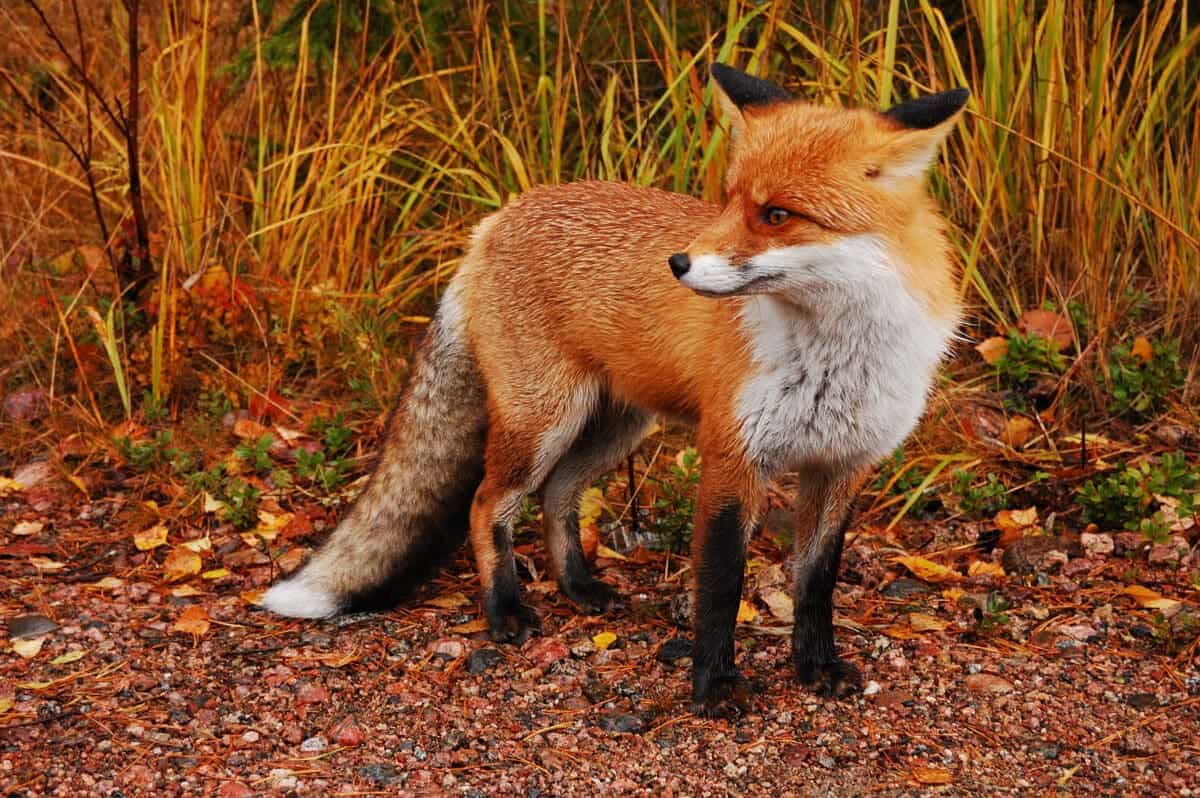
One of the most common pathways to wild animals seeking human touch begins with habituation—the process whereby animals become accustomed to human presence over time. This habituation often starts with food associations. When wild animals receive food from humans, whether through deliberate feeding or access to human refuse, they can develop positive associations that override their natural wariness. For example, wild foxes in urban environments may initially approach human areas for food scraps but eventually become comfortable enough to accept direct feeding or even petting. Similarly, wild dolphins at several locations worldwide have established feeding relationships with humans that have evolved into more complex social interactions including physical contact. However, wildlife experts caution that while this process may seem harmless or even enchanting, it can lead to problematic dependencies and altered natural behaviors that may ultimately harm the animals’ ability to survive independently.
Orphaned and Rehabilitated Wildlife
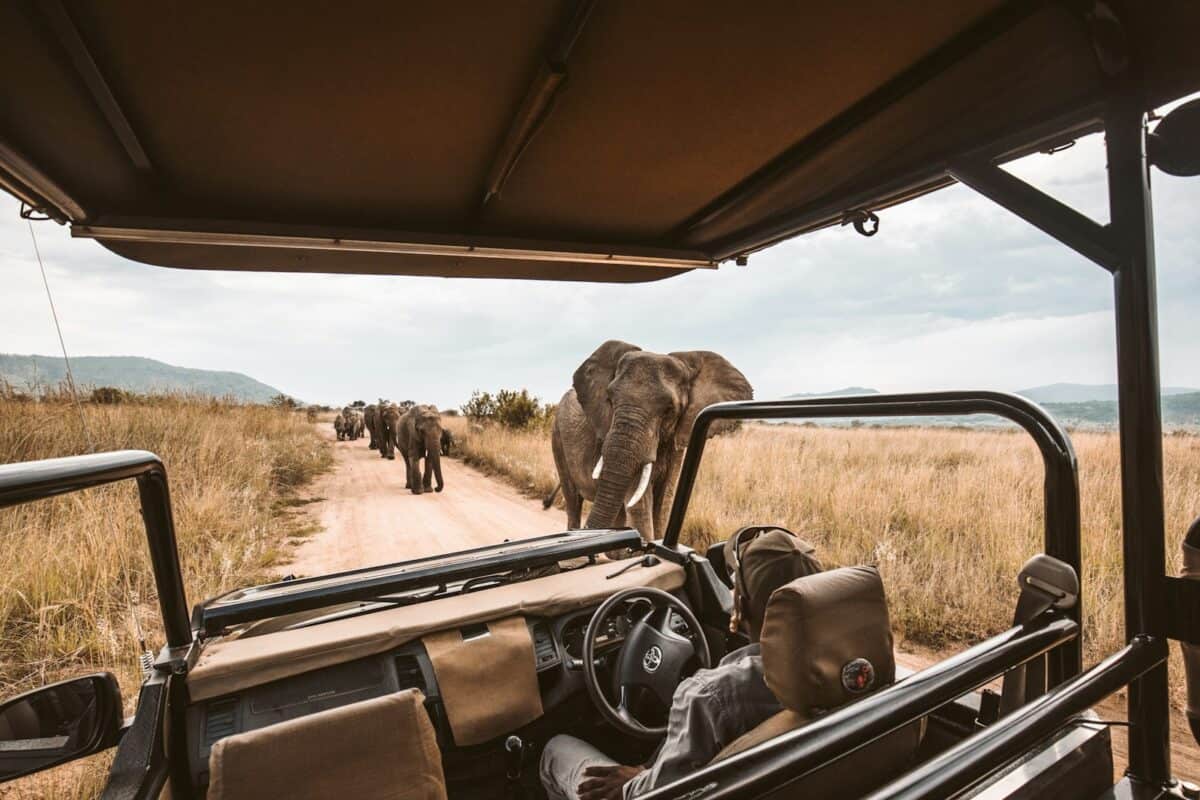
Wild animals that have been rescued as orphans or rehabilitated after injury often develop unique relationships with their human caretakers. When young animals are raised by humans during critical developmental periods, they can imprint on their caretakers, forming strong social bonds that would typically be reserved for members of their own species. This phenomenon is particularly notable in mammals and birds with complex social structures. For instance, orphaned elephants raised in sanctuaries often seek physical reassurance from their human caretakers, displaying behaviors similar to those they would show toward adult elephants in the wild. Similarly, great apes raised in captivity or rehabilitation centers may develop deep attachments to their human caregivers, actively seeking affectionate touch. These relationships represent a special case where human touch fulfills genuine emotional and developmental needs for animals that have lost their natural family structures.
Curiosity and Exploratory Behavior

Natural curiosity drives many instances of wild animals initiating contact with humans. Certain species possess inherently inquisitive temperaments that lead them to investigate novel elements in their environment—including humans. This exploratory behavior is particularly evident in intelligent species like corvids (ravens and crows), cetaceans (dolphins and whales), and certain primates. Young animals, similar to human children, typically display higher levels of curiosity than adults. In the Galápagos Islands, where wildlife has evolved with minimal predation pressure, species like the Galápagos sea lion or marine iguana may approach, examine, or even make physical contact with human visitors out of sheer curiosity. This behavior doesn’t necessarily indicate a desire for affection but rather represents natural information-gathering about potential threats, food sources, or simply interesting features of their environment. The distinction between curiosity-driven contact and genuine seeking of affection is important for understanding these interactions.
The Role of Mutual Grooming and Social Bonding

For highly social species, physical touch serves as a fundamental mechanism for establishing and maintaining social bonds. Mutual grooming, in particular, plays a crucial role in social cohesion across many mammalian species. When wild animals seek human touch, they may be expressing an extension of these natural social behaviors. Primates like chimpanzees and bonobos, which rely heavily on grooming for social harmony in the wild, sometimes seek similar interactions with trusted human caretakers. Wild horses living in semi-managed environments may accept and even enjoy being brushed by humans they’ve come to trust, mirroring the allogrooming (mutual grooming) behaviors they perform with herd members. In these cases, the animal may perceive the human as a social partner rather than a different species entirely. This phenomenon suggests that the desire for physical contact transcends species boundaries when sufficient trust has been established.
Neurobiological Factors: The Power of Touch

The neurobiological underpinnings of physical touch help explain why some wild animals may seek human contact. Touch stimulates the release of oxytocin—often called the “bonding hormone”—in many mammals, including humans. This hormone promotes feelings of trust, reduces stress, and reinforces social connections. Research suggests that interspecies touch can trigger similar neurochemical responses as those experienced during interactions with members of one’s own species. For example, studies have shown that dogs experience oxytocin release when petted by their human companions, and similar responses may occur in wild animals that have developed trust toward certain humans. Additionally, physical touch can stimulate the release of endorphins and reduce cortisol (stress hormone) levels, creating positive associations that may motivate animals to seek further interaction. This neurobiological reward system helps explain why some wild animals might actively seek the pleasurable sensations associated with gentle human touch.
Anthropogenic Changes to Natural Behavior

Human activities have profoundly altered wildlife behaviors, sometimes in ways that increase animals’ propensity to seek human contact. Habitat fragmentation, urbanization, and climate change have forced many species to adapt to human-dominated landscapes. Animals living at the human-wildlife interface may develop behaviors that help them exploit this new ecological niche, including increased tolerance for—or even attraction to—human presence. For instance, wild raccoons in urban environments display notably different behavioral patterns than their rural counterparts, including greater boldness around humans. Similarly, certain bird species have adapted to urban environments by becoming less fearful of humans. Tourist activities that involve wildlife feeding or interaction can rapidly alter natural behaviors. On Monkey Beach in Thailand, for example, long-tailed macaques have become highly habituated to human contact due to tourism, actively approaching people for food and physical interaction. These anthropogenic influences can create situations where wild animals not only tolerate but actively seek human proximity and touch.
Case Studies: Wild Dolphins Seeking Human Interaction

Wild dolphins provide some of the most compelling examples of wild animals voluntarily seeking human contact. At locations like Monkey Mia in Western Australia and Tangalooma in Queensland, wild dolphins regularly approach the shore for provisioned feeding and often engage in physical contact with humans. Research indicates that these interactions go beyond simple food motivation; the dolphins appear to genuinely enjoy social engagement with people. Some individual dolphins develop preferences for particular humans and engage in play behaviors that have no obvious reward beyond the interaction itself. Similarly, in Laguna, Brazil, wild bottlenose dolphins have established a remarkable cooperative fishing relationship with local fishermen, which has evolved to include physical interactions and play. These case studies suggest that highly intelligent, social species like dolphins may recognize humans as potential social partners rather than merely sources of food. However, scientists continue to debate the extent to which these interactions represent truly wild behavior versus modified behavior resulting from human influence.
Risks of Habituating Wild Animals to Human Touch

Despite the appeal of close contact with wild animals, wildlife experts unanimously caution against encouraging such interactions. Habituating wild animals to human touch carries significant risks for both the animals and people. For the animals, becoming comfortable with human contact can lead to dangerous situations when they approach humans who may react unpredictably or with hostility. It can reduce their natural wariness of potential dangers, making them vulnerable to exploitation or harm. Additionally, animals habituated to humans often fare poorly if they need to be released back into the wild, as they may approach humans seeking food or interaction rather than maintaining a safe distance. From a conservation perspective, wild animals that regularly interact with humans may face social ostracism from their own species or fail to develop essential survival skills. For humans, even seemingly tame wild animals retain their unpredictable nature and can cause serious injuries. Conservation efforts increasingly emphasize maintaining appropriate boundaries between humans and wildlife, even when the animals themselves appear to seek interaction.
Cultural and Individual Variations in Animal Responses

Research increasingly recognizes that wildlife populations exhibit cultural variations in their behaviors, including their responses to humans. Different groups of the same species may develop distinct traditions regarding human interaction, passed down through social learning. For example, some pods of killer whales actively avoid boats, while others have learned to approach vessels for various benefits. Within any population, individual animals also show personality differences that affect their likelihood of seeking human contact. Just as some domestic dogs are naturally more affectionate than others, wild animals display individual variation in sociability, boldness, and curiosity. Studies of urban wildlife have found that certain individuals consistently show greater propensity to approach humans, suggesting personality plays a significant role in these interactions. Age and sex can also influence these behaviors; juvenile animals typically display greater curiosity and lower fear responses than adults, making them more likely to initiate contact with humans. These cultural and individual variations create complex patterns of human-wildlife interaction that resist simple generalizations.
Ethical Considerations in Human-Wildlife Contact

The ethics of human-wildlife physical contact present complex questions without easy answers. While many people value close encounters with wild animals as profound, even spiritual experiences, these interactions raise significant ethical concerns. Wildlife management experts generally advocate for a “hands-off” approach that respects the wild nature of animals and their right to exist without human interference. However, contexts like wildlife rehabilitation, conservation research, and certain ecotourism scenarios may justify limited forms of contact. The concept of “informed consent” is obviously impossible to establish with wild animals, placing the ethical burden entirely on humans to determine appropriate boundaries. Cultural perspectives further complicate these considerations; different societies hold varying views on proper relationships with wildlife. Indigenous cultures often maintain traditional relationships with local wildlife that may include forms of interaction deemed inappropriate by Western conservation standards. Navigating these ethical complexities requires thoughtful consideration of animal welfare, conservation goals, cultural values, and the specific context of each human-wildlife interaction.
Distinguishing Between Wild and Truly Tame Behaviors
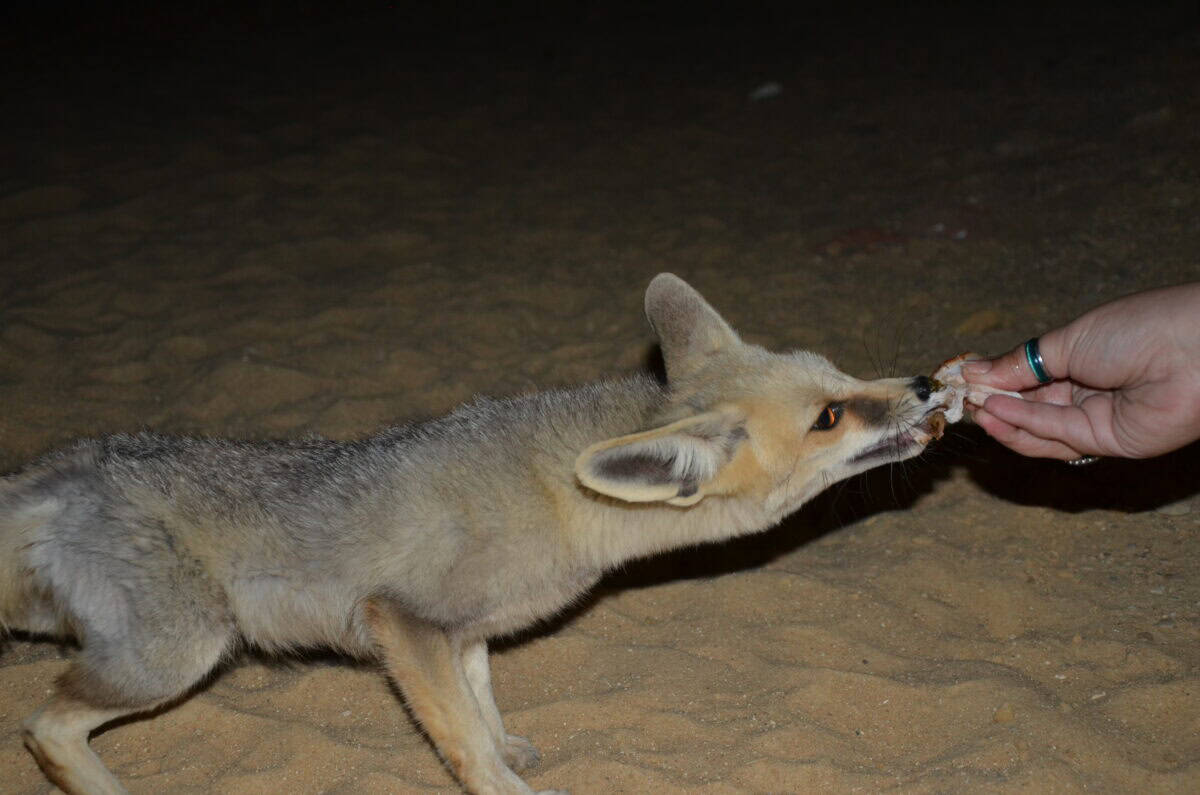
When wild animals approach humans for touch, it’s crucial to distinguish between genuinely wild behavior and behavior that has been significantly modified through human influence. Truly wild animals typically maintain a healthy wariness of humans, approaching only in exceptional circumstances driven by extreme curiosity, unusual environmental conditions, or specific resource needs. In contrast, animals that regularly seek human touch have usually experienced some degree of habituation, provisioning, or even partial taming. Wildlife experts use various behavioral indicators to assess how “wild” an animal remains, including flight distance (how close a human can approach before the animal retreats), vigilance behaviors during interaction, and whether the animal maintains normal foraging and social patterns when humans aren’t present. Understanding this distinction helps set appropriate expectations and management approaches. For example, a truly wild fox might investigate a stationary human from a distance out of curiosity but would flee if approached, whereas a habituated fox might actively seek petting—a behavior that indicates problematic habituation rather than natural behavior.
Conclusion: Balancing Fascination with Respect for Wildness

The phenomenon of wild animals seeking human touch reveals fascinating insights into animal cognition, adaptability, and the complex relationships that can form across species boundaries. While these interactions can be deeply moving and even beneficial in certain contexts like wildlife rehabilitation, they must be understood within their appropriate ecological and ethical frameworks. For most truly wild animals, maintaining a respectful distance represents the most responsible approach for both human and animal welfare. Conservation professionals emphasize that appreciating wildlife often means resisting the understandable human desire for physical connection. The most sustainable and respectful relationship with wild animals typically involves observing rather than touching, learning rather than interfering, and protecting the very wildness that makes these creatures so fascinating in the first place. By understanding the various factors that drive some wild animals to seek human contact, we can develop more nuanced approaches to wildlife management that respect both animal welfare and the integrity of natural behaviors.

- How Sea Otters Are Helping Restore Kelp Forests Along the Pacific Coast - July 18, 2026
- This River Delta Is a Magnet for Endangered Birds - July 17, 2026
- New Fossils in Baja California Reveal a Never-Before-Seen Grouper - July 17, 2026