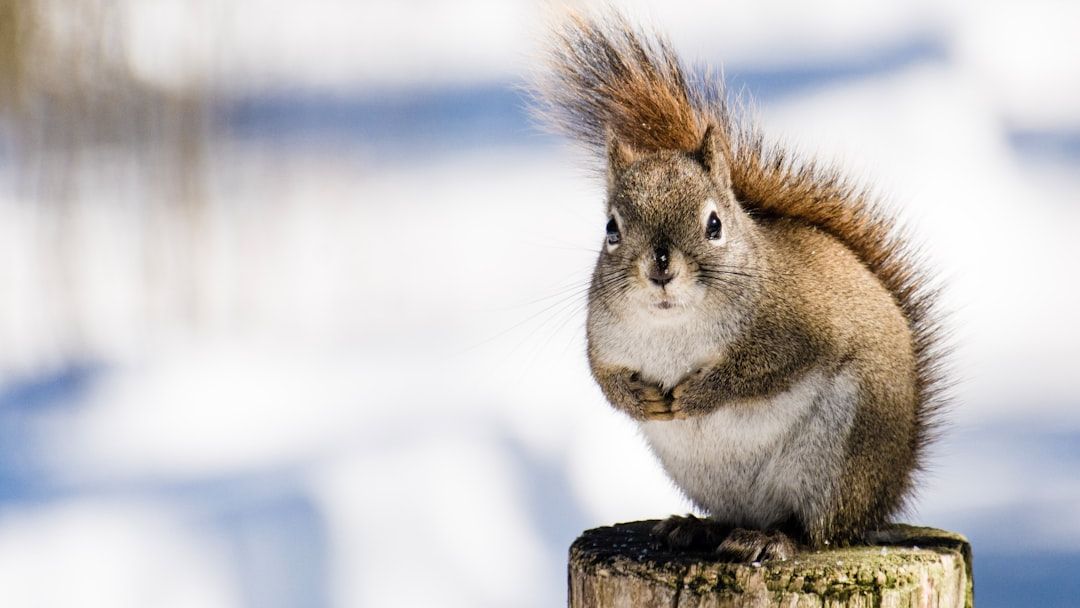
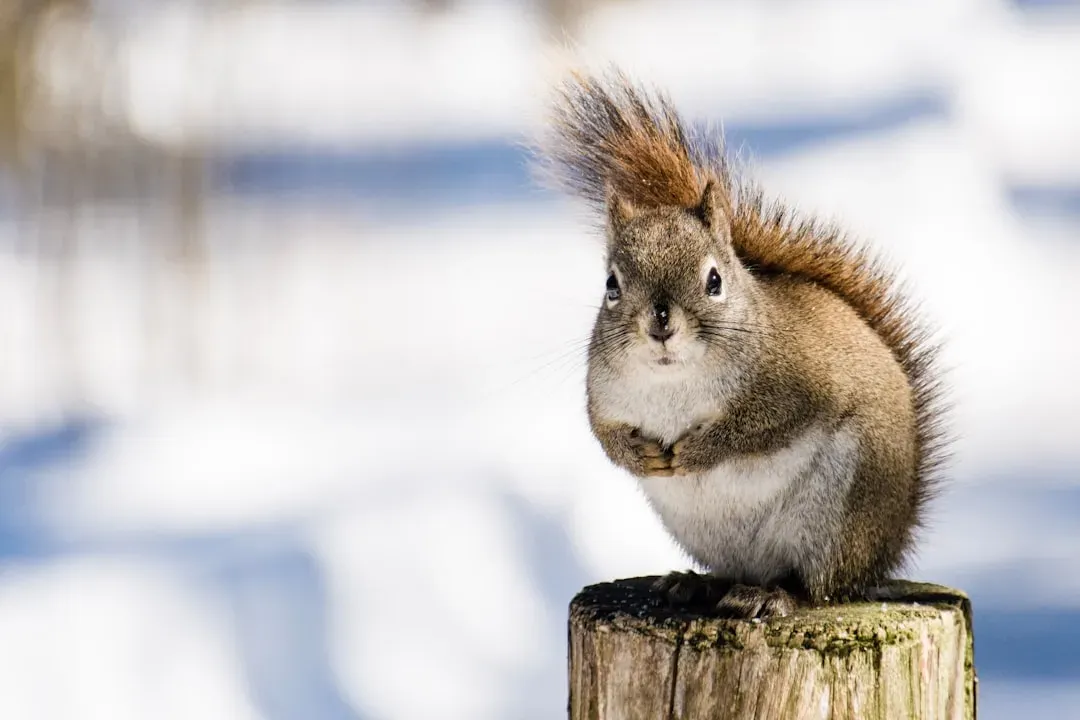
Why Squirrels Suddenly Freeze and Stare Directly at You (The Evolutionary Reason Scientists Just Confirmed)-feature Image/Unsplash
Imagine you’re strolling through a park when a squirrel, mid-scurry, halts abruptly and locks eyes with you. This sudden stillness, coupled with an intense gaze, might seem peculiar. However, this behavior is a finely tuned survival mechanism, honed over millennia, that plays a crucial role in the squirrel’s daily life.
The Freeze Response: A Survival Strategy
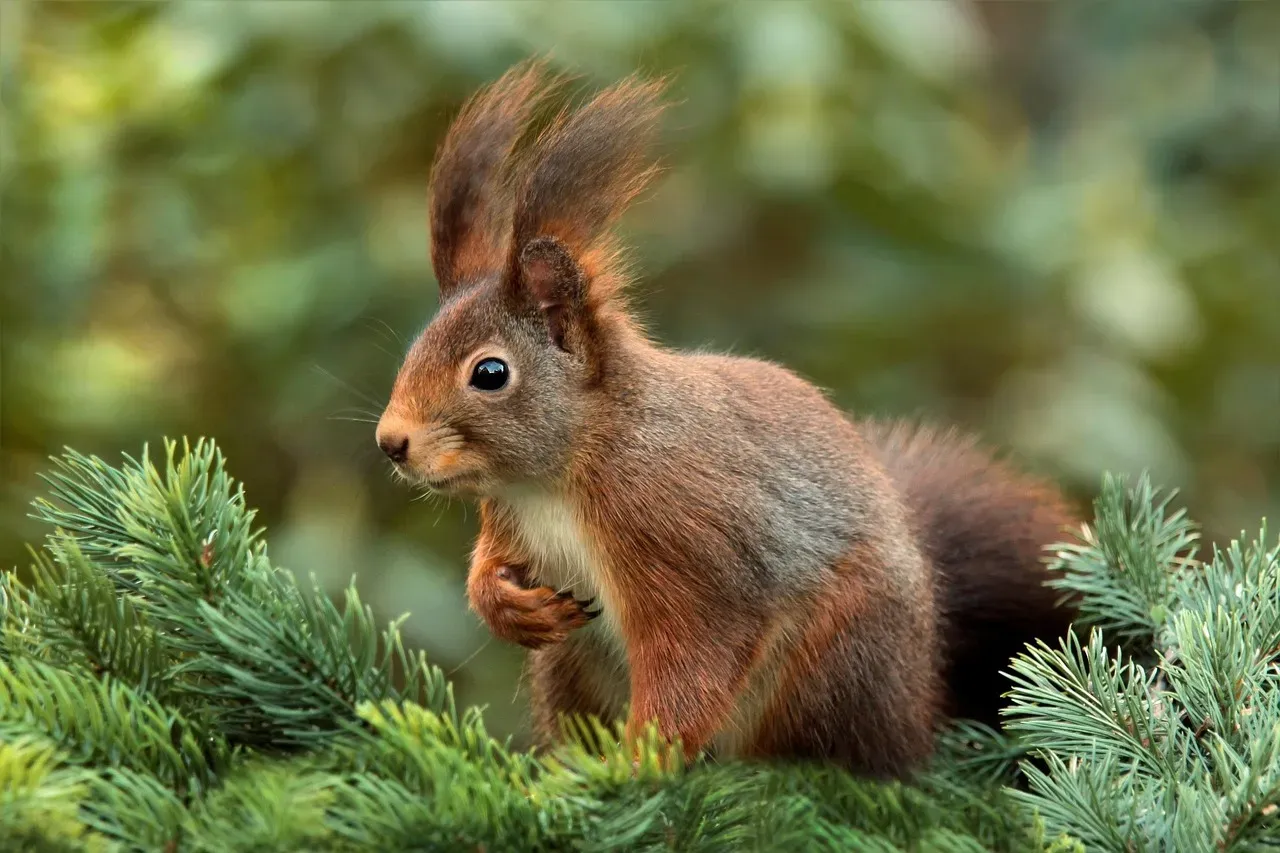
The Freeze Response: A Survival Strategy (Image Credits: Unsplash)
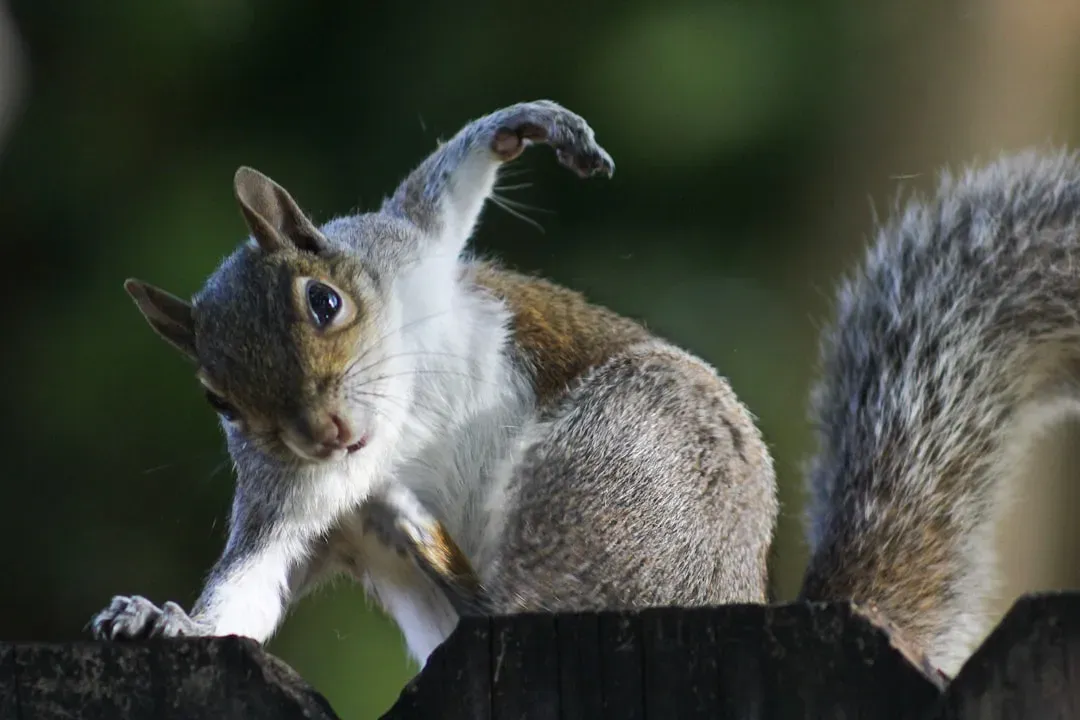
Squirrels, as prey animals, are constantly vigilant for potential threats. When they perceive danger, their immediate reaction is often to freeze. This behavior serves multiple purposes: it allows the squirrel to assess the situation without drawing further attention, and it can make them less noticeable to predators that detect movement more readily than stationary objects.
By remaining motionless, squirrels can blend into their surroundings, leveraging their natural fur coloration to become less conspicuous. This tactic is particularly effective against predators that rely on movement to identify prey. The freeze response is a critical component of the “fight, flight, or freeze” survival mechanism observed in many animals.
Assessing Potential Threats
Assessing Potential Threats (Image Credits: Unsplash)
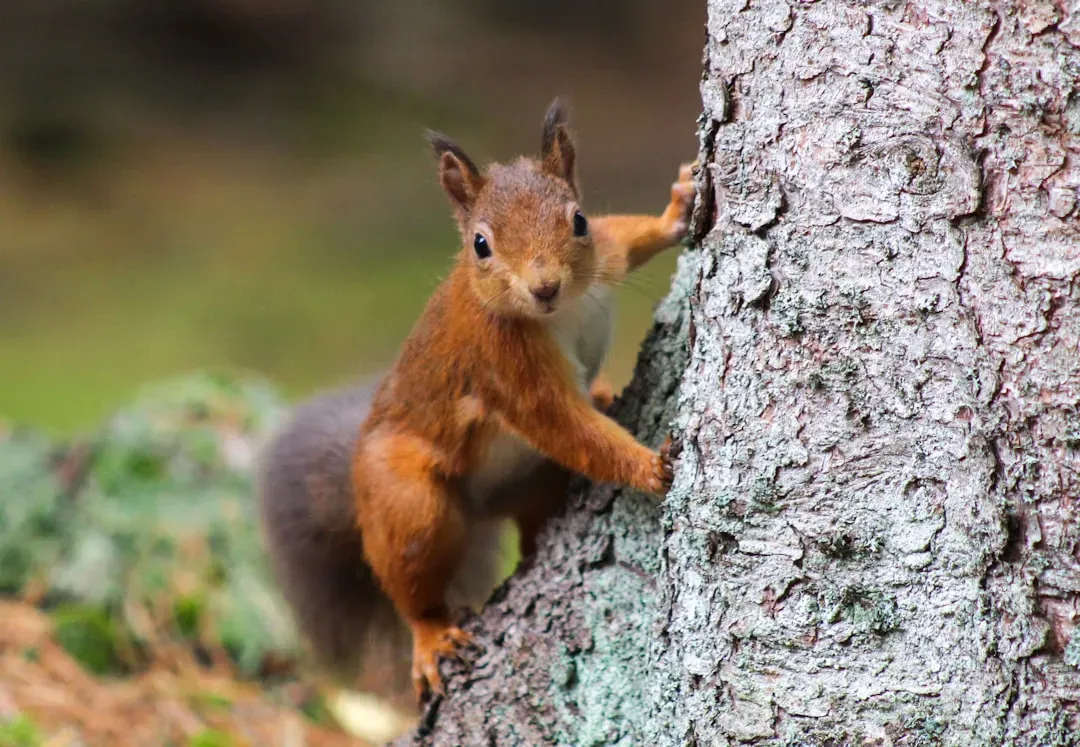
When a squirrel freezes and stares at you, it’s not merely a random act. The squirrel is actively evaluating whether you pose a threat. This period of stillness provides the animal with the opportunity to gather information about your behavior, movements, and intentions.
During this assessment, the squirrel’s senses are heightened. Its large, prominent eyes offer a wide field of vision, allowing it to monitor your actions closely. This intense scrutiny helps the squirrel decide whether to remain still, flee, or resume its previous activity.
Physiological Mechanisms Behind Freezing
Physiological Mechanisms Behind Freezing (Image Credits: Unsplash)
The freeze response is not just a behavioral tactic; it’s underpinned by complex physiological processes. When a squirrel perceives a threat, its body undergoes a series of changes: stress hormones are released, heart rate may decrease (a phenomenon known as bradycardia), and muscles tense in preparation for potential action.
This state of heightened alertness enables the squirrel to react swiftly if the situation escalates. The combination of immobility and physiological readiness ensures that the squirrel is prepared to make a rapid decision – whether to flee or remain hidden – based on the threat’s nature and proximity.
Environmental Factors Influencing Freezing Behavior (Image Credits: Pixabay)
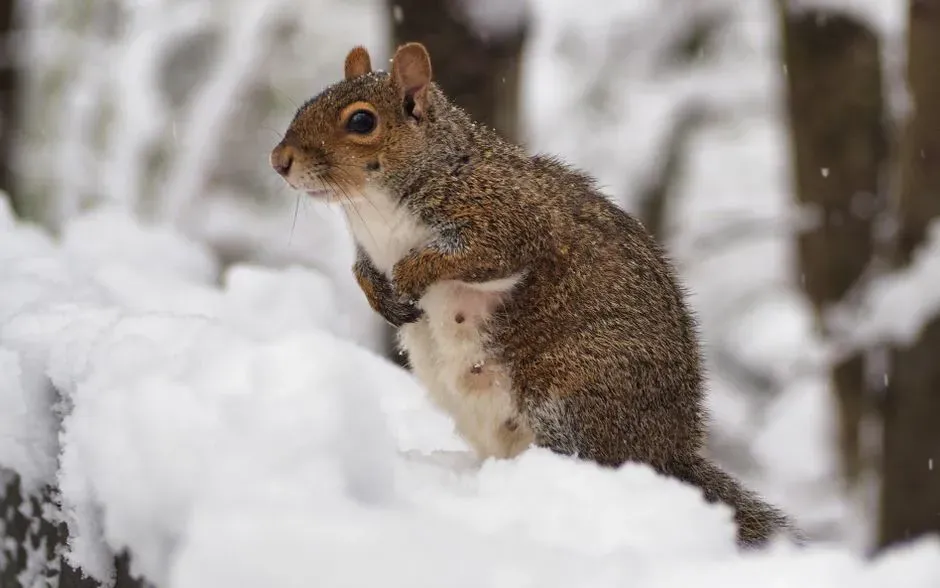
Several environmental factors can influence a squirrel’s tendency to freeze. In areas with a high density of predators, squirrels may exhibit this behavior more frequently. Similarly, the complexity of the environment plays a role; in habitats with ample cover, freezing can be more effective as a defense strategy.
Urban environments present unique challenges. Squirrels in cities often encounter humans regularly and may become habituated to their presence, leading to a reduced freeze response. However, sudden or unpredictable human behavior can still trigger this instinctive reaction.
Comparisons with Other Prey Animals
Comparisons with Other Prey Animals (Image Credits: Unsplash)
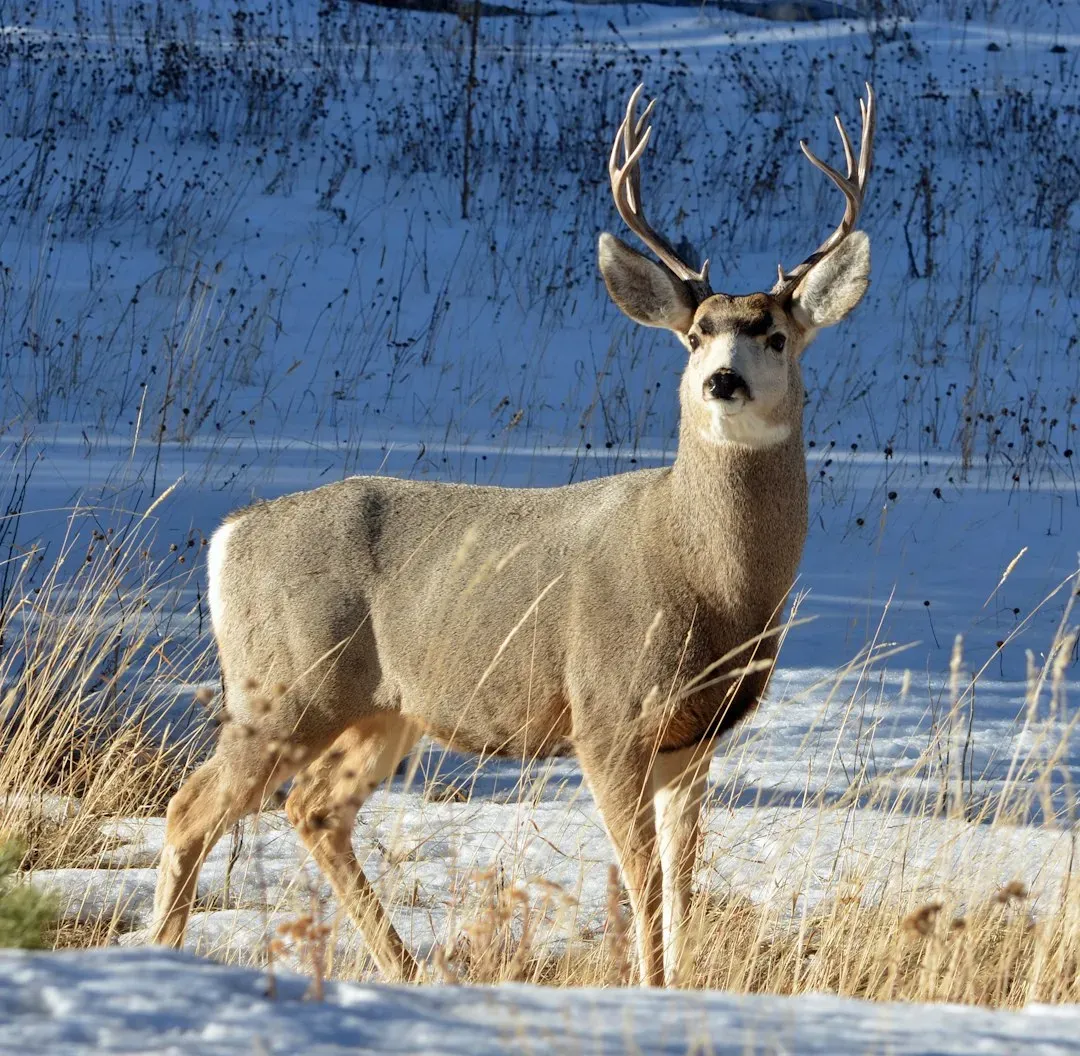
The freeze response is not unique to squirrels. Many prey animals, such as deer, exhibit similar behaviors when confronted with potential threats. For instance, deer often freeze when they sense danger, allowing them to assess the situation and decide on the best course of action.
This shared behavior across species underscores its effectiveness as a survival strategy. By remaining motionless, prey animals can avoid detection, gather information, and make informed decisions about how to respond to threats in their environment.
Implications for Human-Squirrel Interactions
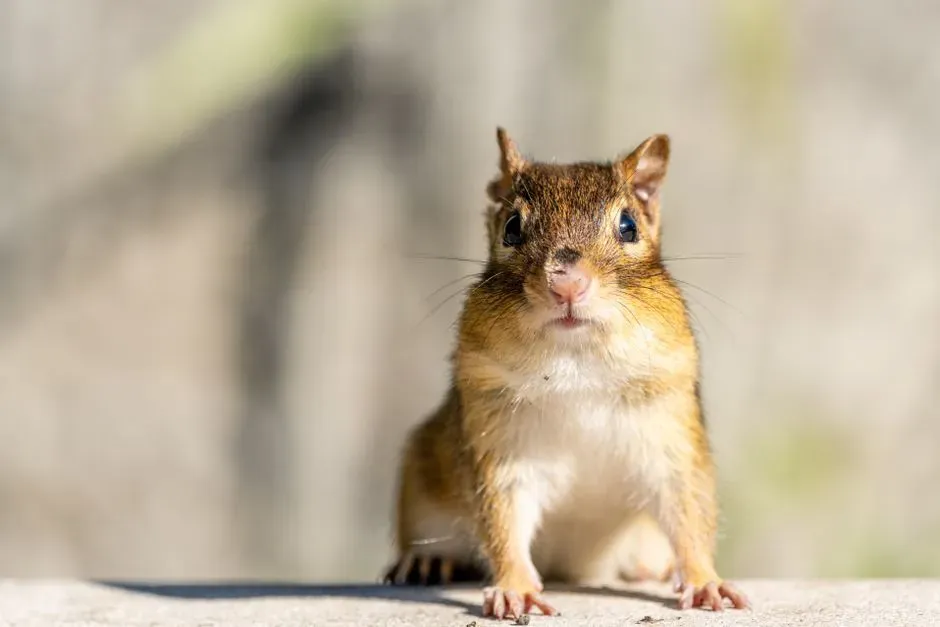
Implications for Human-Squirrel Interactions (Image Credits: Pexels)
Understanding the freeze response in squirrels can enhance our interactions with these animals. Recognizing that a frozen, staring squirrel is assessing potential danger can inform our behavior. Approaching slowly and avoiding sudden movements can reduce the likelihood of causing stress or triggering a flight response.
This knowledge also highlights the importance of respecting wildlife and their natural behaviors. By being mindful of our actions, we can coexist more harmoniously with the animals that share our environments.
Conclusion
Conclusion (Image Credits: Pexels)
The sudden freezing and intense stare of a squirrel is a sophisticated survival mechanism, deeply embedded in its evolutionary history. This behavior allows the squirrel to assess threats, avoid detection, and make critical decisions that enhance its chances of survival. So, the next time a squirrel locks eyes with you and becomes motionless, remember: it’s not just staring – it’s strategizing. How will you respond to this silent communication?
Did you find this helpful? Share it with a friend who’d love it too!
Gargi is an MA in History and a B.Ed graduate from India, with a deep passion for animals and wildlife awareness. As an article writer and editor at Animals Around The Globe, she combines her love for storytelling with her dedication to educating readers about animals, conservation, and responsible pet care. A devoted dog lover, Gargi enjoys creating engaging and informative content that inspires compassion and awareness toward the natural world.