

Most of us wouldn’t look twice at a brown deer or a gray horse. Yet a pale one, standing alone at the edge of a forest, tends to stop people in their tracks even now. That small flicker of awe has a very long history.
Across continents and centuries, communities treated white animals as more than a rare sight. They read them as messages, omens, or even visitors from somewhere else. The reasons behind that habit are more varied, and more human, than you might expect.
Rarity Made Them Impossible to Ignore
🔥 Would you like to save this?
We'll email this post to you, so you can come back to it later!
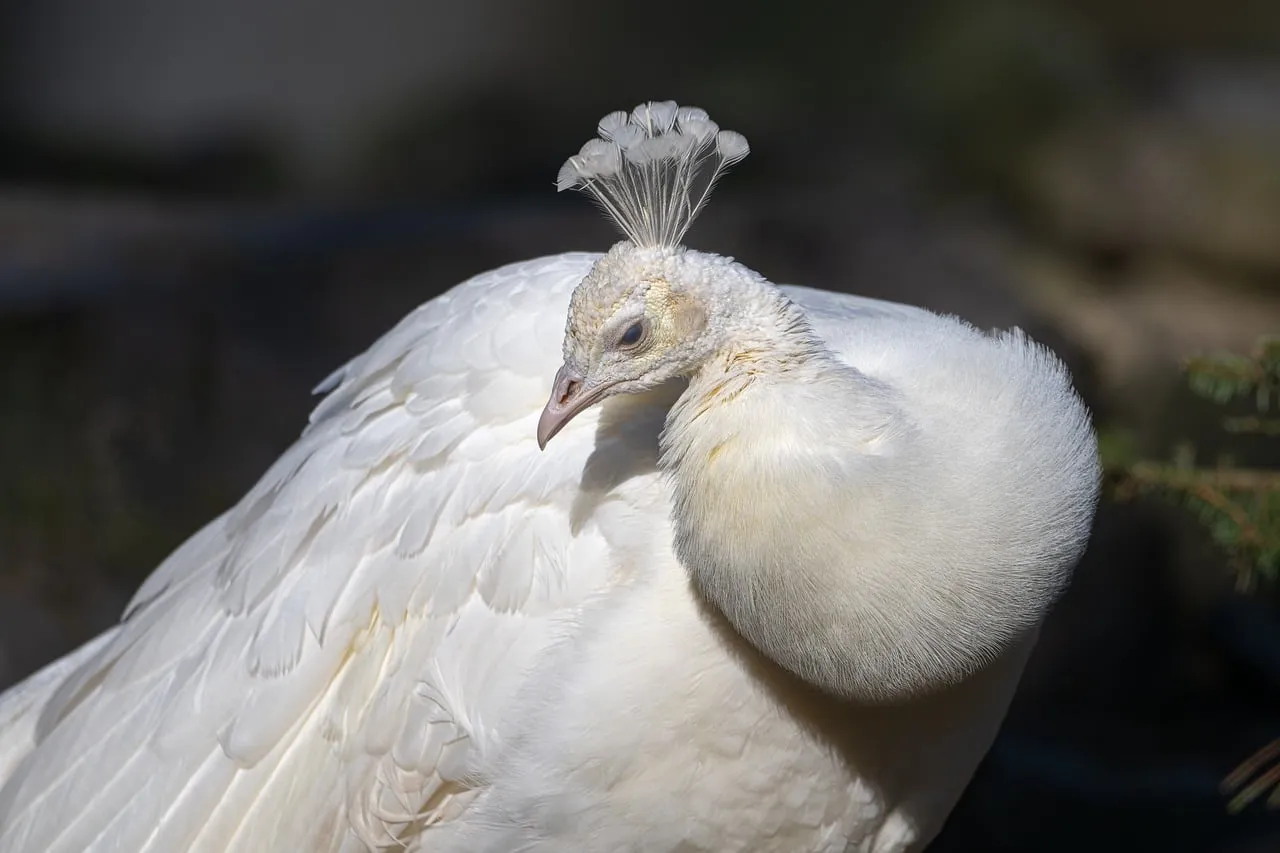
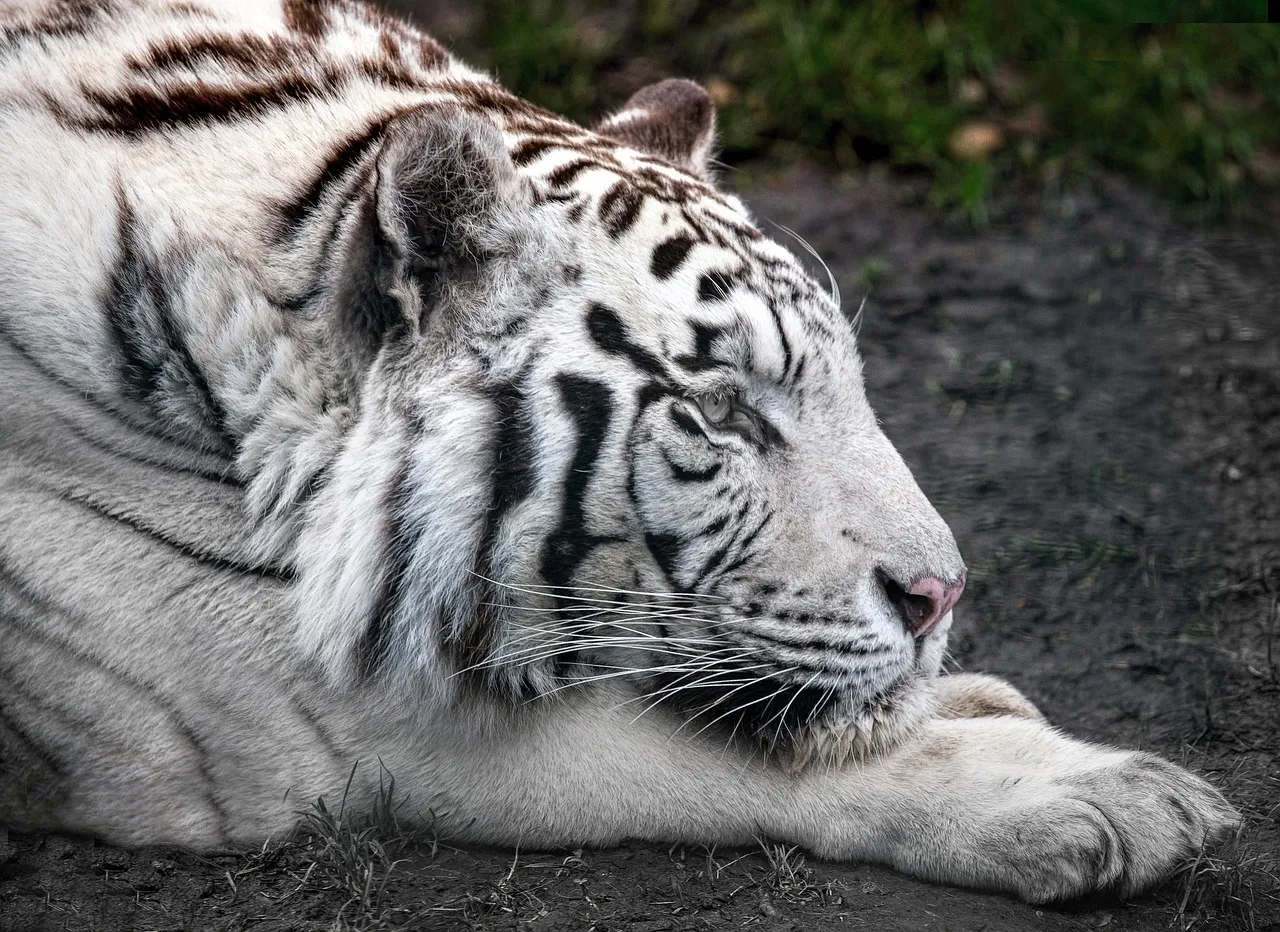
Start with the plain biology. Animals with very pale coats or feathers are uncommon in the wild, often because of genetic conditions such as albinism or leucism. Any lamb, deer, or crow that looked unlike its herd would have stood out sharply to people who watched animals closely for a living.
Rarity alone can turn an ordinary event into a story. When something happens once in a lifetime, people look for a reason. Many ancient communities answered that question with meaning rather than chance.
The Color White Carried Deep Symbolic Weight
🔥 Would you like to save this?
We'll email this post to you, so you can come back to it later!
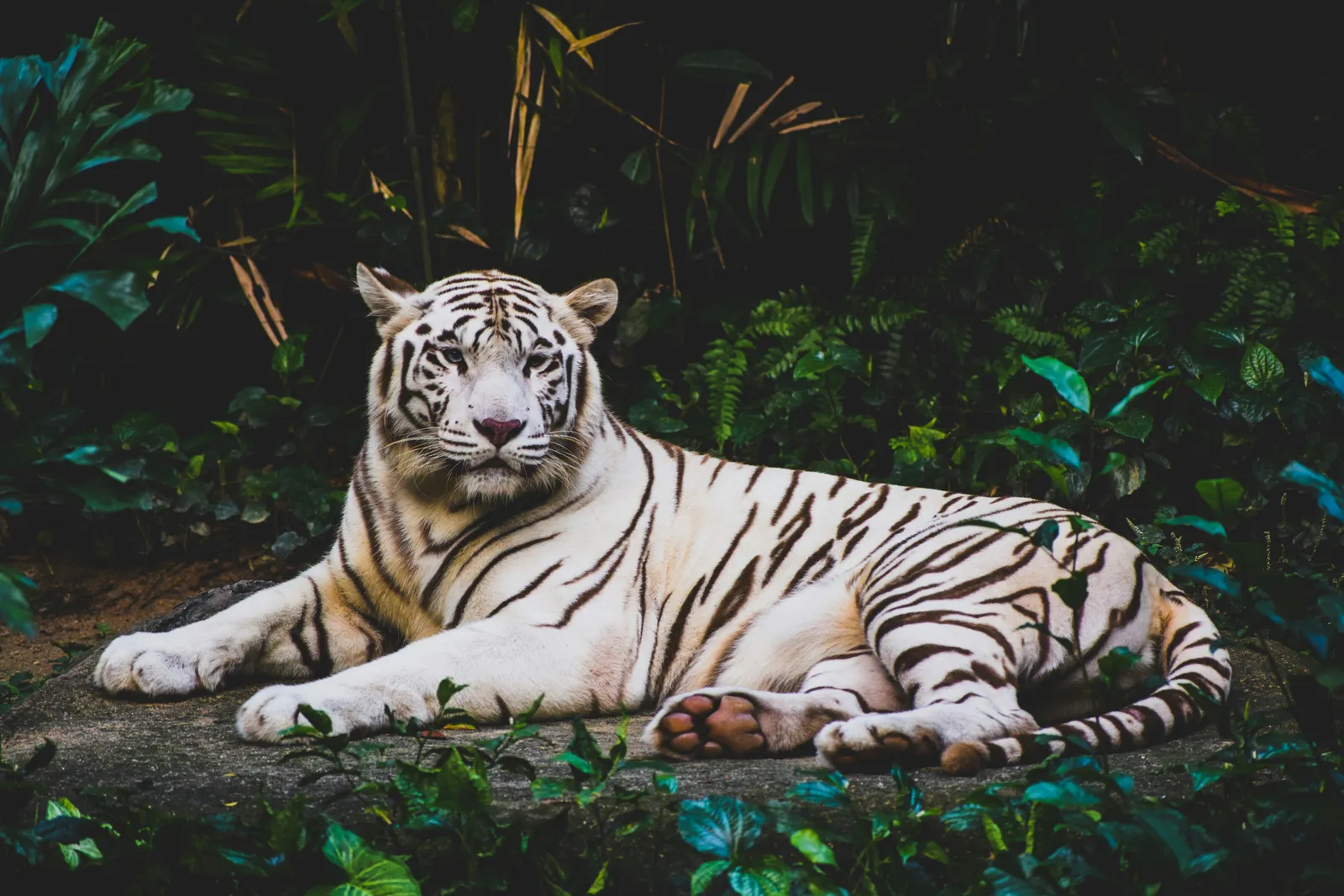
White was linked with light, dawn, and cleanliness in many cultures. It also showed up in ritual dress and offerings, often tied to purity or the sacred. So when an animal appeared in that color, the symbolism was already waiting for it.
Still, the meaning wasn’t identical everywhere. In some places white connected to joy and renewal, while in others it was tied to mourning or the spirit world. The animal’s color was a signal, but each culture decided what it said.
Sacred White Bulls and Horses in the Ancient Mediterranean
🔥 Would you like to save this?
We'll email this post to you, so you can come back to it later!
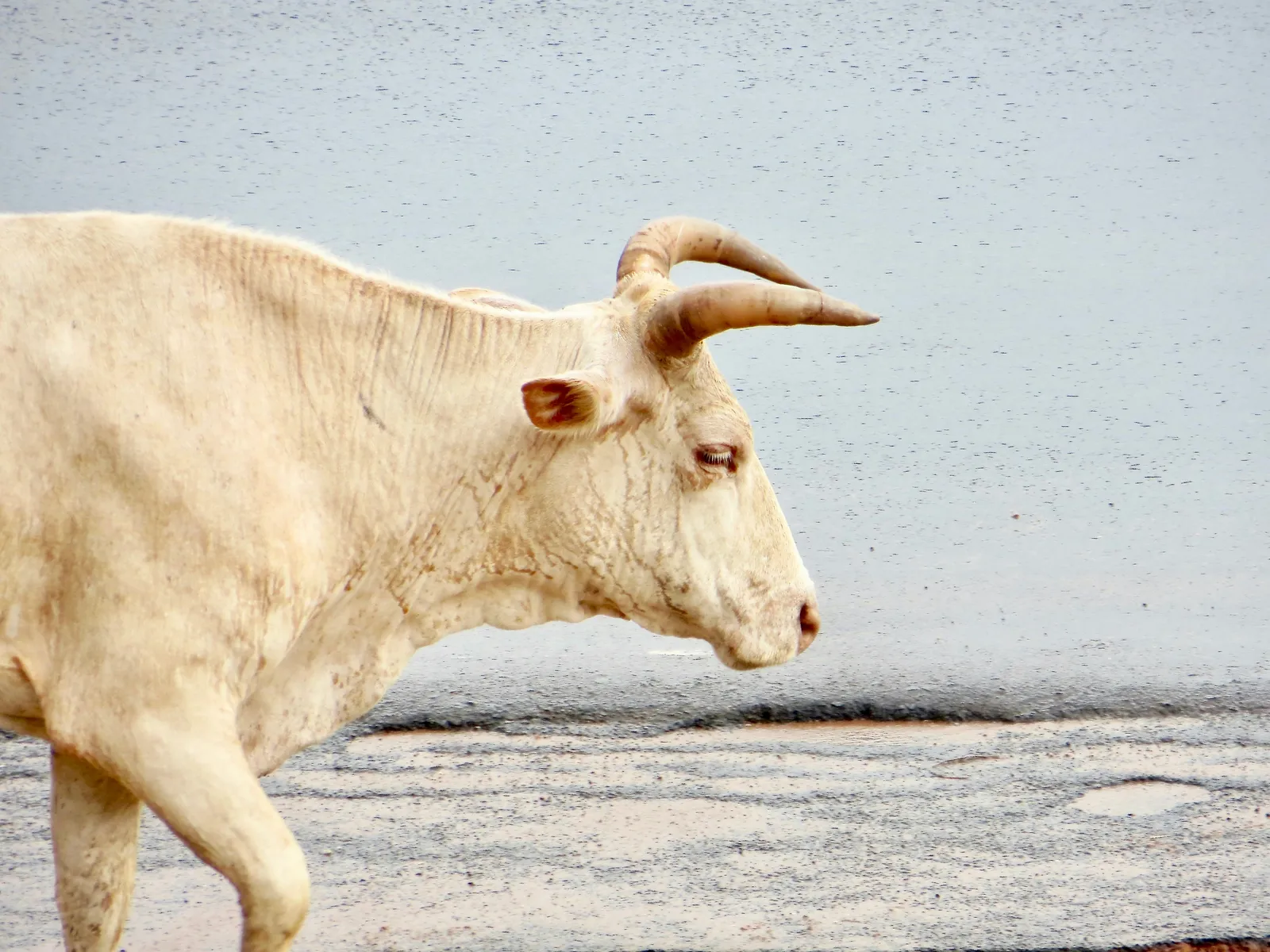
Greek and Roman ritual life often favored unblemished animals for sacrifice, and white victims were commonly associated with gods of the sky and the heavens. Roman triumphal processions also featured white animals in ceremonial roles. A flawless coat suggested an offering fit for the divine.
Horses carried a similar prestige. Pale horses appear in the lore of several European cultures as mounts of rulers or sacred figures. Whether in myth or in ceremony, whiteness marked the animal as set apart.
Sacred White Elephants in South and Southeast Asia
🔥 Would you like to save this?
We'll email this post to you, so you can come back to it later!
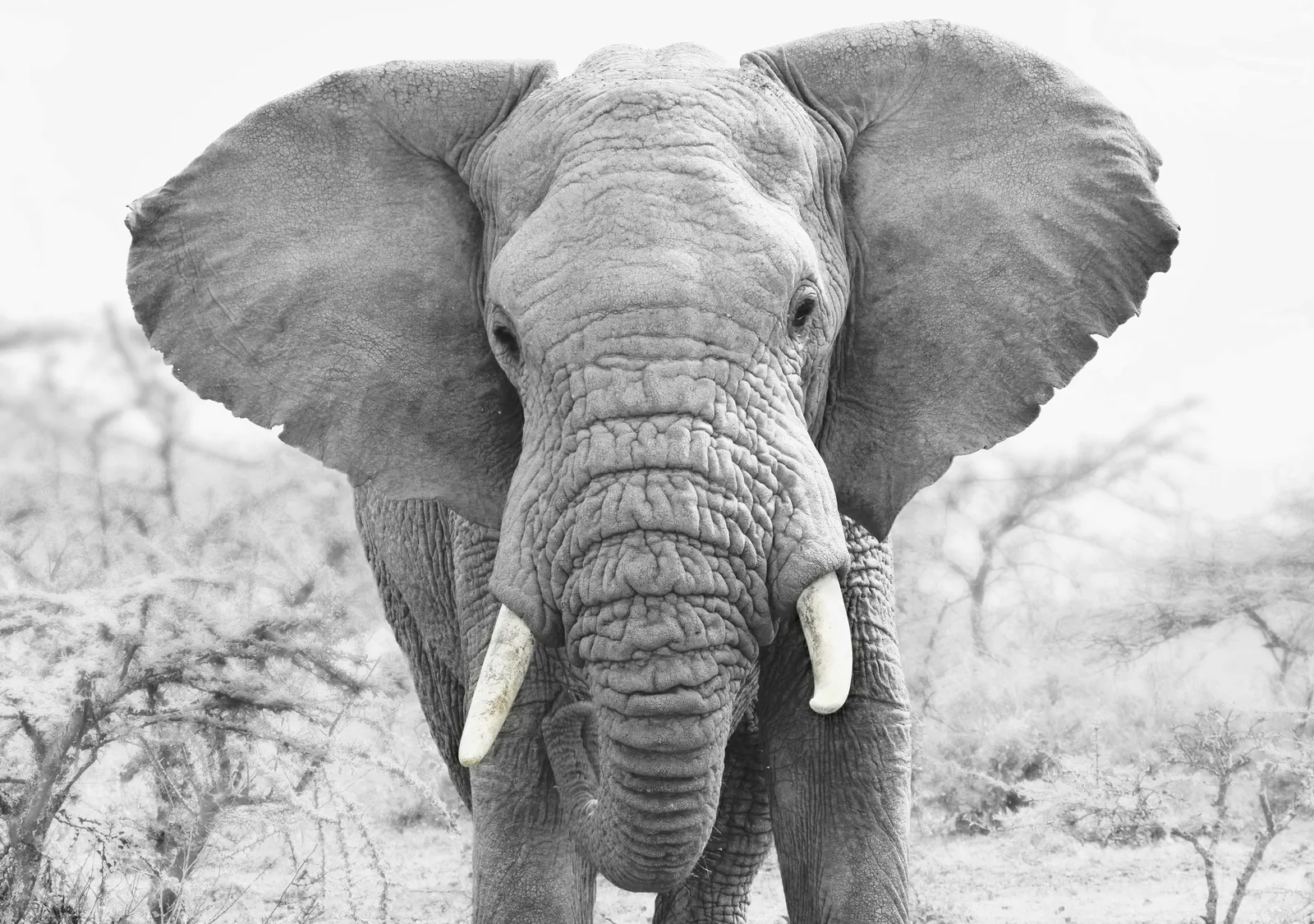
In Buddhist tradition, a white elephant plays a role in the story of the Buddha’s conception, which gave the animal lasting spiritual prestige. In parts of Southeast Asia, including Thailand and Myanmar, rare white elephants have long been tied to kingship and royal merit. Finding one was traditionally seen as a sign of a righteous ruler.
That reverence had a practical side. Such animals were typically presented to the monarch, and caring for them was an honor and a heavy responsibility. The old idea that a white elephant is a costly gift tends to come from this world, though the exact origins of the phrase are debated.
White Animals in Indigenous North American Beliefs
🔥 Would you like to save this?
We'll email this post to you, so you can come back to it later!
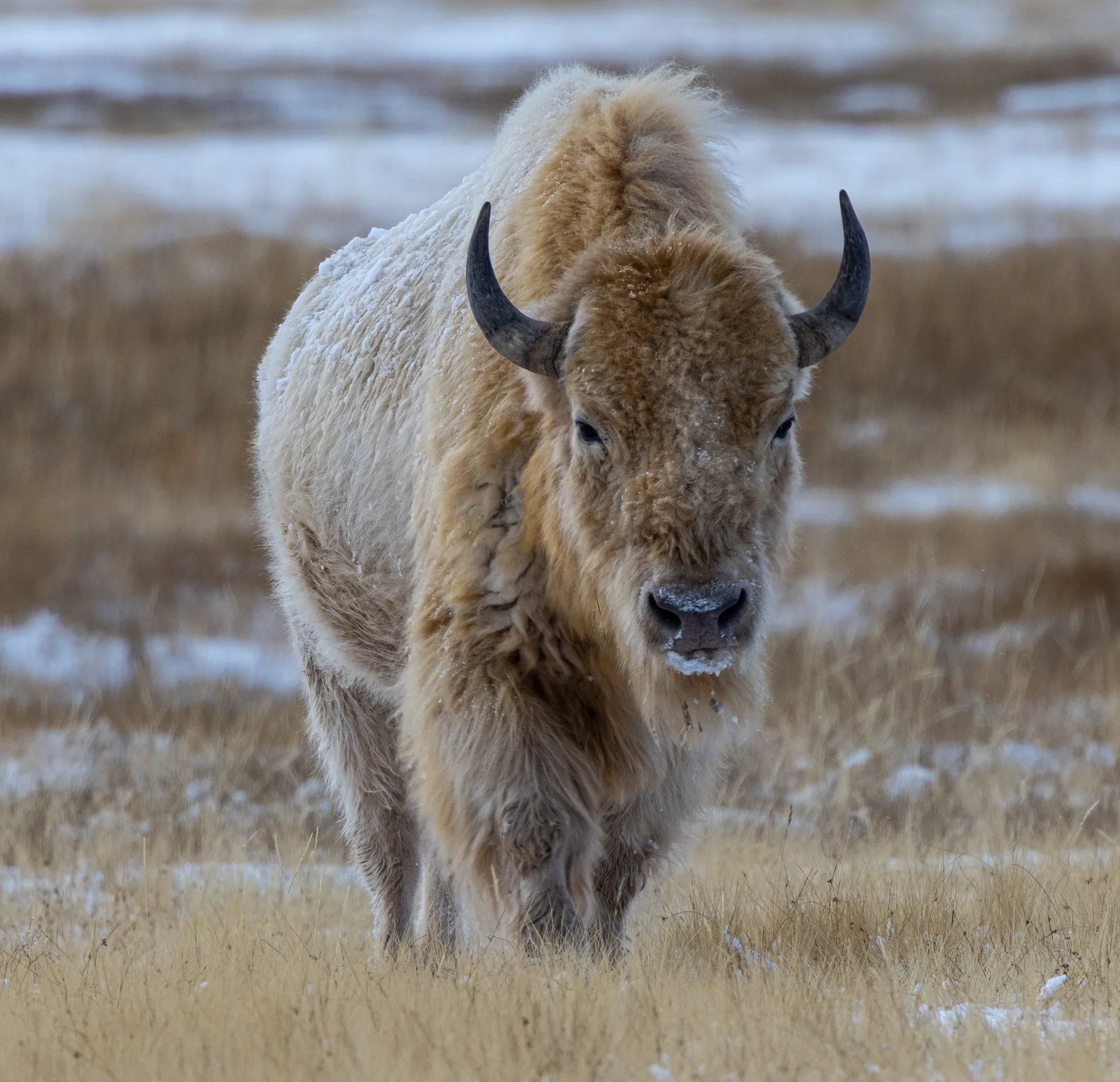
Many Native nations hold white animals in special regard. The white buffalo is a well known example, especially for the Lakota, who tell of White Buffalo Calf Woman bringing sacred teachings and ceremonies. A white buffalo calf’s birth is still treated by many as a spiritually significant event.
It’s worth being careful here, because traditions differ widely between nations. There isn’t one shared Indigenous meaning for white animals, and generalizing can flatten rich, distinct beliefs. The safest takeaway is that for some peoples, these animals carry real sacred importance today, not just in the past.
Celtic and Northern European Stories of Otherworldly Messengers
🔥 Would you like to save this?
We'll email this post to you, so you can come back to it later!
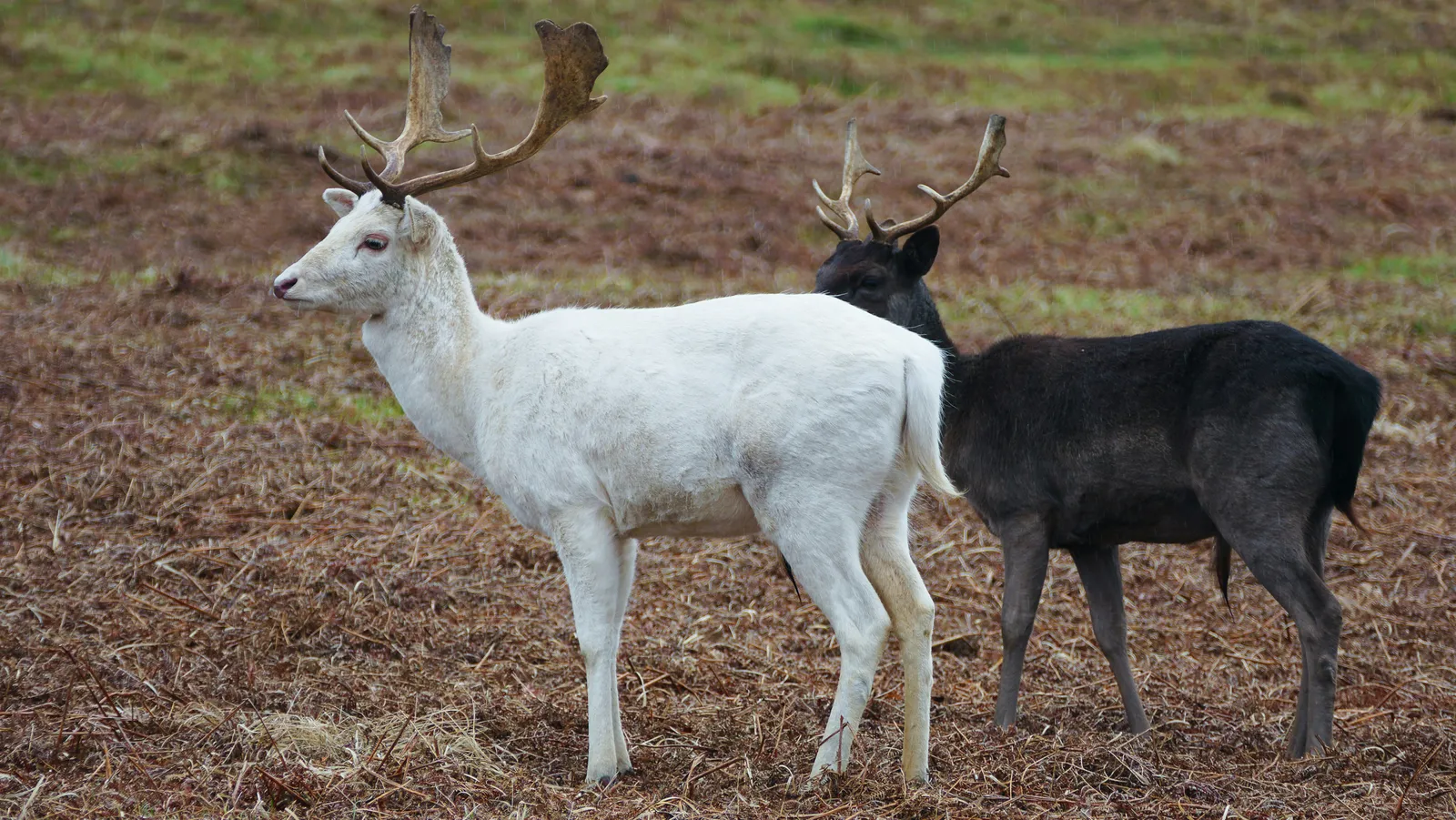
In Celtic mythology, white animals often appear in stories as figures tied to the Otherworld. White stags and white hounds with red ears show up in medieval Welsh and Irish tales, frequently signaling a crossing into a magical realm or a turning point for the hero. Scholars note these as literary motifs, so they reflect storytelling traditions as much as daily belief.
The white stag later became a popular symbol in European legend, linked to quests and revelations. Chasing one often leads a character somewhere unexpected. The pattern suggests that people saw a pale animal as an invitation, or a test, rather than a simple omen.
Why These Signs Still Fascinate Us
🔥 Would you like to save this?
We'll email this post to you, so you can come back to it later!
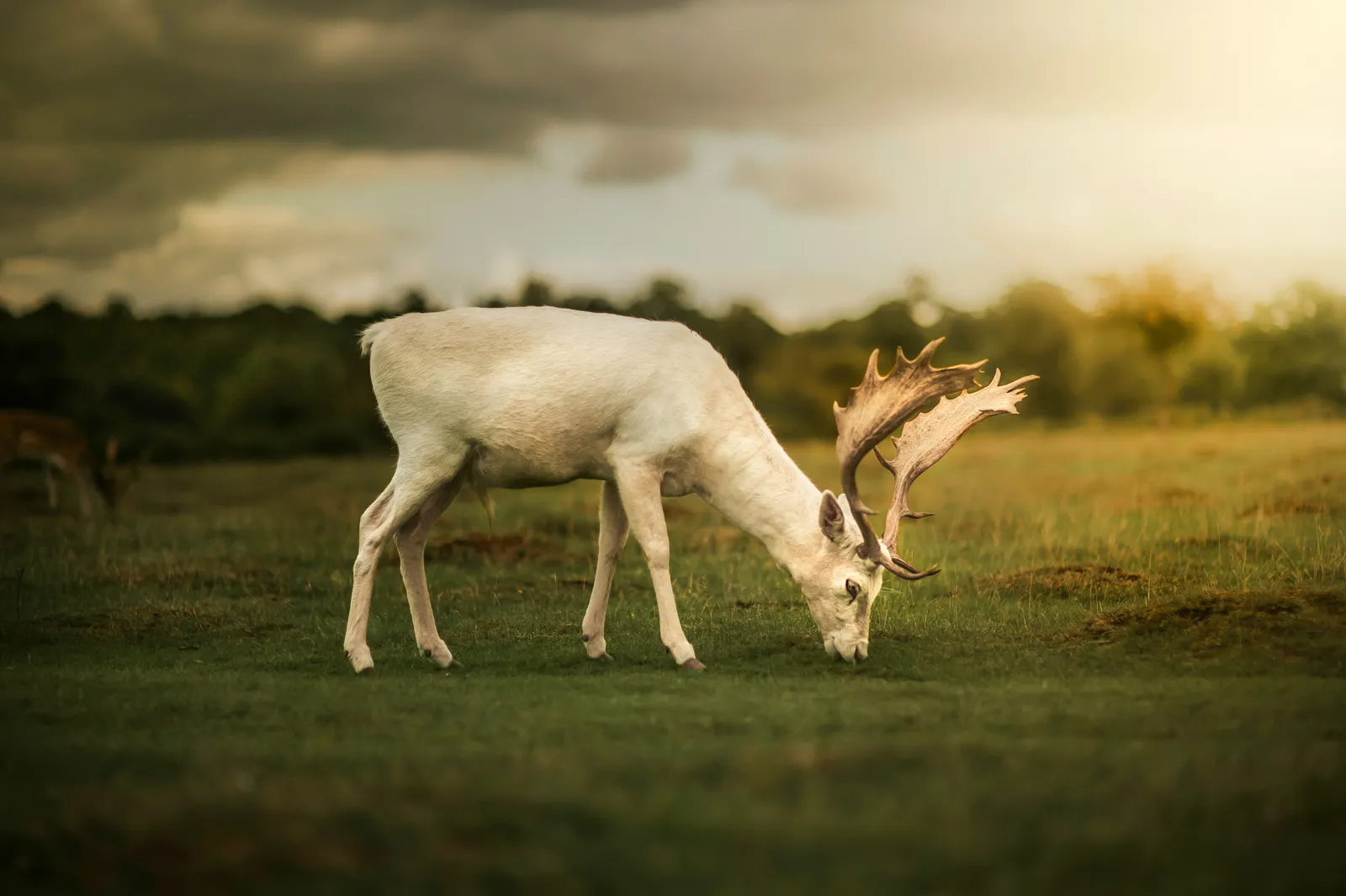
Modern news about a white deer or a white buffalo calf still spreads fast, and people still talk about meaning. We know the science, yet the old reaction hasn’t gone away. Something in us wants rare things to matter.
Respecting these traditions means keeping their context intact. A white animal wasn’t a universal good luck charm, and ancient people didn’t all agree on what it meant. What they shared was attention, the habit of noticing the unusual and treating it with care.
Final Thoughts
🔥 Would you like to save this?
We'll email this post to you, so you can come back to it later!
My view is that the real power of the white animal was never in its coat. It was in the way communities paused, looked closely, and asked what a surprise might be telling them. We’ve lost some of that patience.
Science explains the color, and that’s a good thing. Still, I’d argue we shouldn’t let explanation crowd out wonder. The next time something rare crosses your path, it costs nothing to stop and look.

- Marine Biology Says When Dolphins Suddenly Go Silent in Open Water It's Not Rest – They've Detected a Predator You Cannot See and Their Survival Strategy Reveals How They Read Danger - November 5, 2026
- Why Veterinarians Say If Your Cat Sleeps With Their Back to You, It's the Highest Form of Trust in Feline Behavior - November 5, 2026
- 10 Common Garden Pests That Are Actually Beneficial To Your Backyard Ecosystem - November 5, 2026