

The leopard (Panthera pardus) is one of the most fascinating and adaptable large cats in the world. Known for its spotted coat and graceful movements, this apex predator inhabits a range of environments, from the forests and mountains of Africa and Asia to suburban landscapes. One of the most remarkable traits of the leopard is its stealth and silence, making it an unparalleled hunter. But what exactly makes the leopard so adept at moving through its environment without detection?
Anatomical Advantages

A vital aspect of the leopard’s ability to move stealthily lies in its anatomy. Leopards have a sleek, muscular body that allows them to navigate diverse terrains with ease. Their powerful legs are not only built for speed but also for silent movement. The soft pads on their feet act like built-in silencers, muffling the sound of their approach. Their retractable claws enable them to tread lightly while maintaining traction, further aiding their silent pursuit of prey.
A Hunter’s Camouflage: The Art of Blending In
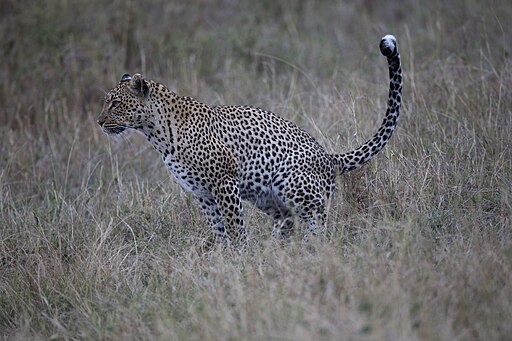
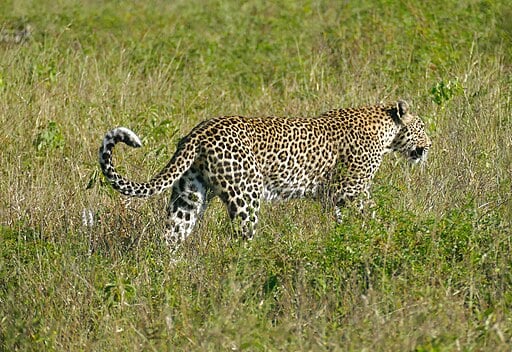
The leopard’s coat is not just beautiful but functional, as its rosetted pattern provides crucial camouflage in a variety of habitats. This coat allows leopards to blend seamlessly into the dappled light of forests, the golden grasses of savannas, and even rocky terrains. The ability to stay hidden in plain sight gives leopards an immense advantage when stalking prey or evading detection by competitors and threats, like lion prides or human hunters.
The Role of Behavior and Psychology
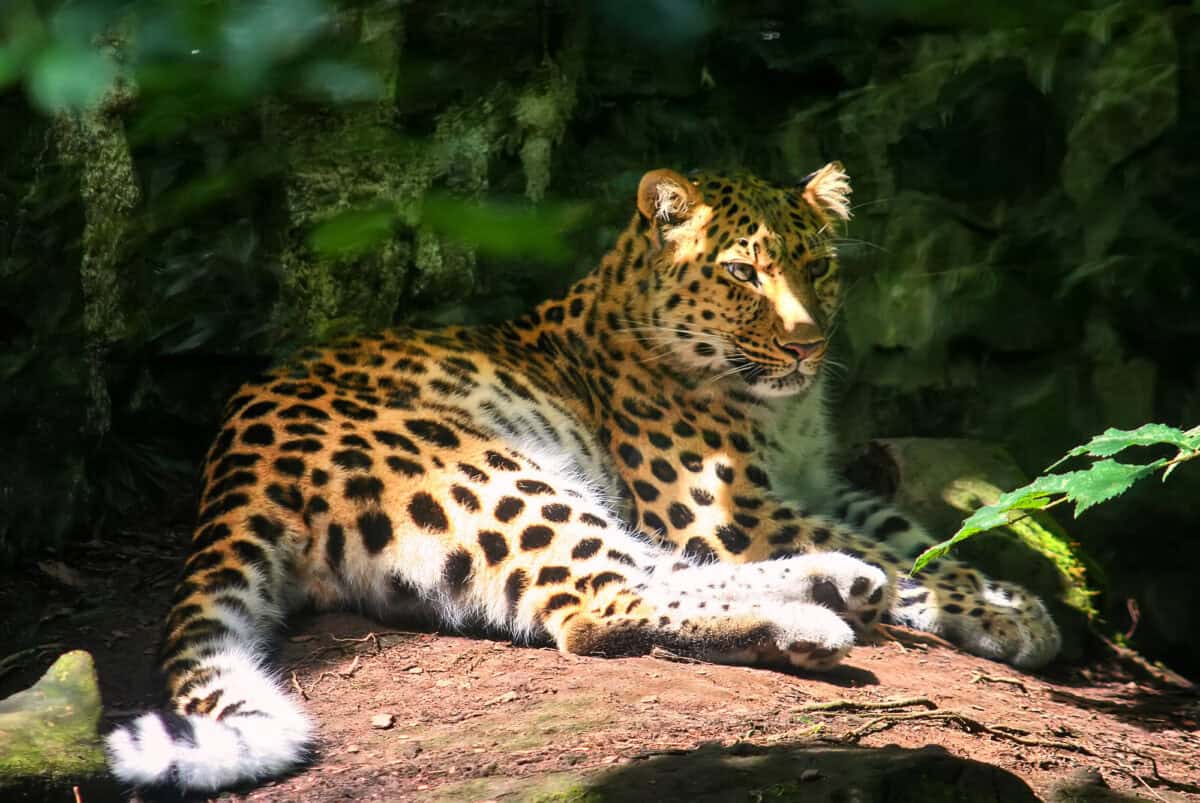
Beyond physical characteristics, behavioral traits also contribute to the leopard’s stealthy nature. Leopards are predominantly nocturnal hunters, taking advantage of the cover of darkness to hunt. This reduces their visibility to both prey and other predators. They are incredibly patient, often stalking their prey for hours before making a swift and calculated strike. This patience and tactical approach are essential for conserving energy and ensuring a successful kill.
Sensory Perfection: Hearing and Vision

Leopards possess excellent senses, particularly in terms of hearing and vision, which are vital for stealth. Their ears can rotate independently, allowing them to pick up on the slightest sounds in their surroundings. This acute sense of hearing helps them detect prey movement and avoid potential dangers. Additionally, their eyesight is adapted for low-light conditions, providing them with a clear advantage during nighttime hunts.
Environmental Adaptability
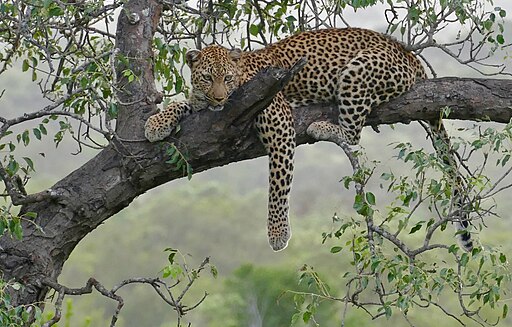
The leopard’s ability to adapt to different environments is another factor that enhances its stealth. Leopards are known to modify their hunting strategies depending on the terrain and availability of prey. In dense forests, they may rely more on ambush tactics, while in open areas, they utilize their speed for quick pursuits. This versatility ensures that they remain top predators in various ecosystems.
Lessons in Stealth: Conservation and Coexistence
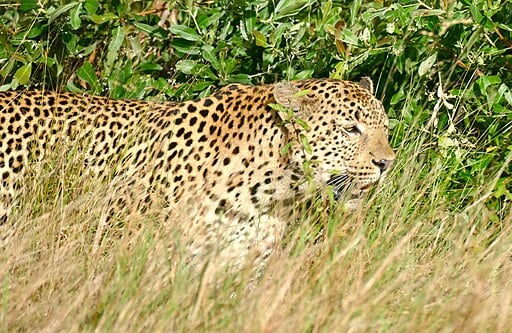
Understanding the leopard’s stealth and its role as a hunter highlights the importance of conserving this remarkable species. As human activities continue to encroach on natural habitats, leopards sometimes venture into areas populated by people, leading to potential conflicts. Encouraging coexistence through education and sustainable practices is crucial for the leopard’s survival.
By studying leopards and their ecological roles, scientists can develop more effective conservation strategies that benefit both the animals and the communities that share their environments. Recognizing the adaptive prowess of leopards offers invaluable insights into the interconnectedness of life on Earth and the need for harmonious living between humans and wildlife.
Conclusion
The leopard’s stealth and silence are a remarkable combination of physical attributes, behavioral strategies, and environmental adaptability. These traits not only make them formidable hunters but also play a vital role in their survival. By appreciating the leopard’s mastery of stealth, we can better understand the complexity of natural ecosystems and the essential balance required to maintain biodiversity.

- The Most Powerful Earthquake Ever Felt in the U.S. - July 19, 2026
- How Rhinoceros Males Compete for Mating Rights in the Wild - July 18, 2026
- 13 Spider Species Thriving in Changing Environments - July 18, 2026