

There’s something profoundly unsettling about watching a landscape lose its giants. Across Africa’s forests, grasslands, and deserts, a silent transformation is underway, one that’s reshaping the entire fabric of natural life. Africa’s ecosystems are running on less than two-thirds of the natural energy they once had, according to groundbreaking research published in late 2025. This isn’t just about counting fewer elephants or rhinos wandering the savannah. It’s about understanding how the disappearance of these massive creatures is fundamentally changing the way energy flows through nature itself, affecting everything from soil fertility to the trees that anchor entire ecosystems. Let’s explore what’s really happening when Africa’s megafauna vanish.
Understanding Ecological Power and Energy Flow
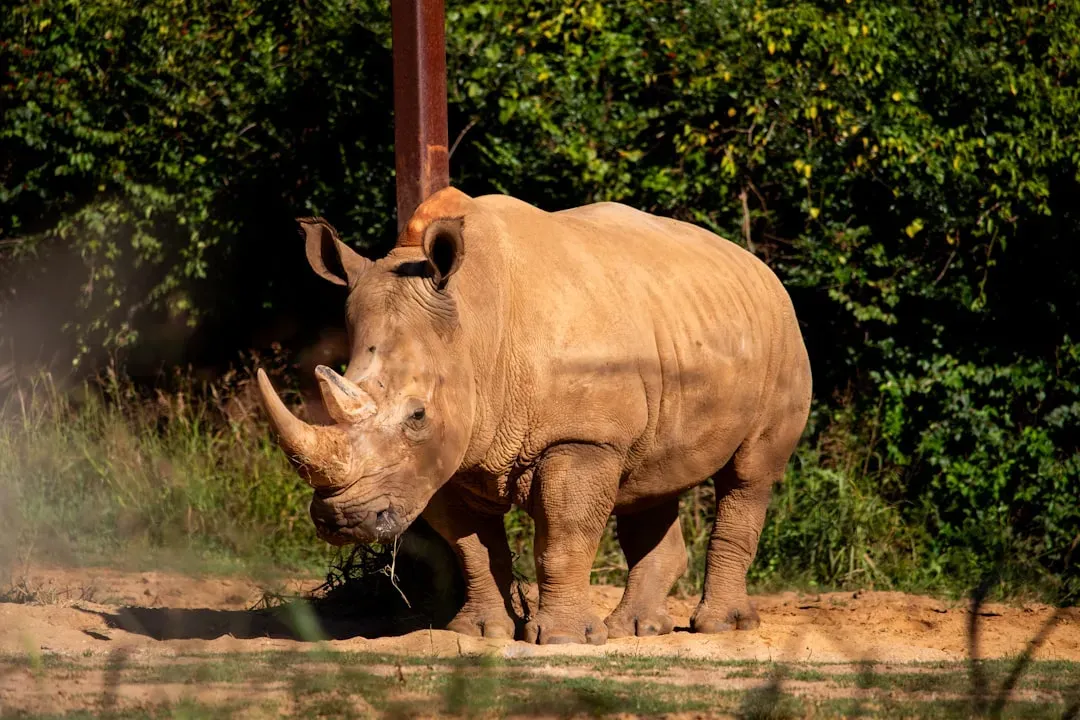
Think of an ecosystem like a massive power grid, except instead of electricity, it’s running on food energy. Ecological power measures how much energy flows through animal communities and what that energy enables animals to do within their ecosystems. When a zebra munches on grass, when an elephant tears down a tree, when a lion hunts an antelope – all of these actions represent energy moving through the system.
The study uses an ecosystem energetics approach that quantifies how energy flows through food webs – from sunlight captured by plants to the animals that consume it. Unlike traditional conservation metrics that simply count species, this approach reveals what animals actually do in their environments. A single elephant processes far more energy than a hundred rodents combined, and what that elephant does with that energy – trampling paths, dispersing seeds, fertilizing soil – ripples through the entire landscape.
The Alarming Decline Across Sub-Saharan Africa
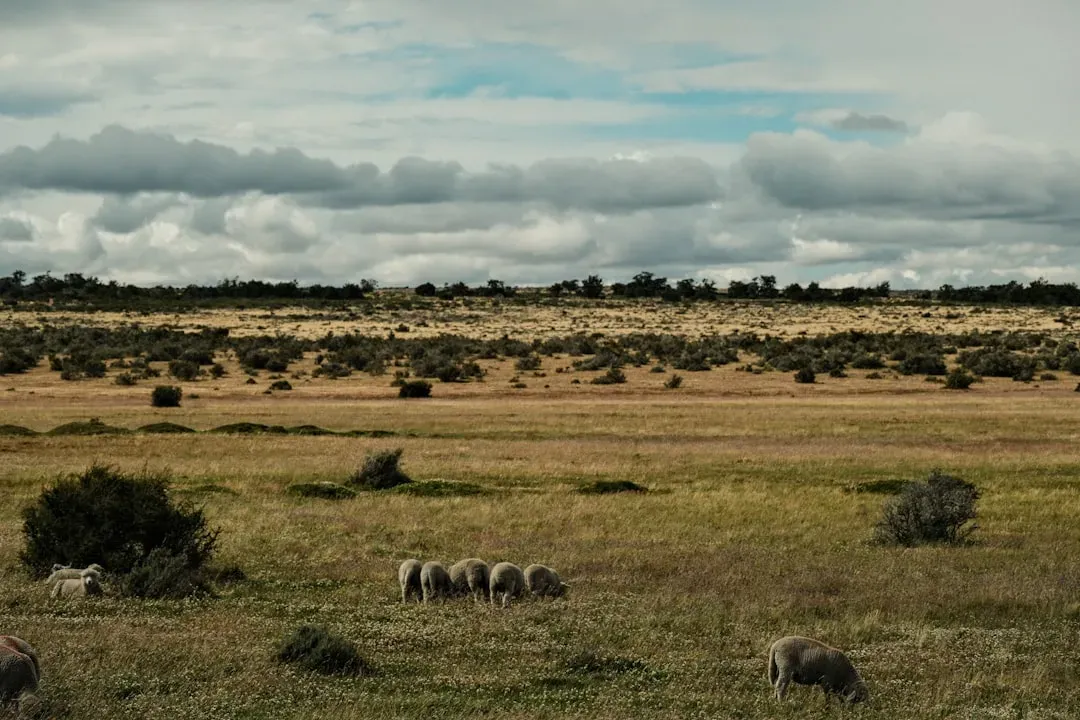
The numbers tell a stark story. In total, trophic energy flows have decreased by more than one-third across sub-Saharan Africa when compared to pre-colonial times. This Oxford-led study examined nearly 3,000 bird and mammal species across more than 317,000 landscapes, creating the most comprehensive picture yet of how energy flows have changed.
Total ecological energy has fallen by more than one-third since pre-colonial times, largely due to the decline of large-bodied species such as elephants, rhinos, and lions that once shaped and sustained the continent’s ecosystems. Different ecosystems have suffered in different ways. The pattern of decreasing function varies by historical biome, driven by arboreal birds and primates in forests, terrestrial herbivores in grassy systems, and burrowing mammals in arid systems. It’s hard to say for sure, but the implications seem massive when you consider how interconnected these systems are.
Why Megafauna Matter So Much
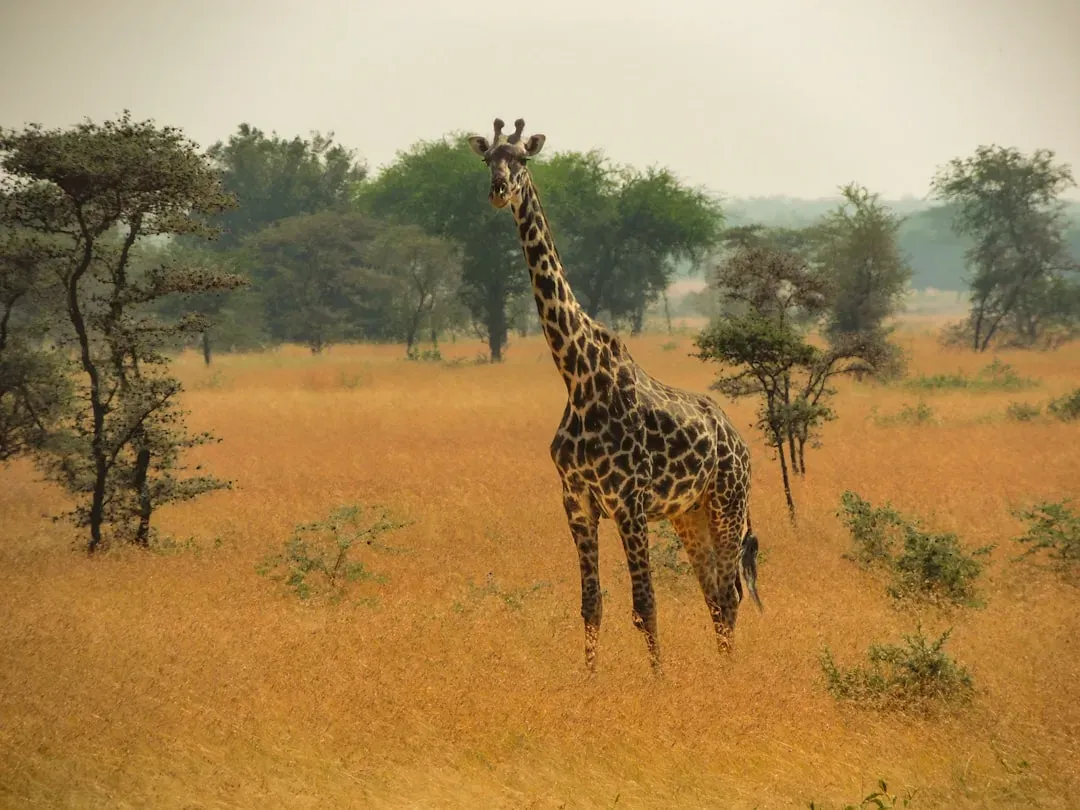
Here’s the thing about big animals – they’re not just impressive to look at. Large-bodied animals often dominate energy flow within ecosystems and shape habitats through their large-scale grazing, browsing, trampling, digging, and traversing of areas. When an elephant pushes over a tree, it creates clearings where sunlight reaches the forest floor, allowing new plants to grow. When hippos move between water and land, they transport nutrients that fundamentally alter river ecosystems.
Energy flows through megafauna-dominated functional groups, which include nutrient dispersers, grazers, browsers and apex carnivores, were notably less intact, from 26–32%, than other ecosystem function groups. Let’s be real – smaller animals like rodents and songbirds now dominate what remains of Africa’s energy flow, but they simply can’t replicate what the giants do. Large wild animals are ecological engineers. Their roles can’t simply be replaced by smaller species or livestock.
The Collapse of Critical Ecosystem Functions
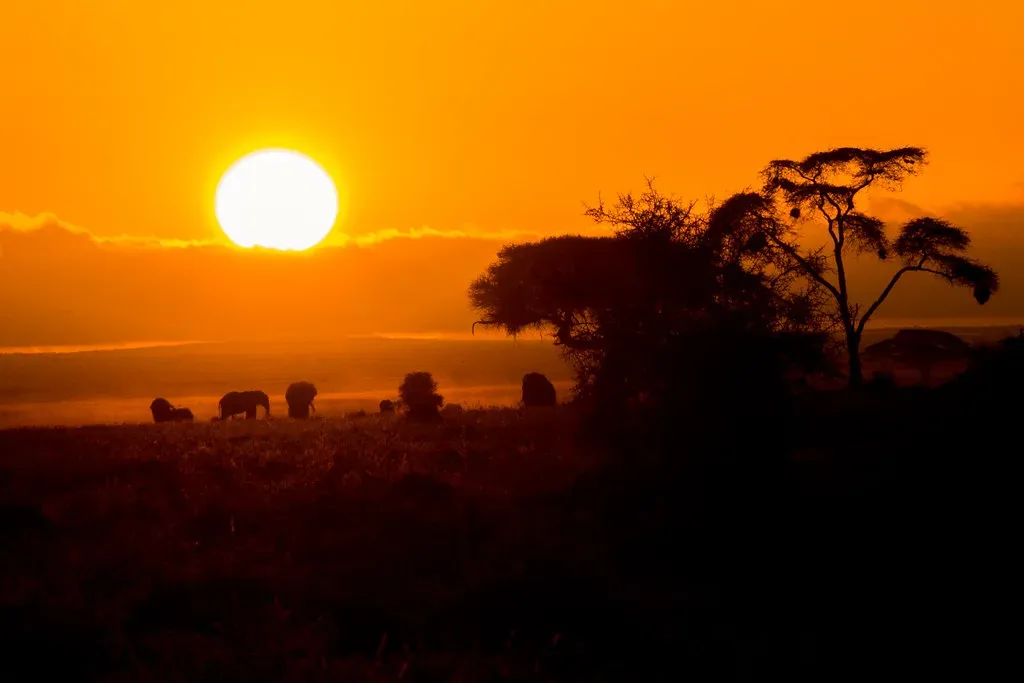
When megafauna populations plummet, specific ecosystem functions collapse with them. The intactness of energy flows through functional groups varied widely, ranging from 26% intact for nutrient dispersal by large herbivores to 75% intact for granivory, when averaged across sub-Saharan Africa. Nutrient dispersal has been hit hardest – roughly about a quarter of its historical function remains.
What does this actually mean? Seed dispersal shrinks, which can reduce tree and plant regeneration, especially in forests that rely on large frugivores. Elephants, for instance, consume massive fruits and disperse the seeds across enormous distances. Elephants are vital for moving viable seeds across long distances and influencing which trees successfully establish, but their species decline shows in these diminishing ecosystems. Without them, certain tree species simply can’t reproduce effectively, gradually vanishing from the landscape.
Protected Areas Versus Transformed Lands
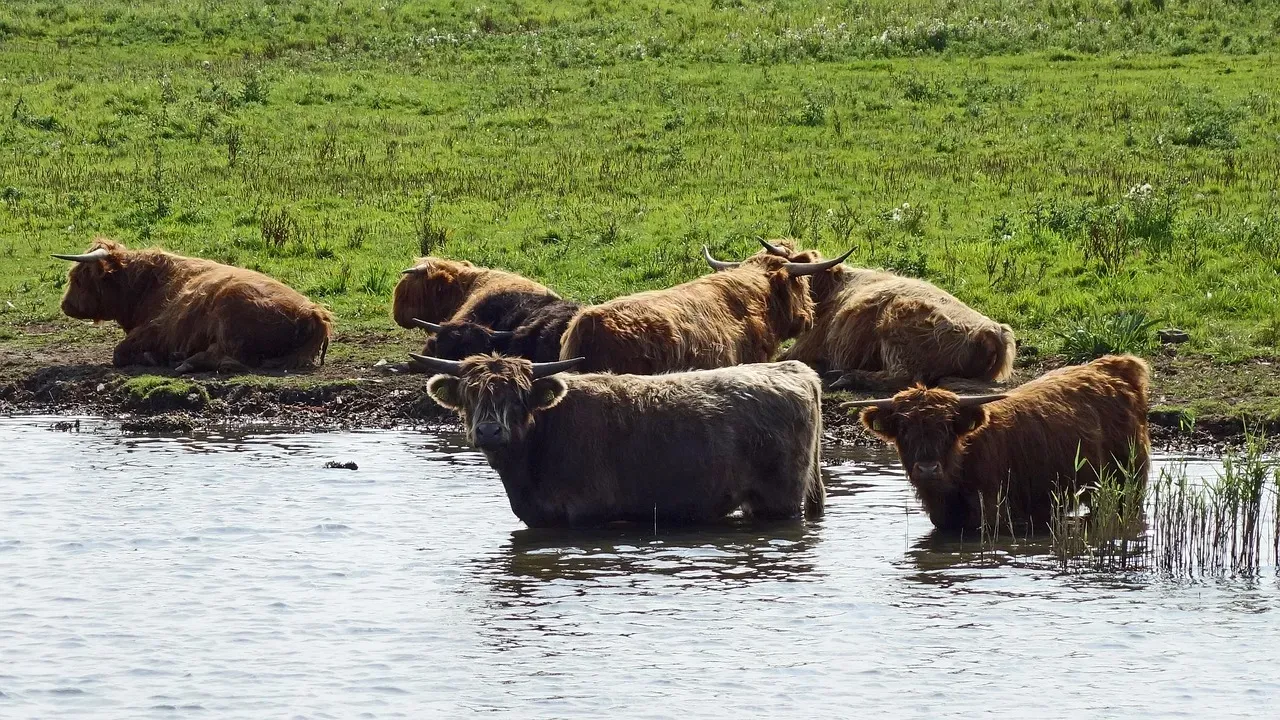
The contrast between protected and unprotected areas is striking. The ecological power of wild mammals and birds weakened drastically, by about 60%, in areas that had been converted to agricultural land. However, in well-managed protected areas, ecological functions are almost 90% intact. This tells us something crucial – conservation efforts can work when properly implemented and funded.
Functions performed by megafauna in particular have collapsed outside protected areas. Think about what this means for landscapes beyond park boundaries. Agricultural conversion, human settlement, and habitat fragmentation have created ecological dead zones where the energy that once powered diverse ecosystems has essentially evaporated. The vast majority of Africa’s land doesn’t enjoy protected status, making this pattern particularly troubling.
The Shift Toward Smaller Species
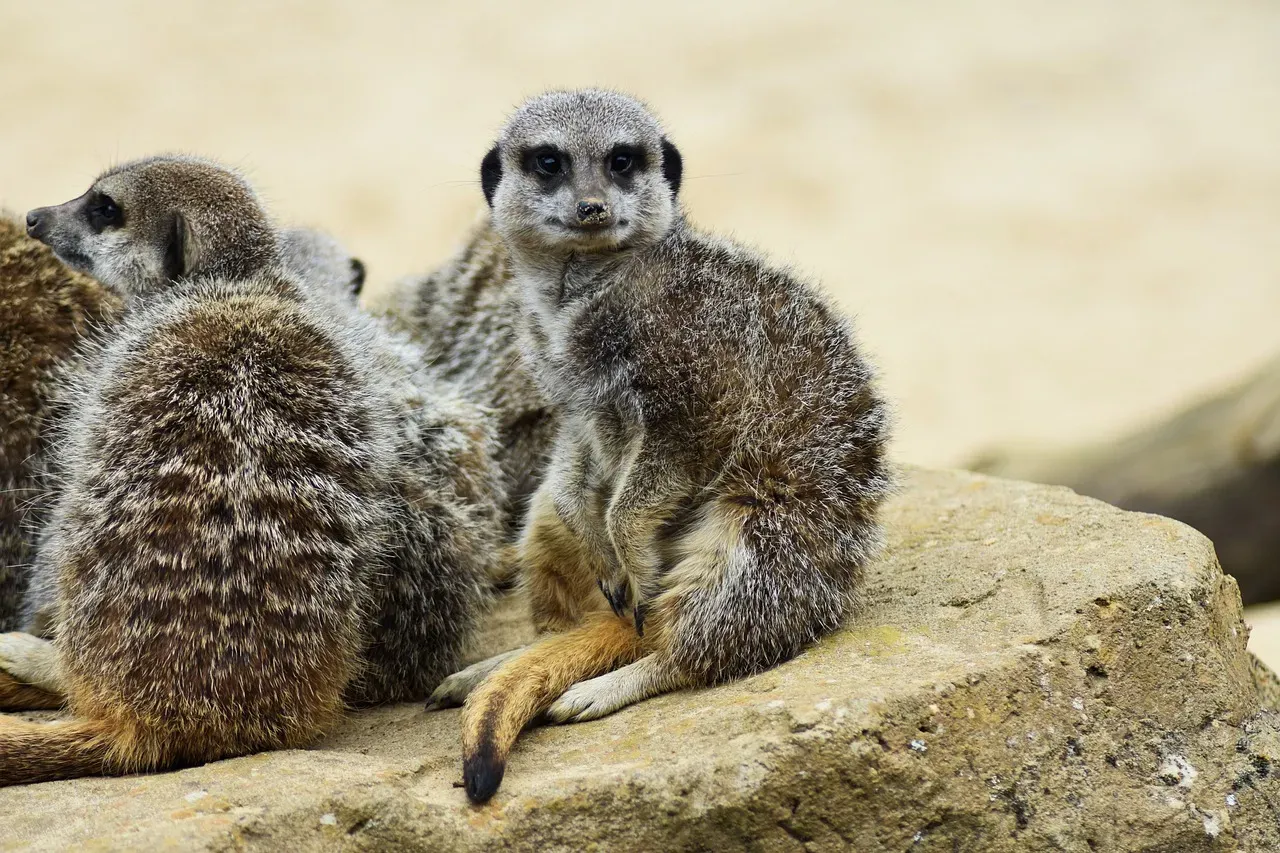
Nature abhors a vacuum, and as megafauna disappear, something unexpected happens. While large mammals have suffered the greatest declines, smaller species such as rodents and songbirds now dominate Africa’s remaining energy flow. At first glance, this might seem like compensation – if big animals vanish, maybe lots of small ones can fill the gap.
As megafauna declined, smaller species – rodents, songbirds, and other small-bodied animals – came to dominate what remains of Africa’s energy flow. This rebalancing may keep some processes running. However, it can’t replace the unique roles of giants that knock down trees, open clearings, spread large seeds, and move nutrients across vast distances. Honestly, this shift represents a fundamental reorganization of how African ecosystems operate, and we’re only beginning to understand the long-term consequences.
Global Implications Beyond Africa
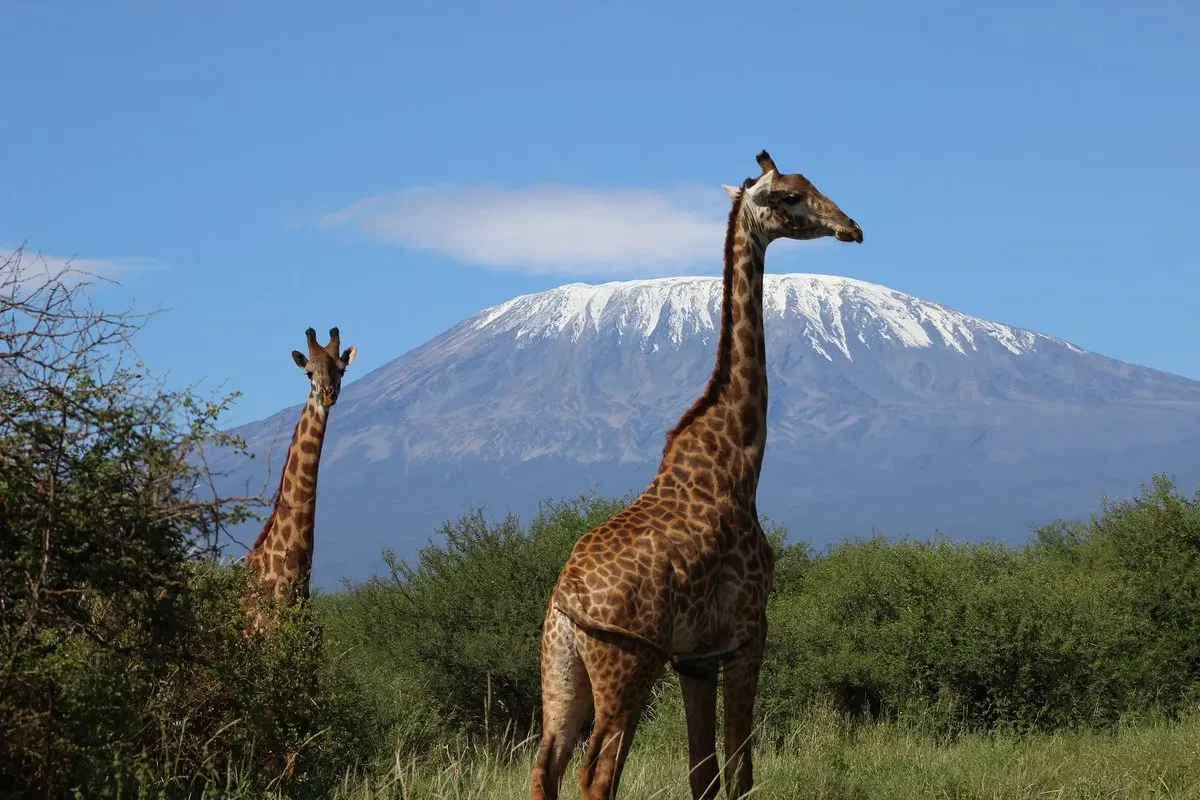
This research matters far beyond Africa’s borders. Beyond Africa, the research could reshape how scientists and policymakers assess biodiversity loss worldwide. Energy-based metrics may help refine global biodiversity targets, such as those under the Kunming–Montreal Global Biodiversity Framework, by linking species decline directly to Earth’s capacity to cycle carbon, water, and nutrients. We’re talking about connecting the fate of individual species to how the entire planet functions.
In a warming world, that link is crucial because resilient ecosystems buffer extremes, store carbon, and sustain livelihoods. The energy flowing through animal communities doesn’t just matter for biodiversity – it affects climate regulation, water cycles, and food security for millions of people. Climate change and biodiversity loss aren’t separate crises; they’re deeply intertwined challenges that demand integrated solutions.
Restoration and the Path Forward
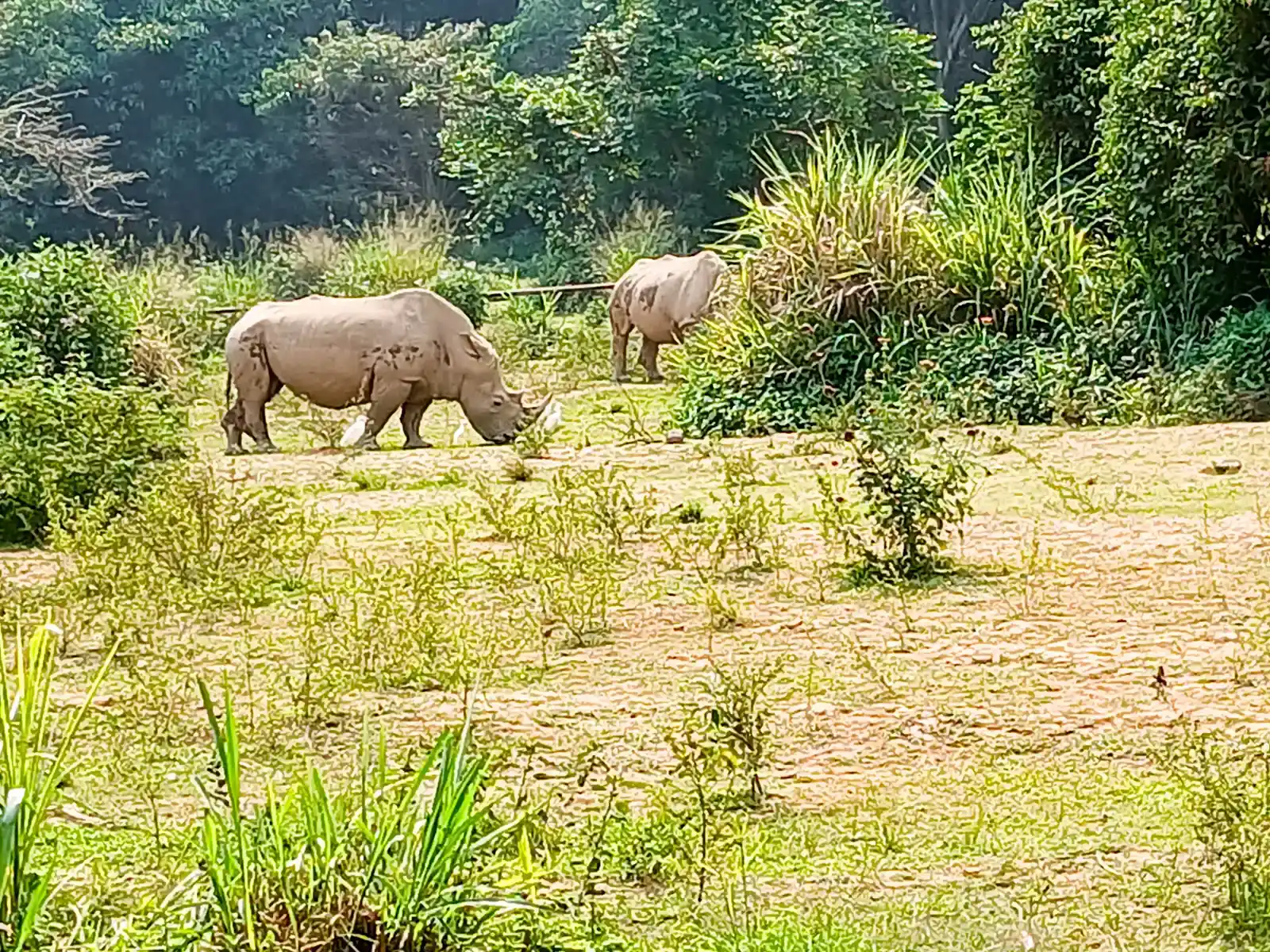
The good news? This energetics framework offers something previous approaches didn’t – a way to measure whether restoration actually works. Restoration isn’t just about bringing animals back, it’s about bringing back what they do. An energetics approach gives practitioners a way to measure that, and to prioritize the functions that make ecosystems resilient. Conservation projects can now track not just whether elephant populations recover, but whether those elephants are actually performing their ecological roles.
The study points toward concrete priorities: protect remaining strongholds of megafauna and the corridors that let them move. Where wildlife has been lost, invest in reintroductions and community-led coexistence efforts that make space for their return. Practical solutions exist – from improving livestock protection to developing early-warning systems that reduce human-wildlife conflict. The challenge isn’t knowing what to do; it’s finding the political will and resources to do it at scale.
Conclusion
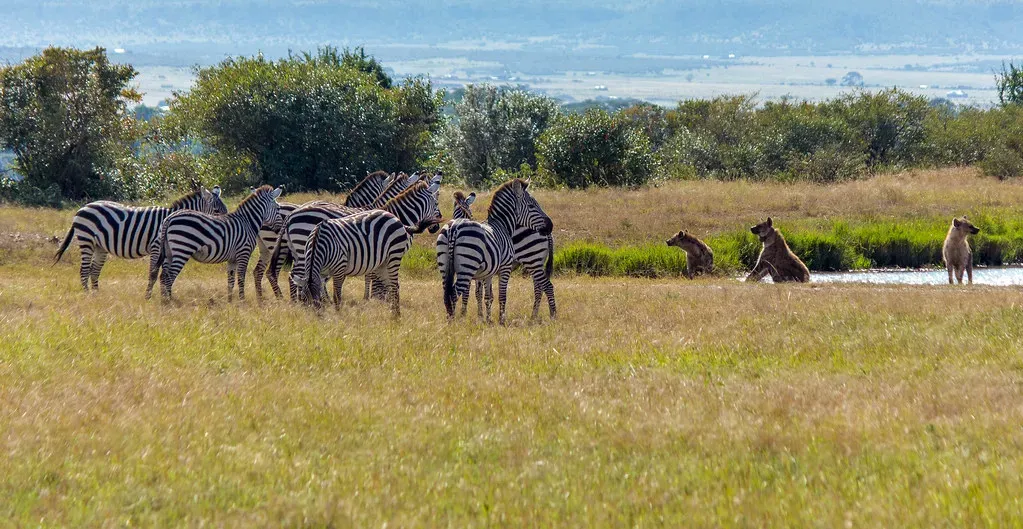
The loss of animal energy flow is not just an ecological story, it’s a planet Earth story which connects the fate of individual species to the functioning and stability of the biosphere itself. When we lose Africa’s giants, we’re not just losing charismatic animals for future generations to marvel at. We’re fundamentally altering how energy moves through landscapes, how nutrients cycle, how forests regenerate, and ultimately how ecosystems support both wildlife and human communities.
The clock is ticking, but hope remains. Protected areas demonstrate that with proper management, ecological functions can remain largely intact. Community-based conservation shows that humans and wildlife can coexist when local people benefit from conservation efforts. Energy-based metrics give us powerful new tools to track progress and adjust strategies in real time. What happens next depends on choices we make now – choices about land use, conservation funding, and how we value the natural systems that sustain us all. What would Africa look like without its elephants, rhinos, and lions? Based on this research, dramatically different and far less resilient than the continent we know today.

- The 13 Small Signs a Rescue Cat Uses to Tell You It Finally Feels Safe - July 20, 2026
- Why Veterinarians Say If Your Cat Sleeps With Their Back to You, It's the Highest Form of Trust in Feline Behavior - July 20, 2026
- The Zodiac Signs That Owls Avoid Completely (And What Folklore Says It Means About Your Energy) - July 20, 2026