

There’s something deeply stirring about the haunting call of an owl echoing through the darkness. For countless generations, Native American cultures have recognized this magnificent nocturnal bird as far more than a simple woodland creature. The owl occupies a sacred space in indigenous spirituality, serving as a bridge between the physical and spiritual worlds, a keeper of ancient wisdom, and a powerful messenger from realms beyond our everyday perception.
Native American religions and their shaman priests have placed upon the owl numerous spiritual associations, with these associations varying greatly from one tribe to the next. This remarkable bird commands respect and reverence across diverse tribal traditions, though its significance can differ dramatically depending on cultural perspective and regional beliefs.
The Night Eagle: Master of Darkness and Light
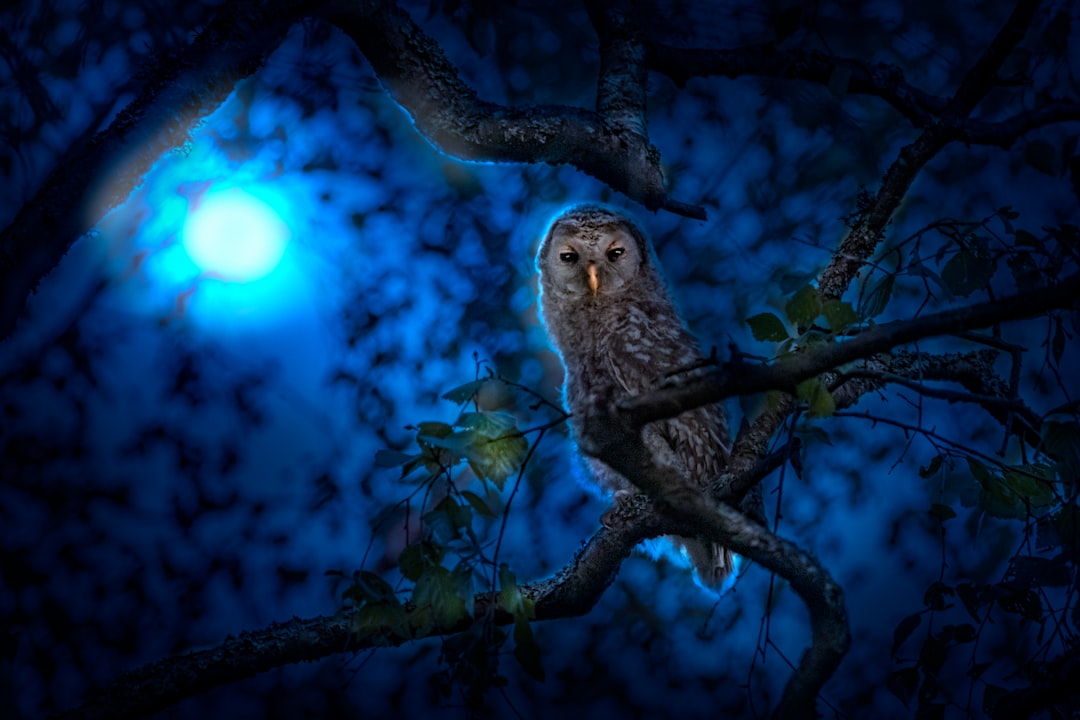
In Native American traditions, the Owl is called the Night Eagle. This powerful designation speaks volumes about the owl’s spiritual significance within indigenous cultures. Owls are birds of the night-they have the power to see the unseen in the blackest of darkness, to hunt for food and fly silently through the night.
The owl power animal has a special connection with the night and the moon, while the eagle is connected to the sun. This dual nature positions the owl as a mediator between opposing forces, capable of navigating both physical and spiritual realms with equal mastery. Their ability to function in complete darkness while maintaining deadly precision makes them natural symbols of hidden knowledge and intuitive wisdom.
Sacred Wisdom and Ancient Knowledge
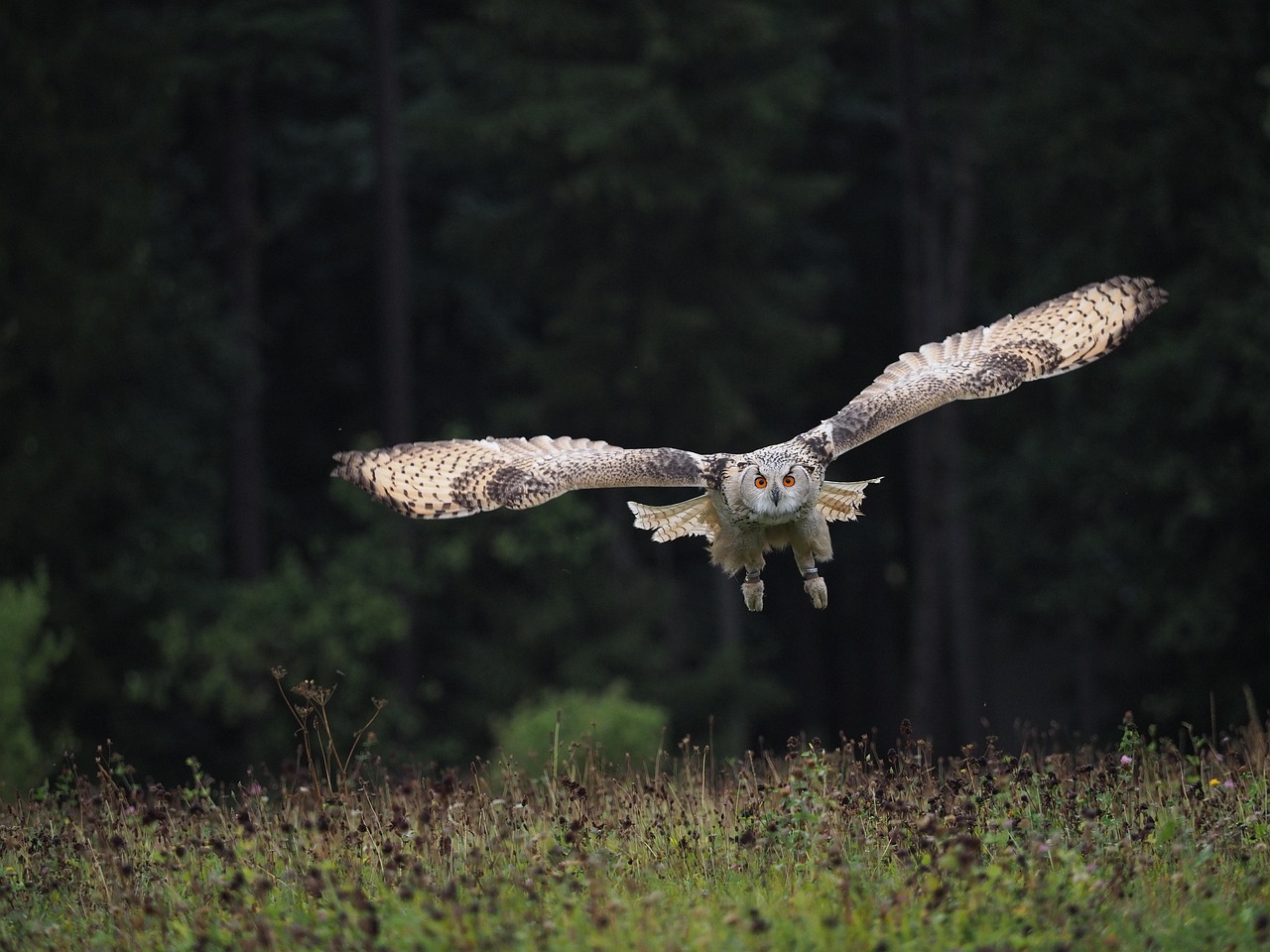
The owl spirit animal, or Hiŋháŋ, in Lakota tradition embodies wisdom, insight, and guidance through life’s unseen paths. This connection to profound wisdom runs deep throughout various Native American cultures. Other Native American groups view owls in a different light, as carriers of ancient knowledge and deep, mystical wisdom. To them, the owl represents a connection to the spirit world, a symbol of foresight and intuition.
The Owl is a bringer of deep, mystical wisdom, and a carrier of ancient knowledge. The Owl can see that which others cannot. This extraordinary sight extends beyond mere physical vision to encompass spiritual perception and the ability to discern hidden truths that escape ordinary awareness.
Shamanic Medicine and Healing Powers
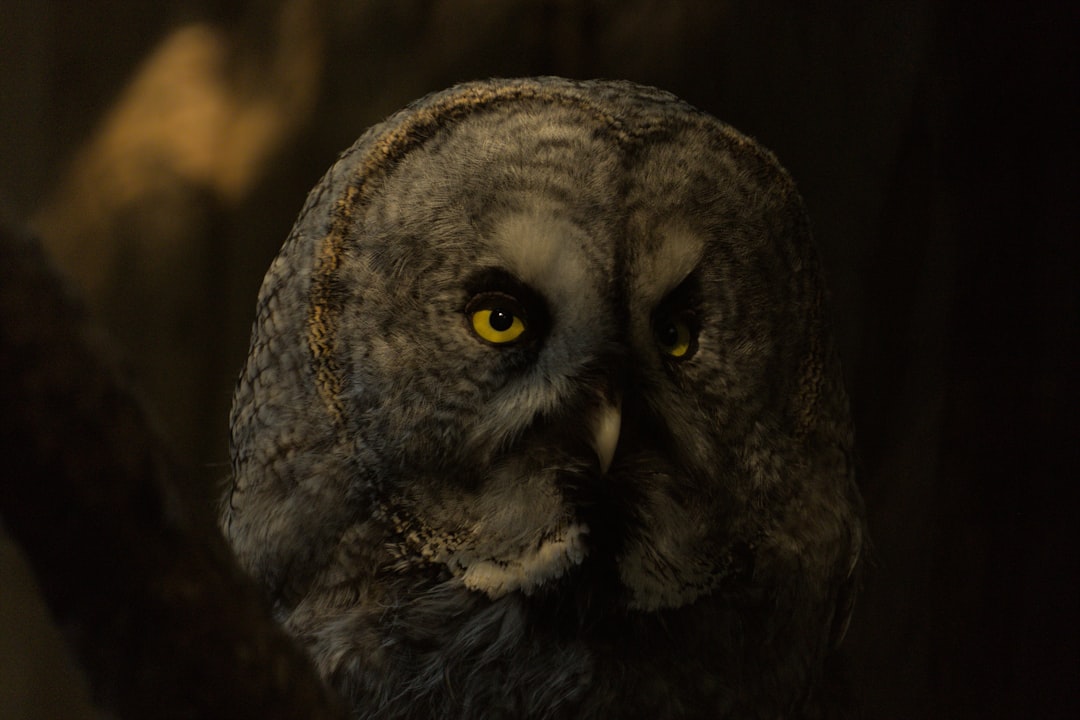
Cherokee shamans valued Owls as consultants, and honored the bird as sacred because of its night-time vision, and wished to draw that power to themselves, to see in the dark. The owl’s role in shamanic practice extends far beyond simple consultation. In many cultures, Owls are messengers of the underworld or represent human spirits after death; in other cultures, Owls represent supportive spirit helpers and allow shamans to connect with their supernatural powers.
Owl medicine embodies wisdom, intuition, and silent observation in Native American mythology, symbolizing keen perception and spiritual insight. This medicine works on multiple levels, offering both healing and transformation. In shamanism we learn to use this energy, natural to each species, as an instrument of healing.
Protector of Warriors and Guardian Spirit
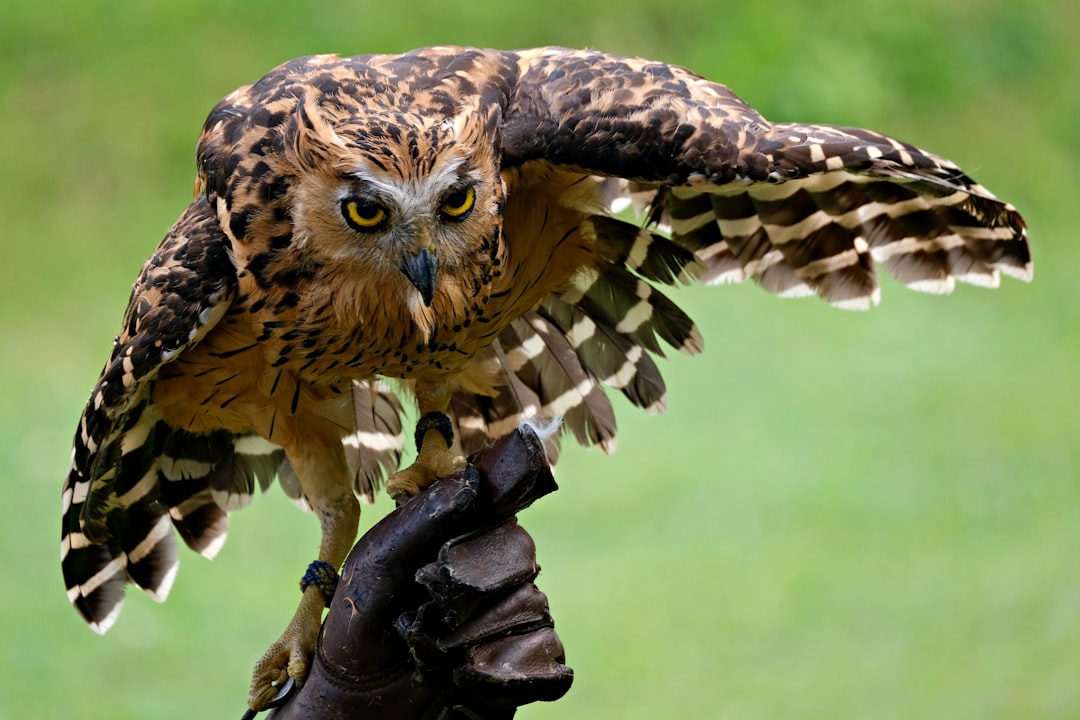
Not all owl associations center on death and mystery. The Dakota and Hidatsa tribes saw the owl as a protective spirit for brave warriors. This protective aspect reveals another dimension of the owl’s spiritual significance within Native American traditions.
With the exception of the Great Horned Owl, warriors would often attach owl feathers to their shields or wear them on their arms. It was believed this would give them special powers such as the ability to see in the dark and move silently. Members of warrior tribes of the plains such as dog soldiers, Ioway, and Fox would at times carry sacred owl bundles while looking for enemies.
Messenger Between Worlds
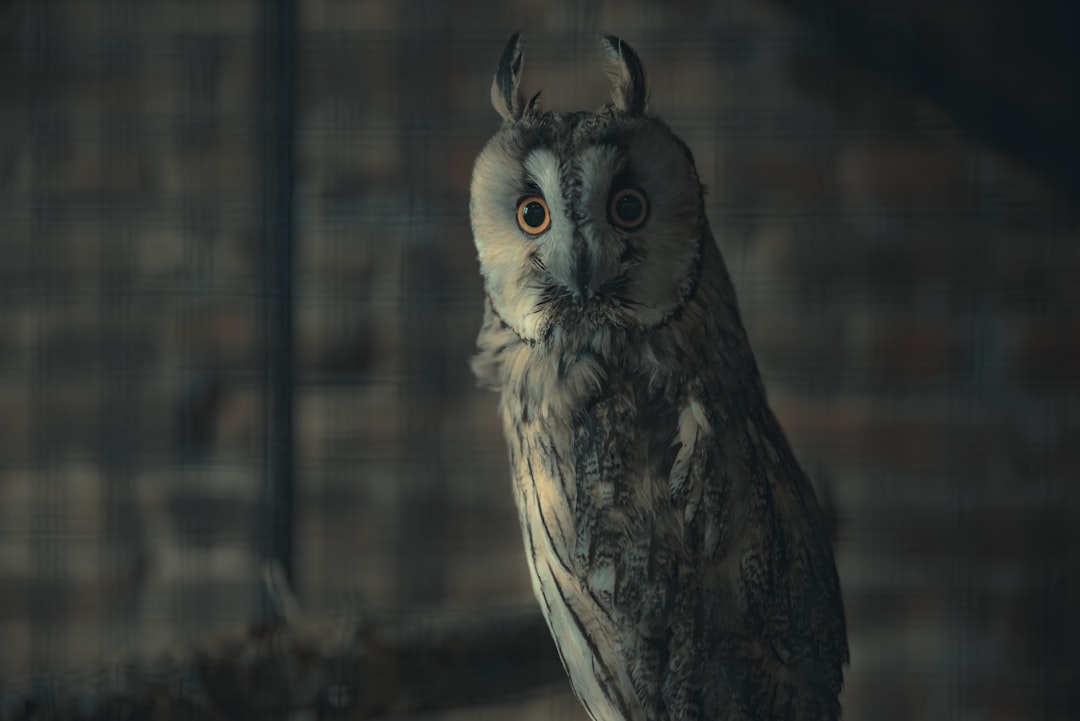
Sometimes owls are said to carry messages from beyond the grave or deliver supernatural warnings to people who have broken tribal taboos. This role as messenger positions the owl as a crucial communicator between different planes of existence. In Navajo tradition, owls are believed to carry messages about the future and serve as messengers from the supernatural world. In the Navajo belief system, The Owl is the envoy of the supernatural world and earth-bound spirits.
Some Native American tribes such as the Cherokee, Lakota, and Caddo believed that owls may bring news to medicine men who are able to understand them. This communication requires special training and spiritual sensitivity, highlighting the owl’s role in advanced spiritual practice.
Sacred Clan Totems and Cultural Identity
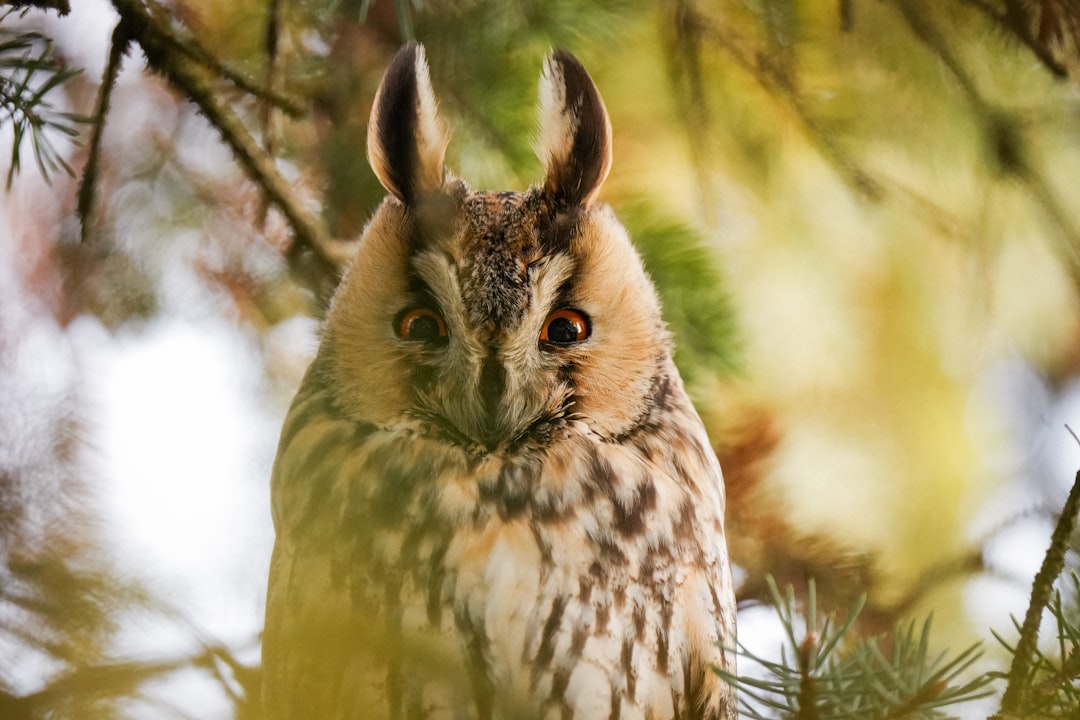
Owls are also used as clan animals in some Native American cultures. Tribes with Owl Clans include the Hopi tribe (whose Burrowing Owl Clan is called Kokongyam or Kokop-wungwa), the Tlingit, and the Mohave. These clan associations demonstrate the owl’s importance in tribal identity and social structure.
On the Northwest Coast, the owl is often used as a totem pole crest. The Creeks also have a Screech Owl Dance and a Horned Owl Dance among their tribal dance traditions. These ceremonial practices ensure the owl’s spiritual significance remains alive within community celebrations and cultural continuity.
Guardian of Dreams and Visions
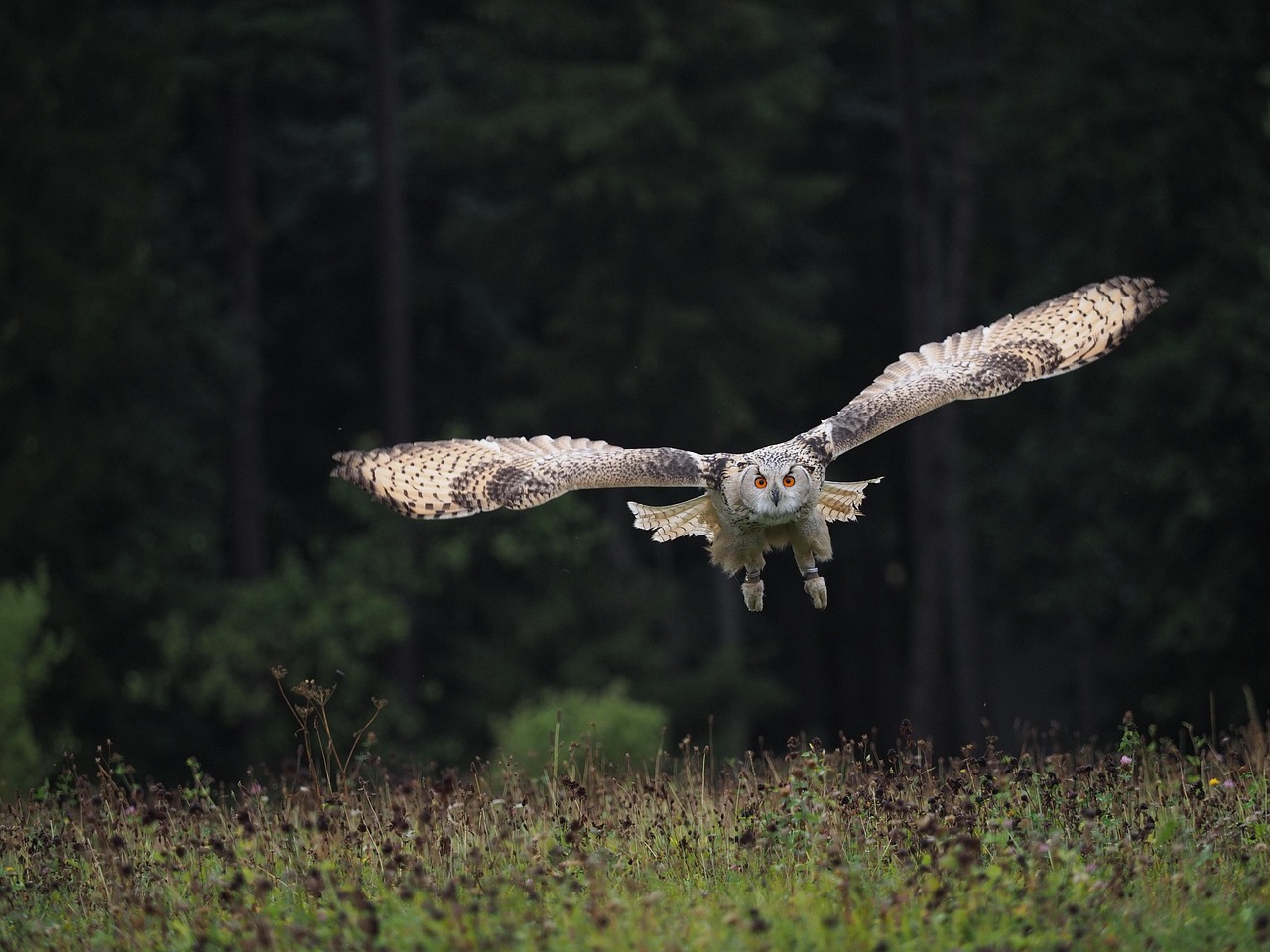
The Lenape Indians believed that if they dreamt of an Owl it would become their guardian. This dream connection reveals yet another layer of the owl’s spiritual importance. They often bring messages through dreams.
They said the owl brought messages at night through dreams. However, the Cherokees held sacred both the owl and cougar for their ability to see in the dark. This nocturnal vision extends into the realm of dreams and visions, where the owl serves as guide and protector for those seeking spiritual insight.
Conclusion
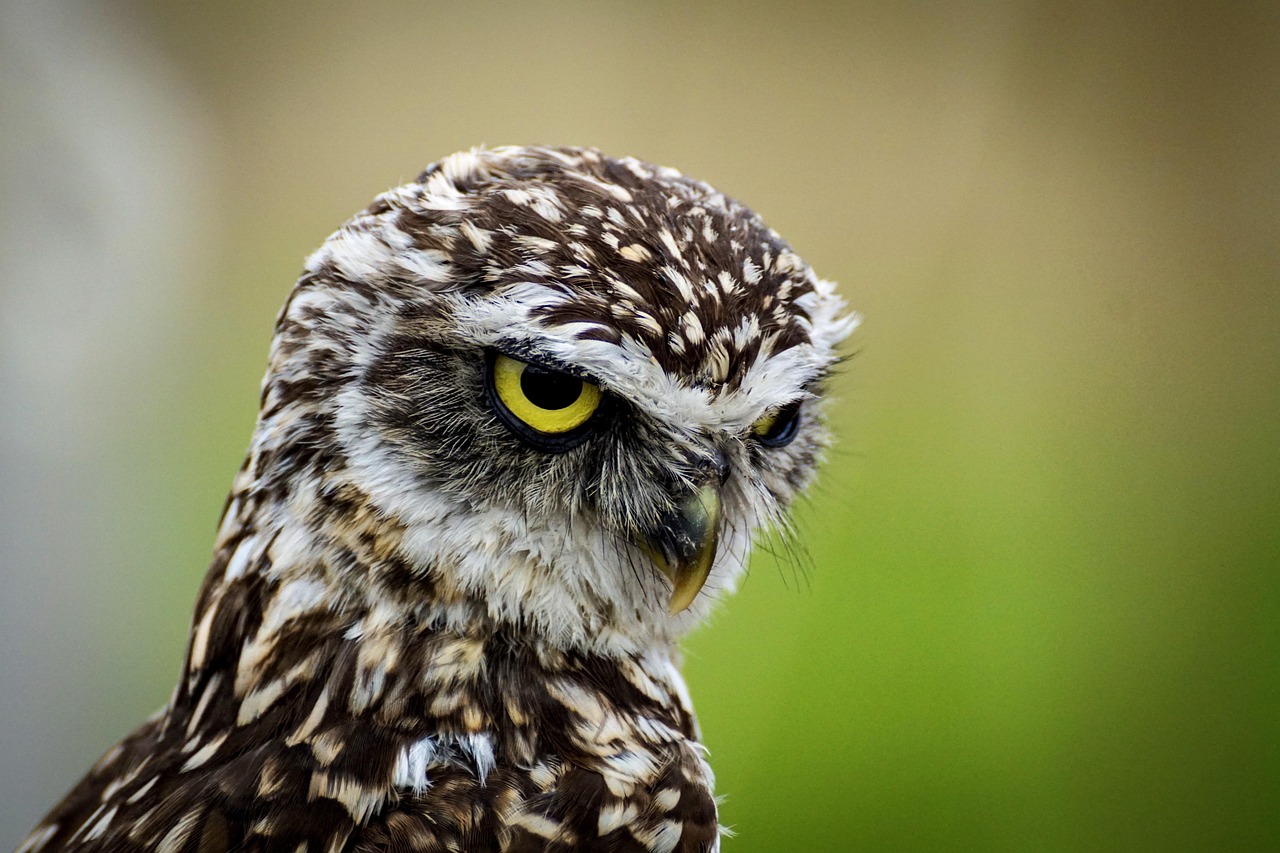
The owl’s revered status in Native American culture stems from its remarkable ability to navigate between worlds, serving as keeper of ancient wisdom, protector of warriors, messenger of spirits, and guardian of dreams. The symbolism of owls in Native American culture is as complex and diverse as the many tribes that make up this rich tapestry of traditions. Owls can represent both the shadowy realm of death and the ethereal world of ancient wisdom.
This magnificent bird continues to inspire reverence because it embodies the balance between light and darkness, known and unknown, physical and spiritual. Through its silent flight and penetrating gaze, the owl reminds us that true wisdom often comes from embracing mystery rather than demanding certainty. What aspect of the owl’s medicine speaks most powerfully to your own spiritual journey?

- 5 Disaster Theories That Keep Scientists Up at Night - July 11, 2026
- 7 Easy Ways to Make Your Home Pet-Friendly - July 11, 2026
- Why Does Death Valley Sit Below Sea Level? - July 11, 2026