
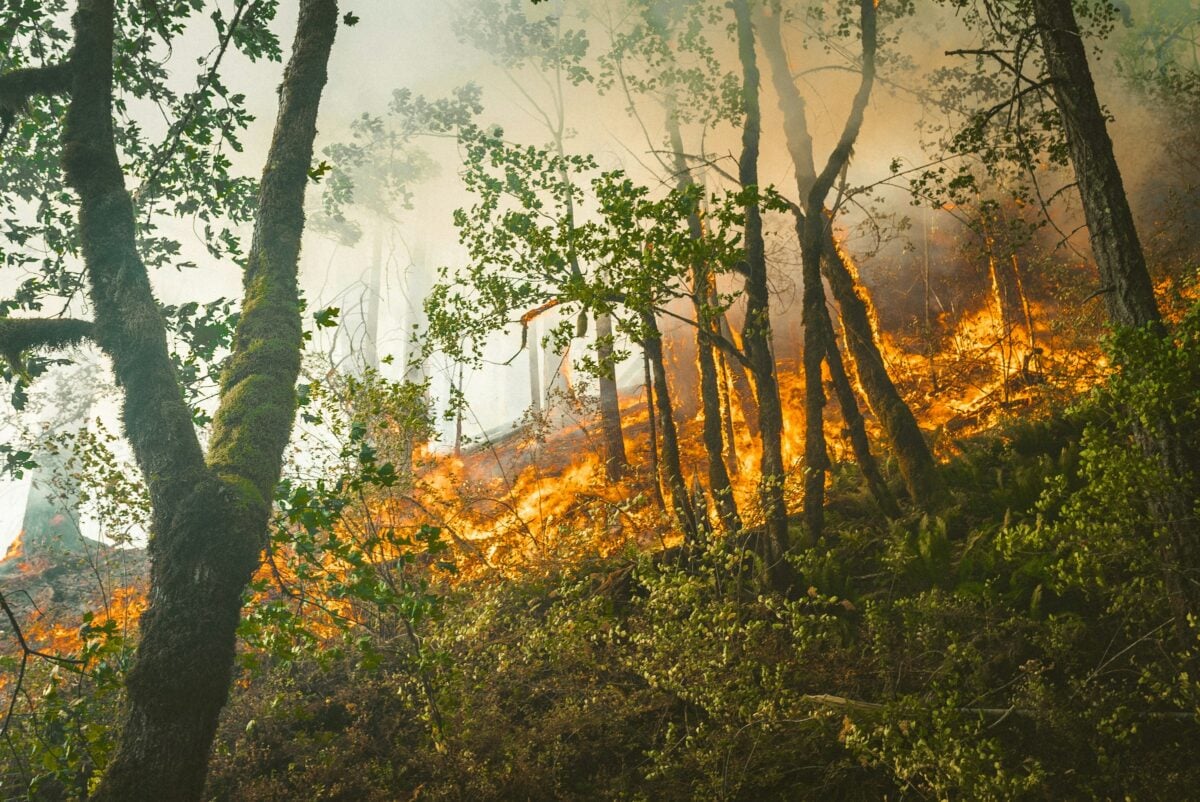
Ask anyone who has lived in California for a couple of decades, and they’ll probably tell you the same thing. Fire season used to feel like a stretch of late summer. Now it can feel like a permanent background condition, with smoky skies, go bags by the door and a weather app that gets checked more often than it should.
Scientists have spent years trying to explain why. The answer isn’t one villain. It’s a pileup of changes in climate, forests, wind, land management and where people choose to live, and each one makes the others worse.
A Warmer Climate Is Drying Out the Landscape
🔥 Would you like to save this?
We'll email this post to you, so you can come back to it later!
California has warmed by a few degrees Fahrenheit over the past century, and that matters more than it sounds. Warmer air pulls more moisture out of soil, grass, shrubs and trees. Researchers describe this using a measure called vapor pressure deficit, which is basically how thirsty the atmosphere is.
When that thirst rises, plants dry out faster and stay dry longer. Fuel that once needed weeks of hot weather to become flammable can get there much sooner. Studies of the western United States have tied human-caused warming to a large increase in the area burned over recent decades, which is why climate scientists treat it as a central driver rather than a side factor.
Shrinking Snowpack and Longer Dry Seasons
🔥 Would you like to save this?
We'll email this post to you, so you can come back to it later!
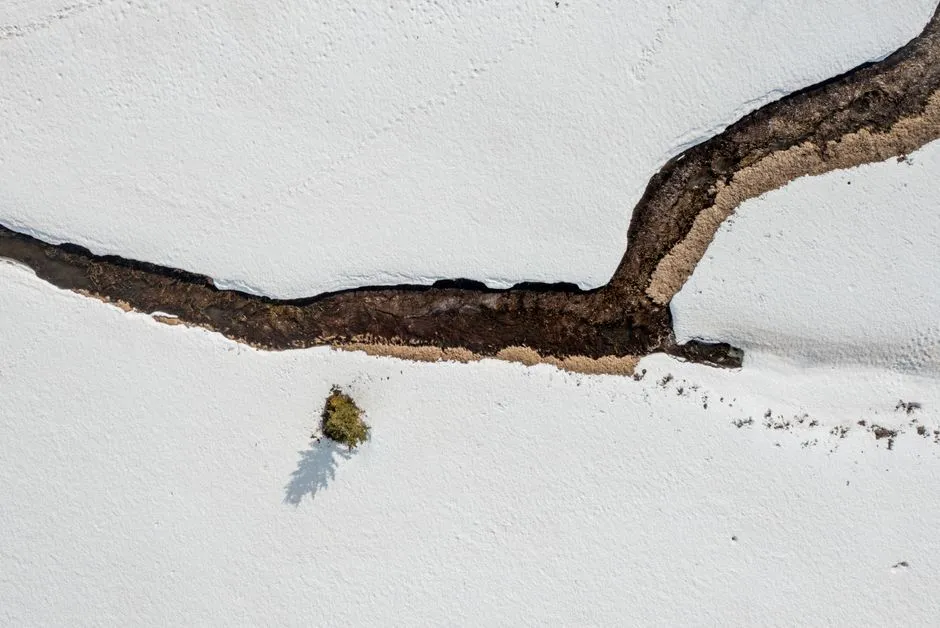
California’s mountains act like a slow release water tank. Snow piles up in winter, then melts gradually through spring and summer, feeding soil and streams. As temperatures rise, more precipitation falls as rain, and the snow that does fall melts earlier.
The result is a longer stretch of dry ground before the first autumn rains arrive. That stretches the window in which a spark can turn into a major fire. It also helps explain why big fires now show up in months that used to be considered shoulder season.
Whiplash Weather and the Fuel It Creates
🔥 Would you like to save this?
We'll email this post to you, so you can come back to it later!
California has always swung between wet and dry years, but scientists say those swings appear to be getting sharper. A wet winter makes grasses and brush grow thick and fast. Then a hot, dry stretch turns all of that new growth into kindling.
Deep droughts add their own damage. The drought from roughly 2012 to 2016, along with a bark beetle outbreak, killed well over a hundred million trees in the Sierra Nevada and nearby forests. Standing dead timber burns easily and intensely, so those forests became far more dangerous than their green counterparts.
A Century of Fire Suppression Left Forests Overloaded
🔥 Would you like to save this?
We'll email this post to you, so you can come back to it later!
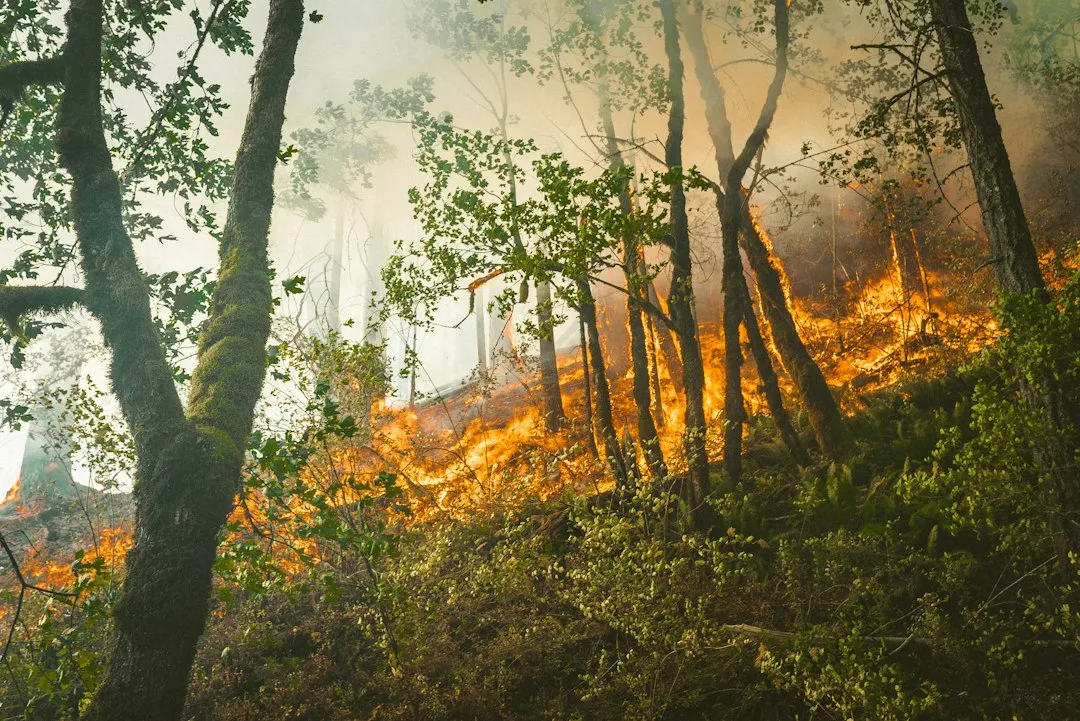
Climate isn’t the whole story. For much of the twentieth century, the policy was to put out nearly every fire as fast as possible. That sounds sensible, but many western forests evolved with frequent, lower intensity burns that cleared out undergrowth and kept stands relatively open.
Without those burns, many forests filled in with small trees and brush. When fire finally arrives, it can climb into the crowns and burn much hotter than it once would have. Indigenous communities in California practiced cultural burning for generations, and there’s growing interest in bringing back prescribed and cultural fire. Still, the work is slow, and it competes with limited budgets, smoke concerns and narrow weather windows.
Wind Turns a Fire Into a Runaway Event
🔥 Would you like to save this?
We'll email this post to you, so you can come back to it later!
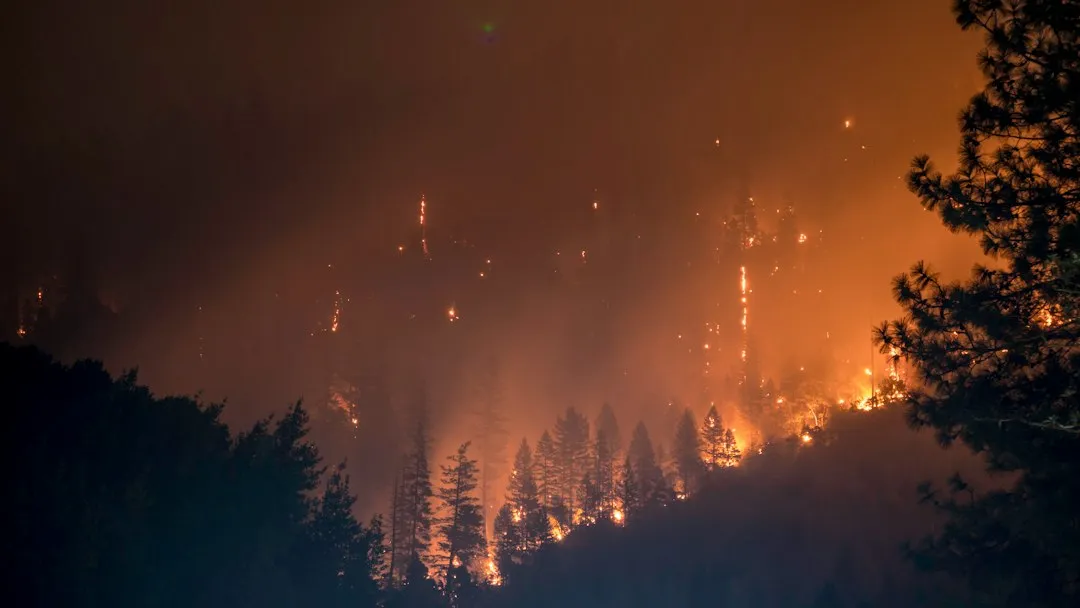
Dry fuel is the setup. Wind is often what turns it into a disaster. Southern California’s Santa Ana winds and Northern California’s Diablo winds blow hot, dry air downslope, pushing flames and throwing embers far ahead of the main fire front.
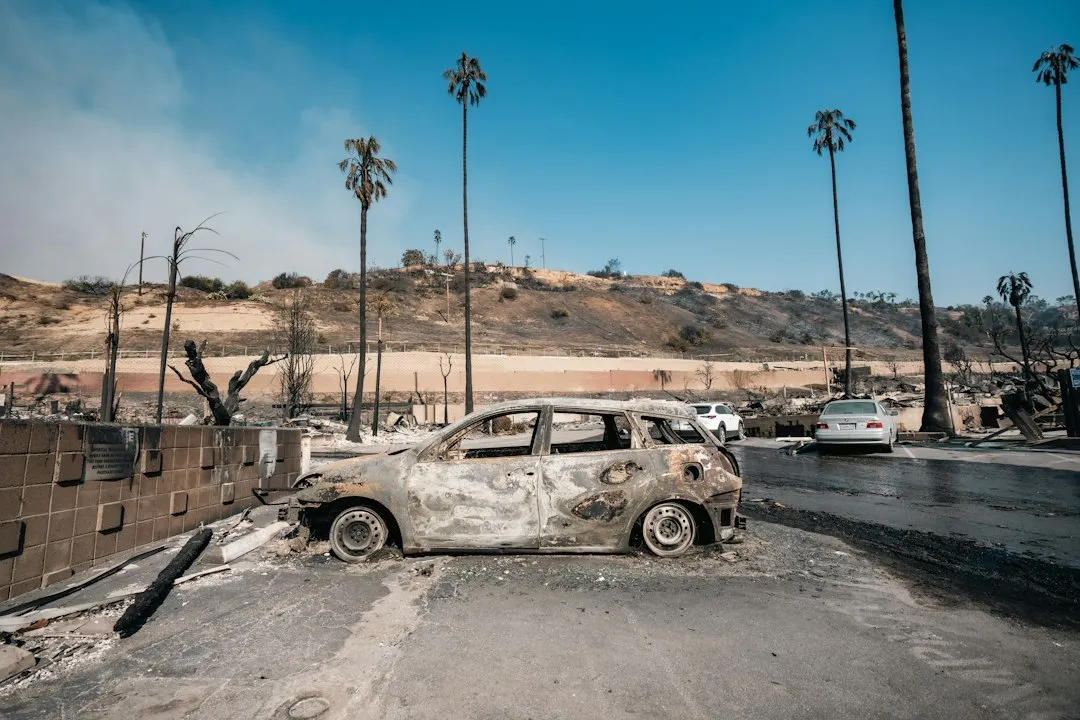
That’s how fires can jump highways, neighborhoods and even firefighting lines. The deadly Camp Fire in 2018, which destroyed most of the town of Paradise, spread at terrifying speed under those conditions. In January 2025, fires in the Los Angeles area, including the Palisades and Eaton fires, showed again how wind and dry vegetation can overwhelm even well-resourced fire departments.
More Homes in Harm’s Way, and More Sparks
🔥 Would you like to save this?
We'll email this post to you, so you can come back to it later!
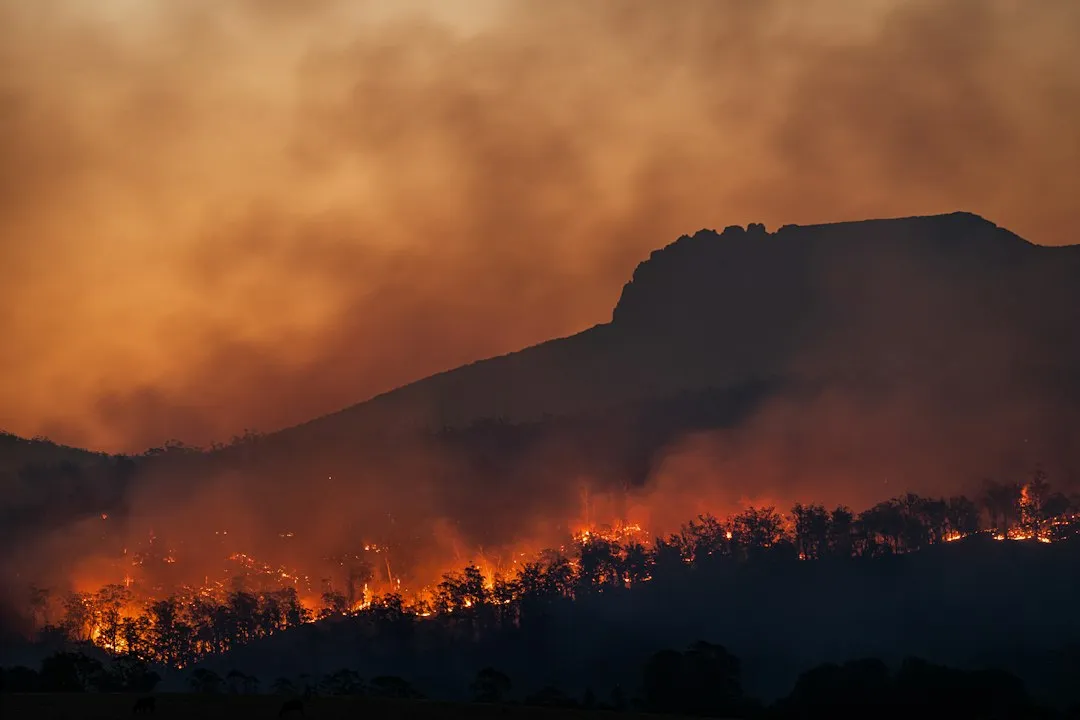
Millions of Californians now live in the wildland urban interface, where neighborhoods meet natural vegetation. More people there means more ignition sources, from equipment and vehicles to power lines and electrical failures. Humans are responsible for the majority of wildfire ignitions overall, while lightning tends to cause fewer fires but some very large ones.
Homes also change how fires behave and how they’re fought. Crews have to prioritize evacuations and structure protection, which can pull resources away from stopping the fire at its source. Building materials, spacing and defensible space around houses can make a real difference, but retrofitting older communities takes time and money.
Final Thoughts: We Can’t Treat This as Bad Luck
🔥 Would you like to save this?
We'll email this post to you, so you can come back to it later!
It’s tempting to describe every big California fire as a freak event. The science points the other way. Hotter, drier conditions, overgrown forests, powerful winds and growing development have lined up in ways that make extreme fires more likely, and calling them rare is starting to feel like denial.
My own view is that the most frustrating part is how much of this is within reach. We can’t change the wind, but we can speed up forest thinning and prescribed burns, harden homes, fix aging electrical infrastructure and take emissions seriously. None of it is quick or cheap, yet waiting has its own price, and Californians have been paying it for years.

- 7 Everyday Habits That Can Make Your Senior Dog Happier - November 5, 2026
- 10 Enigmatic Structures That Continue to Puzzle Scientists Today - November 5, 2026
- 10 Strange Ruins in the Americas That Challenge What We Know About Early History - November 5, 2026