
A body built for endurance, not comfort
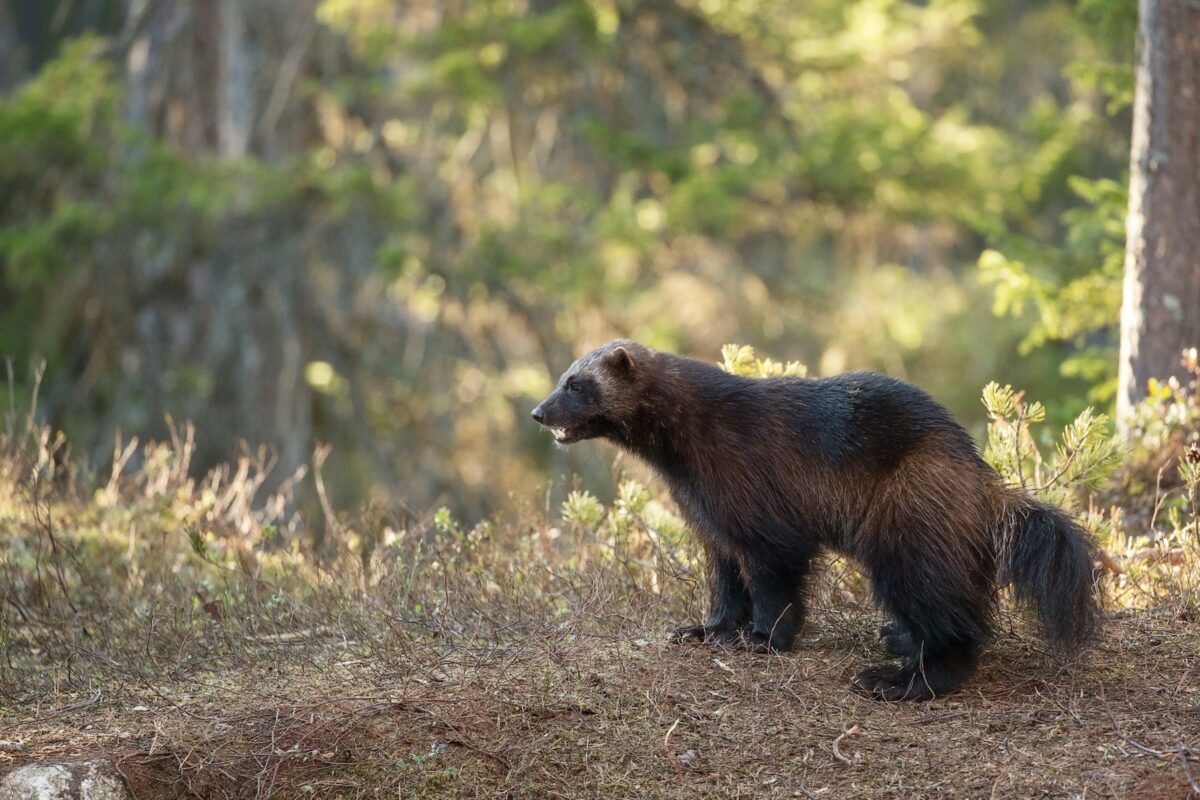
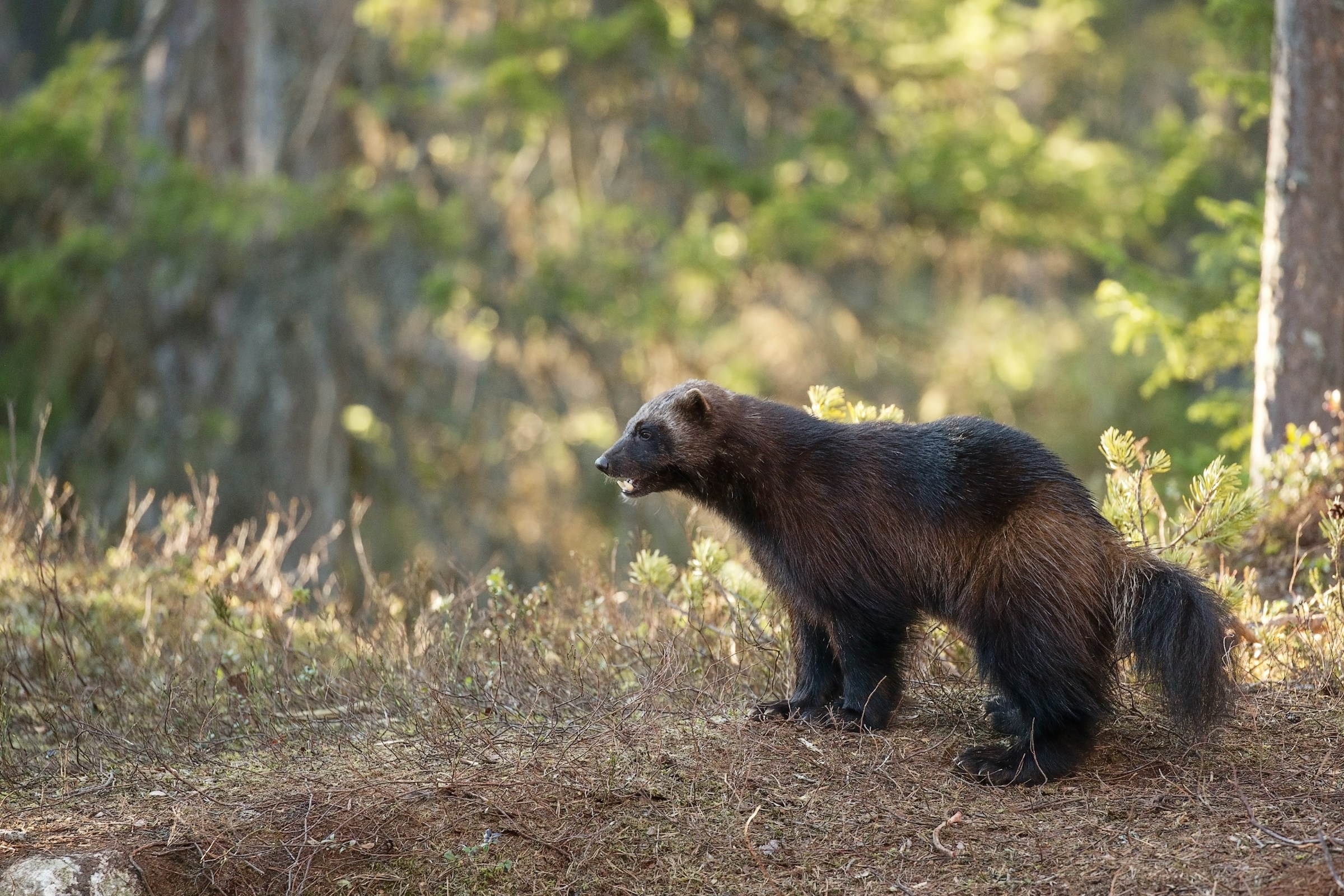
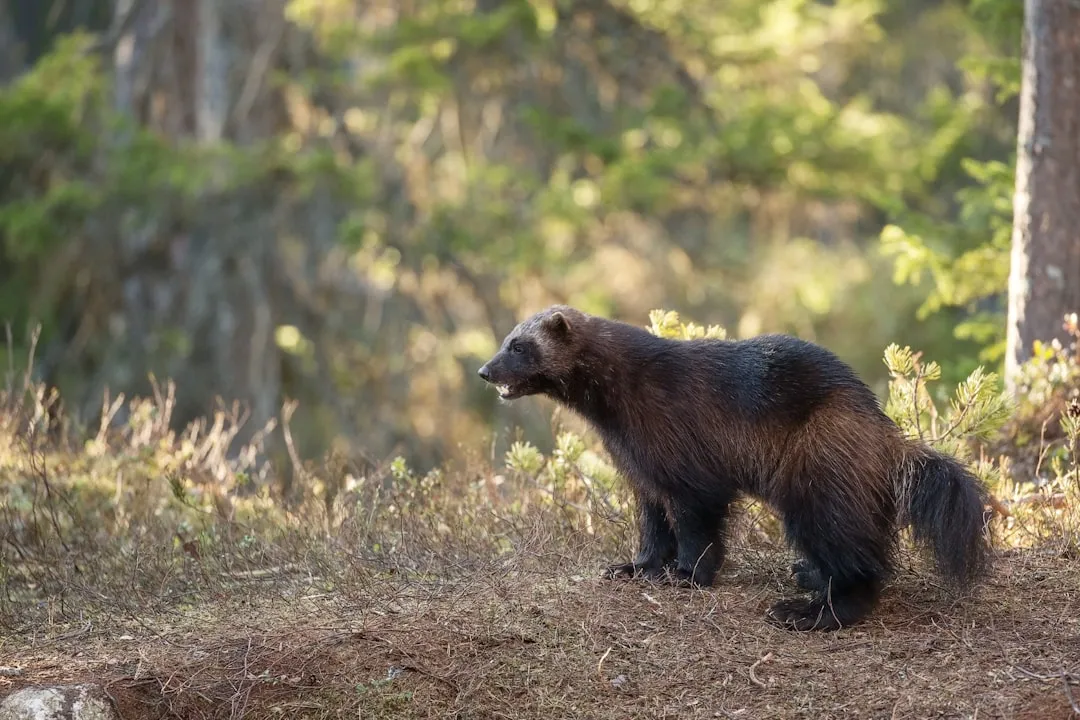
Wolverines look almost bear-like at a glance, stocky and low to the ground, but their build is deceiving. They have tremendous physical endurance, and movements of 40 miles in a day have been documented. That kind of stamina doesn’t come from speed alone, it comes from a metabolism and muscle structure tuned for sustained effort over rough terrain.
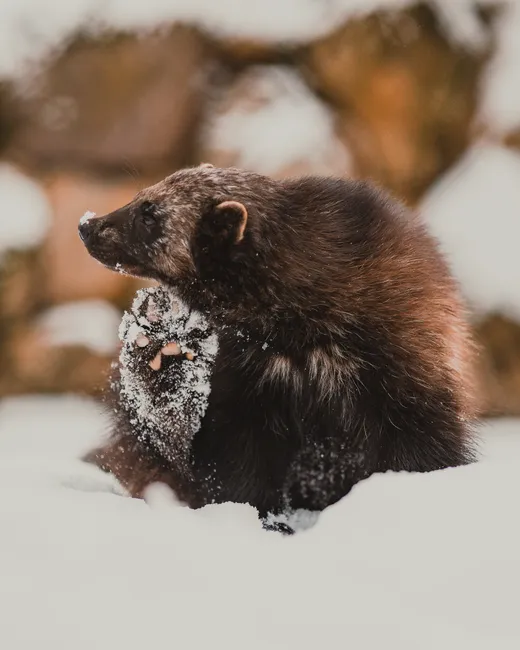
Their wide paws act almost like snowshoes, spreading weight across deep snowpack that would exhaust most other carnivores. Combine that with thick, frost-resistant fur and a low center of gravity, and you get an animal that treats mountain passes and frozen valleys as a normal Tuesday commute rather than an obstacle course.
Territories that dwarf the animal itself
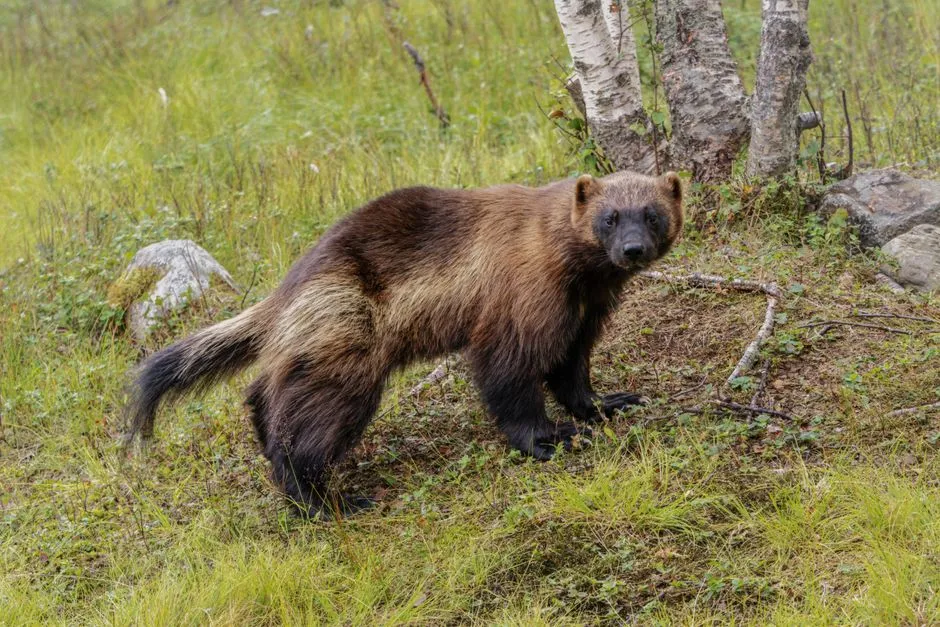
Given how big wolverines roam, it’s almost funny how small they actually are, usually somewhere between a large housecat and a small dog in body size. Yet home ranges can vary from 100 to 600 square miles, and in some northern regions the numbers climb even higher.
In Montana, the home range of a male wolverine averages 163 square miles and a female’s averages 150 square miles, while in some areas farther north, home ranges are as large as 400 square miles. Researchers studying the species have suggested this is because home range sizes are large relative to the body size of wolverines, possibly indicating that they occupy a relatively unproductive niche in which they must forage over large areas to meet their caloric needs. In plain terms, there simply isn’t enough food in any one spot to keep a wolverine fed, so the territory has to stretch to make up for it.
The daily grind of finding a meal
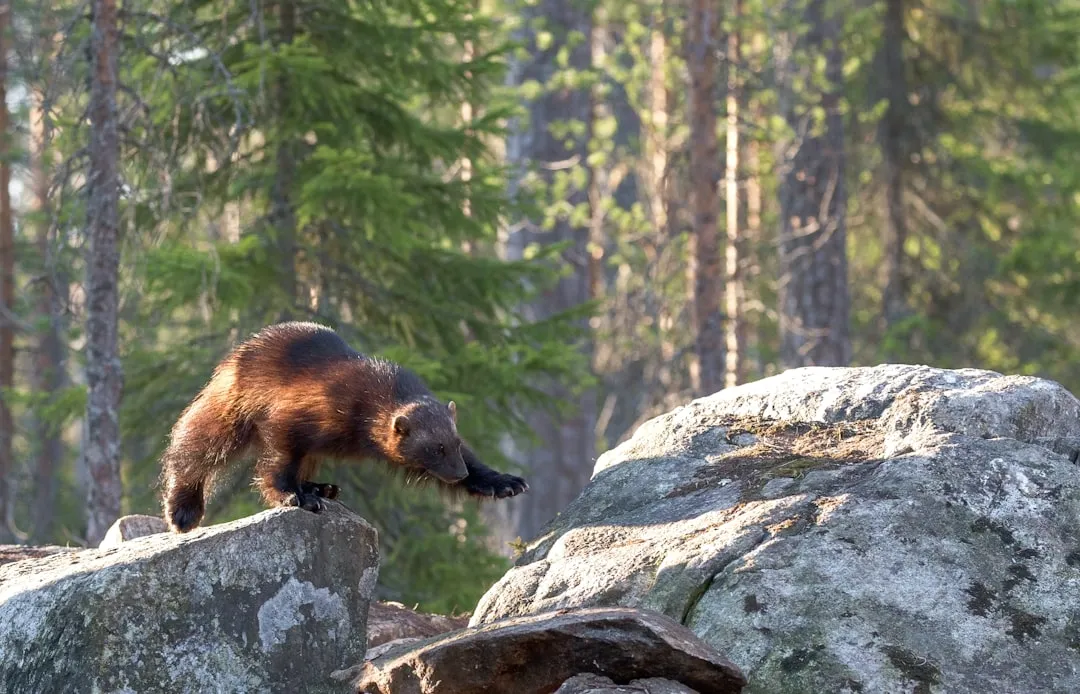
Unlike predators that can rely on a defended patch of dense prey, wolverines operate more like scavenging opportunists spread across a sparse landscape. Wolverines are known to cover more ground than any other carnivore, sometimes 30 to 40 miles a day in search of food. That’s not an occasional burst of activity either, it’s closer to a routine.
They travel their entire home range in seven to ten days, often crisscrossing their own trails, which suggests a kind of patrol pattern rather than random wandering. Along the way, they move in a shuffling lope and only slow down to investigate a potential meal, to scent mark, or when they tire in soft snow. It’s less a chase and more a relentless, ground-covering search that never fully stops.
M56 and the journeys that made headlines
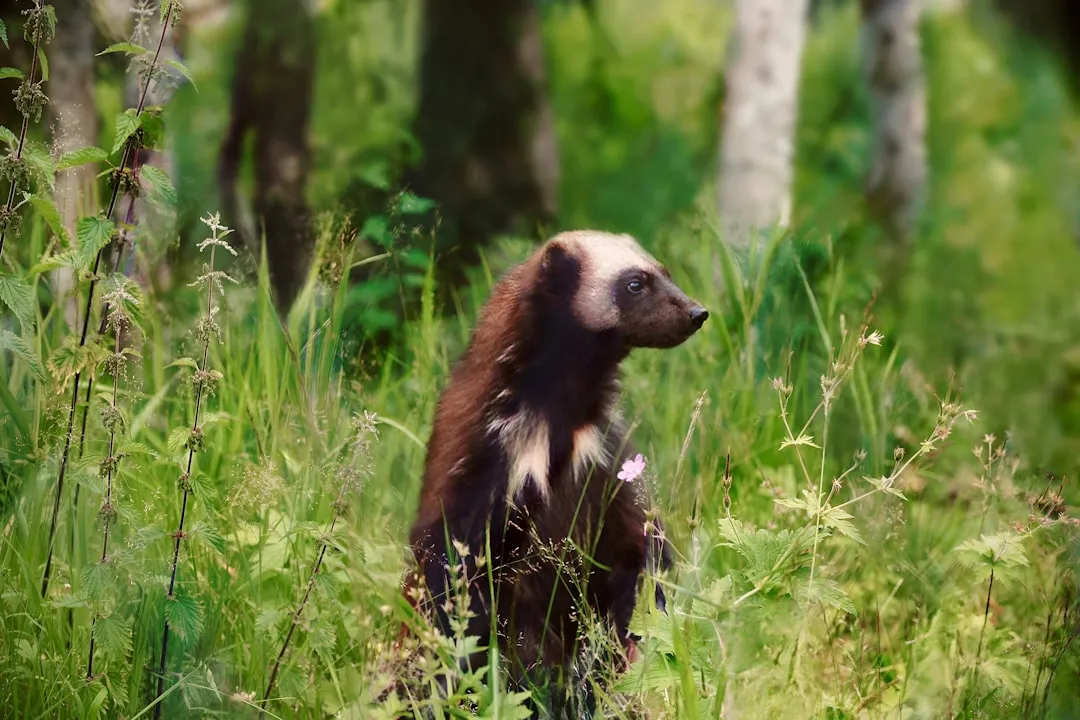
Some individual wolverines have become minor celebrities in wildlife circles simply because of where they ended up. The most famous case involves a young male wolverine researchers tagged in Wyoming near Grand Teton National Park, who then traveled southward for about 500 miles, becoming the first wolverine seen in Colorado since 1919.
That same animal, known as M56, kept going. In May 2016 he was killed by a cattle ranch hand in North Dakota, ending a greater than 800 mile trip, and marking the first verified sighting of a wolverine in North Dakota in 150 years. A separate GPS-collared male in the Greater Yellowstone region put on a similarly wild display of stamina, when a wolverine whose territory covered 14,000 square miles traveled 250 miles in 19 days. These aren’t outliers dreamed up for a good story, they’re documented, collared, verified journeys that reshape how scientists think about the species’ true range.
Males wander, females stay closer to home
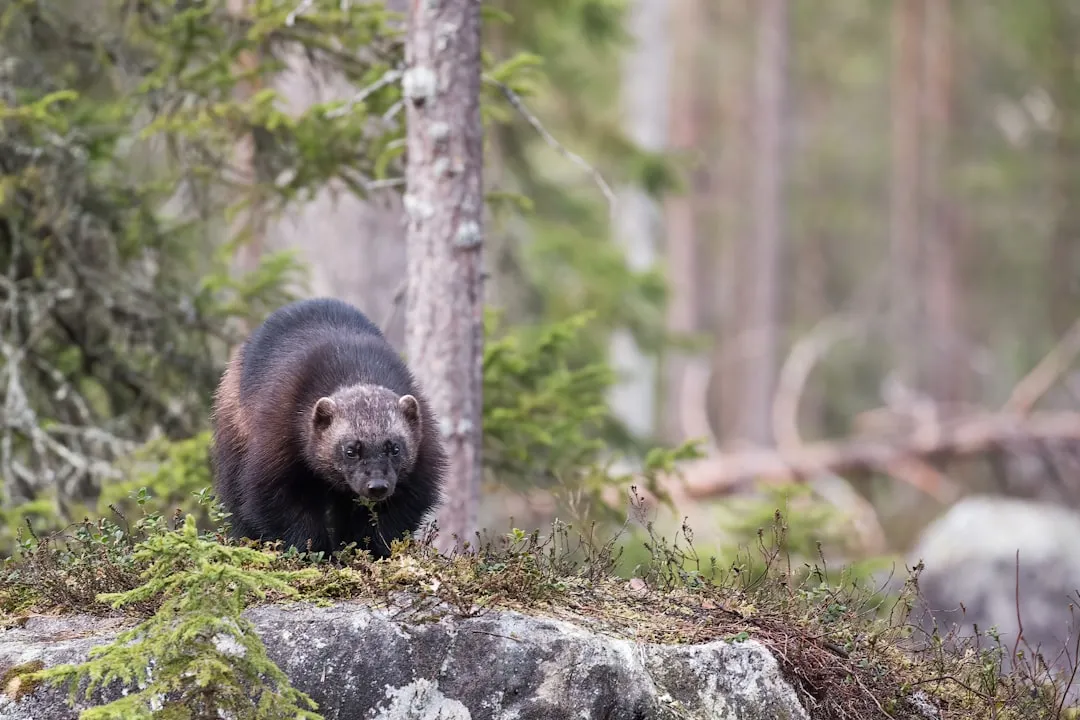
Not every wolverine is built for the marathon dispersal that made M56 famous. Male wolverines may travel hundreds of miles to establish new territories, but females typically stay close to their birthplace and maintain smaller home ranges. This split isn’t random, it reflects two very different survival strategies playing out in the same species.
Wildlife researchers point to competition as the underlying driver. Competition for resources seemed to determine the female dispersal pattern, while competition for mates seemed to explain the male dispersal pattern. Even so, all males and roughly two thirds of females eventually disperse from their natal territory, meaning long-distance movement isn’t purely a male habit, it’s just more pronounced and more visible in males.
Scarcity, snow, and the pressure to keep moving
Climate and food distribution sit at the center of nearly every explanation for wolverine wandering. Federal wildlife researchers note that the availability and distribution of food is likely the primary factor in determining wolverine movements and home range. Wolverines aren’t chasing herds, they’re often relying on scattered carrion, buried caches, and seasonal prey pockets that shift with the weather.
Snow adds another layer entirely, since wolverines depend on persistent snowpack for denning and cold storage of food. Studies in Southcentral Alaska found that wolverines preferred higher elevations during summer and lower elevations during winter due to varying food availability, and data indicate that wolverines will move long distances in short periods of time to take advantage of these resource sites. As snowpack patterns shift with a warming climate, that already thin margin of usable habitat becomes even harder to predict, which may only push wolverines to travel farther in search of reliable conditions.
Why this matters for conservation today
Long-distance dispersal isn’t just a curiosity for wildlife photographers, it’s central to whether wolverine populations can recover in places they’ve disappeared from. This dispersal pattern is one of the main reasons wolverine populations struggle to naturally expand into new areas, since dispersal is when animals move away from where they were born to find new places to live and start families. Because females tend to stay put, natural recolonization of empty habitat is painfully slow, even when males are covering hundreds of miles.
That gap is exactly why active reintroduction efforts have gained traction recently. In 2024, Colorado’s state government passed a bill authorizing the reintroduction of wolverines into the state, and as of February 2026, Colorado Parks and Wildlife plans to release 15 wolverines annually over the course of three years. Bringing females directly into good habitat, rather than waiting for one to wander in on her own, is a deliberate workaround for a biological pattern that otherwise leaves suitable territory sitting empty for decades.
The takeaway
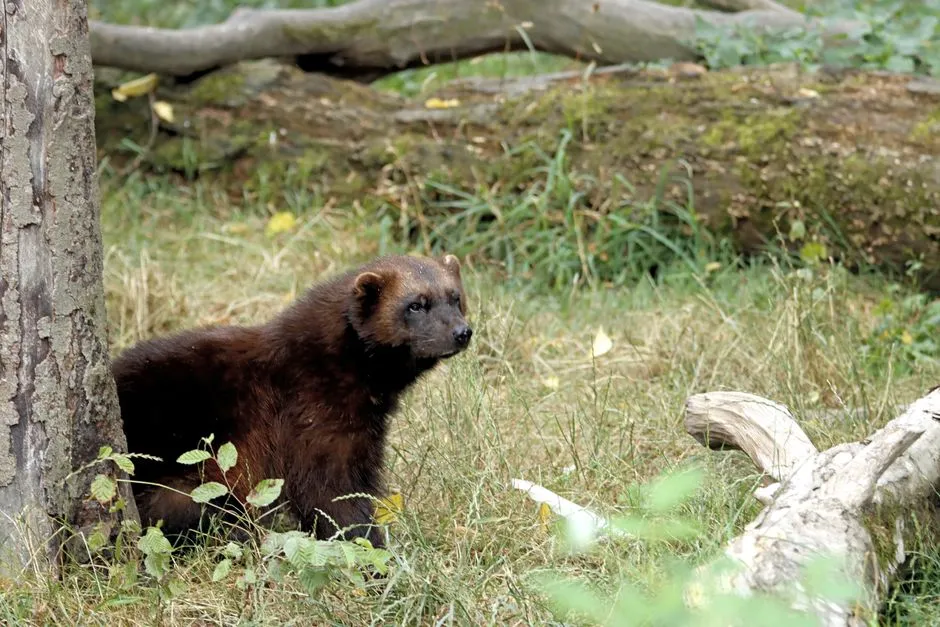
Reading through the research, I keep coming back to how little the wolverine’s travels have to do with restlessness and how much they have to do with sheer necessity. This is not an animal exploring for the fun of it, it’s an animal doing math with its own body, constantly weighing calories spent against calories found across a landscape that rarely gives much back.
If there’s an opinion worth holding here, it’s this: the wolverine’s willingness to cross hundreds of miles of brutal terrain says less about the animal’s temperament and more about how demanding its environment truly is. Reintroduction programs like Colorado’s are a reasonable response to that reality, not a sentimental gesture. Wolverines have never asked for an easy range, but they may need a little help finding one large enough to survive in.
