
Owning a turtle can be a rewarding experience. These charming reptiles captivate many pet owners with their serene demeanor and fascinating behavior. However, the commitment to caring for a turtle is substantial, and some owners may consider releasing their pets into the wild for various reasons. Despite seemingly benign intent, this decision can have detrimental consequences for both the turtle and the local ecosystem. This article explores why releasing a pet turtle into the wild is never a good idea, shedding light on ecological, environmental, and health-related factors.
Impact on Local Ecosystems

Introducing a non-native turtle species into the wild can significantly disrupt local ecosystems. Turtles that are not indigenous to a region might not have natural predators there, allowing their population to grow unchecked. This can lead to competition for resources with native species and an imbalance in the ecosystem’s natural order, potentially driving local fauna to extinction.
Transmission of Diseases

Pet turtles often carry pathogens and diseases that they have acquired through human contact or other means while in captivity. These diseases can be transmitted to wild populations, which have no immunity against them, creating disease outbreaks that may decimate local turtle populations and other wildlife.
Reduced Survival Odds
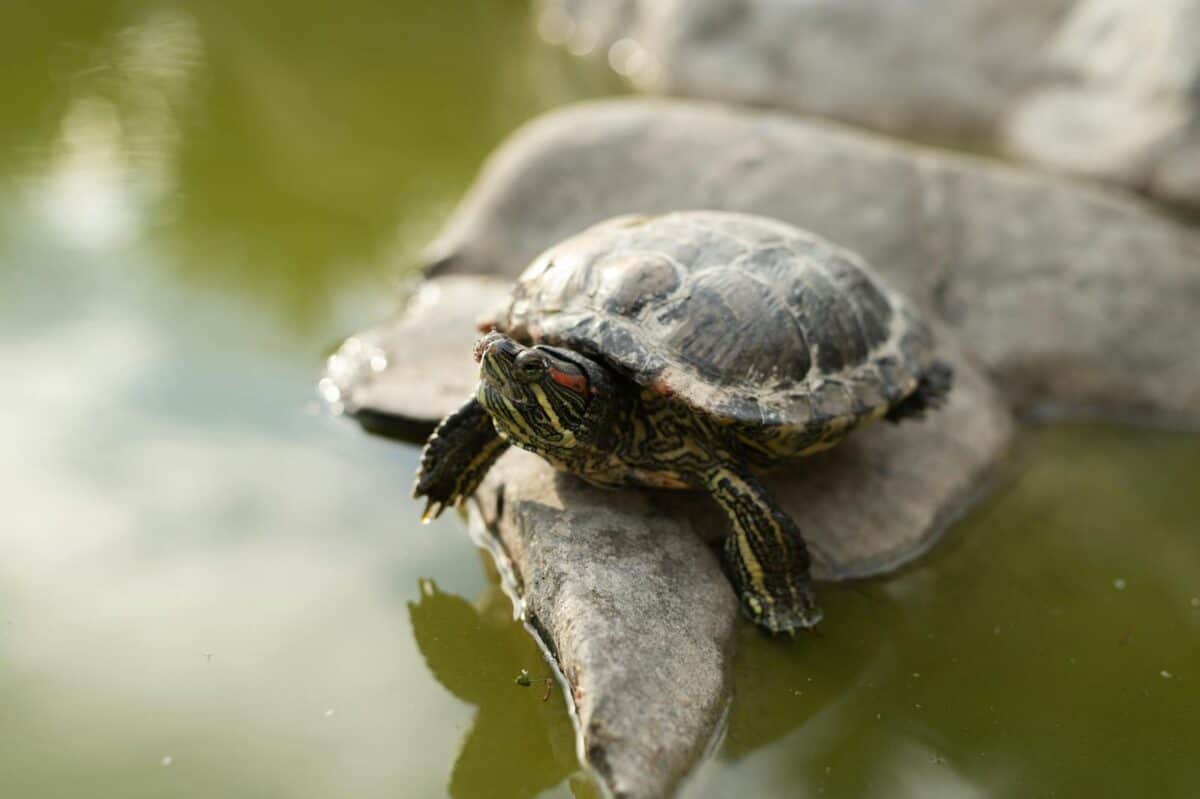
Pet turtles are usually accustomed to a controlled environment with regular feeding and protection from predators. When released into the wild, they may lack the skills necessary for survival, finding it challenging to procure food or identify threats, significantly reducing their odds of surviving in a natural setting.
Altered Predator-Prey Dynamics
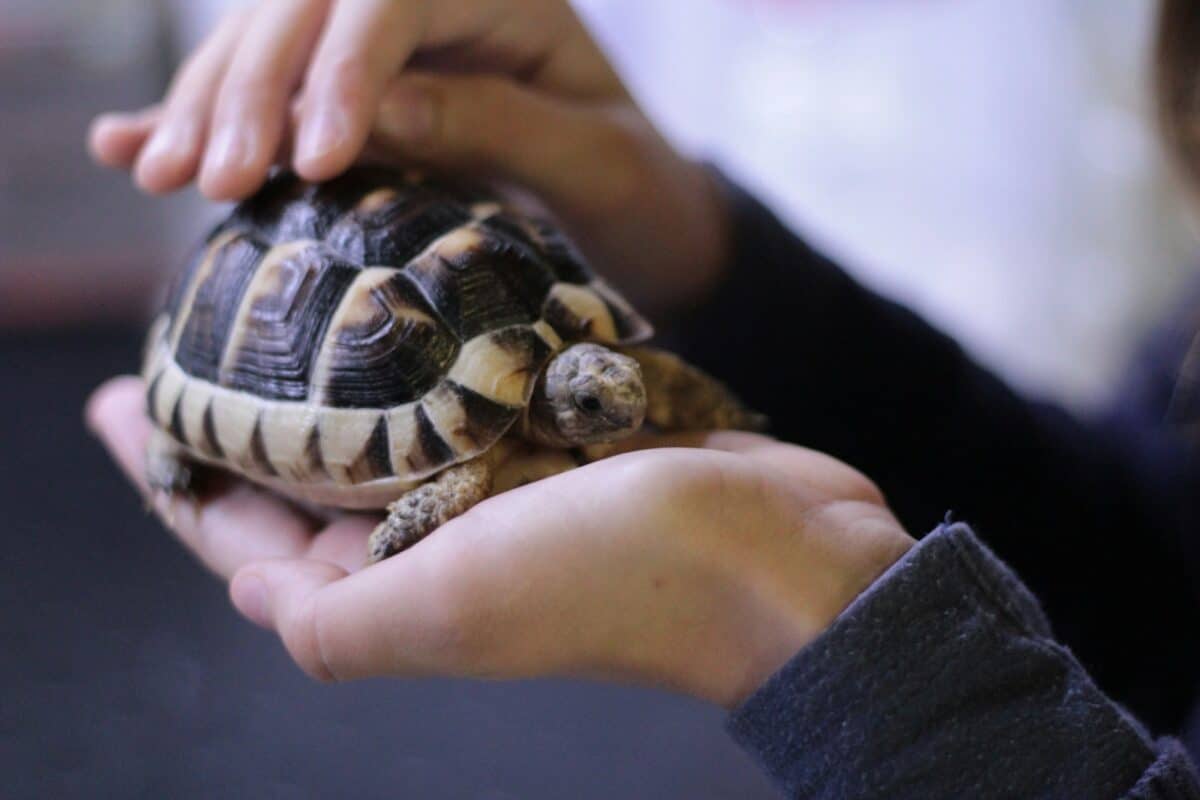
The introduction of turtles as prey or predators can alter existing food webs. If a pet turtle becomes prey, it may increase predator populations, which subsequently affects other prey species. Alternatively, if it preys on native species, it could lead to the decline of those populations, disrupting the ecological balance.
Inbreeding and Hybridization
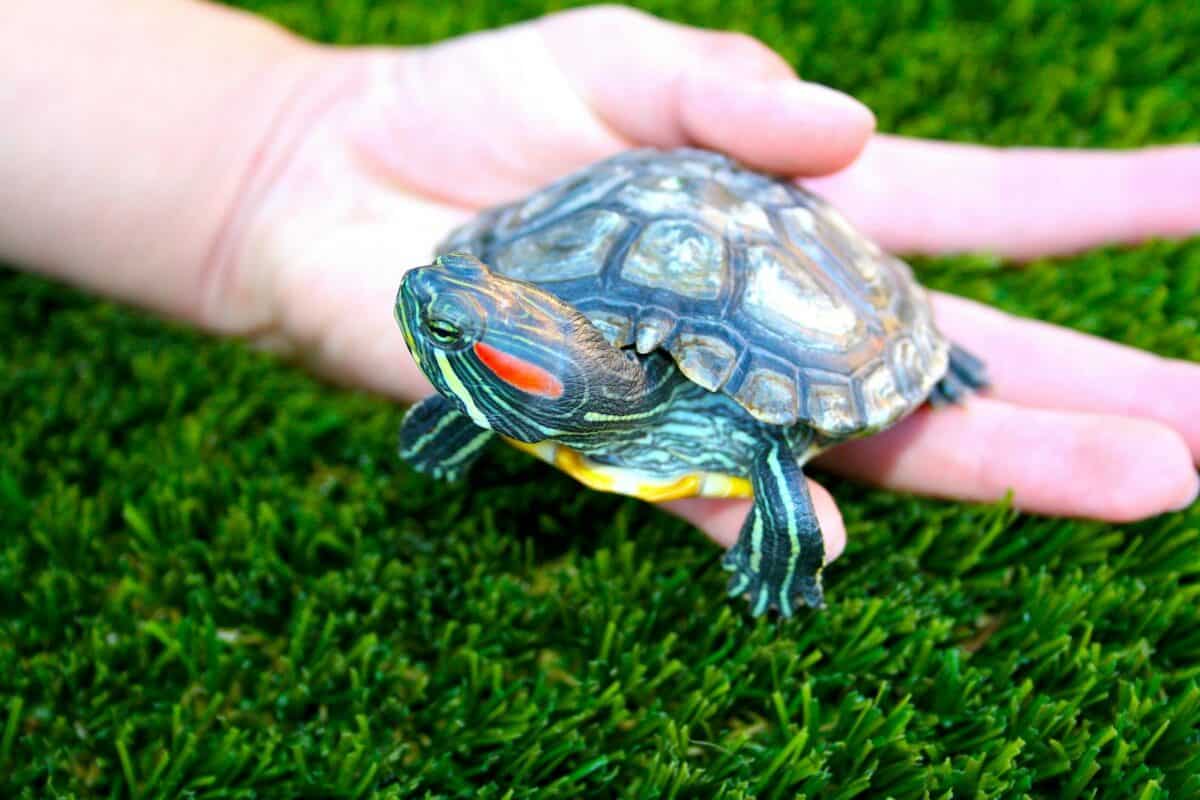
Should a released turtle mate with a wild native species, it could result in hybrid offspring. This hybridization can dilute the gene pool of native species, leading to the loss of unique genetic traits and further endangering localized turtle populations.
Legal Consequences

In many areas, releasing non-native species into the wild is illegal due to the potential harm it can cause to local wildlife and habitats. Pet owners found violating these laws could face fines and legal repercussions, further underscoring the importance of responsible pet management.
Imbalance in Aquatic Ecosystems

Turtles play a vital role in maintaining healthy aquatic ecosystems by controlling vegetation growth and contributing to nutrient cycling. Introducing an excess number of turtles from releases can lead to overgrazing, depleting aquatic plants that serve as a habitat and food source for other species, and affecting water quality.
Ethical Considerations

Releasing a pet turtle is an ethical issue as well, considering the probable suffering it might endure in the wild. Inadequately prepared to fend for themselves, released turtles may die from starvation, disease, or predation, making their release an act of cruelty rather than kindness.
Better Alternatives to Releasing
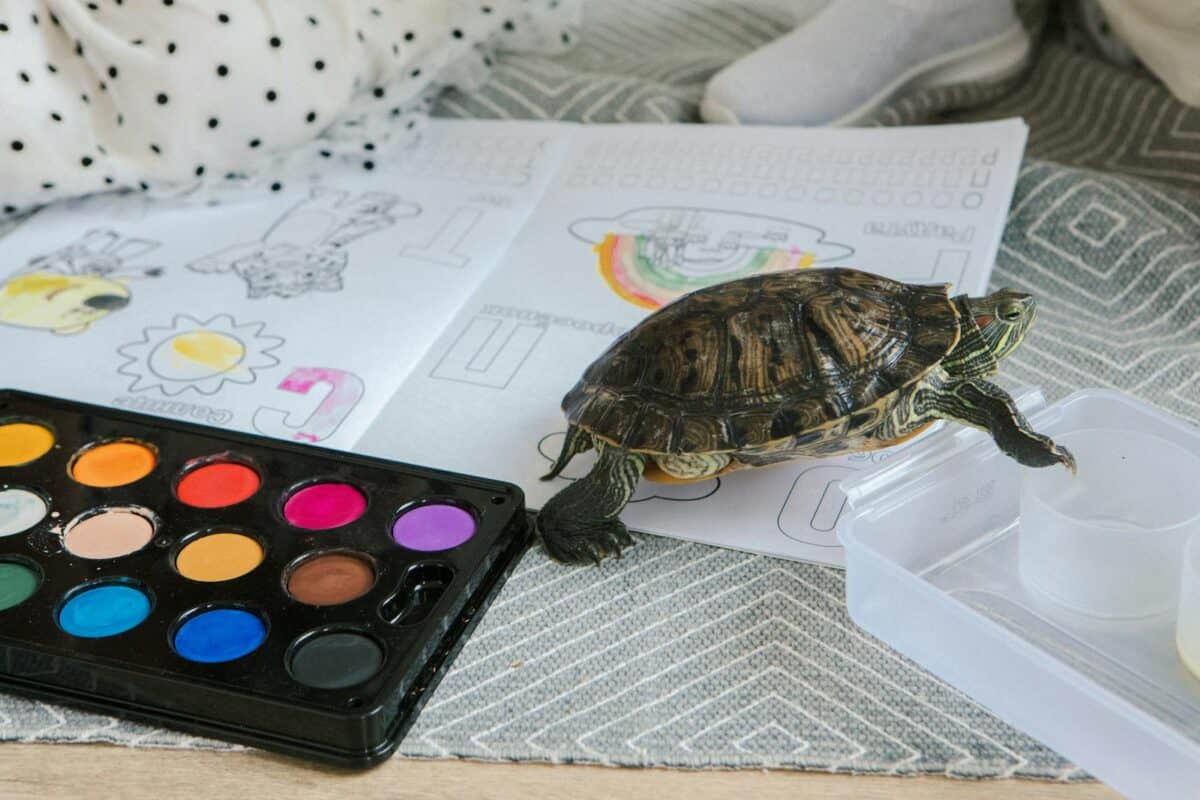
For turtle owners unable to care for their pets, surrendering them to a reptile rescue center or seeking help from zoos or aquariums can provide a safe and humane alternative. These organizations have the necessary expertise to care for and potentially rehome the turtles without impacting wild populations.
Educational Role of Pet Turtles

Owning a pet turtle can serve as an educational experience, teaching responsibility and providing insight into reptilian habits and needs. This learning opportunity can foster a greater appreciation for wildlife, while also emphasizing the importance of not interfering with natural ecosystems.
Long-Term Commitment of Turtle Ownership
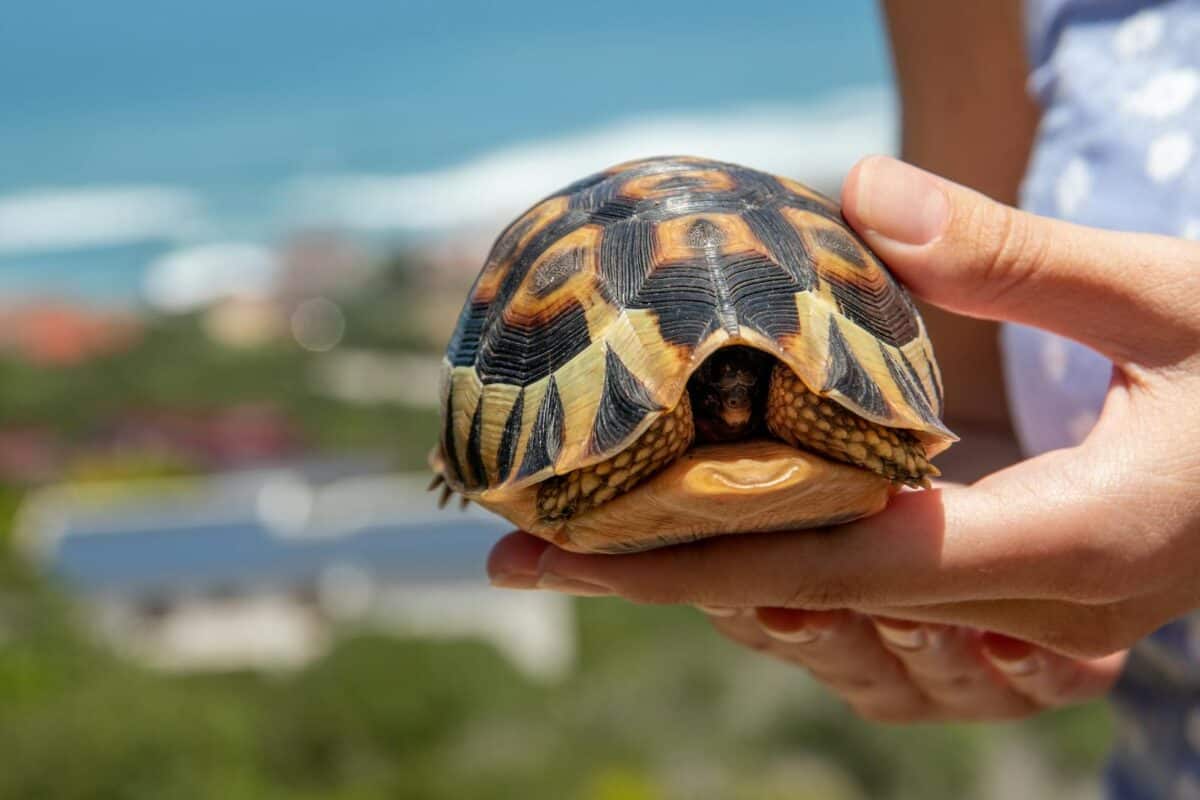
Potential turtle owners should be aware of the long lifespan and specific care requirements that come with having a turtle as a pet. Educating oneself before acquiring a turtle ensures informed decisions are made, reducing the likelihood of having to consider releasing the pet in the future.
Global Impact of Species Introduction

The ripple effect of introducing non-native species to new environments has been extensively documented across the globe, leading to invasive species scenarios. These scenarios are costly to manage and often irreversible, underscoring the importance of responsible pet ownership and ecology.
In conclusion, the choice to release a pet turtle into the wild poses significant ecological, legal, and ethical implications. Pet owners are encouraged to adopt responsible approaches to turtle care and explore rehoming options if necessary. By understanding the responsibilities and consequences associated with turtle ownership, individuals contribute positively to both animal welfare and ecosystem integrity.

- This Tiny Insect Can Survive in Outer Space—Here’s How - July 21, 2026
- Could the Tasmanian Tiger Be Brought Back to Life? - July 21, 2026
- Why You Should Never Approach a Sleeping Hippo - July 21, 2026