

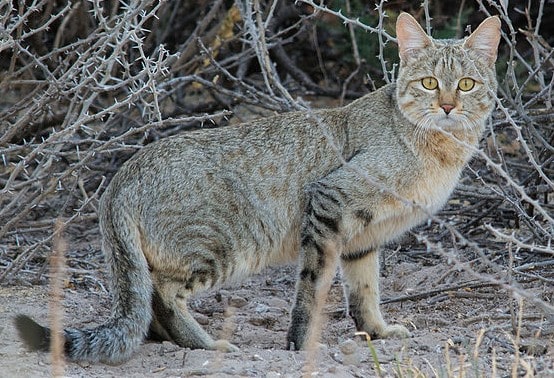
In a daring move to prevent the extinction of the enigmatic Scottish wildcats, nearly twenty of these feline marvels have been stealthily introduced into the wilds of the Scottish Highlands. The initiative is the brainchild of the Royal Zoological Society of Scotland (RZSS), who’ve embarked on a journey to rescue this remarkable species from the brink of oblivion in the United Kingdom.
A Cat’s Tale of Survival
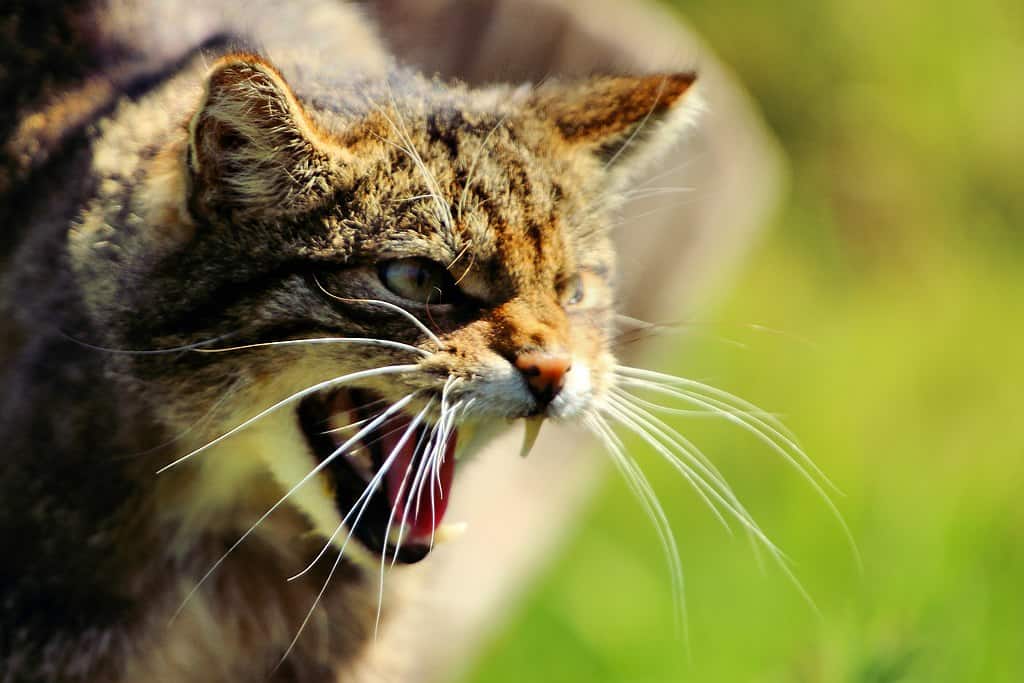
The Scottish wildcat, with its striking tufted ears and feisty disposition, has faced a perilous decline due to the loss of its natural habitat, human interference, and crossbreeding with domestic cats. In 2019, the International Union for Conservation of Nature sounded the alarm, declaring that the Scottish wildcat population was on the verge of being functionally extinct. With only about 30 of these magnificent creatures remaining in the wild, their survival was in grave jeopardy.
A Wildcat Renaissance

However, hope has sprung anew in the rugged terrain of the Cairngorms. The RZSS has hatched an audacious plan to breed and release these wildcats back into their native Scottish habitat. This rewilding project, the first of its kind in the UK, aims to release approximately 60 wildcats into the Cairngorm mountains, south of Inverness.
Born to Be Wild

Over the past three months, the RZSS has been nurturing 19 young wildcats. These feline wonders were born from cats held in British collections, including a number living in captivity at the RZSS wildlife park. The goal? To set them free in a secret location in the Cairngorms, safeguarded by vigilant CCTV cameras.
Keeping Tabs on Wildcats

To ensure the well-being and progress of these intrepid wildcats, each one has been equipped with a GPS tag. The Saving Wildcats program closely monitors their movements and behaviors. Additionally, supplementary food is provided to bolster their diet of rabbits, voles, and mice.
According to Dr. Helen Senn, the leader of the RZSS project, the release has been predominantly positive. The cats seem to have quickly adapted, showcasing their hunting skills and survival instincts. However, the true test lies ahead, as winter approaches, bringing with it scarcity in prey and challenging weather conditions.
The Release
One significant strategy was to rear the wildcats just a few miles away from their eventual release point. This approach ensured that the felines experienced identical weather and ecological conditions, reducing the stress associated with long journeys and unfamiliar territories, which can often lead to fatalities in release programs.
While the initial results are promising, it will be several years before the project’s success can be definitively evaluated. The RZSS plans to conduct two more releases in 2024 and 2025, at different sites within the Cairngorms. The team has set up 100 camera traps in the area, not only to track the first group but also to monitor other wildlife inhabiting the forest.
Rewilding in the Cairngorms

Moreover, it’s not just about managing domestic cats. The wildcat’s survival hinges on expanding the native woodlands, their crucial natural habitat. This, in turn, necessitates large-scale collaboration between private and public landowners, a collaborative effort exemplified by the Cairngorms Connect rewilding program.
A Glint of Hope

The wildcats project is part of a broader trend of successful species reintroductions and conservation efforts. Beavers, sea eagles, golden eagles, and even the charismatic red squirrels have all benefited from similar initiatives. The resurgence of beavers in Scotland is so significant that NatureScot predicts there could be as many as 10,000 of these industrious creatures thriving in the wild by 2030.
Conclusion
As we witness the Scottish wildcats taking their first tentative steps back into their natural habitat, we’re reminded of the power of conservation efforts and the hope they instill. The rewilding project in the Cairngorms serves as a testament to the resilience of nature when given the chance to bounce back. With careful monitoring, collaboration, and public support, we may yet see these elusive felines thriving once more in the Scottish Highlands. The wildcats are back, and this time, they’re here to stay!

Please send any feedback to Feedback@animalsaroundtheglobe.com
- Platypuses Glow in the Dark - July 19, 2026
- Secret Lives of Nocturnal Animals in the USA - July 19, 2026
- Extinct or Not Extinct: The Ivory-Billed Woodpecker - July 19, 2026