

Picture a wild landscape without its apex predator, where elk graze freely and vegetation struggles under endless pressure. Now imagine those ancient howls echoing across Colorado’s mountain ranges once again. This isn’t fantasy anymore – wolves are officially back in Colorado, marking one of the most significant conservation events in modern American history.
In December 2023, Colorado became the first state to reintroduce gray wolves through a voter-approved ballot measure rather than federal mandate. Proposition 114, now state statute 33-2-105.8, passed on November 3, 2020. It directed the Colorado Parks and Wildlife Commission to develop a plan to introduce and manage gray wolves in Colorado west of the Continental Divide no later than December 31, 2023. The program continues today with fresh releases from British Columbia bringing the total population toward its ambitious goals. No further releases are planned for the 2024-2025 capture season. This is the second of three to five release seasons of wolves.
So let’s dive into what this means for Colorado’s future, its ecosystems, its people, and why everyone’s talking about these magnificent predators making their comeback.
A Historic Vote Changes Everything
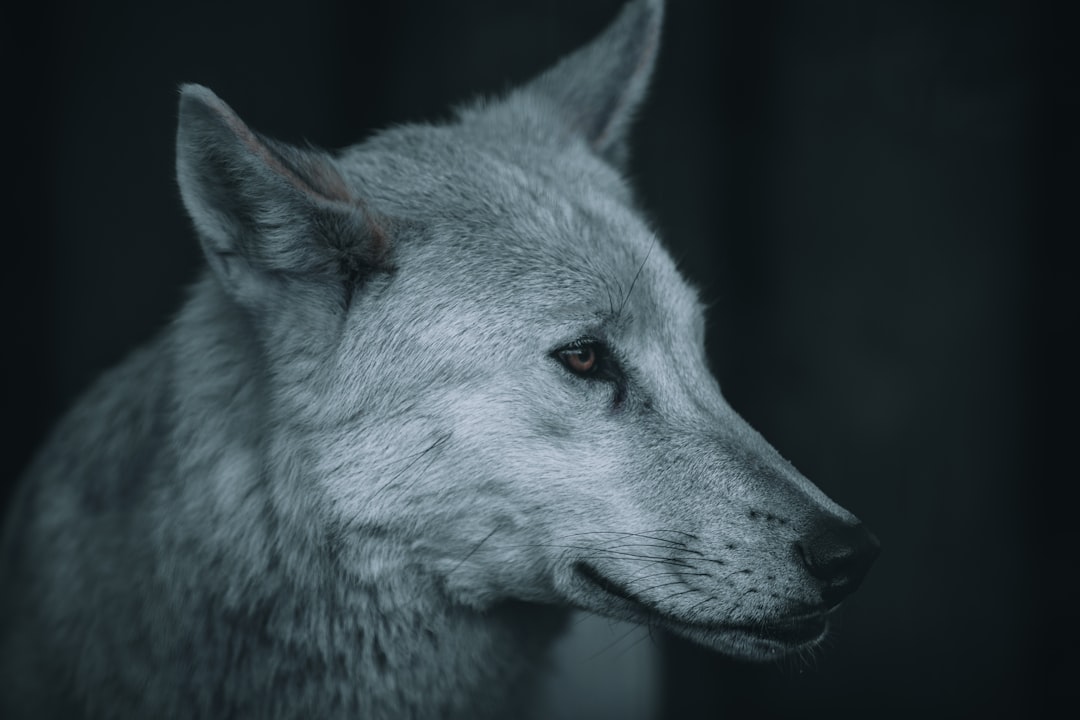
Proposition 114 directs state wildlife managers to bring wolves back to Colorado’s western mountains by 2024. Supporters suspected it would sail to victory, but voters appear wary of wolves. By the time opponents conceded the race, the initiative was only ahead by half of 1 percentage point. This razor-thin victory – just over fifty percent – shows how divided Coloradans remain about sharing their landscape with wolves.
In a move criticized as “ballot box biology,” passage means Colorado will become the first state where voters direct the reintroduction of gray wolves rather than the federal government. Think about this for a moment: citizens, not scientists or federal agencies, made this decision. Democracy in action, though not without controversy.
From Oregon to British Columbia – Sourcing the Wolves
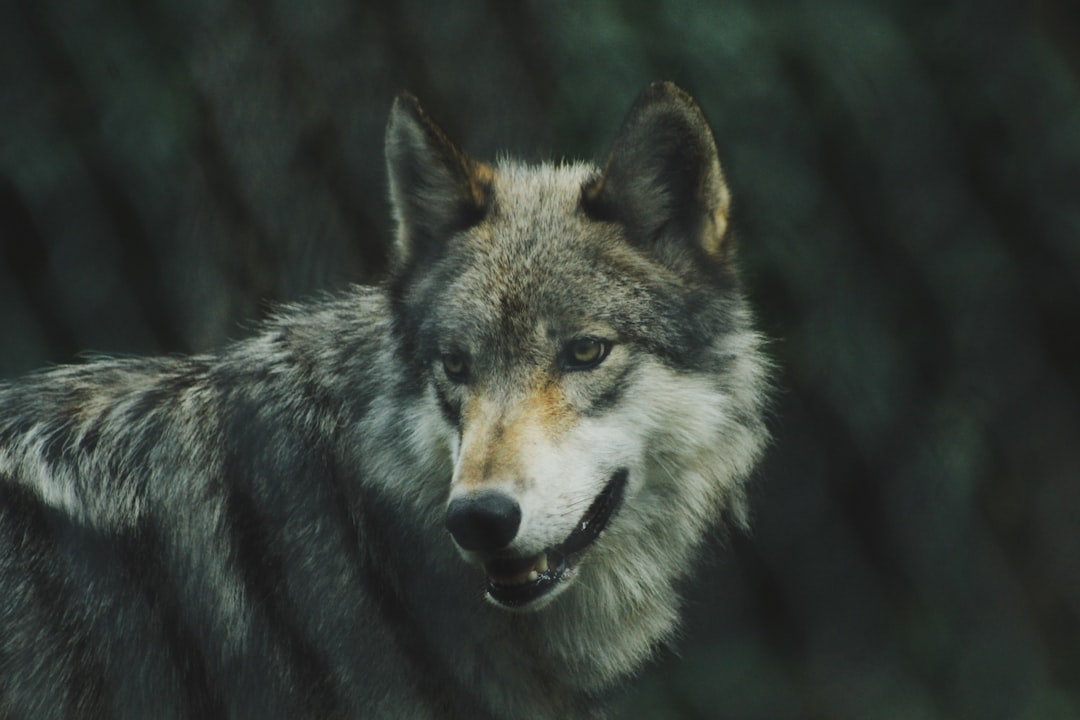
A one-year agreement announced in October 2023 between Colorado Parks and Wildlife (CPW) and the Oregon Department of Fish and Wildlife secured Oregon as the source for the first 10 wolves for the Colorado wolf reintroduction effort. The agreement was key to helping ensure CPW could meet its statutory mandate to begin releasing wolves in Colorado by December 31, 2023. These first ten wolves arrived just in time to meet the legal deadline.
However, finding wolves for the second phase proved more challenging. The task of sourcing wolves for Colorado’s reintroduction efforts has been complicated by a lack of cooperation from wildlife agencies in conservative-leaning Rocky Mountain states including Idaho, Montana and Wyoming, and at least one agreement – a deal to capture and relocate wolves from the Confederated Tribes of the Colville Nation in the state of Washington – has fallen through.
Enter British Columbia. DENVER – In an agreement announced today between Colorado Parks and Wildlife and the B.C. Ministry of Water, Lands and Resource Stewardship, the Canadian province will be a source for up to 15 wolves for the Colorado gray wolf reintroduction effort for this upcoming winter. These wolves will be captured and translocated between December 2024 and March 2025. The Canadian connection proved essential when neighboring states turned their backs on Colorado’s effort.
The Price Tag of Conservation
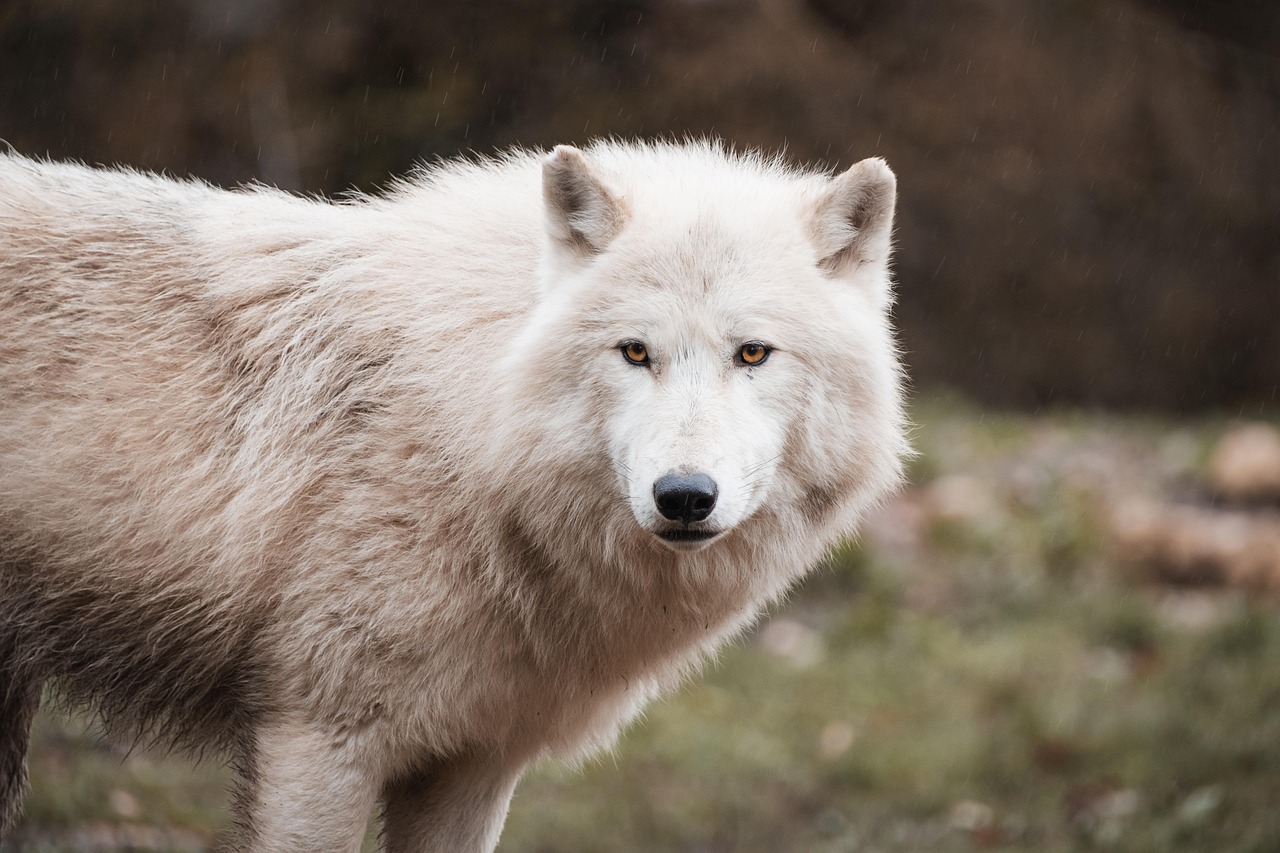
Money matters, especially when it comes to wildlife restoration programs. Ranchers in Grand County hit Colorado Parks and Wildlife with a $582,000 bill for wolf kills and related impacts on cattle and sheep in the first year of reintroduction, and they are hoping the sum will convince the parks and wildlife commission to pause the next phase of the program at its meeting in Denver on Jan. 8. That’s serious money for just one county.
Senate Bill 255 created the Wolf Depredation Compensation Fund, which received $175,000 in fiscal year 2023-24 and $350,000 in fiscal year 2024-25 to cover depredation claims as well as programs to minimize conflict between wolves and livestock, Duncan added. The fund exists, though these massive claims could drain it fast. Research suggests Coloradans who voted for wolf reintroduction value it highly. When the values are combined and applied to the number of yes votes in every Colorado county, our results indicate that Colorado yes voters would be willing to pay $31 million per year to reintroduce a population of 200 wolves.
That willingness to pay might be tested as costs mount and benefits remain largely intangible for most residents.
Ranchers on the Front Lines
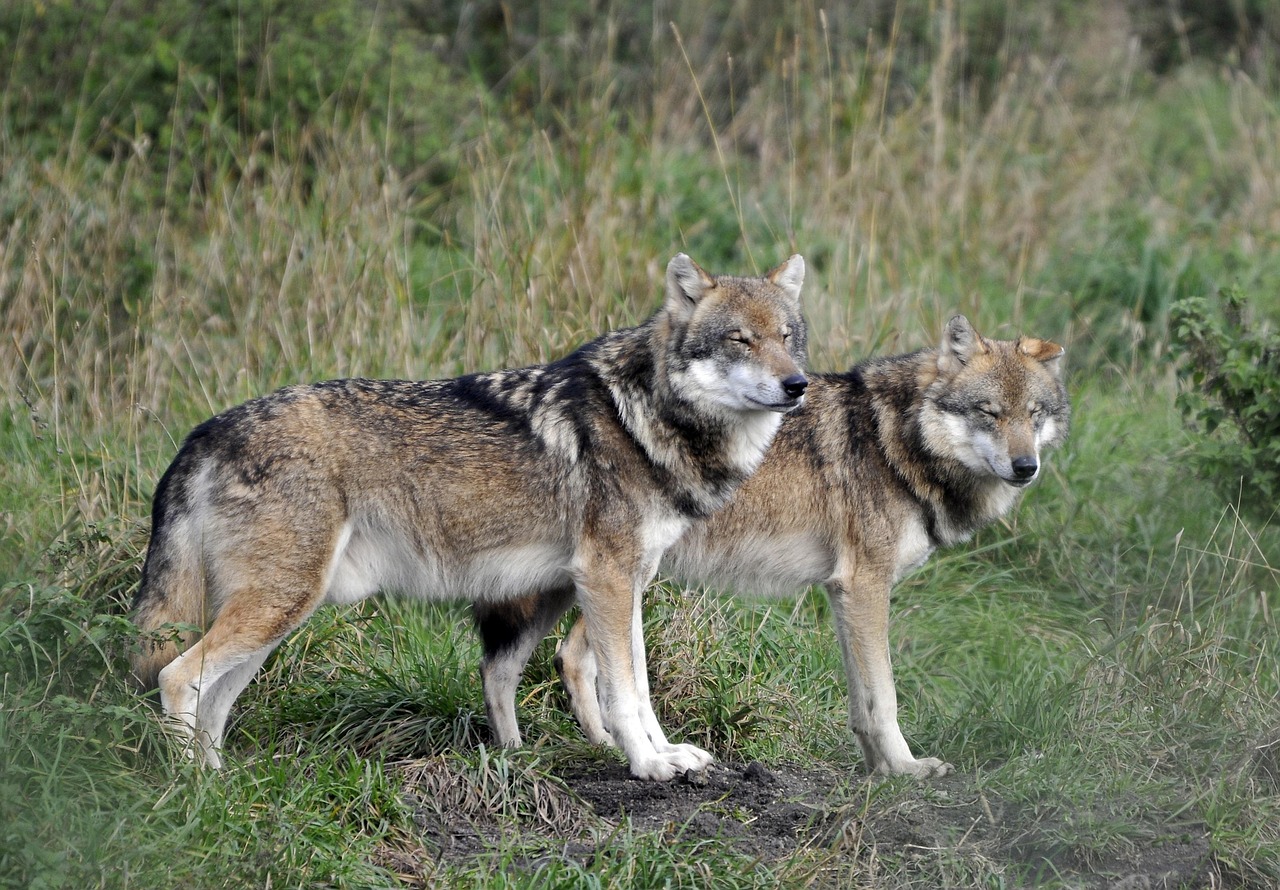
Nobody faces the reality of wolf reintroduction more directly than Colorado’s ranchers. Rancher Conway Farrell, owner of Farrell Livestock, put the situation into perspective in a recent interview with the Coloradoan. “We could get a half million dollars out of this deal, and it wouldn’t touch the losses we actually had to sustain our operation,” Farrell told the newspaper. “We need the money to stay in business. This is money we usually would have had last fall to go through another year of ranching.”
These aren’t abstract numbers on a spreadsheet. A breakdown includes $18,411.71 for confirmed attacks resulting in injury or death of cows, calves and sheep; $173,526.63 for yearling cattle, calves and sheep reported missing from ranches with a confirmed attack or death; $216,772.20 for cattle from said ranches taken to market with a lower-than-normal weight; $172,754.64 for lower conception rates among sheep and cattle on ranches with a confirmed attack or kill; and $515 for one necropsy of a deceased calf. The ripple effects go far beyond dead animals – stressed livestock don’t reproduce as well, gain weight slower, and ultimately generate less income for families trying to make a living off the land.
Colorado’s compensation program is generous by national standards. Colorado compensates the owners of wolf-killed livestock up to $15,000, the most generous compensation program in the country, the letter states.
Ecosystem Changes – The Science Debate
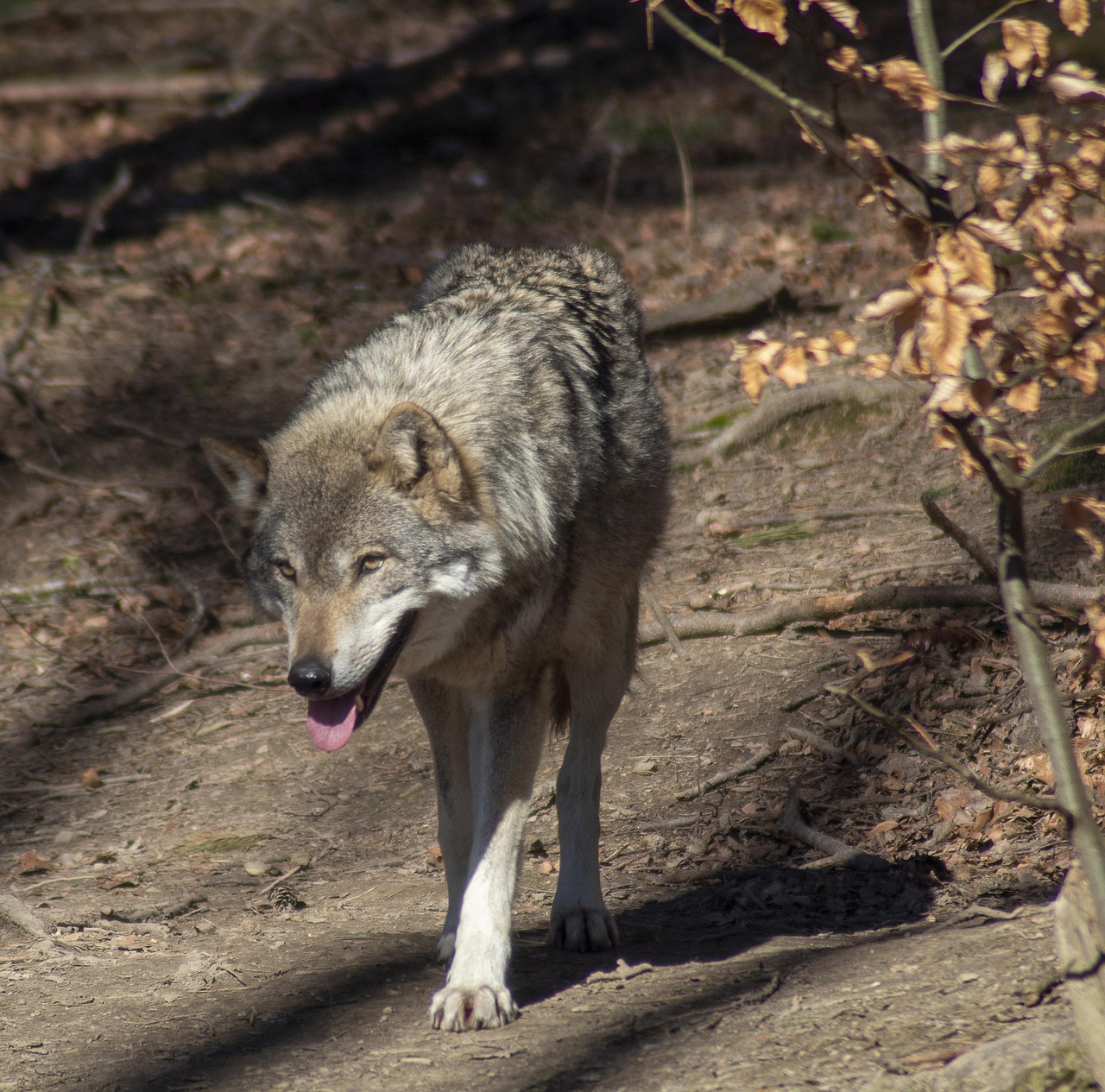
Here’s where things get fascinating from an ecological perspective. The idea is referred to as a “trophic cascade,” where a change in an ecosystem’s food chain – typically the removal or reintroduction of an apex predator like wolves – has a ripple effect on the other levels in the food chain and ecosystem. Basically, wolves don’t just hunt elk – their presence changes how elk behave, where they graze, and ultimately how entire landscapes look.
Brenna Cassidy, Colorado Parks and Wildlife’s wolf monitoring and data coordinator, referred to whether wolves contribute to these ecosystem changes as “one of the most hotly debated topics in wolf ecology.” This debate matters because ecological benefits often justify the costs and controversies of wolf reintroduction.
Evidence from Yellowstone shows promising results. The reintroduction of wolves to Yellowstone National Park in 1995 marked a turning point in restoring ecological balance. As the wolf population began to gradually increase, scientists noted changes in the ecosystem. Wolves preyed on elk, and the elk population decreased, which altered its grazing behavior. With the elk population decreasing and grazing less, willow and aspen trees were able to regenerate after years of decline. The resurgence of these plants provided essential resources for species like beavers, which played a vital role in shaping the ecosystem.
Political Pushback and Petitions
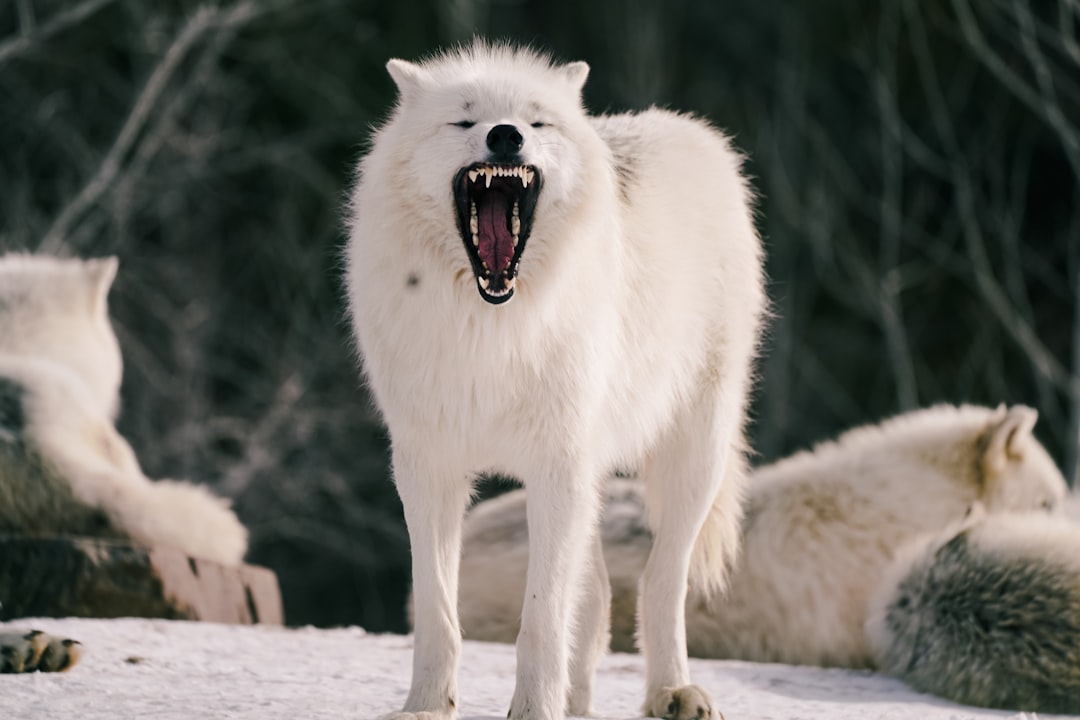
Not everyone wants these wolves running wild across Colorado. A petition submitted to the commission by the Middle Park Stockgrowers Association and 20 other livestock industry and anti-wolf groups calls for wolf reintroductions to be paused until Colorado Parks and Wildlife makes certain changes to its rules aimed at favoring the livestock industry. They want stronger protections, clearer definitions of chronic depredation, and basically more power to deal with problem wolves.
The pushback goes beyond just ranchers. Over the last year, virtually every western state with wolves has refused to send more to Colorado, prompting Colorado Parks and Wildlife to reach out to British Columbia, which is culling wolves because of their impacts on caribou herds. Colorado finds itself somewhat isolated among Western states when it comes to wolf policy.
Fortunately for wolf advocates, the commission rejected the pause petition. The Colorado Parks and Wildlife Commission today rejected a livestock industry petition to pause the historic, voter-approved reintroduction of gray wolves in the state.
Managing Human-Wildlife Conflicts
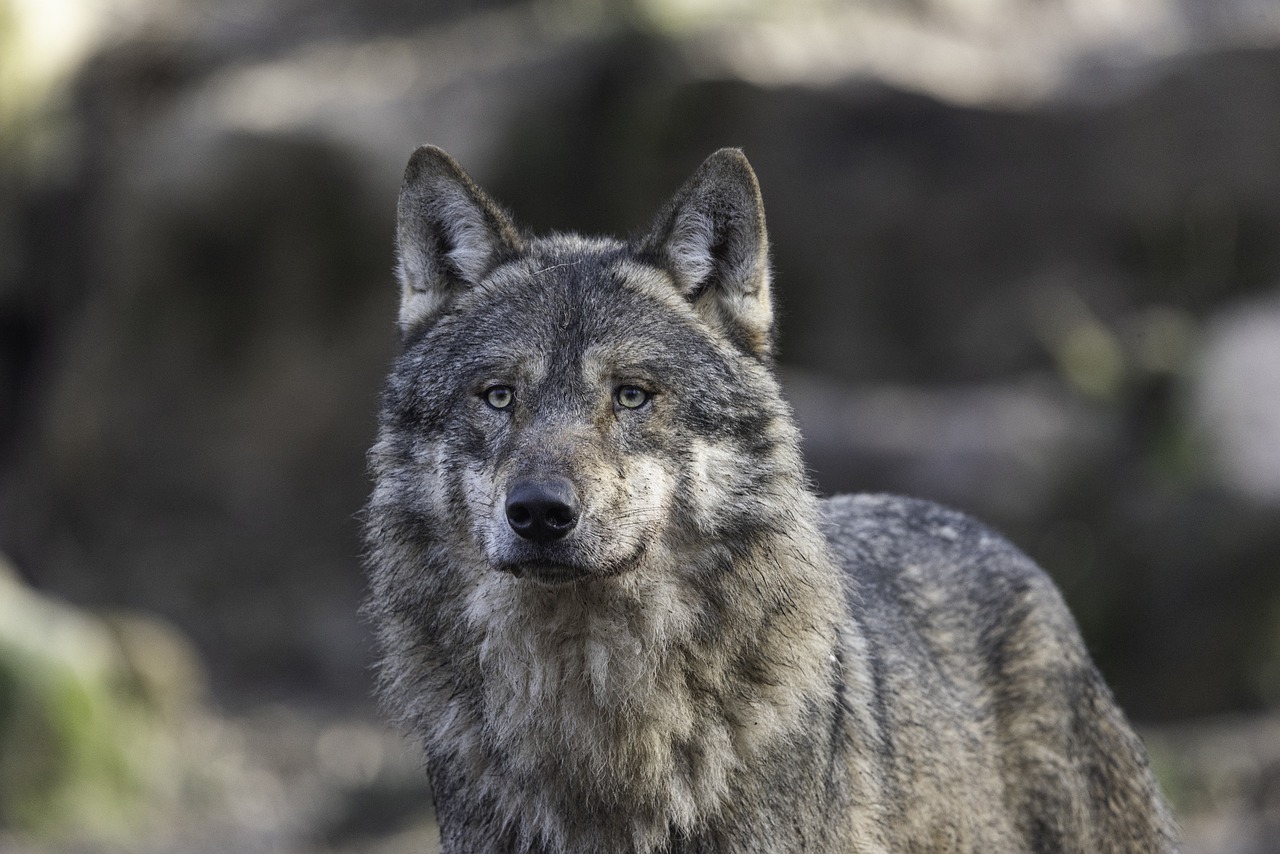
Colorado isn’t going into this blind – they’re implementing conflict reduction strategies based on lessons from other states. Early 2025 will mark the launch of the Colorado Range Rider program, which will use funding from sales of Colorado’s wolf license plates to hire contractors to work roughly five months, starting in mid-April, on the open range. The license plate sales have totaled $544,000 as of Nov. 1. Range riders work directly with ranchers to monitor herds and deploy non-lethal deterrents when wolves get too close.
They not only keep an eye out for wolves, but can deploy non-lethal deterrents to haze the wolves when they get too close. In two of those four instances, the ranches saw zero depredations after they came on board, and in a third, the ranch saw reduced depredations, Baca with CPW said. These success stories suggest coexistence is possible when proper tools and techniques are used.
The state also provides various support measures. The state provides numerous resources to minimize wolf-livestock conflict, like establishing a range rider program. Colorado’s wolf management program also provides compensation for any livestock killed by wolves.
Looking Forward – What Happens Next
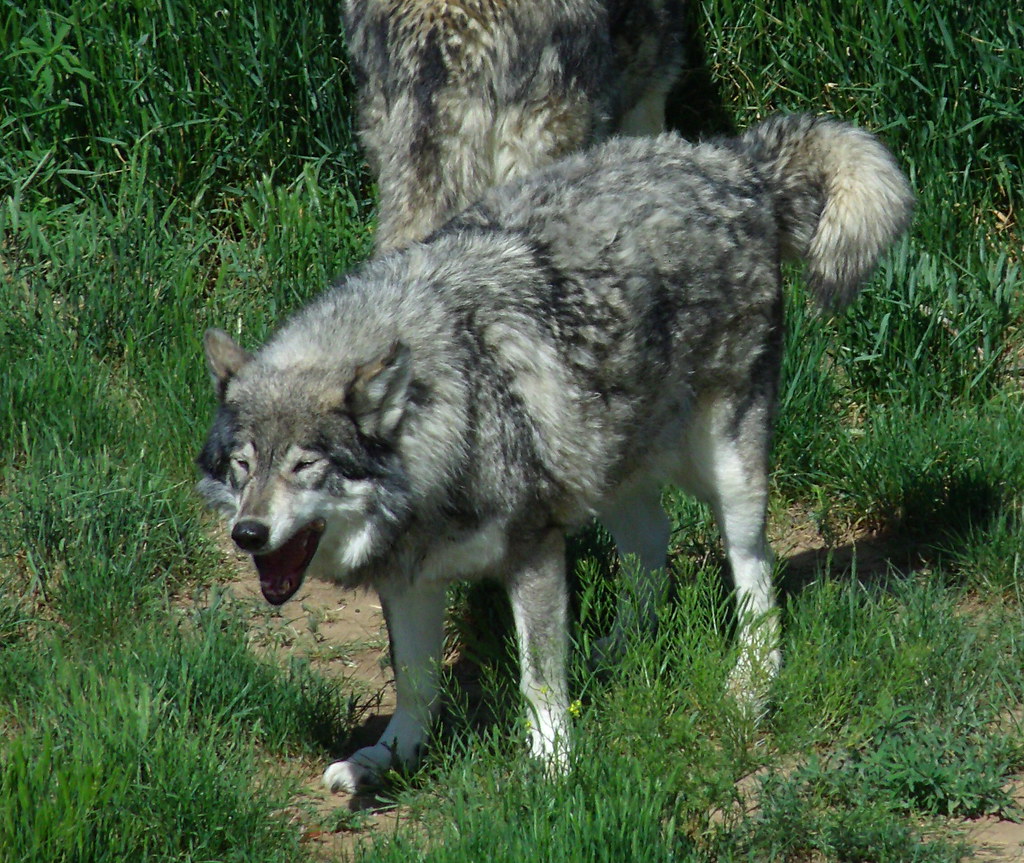
It is anticipated that wolf reintroduction efforts will require the transfer of about 30 to 50 wolves in total over a 3-5 year time frame. Colorado isn’t trying to build a massive wolf population overnight – they’re taking a measured approach that hopefully allows ecosystems and human communities to adapt gradually.
Keep in mind that the reintroduction of wolves into Colorado covers a huge area, around 22 million acres of public lands, and there aren’t going to be that many wolves introduced – probably 30 or 50 over the next three to five years. So in Colorado, too, effects on vegetation and total numbers of prey species like elk are likely to be localized, diffuse and only within certain microhabitats. The impacts, both positive and negative, will vary significantly across this vast landscape.
The program faces ongoing challenges. Wildlife advocates and CPW officials are also fending off efforts to restrict funding for the reintroduction program at the state Legislature, as lawmakers prepare to deal with a significant 2025 budget deficit. Money remains tight, and political opposition continues.
Still, Colorado has committed to this path. As restoration efforts continue, CPW is committed to working with livestock owners, communities, state agencies and all partners to reduce the likelihood of wolf-livestock conflict. Our goal is to keep ranchers ranching, while at the same time restoring a healthy, sustainable population of gray wolves to Colorado as mandated, said Davis.
The return of wolves to Colorado represents more than just wildlife management – it’s a test of whether modern society can make room for apex predators in landscapes increasingly dominated by human activity. The challenges are real, the costs significant, and the benefits still largely theoretical. Yet something profound is happening in Colorado’s high country. Ancient howls are returning to mountain valleys that haven’t heard them in nearly a century. Whether that’s progress or problem depends largely on where you stand – and whether you have livestock to protect. What do you think about it? Tell us in the comments.
